Which brands make the best ultrasonic humidifiers?
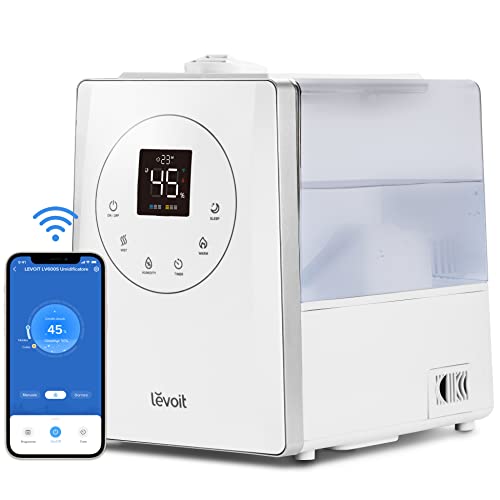
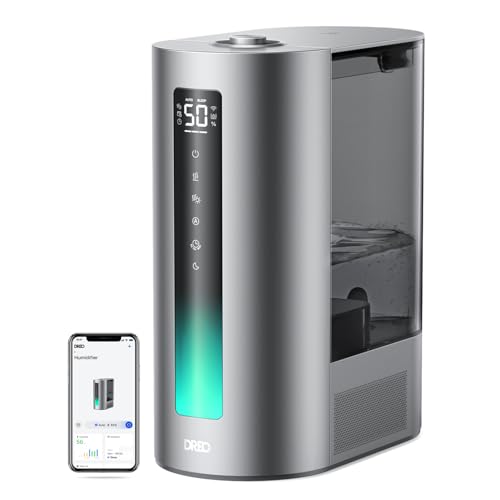
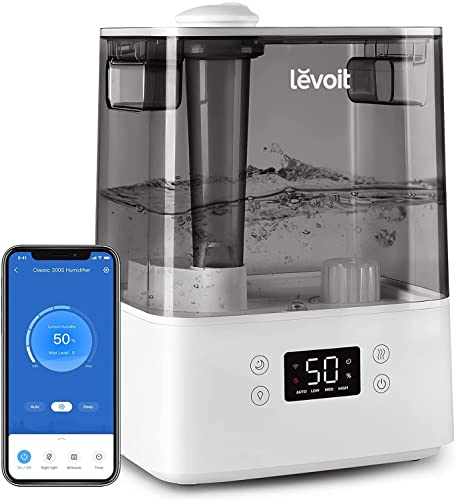
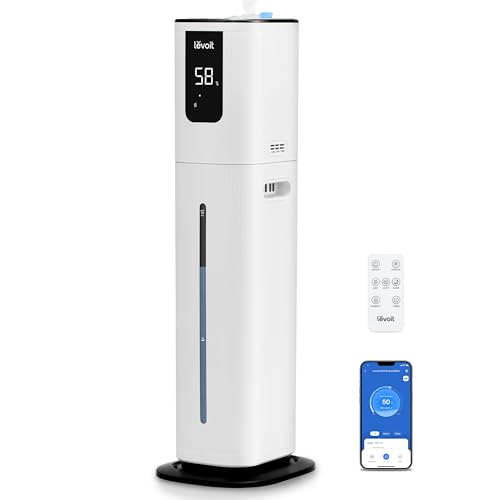
The strongest ultrasonic humidifier brands by average overall score are as follows:
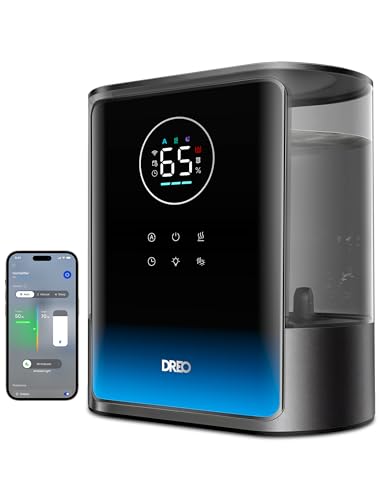
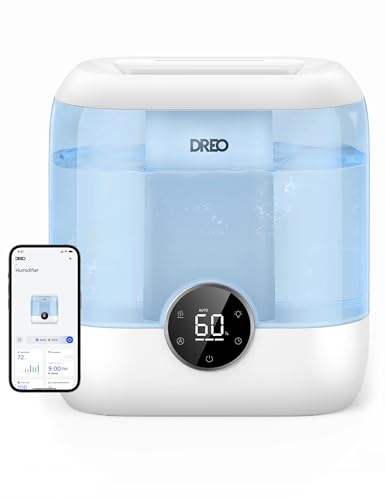
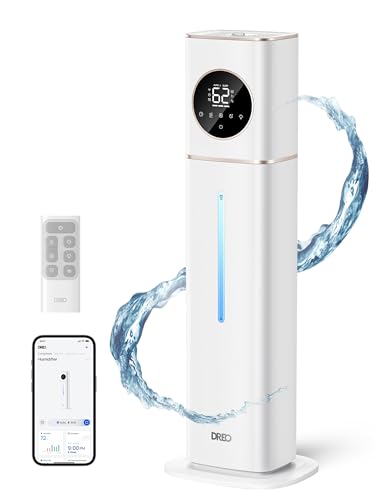
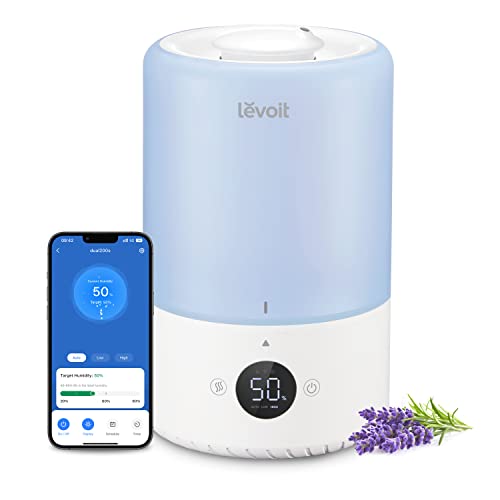
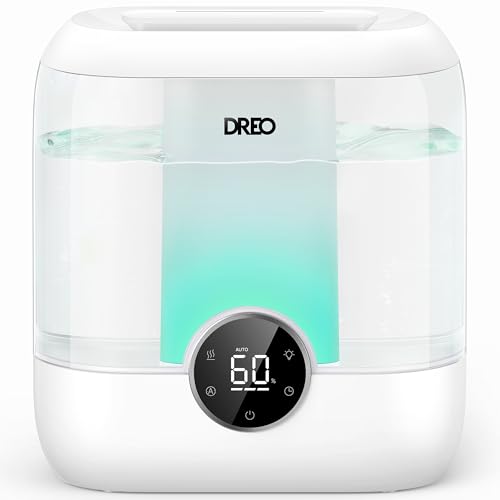
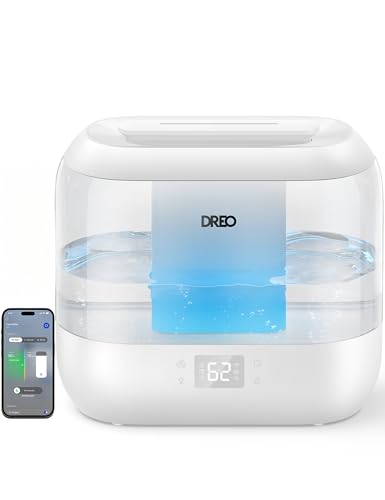
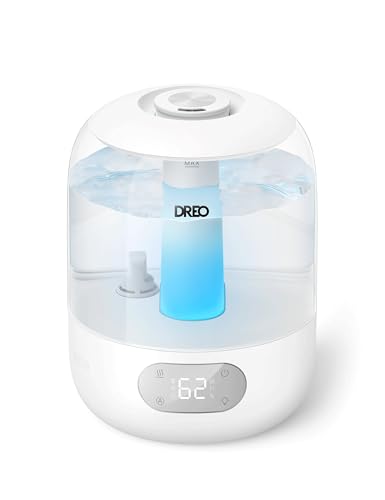
- Dreo (Average overall score: 8.3)
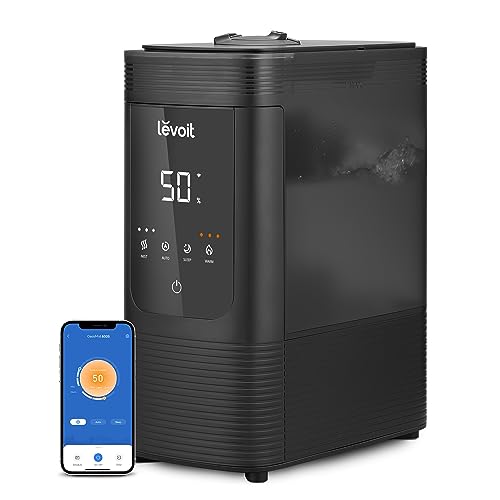
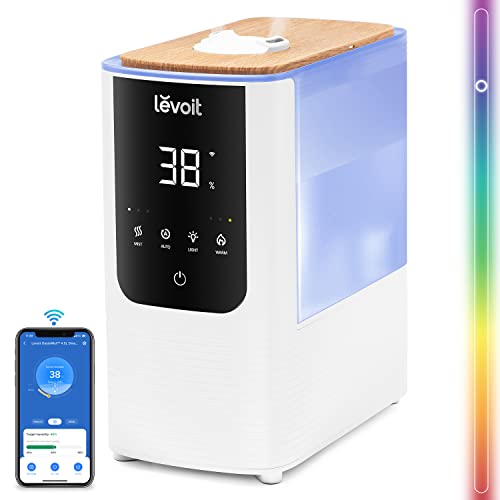
- LEVOIT (Average overall score: 8.1)
- ASAKUKI (Average overall score: 6.5)
The chart below compares ultrasonic humidifier brands by average overall score, considering brands with at least five qualifying models.
[horizontal-chart-12809873682959330734033167465687823722171371331630]
How do ultrasonic humidifiers work?
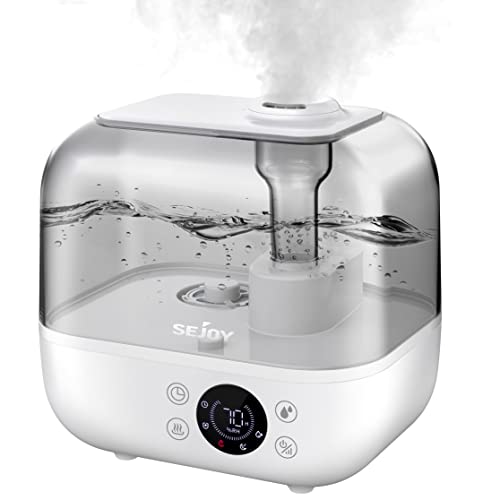
Ultrasonic humidifiers work by sending a high-frequency electrical signal to a piezoelectric membrane, which vibrates and breaks water into a fine cool mist. A fan or natural airflow carries the droplets into the room without boiling the water.
This process uses little electricity and is usually quieter than a fan-driven evaporative unit, but it releases the minerals and impurities present in the water. A hygrostat can reduce output when the target is reached, while several mist levels let you match output to room size.
The mist is not automatically sterile. Standing water, a dirty membrane, or an unclean tank can disperse microorganisms, so the water-contact parts need frequent emptying, rinsing, and drying.
What are the pros and cons of ultrasonic humidifiers?
Ultrasonic humidifiers are quiet, efficient, and flexible, but they require stricter water and cleaning discipline than many evaporative models.
Advantages: The vibrating membrane uses very little electricity and produces a cool mist without a heating element. Low settings can be close to 20–30 dB, making the technology useful in bedrooms, nurseries, and workspaces.
Limitations: Minerals in hard tap water can settle as white dust on furniture and may accumulate on the membrane. The mist also does not sanitize a dirty reservoir, and excess output can create condensation if there is no hygrostat.
The right choice depends on maintenance: use low-mineral water when needed, keep the tank dry between uses, and choose an evaporative design instead if you want the wick to retain more minerals or prefer a naturally self-limiting output.
Which water should you use in an ultrasonic humidifier?
Use low-mineral water in an ultrasonic humidifier whenever your tap water is hard or leaves visible scale. Distilled or demineralized water produces the least white dust, while filtered water helps only when the filter actually reduces mineral content rather than merely removing taste or odour.
Tap water is not automatically unsafe, but its dissolved calcium and magnesium become airborne with the mist. If you see powder on nearby surfaces, switch water type and clean the tank and membrane instead of increasing output. Do not add essential oils unless the humidifier has a dedicated aroma compartment, because oil can damage the water path and irritate the lungs.
Store no water in the reservoir between uses. Empty it, rinse away residue, and allow the tank and base to dry before refilling so bacteria and mould do not multiply in stagnant water.
How should you clean an ultrasonic humidifier?
Clean an ultrasonic humidifier at least every few days during regular use and more often when the tank stays warm or visibly slimy. Empty old water, rinse the reservoir, wipe the base and membrane gently, and let every part dry before refilling.
Descale mineral deposits with the solution named in the manual; do not scrape the membrane or flood electrical controls. A soft brush reaches the tank corners, while a wide removable opening is more valuable than a nominal top-fill label if the bottom cannot be wiped.
Replace or wash any filter only as specified, and never run the machine with a cracked tank, damaged seal, or blocked mist outlet. Cleaning is part of safe operation because an ultrasonic unit can disperse whatever grows in its water path.
How much do ultrasonic humidifiers cost?
Ultrasonic humidifiers generally cost about £30-£130, while small aroma-style units can start near £10 and premium high-output smart models can reach about £170.
Below £40, expect a smaller tank, lower output, simpler humidity control, and less accessible cleaning. Around £40-£100 usually buys a 2–6 L model with a hygrostat, timer, multiple mist levels, and automatic shut-off. Above £100, the useful upgrades are more accurate sensing, app control, a larger serviceable tank, or higher output; pay attention to water and cleaning requirements because price does not remove the mineral-dust limitation of ultrasonic technology.
The chart below shows the price distribution of ultrasonic humidifiers.
[vertical-chart-16669359543154832462181712142604042763730464171151]