Which brands make the best humidifiers for large rooms?
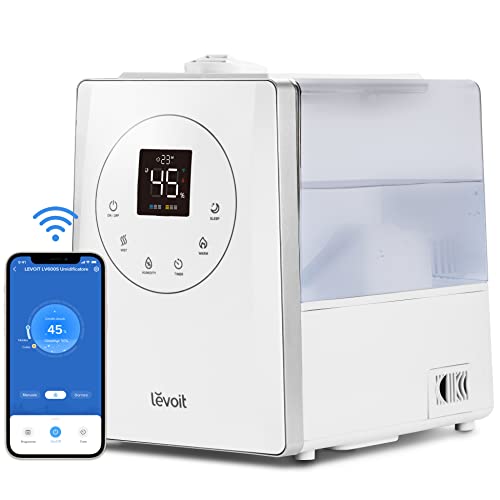
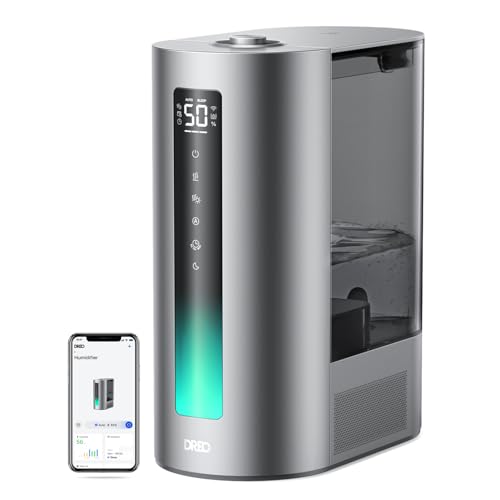
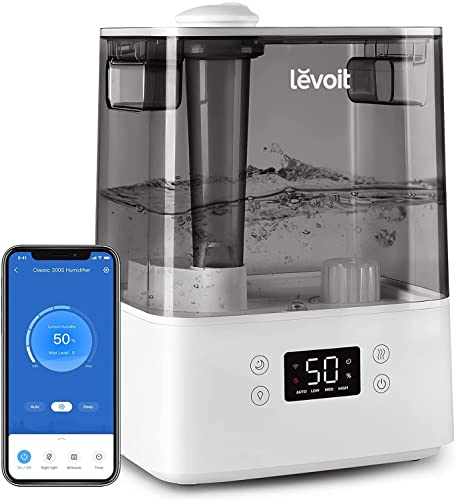
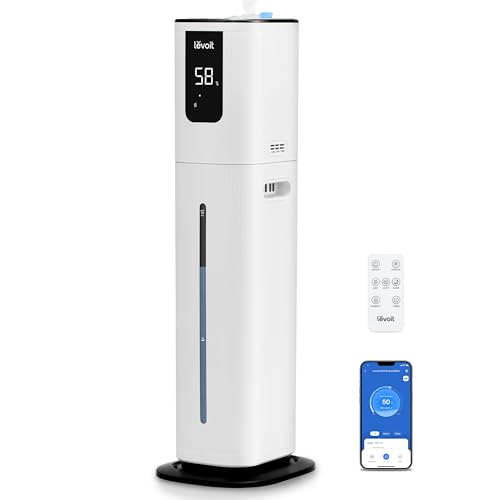
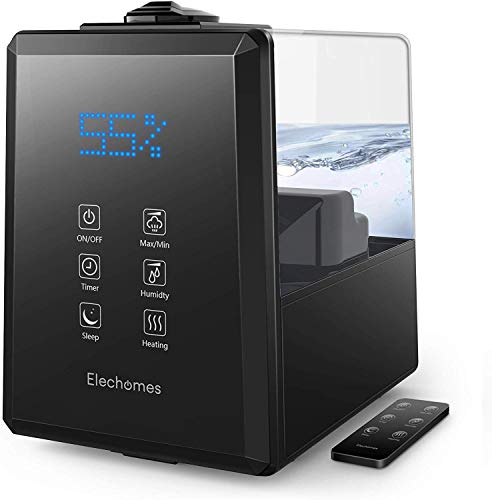
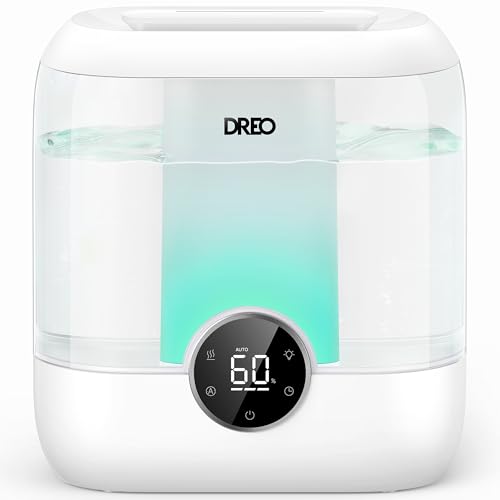
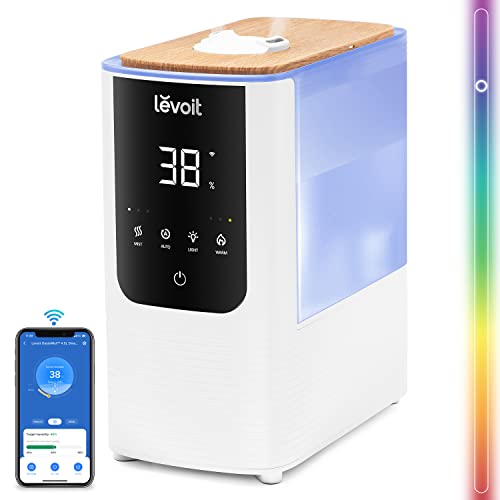
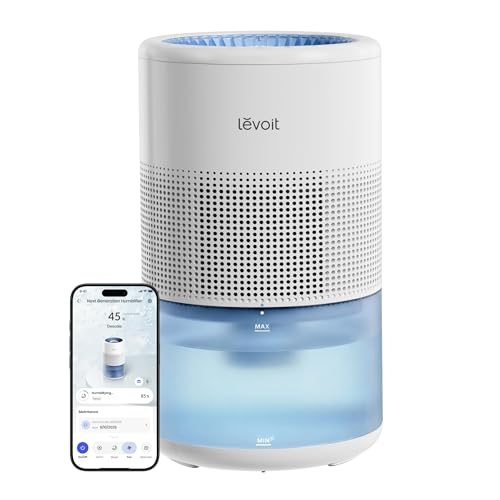
The strongest large-room humidifier brands by average overall score are as follows:
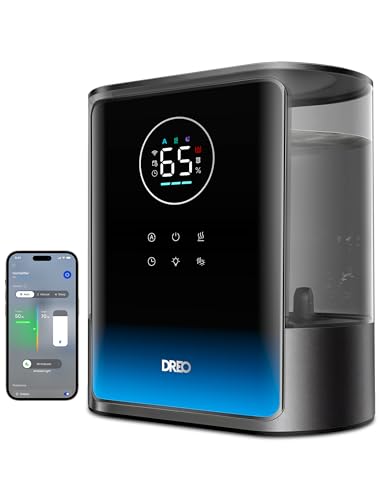
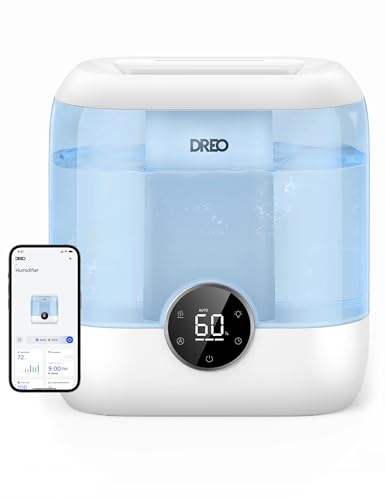
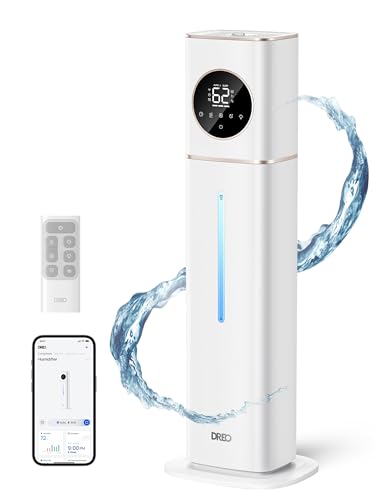
- Dreo (Average overall score: 8.5)
- LEVOIT (Average overall score: 7.8)
The chart below compares large-room humidifier brands by average overall score, considering brands with at least five qualifying models.
[horizontal-chart-11156471569868928966096609069428650079060407586542]
What humidification output and coverage should a large-room humidifier provide?
A large-room humidifier should deliver roughly 300–700 ml/h and carry a coverage rating of at least 40–70 m² when the room is open or has high ceilings. The output figure describes how much water enters the air; the area figure is only useful when it reflects the room height, ventilation, and humidity deficit rather than a marketing maximum.
For a typical 40–50 m² living area, about 300–500 ml/h is a practical starting point. Open-plan rooms, dry winter air, or frequent door opening may justify 500–700 ml/h, but excessive output can cause wet surfaces if the hygrostat does not cycle the unit. Choose several levels and aim for 30–50% RH rather than running maximum continuously.
What tank capacity and runtime suit large-room humidifiers?
A practical large-room target is a 4–12 L tank with at least 12–24 hours of stated runtime at a moderate setting. A 4–6 L reservoir suits a 40–50 m² room when the hygrostat cycles output, while 8–12 L is more convenient for open-plan spaces or users who cannot refill during the day.
Runtime falls as output rises: a 6 L tank at 300 ml/h contains about 20 hours of theoretical water, but maximum mist and automatic cycling change the real figure. Prefer a wide, removable opening, a secure handle, and automatic shut-off so the larger reservoir does not become harder to clean or unsafe to carry.
How easy are large-room humidifiers to refill and clean?
Large-room humidifiers are easiest to live with when the tank opening is wide enough to reach every water-contact surface, the base or tray is removable, and the unit exposes no narrow channels that trap residue. Top-fill access is useful only when the tank can still be emptied, wiped, and dried fully.
Empty standing water regularly, rinse the reservoir, and descale according to the manufacturer’s instructions. Ultrasonic models can disperse minerals from hard tap water, so low-mineral or distilled water may be needed if white dust appears; evaporative units instead need their wick or filter replaced or washed as specified.
For a 6–12 L tank, handles, casters, and a visible water-level indicator matter because carrying a full reservoir can be heavy. Leave clearance around the air inlet and outlet, and keep the humidifier away from electrical sockets or surfaces that can be damaged by mist.
How much do humidifiers for large rooms cost?
Humidifiers for large rooms generally cost about £70-£260, while basic compact units can start near £30 and premium high-output or smart models can reach about £340.
Below £90, expect a smaller tank or weaker output and fewer service features. Around £100-£200 usually covers a capable 40–70 m² model with roughly 300–700 ml/h output, a 4–8 L tank, a hygrostat, and automatic shut-off. Above £170, the useful extras are typically a 10–12 L reservoir, higher output, quieter control, app integration, or a more durable evaporative system; pay for those only when the room actually needs the capacity.
The chart below shows the price distribution of humidifiers for large rooms.
[vertical-chart-11358642234757476209178261492179009276923789079398]