Which brands make the best evaporative humidifiers?
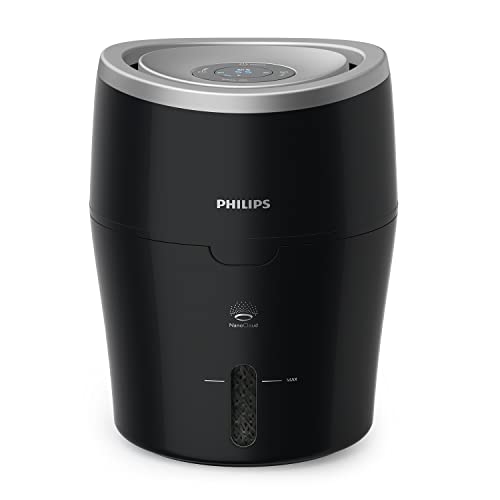
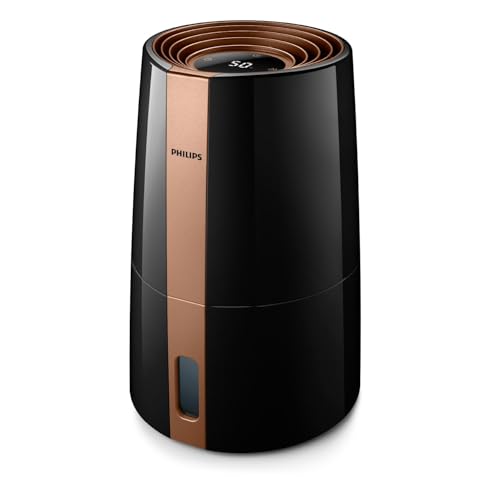
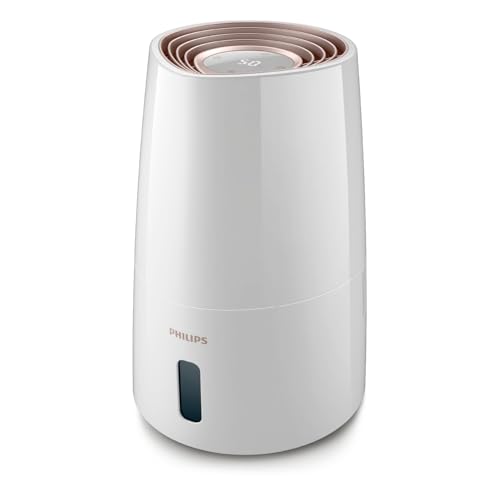
The strongest evaporative humidifier brand by average overall score is as follows:
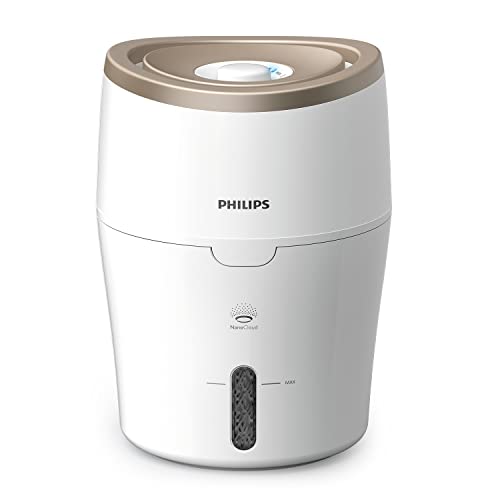
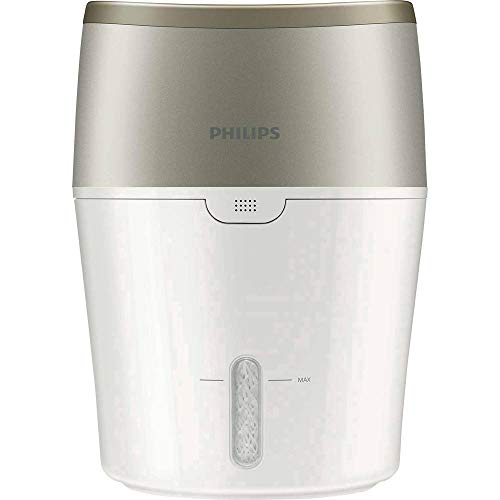
- Philips (Average overall score: 6.5)
How do evaporative humidifiers work?
Evaporative humidifiers work by drawing room air through a water-wetted wick, pad, or rotating drum; the air picks up water vapour and the fan returns it to the room. Because evaporation slows as the air becomes more humid, output is naturally self-limiting rather than a constant visible mist.
The fan controls airflow and the wick controls the exposed water surface. A higher fan setting increases output and noise, while a larger wetting area supports more moisture transfer. The process does not boil water, so it produces a cool output and avoids the hot-surface risk of steam models.
Minerals mostly remain in the wick or reservoir instead of being sprayed into the room, although scale still builds up and filters need cleaning or replacement. A hygrostat, low-water shut-off, and correctly sized wick help maintain 40–50% RH without running continuously.
What are the pros and cons of evaporative humidifiers?
Evaporative humidifiers provide controlled cool humidification and lower mineral-dust risk, but fan noise, wick upkeep, and less compact designs are trade-offs.
Their main advantage is self-regulation: as room humidity rises, evaporation naturally slows, which makes over-humidification less likely than with an uncontrolled ultrasonic mist. The wet wick also captures much of the dissolved mineral load, so furniture is less likely to receive white dust. Many models cover 20–50 m² at about 200–400 ml/h and can run 12–40 hours on a 2–5 L tank.
The main limitations are airflow noise, replacement-filter cost, and a gradual drop in output as the wick loads with scale or dust. A fan-driven unit can be louder than a low-setting ultrasonic model, while very large rooms may require a bulky high-capacity system.
Choose an evaporative model when you want cool output, forgiving humidity control, and low mineral aerosol; choose ultrasonic when minimum noise and compact size matter more and you can manage low-mineral water and cleaning.
What maintenance do evaporative humidifiers require?
Evaporative humidifiers need frequent water changes, wick care, and cleaning of the reservoir and fan path. Empty standing water daily when practical, rinse the tank, and let the parts dry before refilling.
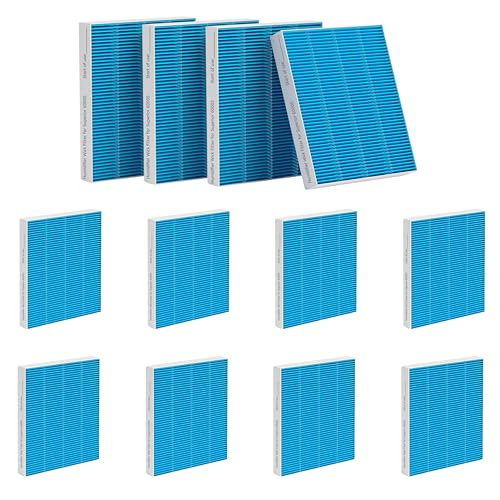
Inspect the wick or filter at least weekly during regular use. Rinse only when the manual permits; many treated paper or composite wicks must be replaced rather than washed. Replace a wick when it remains discoloured, smells, stays stiff with scale, or no longer delivers the specified output. Hard water shortens its life.
Descale the tank and water tray according to the manual, commonly every one to two weeks in hard-water areas. Wipe the fan inlet and outlet so dust does not clog airflow, keep the electrical housing dry, and never add oils or disinfectants unless the manufacturer explicitly allows them.
How much do evaporative humidifiers cost?
Evaporative humidifiers generally cost about £30-£170, while basic compact models can start near £20 and high-capacity or premium systems can reach about £340.
Below £50, expect a smaller tank, a basic fan control, and a wick that may cost extra to replace. Around £50-£130 usually buys a bedroom or medium-room unit with a hygrostat, automatic shut-off, 2–5 L capacity, and easier filter access. Above £130, the premium is mainly for quieter fans, stronger output, washable or longer-life components, app control, or large-room capacity; compare replacement-wick prices as part of ownership cost.
The chart below shows the price distribution of evaporative humidifiers.
[vertical-chart-01280688603010239264057019628029214252450452192081]