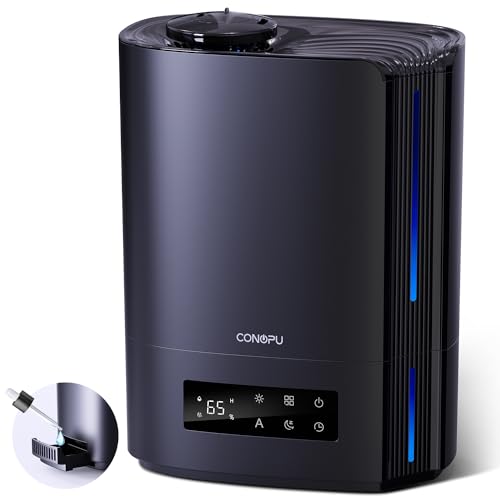
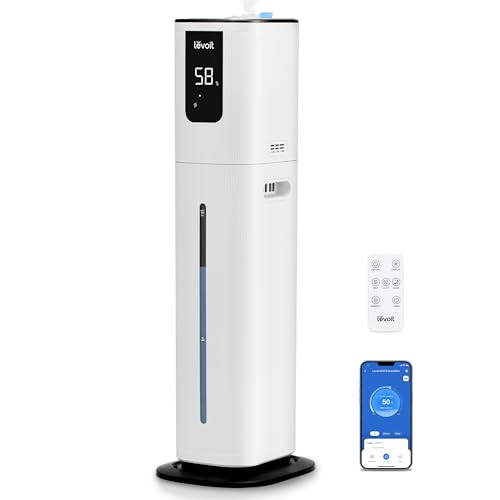
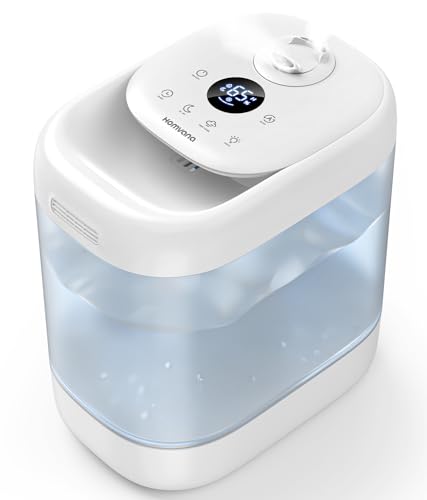
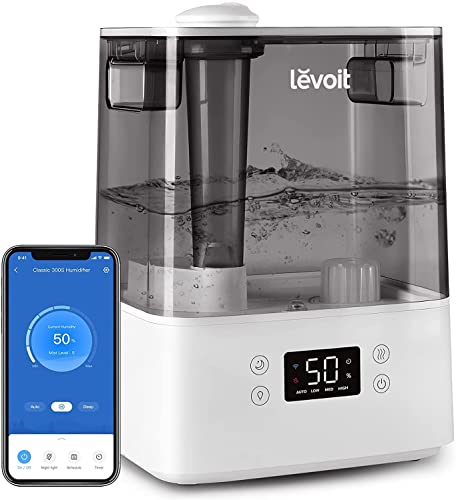
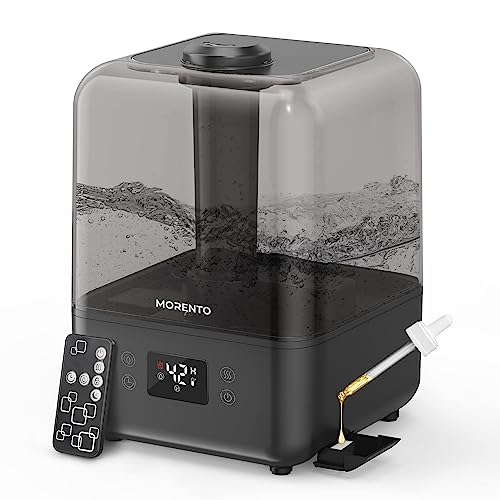
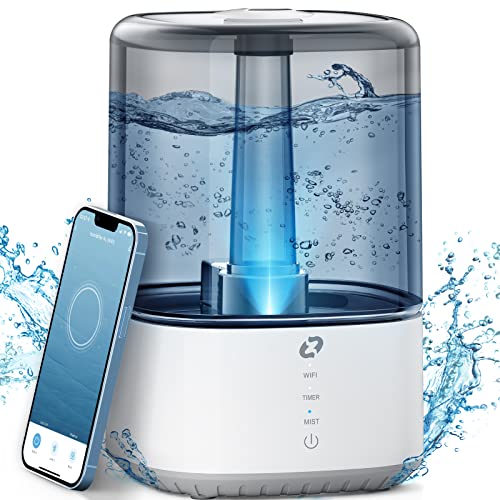
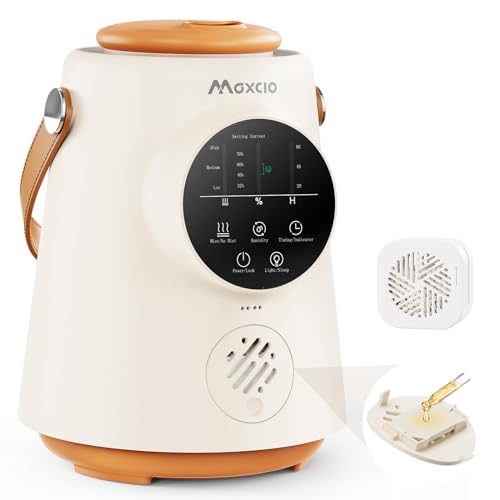
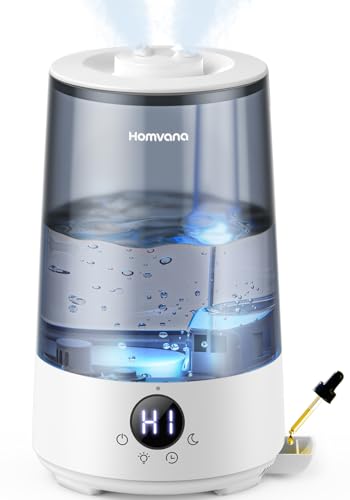
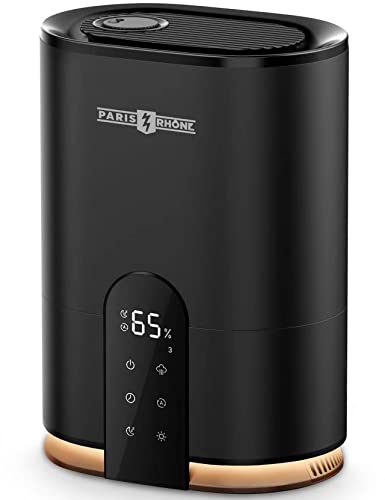
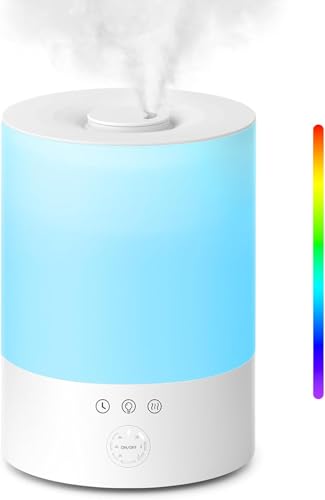
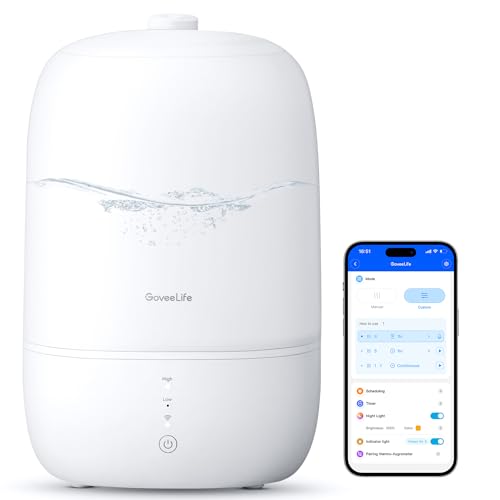
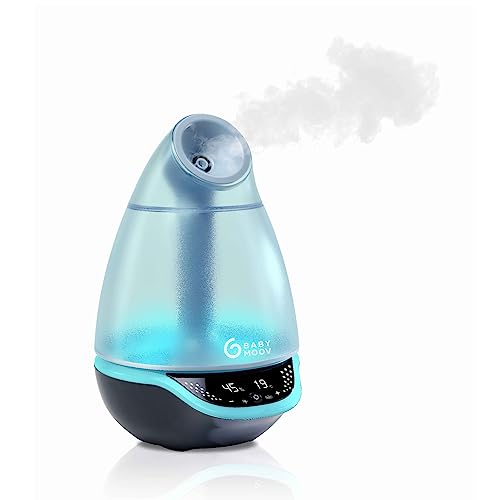
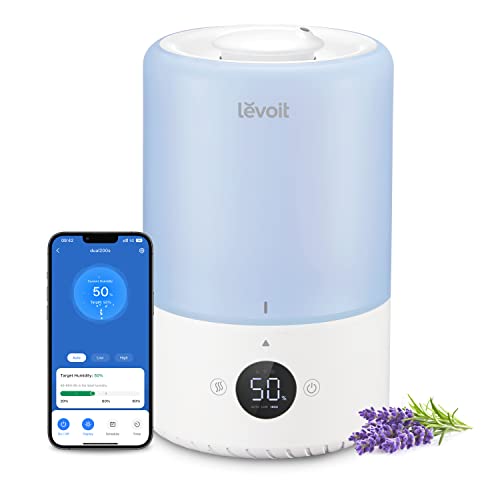
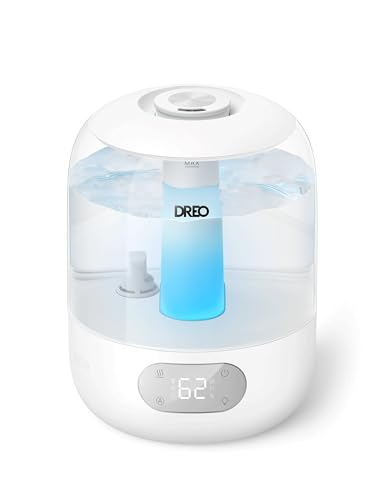
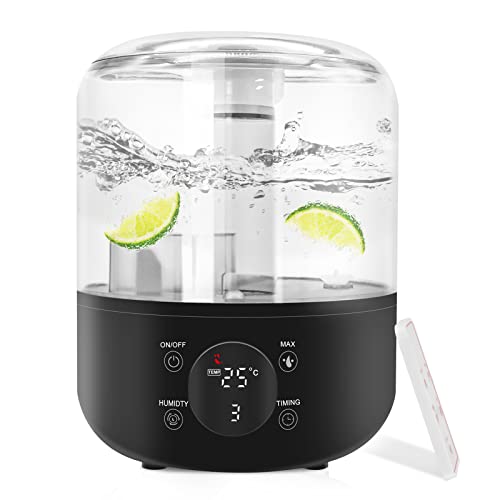
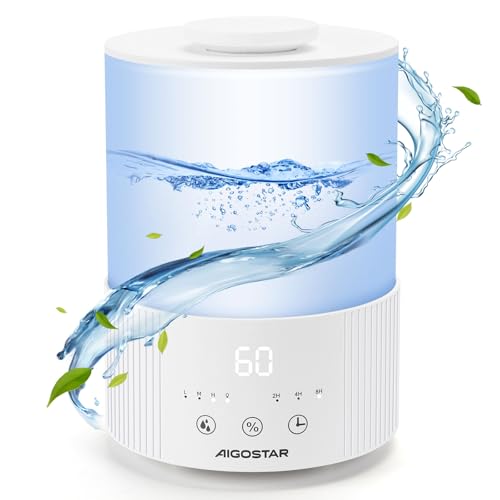
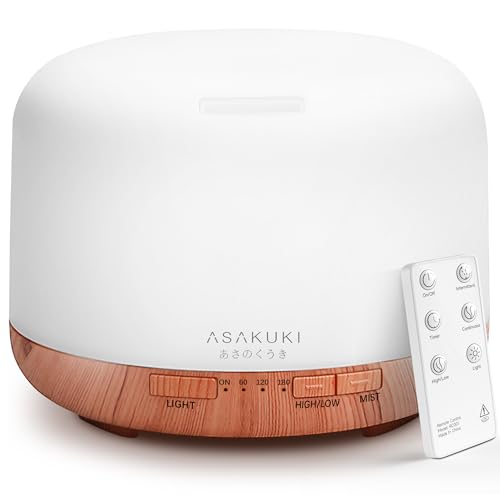
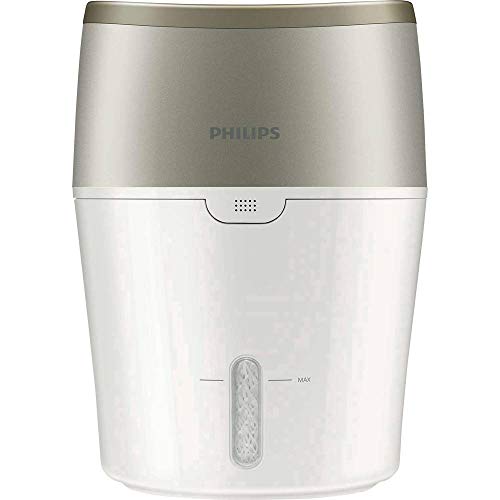
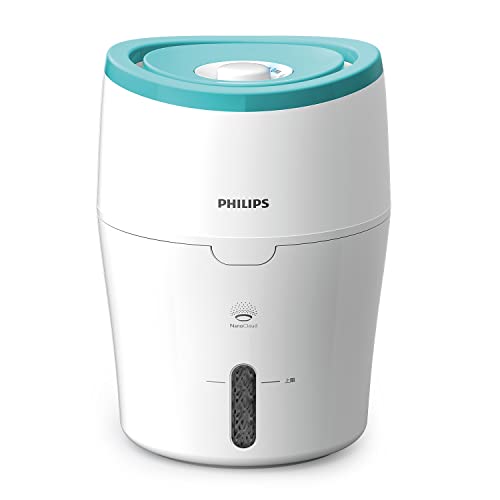
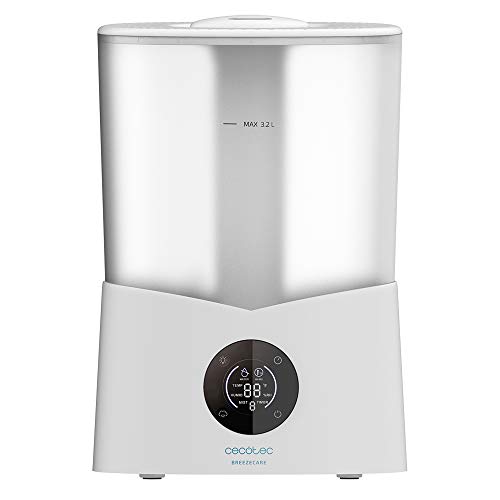
Bedroom humidifiers are suitable for overnight use when they regulate humidity automatically, stay quiet at the selected output, and hold enough water for the sleep period. A hygrostat, low-water shut-off, timer, and dimmable display reduce the chance of waking to adjust the unit or a reservoir that has run dry.
A 2–6 L tank and a stated runtime of about 12–60 hours cover many bedrooms, but the actual duration depends on mist rate, target humidity, and room temperature. A larger tank is useful only when the opening is easy to clean and the unit can be lifted safely.
Keep the humidifier on a stable, water-resistant surface away from bedding and direct airflow toward the bed. Use a separate hygrometer when accuracy matters, and stop or lower the output if humidity approaches 50–60% RH or condensation appears.
How quiet should a bedroom humidifier be?
A bedroom humidifier should produce about 20–30 dB on its low or sleep setting, which is quiet enough for most sleepers. Compare the rating at the mist level you will actually use because maximum output can be noticeably louder than the headline night-mode figure.
Fan tone, pump clicks, water gurgling, and bright indicator lights can disturb sleep even when the measured sound level is low. A stable base, rubber feet, a dimmable display, and a sleep mode that disables beeps make the quoted noise figure more useful in practice.
What tank capacity and runtime suit bedroom humidifiers?
A practical bedroom humidifier target is a 2–6 L tank with at least 8–12 hours of runtime at the output needed for the room. Smaller 0.3–1 L tanks suit a desk or short personal use, but they usually need refilling during a night; larger tanks reduce interruptions only if the opening and handle make cleaning and lifting manageable.
Runtime is not a fixed capacity figure. A 3 L reservoir running at 200 ml/h lasts about 15 hours before accounting for cycling, while maximum mist can shorten it considerably. Prefer a hygrostat and several output levels so the humidifier cycles instead of emptying at full power, and look for automatic shut-off when the water runs out.