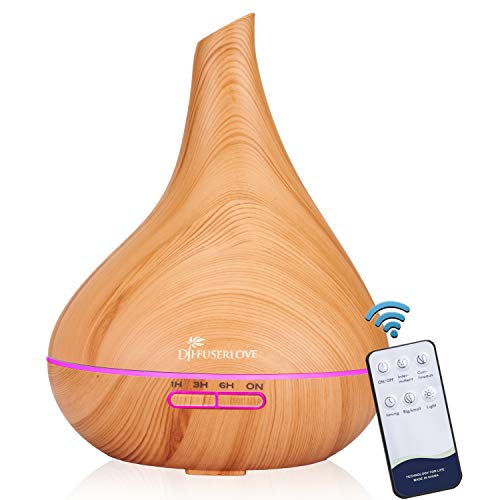
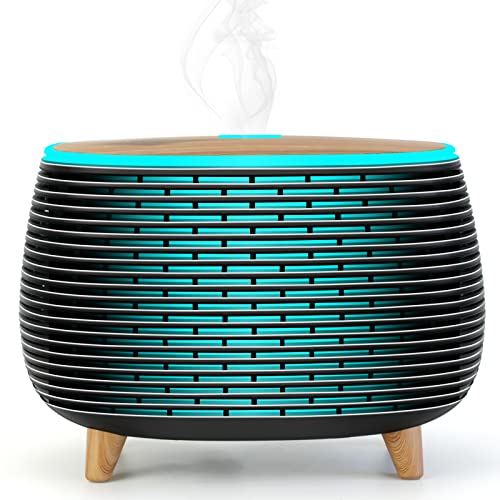
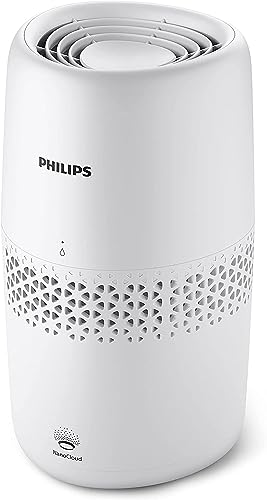
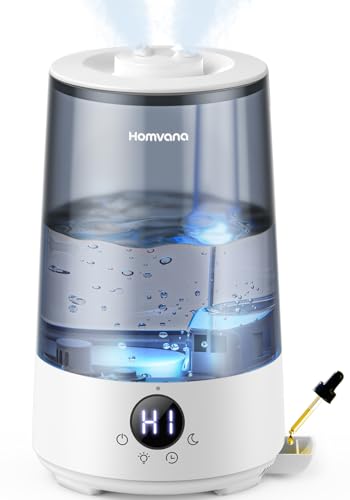
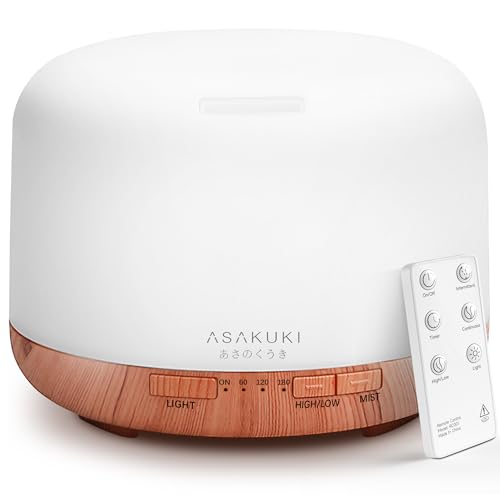
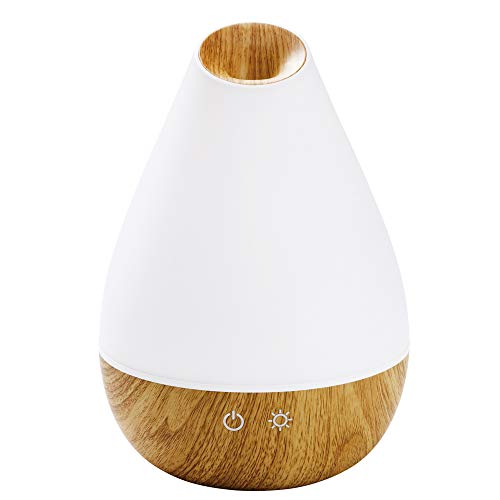
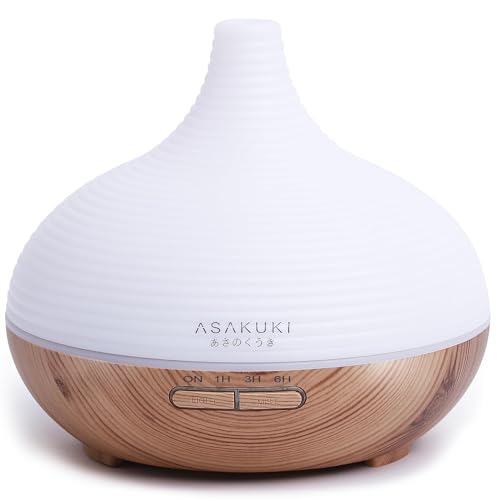
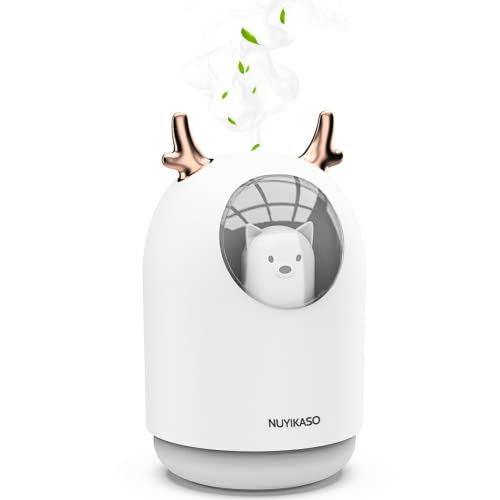
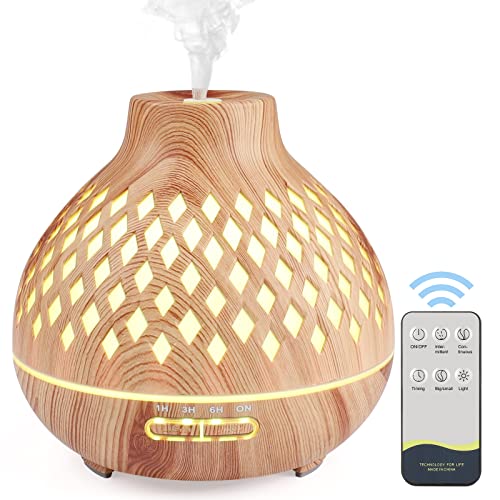
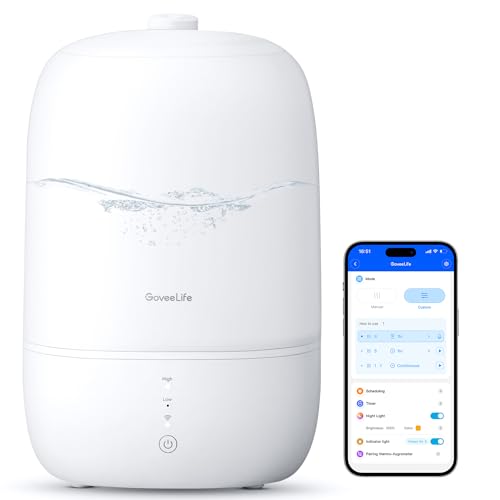
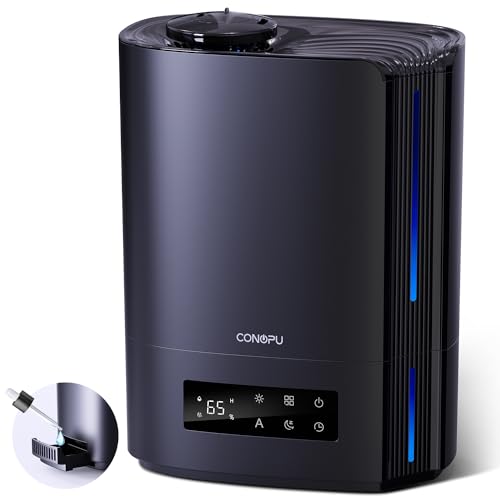
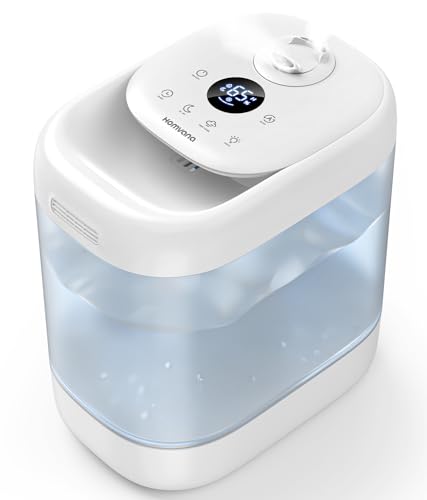
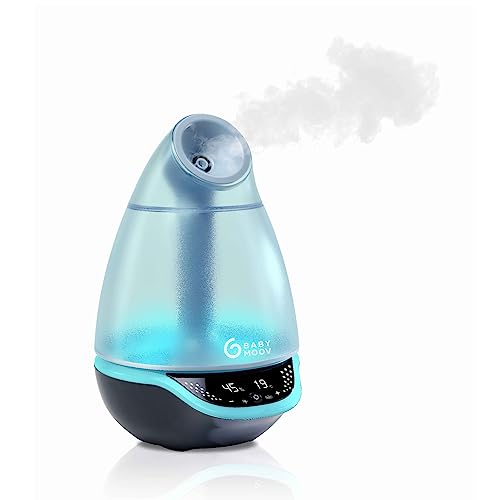
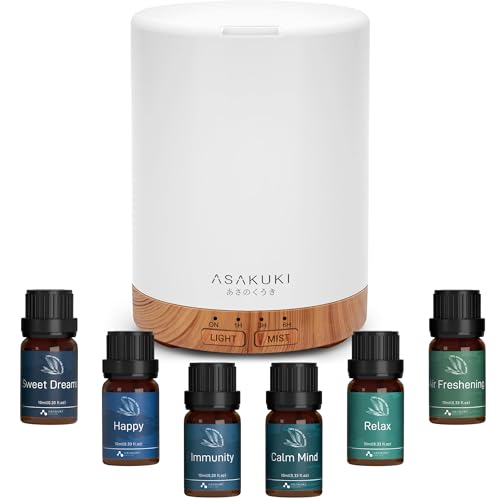
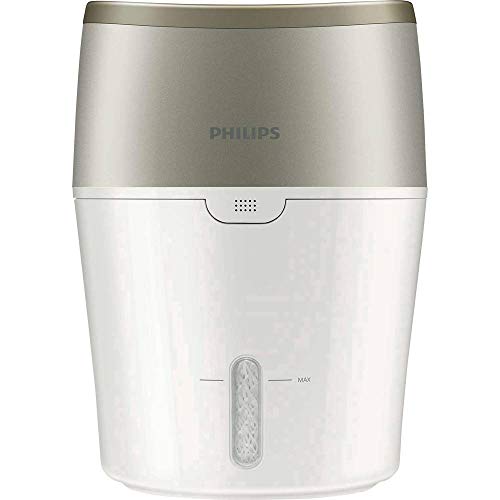
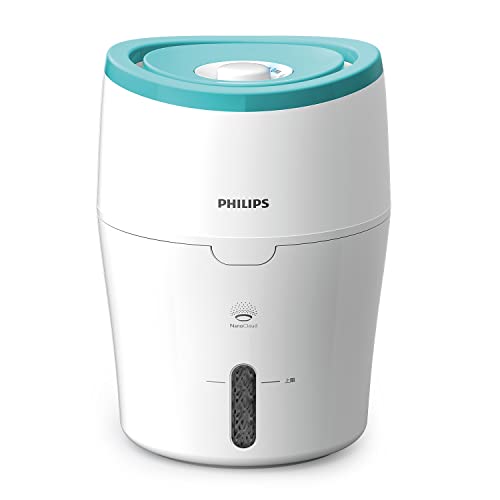
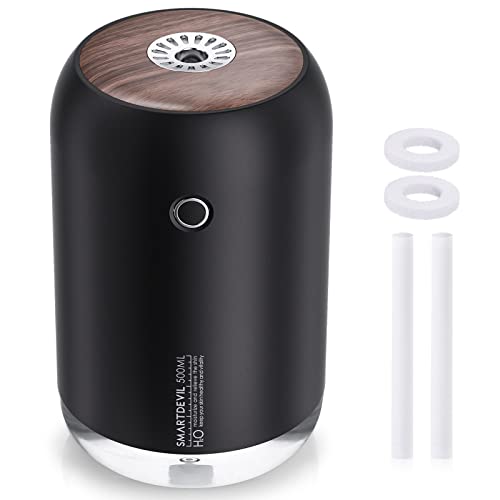
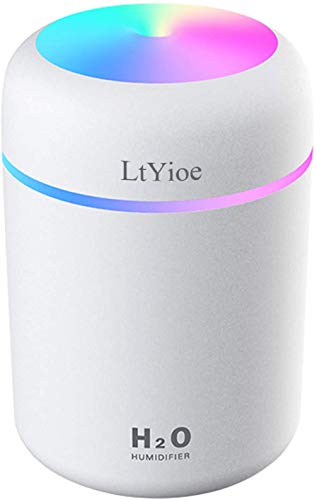
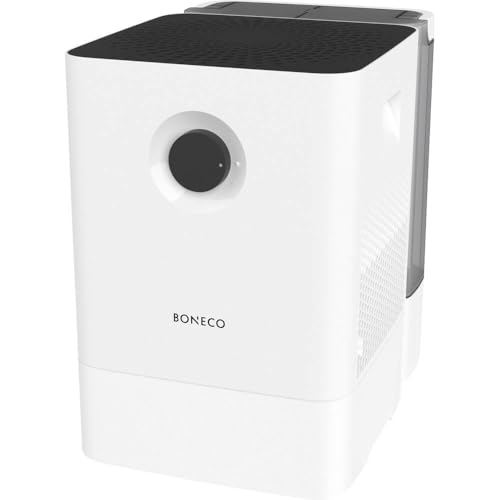
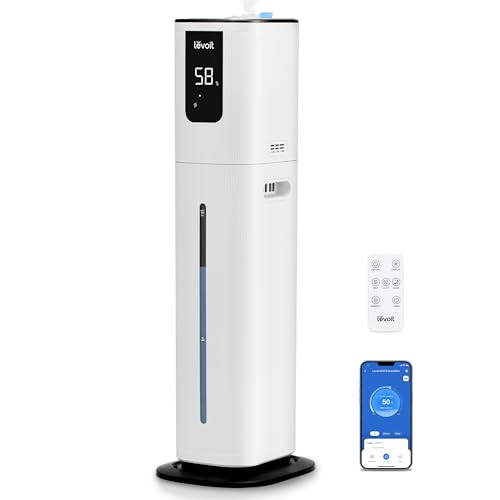
A humidifier is quiet when its published maximum noise level is about 20–30 dB, but the number is meaningful only if it is measured at a comparable mist output. A unit rated at 20 dB on sleep mode may be clearly louder at maximum output, so compare both the noise figure and the output level you need.
Mechanical sounds can matter as much as the average dB value. Listen for fan hum, pump clicks, water gurgling, and vibration against a hard surface. Rubber feet, a balanced tank, a dimmable display, and a sleep mode that disables beeps make a quiet specification more useful beside a bed.
Room acoustics also change perception. A humidifier on a hollow cabinet or close to a wall can sound louder than one on a solid, water-resistant surface with open clearance around the air inlet and outlet.
Does lower noise reduce humidifier performance?
Lower noise does not automatically reduce humidifier performance, but the quietest setting often produces less mist. Ultrasonic membranes can remain quiet while delivering 150–300 ml/h, whereas fan-driven evaporative models may need more airflow and therefore make more sound as output rises.
Choose the lowest setting that reaches the room’s humidity target and use a hygrostat to cycle it. A larger tank and wider output range can be quieter in practice because the unit does not need to run continuously at maximum power. Do not trade away safe humidity control just to obtain the lowest dB number: a quiet unit without a hygrostat can over-humidify a small room, while a slightly louder model that stops at 40–50% RH may deliver a better overnight result.