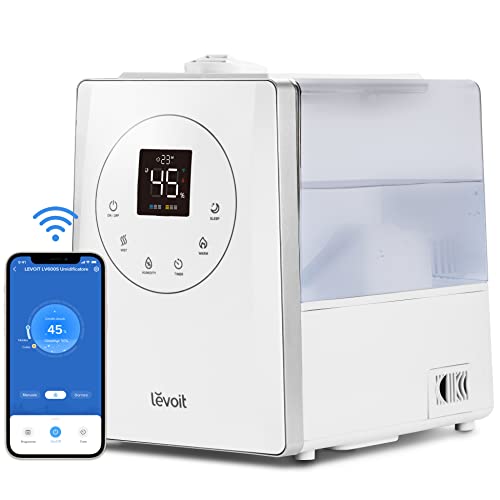
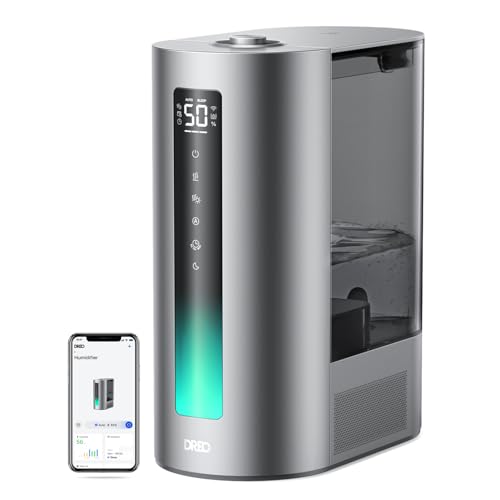
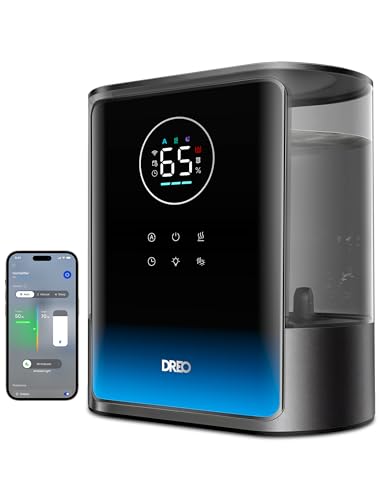
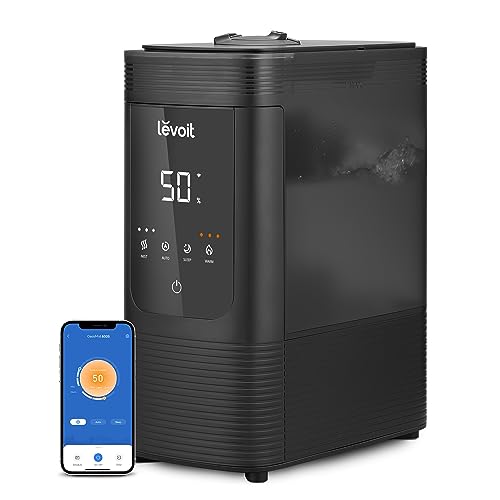
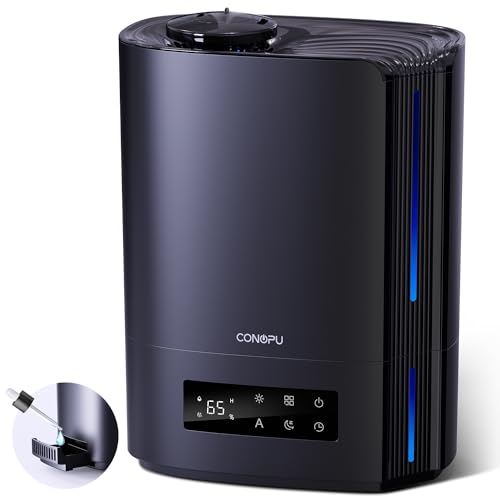
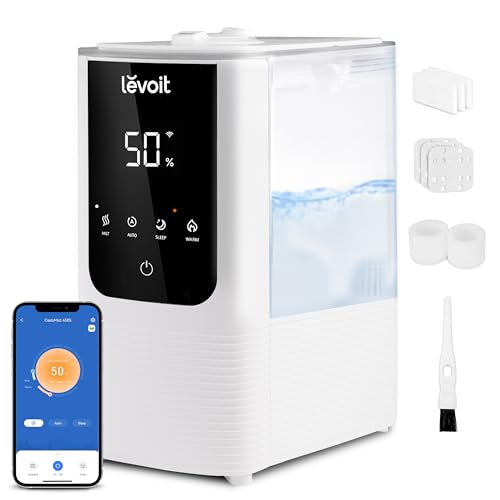
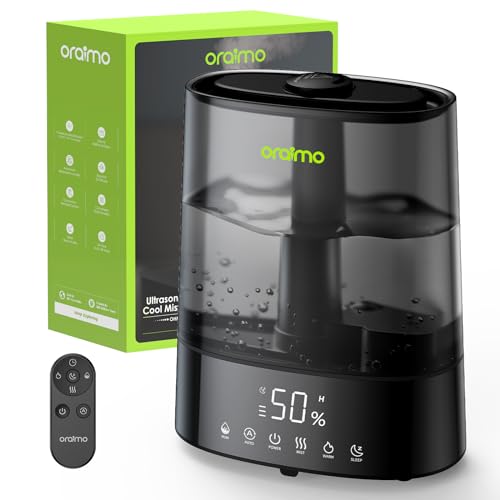
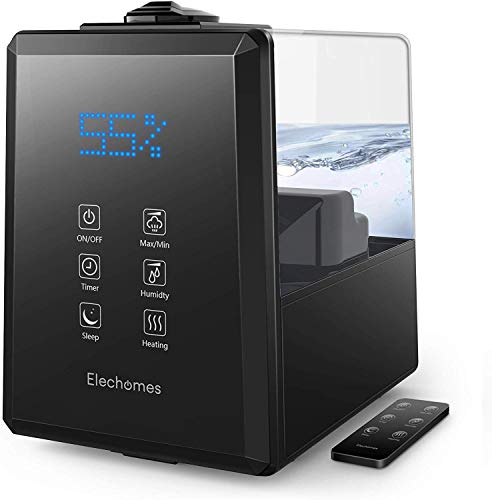
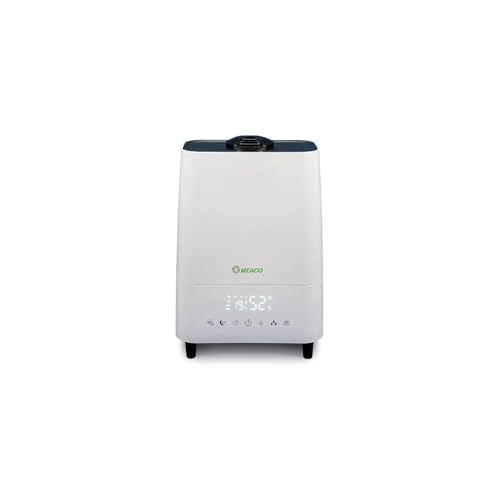
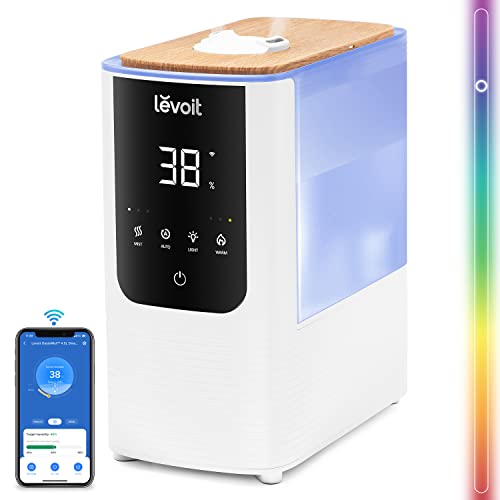
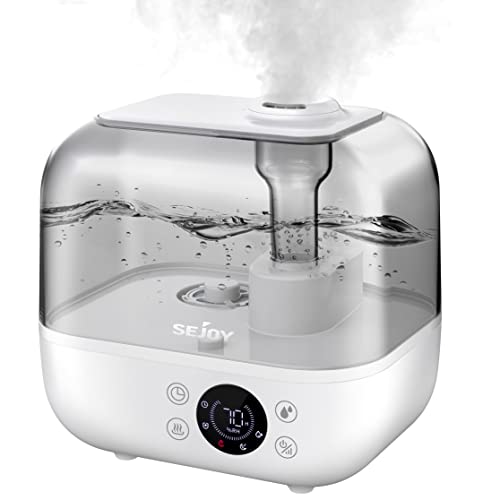
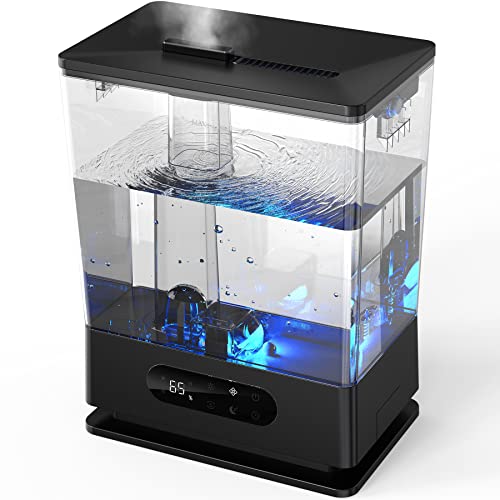
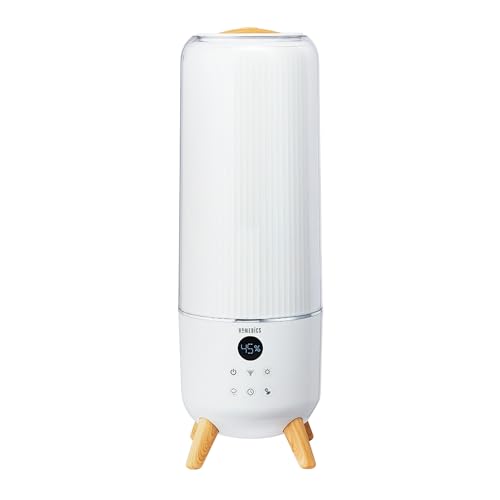
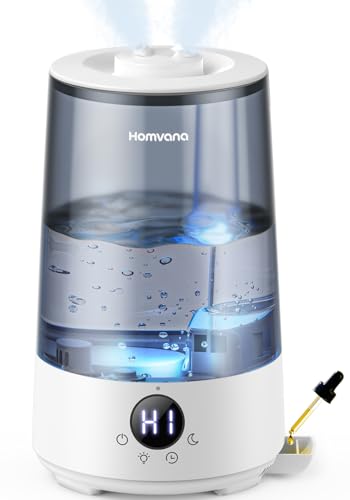
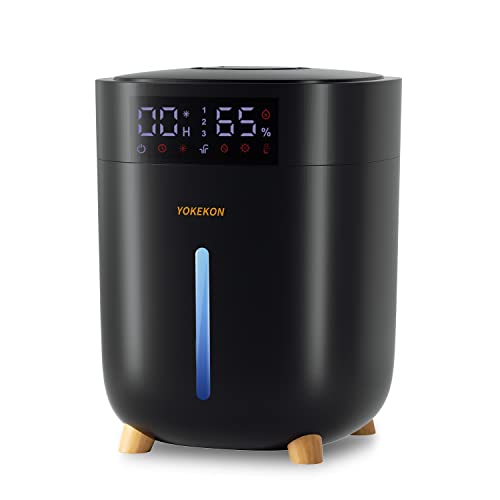
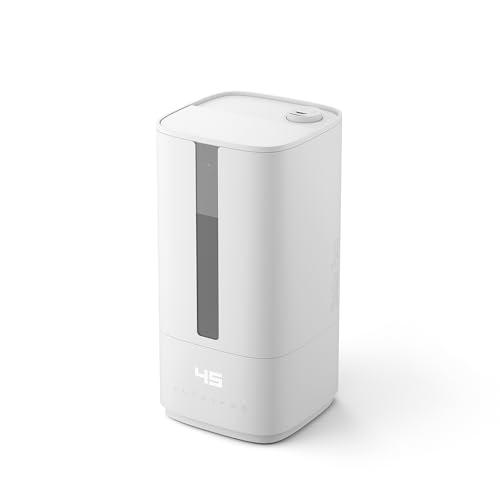
Which brands make the best warm-mist humidifiers?
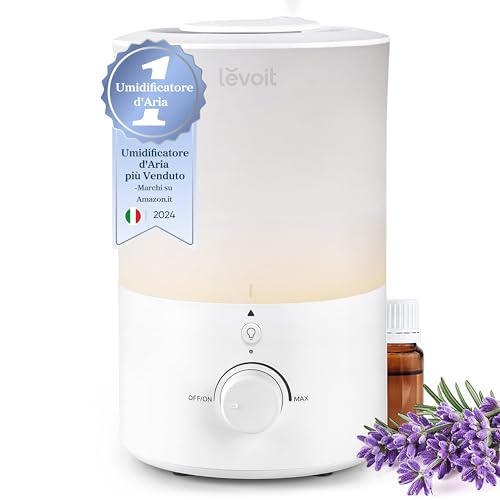
The strongest warm-mist humidifier brand by average overall score is as follows:
- LEVOIT (Average overall score: 8.3)
How do warm-mist humidifiers work?
Warm-mist humidifiers work by heating water in a reservoir or boiler until it turns into vapour. A heating chamber, outlet, or mixing path then releases moisture into the room. Because the water is heated, the output is warm and the appliance needs more electrical power than a passive or ultrasonic design.
Boiling can reduce microbes in the water that reaches the outlet, but it is not a substitute for cleaning. Mineral scale remains on the heater and tank, and stagnant water can still support contamination before heating. A hygrostat and several output levels prevent the unit from running continuously once the room reaches about 30–50% RH.
The heater and steam path stay hot after operation. Automatic low-water shut-off, a stable base, protected controls, and clearances around the outlet are essential; keep the appliance where a child or pet cannot touch it or pull the cable.
What are the pros and cons of warm-mist humidifiers?
Warm-mist humidifiers offer a heated output and can reduce some microorganisms in the boiling chamber, but they add burn risk, electricity use, and scale maintenance.
The main advantage is the warm plume, which some users find comfortable in a cool room. Heating can also reduce microbes in water that reaches the outlet, although the reservoir and surrounding room are not sterilised. Many models provide 200–550 ml/h, a 3–7 L tank, and a hygrostat so output can stop at a moderate humidity target.
The main limitation is heat. A child or pet can be burned by the tank, housing, steam outlet, or spilled water, and a knocked unit can expose a hot surface. Warm-mist models therefore need a stable inaccessible position and a protected cable, making them a poor default beside a cot or in a busy family room.
Heating also consumes more power than ultrasonic or evaporative humidification, while minerals form scale on the heater. Descaling and drying remain necessary, and automatic low-water shut-off is essential to prevent dry operation. Choose warm mist for an adult-controlled cool room; choose cool mist where burn avoidance and low energy use matter more.
How should you clean a warm-mist humidifier?
Clean a warm-mist humidifier by emptying and rinsing the tank after each day of use, then descaling the heater and water path at the interval stated in the manual. Warm water and mineral deposits can form a hard crust on the heating element, so do not wait until output falls or the unit becomes noisy.
Unplug the appliance and allow the heater and steam path to cool completely before opening or wiping it. Use only the manufacturer-approved descaling method; never scrape the element, immerse the electrical housing, or pour cleaner into passages that the manual says must remain dry.
Wipe the tank, lid, nozzle, float, and base, rinse away every cleaning residue, and let parts dry before refilling. Inspect seals, the cable, and the low-water sensor for damage. Do not add essential oils unless a dedicated compartment is provided, because oils can damage seals and contaminate the hot water path.
How much do warm-mist humidifiers cost?
Warm-mist humidifiers generally cost about £30-£130, while basic heated units can start near £20 and premium high-capacity or smart models can reach about £220.
Below £40, expect a smaller tank, simpler controls, and fewer humidity sensors; check that automatic low-water shut-off is included. Around £40-£100 usually buys a 3–7 L unit with adjustable output, a hygrostat, timer, and easier descaling access. Above £100, the useful extras are more accurate sensing, longer runtime, app control, quieter operation, or a better-supported heater and tank—not simply a higher heating wattage.
The chart below shows the price distribution of warm-mist humidifiers.
[vertical-chart-16011744919349352545075829539420604291660533205493]