Which humidifier features help indoor plants?
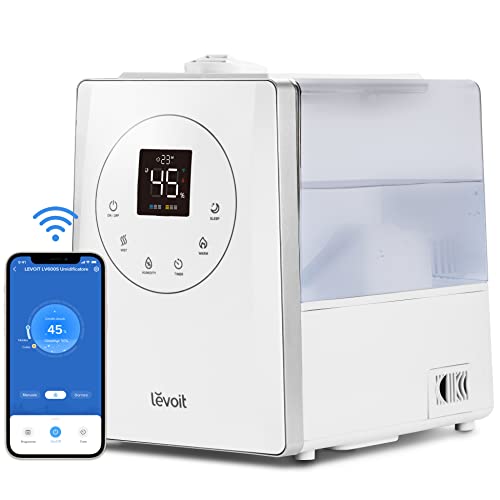
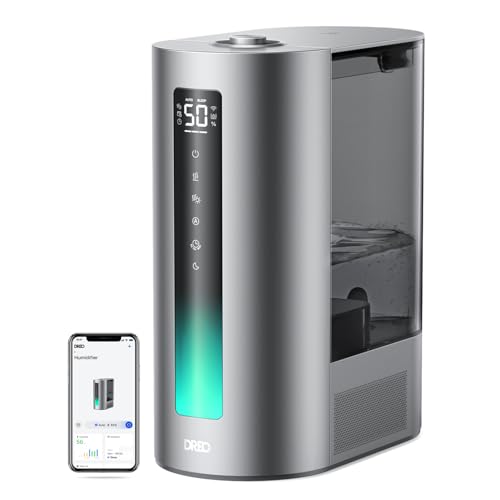
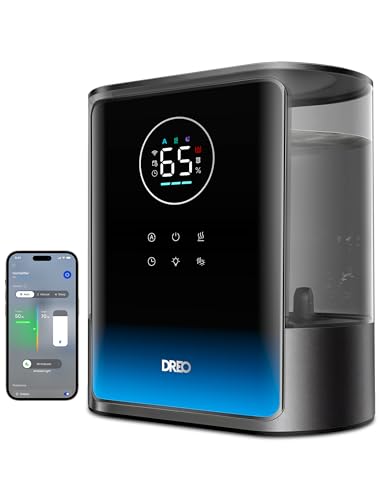
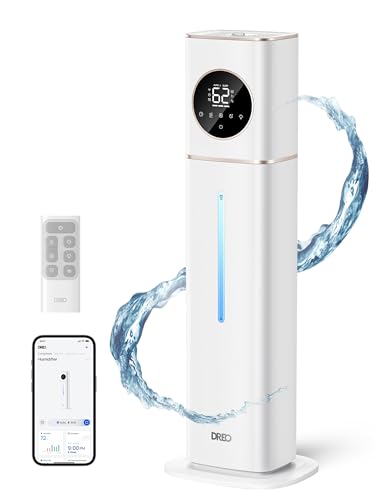
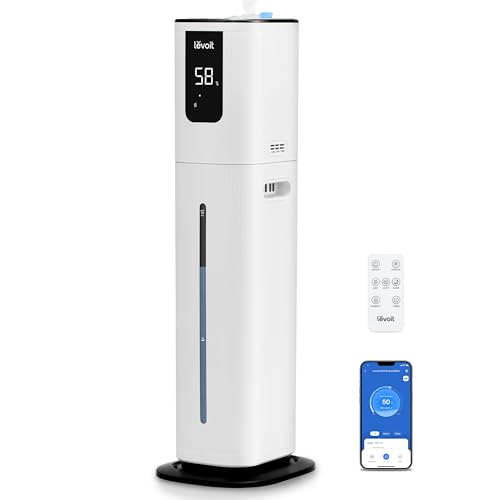
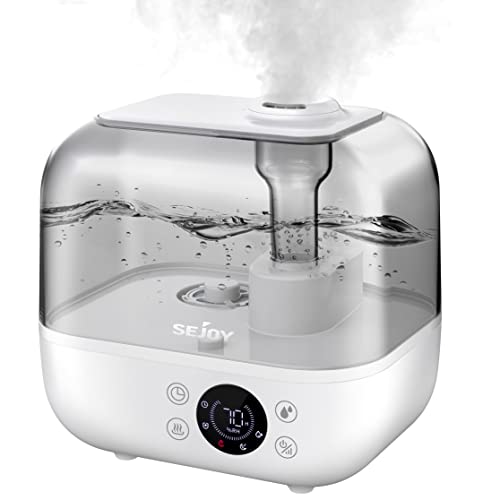
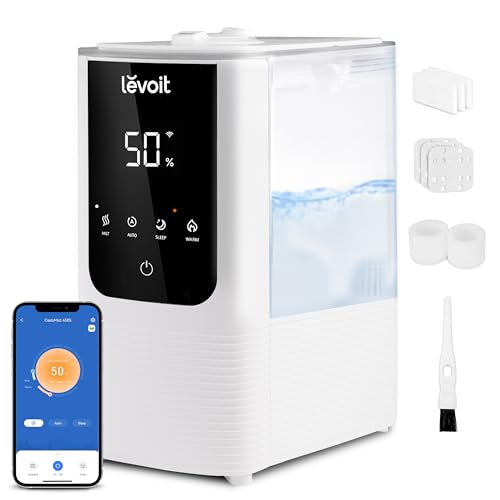
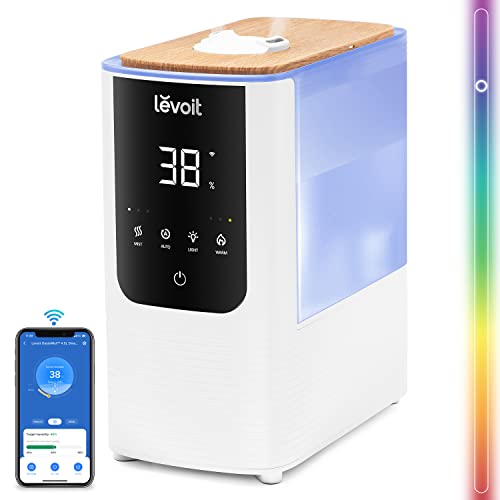
The most useful plant-room humidifier features are as follows:
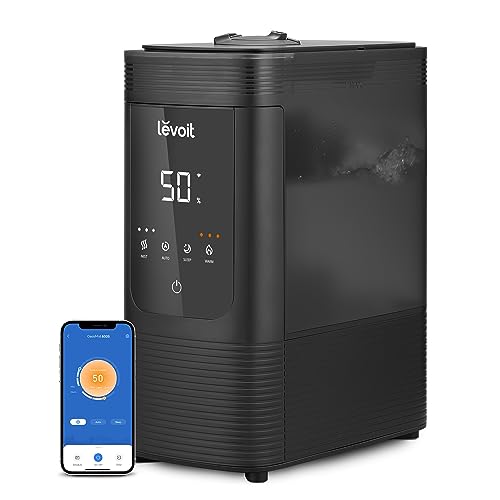
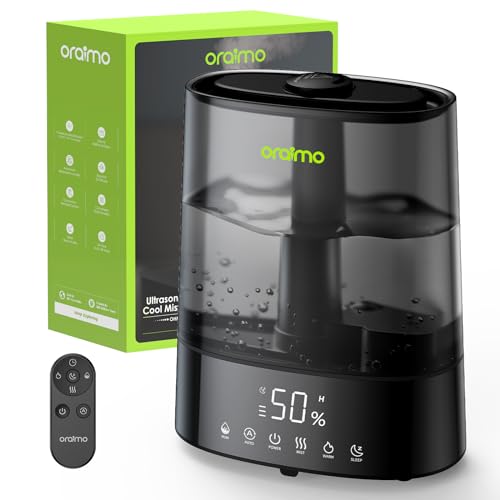
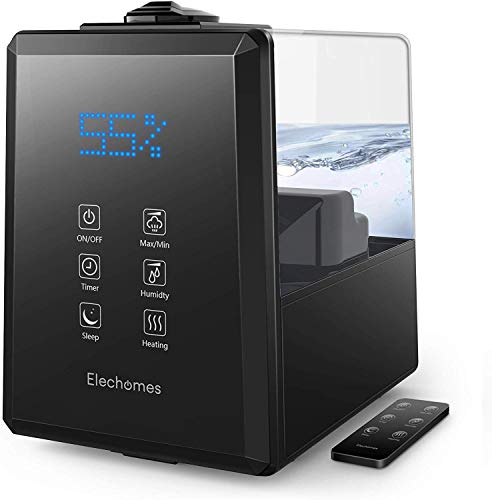
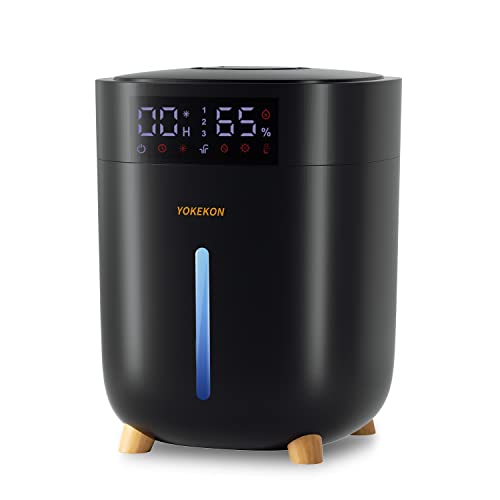
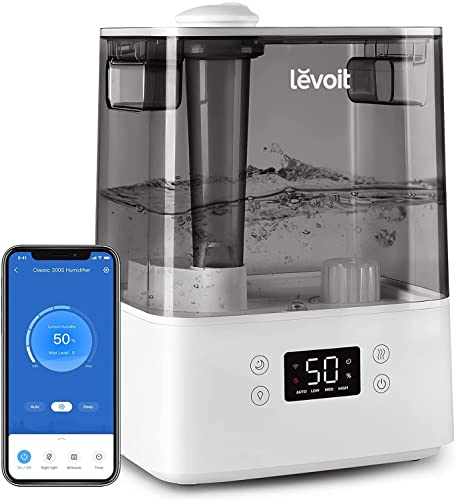
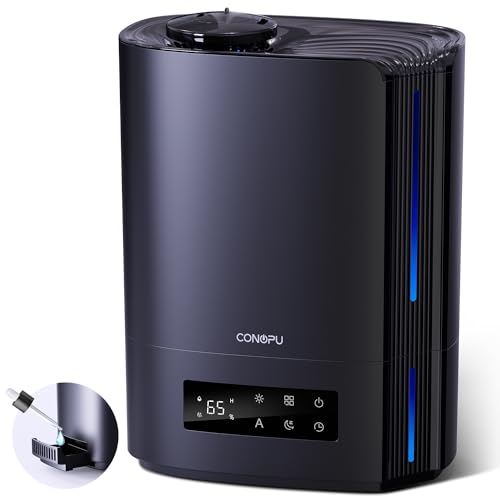
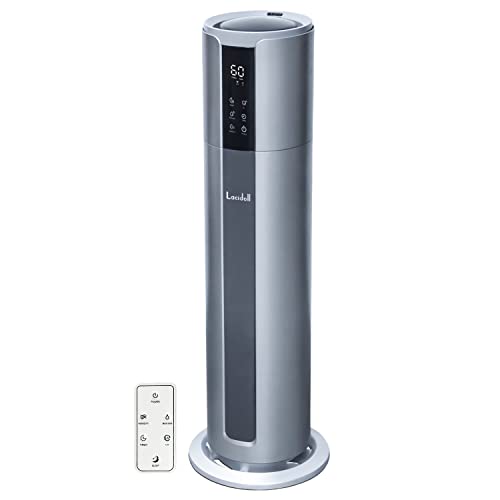
- Hygrostat: Automatic humidity control reduces the risk of running the room too damp. Pair it with a separate hygrometer because a sensor beside the mist outlet can read higher than the leaves receive.
- Adjustable output: Several mist levels, ideally covering roughly 100–300 ml/h, let you raise humidity gradually. Maximum output can wet leaves and encourage fungal problems when air movement is weak.
- Cool mist and low-water shut-off: Cool mist avoids a hot reservoir near foliage, while automatic shut-off prevents dry running when the tank empties.
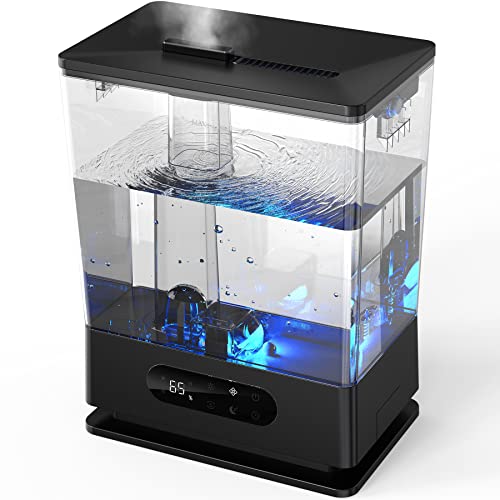
- Accessible tank: A wide opening and removable base make daily emptying, rinsing, and drying realistic. Stagnant water can spread microbes through the room.
- Timer and directional nozzle: Scheduling short humidification periods and directing mist into open air reduces condensation on leaves, walls, and grow lights.
What humidity and mist output do indoor plants need?
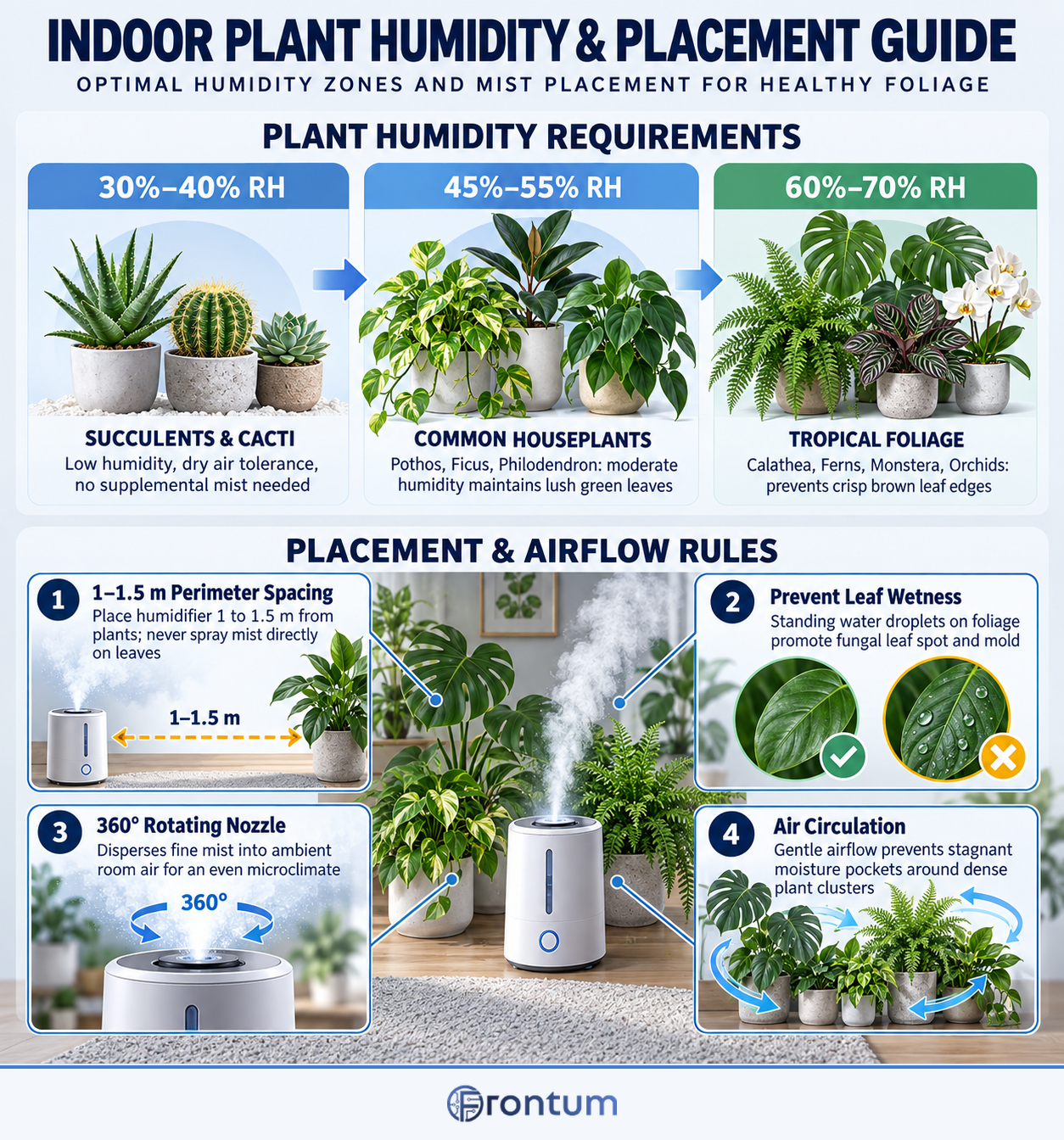
Indoor plants do not share one ideal humidity level. Many tropical houseplants grow well around 50–70% relative humidity, while succulents and plants adapted to dry air need less. Measure at leaf height and adjust for the species instead of copying a single target across the whole collection.
A controllable output around 100–300 ml/h is a practical starting range for a small plant area. Use the lowest setting that raises humidity gradually without leaving droplets on leaves or condensation on windows. A hygrostat should cycle the unit, while a separate hygrometer confirms that the sensor is not being fooled by the mist plume.
Humidity without airflow can encourage fungal disease and pests. Keep leaves dry where possible, provide gentle circulation, and leave space around the humidifier outlet so the mist disperses before reaching plants.
How should you position a humidifier around plants?
Position a plant humidifier so the mist can mix with room air before it reaches leaves, walls, windows, or electrical equipment. A nearby shelf may be convenient, but the outlet should not point directly at a plant or create a permanently wet patch on the potting mix.
Place the hygrometer at plant height and away from the outlet. Keep the unit on a stable, water-resistant surface with clearance around its air inlet, and route any cable away from water. In a large collection, gentle circulation from a fan can distribute humidity more evenly than increasing mist output.
Reduce the setting if condensation forms on glass, leaves, or walls. Humidification should support the plant room’s target humidity, not replace ventilation or create stagnant pockets around foliage.
How much do humidifiers for plants cost?
Humidifiers for plants generally cost about £30-£130, while small personal or aroma-style units can start near £10 and premium smart or high-output models can reach about £170.
Below £40, expect a smaller tank, simpler controls, and less precise humidity management. Around £40-£100 usually buys a 2–6 L unit with a hygrostat, timer, adjustable output, and automatic shut-off. Above £100, the useful extras are app control, a larger serviceable tank, quieter cycling, or a stronger output range; plant suitability still depends on placement, airflow, water quality, and cleaning rather than price alone.