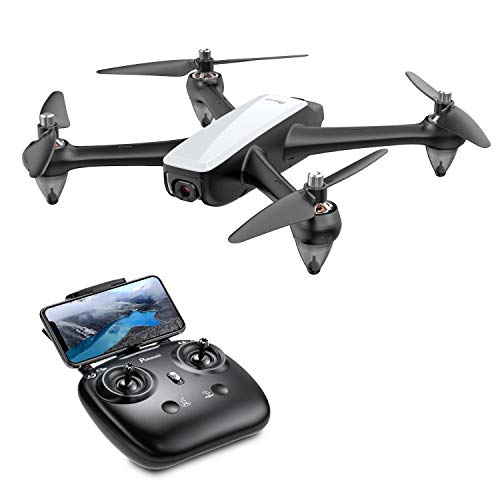
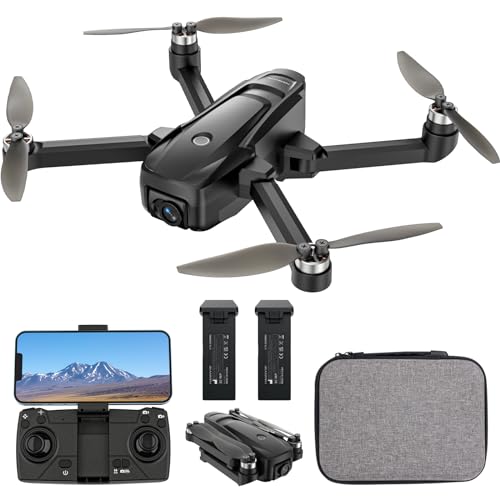
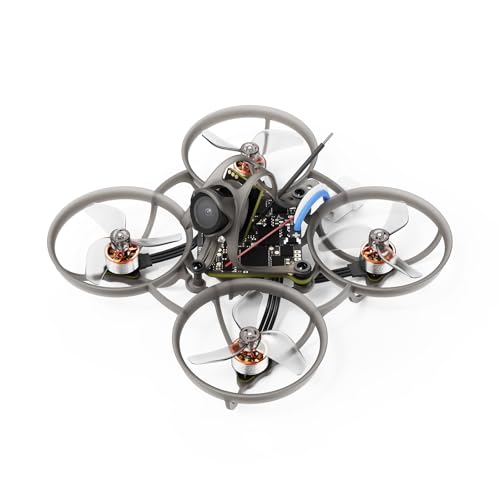
Potensic D60 Review | 95 Data compared

double-arrow
  • Avg. price in UK: ~£130
  • Avg. price in US: ~$160
  • Max flight time: 20 min
  • Video resolution: 1080p/30 fps
  • Max transmission distance: 0.4 km

Potensic D60 review. Compare 95 technical specifications and user reviews to see how it ranks among drones and if it is worth buying.

6.0

Overall score

What it is: An overall evaluation of the drone's quality, based on technical analyses and user reviews.

When it matters: When you need a quick reference to identify the best drones on the market.

Score components:

90.0%

5.7

Technical Score

10.0%

8.7

User score

Good
5.7

Technical Score

What it is: An assessment of the drone's technical performance, covering key areas such as flight performance, camera quality, transmission, safety features, battery life, and design.

When it matters: When you want to compare drones based on technical performance and available features.

Score components:

26.0%

4.5

Flight

24.0%

5.9

Camera

20.0%

6.8

Safety

16.0%

6.1

Connectivity

14.0%

5.8

Battery & Design

Good
8.7

User score

What it is: A rating that combines user reviews and the total number of reviews received by the drone.

When it matters: When you want to know how a drone performs in real flights and how reliable it is for stability, video capture, and controls according to user feedback.

Score components:

70.0%

8.4

User reviews

30.0%

9.5

Popularity

User score:
United Kingdom
amazon
4.2
(556)

(Reviews last updated: Apr 2026)

Excellent
    • potensic-d60
    • potensic-d60
    • potensic-d60
    • potensic-d60
    • potensic-d60
    • potensic-d60
    • potensic-d60
    • potensic-d60
    potensic-d60
    potensic-d60
    potensic-d60
    potensic-d60
    potensic-d60
    potensic-d60
    potensic-d60
    potensic-d60

    Best prices

    Best rankings

    ?

    Available: ranking among products currently available (including other versions of this product).
    All: ranking among all products in the database.

    Technical Specifications of drone Potensic D60

    Technical Score

    What it is: An assessment of the drone's technical performance, covering key areas such as flight performance, camera quality, transmission, safety features, battery life, and design.

    When it matters: When you want to compare drones based on technical performance and available features.

    Score components:

    26.0%

    4.5

    Flight

    24.0%

    5.9

    Camera

    20.0%

    6.8

    Safety

    16.0%

    6.1

    Connectivity

    14.0%

    5.8

    Battery & Design

    5.7
    Potensic D60 has a technical score of 5.74 points, which is lower than that of 61.7% of products in this category.
    User score

    What it is: A rating that combines user reviews and the total number of reviews received by the drone.

    When it matters: When you want to know how a drone performs in real flights and how reliable it is for stability, video capture, and controls according to user feedback.

    Score components:

    70.0%

    8.4

    User reviews

    30.0%

    9.5

    Popularity

    User score:
    United Kingdom
    amazon
    4.2
    (556)

    (Reviews last updated: Apr 2026)

    8.7
    Potensic D60 has a user score of 8.72 points, which is higher than that of 81.8% of products in this category.
    Popularity
    What it is: An indicator based on the number of reviews received by the drone.
    When it matters: When you prefer to choose a drone reviewed and selected by many other buyers.
    9.5
    Potensic D60 has a popularity of 9.5 points, which is higher than 80.5% of smartphones.
    Ratio quality/price

    What it is: An indicator that combines the drone's overall rating with its cost.

    When it matters: When you are looking for a drone with a good balance between flight quality, camera features, and price.

    Score components:

    60.0%

    6.0

    Overall score

    40.0%

    9.8

    Price

    7.2
    Potensic D60 has a quality-to-price ratio of 7.2 points, which is higher than 66.9% of smartphones.
    Brand name
    What it is: The manufacturer or brand of the product.
    When it matters: When you prefer a specific ecosystem, support network, or design philosophy.

    Importance: MEDIUM

    Potensic
    Max flight time
    What it is: The quoted endurance shows how long the drone can stay airborne on one battery in ideal conditions.
    When it matters: When you want longer flights from each battery.

    Importance: HIGH

    Good value: >=30

    20 min
    Potensic D60 has a max flight time of 20 min, shorter than 54% of drones and equal to 5.3%.
    Real-world flight time is often lower than the advertised maximum.
    Max flight distance
    What it is: The range figure indicates how far the drone can travel while maintaining control and telemetry.
    When it matters: When you plan longer routes and want more range margin.

    Importance: HIGH

    Good value: >=10

    0.3 km
    Potensic D60 has a max flight distance of 0.3 km, shorter-range than 72.6% of drones and equal to 5.5%.
    Max flight speed
    What it is: The maximum horizontal speed defines how quickly the drone can move across a scene.
    When it matters: When you want quicker movement or smoother tracking of fast subjects.

    Importance: MEDIUM

    Good value: >=50

    16 km/h
    Potensic D60 has a max flight speed of 16 km/h, faster than 45.5% of drones and equal to 12.2%.
    Max wind resistance
    What it is: The wind resistance rating shows how much wind speed the drone can handle while staying controllable.
    When it matters: When you fly in windy conditions.

    Importance: HIGH

    Good value: >=10.5

    7.9 m/s
    Potensic D60 has max wind resistance of 7.9 m/s, lower than 76.6% of drones and equal to 9.9%.
    Value may include conversion from Beaufort-scale rating to m/s.
    Show more
    Video resolution
    What it is: The listed recording format states maximum capture resolution and frame rate.
    When it matters: When video quality matters for your footage.

    Importance: MEDIUM

    Good value: 4K+

    1,080p/30 fps
    Potensic D60 records video at 1080p/30 fps, lower than 67.1% of drones and equal to 8.1%.
    4K camera
    What it is: Indicates whether the drone supports 4K or higher video recording.
    When it matters: When you want a drone that can record in 4K or a higher video resolution.

    Importance: LOW

    no
    Potensic D60 lacks 4K video support, while 65.2% of drones support it.
    Sensor size
    What it is: The sensor format value describes the physical light-collecting area.
    When it matters: When you shoot in more difficult lighting.

    Importance: MEDIUM

    Good value: 1 inch or larger

    ?
    Main camera megapixels
    What it is: The megapixel count states how many millions of pixels the main sensor captures per photo.
    When it matters: When you want more detail for photos or cropping.

    Importance: MEDIUM

    Good value: >=12

    ?
    Max movie bitrate
    What it is: The bitrate indicates how much video data is recorded each second, usually in Mbps.
    When it matters: When video quality matters for your footage.

    Importance: MEDIUM

    Good value: >=100

    ?
    Show more
    Obstacle detection
    What it is: Indicates whether the drone can detect obstacles and warn the pilot or avoid them automatically.
    When it matters: When you fly near trees, buildings, or other obstacles.

    Importance: HIGH

    Good value: Omnidirectional

    no
    Potensic D60 lacks obstacle detection, while 34.7% of drones offer it.
    Return to Home (RTH)
    What it is: Indicates whether the drone can automatically return to its takeoff point when needed.
    When it matters: When signal drops or the battery gets low.

    Importance: HIGH

    Good value: Smart RTH

    yes
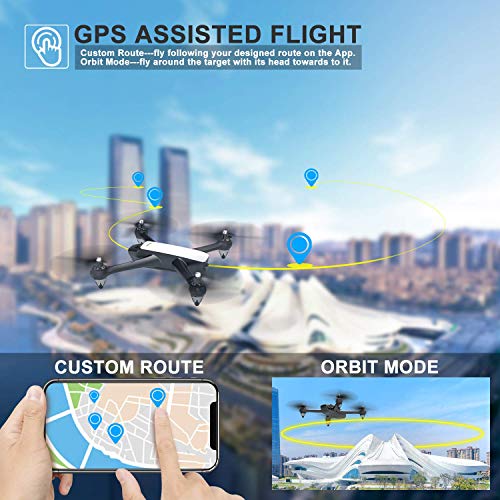
    Potensic D60 includes return-to-home (RTH), and 74.3% of drones provide it.
    GPS
    What it is: Indicates whether the drone can use GPS positioning for navigation and stabilisation.
    When it matters: When you want steadier flight and more reliable positioning.

    Importance: MEDIUM

    yes
    Potensic D60 has GPS, and 69% of drones offer GPS navigation.
    GNSS systems supported
    What it is: Lists the satellite navigation systems the drone can use, such as GPS, Galileo, or GLONASS.
    When it matters: When this part of flying or filming matters to you.

    Importance: HIGH

    Good value: GPS+Galileo+GLONASS

    GPS, GLONASS
    Potensic D60 supports GPS, GLONASS GNSS systems, which are less comprehensive than those of 51.8% of drones and the same as those of 29.5% of drones.
    Obstacle sensing directions
    What it is: The listed sensing coverage shows which directions the drone can monitor for obstacles.
    When it matters: When you fly near trees, buildings, or other obstacles.

    Importance: HIGH

    Good value: Omnidirectional

    N/A
    Potensic D60 senses obstacles in N/A directions, which is the same as that of 51.7% of drones.
    Show more
    Max transmission distance
    What it is: The maximum transmission distance indicates the farthest stable control-and-video link under ideal conditions.
    When it matters: When you plan longer routes and want more range margin.

    Importance: HIGH

    Good value: >=10

    0.4 km
    Potensic D60 has a max transmission distance of 0.4 km, shorter-range than 66% of drones and equal to 1.3%.
    Value reflects maximum control/transmission range; FPV video range can be lower.
    Transmission latency
    What it is: The transmission latency measures delay between camera capture, pilot view, and control response.
    When it matters: When you want the live view to feel more responsive.

    Importance: MEDIUM

    Good value: <=130

    ?
    Video transmission system
    What it is: The transmission system value identifies the radio-link technology used for control and live feed.
    When it matters: When video quality matters for your footage.

    Importance: HIGH

    Good value: Digital low-latency

    Wi-Fi
    Potensic D60 uses Wi-Fi for video transmission, which is more advanced than that of 1.4% of drones and the same as that of 49.3% of drones.
    Live view quality
    What it is: The live-view mode defines resolution and frame rate of the pilot feed.
    When it matters: When video quality matters for your footage.

    Importance: MEDIUM

    Good value: 1080p+

    1,080p@30 fps
    Potensic D60 offers live view quality of 1080p@30 fps, higher-quality than 54% of drones and equal to 22.6%.
    Remote control
    What it is: Indicates whether a dedicated handheld remote controller is included or supported.
    When it matters: When you want easier control and monitoring in the field.

    Importance: LOW

    Good value: Dedicated controller

    yes
    Potensic D60 includes a remote control, and 96.1% of drones ship with one.
    Show more
    Battery capacity
    What it is: The battery capacity shows how much electric charge the pack can store, commonly in mAh.
    When it matters: When you want longer sessions before changing batteries.

    Importance: HIGH

    Good value: >=3500

    1,800 mAh
    Potensic D60 has a battery capacity of 1800 mAh, smaller than 60.8% of drones and equal to 2.6%.
    Battery energy
    What it is: The battery energy figure, usually in Wh, describes total available energy in the pack.
    When it matters: When you want longer sessions before changing batteries.

    Importance: LOW

    Good value: >=40

    13.32 Wh
    Potensic D60 has battery energy of 13.32 Wh, lower than 59.3% of drones and equal to 0.7%.
    Charging time
    What it is: The charging time measures how long a depleted battery needs to reach full charge.
    When it matters: When you want shorter turnaround between flights.

    Importance: MEDIUM

    Good value: <=90

    120 min
    Potensic D60 charges in 120 min, slower than 64% of drones and equal to 11.6%.
    Weight
    What it is: The measured mass of the drone body and flight hardware, usually in grams.
    When it matters: When you want the drone to be easier to carry or pack.

    Importance: LOW

    Good value: <=900

    680 g
    Potensic D60 weighs 680 g, heavier than 71.3% of drones and equal to 0%.
    Removable battery
    What it is: Indicates whether the flight battery can be removed and swapped by the user.
    When it matters: When you want to swap batteries quickly between flights.

    Importance: LOW

    yes
    Potensic D60 has a removable battery, and 99.4% of drones include one.
    Show more

    Potensic D60 vs the average drone

    • TapFly supported
      Potensic D60 supports TapFly, while the average drone does not.
      TapFly listed in normalized intelligent flight modes.
      What it is: Indicates whether the drone can fly toward a tapped point on screen automatically.
      When it matters: When you want easier straight-line shots with less manual control.

      Importance: MEDIUM

      Good value: TapFly available

      Potensic D60 supports TapFly, while the average drone does not.
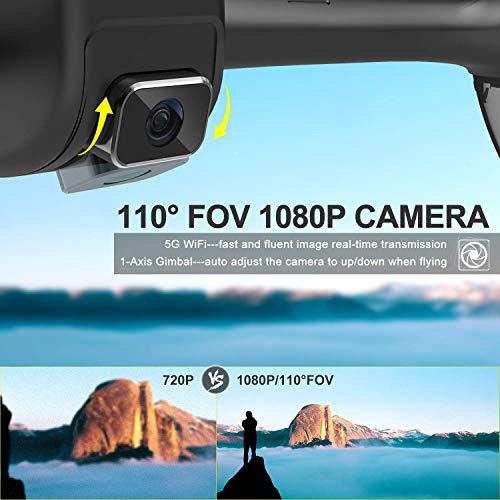
    • 20 ° wider field of view
      Potensic D60 has a wider field of view than the average drone (110 ° vs 90 °). The average drone has a field of view of 90 °.
      What it is: The field-of-view angle shows how wide the camera can capture in one frame.
      When it matters: When you want a wider or tighter look from the camera.

      Importance: MEDIUM

      Good value: 75-90

      Potensic D60 has a wider field of view than the average drone (110 ° vs 90 °). The average drone has a field of view of 90 °.110 ° vs 90 °
    • Higher live view quality
      Potensic D60 has better live view quality than the average drone (1,080p@30 fps vs 1,080p@25 fps). The average drone offers live view quality of 1,080p@25 fps.
      What it is: The live-view mode defines resolution and frame rate of the pilot feed.
      When it matters: When video quality matters for your footage.

      Importance: MEDIUM

      Good value: 1080p+

      Potensic D60 has better live view quality than the average drone (1,080p@30 fps vs 1,080p@25 fps). The average drone offers live view quality of 1,080p@25 fps.1,080p@30 fps vs 1,080p@25 fps
    • Supports headless mode
      Potensic D60 supports headless mode, while the average drone does not.
      What it is: Indicates whether the drone offers a headless mode that keeps controls relative to the pilot position.
      When it matters: When you want simpler directional control that is easier to learn for beginner flying.

      Importance: LOW

      Potensic D60 supports headless mode, while the average drone does not.
    • 9% higher user score
      Potensic D60 has a higher user score than the average drone (8.72 vs 8,000).
      What it is: A rating that combines user reviews and the total number of reviews received by the drone.
      When it matters: When you want to know how a drone performs in real flights and how reliable it is for stability, video capture, and controls according to user feedback.
      Potensic D60 has a higher user score than the average drone (8.72 vs 8,000).8.72 vs 8
    • 20 ° wider field of view
      Potensic D60 has a wider field of view than the average drone (110 ° vs 90 °). The average drone has a field of view of 90 °.
    • TapFly supported
      Potensic D60 supports TapFly, while the average drone does not.
    • Supports headless mode
      Potensic D60 supports headless mode, while the average drone does not.
    • Higher live view quality
      Potensic D60 has better live view quality than the average drone (1,080p@30 fps vs 1,080p@25 fps). The average drone offers live view quality of 1,080p@25 fps.
    • 2.8 m/s lower max wind resistance
      Potensic D60 handles weaker wind than the average drone (7.9 m/s vs 10.7 m/s). The average drone handles wind up to 10.7 m/s.
      Value may include conversion from Beaufort-scale rating to m/s.
    • 3,850 m lower max service ceiling
      Potensic D60 can fly at a lower max service ceiling than the average drone (150 m vs 4,000 m). The average drone reaches 4,000 m.
    • 1.7 km shorter flight distance
      Potensic D60 has a shorter max flight distance than the average drone (0.3 km vs 2 km). The average drone can fly up to 2 km.
    • Non-foldable design
      Potensic D60 does not have a foldable design, while the average drone does.
    • 3 min shorter flight time
      Potensic D60 offers shorter max flight time than the average drone (20 min vs 23 min). The average drone offers 23 min of max flight time.
      Real-world flight time is often lower than the advertised maximum.
    • Lower video resolution
      Potensic D60 supports lower video resolution than the average drone (1,080p/30 fps vs 4K/100 fps). The average drone supports 4K/100 fps video resolution.
    • Lower photo resolution
      Potensic D60 supports lower photo resolution than the average drone (1,920x 1,080 MP vs 4,000x3,000 MP). The average drone supports 4,000x3,000 MP photo resolution.
    • Narrower tilt range
      Potensic D60 offers a narrower camera tilt range than the average drone (-90 to 0 ° vs -90 to 20 °). The average drone offers a camera tilt range of -90 to 20 °.
    • No 4K video
      Potensic D60 does not support 4K video, while the average drone does.
    • Fewer GNSS systems
      Potensic D60 supports GPS, GLONASS GNSS systems, while the average drone supports GPS, GLONASS, BeiDou.
    • 1.11 km shorter transmission distance
      Potensic D60 has a shorter max transmission distance than the average drone (0.4 km vs 1,507 km). The average drone reaches 1,507 km of transmission distance.
      Value reflects maximum control/transmission range; FPV video range can be lower.
    • 2.73x heavier weight
      Potensic D60 is heavier than the average drone (680 g vs 249 g). The average drone weighs 249 g.
    • 30 min longer charging time
      Potensic D60 charges more slowly than the average drone (120 min vs 90 min). The average drone charges in 90 min.
    • 430 mAh lower battery capacity
      Potensic D60 has a smaller battery capacity than the average drone (1,800 mAh vs 2,230 mAh). The average drone battery has a capacity of 2,230 mAh.
    • 3 year/s older release date
      Potensic D60 is older than the average drone (2,018 vs 2,021). The average drone was released in 2,021.
      December 2,018
    • 4 Wh lower battery energy
      Potensic D60 has lower battery energy than the average drone (13.3 Wh vs 17.32 Wh). The average drone battery has 17.32 Wh of energy.
    • Lower video resolution
      Potensic D60 supports lower video resolution than the average drone (1,080p/30 fps vs 4K/100 fps). The average drone supports 4K/100 fps video resolution.
      What it is: The listed recording format states maximum capture resolution and frame rate.
      When it matters: When video quality matters for your footage.

      Importance: MEDIUM

      Good value: 4K+

      Potensic D60 supports lower video resolution than the average drone (1,080p/30 fps vs 4K/100 fps). The average drone supports 4K/100 fps video resolution.1,080p/30 fps vs 4K/100 fps
    • 2.8 m/s lower max wind resistance
      Potensic D60 handles weaker wind than the average drone (7.9 m/s vs 10.7 m/s). The average drone handles wind up to 10.7 m/s.
      Value may include conversion from Beaufort-scale rating to m/s.
      What it is: The wind resistance rating shows how much wind speed the drone can handle while staying controllable.
      When it matters: When you fly in windy conditions.

      Importance: HIGH

      Good value: >=10.5

      Potensic D60 handles weaker wind than the average drone (7.9 m/s vs 10.7 m/s). The average drone handles wind up to 10.7 m/s.7.9 m/s vs 10.7 m/s
    • 3,850 m lower max service ceiling
      Potensic D60 can fly at a lower max service ceiling than the average drone (150 m vs 4,000 m). The average drone reaches 4,000 m.
      What it is: The service ceiling indicates the maximum altitude where the drone can maintain normal performance.
      When it matters: When you fly at higher elevations.

      Importance: MEDIUM

      Good value: >=4000

      Potensic D60 can fly at a lower max service ceiling than the average drone (150 m vs 4,000 m). The average drone reaches 4,000 m.150 m vs 4,000 m
    • 2.73x heavier weight
      Potensic D60 is heavier than the average drone (680 g vs 249 g). The average drone weighs 249 g.
      What it is: The measured mass of the drone body and flight hardware, usually in grams.
      When it matters: When you want the drone to be easier to carry or pack.

      Importance: LOW

      Good value: <=900

      Potensic D60 is heavier than the average drone (680 g vs 249 g). The average drone weighs 249 g.680 g vs 249 g
    • Lower photo resolution
      Potensic D60 supports lower photo resolution than the average drone (1,920x 1,080 MP vs 4,000x3,000 MP). The average drone supports 4,000x3,000 MP photo resolution.
      What it is: The photo resolution shows output pixel dimensions of still images.
      When it matters: When this part of flying or filming matters to you.

      Importance: LOW

      Good value: >=12

      Potensic D60 supports lower photo resolution than the average drone (1,920x 1,080 MP vs 4,000x3,000 MP). The average drone supports 4,000x3,000 MP photo resolution.1,920x 1,080 MP vs 4,000x3,000 MP
    • 30 min longer charging time
      Potensic D60 charges more slowly than the average drone (120 min vs 90 min). The average drone charges in 90 min.
      What it is: The charging time measures how long a depleted battery needs to reach full charge.
      When it matters: When you want shorter turnaround between flights.

      Importance: MEDIUM

      Good value: <=90

      Potensic D60 charges more slowly than the average drone (120 min vs 90 min). The average drone charges in 90 min.120 min vs 90 min
    • Fewer GNSS systems
      Potensic D60 supports GPS, GLONASS GNSS systems, while the average drone supports GPS, GLONASS, BeiDou.
      What it is: Lists the satellite navigation systems the drone can use, such as GPS, Galileo, or GLONASS.
      When it matters: When this part of flying or filming matters to you.

      Importance: HIGH

      Good value: GPS+Galileo+GLONASS

      Potensic D60 supports GPS, GLONASS GNSS systems, while the average drone supports GPS, GLONASS, BeiDou.GPS, GLONASS vs GPS, GLONASS, BeiDou
    • 1.7 km shorter flight distance
      Potensic D60 has a shorter max flight distance than the average drone (0.3 km vs 2 km). The average drone can fly up to 2 km.
      What it is: The range figure indicates how far the drone can travel while maintaining control and telemetry.
      When it matters: When you plan longer routes and want more range margin.

      Importance: HIGH

      Good value: >=10

      Potensic D60 has a shorter max flight distance than the average drone (0.3 km vs 2 km). The average drone can fly up to 2 km.0.3 km vs 2 km

    Graphic comparison of Potensic D60 and other drones

    Attribute category
    Attribute
    No results found

    Third-party reviews

    (Reviews last updated: Apr 2026)

    What customers like about Potensic D60?

    • Stable flight performance using GPS and optical flow positioning
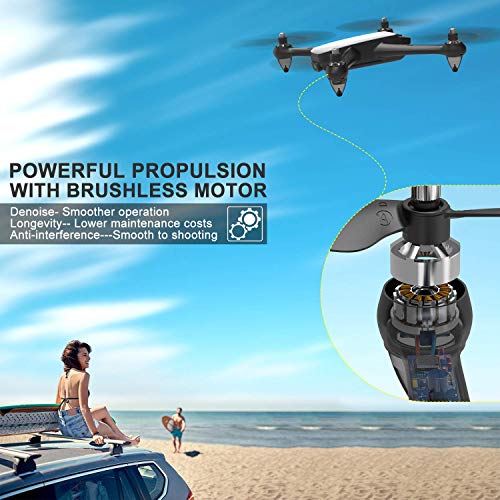
    • Brushless motors offer improved durability and efficiency
    • Remotely adjustable 1080p camera with a 110-degree field of view
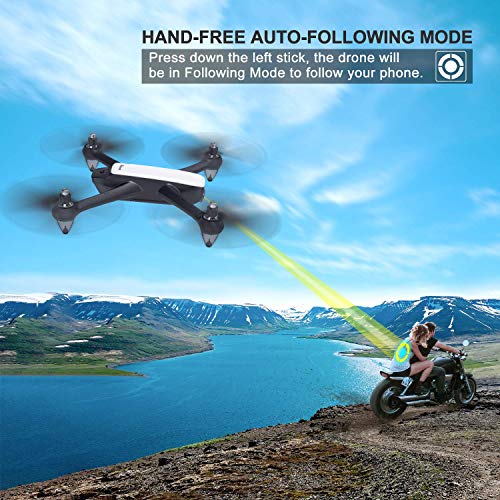
    • Includes essential flight features like Follow Me, Circle Me, and Waypoints
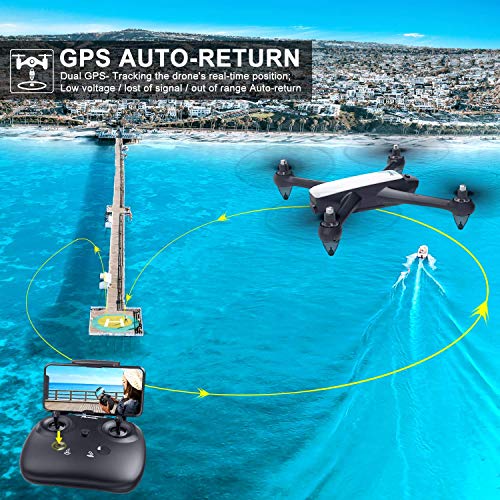
    • Strong safety features including automatic Return to Home on lost signal or low battery
    • Considered very beginner-friendly with easy-to-use controls

    What customers dislike about Potensic D60?

    • Video quality can suffer from 'jello effect' due to vibration
    • Early units had significant Wi-Fi signal drop issues, though later versions aimed to fix this
    • Waypoints feature can be inconsistent or have map loading issues
    • Camera only features a single-axis gimbal, lacking stabilization on roll and yaw
    • Uses a proprietary 7.4V battery, which limits third-party replacement options

    Expert reviews

    R
    rcgroups.com
    19/12/2018

    The RC Groups review of the Potensic D60 identifies it as a stable, GPS-enabled brushless drone featuring a single-axis stabilized 1080p camera. Key pros include durable brushless motors, roughly 15-20 minutes of flight time, and onboard microSD recording that offers better quality than Wi-Fi-only, though the, 5G Wi-Fi connection is prone to signal drops. Notable cons include...Read more

    D
    drone-store.fr
    Not specified

    The Potensic D60 is a GPS-enabled drone featuring brushless motors and an optical flow sensor for stable hovering, making it suitable for beginners. Key features include automatic return-to-home for safety, a 1080p camera with a single-axis gimbal for reduced shakiness, and intelligent flight modes like Follow Me and Circle Me. While generally praised for its durable build, the D60...Read more

    T
    thijsschouten.com
    17/01/2026

    Thijs Schouten's 2026 camera drone review highlights DJI's market dominance, emphasizing that budget models under €100 often lack necessary stability and camera quality. Schouten advises investing in higher-quality, reliable drones like the DJI Neo, arguing that cheap alternatives often lead to poor performance and crashes. Thijs Schouten FotografieFor enthusiast users, the review...Read more

    D
    drone-store.fr
    22/04/2026

    The Drone-Store.fr review of the Potensic D60 describes a mid-sized GPS drone with high-end features, including brushless motors, an automatic return-to-home system, and an optical flow sensor for stable hovering. Key advantages include 20 minutes of flight time, one-touch takeoff/landing, and advanced app-controlled flight modes. The 1080p camera features a single-axis gimbal,...Read more

    Video reviews

    Compare Potensic D60 with other drones

    VS
    VS

    Compare