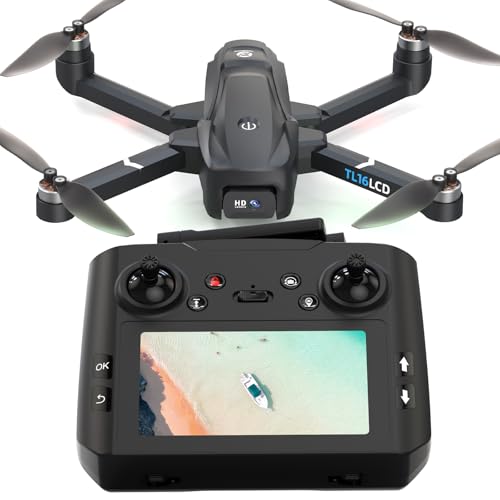
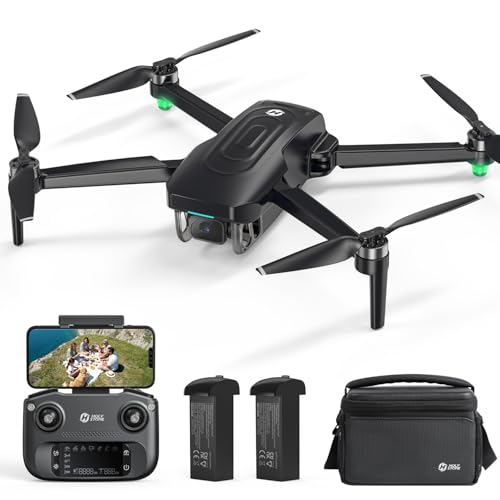
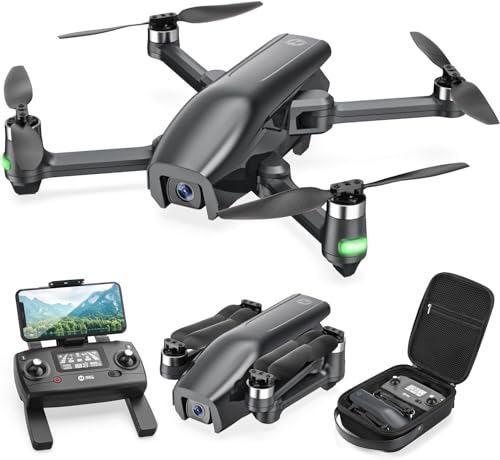
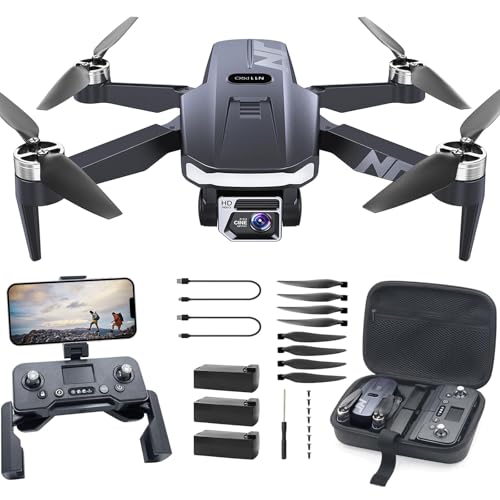
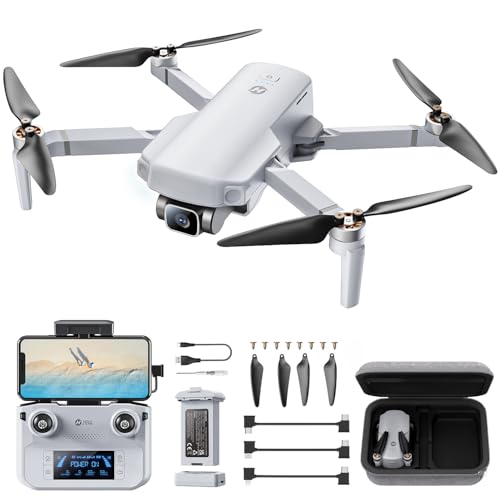
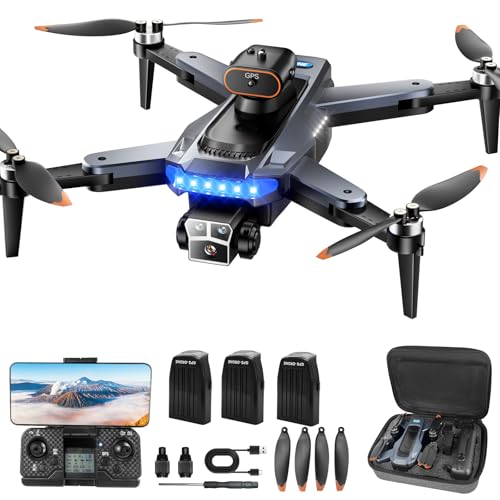
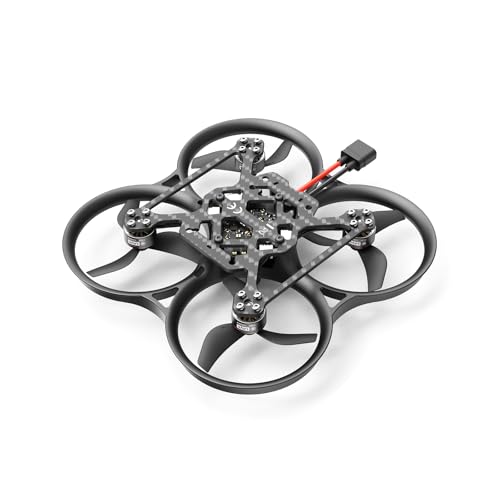
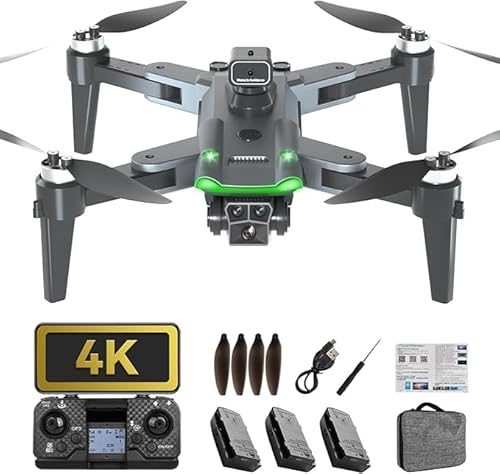
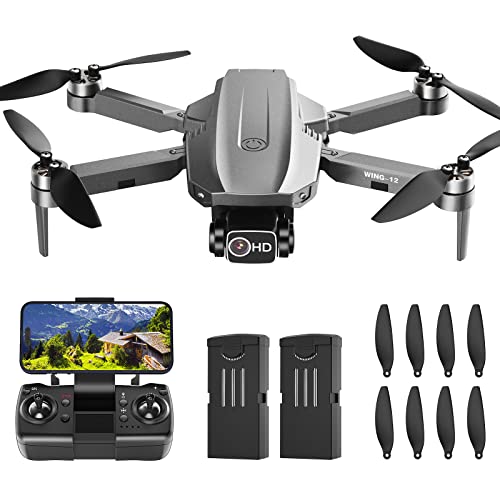
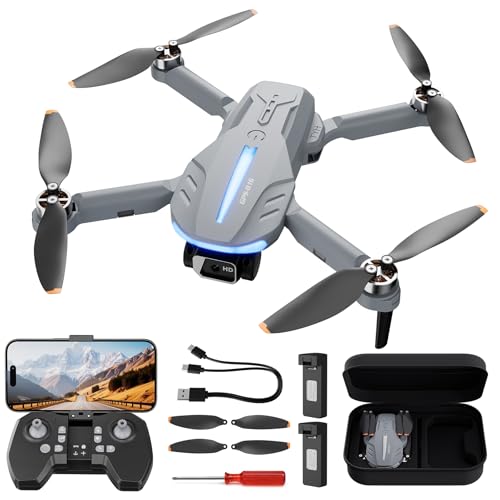
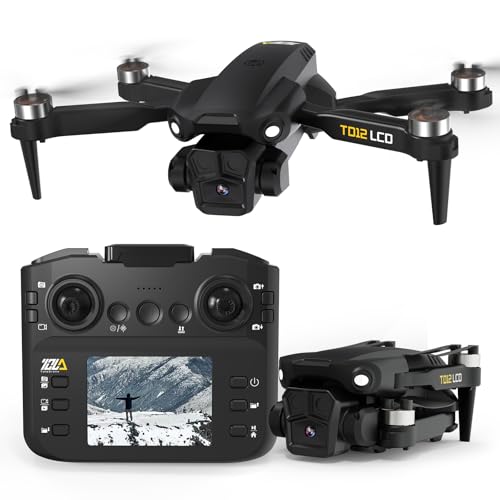
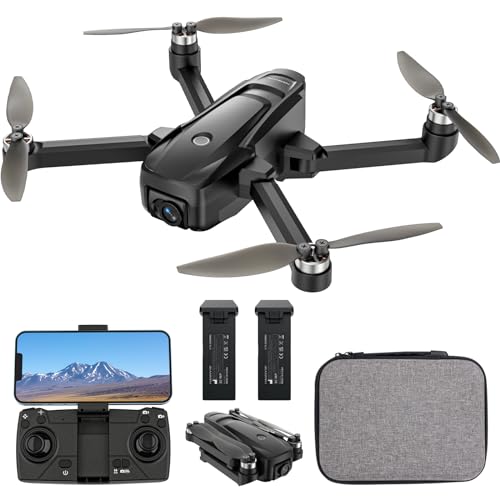
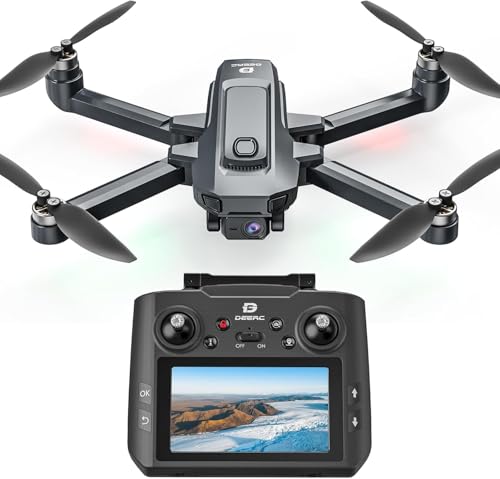
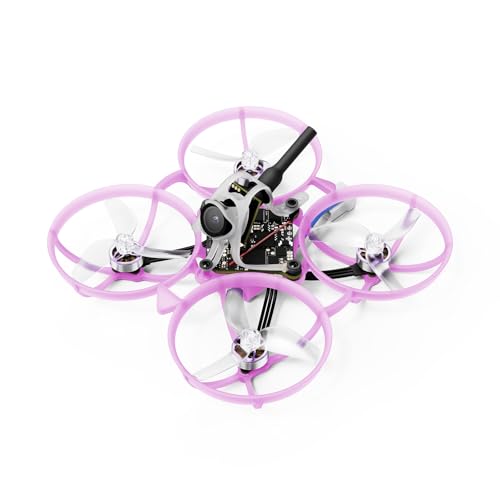
Which brands make the best drones under £170?
The best drone brands under £170 are as follows:
- HYTOBP (Average overall score: 6.2)
- Wipkviey (Average overall score: 5.7)
- Potensic (Average overall score: 5.4)
The chart below ranks drone brands under £170 by average overall score.
[horizontal-chart-14023186700493796566138394088878981416990045841965]
Are drones under £170 worth buying?
Yes, drones under £170 are worth buying if you want a beginner drone for practice, simple photos, and short casual flights. This price tier is strongest when the model includes GPS, Return to Home, spare batteries, and a camera that is actually stable enough for daylight footage.
The trade-off is that a £170 ceiling still limits the camera, stabilization, obstacle sensing, and reliable long-range control. If two models look similar, choose the one with better flight stability, clearer battery workflow, and stronger GPS/RTH support rather than the one with the biggest headline resolution number.
Drones under £170 are weaker choices if you need smooth cinematic video, dependable flying in wind, long transmission range, or advanced safety sensors. They are better as learning and hobby drones than as serious camera drones.
What flight time and range can you expect under £170?
Under £170, you can usually expect about 15-30 minutes of stated flight time and a broad range spread from short links around 0.1-0.3 km to stronger systems around 3-10 km.
Budget drones at the lower end are typically focused on basic control and short-distance flying, which is fine for backyard practice and early training. Mid-to-upper budget models in this range usually improve both battery endurance and transmission stability, so they are better for open-area filming and less interrupted sessions.
Real-world results depend on wind, temperature, and how aggressively you fly. Higher speed, repeated climbs, and gusty conditions can cut practical time and stable range noticeably compared with headline specifications.
How good are cameras on drones under £170?
Cameras on drones under £170 are good enough for casual travel clips and social media, but they are less consistent than higher-tier camera systems.
In this budget class, camera quality differs mainly for the following factors:
- Video level: Most models are 1080p or 2.7K, while only a smaller group reaches 4K. Higher resolution helps detail, but sensor quality and stabilization still decide final clarity.
- Stabilization: Three-axis gimbal stabilization is uncommon at this price, so footage can show more shake in turns and wind. Electronic stabilization can help, but results vary by model and flight speed.
- Low light: Budget sensors usually lose detail faster in dusk or high-contrast scenes. Daylight filming gives the cleanest and most reliable results.

- Compression quality: Lower bitrate and simpler processing can cause softness in foliage, water, and fast movement. Careful framing and slower pans improve usable output.
What features matter most in this price range?
The features that matter most for drones under £170 are the following buying checks:
- GPS/RTH: Prioritize models with both GPS and Return to Home as core safety features. In this price range, over half include GPS and about seven in ten include Return to Home, which makes route recovery and beginner learning much safer.

- Flight time: Look for at least about 20-30 minutes of stated max flight time if you want practical sessions without frequent battery swaps. Models below roughly 15 minutes are usable for practice, but they limit filming flexibility.

- Transmission: Check max transmission distance carefully because this range varies from about 0.1-0.3 km to around 3-10 km. Short-range links are fine for nearby practice, while longer-range systems are more stable for open-area framing.
- Camera level: Compare camera class by what you actually record, not only megapixel claims. In this budget tier, 1080p and 2.7K are common and 4K appears on a smaller set, so prioritize stable daylight output over headline resolution alone.
- Wind control: Choose models with stronger wind resistance and stable control tuning when flying outdoors. Budget drones can feel very different in gusts, and better wind handling keeps footage more usable.
- Weight class: Weight affects portability, stability, and legal handling, so check it before comparing small spec differences. Lighter models around 100-250 g are easier to carry, while heavier models can hold position better in open wind.