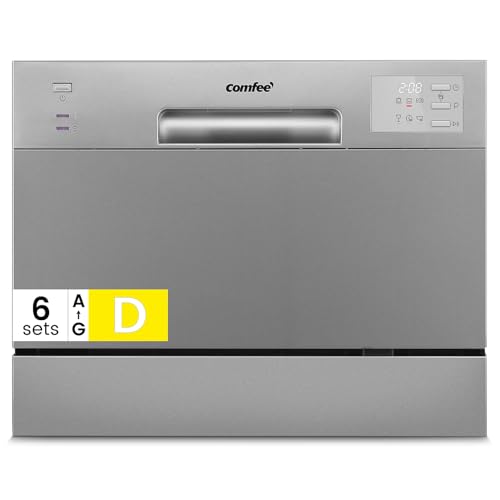
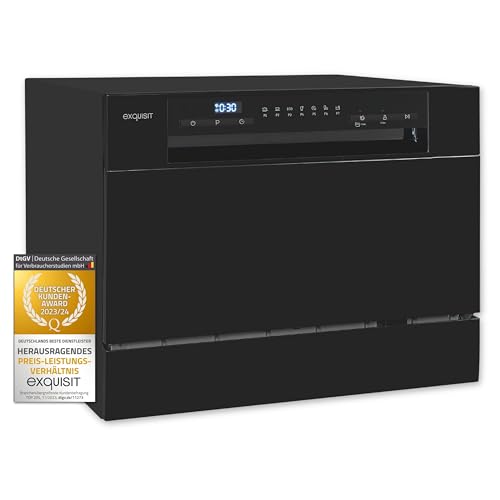
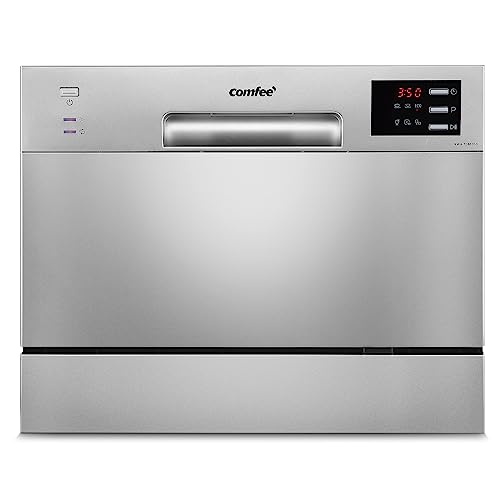
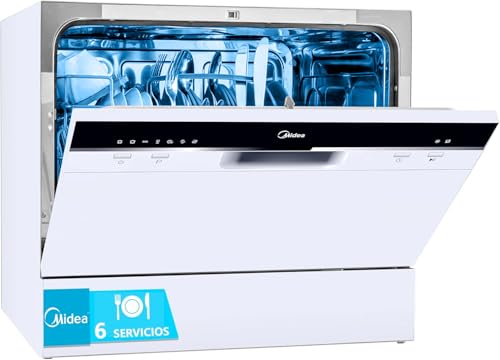
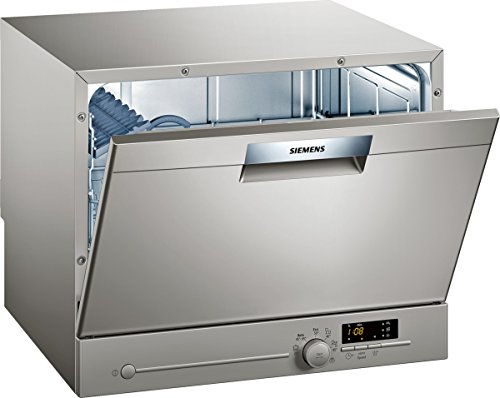
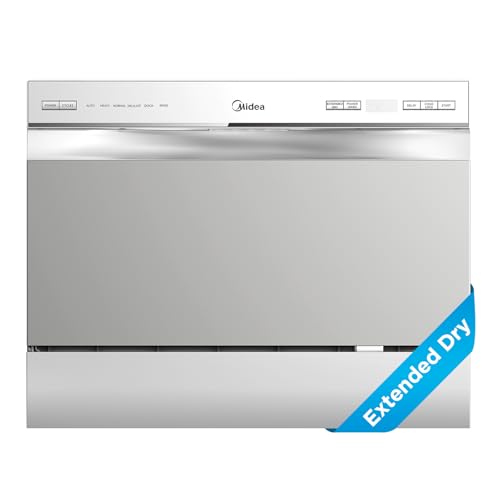
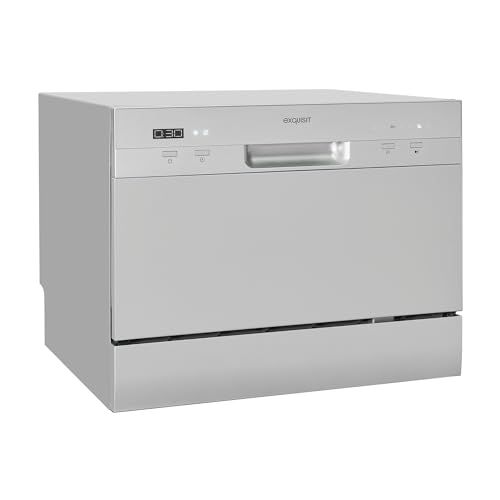
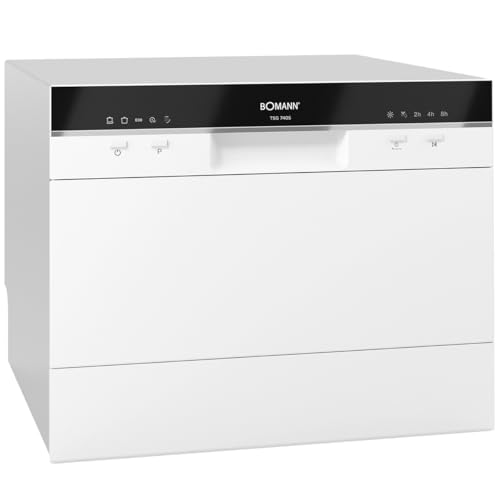
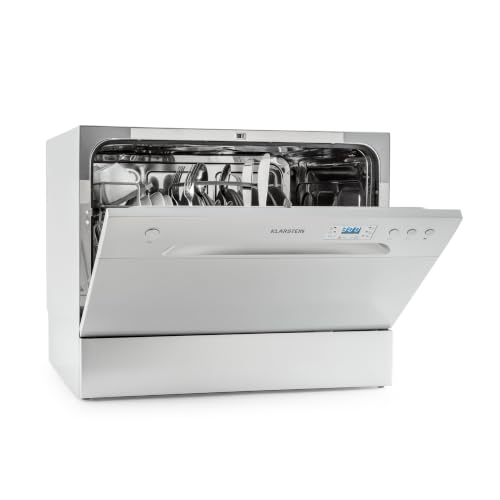
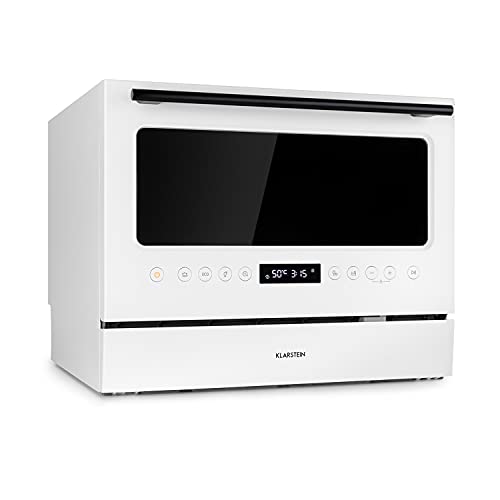
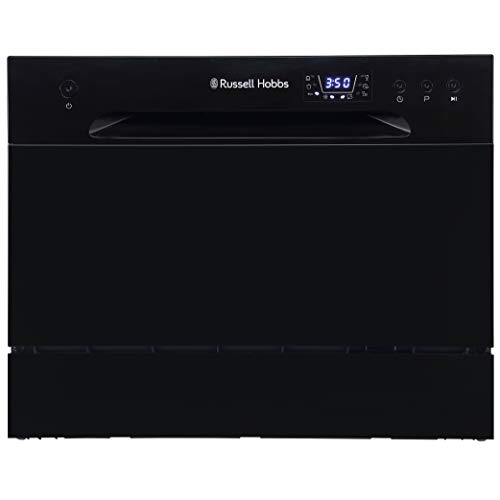
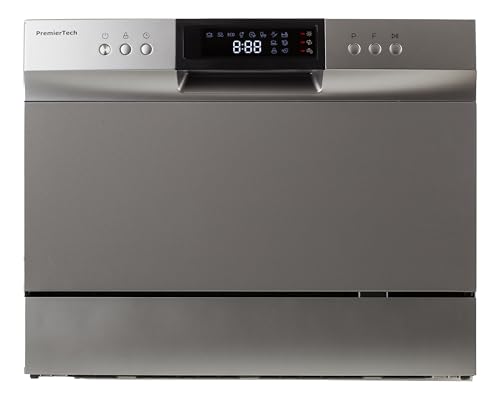
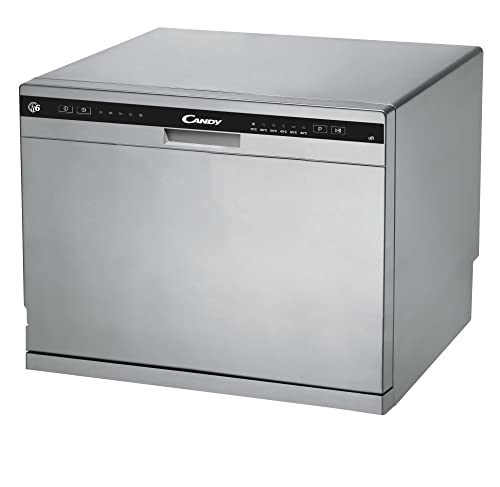
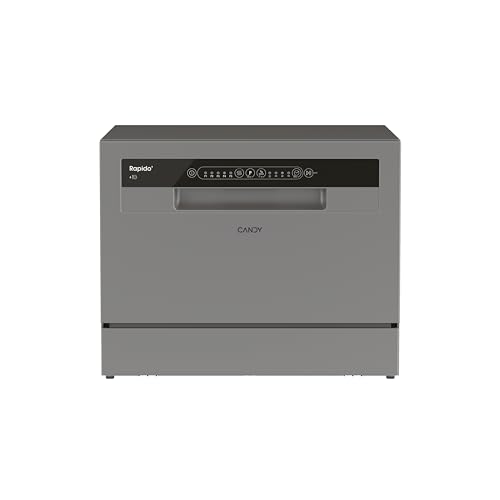
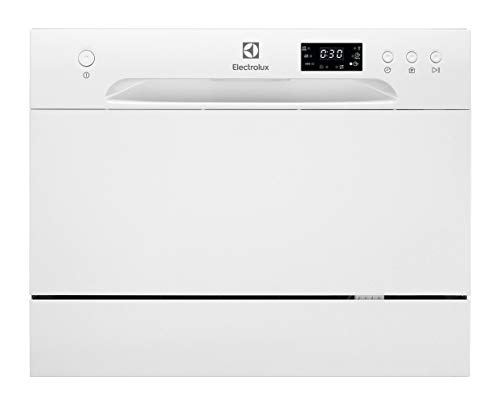
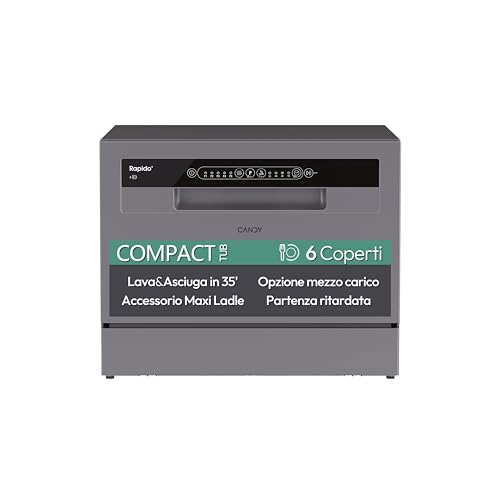
Which brands make the best six-place-setting dishwashers?
The best six-place-setting dishwasher brands are ranked below:
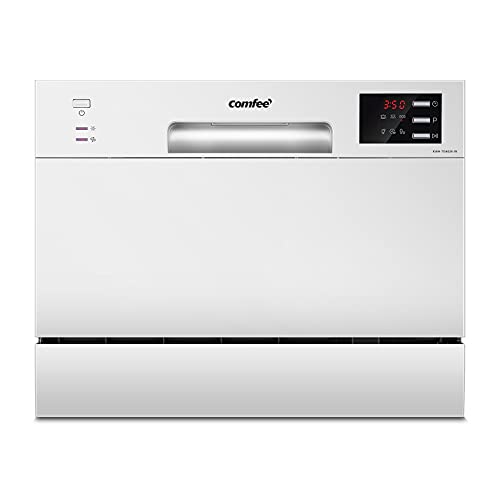
- COMFEE (Average overall score: 7.8)
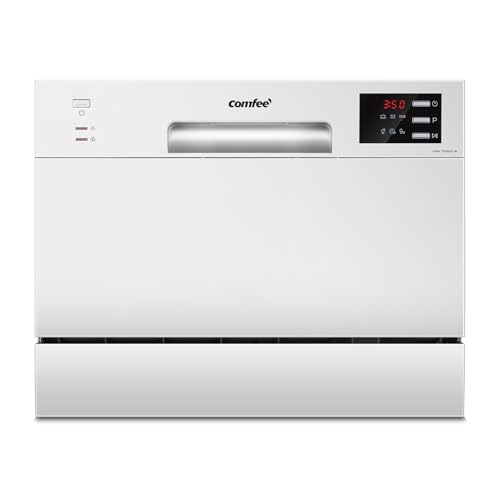
- COMFEE' (Average overall score: 7.7)
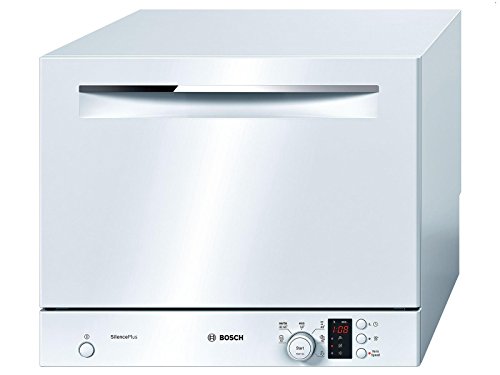
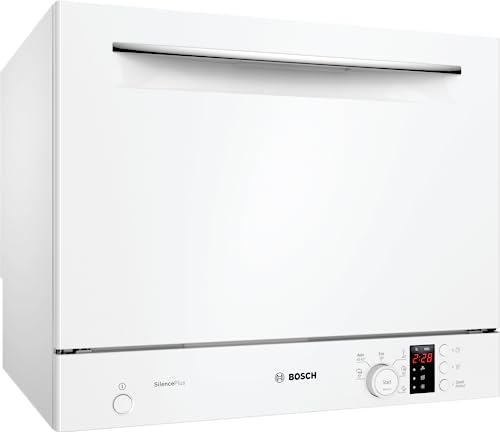
- Bosch (Average overall score: 7.5)
The chart below ranks six-place-setting dishwasher brands by average overall score.
[horizontal-chart-18240648994487805103018624948670784518201189795059]
What household size is a six-place-setting dishwasher suitable for?
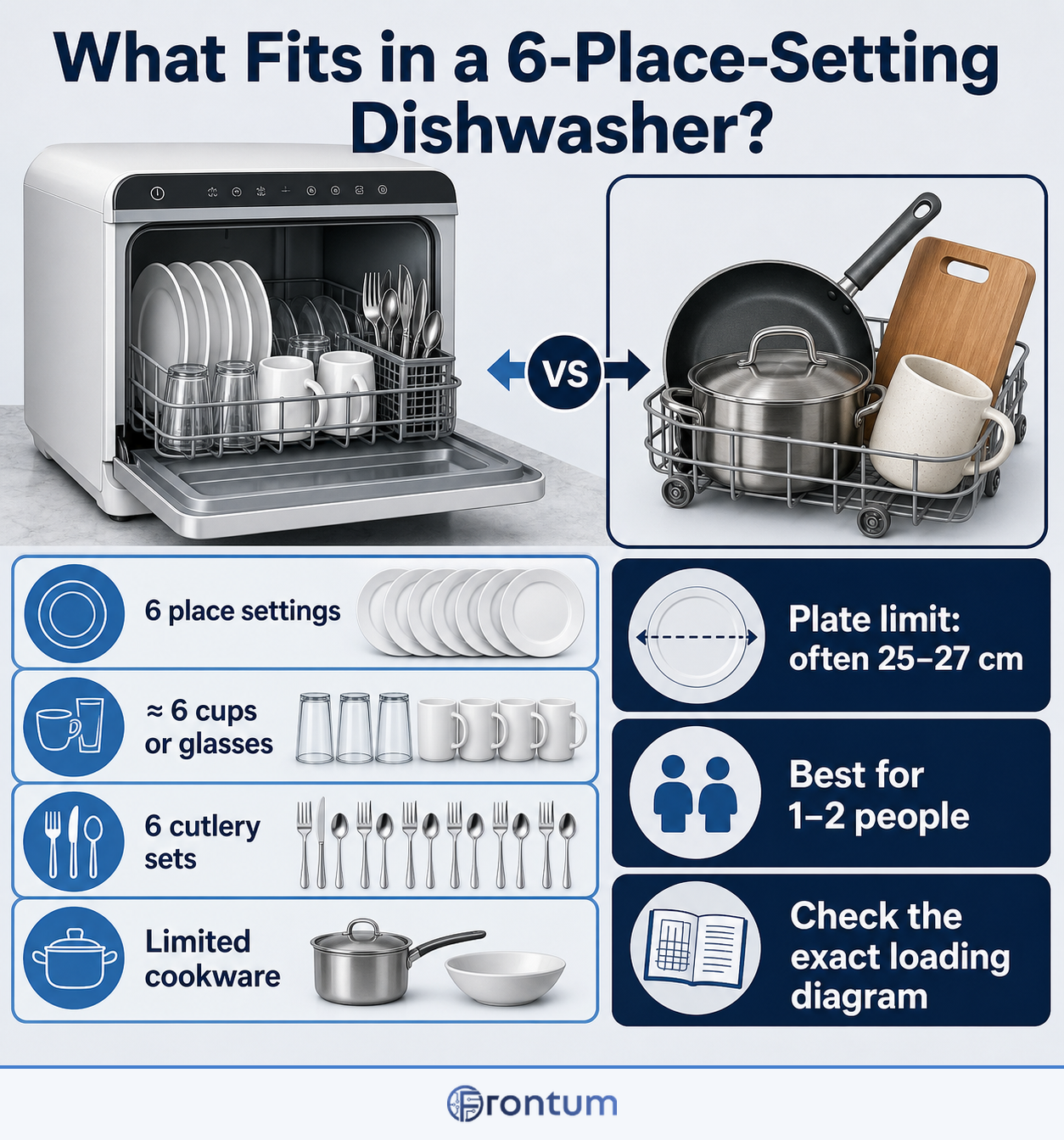
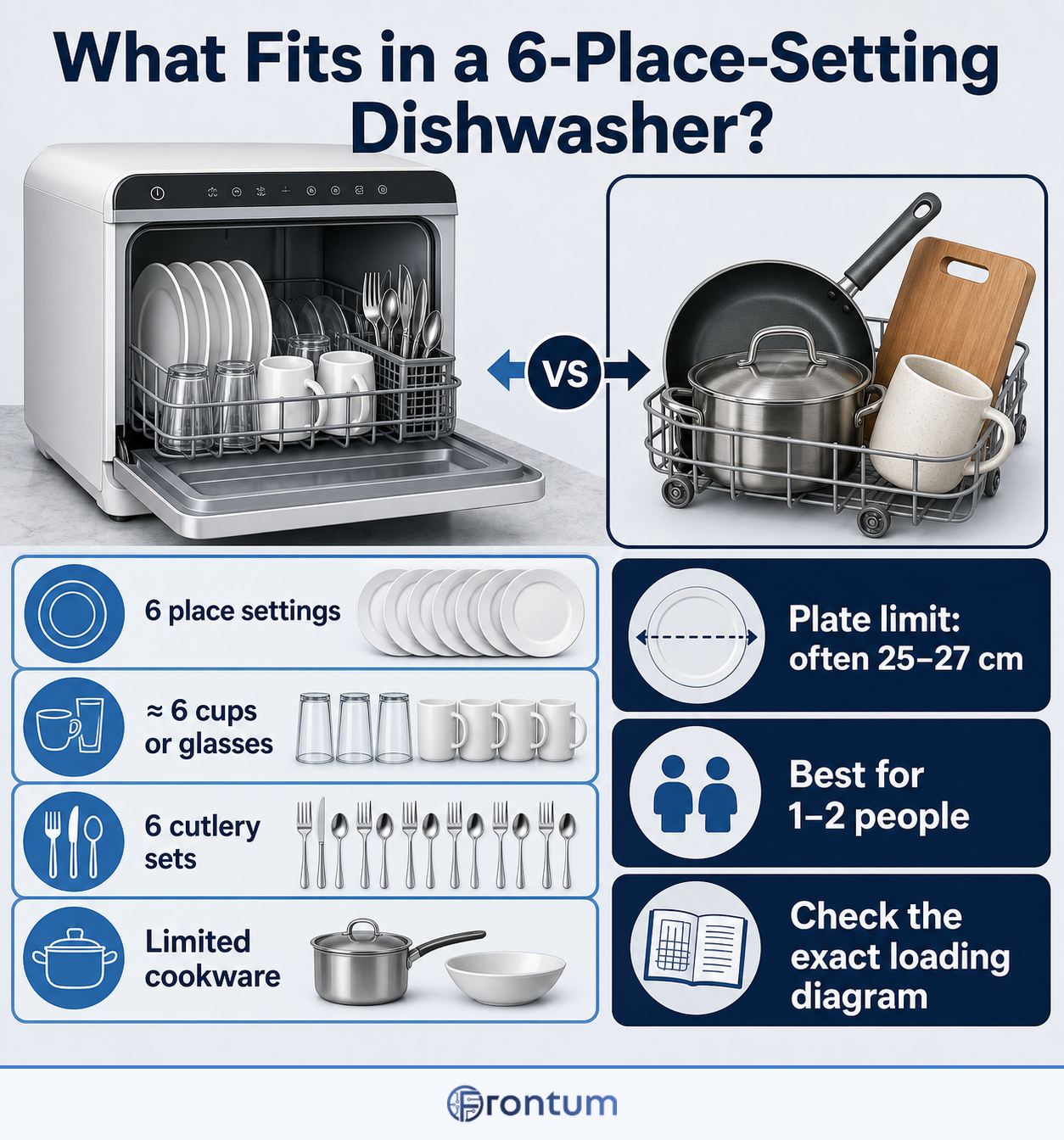
A six-place-setting dishwasher is best suited to a 1–2-person household that produces a modest daily load. It can hold roughly one day of plates, cups, glasses, and cutlery for a couple, but a frying pan and saucepan can displace several nominal settings.
Most six-setting machines are countertop designs around 55 cm wide, 50 cm deep, and 44 cm high, commonly using about 0.5–0.6 kWh and 6.5 L per Eco cycle. If normal use requires two cycles most days, a 45 cm dishwasher with 9–10 settings is usually the more practical alternative despite needing floor or cabinet space.
How many dishes fit in a six-place-setting dishwasher?
Six place settings represent six standardized groups of tableware, not six complete cooked meals with pans. A practical interpretation is approximately six dinner plates, six smaller plates or bowls, six cups or glasses, and six sets of cutlery, plus only limited room for serving items.
In a real compact basket, one frying pan, saucepan, chopping board, or group of oversized mugs can consume the space of several settings. Plate diameter is critical: many countertop machines are designed around plates of roughly 25–27 cm, but the exact limit must be checked because a tall plate can block the spray arm or door.
Use the loading diagram to check folding supports, cup shelves, cutlery placement, and spray clearance. A six-setting chamber is primarily for tableware and light cookware; if a normal evening load includes several pans, a 9–10-setting slimline machine provides substantially more usable flexibility.
How much space does a six-place-setting dishwasher need?
A typical six-place-setting countertop dishwasher needs a footprint of about 55 cm wide by 50 cm deep and stands roughly 44 cm high. Leave additional room for ventilation, hoses, the power lead, and the fully opened door; the appliance should sit on a level surface that can safely support its filled weight.
Measure beneath wall cabinets as well as across the counter, and check whether the open door blocks preparation space or a walkway. Most six-place-setting models require a mains-water inlet and drain connection, so include tap-adapter compatibility and a safe hose route; a countertop description does not necessarily mean the machine has a refillable tank.


How much energy and water does a six-place-setting dishwasher use?
A six-place-setting dishwasher commonly uses about 0.5–0.6 kWh and around 6.5 L of water on its Eco cycle. Some models use closer to 8 L, so compare the label figures at the same capacity and program rather than assuming every compact machine has identical running costs.
Per cycle, those figures are lower than for many full-size machines. Per place setting, however, a fully loaded 13- or 14-place-setting dishwasher can be similarly efficient or better, so compact size alone does not guarantee the lowest resource use.
Loading habits matter greatly. Running two compact cycles to wash cookware and tableware can use more energy and water than one larger load, while leaving dishes for too long may be impractical in a very small household. Choose six settings when they genuinely match the usual load.
Eco gives the fairest label comparison, but quick, intensive, hygiene, and extra-dry programs may use more. Also consider cycle duration, standby consumption, noise, and whether a delayed start helps the machine run only when full.
The chart below compares energy consumption per cycle among six-place-setting dishwashers.
[vertical-chart-15377512160066637918171587528913138782931152688216]
How much do six-place-setting dishwashers cost?
Six-place-setting dishwashers generally cost about £220-£340, with a small number of premium models priced higher. Program selection, basket quality, noise, drying, controls, and supplied inlet or drain accessories influence the price more than capacity, which remains fixed.
Below £260, expect straightforward countertop machines with basic baskets, core programs, and conventional drying. From £300-£300, delayed start, better displays, more useful quick or glass cycles, improved rack details, and quieter operation become more common.
Above £340, models may add stronger drying, enhanced hygiene options, premium controls, better warranties, or more polished construction. Check those extras carefully because paying more does not create additional place settings or room for large cookware.
The chart below shows the price distribution of six-place-setting dishwashers.
[vertical-chart-09996111542952390585141353171514346544481319488208]
What should you consider when choosing a six-place-setting dishwasher?
Before buying a six-place-setting dishwasher, consider the following factors:
- Counter footprint and support: Measurements should cover width, depth, height below cabinets, ventilation clearance, and the fully opened door. Confirm that the counter can support the filled appliance and that the door will not block preparation space or a walkway.
- Water and drain connection: Verify whether the machine needs permanent mains pressure, which tap adapters are supplied, permitted hose lengths, drain height, and overflow protection. Do not assume that a countertop model has a refillable tank or can drain safely into any sink.
- Capacity and rack design: Six standardized settings generally suit 1–2 people who run the dishwasher frequently, but they mainly represent plates, cups, glasses, and cutlery rather than complete meals with cookware. Check maximum plate diameter, folding supports, cup shelves, cutlery placement, spray-arm clearance, and whether pans or deep bowls would displace too much tableware.
- Energy and water consumption: For a six-place countertop dishwasher, about 0.5–0.6 kWh and 6–7 L per Eco cycle is good; more than 0.7 kWh or 8 L is relatively high. Two compact cycles can use more resources than one well-loaded slim or full-size machine.
- Noise level: A countertop appliance sits close to the user, so its rated noise can be more noticeable than the same figure from a floor-level machine. Check the declared dB value independently from night-mode marketing, because a quiet program may simply extend cycle time.
- Wash programs and cleaning: Eco, quick, intensive, and glass cycles are usually sufficient if spray coverage and filtration are effective. Review detergent compatibility, filter access, wash-arm clearance, and performance on crowded or heavily soiled loads.
- Drying performance: Small chambers often retain moisture, so compare condensation results, extra-dry options, ventilation, and automatic door opening. Confirm that released steam or an open door will not affect overhead cabinets or the work surface.