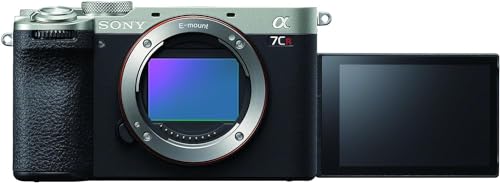
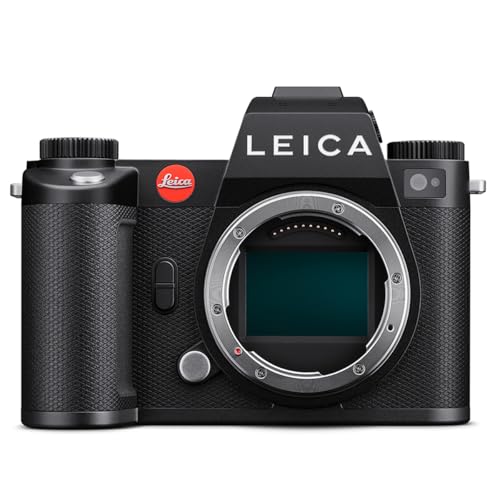
Leica SL3 review. Compare 108 technical specifications and user reviews to see how it ranks among cameras and if it is worth buying.
Overall score
What it is: An overall evaluation of the camera's quality, based on technical analyses and user reviews.
When it matters: When you need a quick reference to identify the best cameras on the market.
Score components:
90.0%
Technical Score
10.0%
User score
Technical Score
What it is: An assessment of the camera's technical performance, covering eight key areas: image quality, autofocus, video features, stabilization, lens compatibility, connectivity, battery, and design.
When it matters: When you want to compare cameras based on technical performance and available features.
Score components:
28.0%
Sensor & Image
25.0%
Photo Features
18.0%
Video & Audio
14.0%
Display & Design
8.0%
Battery & Power
7.0%
Connectivity & Storage
User score
What it is: A rating that combines user reviews and the total number of reviews received by the camera.
When it matters: When real-world owner satisfaction and review volume matter to your decision.
Score components:
70.0%
User reviews
30.0%
Popularity
Score components:
25.0%
Sensor size
20.0%
Main camera megapixels
20.0%
Dual card slots
15.0%
N. of focus points
10.0%
RAW photo capture
10.0%
Phase-detection autofocus (photos)
Score components:
35.0%
Weight
30.0%
Battery life (CIPA)
20.0%
Sensor-shift stabilization
15.0%
GPS
Score components:
30.0%
Price
20.0%
Weight
20.0%
AF tracking
20.0%
Battery life (CIPA)
10.0%
Touchscreen
Score components:
30.0%
Main camera megapixels
25.0%
Sensor size
20.0%
Main camera pixel size
15.0%
Sensor-shift stabilization
10.0%
RAW photo capture
Score components:
30.0%
Weight
25.0%
Thickness
20.0%
AF low-light sensitivity
15.0%
Sensor-shift stabilization
10.0%
Eye detection AF (human)
Score components:
30.0%
Sensor size
25.0%
Main camera pixel size
20.0%
Eye detection AF (human)
15.0%
Main camera megapixels
10.0%
Sensor-shift stabilization
Score components:
30.0%
Weight
25.0%
Battery life (CIPA)
20.0%
Min operating temperature
15.0%
Sensor-shift stabilization
10.0%
GPS
Available: ranking among products currently available (including other versions of this product).
All: ranking among all products in the database.
#1 in Best Leica Cameras
#29 in Best Full-Frame Cameras
#35 in Best Mirrorless Cameras
#37 in Best Cameras
#37 in Best Digital Cameras
#37 in Best 4K Cameras
#37 in Best Cameras for Portraits
#279 in Best Cameras for Hiking
#416 in Best Travel Cameras
What it is: An assessment of the camera's technical performance, covering eight key areas: image quality, autofocus, video features, stabilization, lens compatibility, connectivity, battery, and design.
When it matters: When you want to compare cameras based on technical performance and available features.
Score components:
28.0%
Sensor & Image
25.0%
Photo Features
18.0%
Video & Audio
14.0%
Display & Design
8.0%
Battery & Power
7.0%
Connectivity & Storage
What it is: A rating that combines user reviews and the total number of reviews received by the camera.
When it matters: When real-world owner satisfaction and review volume matter to your decision.
Score components:
70.0%
User reviews
30.0%
Popularity
What it is: An indicator that combines the camera's overall rating with its cost.
When it matters: When you want to know how much overall quality you get for the price.
Score components:
60.0%
Overall score
40.0%
Price
Importance: HIGH
Good value: Full frame or larger
Importance: HIGH
Good value: At least 20 MP
Importance: HIGH
Good value: At least 3.5 µm
Importance: LOW
Importance: MEDIUM
Good value: At least ISO 25,600
Importance: MEDIUM
Importance: MEDIUM
Good value: At least 14-bit
Importance: LOW
Importance: LOW
Importance: LOW
Importance: LOW
Importance: LOW
Importance: LOW
Importance: LOW
Importance: LOW
Importance: MEDIUM
Importance: LOW
Importance: LOW
Importance: LOW
Importance: LOW
Importance: LOW
Importance: HIGH
Good value: At least 200 points
Importance: HIGH
Importance: MEDIUM
Importance: LOW
Importance: LOW
Importance: MEDIUM
Importance: MEDIUM
Importance: HIGH
Good value: At least 5 stops
Importance: LOW
Importance: MEDIUM
Good value: At least 10 fps
Importance: LOW
Importance: LOW
Importance: LOW
Importance: LOW
Importance: LOW
Importance: LOW
Importance: LOW
Importance: LOW
Importance: LOW
Importance: LOW
Importance: LOW
Importance: LOW
Importance: LOW
Importance: LOW
Importance: LOW
Importance: LOW
Good value: At least 200,000 actuations
Importance: LOW
Good value: At least 10x
Importance: HIGH
Good value: At least 3840 px
Importance: MEDIUM
Good value: At least 200 Mbps
Importance: MEDIUM
Good value: At least 10-bit
Importance: LOW
Importance: LOW
Importance: LOW
Importance: LOW
Importance: LOW
Importance: LOW
Importance: LOW
Good value: At least 30 min
Importance: LOW
Importance: LOW
Importance: LOW
Importance: LOW
Importance: LOW
Good value: At least 2 microphones
Importance: LOW
Importance: LOW
Importance: LOW
Importance: LOW
Importance: MEDIUM
Good value: 500 g or less
Importance: LOW
Importance: LOW
Importance: LOW
Importance: MEDIUM
Importance: MEDIUM
Good value: At least 2.36 million dots
Importance: LOW
Good value: 100%
Importance: LOW
Importance: LOW
Good value: At least 120 Hz
Importance: MEDIUM
Good value: At least 3 in
Importance: LOW
Importance: LOW
Importance: LOW
Importance: LOW
Importance: LOW
Importance: LOW
Importance: LOW
Good value: At least 10 m
Importance: LOW
Importance: LOW
Importance: LOW
Importance: LOW
Importance: MEDIUM
Good value: At least 400 shots
Importance: LOW
Good value: At least 1,500 mAh
Importance: LOW
Importance: LOW
Importance: LOW
Importance: LOW
Importance: LOW
Importance: LOW
Importance: LOW
Importance: LOW
Importance: LOW
Importance: LOW
Importance: LOW
Importance: LOW
Importance: LOW
Importance: LOW
Importance: LOW
Importance: LOW
Importance: LOW
Importance: LOW
Importance: HIGH
Good value: At least 200 points
Importance: HIGH
Good value: At least 3840 px
Importance: MEDIUM
Importance: HIGH
Good value: At least 20 MP
Importance: HIGH
Importance: MEDIUM
Good value: At least ISO 25,600
Importance: MEDIUM
Good value: At least 200 Mbps
Importance: LOW
Importance: MEDIUM
Good value: 500 g or less
Importance: LOW
Importance: MEDIUM
Good value: At least 400 shots
Importance: LOW
Importance: LOW
Importance: LOW
Importance: LOW
(Reviews last updated: July 2026)
Leica SL3 Review Summary The Leica SL3 is praised as the manufacturer's best camera ever made, integrating high-end performance into a beautifully sculpted black metal body. It is equipped with a highly versatile 60.3MP back-side illuminated full-frame sensor that outputs incredible 14-bit RAW image files with medium-format-like color depth and dynamic range. The camera is a major technological leap forward for the series due to the introduction of a hybrid phase-detect autofocus system, which drastically improves subject recognition, face tracking, and eye tracking for stills over previous contrast-based models. It also packs robust video capabilities, including up to 8K 30p recording, ProRes support, an overhauled, highly customizable user interface, and an IP54 weather-sealed construction that withstands extreme temperatures. Despite its premium performance, the review highlights several distinct drawbacks, most notably an austere and "depressing" battery life that delivers a meager 260 to 272 shots per charge. The otherwise welcome 3.2-inch tilting touchscreen is limited by a bulky overhanging viewfinder that blocks the screen unless it is fully extended, and it lacks full articulation for vertical or extreme high-angle shooting. Furthermore,...
The Leica SL3 introduces a high-resolution 60-megapixel full-frame sensor to the L-mount ecosystem, packaged in a slightly smaller, lighter, and rugged IP54-rated weather-resistant body. Its standout features include an intuitive revamped interface with heavily customizable buttons, a useful vertically tilting 2.36-million dot LCD screen for low-angle shots, and a much-anticipated hybrid phase-detect autofocus system that improves eye and portrait tracking. Image quality remains excellent, delivering rich tonality and sharp details that pair exceptionally well with Leica’s premium optics. However, the camera comes with notable downsides, particularly a poor battery life rated for just 250 shots and slow continuous shooting performance maxing out at five frames per second with tracking enabled. The autofocus also suffers from distracting pulsing issues during continuous tracking, while minor hardware downgrades lower the flash sync speed to 1/200 second and drop the in-body image stabilization to five stops. Video production is heavily compromised as well, bogged down by an interface that triggers accidental menu resets, severe rolling shutter, a significant 1.3x crop factor in 4K and 8K modes, and a short 40-minute operating life span per...
The Photography Life review of the Leica SL3 highlights a premium 60-megapixel mirrorless camera, praising its exceptional build quality, IP54 weather sealing, and superior image quality driven by the Maestro IV processor. Key advantages include the introduction of phase-detection autofocus (PDAF), a refined user interface with a tilting touchscreen, and outstanding dynamic range, especially when paired with native APO lenses. However, the analysis notes significant drawbacks, including a high price point, bulky design, and a battery life that struggles to meet professional demands. While the autofocus is improved, it is reported to struggle with subject tracking in crowded environments, and the electronic viewfinder experiences a resolution drop during manual focus magnification. For the full, detailed review, visit Photography Life.
The Leica SL3 represents a significant evolutionary step for Leica's mirrorless line, moving from a standard 47.3MP sensor to a highly detailed 60MP Back Side Illuminated (BSI) sensor that delivers an impressive 15 stops of dynamic range and up to a 1.5-stop improvement in high ISO performance. A major highlight of this release is the integration of phase-detection autofocus alongside contrast detection, which—paired with a new Maestro IV processor—significantly improves tracking for moving subjects, including a new animal detection mode, and allows the camera to wake from sleep and start up very quickly. Physically, the camera feels lighter and more compact than its predecessor due to a redesigned body, a deeper handgrip, and a new mechanical shutter. Users will also benefit from a long-awaited tilting 2.3-million-dot LCD touchscreen, a CFexpress Type B card slot for fast video and storage, robust weather sealing, full support for coded M lenses, and upgraded video capabilities that support internal 8K recording. Despite these strengths, the reviewer notes several downsides that stem from the camera's new technology and physical redesign. The 60MP sensor suffers from...
Thomas Walter’s review of the Leica SL3 highlights a 61-megapixel BSI CMOS sensor with triple-resolution technology that delivers exceptional image quality, coupled with a lighter, more ergonomic body and a robust, newly designed two-way tilting LCD screen. The camera is noted for its fast wake-up time, dual card slots, and enhanced handling, making it a significant, albeit expensive, upgrade for Leica users. However, the review identifies limitations, including a relatively slow sensor readout that makes it susceptible to rolling shutter and limits high-speed video, alongside a 1/200s flash sync speed. Other drawbacks mentioned include occasional wake-up lag, persistent warnings with older batteries, a lack of a high-res shot mode at the time of testing, and PDAF performance that did not initially feel groundbreaking. For the full, detailed review, visit L-Camera Forum.
The Medium review of the Leica SL3 by Kashaf Shahid presents the camera as a rugged, high-end professional tool, highlighting its superior durability, robust weather sealing, and comfortable, intuitive ergonomics even with heavy lenses. While the build quality is praised, the review notes that the, "overall weight, as mating the camera with native high-end L-mount zoom glass results in a heavy package that can strain back muscles during extended use." Furthermore, the 60-megapixel sensor and advanced features come with the limitation of slower continuous burst tracking speeds and increased raw processing demands compared to competitors. The high price point is also identified as a significant barrier for entry.
Leica SL3 Review Summary The Leica SL3 is a highly capable full-frame digital camera that introduces significant design, ergonomic, and electronic enhancements over previous iterations to support both high-end studio photography and demanding videography. The camera stands out for its notable pros, which include a 20% reduction in body size, 10% lighter weight, and drastically optimized battery management when interacting with sleep modes. It is built around an upgraded 60.3-megapixel CMOS sensor specifically engineered to handle vintage and modern M-mount lenses cleanly without edge fringing, blur, or warping. Additional operational strengths highlighted are the introduction of an intuitive, beautifully designed graphic interface, a multi-system autofocus that yields exceptional speed, external controls for key parameters like ISO, and the inclusion of a highly functional flip-up touchscreen. Filmmakers benefit heavily from its unconstrained, multi-codec DCI 8K video capabilities, timecode synchronization support, and a focal plane mark for absolute focus accuracy. Despite these performance leaps, the review details prominent cons that center on overall portability, cost, and physical mechanics. Even with its smaller, lighter form factor, the SL3 remains a heavy, bulky machine...
Despite its advanced performance and immaculate build quality, the camera presents significant drawbacks for the average working photographer. The most prominent con is its prohibitive cost; priced at £5,920 body-only—and climbing closer to £11,000 when paired with a professional lens like the Elmarit SL 24-90mm—it demands a steep premium over equivalently capable pro rivals like the Sony A7R V, Canon EOS R5, or Nikon Z 8. While the body is slightly lighter than the SL2 by 69g, it remains a heavily characterized, high-heft system that stays true to Leica's "tank-like" design language. Additionally, while the video capabilities and autofocus metrics are vastly improved for the SL family, the review notes that the camera is still not quite on the same hybrid feature level as some of its direct market competitors.
The Leica SL3 is a robust, full-frame mirrorless camera designed as a professional studio and hybrid workhorse. Built around a magnificent 60MP CMOS BSI sensor and the advanced Maestro IV processor, it delivers spectacular high-resolution image quality, exceptional dynamic range, and clean, minimalist user menus that separate photo and video modes seamlessly. A major physical upgrade is the introduction of a 3.2-inch tilting touchscreen that improves shooting from low angles, alongside rugged IP54-rated weather sealing and premium build quality. Furthermore, it finally features a hybrid phase-detect autofocus system, a massive upgrade for subject tracking over its predecessor, and includes modern connectivity like a CFexpress Type B slot and 8K video capabilities. Despite these premium features, the camera has notable performance trade-offs. The pros include its incredible 60MP resolving power, elegant button customization, fast wireless transfer speeds via the Leica Fotos app, and access to an extensive selection of L-mount lenses. On the downside, the cons feature a highly disappointing battery life (rated at just 260 shots), relatively weak five-axis in-body image stabilization that struggles with video camera movements, and a...
The Leica SL3 is a highly capable full-frame mirrorless camera that balances premium image quality with extensive user-interface improvements over its predecessor, the SL2. On the positive side, it features a stunning 60MP Back Side Illuminated sensor that offers an exceptional 15 stops of dynamic range and sharp low-light performance with clean colors up to 100,000 ISO. The introduction of a hybrid Phase Detect and Contrast Detect autofocus system significantly upgrades tracking speeds, making it much more reliable for action shots, birds in flight, and moving pets. Furthermore, users will benefit from a more compact and lighter body design, a new tilting LCD panel, a highly intuitive, customizable Quick Menu, an internal Maestro IV processor that dramatically speeds up start-up and wake times, and full native support for coded M-mount lenses. However, the camera does come with several distinct drawbacks. The slow readout speed of the 60MP sensor leads to noticeable "rolling shutter" distortions when using the electronic shutter on moving subjects, alongside a brief screen blackout after single shots. Battery life on the new BP-SCL6 cell is described as...
The Leica SL3 is a highly durable, photo-first mirrorless camera featuring a 60MP BSI sensor with triple resolution technology, a revamped Maestro IV processor, and a dynamic user interface with customisable touch icons. Designed for design-centric professionals and intentional photographers, it offers remarkable dynamic range, exceptional color latitude in 14-bit raw files, and low noise levels that keep grain under control up to ISO 6,400. Key hardware improvements include a deeper grip on a slightly smaller body, a robust IP54 weather-sealed two-way tilting display, double the bandwidth through a CFexpress Type B and UHS-II SD card setup, and a convenient power button that allows for a quick one-tap sleep mode. In the field, these upgrades culminate in a significantly faster turnaround time than its predecessor, the SL2, nearly rivalling the quality of medium-format solutions in a much more agile package. However, the camera has notable limitations, particularly regarding video performance and battery life. While its updated autofocus system tracks subjects quickly, it can occasionally overshoot, miss marks, or hunt in "easier" environments—such as shifting focus during a static voice-over recording....
The Leica SL3 represents a refined, more "cuddly" evolution of the SL system, featuring a lighter 850g body with rounded contours and a deeper grip that significantly improves handling over its predecessors. The author praises its exceptionally clear, customizable user interface and its intuitive, linear menu system that serves as a benchmark for mirrorless cameras. A major highlight is its flexibility within the L-Mount alliance, allowing the camera to be transformed into a comfortable, lightweight walk-around setup when paired with more affordable, 300g Panasonic Lumix S primes or the versatile Lumix 20-60mm zoom. Furthermore, it excels as a host for manual focus Leica M lenses, offering seamless profile integration and pinpoint accuracy through its excellent 5.76 million-dot electronic viewfinder and new operational lock settings that prevent shifting focus points. However, the camera is held back by a few notable downsides, most prominently its poor battery life, which is officially rated at just 260 frames—far trailing competitors from Nikon and Canon. It lacks an external battery charger out of the box, forcing users to rely on in-camera USB-C charging or buy...
The Leica SL3 is a premium mirrorless full-frame camera manufactured in Wetzlar, Germany, carrying a high price tag of approximately €6,800 to €6,990. This model brings significant hardware improvements over its predecessor, including a massive 60.3-megapixel sensor (offering selectable 60, 36, or 18-megapixel resolutions without cropping), 8K video recording functionality using the efficient H.265 codec, and a revised body design. Notably, Leica has addressed long-standing user feedback by shrinking the overall body weight by 70 grams to a total of 850 grams and introducing a helpful tiltable touchscreen display, which maintains the camera's robust IP54 dust and splash water protection. Operating logic has also been enhanced, featuring a right-sided button layout optimized for single-handed use, rotating interface icons for vertical shooting, and a colour-coded system that uses yellow for video and red for photo modes. In performance evaluations, the camera earns "Very Good" laboratory marks for both photo and video quality, producing highly detailed, natural-looking images with soft noise management at elevated ISO settings. The primary advantages of the Leica SL3 include its professional-grade video features, modern connectivity options (like...
The Heise Online review of the Leica SL3 highlights a 60-megapixel BSI-CMOS sensor and a long-awaited, high-quality tilting touchscreen, paired with a robust 850-gram build. While praised for its excellent ergonomics for larger hands, the camera's weight makes it poorly balanced with heavy lenses, making the optional battery grip a recommended addition. Key advantages include intuitive physical controls with three dials and a 5.76-million-dot electronic viewfinder, along with new 8K video capabilities. However, the 850-gram weight is over 100 grams heavier than competitors like the Sony Alpha 7R V. heise online
The COMPUTER BILD review rates the Leica SL3 premium system camera as a "good" (1.7) details specialist, praising its phenomenal 60-megapixel image and video quality. The camera excels in providing rich, razor-sharp details and exceptional contrast, supported by a large 0.78x magnification electronic viewfinder and a structured, compact user menu. Additional pros highlighted include its high-end 8K video recording capabilities, a premium aluminum and magnesium body built to IP54 dust and splash protection, and seamless integration with the stylish Leica Fotos companion app. However, the review points out several significant cons, most notably the eye-watering price of €6,800 for the body alone. It is also quite a bulky, heavy unit weighing 857 grams with a battery. Performance-wise, action and sports photographers will likely find it lacking; its continuous burst shooting speed is sluggish at just 5.2 frames per second with tracking autofocus. Furthermore, while the autofocus accurate at recognizing faces and eyes, its overall response and tracking speeds visibly lag behind competing flagship bodies from Canon, Nikon, and Sony.
The Leica SL3 represents a major step forward for Leica’s mirrorless lineup, serving as a powerful "workhorse" camera that pairs excellently with both SL and M-mount lenses. Reviewers highly praise its outstanding 60.3-megapixel sensor, which delivers incredible sharpness, unique "Leica looks" on JPEGs, and fantastic color reproduction. Users are also thrilled with the highly intuitive, minimalist user interface and menu system, comparing it favorably to industry leaders like Canon. Physically, it features an excellent electronic viewfinder (EVF) that makes manual focusing smooth, a flexible tilting display, a robust build quality with weather sealing, and solid image stabilization for video. Despite these high-end features, the camera has notable drawbacks that make it an emotional rather than purely rational purchase. A major criticism is its fast-draining battery capacity—yielding just 260 shots per CIPA standards—coupled with the fact that a charger is no longer included in the box. While the phase-detection autofocus is vastly improved over previous models, reviewers note it still lacks the speed and tracking accuracy of competitors like Sony, particularly in low light. Additionally, the body is heavy, the rubber...
Thomas Walter’s review characterizes the Leica SL3 as a refined, user-friendly evolution of the SL2, highlighting its exceptional 60MP image quality, the versatile two-way tilting screen, and a more compact, lightweight body. The updated menu system, excellent handling, and superior performance with lenses like the APO-SL 21mm are major highlights. Conversely, the review notes that the new phase-detection autofocus (PDAF) lacks a significant real-world advantage in fast-moving scenarios, and the Multi-Shot mode is absent at launch. Further frustrations include slow wake-up times and persistent warning messages when using older batteries. Leica Forum
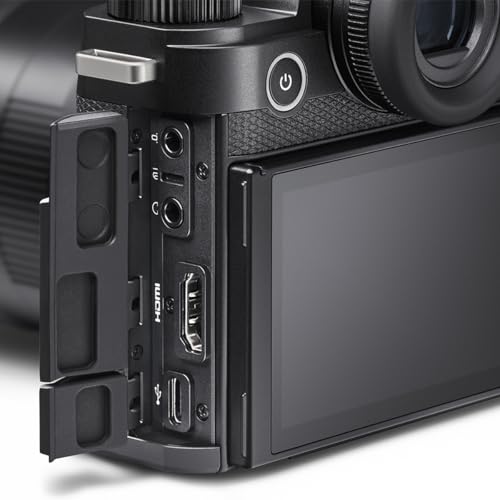
The Leica SL3 introduces substantial updates to the full-frame mirrorless lineup, notably shifting from a toggle switch to a multi-coloured LED power button and relocating menu buttons to the right side of the screen for more intuitive handling. It features a significantly lighter, IP54 weather-sealed body that houses a powerful 60.3-megapixel CMOS sensor with up to 15 stops of dynamic range, driven by the Maestro IV processor. A long-awaited tiltable touchscreen enhances shooting from difficult angles, while a new Hybrid Autofocus system—combining phase detection with intelligent eye, head, and body tracking—delivers incredibly reliable subject tracking. Connectivity is highly robust, offering full-size HDMI, USB-C, and dual card slots supporting both SD UHS-II and high-speed CFexpress Type B formats. However, the camera comes with a premium luxury price tag of €6,990, and upgrading introduces specific functional limitations regarding backward compatibility. While older SL2 batteries can technically be used, doing so severely limits the camera's performance, disabling high-end features such as 8K video recording. In terms of video capabilities, while it records impressive 8K footage and supports professional codecs like ProRes and h.265,...
The Leica SL3 is a high-end full-frame mirrorless camera that balances a traditional, premium build with significant technical upgrades over its predecessor. It is constructed with a robust, all-metal body made in Germany, giving it excellent durability at a heavy weight of approximately 850 grams. Key technical enhancements include a new 60-megapixel BSI-CMOS sensor featuring Triple-Resolution technology, an overhauled hybrid autofocus system combining phase detection (PDAF), contrast detection, and subject recognition, and impressive 8K video recording at 30 fps using modern codecs like Apple ProRes. Reviewers also praised its highly intuitive, uncluttered physical user interface layout and its tiltable 3.2-inch touchscreen. The review highlights several distinct pros and cons. On the positive side, the SL3 delivers exceptional overall image quality, professional-grade video performance, highly effective built-in image stabilisation, and a long-lasting, premium chassis. On the downside, its continuous burst shooting speed is quite limited—maxing out at 15 frames per second in standard mode and dropping to just 5 frames per second with continuous autofocus (AF-C)—making it a poor choice for sports and action photography. Additionally, the subject tracking autofocus fails...
Leica SL3 Review Summary The Leica SL3 is a premium 60-megapixel full-frame mirrorless camera (€6,800) that stands out by prioritizing user-friendly minimalist design over technical complexity. Its greatest strength lies in its exceptional image quality, delivering stunning detail depth and a pleasant retro-style fine grain at high ISO settings (up to ISO 64,000). Leica has successfully disrupted industry norms by drastically reducing physical buttons, creating unlabelled customisable controls, and introducing a radically cleaned-up, highly intuitive menu system that outperforms rivals like Sony and Canon in ease of use. Additional pros include its robust metallic build quality, an excellent 120 fps electronic viewfinder, a clear top-facing monochrome display, and a practical tilting touchscreen. However, the camera makes significant compromises in performance and weight, weighing a hefty 864 grams (1,715 grams with an all-rounder zoom lens) which impacts overall ergonomic comfort. Its autofocus and image stabilization systems lag noticeably behind more affordable alternatives like the Sony A7RM5, making it a poor choice for fast-paced action or sports photography. Video features are also underwhelming; though it supports 10-bit 8K recording, video production is...
The Leica SL3 is an exceptionally robust, full-frame mirrorless camera built from a monolithic block of metal that delivers professional-grade image quality through its high-resolution 60MP sensor. It features class-leading, intuitive ergonomics, including a highly customisable button layout and an incredibly clean, responsive menu system. Notable strengths include outstanding sharpness and dynamic range, a weather-sealed IP54 certification, a stable mechanical flip-up display, and flawless integration with the Leica FOTOS App. While the electronic viewfinder is highly pleasant, the reviewer notes that the overall user experience focuses heavily on simplicity and the joy of pure photography over highly advanced AI capabilities. However, the camera suffers from several technical limitations, most notably a severe rolling shutter effect when using the electronic shutter due to slow sensor readout times. Furthermore, its continuous autofocus (AF-C) and tracking performance do not match the speed or sophistication of its direct competitors. Additional drawbacks include a notably short battery life that requires carrying a spare, and a significant overall footprint, as the camera body and premium SL lenses combine to create a very heavy, bulky setup. Ultimately,...
Leica SL3 Review Summary The Leica SL3 introduces significant physical and operational upgrades over its predecessor, the SL2, starting with an improved ergonomic design featuring a deeper grip and a robust tilting touchscreen display that switches orientation dynamically. Its standout features include stunning color rendition, outstanding dynamic range, and exceptional high-ISO low-light performance derived from a modified 60-megapixel sensor. Additionally, the camera boasts a redesigned, highly intuitive menu interface, noticeably faster start-up and shutter responsiveness, and drastically improved, stable Wi-Fi connectivity to the Leica FOTOS app. The introduction of CFexpress Type B card slots successfully expedites data transfers for large file sizes. Despite these strengths, the reviewer flags severe performance limitations, positioning the camera as unrefined for high-speed action and professional video. A slow sensor readout speed results in a sluggish electronic viewfinder response that creates a "silent movie" effect during continuous bursts, alongside noticeable rolling shutter issues during video recording. While the updated phase-detection autofocus is quick, the continuous tracking (AF-C) drops off past 5 frames per second and the animal/portrait tracking modes suffer from erratic shifts and unpolished...
The Leica SL3 is a 60.3-megapixel full-frame mirrorless camera that delivers exceptional image quality with high detail, rich colors, and deep contrast. Designed primarily for studio, landscape, and architectural photography, it introduces key physical upgrades over its predecessor, including a lighter and more compact body, an adjustable 3.2-inch touchscreen, and an extra control dial. Performance highlights include internal 8K DCI 30fps video recording, an IP54 weather-sealed certification, an intuitive Leica Fotos mobile application, and a massive 8GB buffer that allows for nearly unlimited continuous shooting. However, the camera comes with notable performance limitations and a high price tag of €6,799. Despite its new phase-detection autofocus system, the AF performance remains unpredictable, struggling with tracking moving subjects, handling backlighting, and recognizing animal eyes. Continuous burst shooting drops to a slow 5 fps when using continuous autofocus (AF-C), and the viewfinder suffers from distracting vibrations and temporary definition loss during continuous focusing. Additional drawbacks include a severe rolling shutter effect in electronic shutter mode, a slightly downgraded 5-stop image stabilization system, the complete omission of the SL2's multi-shot high-resolution mode, and a...
The Leica SL3 is a premium 60MP full-frame mirrorless camera that represents a major technological leap forward for the series, serving as a versatile workhorse for professional photography and video production. Built like a tank with an IP54 weather-sealed magnesium and aluminum chassis, it introduces highly requested modern features, including a responsive hybrid phase-detection autofocus system, a 3.2-inch tilting touchscreen, and 8K video capture. Its outstanding attributes include an exceptionally clean, minimalist, and highly customizable user interface, an excellent 5.76 million-dot EVF, and native access to the expanding L-Mount alliance ecosystem. However, the camera has notable performance and financial trade-offs. Its primary weaknesses are a disappointing battery life rated at just 260 shots per charge, relatively weak in-body image stabilisation (IBIS) that suffers from jerky movements and rolling shutter in video, and a highly convoluted video settings menu system. Furthermore, at a steep price tag of €6,800 for the body alone, it faces intense competition from rivals like the Sony A7R V and Nikon Z8, which offer superior continuous shooting speeds, more advanced tracking autofocus, and overall better value for...
The JuzaPhoto review highlights the Leica SL3 as a robust and premium mirrorless upgrade that prioritises extreme image resolution and modernised physical handling over pure action-oriented performance. The primary highlight of the camera is its spectacular 60-megapixel full-frame sensor (offering downscaled 36MP and 18MP DNG RAW choices), praised for delivering incredible sharpness, fine detail retrieval, and immense dynamic range suited for studio, landscape, and portrait work. Juza commends the highly intuitive, simplified menu system, the updated phase-detection autofocus (L-Mount PDAF), and a vastly superior hardware design that integrates a tilting touchscreen, dual card slots (CFexpress Type B and SD), and a body that is lighter and more compact than the previous SL2. However, the review directly clarifies that the SL3 is not a sports or wildlife camera, noting considerable compromises in speed and software features. A major disadvantage is its sluggish continuous burst rate, which drops to a mere 4 or 5 frames per second if you wish to maintain full 14-bit quality and active continuous autofocus tracking. Juza points out that utilizing the maximum 15 fps electronic shutter mode...
The Leica SL3 is reviewed as a highly professional, field-tested camera that prioritises user experience and real-world usability over raw technical specifications. Tested during a rainy weekend in Cilento with a 24–70mm lens, its design stands out for several ergonomic and practical strengths. Pros highlighted in the review include a highly responsive standby mode that balances power-saving with instant readiness. It features an intuitive control layout with all buttons concentrated on the right side, an incredibly clear, logical menu structure, and a helpful tiltable display. Additionally, the camera offers excellent weather sealing against wind and salt spray, a lighter body than its predecessor (around 800 grams), stable connectivity via the Leica Fotos app, and versatile triple-resolution file options (60MP, 36MP, or 18MP) that deliver natural Leica colours and great dynamic range. On the other hand, the review identifies specific cons and limitations inherent to its targeted design. The autofocus system, while solid, predictable, and perfectly adequate for daily shooting, is described as unexciting and intentionally avoids chasing spectacular technological breakthroughs or aggressive tracking capabilities found in rival brands. Furthermore, because...
The Leica SL3 is a highly capable 60.3-megapixel full-frame mirrorless camera that transitions surprisingly well from the studio to street and travel photography. Tested on the streets of Milan with an APO-Summicron-SL 35mm f/2 ASPH lens, the setup proves to be robust and highly manageable despite a combined weight of 1.6 kilograms (850g body and 750g lens). Key advantages highlighted in the review include its redesigned, highly intuitive user interface, an improved deeper handgrip for better ergonomics during long walks, and excellent build quality utilizing a weather-resistant magnesium and aluminum chassis. Photographers will benefit greatly from the immense detail provided by the 60MP sensor, which allows for aggressive cropping, an ultra-wide dynamic range, and seamless post-production using universal DNG RAW files. The camera also excels in discretion due to a quiet shutter mechanism and a silent shooting mode, making it well-suited for candid street photography. However, the review outlines several notable drawbacks that hold the flagship back during travel. The primary "Achilles' heel" is its limited battery performance, yielding only about 260 shots per charge on its BP-SCL6 battery, which...
The FOTO Cult lab test of the 60MP Leica SL3 highlights exceptional resolution, 15-stop dynamic range, and effective BSI sensor technology, alongside physical improvements like a tilting screen, lighter 762g body, and 5-axis IBIS. Key advantages include "Triple Resolution Technology" allowing 60/36/18MP files and a new hybrid autofocus system incorporating phase detection. Conversely, the review notes significant limitations, including a slow sensor readout speed causing rolling shutter and a 7 fps maximum mechanical burst rate, which is lower than the previous SL2. Furthermore, the camera suffers from low, 1/200s flash sync speeds and poor battery endurance, with a CIPA rating of only 260 shots per charge.
The Leica SL3 features a 60.3-megapixel Full Frame BSI CMOS sensor with triple-resolution technology, allowing users to shoot RAW (DNG) or JPEG files at 60, 36, or 18 MP while utilizing the entire sensor area. Powered by the Maestro IV processor, it supports video recording up to 8K at 30fps with efficient codecs like Apple ProRes and features an upgraded hybrid autofocus system combining phase detection, contrast detection, and object detection. The camera's exterior has been redesigned to be more compact and lightweight, boasting an IP54 weatherproof certification, a 5.76 million-dot EyeRes OLED viewfinder, and a new 3-inch tilting touchscreen. Storage and connectivity are highly versatile, with dual card slots (CFexpress Type B and SD UHS-II), HDMI 2.1, USB-C, and high-speed integration with the Leica FOTOS app. It is available for pre-order at a retail price of €6,915.00 for the body only. A major pro of the Leica SL3 is its instant, universally readable DNG RAW format, which eliminates the need to wait for Adobe or Capture One software profile updates to process new files. Other strengths include its robust,...
The Leica SL3 is a highly durable, full-frame hybrid mirrorless camera designed primarily for professional landscape, studio, and architectural photography, retailing at approximately €6,800. It stands out with a 60.2-megapixel backside-illuminated CMOS sensor that offers triple-resolution flexibility (60MP, 38MP, or 18MP) and a powerful Maestro IV processor with an 8GB buffer. The "built like a tank" body features an IP54 weather-resistance rating, an exceptional 5.76-megadot OLED viewfinder with a 120fps refresh rate, a 3.2-inch tilting touchscreen, and dual card slots (CFexpress Type B and UHS-II SD). For videographers, the camera delivers high-end 8K recording at 24/30P and 4K at 60P, complete with dedicated, color-coded menus to easily separate photo and video workflows. Its primary strengths lie in its phenomenal RAW image quality at low ISO settings, neutral color reproduction, and an incredibly intuitive, ergonomic user interface that simplifies complex menus. The integration of a new 315-point hybrid phase-detection autofocus system significantly improves tracking for people, faces, and animals compared to its predecessor. However, the review highlights several notable weaknesses: the continuous shooting speed drops significantly to just 4-5 fps when...
The Leica SL3 and SL3-S are premium, full-frame mirrorless cameras that feature an identical, minimalist industrial design offering a highly robust build quality, sub-prime ergonomics compared to mainstream brands, and an identical control layout for seamless swapping. The primary distinction lies in their imaging sensors: the SL3 features a highly detailed 60-megapixel sensor with Triple Resolution Technology, while the SL3-S utilizes a 24-megapixel sensor. This lower resolution grants the SL3-S key advantages, including faster file processing, a more responsive shooting experience, and superior low-light performance with less digital noise and excellent dynamic range. Both models deliver exceptional image quality, outstanding color depth, and an overarchingly premium tactile experience that encourages conscious, deliberate photography. However, the review highlights significant performance constraints regarding speed and autofocus precision, making neither camera ideal for high-adrenaline sports or wildlife photography. Despite Leica’s promises of improved hybrid autofocus with animal and tracking detection, the continuous autofocus lacks the speed required to consistently follow fast-moving subjects. During real-world testing with dogs, the focus frequently missed the eyes, shifting slightly forward or backward, and the maximum burst speed...
Compare