Leica Q review. Compare 108 technical specifications and user reviews to see how it ranks among cameras and if it is worth buying.
Overall score
What it is: An overall evaluation of the camera's quality, based on technical analyses and user reviews.
When it matters: When you need a quick reference to identify the best cameras on the market.
Score components:
90.0%
Technical Score
10.0%
User score
Technical Score
What it is: An assessment of the camera's technical performance, covering eight key areas: image quality, autofocus, video features, stabilization, lens compatibility, connectivity, battery, and design.
When it matters: When you want to compare cameras based on technical performance and available features.
Score components:
28.0%
Sensor & Image
25.0%
Photo Features
18.0%
Video & Audio
14.0%
Display & Design
8.0%
Battery & Power
7.0%
Connectivity & Storage
User score
What it is: A rating that combines user reviews and the total number of reviews received by the camera.
When it matters: When real-world owner satisfaction and review volume matter to your decision.
Score components:
70.0%
User reviews
30.0%
Popularity
Score components:
25.0%
Sensor size
20.0%
Main camera megapixels
20.0%
Dual card slots
15.0%
N. of focus points
10.0%
RAW photo capture
10.0%
Phase-detection autofocus (photos)
Score components:
35.0%
Weight
30.0%
Battery life (CIPA)
20.0%
Sensor-shift stabilization
15.0%
GPS
Score components:
30.0%
Price
20.0%
Weight
20.0%
AF tracking
20.0%
Battery life (CIPA)
10.0%
Touchscreen
Score components:
30.0%
Main camera megapixels
25.0%
Sensor size
20.0%
Main camera pixel size
15.0%
Sensor-shift stabilization
10.0%
RAW photo capture
Score components:
30.0%
Weight
25.0%
Thickness
20.0%
AF low-light sensitivity
15.0%
Sensor-shift stabilization
10.0%
Eye detection AF (human)
Score components:
30.0%
Sensor size
25.0%
Main camera pixel size
20.0%
Eye detection AF (human)
15.0%
Main camera megapixels
10.0%
Sensor-shift stabilization
Score components:
30.0%
Weight
25.0%
Battery life (CIPA)
20.0%
Min operating temperature
15.0%
Sensor-shift stabilization
10.0%
GPS
Available: ranking among products currently available (including other versions of this product).
All: ranking among all products in the database.
#19 in Best Leica Cameras
#42 in Best Compact Cameras
#42 in Best Point & Shoot Cameras
#106 in Best Low Light Cameras
#339 in Best Cameras
#339 in Best Digital Cameras
#920 in Best Travel Cameras
#920 in Best Cameras for Hiking
What it is: An assessment of the camera's technical performance, covering eight key areas: image quality, autofocus, video features, stabilization, lens compatibility, connectivity, battery, and design.
When it matters: When you want to compare cameras based on technical performance and available features.
Score components:
28.0%
Sensor & Image
25.0%
Photo Features
18.0%
Video & Audio
14.0%
Display & Design
8.0%
Battery & Power
7.0%
Connectivity & Storage
What it is: A rating that combines user reviews and the total number of reviews received by the camera.
When it matters: When real-world owner satisfaction and review volume matter to your decision.
Score components:
70.0%
User reviews
30.0%
Popularity
What it is: An indicator that combines the camera's overall rating with its cost.
When it matters: When you want to know how much overall quality you get for the price.
Score components:
60.0%
Overall score
40.0%
Price
Importance: HIGH
Good value: Full frame or larger
Importance: HIGH
Good value: At least 20 MP
Importance: HIGH
Good value: At least 3.5 µm
Importance: LOW
Importance: MEDIUM
Good value: At least ISO 25,600
Importance: MEDIUM
Importance: MEDIUM
Good value: At least 14-bit
Importance: LOW
Importance: LOW
Importance: LOW
Importance: LOW
Importance: LOW
Importance: LOW
Importance: LOW
Importance: LOW
Importance: MEDIUM
Importance: LOW
Importance: LOW
Importance: LOW
Importance: LOW
Importance: LOW
Importance: HIGH
Good value: At least 200 points
Importance: HIGH
Importance: MEDIUM
Importance: LOW
Importance: LOW
Importance: MEDIUM
Importance: MEDIUM
Importance: HIGH
Good value: At least 5 stops
Importance: LOW
Importance: MEDIUM
Good value: At least 10 fps
Importance: LOW
Importance: LOW
Importance: LOW
Importance: LOW
Importance: LOW
Importance: LOW
Importance: LOW
Importance: LOW
Importance: LOW
Importance: LOW
Importance: LOW
Importance: LOW
Importance: LOW
Importance: LOW
Importance: LOW
Importance: LOW
Good value: At least 200,000 actuations
Importance: LOW
Good value: At least 10x
Importance: HIGH
Good value: At least 3840 px
Importance: MEDIUM
Good value: At least 200 Mbps
Importance: MEDIUM
Good value: At least 10-bit
Importance: LOW
Importance: LOW
Importance: LOW
Importance: LOW
Importance: LOW
Importance: LOW
Importance: LOW
Good value: At least 30 min
Importance: LOW
Importance: LOW
Importance: LOW
Importance: LOW
Importance: LOW
Good value: At least 2 microphones
Importance: LOW
Importance: LOW
Importance: LOW
Importance: LOW
Importance: MEDIUM
Good value: 500 g or less
Importance: LOW
Importance: LOW
Importance: LOW
Importance: MEDIUM
Importance: MEDIUM
Good value: At least 2.36 million dots
Importance: LOW
Good value: 100%
Importance: LOW
Importance: LOW
Good value: At least 120 Hz
Importance: MEDIUM
Good value: At least 3 in
Importance: LOW
Importance: LOW
Importance: LOW
Importance: LOW
Importance: LOW
Importance: LOW
Importance: LOW
Good value: At least 10 m
Importance: LOW
Importance: LOW
Importance: LOW
Importance: LOW
Importance: MEDIUM
Good value: At least 400 shots
Importance: LOW
Good value: At least 1,500 mAh
Importance: LOW
Importance: LOW
Importance: LOW
Importance: LOW
Importance: LOW
Importance: LOW
Importance: LOW
Importance: LOW
Importance: LOW
Importance: LOW
Importance: LOW
Importance: LOW
Importance: LOW
Importance: LOW
Importance: LOW
Importance: LOW
Importance: LOW
Importance: LOW
Importance: MEDIUM
Good value: At least ISO 25,600
Importance: HIGH
Good value: At least 3.5 µm
Importance: MEDIUM
Importance: MEDIUM
Good value: At least 10 fps
Importance: HIGH
Good value: Full frame or larger
Importance: LOW
Importance: HIGH
Good value: At least 20 MP
Importance: MEDIUM
Good value: At least 2.36 million dots
Importance: MEDIUM
Importance: LOW
Importance: MEDIUM
Good value: 500 g or less
Importance: LOW
Importance: LOW
Importance: MEDIUM
Good value: At least 400 shots
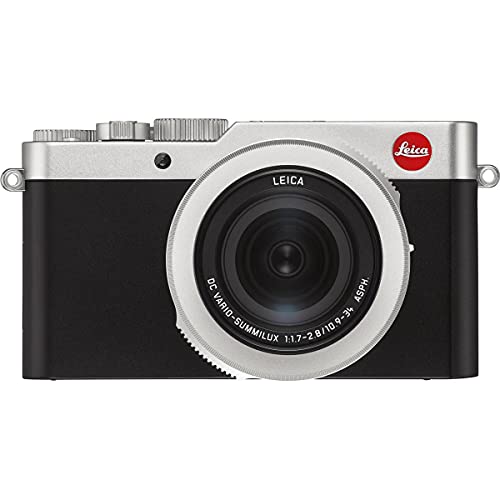
The Leica Q (Typ 116) is a premium, well-built compact camera featuring a fixed 28mm F1.7 lens that delivers exceptional sharpness, rapid AF performance, and a superb 3.68M-dot EVF. While its 24MP sensor offers great image quality, it faces limitations in dynamic range when pushing shadows and lacks the advanced, reliable continuous autofocus found in competitors.
The Leica Q (Typ 116) is a 24-megapixel full-frame mirrorless compact camera that features a fixed 28mm f/1.7 Summilux lens and an M-shaped body design. In his evaluation, Steve Huff praises the camera for reviving traditional German-made Leica image quality. It delivers rich color rendering, sharp detail, and distinct visual "pop" that matches or exceeds the output of more expensive Leica M systems. The camera introduces modern, high-utility features to the brand, including the fastest autofocus in its class, an integrated 3.68-megapixel electronic viewfinder (EVF), intuitive touch-screen controls, and stable Wi-Fi connectivity. Its physical design is highly commended for simplicity and excellent tactile handling, notably through its elegant mechanical manual-to-auto focus switch and an automatic changing depth-of-field scale when transitioning to macro mode. Key Pros & Cons Despite the overall praise, the review highlights distinct limitations inherent to its fixed design and premium pricing: Pros Stunning Image Quality: Delivers exceptional sharpness, rich micro-contrast, and vibrant color pop. High-End EVF: Built-in 3.68 MP electronic viewfinder eliminates the need for bulky external accessories. Excellent Handling: Superior mechanical manual focus ring and an...
The Leica Q (Type 116) is a high-end, full-frame compact camera featuring a fixed 28mm f/1.7 lens that delivers exceptional sharpness, beautiful bokeh, and excellent low-light detail retention up to ISO 50000. It represents a major shift for Leica by integrating modern technologies like rapid autofocus, optical image stabilization, a highly responsive touchscreen, and built-in Wi-Fi. Performance is snappy, with the camera powering on and shooting in under a second, alongside a quick 4.7 frames per second continuous shooting speed for JPEGs. Physically, it boasts a solid all-magnesium-and-aluminum body, a bright electronic viewfinder, and fluidly operating mechanical lens rings. However, the camera has notable drawbacks, primarily a significant susceptibility to moiré artifacts that require heavy post-processing to correct. The JPEG images receive minimal processing, meaning they look quite grainy starting at ISO 6400, and the highest ISO settings can introduce distracting horizontal sensor lines. From a design perspective, the body lacks a built-in grip—making a separate accessory purchase necessary for secure single-handed shooting—and it lacks dust or weather sealing. Furthermore, continuous autofocus during video recording is easily distracted, the panorama...
Despite its strengths, the camera has notable drawbacks, particularly its short battery life, which often yields fewer than the claimed 300 shots per charge and can drain even when the camera is powered off. A major handling omission is the lack of a dedicated physical Live View or view button to easily disable the rear LCD screen, forcing users to navigate the menus inside the viewfinder instead. The concentric on/off switch is overly sensitive and prone to accidentally slipping from single to continuous shooting mode. Furthermore, file management is burdensome because the camera forces a compulsory sidecar system—saving uncompressed 43.1MB DNG files alongside JPEG files rather than DNG alone—and hides its monochrome mode deep within the JPEG saturation menu. Finally, the lens mechanism exhibits an alarming but harmless internal rattle when the camera is turned off, and the physical diopter control dial moves out of alignment too easily.
In this PetaPixel review, photographer Alex Cornell shares his experience testing the Leica Q during a trip to Barcelona and Mallorca, praising it as a highly capable companion camera. The camera's main pros lie in its streamlined design, incredible tonal output, and physical hardware controls, such as the tactile aperture ring and shutter speed knob, which make manual shooting highly engaging. Cornell highlights the outstanding image quality, noting beautiful bokeh at f/1.7 and a unique, "painterly" rendering of colors, skin tones, and water. Additionally, the fixed 28mm lens forces more thoughtful compositions, the clean menu interface is exceptionally user-friendly, the long-lasting battery easily covers a full day of active shooting, and the robust DNG files offer great editing flexibility in Lightroom. However, the reviewer details notable cons regarding the camera's limitations, particularly its lackluster video mode, which suffers from rapid autofocus wobbling, aggressive in-camera sharpening, and a lack of 24fps frame rate options. The fixed 28mm focal length also introduces compositional constraints, restricting variety when shooting vast landscapes and making it impossible to capture compressed, tight frames that would otherwise...
The Leica Q (Typ 116) is a highly capable full-frame travel camera featuring a fixed 28mm f/1.7 Summilux lens and a 24.2-megapixel sensor. Tested extensively over six months across Asia, the camera delivers exceptional, film-like image quality with remarkable color rendition and usable high ISO performance up to 10,000. Its standout features include a blazing-fast autofocus system, a silent electronic shutter allowing for wide-open shooting in broad daylight, and an incredibly satisfying manual focus ring engaged via an ingenious locking tab. The minimalist interface largely lives on the lens itself, allowing the photographer to focus on shooting without menu diving, while the surprisingly stable companion mobile app facilitates quick wireless image transfers. Despite its high praise, the reviewer notes several distinct shortcomings that compromise its otherwise rugged, block-of-metal feel. The most significant drawback is the lack of weather sealing, creating constant anxiety when shooting in rain or humidity. Additionally, the camera cannot be charged via USB, forcing travelers to pack a bulky external wall charger. Other design flaws include a laggy, imprecise touch screen, flimsy plastic compartment doors, an unmappable...
The Trusted Reviews evaluation of the Leica Q (Typ 116) highlights the full-frame compact as a high-tier camera with an exceptional fixed 28mm f/1.7 Summilux lens, superb optical image stabilization, and an intuitive, tactile manual experience. Performance is characterized by beautiful image quality and robust construction, distinguishing it from earlier rebranded models. Conversely, the review notes significant limitations, specifically mentioning poor video capabilities lacking 4K or 24fps, the lack of an external mic jack, and the restriction of a fixed focal length. Furthermore, the high £2,900 retail price, while considered fair by Leica standards, serves as a barrier to entry.
The Leica Q is a highly capable, fixed 28mm f/1.7 lens companion camera that delivers professional-quality images with an incredibly simple, low-profile shooting experience. During a week-long trip to Spain, the reviewer found using the camera to be an absolute joy, praising its sleek, user-friendly menu design and intuitive physical hardware controls, such as the tactile aperture and shutter speed rings. Key strengths include its distinct "painterly" tonal output, excellent low-light bokeh performance, a long-lasting battery, and highly flexible DNG raw files that allow for heavy editing in Lightroom. Additionally, its automatic exposure bracketing pairs seamlessly with post-processing software to easily generate high-quality HDR images. However, the camera has notable limitations, particularly its video mode, which produces subpar results due to severe in-camera sharpening, limited frame rates, and a rapid, erratic autofocus wobble. The fixed 28mm focal length forces the photographer to move around significantly to compose shots, which restricts visual variety and makes capturing vast landscapes or tight, compressed frames impossible without a zoom lens. Despite these compromises and a steep price tag, the reviewer notes that the Leica...
The Leica Q (Typ 116) is a fixed-lens, full-frame compact digital camera featuring a 24-megapixel sensor paired with a permanently attached 28mm f/1.7 Summilux lens. In terms of performance, the camera delivers outstanding image quality with crazy sharp results even when shot wide open at f/1.7, producing excellent bokeh, high contrast, and great background separation. It marks Leica's first digital full-frame camera to incorporate autofocus, which is highly reliable, fast, and accurate even in dimly lit conditions like concert environments. The overall build quality is exceptionally robust, minimalist, and outclasses rivals like Fujifilm and Olympus, featuring a smooth manual focus ring, a tactile aperture ring, a gorgeous high-resolution electronic viewfinder, and a dead-silent shutter. Additionally, the incorporation of a leaf shutter enables lightning-fast flash sync speeds up to 1/2000s, while its built-in macro mode allows users to focus down to a close 17cm.
The Leica Q Typ 116 is an exceptionally fast, well-built mirrorless camera featuring a 24.2MP full-frame sensor and a fixed 28mm Summilux F1.7 ASPH lens. The camera earns high praise for its magnesium housing and solid aluminum top plate, alongside a near-silent mechanical leaf shutter that minimizes vibration and operates up to 1/2000 of a second. Performance is blazingly quick, delivering lightning-fast autofocus that remains highly accurate in dim lighting, a 10 fps burst mode, and a highly responsive menu system. Optically, the lens produces incredibly sharp images even at F1.7, rendered with smooth bokeh, natural colors, and outstanding three-dimensional depth. Additional highlights include a class-leading, lag-free 3.68 MP electronic viewfinder (EVF), a smooth and physical manual focus system with a dedicated focus tab and distance markings, and an innovative macro mode ring that mechanically flips to reveal macro-specific distance scales. On the downside, the reviewer acknowledges that the premium $4,250 price tag is high, though it remains somewhat competitive when factoring in that its main rival, the Sony RX1r, requires a pricey external EVF. The camera's fixed 28mm focal...
Leica Q Review Summary However, the camera has notable limitations, starting with a premium price tag of £3500–£3700 and a fixed focal length that may feel too wide for some users. Performance drawbacks include an insufficient buffer that clogs up after only 12 images during 10fps burst shooting, a single card slot, and very average battery life coupled with an inaccurate three-bar power indicator. From an operational standpoint, the camera lacks a flip-up screen, offers poor touch-to-focus integration when paired with other focusing methods, and provides highly restricted button customisation options. Furthermore, the lens exhibits a fair amount of distortion, and shooting at high ISOs (3200 and above) can introduce visible noise and banding if the shadows are lifted significantly in post-processing.
The original Leica Q (Typ 116) is highly praised as a premier full-frame, all-in-one digital camera that masterfully combines a 24.2MP CMOS sensor with a permanently attached Summilux 28mm f/1.7 ASPH lens. A standout feature is its fast and accurate contrast-detect autofocus system, which includes face detection and tracking alongside an impressive continuous shooting speed of 10 frames per second. Photographers benefit from its versatile physical handling, which features a mechanical leaf shutter capable of silent shooting up to 1/2000s, an electronic shutter extending up to 1/16,000s, a dedicated macro ring that adjusts distance markings, and optical image stabilization (OIS). Furthermore, it features an intuitive physical control layout, an exceptional electronic viewfinder (EVF), a touch screen, and a useful 35mm and 50mm in-camera crop mode that preserves uncropped RAW files. Despite its premium build and high "wow factor," the camera does present a few compromises. Its 28mm fixed focal length requires street photographers to physically move closer to their subjects, which can be a drawback for those who prefer standard 50mm lenses. On the hardware side, it lacks any formal...
The Leica Q is a highly praised full-frame compact camera that expertly bridges the gap between modern mirrorless systems and Leica's classic M-rangefinder heritage. Designed in Wetzlar, its standout pros include a superb fixed 28mm f/1.7 Summilux lens with intuitive manual and macro rings, lightning-fast contrast-based autofocus, and a brilliant 3.68 million-dot built-in electronic viewfinder. Photographers will also appreciate its clean, minimalist control layout, high ISO performance that remains impressively clean at 3200 and 6400, and a clever digital zoom feature that utilizes 35mm and 50mm frame lines to aid composition. Furthermore, the camera's mechanical shutter is whisper-quiet, and its electronic shutter extends speeds up to 1/16000s, making it an exceptional tool for street photography. However, the reviewer highlights several notable cons, most significantly the absolute lack of a dedicated physical Live View or view toggle button, forcing users to dive into menus to switch between the screen and viewfinder. Battery life is another weakness, often falling short of the claimed 300 shots and draining even when the camera is powered down. Additionally, the camera forces a compulsory JPEG file...
Here is a summary of the Leica Typ 116 Q and Q-P review: Review Summary The Leica Q (and its stealthier, matte-finish counterpart, the Q-P) is a full-frame, fixed-lens compact camera featuring a 24-megapixel sensor and an integrated 28mm f/1.7 Summilux lens. The reviewer praises the camera for its exceptional optical quality, noting a beautiful balance between sharpness, bokeh, and color rendition that stands out even against higher-resolution modern cameras. Key design pros include a highly intuitive physical handling system with an aperture ring and finger tab on the lens for seamless macro or manual focus transitions, a gorgeous electronic viewfinder (EVF), and highly flexible RAW (DNG) files that yield excellent post-processing results. The 49-point autofocus system, while older, is reliable enough to confidently capture everyday moments and erratic subjects like children playing. However, the camera shows its age regarding technical performance and processing speed. A major con is the outdated buffer system, which lacks support for fast UHS-II or XQD memory cards, causing noticeable delays and file-writing lag when utilising the camera’s 10 frames-per-second continuous shooting mode. Additionally, the...
The Leica Q is a premium, full-frame compact camera featuring a fixed 28mm f/1.7 Summilux ASPH lens and a 24-megapixel CMOS sensor that delivers exceptional, Leica-characteristic image quality. Tested during a weekend trip to New York City, the camera stands out for its high-utility physical layout, tactile rubberized grip, and a built-in, ultra-high-resolution 3.68 million-dot electronic viewfinder (EVF) that provides a virtually lag-free experience. Its exposure system utilizes a highly intuitive dual-A position ring configuration for quick swapping between manual, aperture priority, and shutter priority modes. While the premium $4,250 price tag is steep, it positions the camera as a compelling built-in EVF alternative to its primary competitor, the Sony RX1. However, the fixed focal length acts as a major limitation for photographers who prefer a tighter telephoto reach, rendering the built-in digital cropping feature (down to 35mm and 50mm) somewhat gimmicky due to the resulting drop in JPEG resolution. The reviewer notes several functional quirks, including a flush, non-articulated rear touch LCD screen that limits high- and low-angle shooting. Additionally, the initial firmware exhibits an aggressive auto-exposure program algorithm...
The DPReview opinion piece highlights the Leica Q (Typ 116) as a compelling blend of traditional design and modern functionality, featuring a crisp electronic viewfinder, a solid, silent build, and a high-quality fixed 28mm lens, all at a relatively accessible price point for the brand. While the camera out-specs many competitors, the review notes drawbacks, including an imperfect touchscreen, lack of control over touch-sensitive autofocus, and a manual focus ring that, despite being well-damped, lacks absolute mechanical perfection.
In this Medium review, the Leica Q (Typ 116) is praised for its exceptional dynamic range, deep shadow details, and rich color rendering. Key advantages include the sharp, fixed Summilux 28mm f/1.7 lens and a 24MP full-frame sensor that allows for flexible cropping, making it ideal for street photography. Medium ·Tei Hipster Conversely, the review notes limited physical controls and a design that may feel insecure for users with larger hands, often requiring an additional grip. Furthermore, the camera produces highly realistic skin tones, which may not appeal to those seeking vibrant, stylized, "Fuji-style" colors out of the box. Medium ·Tei Hipster
The Leica Q (Typ 116) is an Editors' Choice, high-end compact camera featuring a 24-megapixel full-frame sensor and a fixed Summilux 28mm f/1.7 stabilized lens. It is praised for its rapid 10fps shooting, fast autofocus, 3.68-million-dot electronic viewfinder, and robust build. Drawbacks highlighted by PCMag include a high $4,250 launch price and a relatively heavy 1.4-pound body. Additionally, the camera lacks a built-in flash, omits 24fps video recording, and features a sometimes awkward touch-screen interface, making it a specialized tool for wide-angle photographers.
The ePHOTOzine review highlights the Leica Q (Typ 116) as a premium, highly responsive compact featuring a solid, German-made build and a 24-megapixel sensor paired with an exceptionally sharp 28mm f/1.7 lens. Key strengths include rapid performance, an intuitive control layout, and a high-resolution 3.68-million-dot electronic viewfinder. However, the camera lacks weather-sealed protection and features a slippery grip, while its default image processing tends toward soft, under-exposed files with muted colors that often require post-processing. Although considered reasonable value due to the high cost of the lens alone, it remains an expensive, luxurious purchase, with its and color rendition sometimes requiring adjustment.
Leica Q Review Summary The Leica Q (codenamed "Hemingway") is an innovative, high-performance, full-frame compact camera equipped with a fixed 28mm f1.7 Summilux lens and an in-house design by Vincent Laine. It is highly praised for its rapid less-than-a-second startup time, exceptionally fast autofocus, and traditional manual controls that mimic the classic Leica M system, including an intuitive macro-mode ring that shifts the distance scale on the lens barrel. The 24-megapixel CMOS sensor delivers excellent corner-to-corner sharpness, high micro-contrast, and impressive low-light performance that notably outpaces competitors like the Sony A7 II at ISO 1600 and above. Additionally, it features an automatic electronic shutter expanding up to 1/8000 second and a clever "Digital Frame Selector" mode that allows users to frame shots with 35mm and 50mm framelines while retaining full-frame DNG raw files. Despite its standout performance, the review highlights a few notable drawbacks. The built-in high-resolution electronic viewfinder (EVF) is described as slightly too contrasty for the reviewer's personal taste. In terms of build and design, the camera is a bit larger and heavier than its main competitor, the...
The Leica Q is a highly acclaimed, full-frame fixed-lens compact camera featuring a tack-sharp 28mm f/1.7 Summilux lens with built-in stabilization and an innovative macro ring that shifts the focus scale seamlessly. Designed by Vincent Laine, its matte black aesthetic and rounded ends heavily mimic the iconic ergonomics and layout of classic Leica M rangefinders while remaining 100g lighter. The camera boasts a remarkably clean physical layout with minimal clutter, a straightforward four-page menu system, and a exceptionally fast contrast-based autofocus system that excels even in low light. For manual shooting, it provides an outstanding electronic viewfinder (EVF) with 3.68 million dots and simulates a mechanical rangefinder experience through specialized frame lines for 35mm and 50mm digital cropping modes. Despite its overwhelming praise, the camera possesses several distinct drawbacks. Its most prominent hardware flaws include a short battery life that struggles to hit its optimistic 300-shot rating, and the glaring omission of a physical viewfinder toggle button, forcing users to navigate menus through the EVF to switch display modes. On the software side, the camera forces a mandatory combination of...
The Leica Q is an excellent, compact full-frame travel camera that stands out for its exceptional image quality and user-friendly features. Designed for photographers who prefer a fast, modern workflow, it features a 24-megapixel CMOS sensor, a highly efficient contrast-based autofocus system, and an integrated 3.68-megapixel electronic viewfinder that offers 50% higher resolution than the Leica M10’s optional Visoflex accessory. Its standout advantages include a fast continuous shooting speed of 10 frames per second, native HD video recording capabilities, and a dedicated macro photography mode that allows users to capture close-ups from as near as 30 centimetres without needing expensive adapters. Furthermore, it is a highly economical and lightweight alternative to Leica's rangefinder lineup; the camera body with its fixed lens is significantly smaller, 9mm slimmer, and less than a third of the combined price of an M10 paired with an equivalent 28mm lens. Despite these strengths, the Leica Q has notable downsides rooted in its fixed-lens design and aging technology lifecycle. Its primary limitation is the fixed 28mm f/1.7 Summilux lens, an unconventional focal length for fixed-lens compacts that...
The Leica Q stands out as a highly responsive, fixed-lens compact camera featuring a 28mm f/1.7 Summilux lens that delivers breathtaking, cinematic image quality with remarkable sharpness, rich contrast, and vivid, natural colors directly from its raw DNG files. Its autofocus system is exceptionally fast, accurate, and reliable, easily outperforming competitor mirrorless systems. Users will also appreciate the incredibly quiet leaf shutter, which is ideal for discrete street photography, alongside surprisingly strong battery life and effective built-in optical image stabilization (OIS) for low-light shooting. However, the camera suffers from several distinct physical and electronic quirks. The traditional LCD panel used in the electronic viewfinder (EVF) makes it completely useless when wearing polarized sunglasses, particularly during vertical shooting, and it suffers from a distracting magenta tint and jerky refresh rates in low-light environments. Furthermore, the Leica Q lacks weather-sealing entirely, does not feature a much-needed tilty-flippy screen to assist with the 28mm focal length's inherent line distortion, lacks an auto-brightness feature for its screens, and relies on an outdated D-pad rather than a modern joystick for selecting focus points.
The Leica Q (Typ 116) is highly praised as a simple, portable, and exceptional reportage and street camera that strips away complex menu settings to let the photographer focus entirely on the subject. Thorsten Overgaard highlights its fixed 28mm f/1.7 Summilux lens as a standout feature, aligning with Leica’s stellar historical tradition of producing high-quality wide-angle glass. The camera's central leaf shutter renders it entirely silent, allowing handheld shooting at low shutter speeds down to 1/8 second without internal camera shake. Additional strong points include an incredibly fast autofocus system, excellent low-light capability maximizing up to a realistic 6,400 ISO, a brilliant integrated electronic viewfinder (EVF) that mirrors the final exposure, and an elegant macro mode that changes the lens scale to focus as close as 17 cm. The DNG raw files are highly praised for their elasticity and ease of direct, classic black-and-white conversion. However, the review details several notable design flaws and operational drawbacks. The diopter adjustment wheel on the right side of the viewfinder lacks a lock, meaning it is easily bumped and blurred by clothing when...
The Leica Q (Typ 116) remains a highly regarded premium compact camera, balancing its aging tech with exceptional optical performance. Reviewers consistently praise its fixed 28mm lens, outstanding image quality, beautiful colour rendering, and superb build quality. The integrated macro mode and intuitive physical switch between autofocus and manual focus are highlighted as stand-out ergonomic features. Users appreciate its lightweight, compact design as an ideal travel and weekend companion, often serving as a secondary camera alongside heavy professional setups. Additionally, photographers note that modern raw development software can extract a wider field of view from the files, effectively transforming the 28mm lens into a high-quality 24mm framing. However, the camera's technical limitations show its age. The contrast autofocus system is described as slow and outdated, and the electronic viewfinder is no longer up to modern standards. Video features are poorly implemented and generally not recommended for practical use. Ergonomically, the camera feels somewhat compromised and is difficult to grip comfortably without purchasing an optional, additional handgrip. It lacks a tilting screen, and the sensor technology is old. Despite these drawbacks...
The Leica Q (Typ 116) is a luxury full-frame compact camera featuring a 24-megapixel sensor without a low-pass filter, offering exceptional image quality and maximum sharpness. It is equipped with a high-quality, image-stabilised 28 mm f/1.7 Summilux lens that delivers excellent edge-to-edge sharpness. The camera excels in performance with a fast 49-point autofocus system capable of low-light snapshots and a continuous shooting speed of nearly 9 frames per second in both JPEG and DNG-RAW formats. Key equipment pros include an incredibly sharp, high-resolution electronic viewfinder, a responsive 3-inch touchscreen with touch-to-focus capabilities, built-in Wi-Fi and NFC, Full HD video recording at 60 fps with focus peaking, and a convenient macro mode that reduces the minimum focusing distance to 17 cm. It also boasts a creative crop feature allowing quick switching to 35 mm and 50 mm equivalent focal lengths, recording the exact crop data directly into the EXIF information. Despite setting benchmarks in image quality, speed, and features, the camera has notable drawbacks. The primary disadvantages are its high price tag of around €4,000 and a comparatively short battery life...
The Leica Q Typ 116 is reviewed as a highly emotional and impulsive purchase that sacrifices traditional mainstream specs for minimalist design and exceptional image performance. On the positive side, the camera boasts an excellent 24 MP full-frame sensor and a razor-sharp, fixed 28mm f/1.7 Summilux lens that delivers beautiful colors, a wide 13-stop dynamic range, and clean, usable image results up to ISO 6400. Its standout features include a blazingly fast Panasonic-engineered autofocus, an intuitive touchscreen with an "iPhone-like" tap-to-focus-and-shoot mechanism, built-in optical image stabilisation that allows steady handheld shots down to 1/15 second, and an effective companion mobile app for easy image transfers. The streamlined physical dials for manual exposure and the unpretentious, compact M-series brick layout make the shooting experience incredibly tactile and engaging, especially for intimate, close-up reportage or street photography. On the negative side, the review points out several practical limitations and design flaws. The fixed 28mm focal length is highly restrictive, requiring the photographer to get uncomfortably close to subjects, while the built-in digital crop simulator (simulating 35mm and 50mm) is deemed largely unappealing....
This review from Süddeutsche Zeitung highlights the full-frame Leica Q as a major technical leap for the Wetzlar-based manufacturer, finally catching up to Asian rivals like Fuji and Sony. The reviewer highly praises the camera's minimal, Bauhaus-inspired design that skips unnecessary buttons, along with its ergonomic thumb rest. On the performance side, the fixed 28mm Summilux lens stands out for its bright f/1.7 maximum aperture and integrated optical stabilizer, making it highly effective for low-light photography. Additionally, the camera is commended for being exceptionally fast, compact, and featuring a discreet, nearly silent shutter click that makes it an excellent choice for reportage photography. However, the review points out substantial drawbacks, most notably its steep price tag of 3,990 Euros, which costs as much as a heavy, multi-lens DSLR setup. While the price is comparatively "cheap" relative to interchangeable M-series lenses, it remains elitist and restrictive for casual users. A primary technical flaw is the camera's tendency to produce "banding" (horizontal lines) in shadow areas, a disruptive artifact requiring photographers to be meticulously precise with their exposures. Despite these flaws, the...
The Leica Q is a premium compact camera featuring a 24-megapixel full-frame sensor and a fixed Leica Summilux 28mm f/1.7 lens that delivers exceptional detail, high light gathering power, and a short 17cm minimum focusing distance. Powered by the Maestro II image processor, the camera breaks away from the traditionally slower performance of older Leica models, capturing an impressive 10.4 frames per second for up to 45 JPEG shots. It features a swift autofocus lock time of 0.23 seconds, an incredibly sharp 3.68 million subpixel electronic viewfinder, and an intuitive, well-structured menu system housed within a high-quality magnesium and aluminium body. Video quality is strong at 1080p and 60fps, backed by integrated Wi-Fi and an effective optical image stabilizer. Despite its strengths, the camera is restricted by a single, non-interchangeable 28mm focal length, though crop modes for 35mm and 50mm offer some flexibility. Image noise is low up to ISO 3,200, but because Leica uses conservative noise reduction to prioritize sharpness, noise becomes noticeable at ISO 6,400 and pronounced beyond ISO 12,500. Furthermore, heavy shadow recovery reveals visible horizontal banding...
The Leica Q (Typ 116) is a premium compact camera featuring a 24-megapixel full-frame sensor and a fixed 28mm F1.7 lens, highly praised for its robust build, electronic viewfinder, and fast autofocus. The review highlights its excellent performance in low-light conditions and superior image quality, making it an ideal tool for professional reportage and street photography. Limitations identified include the fixed 28mm focal length, limited video capabilities, lack of weather sealing, and a high price point. Despite these drawbacks, it is considered an excellent, sharp-imaging camera for users seeking the Leica ecosystem. YouTube
Leica Q (Typ 116) The Leica Q (Typ 116) is a highly professional, compact reportage camera that excels in delivering an emotional, film-like image quality and exceptional automatic white balance under tricky lighting conditions. Despite its labeled 28mm Summilux lens, the actual field of view behaves closer to a wider 24mm to 26mm, requiring photographers to adjust their distance to avoid perspective distortion in portraits. Bought second-hand for around €2,200, the author praises its robust build, quiet leaf shutter, deep shadow recovery in Lightroom, and outstanding form factor, which makes it an inspiring companion for personal projects and personal travel. However, the camera has stark limitations that prevent it from being a primary choice for fast-paced event work like professional wedding photography. It lacks a vital second memory card slot for backup, features a poorly designed power switch that accidentally triggers burst mode, and suffers from a slow, unstable tracking autofocus that has caused the system to crash during rapid shooting. Furthermore, its video capabilities are practically unusable due to poor audio quality, a slow autofocus, and the lack of...
The Messsucherwelt review highlights the original Leica Q (Typ 116) as a tactile, minimalist full-frame camera boasting a superior f/1.7 28mm Summilux lens and intuitive manual focusing. Key strengths include rapid autofocus, effective optical image stabilization, a unique twist-ring macro mode, and a simplified menu system. Conversely, the review notes limitations such as the fixed 28mm focal length which relies on digital cropping for tighter shots. Additionally, the camera features an older, non-ISO-invariant sensor that is less forgiving in extreme, low-light, shadow-recovery situations and lacks robust video functionality, particularly missing external microphone ports.
The provided review details a professional-leaning hobbyist's experience with the Leica Q (Type 116), highlighting its position as a high-end, full-frame compact camera with a fixed 28mm f/1.7 lens. The author praises the camera's superb build quality, elegant "Leica-style" handling, and a highly precise, fast autofocus system that remedies the slower focus speeds found in older rivals like the Fujifilm X100S. In terms of image quality, the Leica Q delivers excellent sharpness that stands toe-to-toe with bulky professional DSLRs like the Nikon D810. Additionally, later firmware updates significantly enhanced its utility for architectural and night photography by expanding exposure times beyond 30 seconds, including a helpful countdown timer, and facilitating seamless Wi-Fi image transfers to an iPad. However, the camera comes with several notable drawbacks, chief among them being its steep retail price of approximately €4,000. From a technical standpoint, the author notes a persistent "banding" issue where distracting horizontal sensor stripes appear during long exposures, particularly when lifting shadows in dark areas—a flaw not present on his Nikon equipment. The camera also lacks any dedicated physical ports for a...
This review details Mehrdad Samak-Abedi's 40-hour weekend testing experience with the Leica Q full-frame camera shortly after its June 2015 launch. The reviewer compares its form factor, ergonomics, and 24-megapixel sensor capabilities to the Fujifilm X100T. He highly praises the Leica Q's physical build, exceptional handling, and the stellar f/1.7 Summilux lens, which yields corner-to-corner sharpness and a distinct "3D pop" bokeh. Furthermore, the autofocus is fast and dependable—notably in object-tracking mode—while the manual focusing system sets a new benchmark for digital cameras by utilizing a tactile focus ring tab that automatically triggers a high-resolution viewfinder loupe and focus peaking. Additional positive points include the helpful internal image stabilization, quiet central shutter, electronic shutter options, and built-in Wi-Fi.
The Leica Q (Typ 116) is a full-frame expert compact camera featuring a 24.2-megapixel CMOS sensor paired with a stabilized Summilux 28 mm f/1.7 fixed lens. Reviewers highly praise its exceptional, premium German build quality and minimalist ergonomics. The camera delivers stunning image quality up to ISO 6400, characterized by a unique "Leica signature" that blends smooth backgrounds with a poetic 3D pop. It features a beautifully engineered lens with physical aperture, focus, and macro rings. Photographers will also benefit from a fast and highly responsive autofocus system, a sharp 3.6-million-point electronic viewfinder, and an impressive battery life yielding around 500 shots per charge. Despite its premium performance and high €3,990 launch price, the camera does suffer from several notable drawbacks. Its video capabilities are highly restrictive, maxing out at 20-minute Full HD recordings that suffer from over-saturation, high contrast, and a hunting continuous autofocus. The camera also lacks internal memory, a headphone jack, a microphone input, and a tilting screen. Furthermore, the electronic viewfinder can produce a distracting "rainbow effect" for sensitive users, the multi-touch screen functionality remains heavily...
The Leica Q (Typ 116) is a highly capable full-frame compact camera featuring a fixed 28mm f/1.7 stabilized Summilux lens and a 24.2 MP CMOS sensor. In real-world travel and street photography, the reviewer praises its solid magnesium alloy build, excellent 3.68 million-dot electronic viewfinder, and exceptionally fast and precise autofocus. Notable advantages include an electronic shutter reaching 1/16000s, which permits wide-open shooting in bright sunlight without ND filters, and highly efficient optical image stabilization that enables sharp, handheld exposures as slow as 1/4 second. The leaf shutter operates almost silently, making it ideal for candid photography, while the manual exposure compensation wheel allows intuitive, on-the-fly lighting adjustments. Furthermore, a dedicated macro ring on the lens extends its shooting versatility. However, the camera has several physical and focal limitations. The reviewer points out that its plastic bottom battery door feels less premium than the noble finishes of traditional Leica M-system cameras. The lens barrel is also relatively bulky, and the shutter release button lacks standard threads, preventing the attachment of a traditional mechanical cable release or a soft-release button. While...
The provided Fnac customer review page for the Leica Q (Typ 116) showcases overwhelmingly positive user feedback, earning a perfect 5 out of 5 stars from an aggregate of 19 customer reviews. Customers universally praise the camera as a "fabulous device," a "must-have" for reporting, and a true "jewel" that delivers a prestigious, high-end shooting experience. It is highly recommended by users as an exceptional and functional tool specifically optimized for street photography and travel. When evaluating the specific pros and cons highlighted by the buyers, the strengths heavily outweigh the weaknesses. The pros include an exceptional lens with fabulous sharpness ("piqué"), outstanding low-light performance driven by its large sensor, effective built-in stabilization, and superb ergonomics that make it lightweight and compact. Conversely, a few specific cons and "accessory" issues were noted by customers. Jean-Cyrille J. explicitly complained that the metal lens cap does not stay on securely and drops off at the slightest bump, while also noting that no data cable was included in the box. Additionally, another user mentioned that the camera body could benefit from an extra...
The Leica Q (Type 116) is a highly capable full-frame compact camera inspired by the classic Leica M series, optimized specifically for street photography. It features a 24-megapixel sensor (likely produced by Sony) that delivers exceptional low-light performance with aesthetic, film-like grain usable up to ISO 12,500. The camera is built around a fixed Summilux 28mm f/1.7 stabilized lens, which provides an incredibly sharp center, natural bokeh, and an ingenious macro mode that switches the physical distance scales on the lens barrel. Additionally, it introduces an ultra-fast, reliable autofocus system, a silent electronic shutter reaching speeds of up to 1/16,000s, and a built-in focal length cropping system that simulates 35mm (15.3 MP) and 50mm (7.5 MP) frame lines directly in the viewfinder. The pros highlighted in the review include its top-tier build quality, a highly responsive and discrete operation, and an exceptionally sharp electronic viewfinder (EVF) that eliminates latency. Users benefit from great battery life (around 500 shots), a highly accurate touchscreen, built-in Wi-Fi, and a tactile manual focus tab with an integrated AF lock. On the downside, the cons...
The Leica Q (Typ 116) is a high-end compact expert camera featuring a 24-megapixel full-frame (24-36mm) sensor, a fixed 28mm f/1.7 stabilized lens, and an advanced Maestro 2 processor. Developed through a technological partnership with Panasonic—which engineered its stabilization and autofocus systems—the camera retains a traditional Leica design. Its core strengths lie in its exceptional manual controls, including dedicated aperture and shutter speed dials, and a precise manual focus ring with a physical lock to switch into autofocus. The lens offers built-in depth-of-field and distance scales, alongside an innovative mechanical ring that switches between normal shooting (30 cm to infinity) and a dedicated macro mode (17 cm to 30 cm). It also features a high-definition 3.68-million-dot electronic viewfinder (EVF), a 1200 mAh battery delivering a 500-photo runtime, and modern capabilities like Full HD video at 60p, Wi-Fi, NFC, and focus peaking. Despite its premium engineering, the reviewer highlights several notable design flaws and operational constraints. On the negative side, the multi-touch screen is heavily under-exploited; it does not allow menu navigation, is restricted to selecting focus points or swiping images...
The Phototrend article provides an overview of the initial release and early reception of the Leica Q Typ 116, a high-end compact expert camera. The summary highlights that this model marks a significant step for the German brand, positioning itself to directly compete with Sony's full-frame RX1 series. It praises the camera's core technical specifications, notably its 24-megapixel full-frame CMOS sensor and fixed Summilux 28mm f/1.7 grand-angle lens. Early testers from Focus Numérique and Les Numériques concluded that, performance-wise, it stands out as "one of the best cameras" in Leica’s history. Pros and Cons Summary Pros: The review highlights excellent image quality and innovative additions for Leica, such as built-in optical image stabilization and Focus Peaking features. Cons: The primary and most glaring drawback discussed is its prohibitive price tag of €3,990, which generated notable criticism in the community comments for being inaccessible to regular photographers and heavily geared toward status or "showing off" rather than purely utilitarian photography. Furthermore, a user comment complains about poor official Leica customer service in Annecy.
The Leica Q (Typ 116) review evaluates the premium, high-end compact camera as a successful milestone that brought the German manufacturer into the modern digital era. Shifting away from past design limitations, the camera successfully mirrors the iconic aesthetics and physical philosophy of the legendary M rangefinder line. However, it infuses this classic DNA with modern technologies, making it highly attractive to photographers who want Leica-tier imaging without the mechanical archaisms of older product ranges. Equipped with a 24.1-megapixel full-frame sensor and a fast, wide-angle 28 mm f/1.7 fixed lens, the Q achieves image quality on par with the much more expensive Leica M240 while being vastly more affordable. The review highlights several distinct strengths alongside notable drawbacks for prospective buyers: Pros Modern Integration: It incorporates a highly responsive and performant automatic focusing system, which was missing from the M series. Advanced Viewing Tools: It features a high-definition, luminous electronic viewfinder (EVF) boasting over 3 million dots alongside a responsive touch screen. High-Speed Performance: The camera provides efficient, swift continuous burst-shooting capabilities. Value for Money: While expensive at a recommended...
summary of the Leica Q: Review Summary The Leica Q is a powerful, highly intuitive full-frame compact camera designed around the modern needs of street photographers and fast-paced journalists. Its standout features include a compact and lightweight body, clean and sharp images rich in detail, an impressive low-light capability of up to 50,000 ISO, and a rapid, quiet autofocus. For immediate reporting, it also features a highly efficient built-in Wi-Fi system coupled with a dedicated iOS app that allows journalists to instantly transfer images to smartphones or tablets to send straight to newsrooms or social media. However, the reviewer highlights some limitations, most notably the fixed lens which lacks physical zoom functionality, requiring the user to rely on digital crop frame overlays or computer software for post-production zoom adjustments. This approach can be initially disorienting for those accustomed to verifying the final, defined composition directly on the camera display. Additionally, the steep price tag of approximately €3,900 represents a significant barrier, particularly for freelance professionals on lighter budgets, though the reviewer ultimately concludes that the luxury "Ferrari-level" build and superb...
The Fotografi Digitali review highlights the Leica Q as an exceptionally designed full-frame compact camera tailored closely to actual photographer demands. Equipped with a redesigned 24-megapixel CMOS sensor paired with a fixed 28mm f/1.7 lens, it delivers a versatile system that effectively balances high-resolution performance with large photodiode capabilities. The evaluation emphasizes the camera's impressive usability out of the box, boasting top-tier features like an integrated electronic viewfinder (EVF), responsive touchscreen, built-in Wi-Fi, and a fast autofocus system. Pros and Cons Pro: Outstanding dynamic range of 13 EV, providing spectacular shadow and highlight recovery when utilizing the RAW DNG format. Pro: Excellent low-light capability, with ISO 6400 being perfectly clean and ISO 12,500 retaining great photographic grain without losing shadow detail when shooting RAW. Pro: Deep sensor-to-lens optimization that delivers premium performance and high image quality across the entire frame, including the edges. Con: The presence of visible green spots/artifacts on out-of-camera JPEG images at extreme sensitivities up to 50,000 ISO. Con: A highly restrictive retail price of €4,000, making it a substantial financial investment.
Leica Q (Typ 116) Review Summary The Leica Q (Typ 116) is a high-end compact camera featuring a 24-megapixel full-frame sensor and a fixed, ultra-bright Summilux 28mm f/1.7 ASPH lens. Designed with direct feedback from photographers, it balances retro aesthetics with modern performance, packing a fast autofocus system, a phenomenal 3.7-million-pixel electronic viewfinder, and a powerful Maestro II processor. Its streamlined onboard software avoids complex menus, allowing for a pure, fast, and tactile "back-to-basics" shooting experience that remains highly intuitive. Furthermore, its hybrid shutter (mechanical up to 1/2,000s and electronic up to 1/16,000s) enables wide-open shooting even in bright daylight to exploit rich bokeh effects.
The Leica Q is a highly compact, full-frame camera featuring a 24-megapixel sensor paired with a fixed Summilux 28 mm f/1.7 ASPH lens, priced at just under €4,000. Designed primarily for street photography, this portable device stands out for its exceptional build quality, intuitive touch-screen interface with touch-focus, and high-quality electronic viewfinder. The reviewer notes that its primary strengths lie in its impressive sharpness, natural color rendition, and outstanding low-light performance at high ISOs, alongside convenient, built-in Wi-Fi and mobile app connectivity for seamless photo transfers directly to smartphones or tablets. On the downside, users must adapt to the inherent limitation of a permanent 28 mm fixed focal length, though the high sensor resolution leaves ample room for significant cropping. The camera's video capabilities are notably underwhelming, as it maxes out at Full HD (30 or 60 fps) and entirely lacks 4K support, a cinematic 24 fps mode, and a physical jack for external microphones. Furthermore, despite being positioned as a more accessible entry into the brand's ecosystem, the steep price tag remains far higher than what the average photo...
The reviewed Leica Q (Typ 116) is a full-frame compact digital camera that masterfully balances classic aesthetics with modern performance. Designed around a 24-megapixel sensor paired with a fast, optically-stabilised 28mm Summilux ƒ/1.7 fixed lens, it is praised for exceptional build quality and robust tactile controls like physical shutter speed and aperture rings. Key strengths include a stunningly sharp 4-million-dot electronic viewfinder, incredibly fast continuous autofocus, a lightning-quick 10 frames-per-second burst rate, and an innovative digital zoom mode that allows users to instantly crop to 35mm or 50mm framing while retaining full Raw data. Furthermore, its ingenious mechanical macro mode seamlessly switches the distance scale down to 17 cm for flawless close-up photography. Despite its stellar performance, the camera carries a few notable shortcomings. The review highlights a distinct tendency for the camera to slightly underexpose images by default, though this can be corrected during Raw file editing without losing shadow details. Video features feel like an afterthought, as the camera is capped at standard 1080p full HD recording. However, the primary barrier is its staggering €3,995.00 price tag, which...
The Leica Q is a premium, full-frame compact camera built around a massive 24-megapixel CMOS sensor and paired with a fixed, ultra-bright Summilux 28mm f/1.7 ASPH lens. Though slotted into the "compact" category, its physical presence resembles an entry-level DSLR, featuring a robust magnesium alloy body and a top plate precision-milled from solid aluminium. Equipped with the Maestro II processor, the camera boasts exceptional low-light capabilities maxing out at ISO 50,000, continuous shooting speeds up to 10 frames per second, and a high-resolution 3.68 MP electronic viewfinder. It delivers stunning, high-contrast imagery with outstanding overall structural balance, making it a highly capable tool for enthusiasts willing to bypass the traditional lens-swapping ecosystem. The camera excels heavily in its professional-grade build quality, versatile menu features, and superb low-light performance. However, it is held back by notable functional limitations. The 3-inch touchscreen monitor is completely fixed, which restricts shooting flexibility from awkward angles, and the macro mode still requires a relatively distant 17-centimetre minimum focal distance. Most critically, the battery life is highly insufficient for a camera of this class, and its...
The review highlights the Leica Q as an exceptional, premium full-frame compact camera tailored specifically for street, landscape, and architectural photography. It is praised for its outstanding combination of high-end build and image quality, featuring a 24-megapixel full-frame CMOS sensor and an incredibly sharp, fast Leica 28mm Summilux f/1.7 fixed lens. Reviewers and users alike enjoy its fast and accurate autofocus, its ability to capture 10 frames per second, and excellent low-light performance with sensitivities reaching up to ISO 50,000. The camera seamlessly blends retro aesthetics with modern functionalities, such as an integrated electronic viewfinder, a 3-inch touchscreen, intuitive manual control rings, and built-in Wi-Fi and NFC connectivity. However, the review details a few notable drawbacks to consider. The primary limitation is its fixed 28mm focal length, which means there is no zoom capability, forcing photographers to work within that specific wide-angle restriction. Video features are also quite uncompetitive by modern standards, as the camera is strictly optimized for still photography and maxes out at Full HD recording. The touchscreen is not tiltable, restricting flexibility when shooting from creative low...
The Leica Q is heavily praised as an immaculately designed premium compact camera that bridges the gap between simple point-and-shoot operation and professional-grade performance. Reviewers consistently highlight its robust, rock-solid magnesium and aluminium build paired with minimalist, tactile manual controls that let photographers adjust shutter speed and aperture seamlessly on the fly. Its biggest hardware triumph is the permanently attached Summilux 28mm f/1.7 ASPH fixed lens, which delivers exceptional corner-to-corner sharpness, gorgeous bokeh, and a signature "3D pop" effect. Furthermore, the camera features an incredibly fast and accurate single autofocus system, a quiet leaf shutter ideal for candid street photography, an ingenious mechanical ring to engage macro mode, and a beautifully simple menu interface that keeps the focus entirely on composing images. However, despite its premium status, the camera has notable limitations that users must accommodate. Its primary physical downside is the complete lack of weather sealing, making it risky to use in heavy rain or dusty environments without protection. While its single autofocus is remarkably snappy, the continuous focus and subject tracking struggle significantly with fast-moving subjects, occasionally causing...
The Leica Q is a premium full-frame compact camera featuring a fixed Summilux 28mm f/1.7 lens and a 24.2-megapixel CMOS sensor, designed specifically to capture the raw, spontaneous essence of street photography. Tested on the diverse and bustling streets of Antwerp, the camera stands out for its exceptional build quality and its highly tactile, analog-inspired handling. It delivers outstanding image quality straight out of the camera, producing remarkably sharp details, vibrant color reproduction, and rich contrasts that require minimal post-processing. For street photographers who favor a wide-angle focal length, its near-silent mechanical shutter and discrete, tape-friendly aesthetic make it an exceptionally stealthy tool for candid shooting. However, the reviewer highlights several practical drawbacks to consider before taking it out for an all-day shoot. The included leather neck strap is too short to carry the camera cross-body, forcing users to display the expensive gear conspicuously around their necks. Operationally, the camera freezes the captured image inside the 3.68-million-dot electronic viewfinder by default; turning this image review feature off completely disables it on the rear LCD screen as well, offering no option...
Compare