
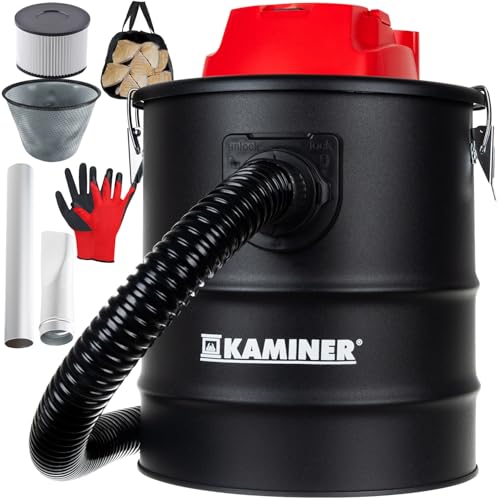
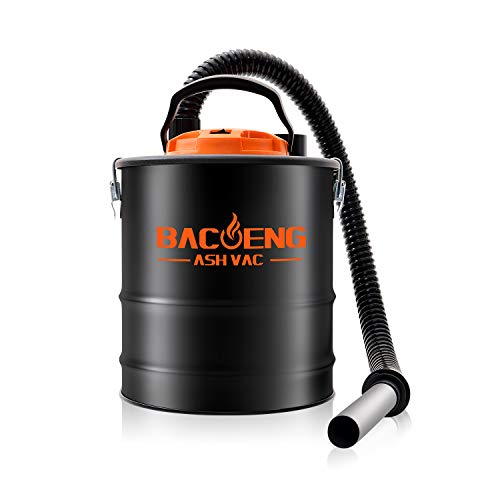
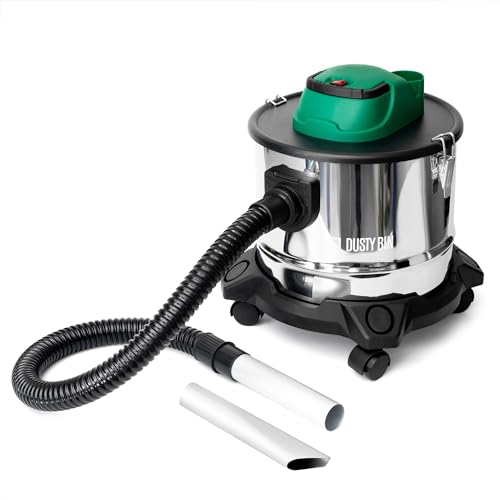
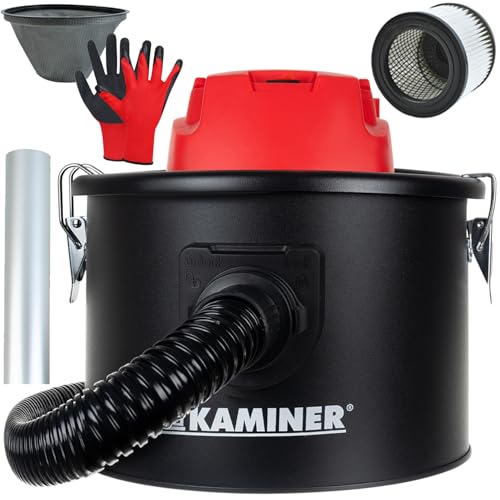
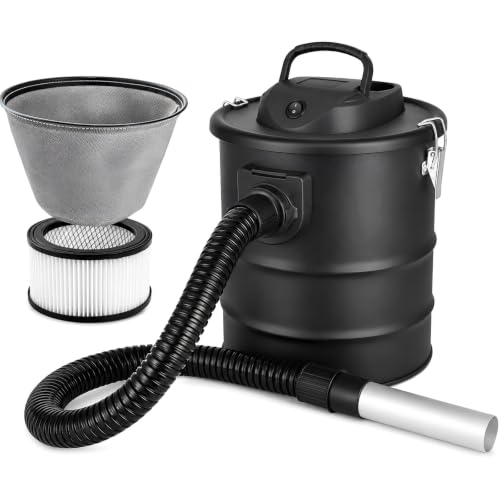
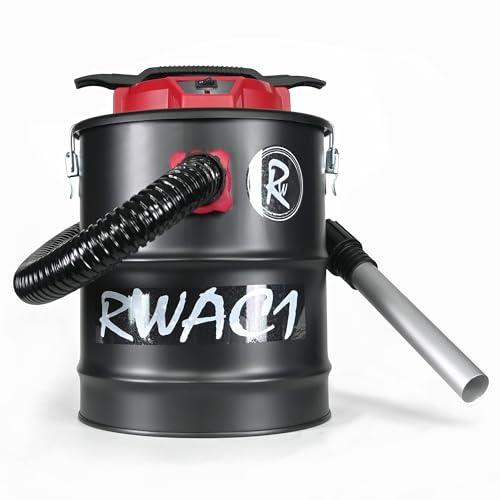
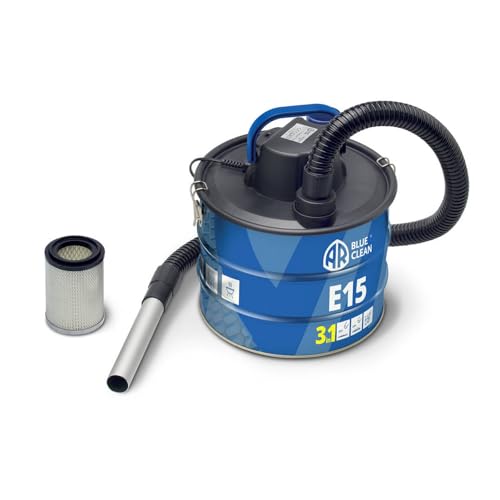
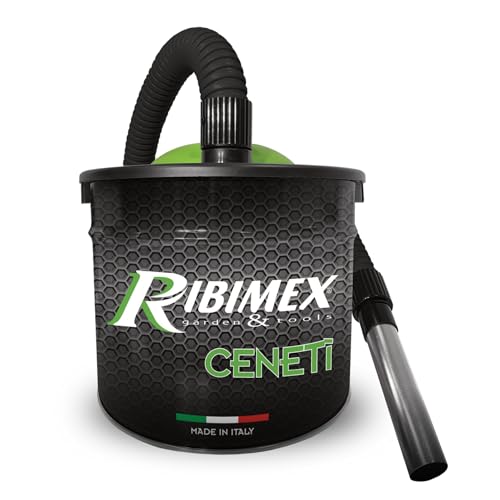
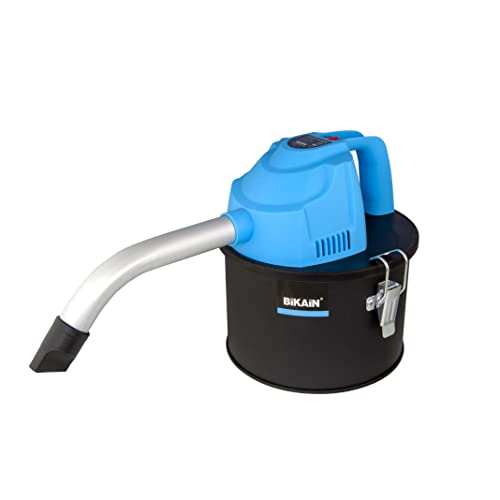
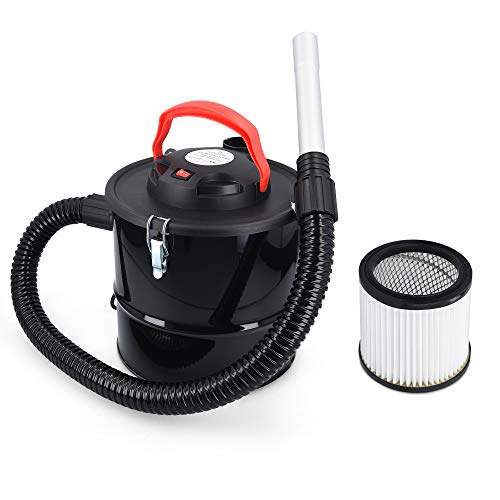
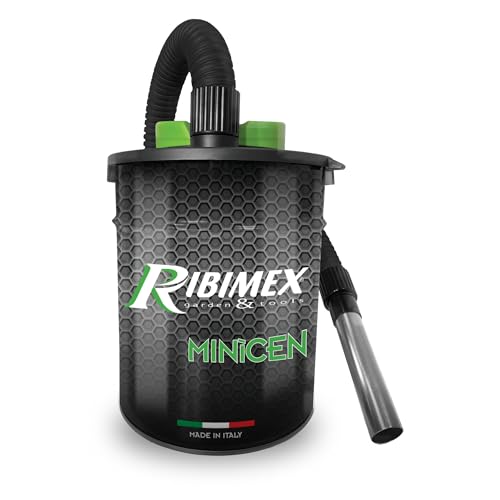
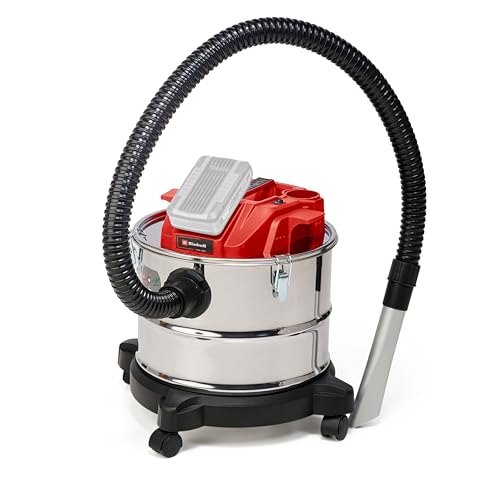
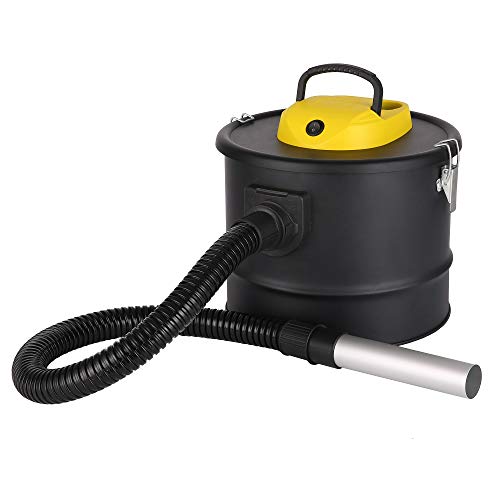
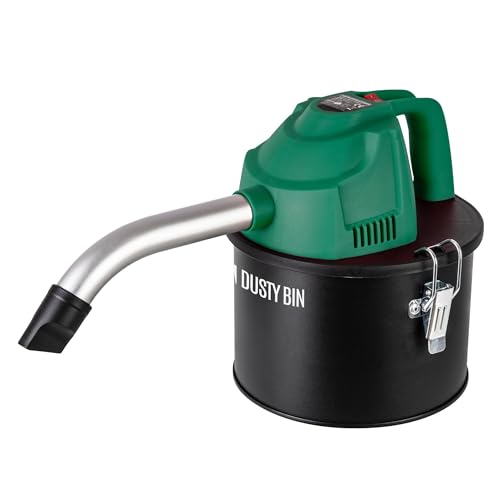
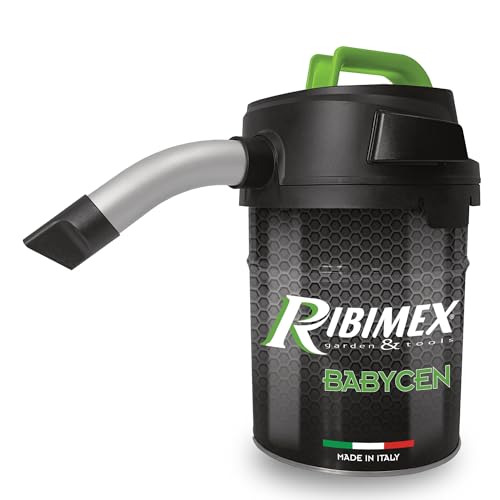
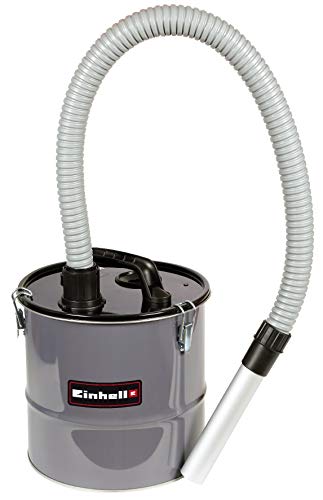
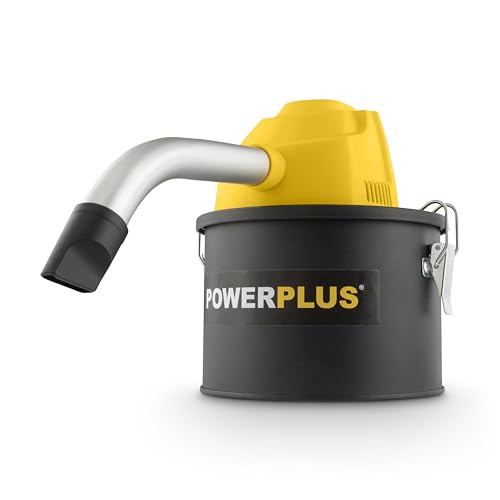
Which brands make the best small ash vacuums?
The following ranking compares established ash-vacuum brands by category-wide average overall score. Because no brand has five models within the small-size filter alone, check the capacity, weight, filtration, and hose design of each individual compact model:
- Sellnet (Average overall score: 7.9)
- Kaminer (Average overall score: 7.6)
- Kärcher (Average overall score: 7.3)
The chart below compares established ash-vacuum brands by average overall score.
[horizontal-chart-17495554516316705543147502528947893099530784932573]

What counts as a small ash vacuum?
A small ash vacuum generally has a 4–15 L tank and weighs no more than about 5 kg before use. Those limits keep it manageable for stairs, shelves, and frequent trips to a fireplace or pellet stove, while still providing enough capacity for routine cold-ash cleanup. Physical dimensions also matter: a tall narrow tank may store more easily, whereas a low, wide base is usually more stable when the hose is pulled.
Compact does not mean low quality or automatically low power. Small models can use motors from roughly 600–1,200 W and may reach about 15–20 kPa where suction pressure is published, but filter area and airflow resistance affect real performance. The practical dividing line is use pattern: a compact tank works well when emptied regularly, while repeated large firebox cleanouts favour a 15–25 L model.
The chart below shows the capacity distribution of small ash vacuums.
[vertical-chart-09750807484997673368044264452124125964524273800122]
Who should consider buying a small ash vacuum?
The following users and use cases are especially well suited to a small ash vacuum:
- Frequent stove cleaners: A compact model is convenient for removing a modest quantity of cold ash after regular fireplace or pellet-stove maintenance.
- Homes with limited storage: A tank of 4–15 L and a weight below 5 kg are easier to fit in a utility cupboard or carry between floors.
- Pellet-stove owners: A narrow metal nozzle and fine-dust filtration suit small burn pots and ash drawers, provided the appliance is fully cool.
- Occasional fireplace users: A small corded vacuum can be sufficient when the hearth is cleaned often rather than after a large ash buildup.
- Buyers prioritising portability: A balanced handle and short, flexible hose make quick cleaning easier, although a larger tank is better for multiple appliances or heavy workshop debris.
Are small ash vacuums powerful enough for fireplaces and pellet stoves?
Yes, a well-designed small ash vacuum is powerful enough for routine fireplace and pellet-stove cleaning, provided the ash is cold and the tank is emptied before airflow becomes restricted. Compact models are best for loose ash in burn pots, grates, hearth corners, and ash drawers rather than for clearing a large firebox after prolonged use.
Motor input alone does not predict cleaning ability. Around 600–1,200 W or 15–20 kPa can be adequate when figures are comparable, but nozzle diameter, hose bends, seal quality, and filter area determine how much suction reaches the ash. A clean moderate-power machine can outperform a higher-wattage model whose fine-dust filter is already loaded.
For pellet stoves, prioritise a narrow metal nozzle, flexible reinforced hose, and a prefilter protecting a washable pleated or HEPA-grade element. For an open fireplace, check that the hose reaches the back corners and that the tank remains stable as it fills. Choose a larger 15–25 L machine if each cleaning produces substantial ash or covers more than one appliance.
How much do small ash vacuums cost?
Small ash vacuums generally cost about £30-£90, with higher-specification compact models reaching roughly £100-£150. Models near £30-£30 can suit occasional cold-ash cleaning, but they often use simpler filter protection, shorter hoses, or less convenient lid fasteners. Check the price and availability of replacement filters because fine ash can make a low purchase price less attractive if consumables are difficult to source.
Around £40-£80, buyers can reasonably expect a metal tank, reinforced hose, metal nozzle, washable pleated filtration, and a practical 10–15 L capacity. Paying more is worthwhile when it adds better sealing, a reliable filter-cleaning mechanism, quieter operation, or a battery platform already owned. Tank size or motor wattage alone does not justify a premium; prioritise sustained airflow and maintainability.
The chart below shows the price distribution of small ash vacuums.
[vertical-chart-07366184458117471755166834227504983389221439203825]
What should you consider when choosing a small ash vacuum?
Consider the following points when choosing a small ash vacuum:
- Capacity and dimensions: A 4–8 L tank suits a pellet stove or frequent light cleaning, while 10–15 L reduces emptying during fireplace work. Check the complete body dimensions as well as the nominal capacity so the vacuum fits its storage space.
- Weight and balance: Aim for no more than about 5 kg before ash is added. A central handle, stable base, and secure lid make the machine safer to carry and less likely to tip when the hose is pulled.
- Filtration: Prefer a coarse prefilter plus a pleated fine-dust or HEPA-grade main element. Confirm that seals close evenly, replacement filters are available, and any washable element can be removed and dried completely.
- Suction and airflow: Compare suction pressure when available rather than relying only on watts; roughly 15–20 kPa is useful for compact models. A short, smooth hose and clean filter help preserve airflow as fine ash accumulates.
- Hose and nozzle: Choose a flexible reinforced hose with a secure connector and a narrow metal end nozzle that reaches burn-pot edges and hearth corners. Ensure the hose is long enough for the appliance without creating tight bends that trap debris.
- Maintenance and emptying: Look for tool-free filter access, a lid that releases without spilling dust, and a tank shape that empties cleanly. A manual or automatic filter-cleaning system is valuable when the vacuum is used frequently.
- Temperature and permitted materials: Verify the exact maximum ash temperature and all exclusions in the manual. Metal components do not make glowing embers safe, so vacuum only fully cooled, dry ash and never use the machine for tarry deposits or combustible debris.