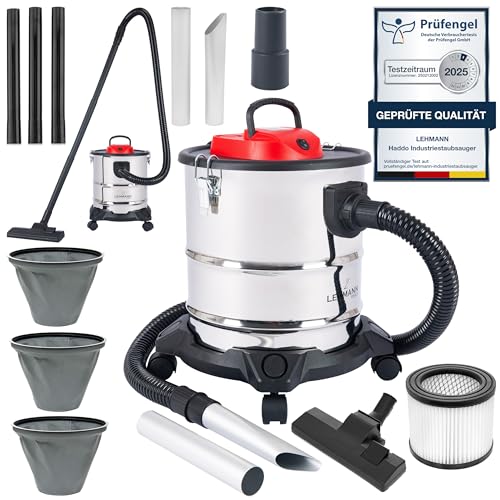
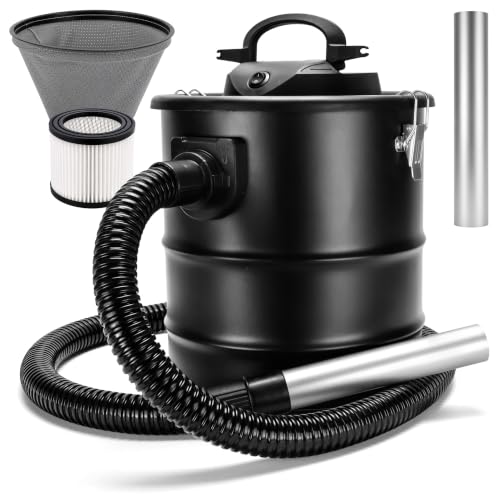
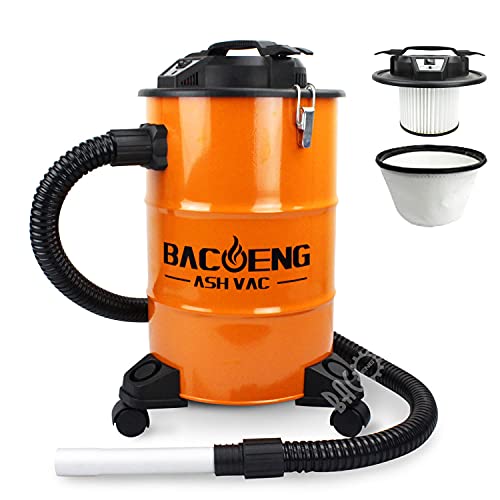
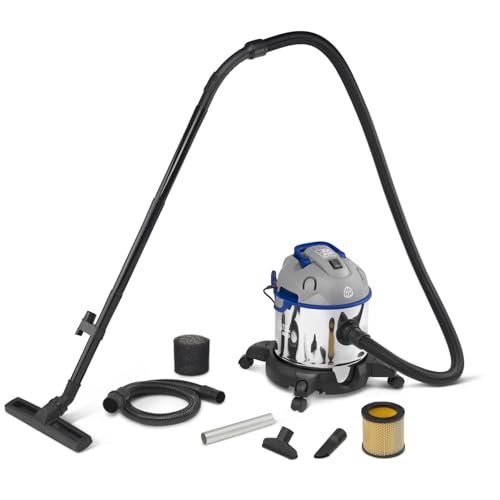
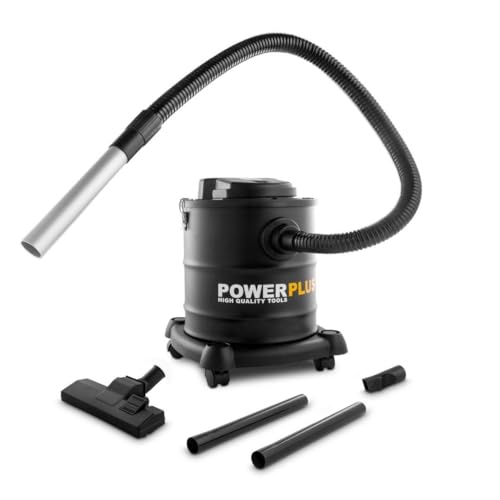
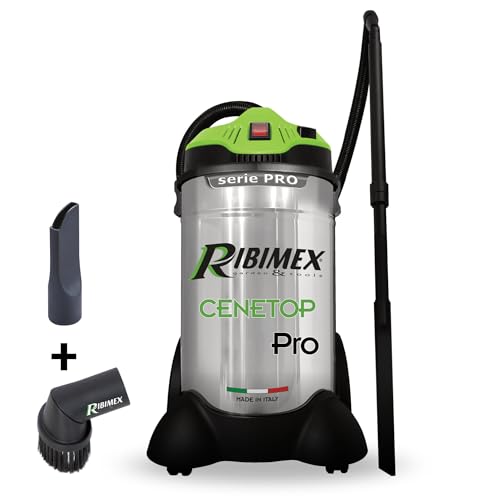
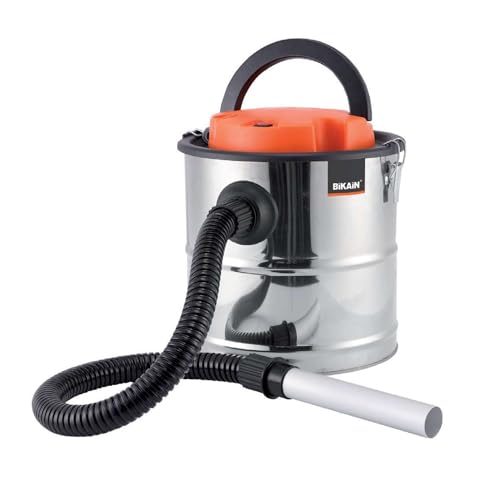
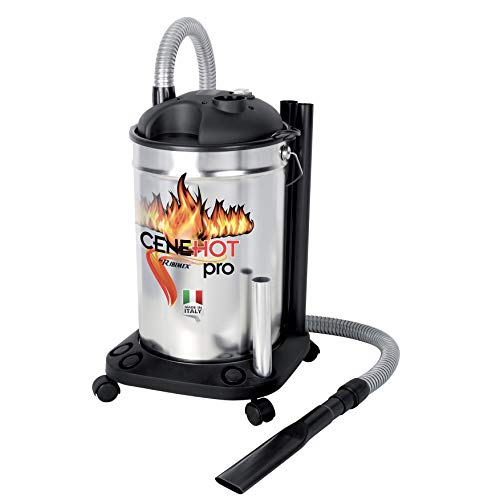
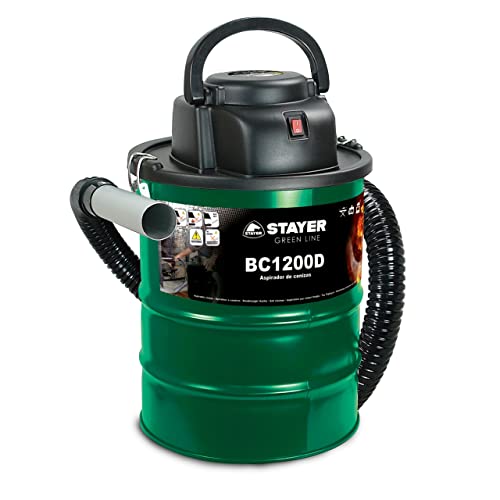
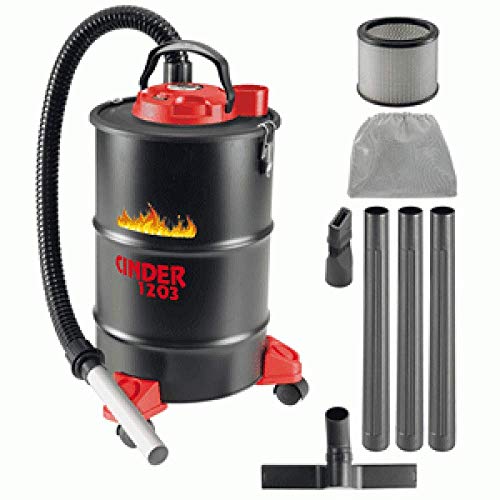
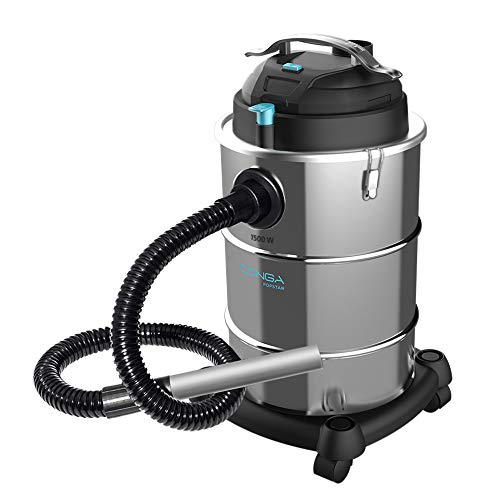
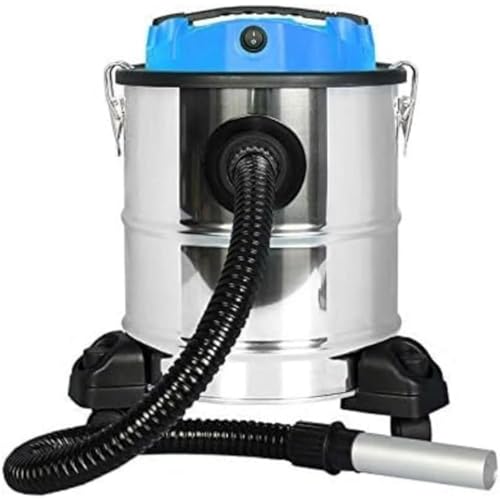
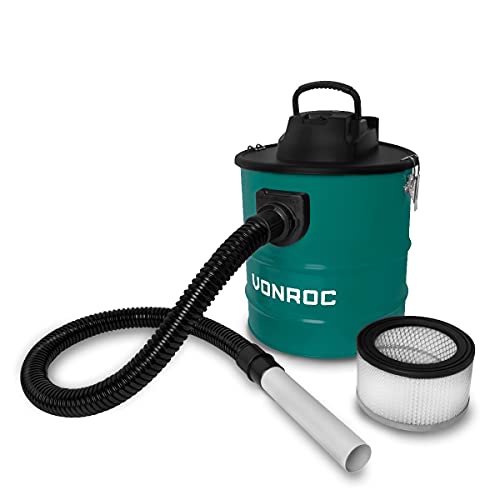
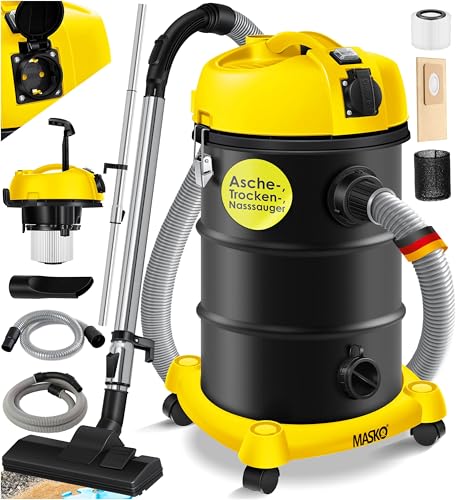
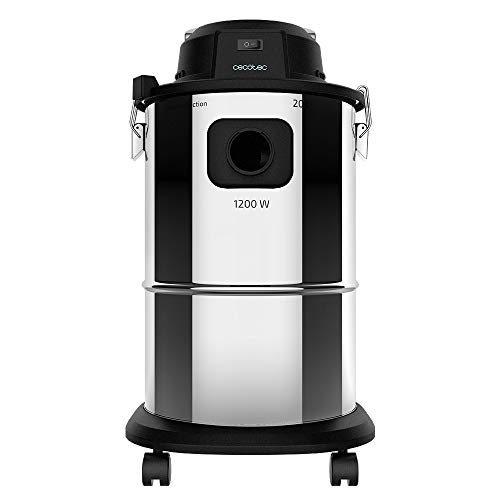
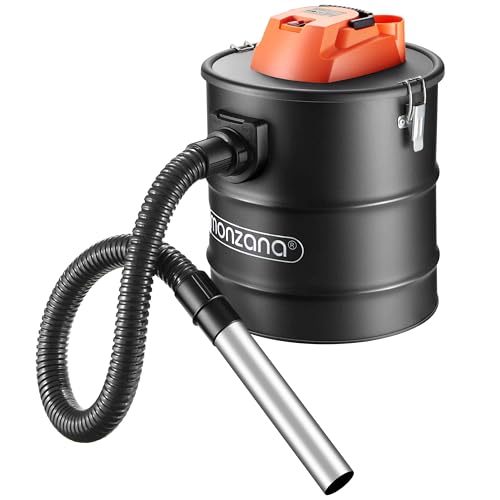
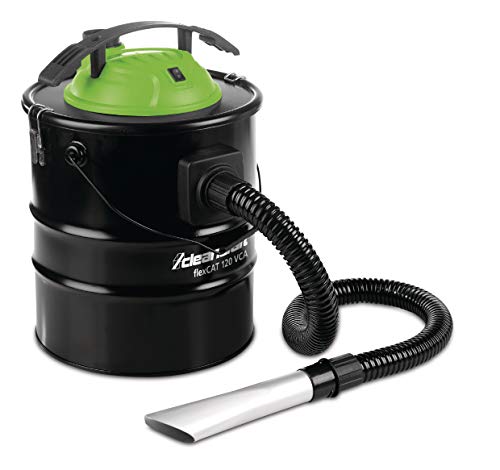
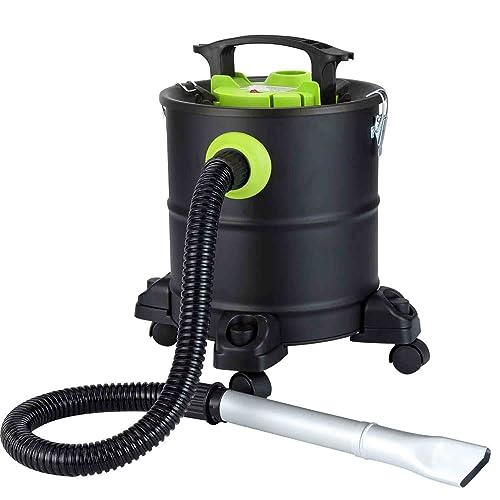
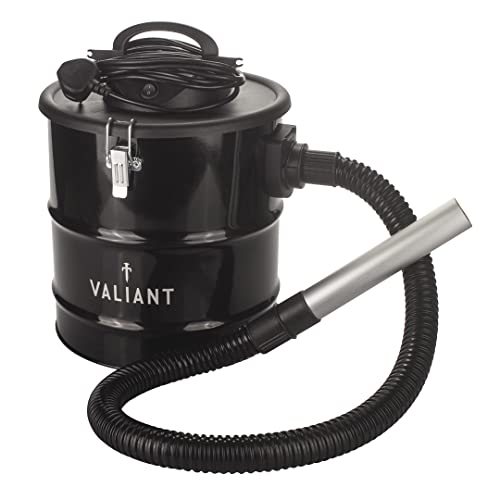
The following features make an ash vacuum suitable for fireplace cleaning:
- Metal ash path: A metal tank, reinforced metal hose, and metal end nozzle tolerate abrasive ash better than ordinary domestic-vacuum parts. They do not make glowing embers safe, so the stated temperature limit still applies.
- Useful tank capacity: About 15–25 L balances stability and carrying weight for a typical open fireplace. Smaller tanks suit frequent light cleaning, while very large tanks become awkward when filled.
- Fine-dust filtration: A coarse prefilter should protect a pleated or HEPA-grade main element from rapid loading. Even seals and secure latches help stop fine grey dust escaping around the lid.
- Sustained airflow: Roughly 15–20 kPa or 800–1,200 W can be useful comparison points, but only among similarly designed machines. Hose restrictions and a dirty filter can erase an apparent power advantage.
- Reach and control: A flexible hose and narrow nozzle should reach hearth edges, grate openings, and the back of the firebox without scraping surrounding finishes.
- Simple maintenance: Tool-free filter access, washable components, available replacements, and a tank that empties cleanly reduce dust exposure after each use.
Which hose and nozzle designs reach hearth corners?
A flexible reinforced hose and a narrow metal end nozzle provide the best control in fireplace corners. A hose long enough to reach the back of the firebox lets the canister remain stable on the hearth or floor, while a slim nozzle passes between grate bars and follows joints along the firebrick. Metal at the pickup end resists abrasion, but a tapered opening should still be wide enough to pass small charcoal fragments without frequent blockage.
Check how securely the hose locks into the tank and whether it can rotate without loosening. Smooth internal walls and gentle bends preserve airflow better than corrugated sections with tight curves, while a removable extension or crevice attachment improves access around doors and ash pans. Avoid dragging the metal nozzle across glass, enamel, stone, or delicate hearth finishes; use controlled strokes and any suitable protective attachment supplied by the manufacturer.
The chart below shows how commonly ash vacuums include a metal end nozzle.
[pie-chart-09166167605916628322165787357510102189662953286738]
Which tank and filter features stop fine fireplace ash from escaping?
A fireplace ash vacuum should have enough tank volume to maintain airflow without becoming difficult to move. About 15–25 L suits most domestic fireboxes: it leaves headroom above collected ash, reduces overfilling, and keeps the machine more stable than a very small canister. Empty the tank before ash approaches the filter assembly rather than relying only on its nominal capacity.
Fine fireplace ash requires two stages of protection. A coarse fabric or mesh prefilter catches larger particles and spreads the dust load, while a pleated fine-dust or HEPA-grade element captures the smaller fraction. The filter label is not enough on its own; lid seals, hose couplings, and the motor housing must also close properly so air cannot bypass the media.
Washable filters reduce consumable cost, but they need gentle cleaning and complete drying before reassembly. Manual shakers or automatic filter-cleaning systems can restore airflow during long sessions, although neither eliminates maintenance. Confirm that replacement filters and seals are available, because a deformed or clogged element can cause weak suction and visible dust leakage.