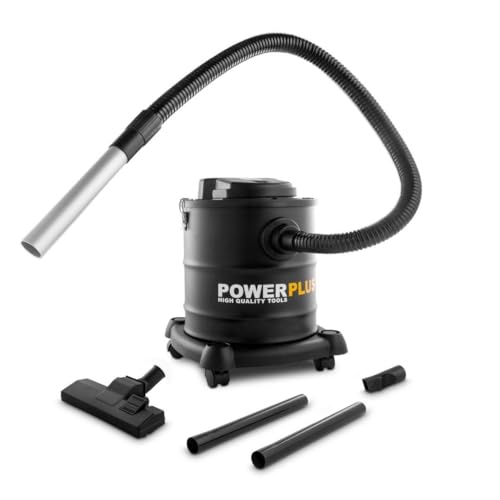
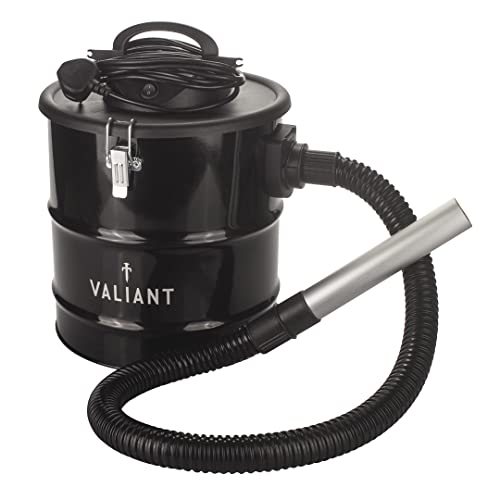
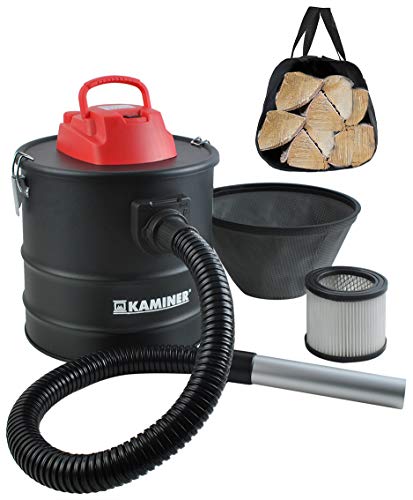
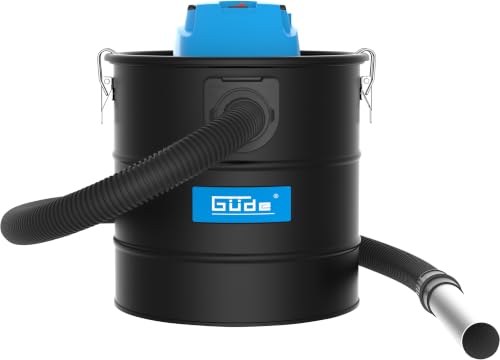
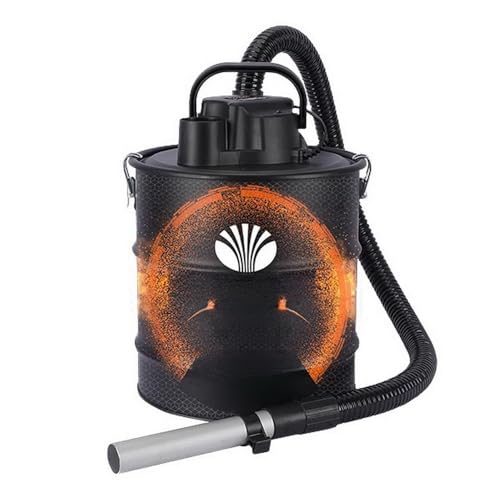
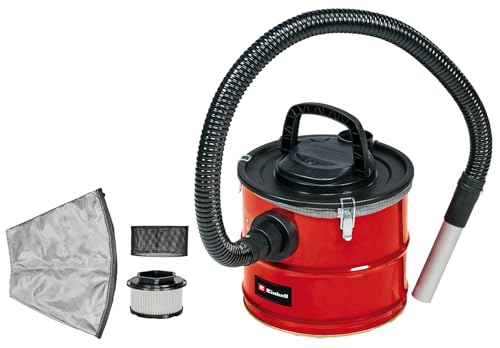
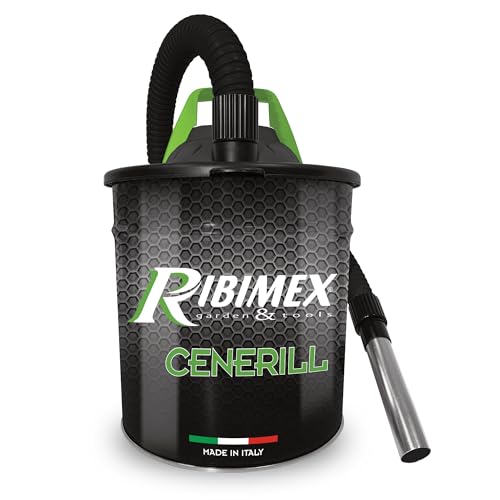
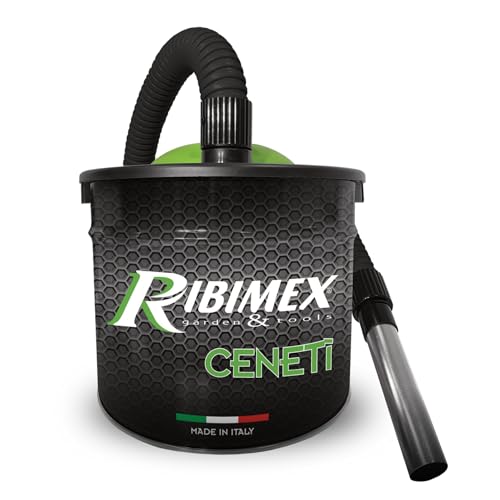
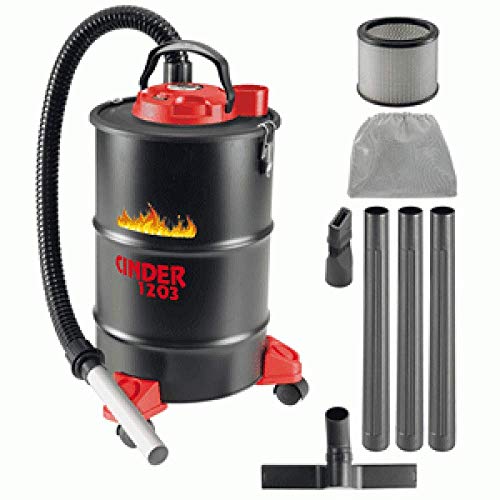
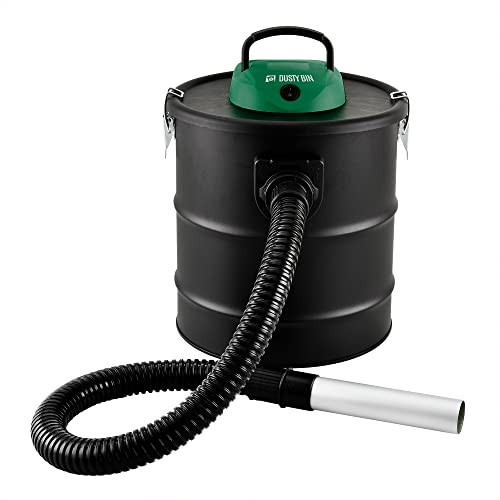
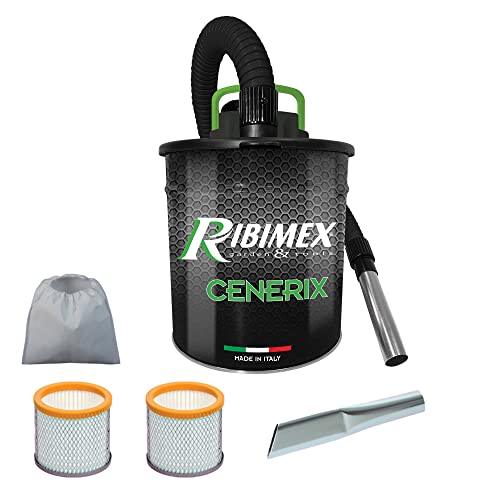
Which brands make the best ash vacuums for BBQs and pellet grills?
The following ranking compares established ash-vacuum brands by category-wide average overall score; individual BBQ and pellet-grill suitability still depends on carrying weight, nozzle access, fine-dust filtration, and dry-ash-only instructions:
- Sellnet (Average overall score: 7.9)
- Kaminer (Average overall score: 7.6)
- Kärcher (Average overall score: 7.3)
The chart below compares established ash-vacuum brands by average overall score.
[horizontal-chart-17495554516316705543147502528947893099530784932573]
What makes an ash vacuum suitable for BBQs and pellet grills?
The following features make an ash vacuum suitable for BBQ and pellet-grill cleanup:
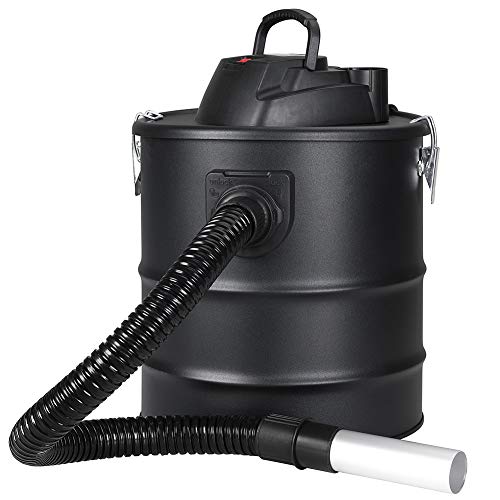
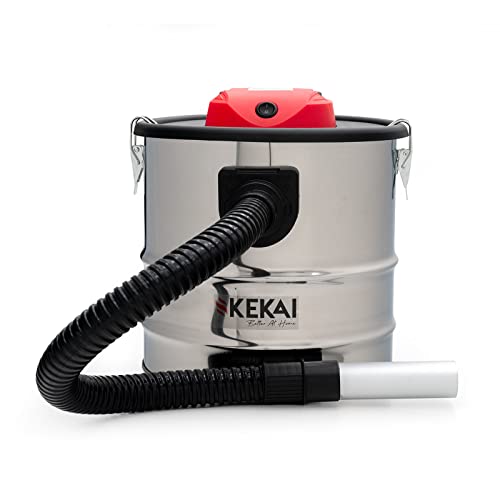
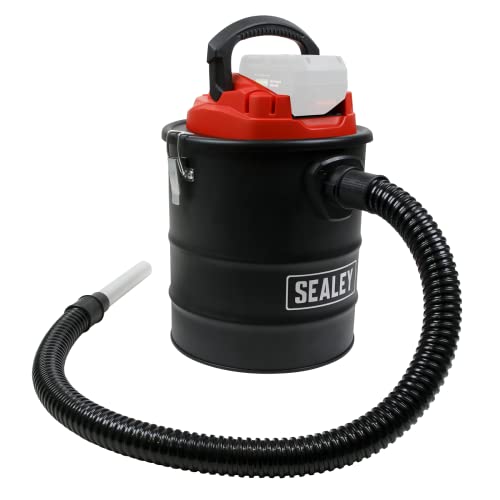
- Compact capacity: An 8–15 L tank is usually enough for a fire pot or charcoal chamber and is easier to carry outside than a large workshop canister. Empty it before ash reaches the filter assembly.
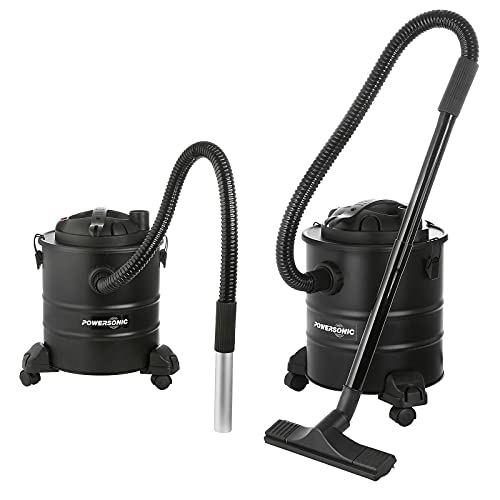
- Low carrying weight: A machine below about 5 kg is easier to move between storage and the cooking area. A stable base matters when the hose is pulled around a grill cart.
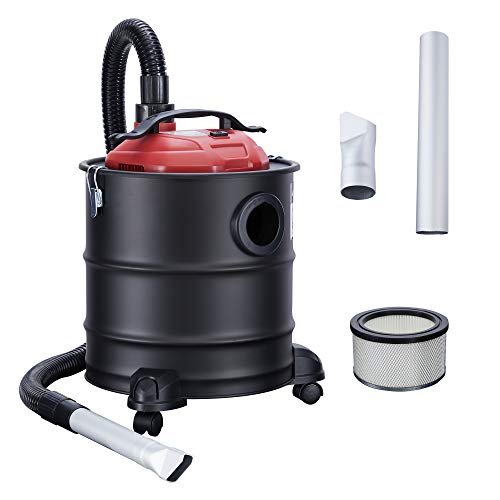
- Narrow metal nozzle: A slim pickup end reaches pellet fire pots, corners, and the space beneath removable components. Use controlled strokes to avoid scratching coated or enamelled surfaces.
- Flexible reinforced hose: Enough reach lets the tank remain on the ground while the nozzle enters the chamber. Avoid sharp bends that restrict airflow or trap charcoal fragments.
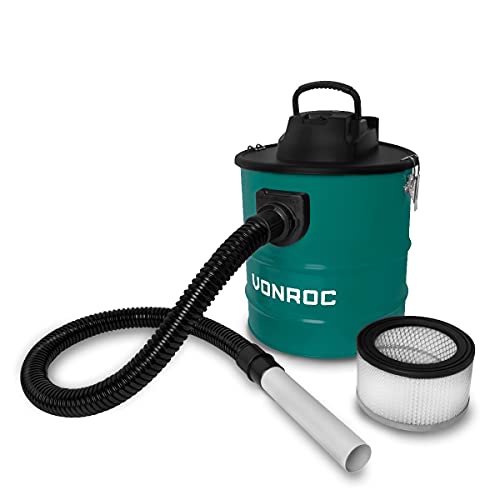
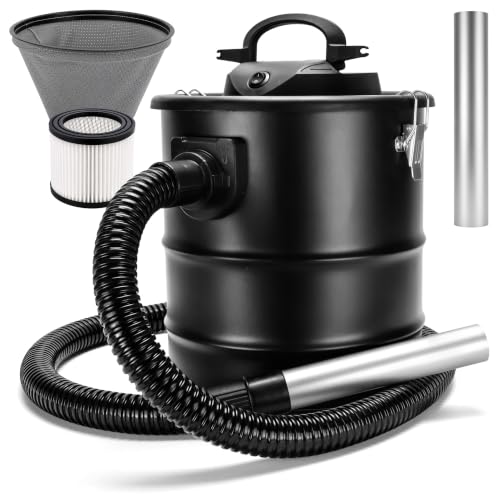
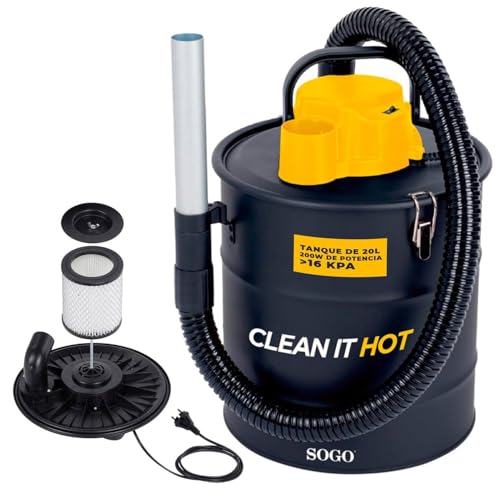
- Fine-dust filtration: A prefilter plus a washable pleated or HEPA-grade main element helps contain fine pellet and charcoal dust. Check seals and replacement-filter availability.
- Dry-ash-only procedure: The grill must be off and fully cold, with grease, liquids, and food residue removed separately. The vacuum manual and grill instructions both apply.
Which nozzle reaches fire pots and tight grill chambers?
A narrow metal end nozzle is the most useful shape for reaching a pellet-grill fire pot and tight BBQ corners. It can pass between removable components and follow the base of a chamber while resisting abrasion from charcoal fragments. The opening should still be wide enough to avoid repeated blockage, and the metal tip must be controlled carefully around enamel, paint, probes, igniters, and delicate seals.
A flexible hose with a secure rotating connector lets the tank remain on the ground while the nozzle moves through the grill. Enough length improves access, but tight coils and sharp bends reduce airflow and trap debris. A removable crevice extension can help around fire-pot edges; use only attachments approved for the machine and never force the nozzle into an area that the grill instructions say should be disassembled first.
The chart below shows how commonly ash vacuums include a metal end nozzle.
[pie-chart-09166167605916628322165787357510102189662953286738]
Which filters cope with fine pellet and charcoal dust?
A pleated fine-dust or HEPA-grade main filter, protected by a coarse prefilter, is the most useful arrangement for pellet and charcoal dust. The prefilter catches larger flakes and spreads the load, while the main element captures the lighter powder that otherwise reaches the motor or exhaust. Secure lid and hose seals are essential because fine dust can bypass even good media through a poorly closed connection.
Washable filters reduce recurring cost, but only when the manual permits rinsing and the element is completely dry before reuse. A manual shaker or automatic cleaning mechanism can restore airflow during frequent grill maintenance, although it does not replace emptying the tank and inspecting the seals. Stop if suction falls sharply or visible dust appears.
Charcoal fragments can block a narrow nozzle before the filter loads. Remove oversized pieces by hand with suitable protection once everything is cold, and keep the hose as straight as practical. Do not install improvised foam, paper, or household-vacuum media that the ash-vacuum manufacturer has not approved.
How much do ash vacuums for BBQs and pellet grills cost?
Ash vacuums for BBQs and pellet grills generally cost about £30-£90, while premium corded models and cordless systems can reach roughly £100-£260. Models below £40 can suit occasional dry-ash cleanup, but they often have shorter hoses, smaller filter areas, or fewer replacement parts. For grill use, compact size and nozzle control are usually more valuable than paying for the largest possible tank.
Around £40-£90, buyers can expect a practical 8–15 L metal tank, reinforced flexible hose, metal nozzle, and washable pleated filtration. A higher price is most useful when it adds dependable filter cleaning, better sealing, lighter carrying weight, or a battery platform already owned. No price premium makes embers, grease, liquids, or wet ash suitable for collection.

The chart below shows the price distribution of ash vacuums considered for BBQ and pellet-grill cleanup.
[vertical-chart-02049192578767447811094619216221561833603614642741]
What should never be vacuumed during grill cleanup?
Keep the following materials out of an ash vacuum during grill cleanup:
- Glowing embers and hot charcoal: Hidden heat can ignite filter dust, deform seals, or start a fire after the machine is switched off.
- Grease and oily drippings: Sticky residue coats filters and hoses, traps dust, and may create flammable deposits near the motor airflow.
- Water, cleaners, and wet ash: Unless the exact machine is approved for wet pickup in the stated configuration, moisture can damage filters and electrical parts.
- Food scraps and marinades: Large or sticky debris can block the nozzle, spoil inside the tank, and contaminate a machine intended for dry ash.
- Lighter fluid and solvent-contaminated material: Flammable vapours must never pass through an electric motor or be stored with collected dust.
- Ash from painted, treated, or unknown materials: Potentially hazardous residues require appropriate disposal rather than routine household vacuuming.
Why should embers, grease, and moisture stay out of an ash vacuum?
Embers, grease, and moisture must stay out because they create different but compounding hazards. Embers can ignite fine dust or filters, grease forms sticky combustible deposits, and moisture can collapse dry-filter airflow or reach electrical components.
A charcoal or pellet bed can remain hot beneath a grey surface. Turn the grill off, follow its shutdown cycle, and wait until the fire pot, ash, and internal metalwork are fully cold. Remove any visible fuel or larger charcoal pieces with suitable non-combustible tools before using suction.

Grease should be scraped or wiped using the grill manufacturer procedure rather than pulled through the ash hose. It can coat pleats, clog the nozzle, retain odours, and combine with fine powder into a dense residue that is difficult to remove safely.
Water and wet ash are also unsuitable unless the vacuum manual explicitly permits wet pickup with the required filter arrangement. Never assume a metal tank makes the motor or filter water-safe. Keep dry ash collection separate from washing, and let cleaned grill components dry before the next vacuuming session.