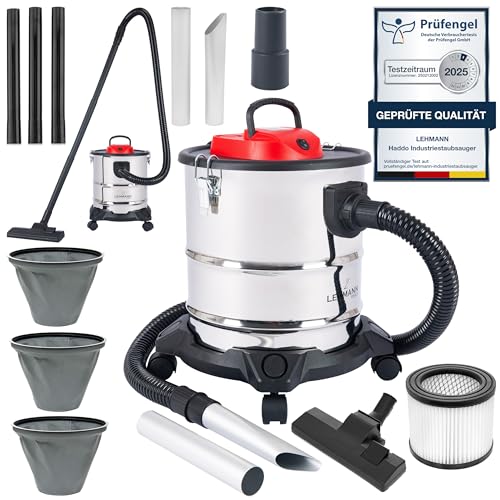
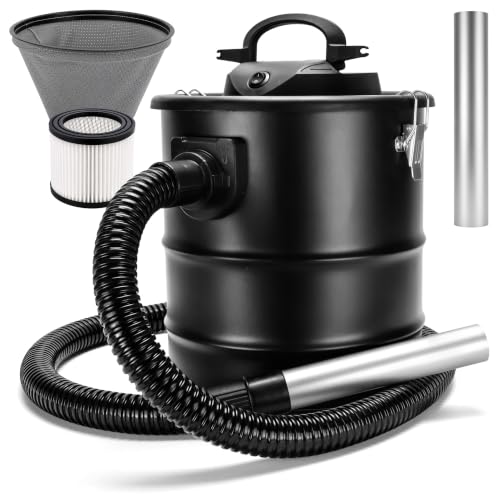
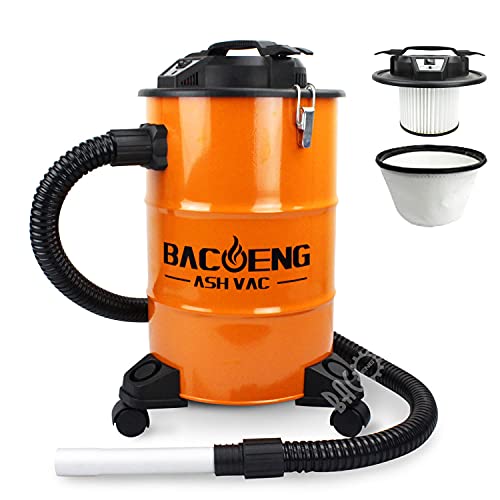
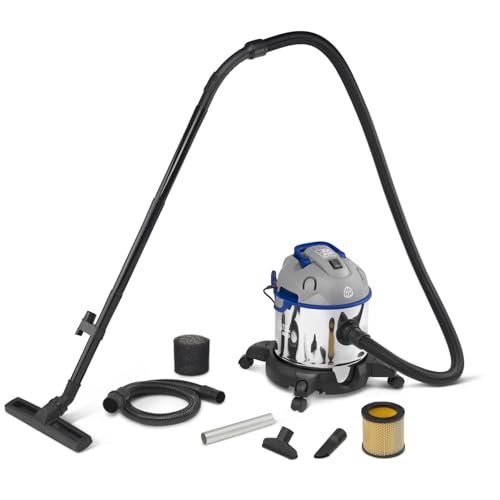
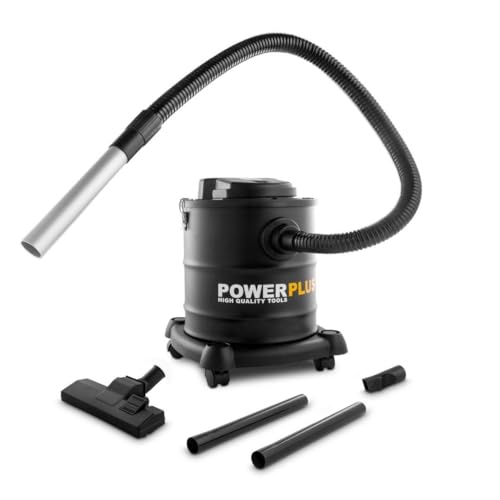
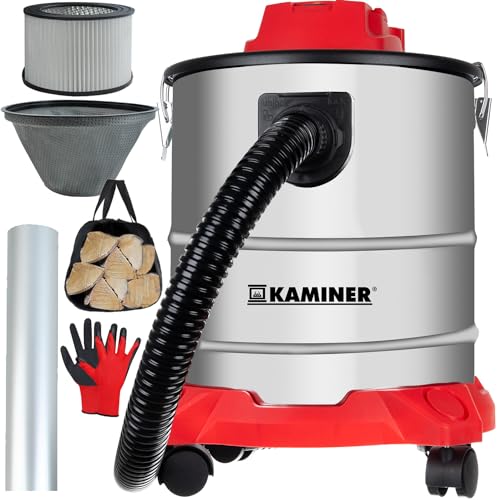
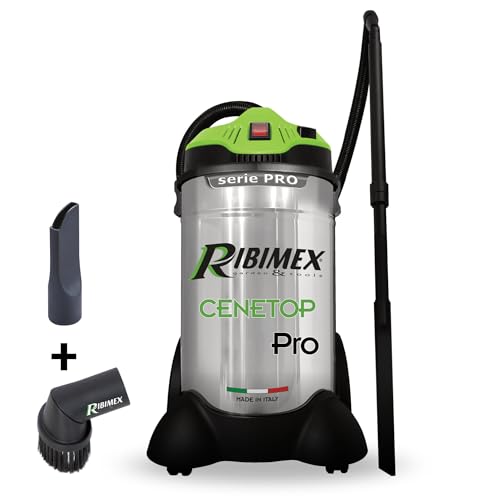
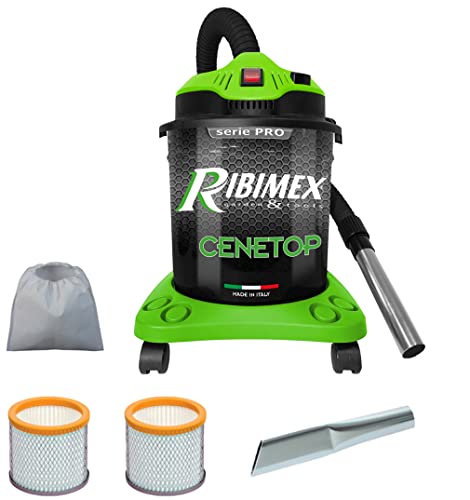
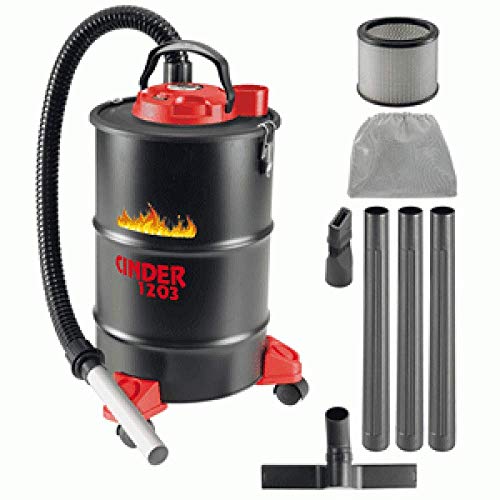
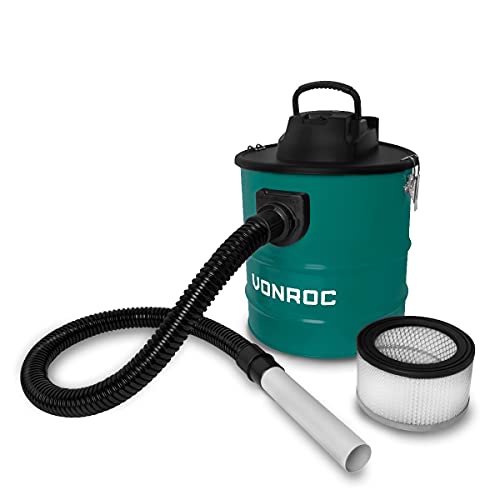
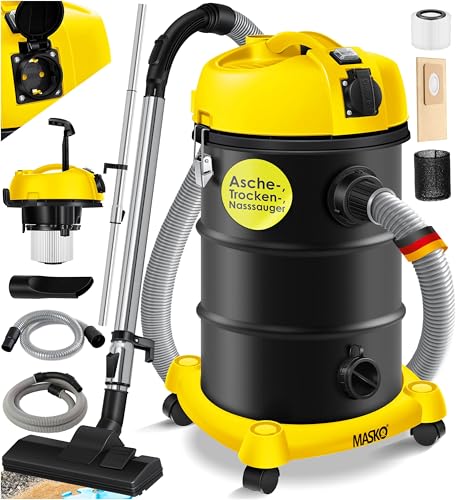
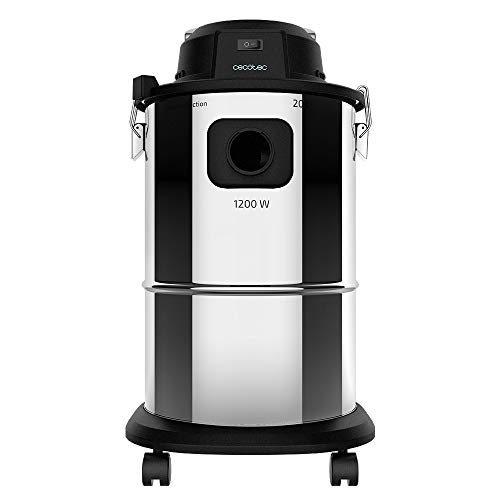
Soot is harder to vacuum than ordinary ash because its particles are exceptionally fine, light, and prone to clinging to surfaces. Air movement from the nozzle can lift the powder before it is captured, while small leaks around a lid, hose coupling, or filter seal can return a visible black haze to the room. Soot also penetrates filter pleats rapidly and can leave persistent staining on hoses and tanks.
Loose grey or black residue inside a cold stove is different from sticky chimney deposits. Moisture and incomplete combustion can combine soot with tarry creosote that adheres to flue walls, blocks airflow, and may present a fire hazard. An ash vacuum can collect accessible loose material after proper brushing, but it cannot diagnose a chimney, remove hardened glaze, or replace professional sweeping and inspection.
Which filters capture fine soot most effectively?
A pleated fine-dust or HEPA-grade filter offers the most useful protection against very fine soot, especially when it forms part of a sealed system. The grade or label alone does not guarantee clean exhaust: air must pass through the media rather than around the lid, hose connection, motor housing, or a poorly seated gasket. Choose a model with firm latches and inspectable seals.
A coarse prefilter or washable fabric sleeve should sit ahead of the main element. It captures larger ash particles, spreads the dust load across a wider area, and delays the rapid pressure drop that occurs when soot packs into fine pleats. A sponge layer can provide extra protection in some designs, but it should be manufacturer-approved and must not restrict cooling airflow.
Filter area, replacement availability, and maintenance access are as important as filtration type. Select an element that can be removed without shaking dust into the room, and follow the stated cleaning method. Replace torn, warped, or permanently clogged media; continued use with a damaged filter can contaminate the motor and release soot through the exhaust.
The chart below shows how commonly ash vacuums include a HEPA filter.
[pie-chart-05570011740796723377062225942180634311701459502838]
Do washable and automatic-cleaning filters reduce soot clogging?
Washable filters can reduce recurring cost during soot cleanup, but only when the manufacturer permits washing and the element is handled correctly. Remove loose dust outdoors, rinse without damaging the pleats, and let the filter dry completely before refitting it. Operating with damp media can restrict airflow, encourage residue buildup, and damage the vacuum.
Automatic or push-button filter cleaning is useful because a pulse or reversal of airflow dislodges powder from the filter surface without opening the tank. It can extend a cleaning session and keep suction more consistent, especially with very fine soot. It does not remove the need to empty the tank, inspect seals, clean the prefilter, or replace a worn main element, and performance varies with the design and available filter area.