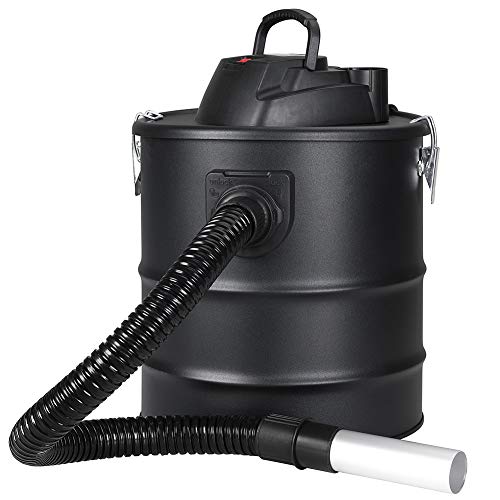
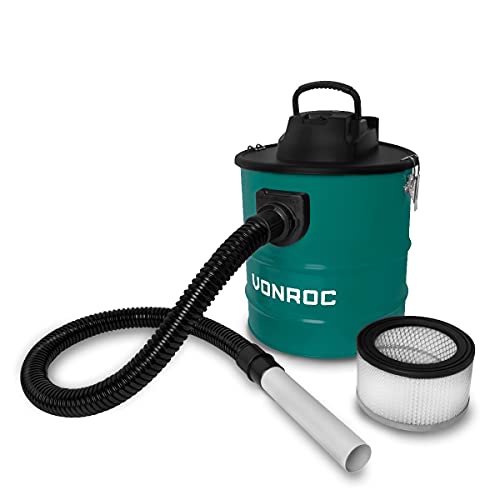
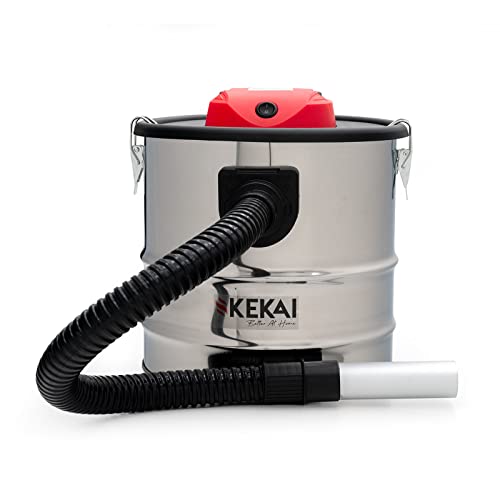
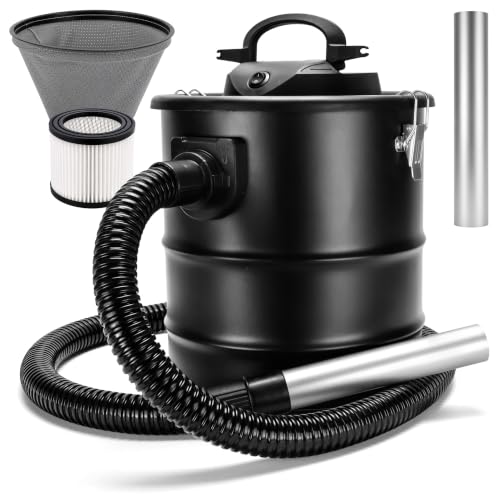
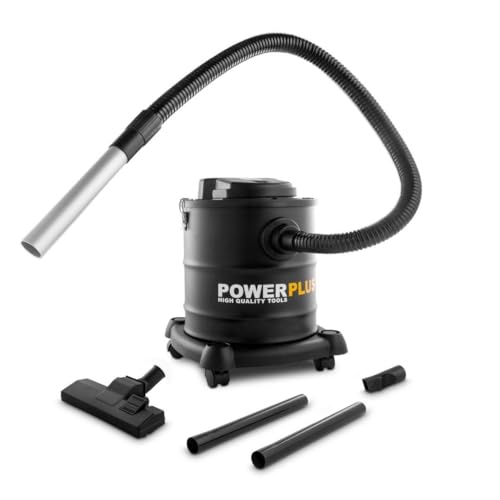
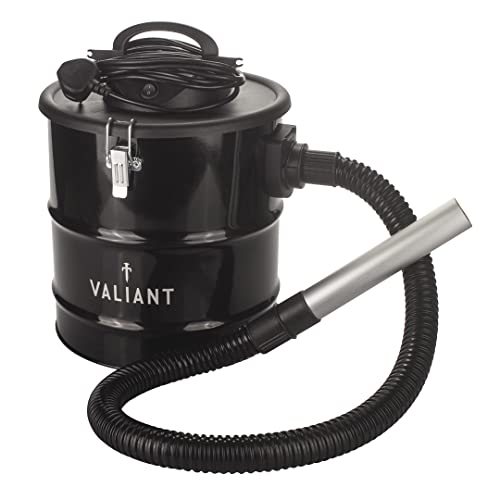
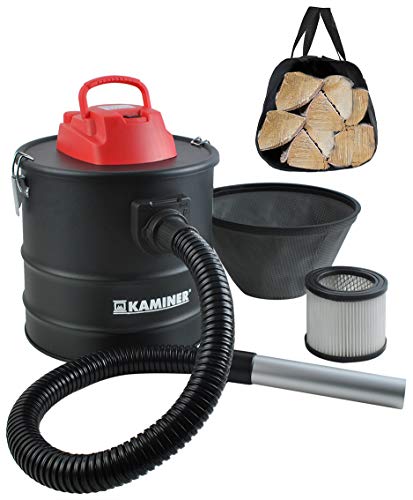
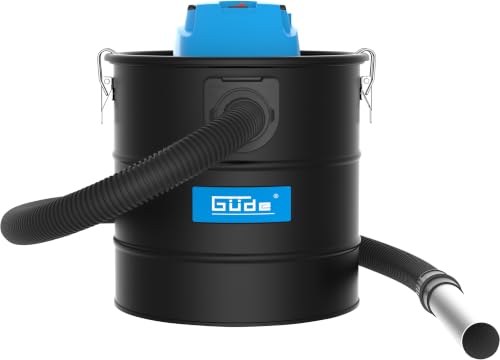
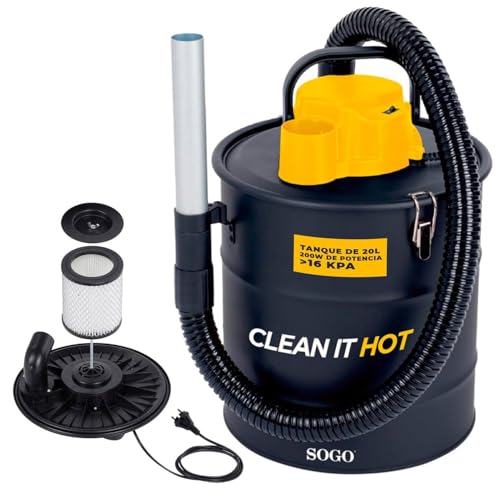
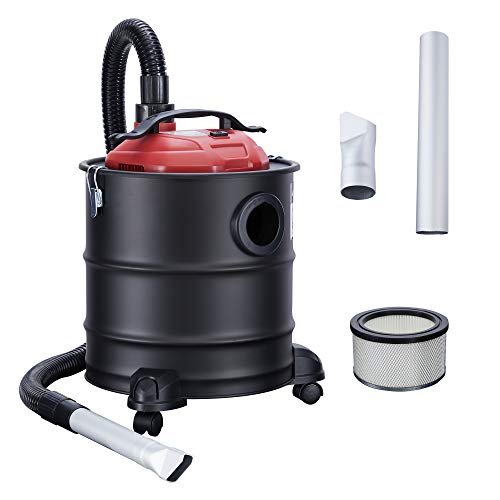
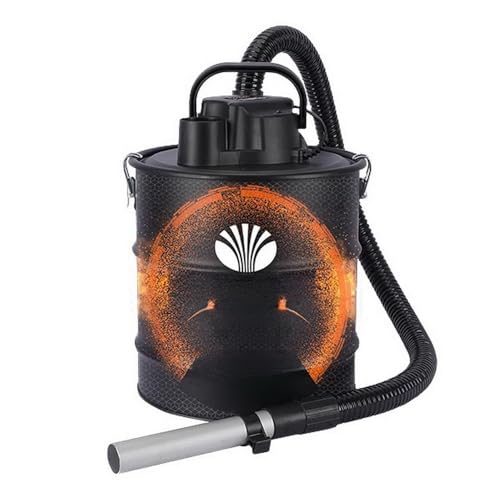
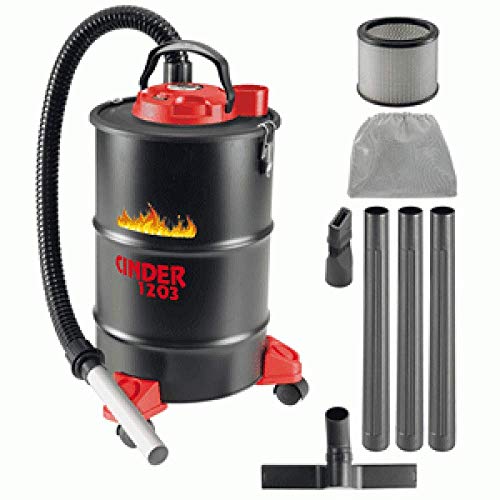
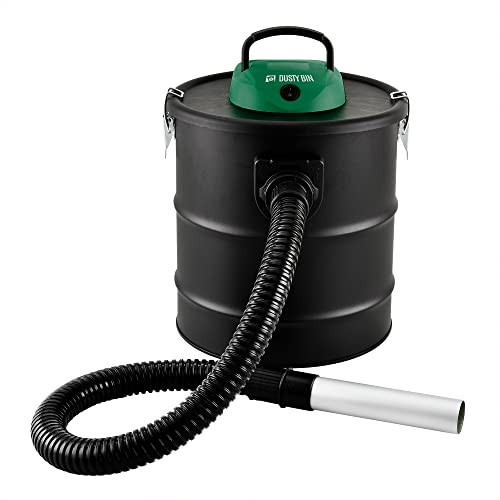
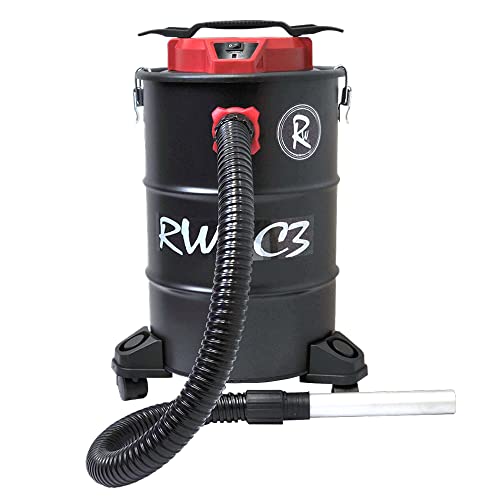
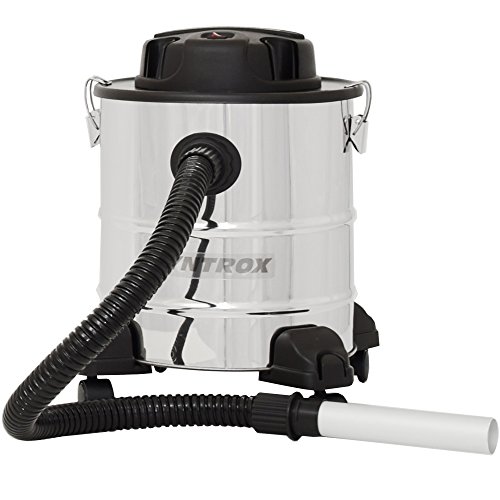
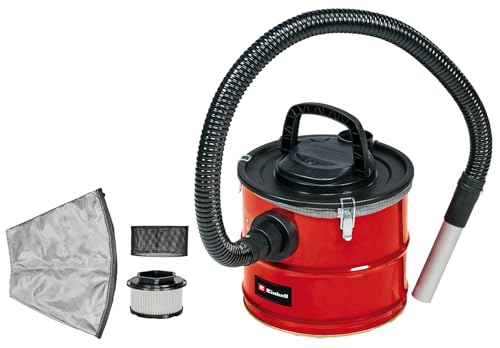
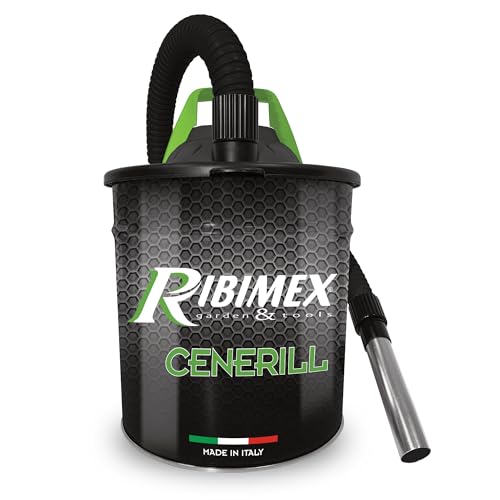
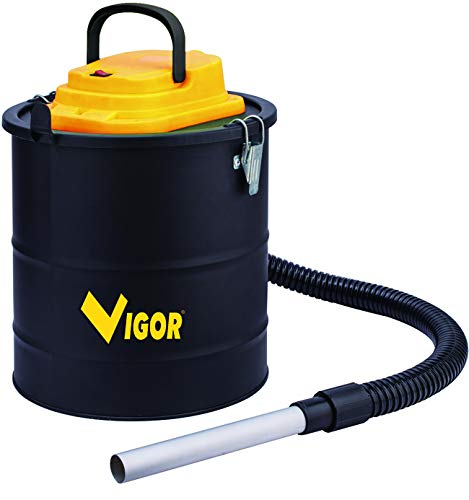
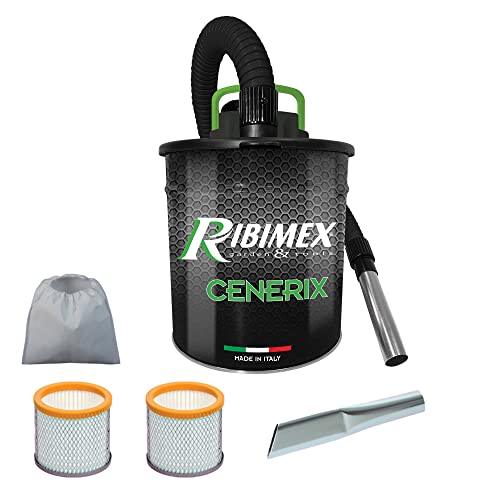
The features that make an ash vacuum suitable for pellet stoves are as follows:
- Fine-ash filtration: Pellet ash is light and powdery, so use a pleated fine-dust or HEPA-grade main filter with a coarse prefilter. The lid and hose connection should seal properly so dust cannot bypass the filter.
- Narrow metal nozzle: The nozzle must fit around the burn pot, igniter area, grate edges, and ash drawer without scraping fragile components. A slim angled tip is usually more useful than a wide floor tool.
- Flexible reinforced hose: A hose around 0.8–1.5 m provides useful reach while keeping the machine outside the immediate work area. Excessive length or tight bends can reduce airflow and make fine ash settle in the hose.
- Compact tank and low weight: A 6–15 L tank is adequate for frequent pellet-stove maintenance and easier to empty before ash compacts around the filter. A stable handle and a weight below about 5 kg help when the vacuum is stored between weekly cleanings.
- Accessible filter maintenance: The filter should be easy to remove, tap clean, wash when permitted, and replace. A manual or automatic filter-cleaning feature is valuable because pellet ash can reduce suction quickly.
- Cold-ash construction: A metal tank, reinforced hose, and metal end nozzle provide a suitable ash path, but they do not authorize hot-ember pickup. Follow the appliance and vacuum manuals and clean only after the ash has cooled.
Which nozzle and hose designs reach a pellet stove burn pot?
A narrow angled metal nozzle on a flexible reinforced hose is the best arrangement for reaching a pellet-stove burn pot. A tip roughly 20–35 mm wide can enter tight gaps around the grate and igniter more easily than a broad round nozzle, while a gentle bend helps the operator work around the firebox lip without forcing the hose against the door seal.
A hose around 0.8–1.5 m is usually long enough to keep the vacuum beside the stove while preserving airflow. Look for a smooth internal path, a secure rotating connector, and enough flexibility to avoid sharp bends; a very long or narrow hose can trap pellet fragments and reduce suction. Rigid extensions are useful for an ash drawer or floor-level appliance but are often awkward inside a compact burn chamber.
Which filters handle fine pellet ash without clogging?
A coarse prefilter combined with a large pleated fine-dust or HEPA-grade main filter handles pellet ash most effectively. The prefilter catches flakes and protects the pleats, while the main filter captures the powder that would otherwise pass through a simple mesh.
Washable filter elements are useful during heating season, but only when the manual permits washing and the filter can dry completely before refitting. Keep a spare filter if the stove is cleaned frequently; using a damp element restricts airflow, encourages ash to cake, and can damage the motor.
A filter shaker or automatic cleaning system can restore suction without opening the tank after every small job. It does not eliminate maintenance: never operate without the specified filter, inspect seals for ash tracks, and avoid using an ordinary household vacuum whose bag and motor path were not designed for fine ash.