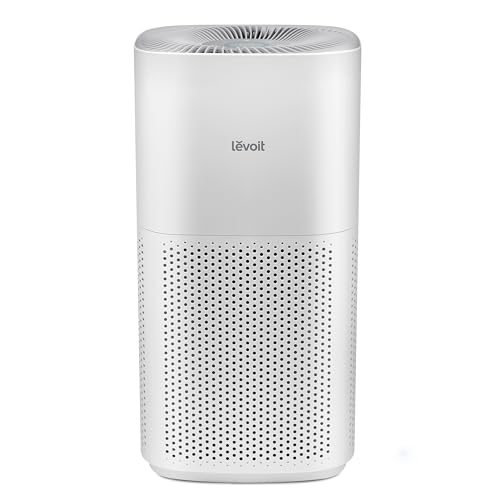
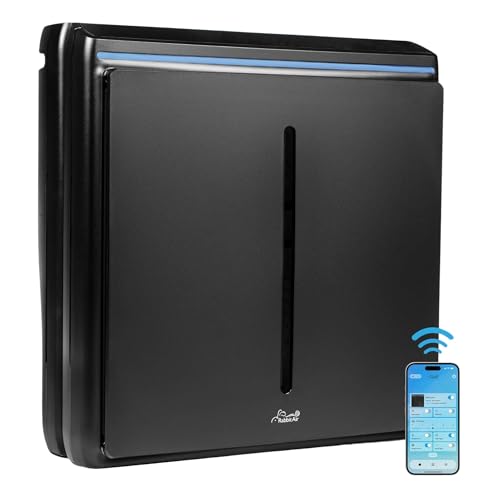
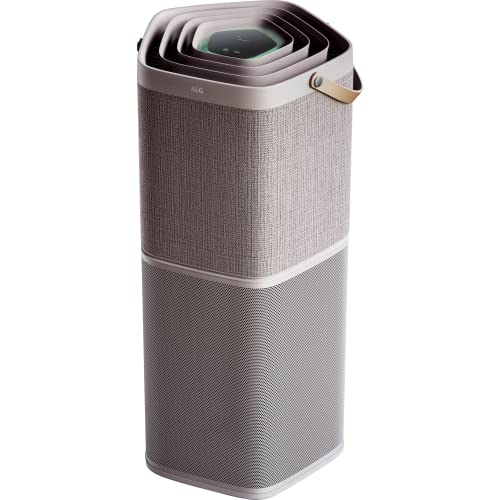
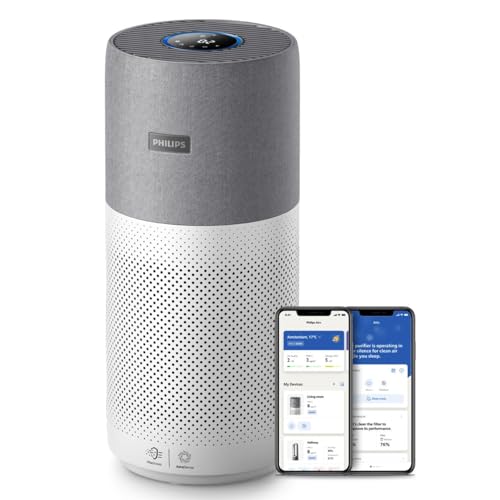
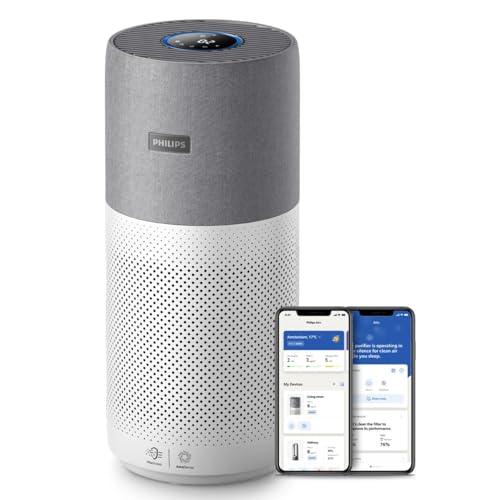
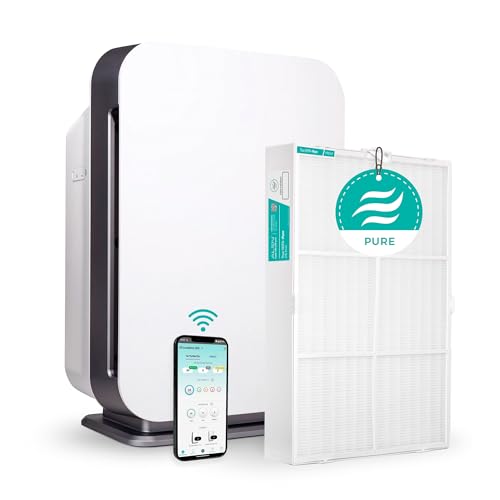
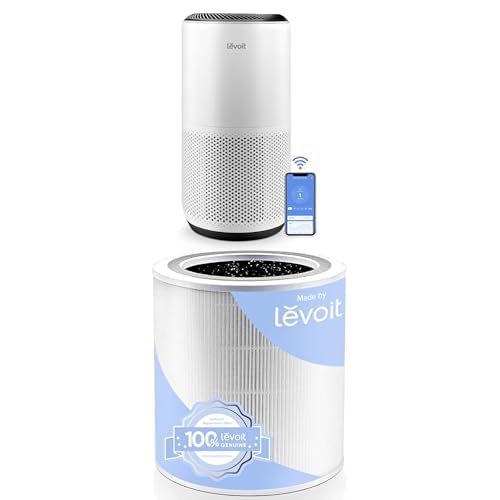
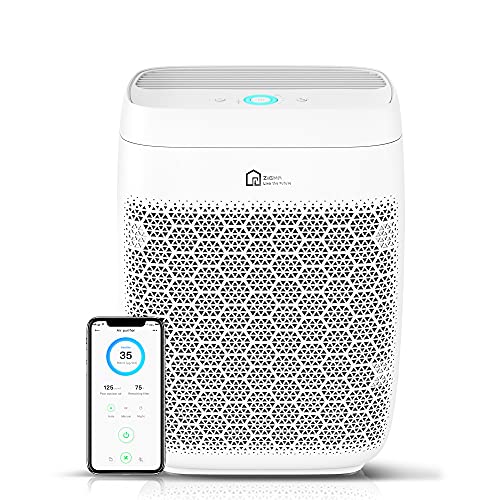
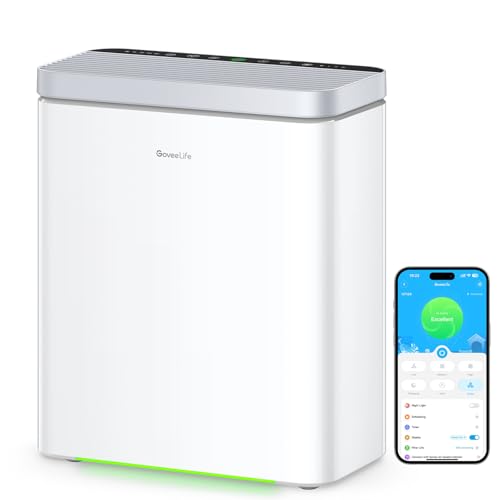
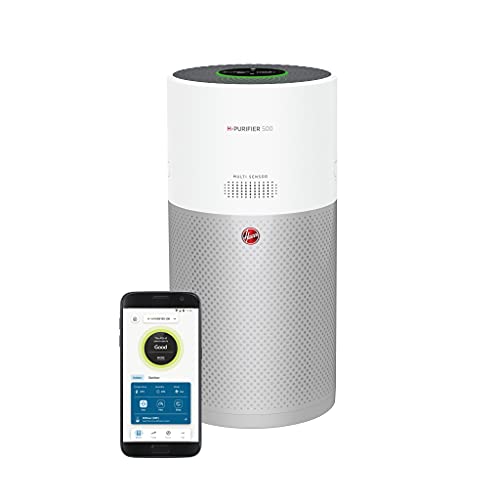
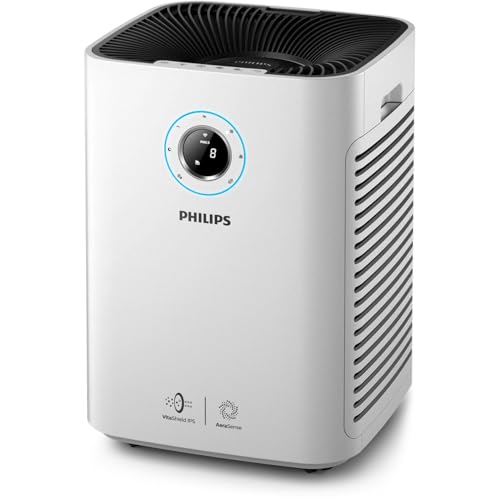
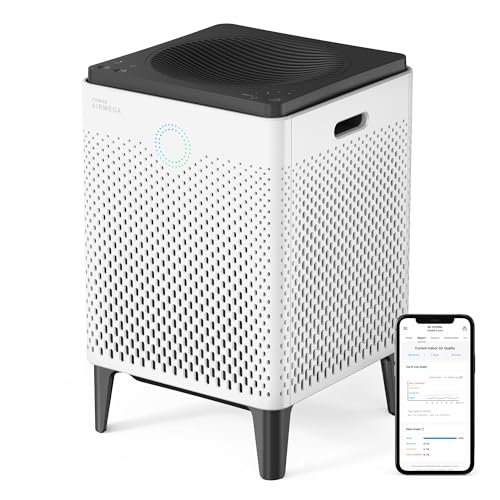
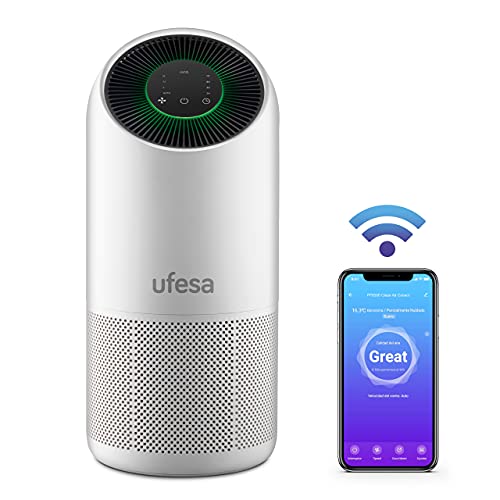
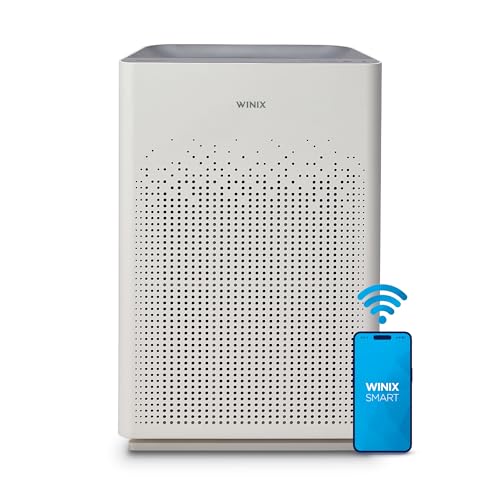
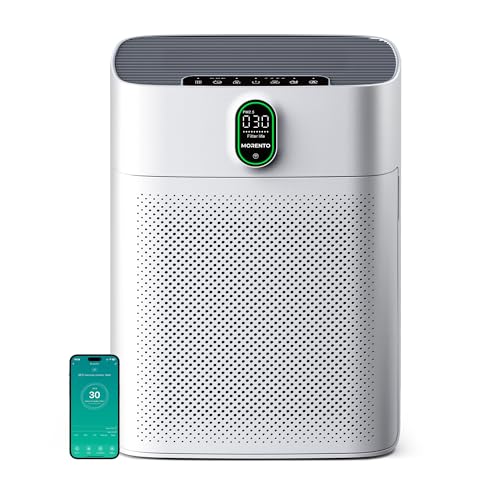
Smart air purifiers commonly offer remote fan control, automatic mode, schedules, timers, air-quality history, filter reminders, and display settings. Better apps expose the same practical controls as the appliance and show clearly whether a command or schedule was accepted.
Particle sensors usually drive automatic mode and may report PM2.5 or a simplified colour index. Some models add gas, odour, temperature, or humidity readings, but sensor labels and calibration vary; a purifier should not be treated as a laboratory monitor or a safety alarm.
Voice-assistant and smart-home integrations can start scenes, change speed, or link operation to occupancy and outdoor-air alerts. These features are most useful when they reduce manual intervention, not when they merely duplicate a button inside another app.
Cloud dependence is the main limitation. Check whether schedules run locally, whether core controls remain available without an account, what data the app collects, and how long the manufacturer supports updates. A purifier can last longer than its connected service.