What are the best air purifier brands for allergies?
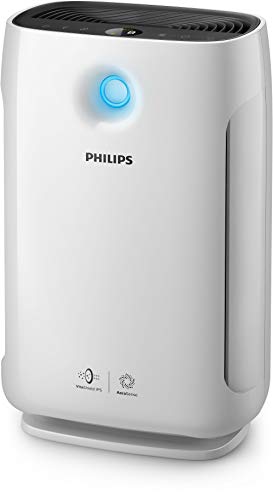
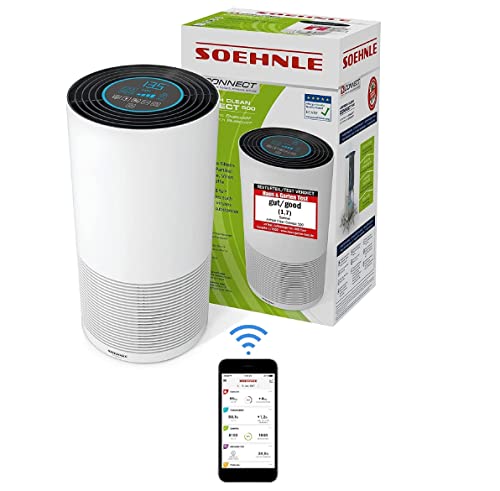
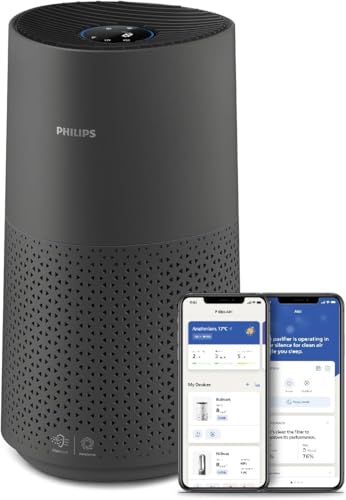
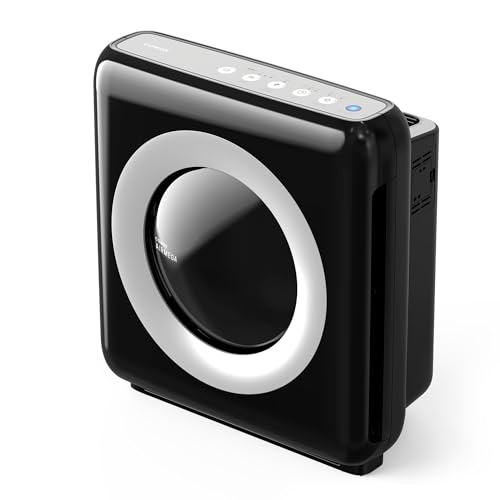
The best air purifier brands for allergies are ranked below:
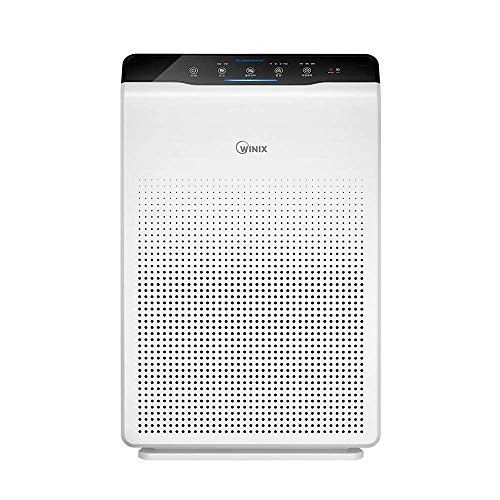
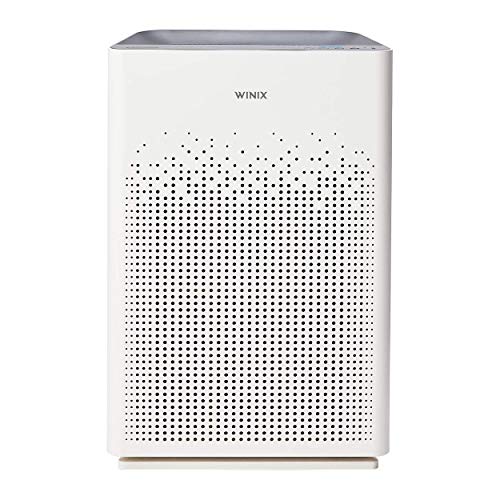
- Winix (Average overall score: 7.8)
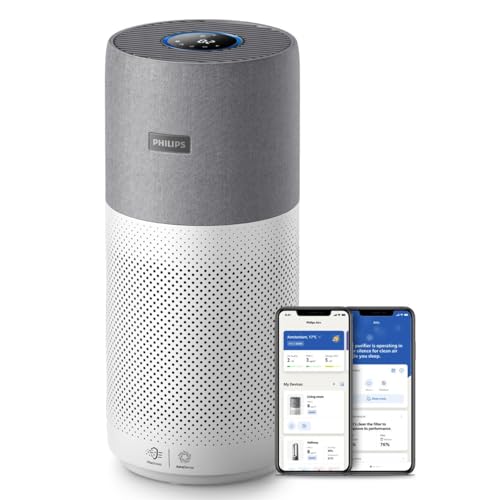
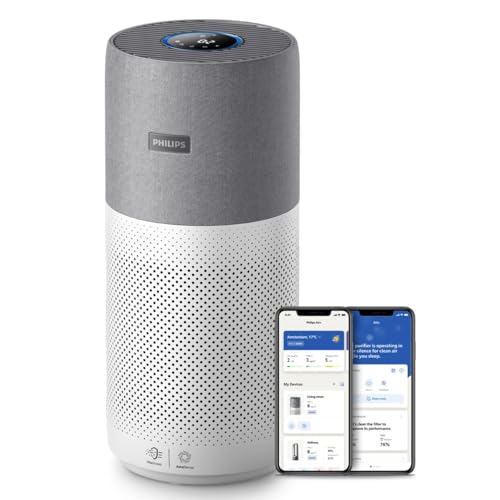
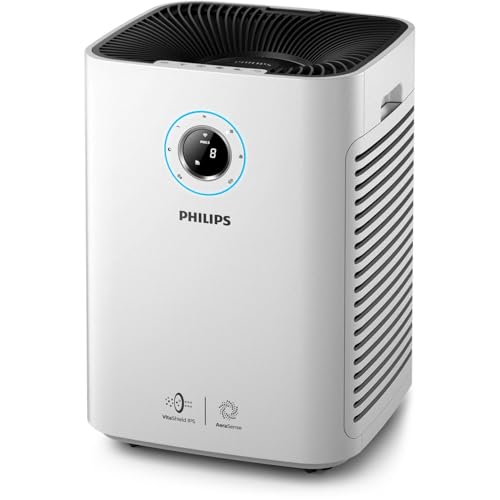
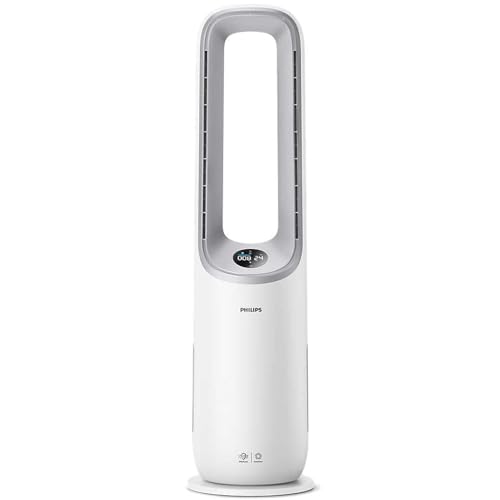
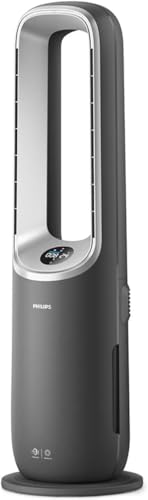
- Philips (Average overall score: 7.7)
The chart below ranks allergy air purifier brands by average overall score.
[horizontal-chart-02982103288546267594130198108632545550271216514404]
In which specific situations can an air purifier help with allergies?
Air purifiers can help with allergies in the following specific situations:
- Seasonal pollen: A purifier can reduce pollen that enters through doors, windows, clothing, and hair. It is most useful in the bedroom or main living area when windows are kept closed during high-pollen periods.
- Pet dander: Continuous filtration can capture airborne skin flakes and other fine pet allergens. It cannot remove allergens already settled on upholstery, carpets, or bedding, so surface cleaning remains necessary.
- Dust-mite allergen: Filtration can reduce allergen-bearing dust that becomes airborne during movement or cleaning. Mattress covers, hot washing, humidity control, and careful vacuuming address the larger reservoir.
- Cleaning-related peaks: Vacuuming, dusting, changing bedding, or moving stored textiles can temporarily raise airborne particles. Running the purifier at a higher speed during and after the task can shorten exposure.
- Night-time exposure: A correctly sized quiet purifier can maintain cleaner air through the night without frequent manual adjustment. Low noise is only useful when sleep mode still moves enough air for the bedroom.
What filtration and certification should an allergy air purifier have?
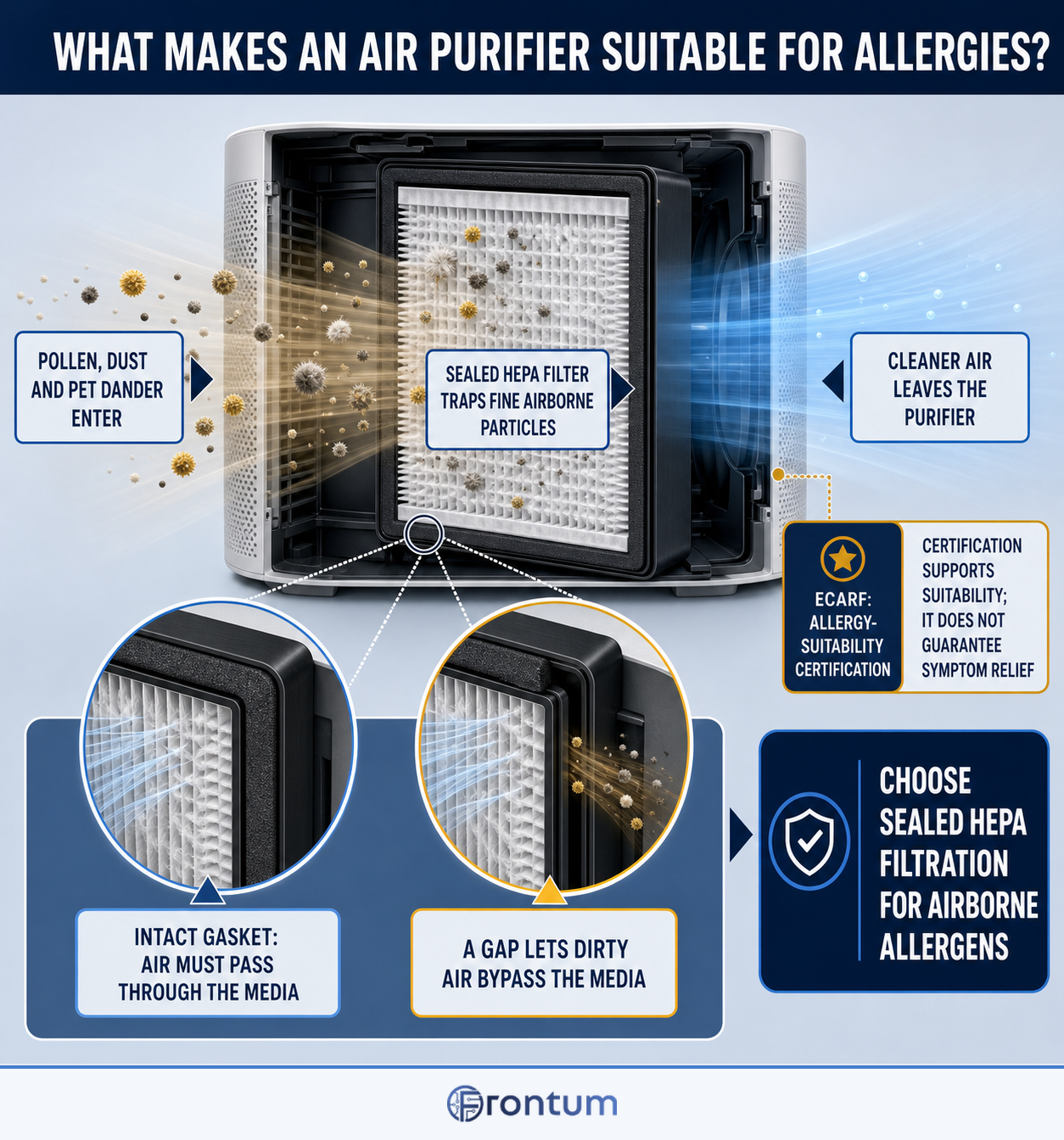
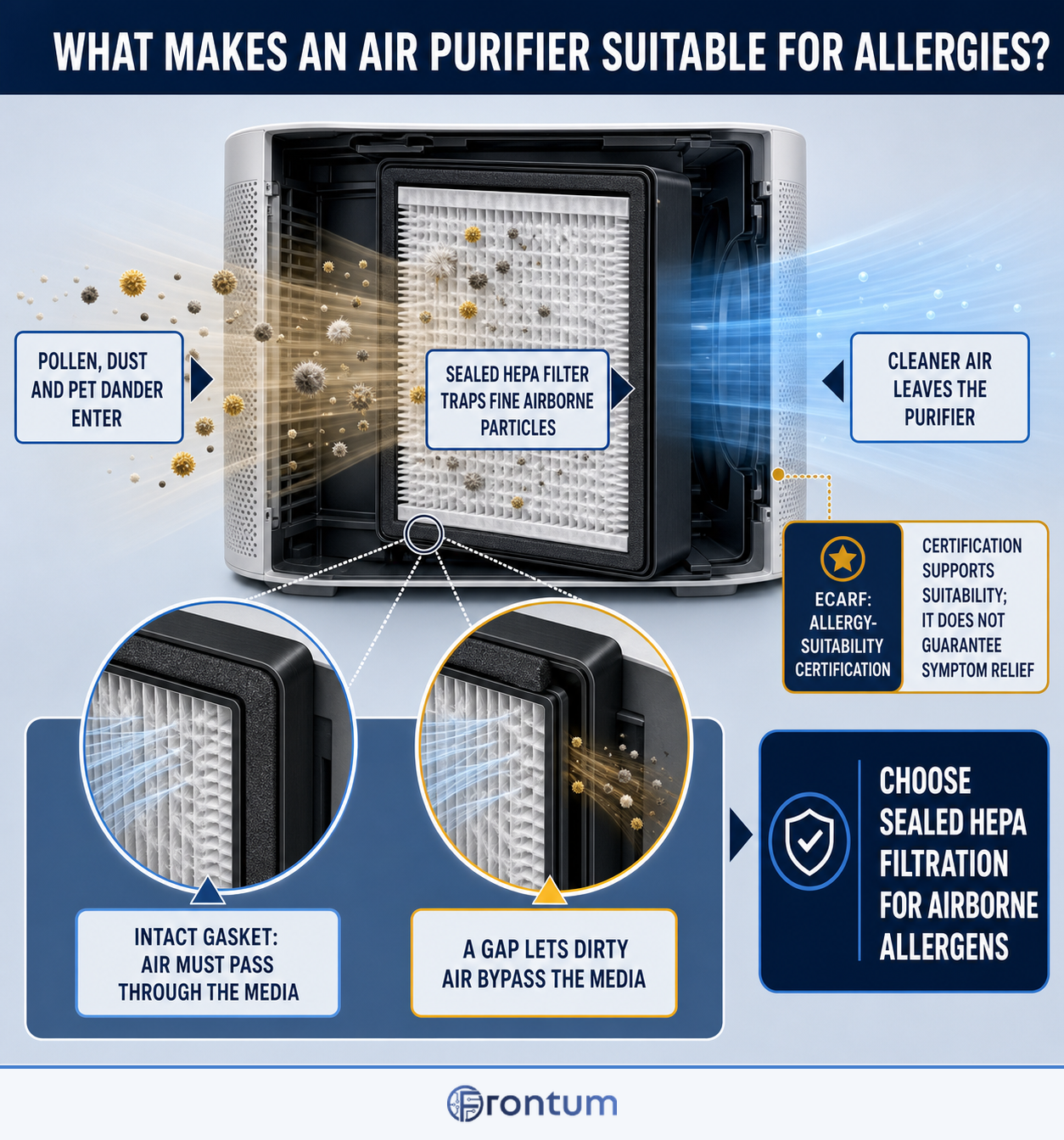
An allergy air purifier should have verified particle filtration, a sealed airflow path, and a certification such as ECARF that assesses suitability for people with allergies. Certification does not guarantee symptom relief, but it is stronger evidence than an unsupported allergy-friendly label.
The particle stage should be a genuine HEPA filter or another filter with a clearly stated efficiency standard. Good sealing matters because air that leaks around the media is not cleaned; avoid vague HEPA-type claims and ionizing-only products, especially when ozone emissions are not independently controlled.
Airflow must also match the room. A practical target is about four to five air changes per hour during periods of high allergen exposure, which means roughly 250 m³/h for a 20 m² room with a 2.5 m ceiling. A washable prefilter, particle sensor, automatic mode, and filter indicator make that performance easier to maintain.
How much do air purifiers for allergies cost?
Air purifiers for allergies usually cost about £100-£400, while small certified models can start near £40-£90 and large-room units can approach £500-£600.
At £90-£220, many models provide ECARF certification, HEPA filtration, a prefilter, and basic automatic control for bedrooms or medium rooms. Spending £220-£430 generally buys higher CADR, broader room coverage, quieter airflow, stronger sensors, or more convenient controls. Include replacement filters in the budget: a cheaper purifier is poor value if compatible certified filters are costly or difficult to obtain.
The chart below shows the price distribution of air purifiers for allergies.
[vertical-chart-14334891330545433968145826973895832861583795220827]
What should you consider when choosing an air purifier for allergies?
Before choosing an air purifier for allergies, consider the following factors:
- Certification scope: Confirm that the exact model carries current ECARF certification and read what the certification covers. A family name or an allergy-related marketing phrase is not the same as certification for the product being purchased.
- HEPA filter and sealing: Prefer a clearly specified HEPA class or independently stated particle efficiency together with a sealed filter compartment. Air bypass around the filter can reduce real particle removal even when the media itself is efficient.
- CADR and room volume: Aim for about four to five air changes per hour during high-exposure periods. Multiply floor area by ceiling height and the desired air-change rate; a 50 m³ bedroom needs roughly 200–250 m³/h.
- Sleep-mode performance: A bedroom purifier should ideally stay near 20–35 dB at the speed used overnight. Check whether that quiet mode still provides adequate airflow rather than relying only on the lowest noise claim.
- Filter availability and cost: Confirm the replacement part number, expected interval, and local availability before buying. Smoke, pets, heavy dust, and continuous operation can shorten the advertised filter life.
- Secondary technologies: A particle sensor, automatic mode, washable prefilter, and filter indicator improve daily use. If the purifier includes an ionizer or plasma stage, prefer independently verified low-ozone operation and the option to disable it.