
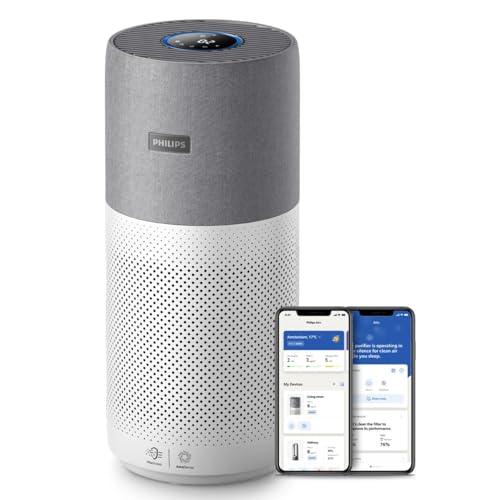
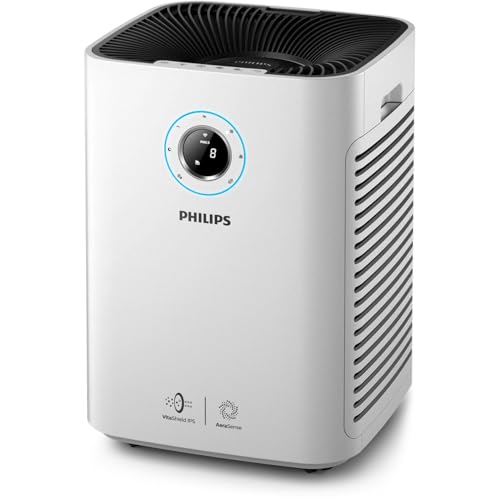
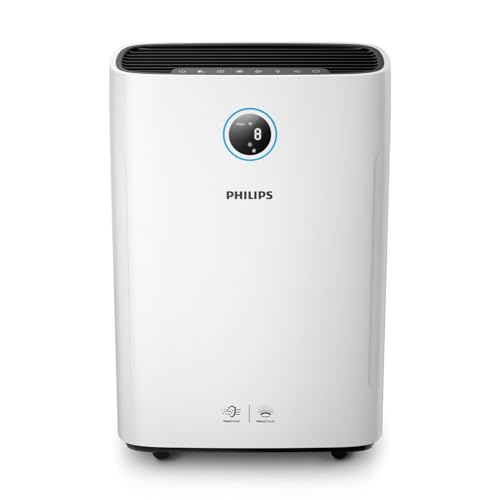
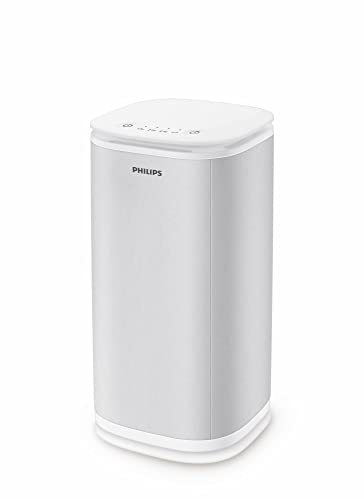
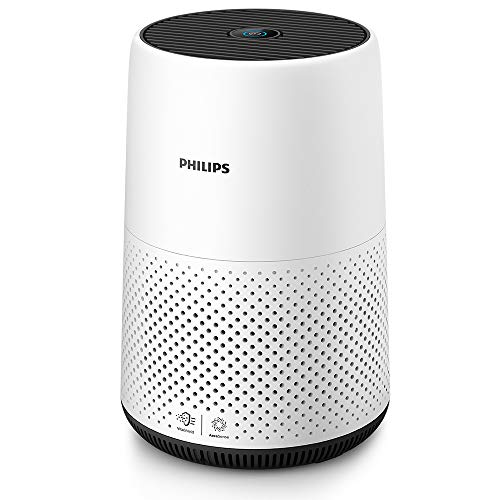
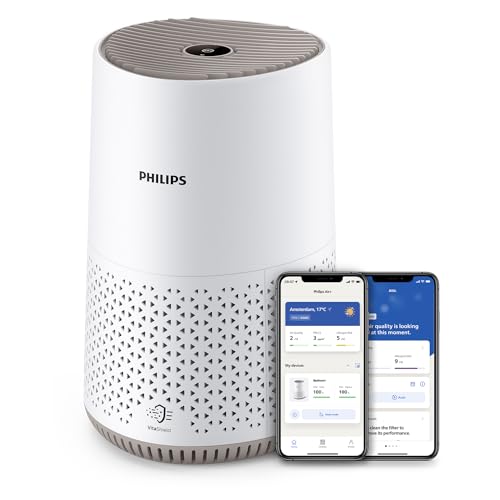
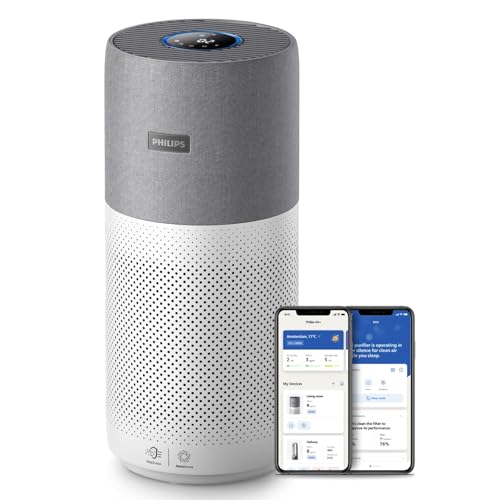
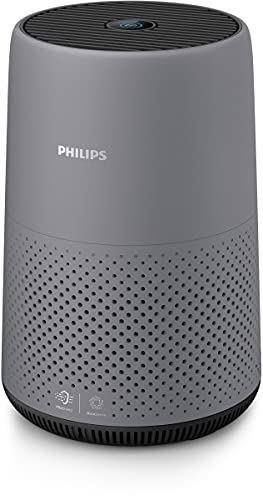


Are Philips air purifiers good?
Philips air purifiers have an average overall score of 7.6, ranking #2 among comparable air purifier brands, and a user rating of 8.6, placing them at #5 based on user reviews.
Philips air purifiers are a strong choice for buyers who want automatic sensing, NanoProtect HEPA filtration, and a clear path from compact bedroom models to high-CADR large-room units. The connected ranges add Air+ scheduling and remote control without removing appliance controls.
Philips air purifiers vary sharply by exact model: carbon, Wi‑Fi, washable prefilters, and combination functions are not universal, while larger cartridges and premium hybrids increase running cost and floor-space needs. The full AC or AMF code matters more than the series name alone.
The chart below compares Philips with other air purifier brands by average overall score.
[horizontal-chart-14864484804626698665012994058484894238043460741084]What are the main advantages of Philips air purifiers?
The main advantages of Philips air purifiers are as follows:
- NanoProtect filtration: Philips combines a fine-particle filter with a prefilter and, on many models, activated carbon. The exact layer stack varies, so buyers can choose a simple particle-focused unit or a fuller solution for particles and mild odours.
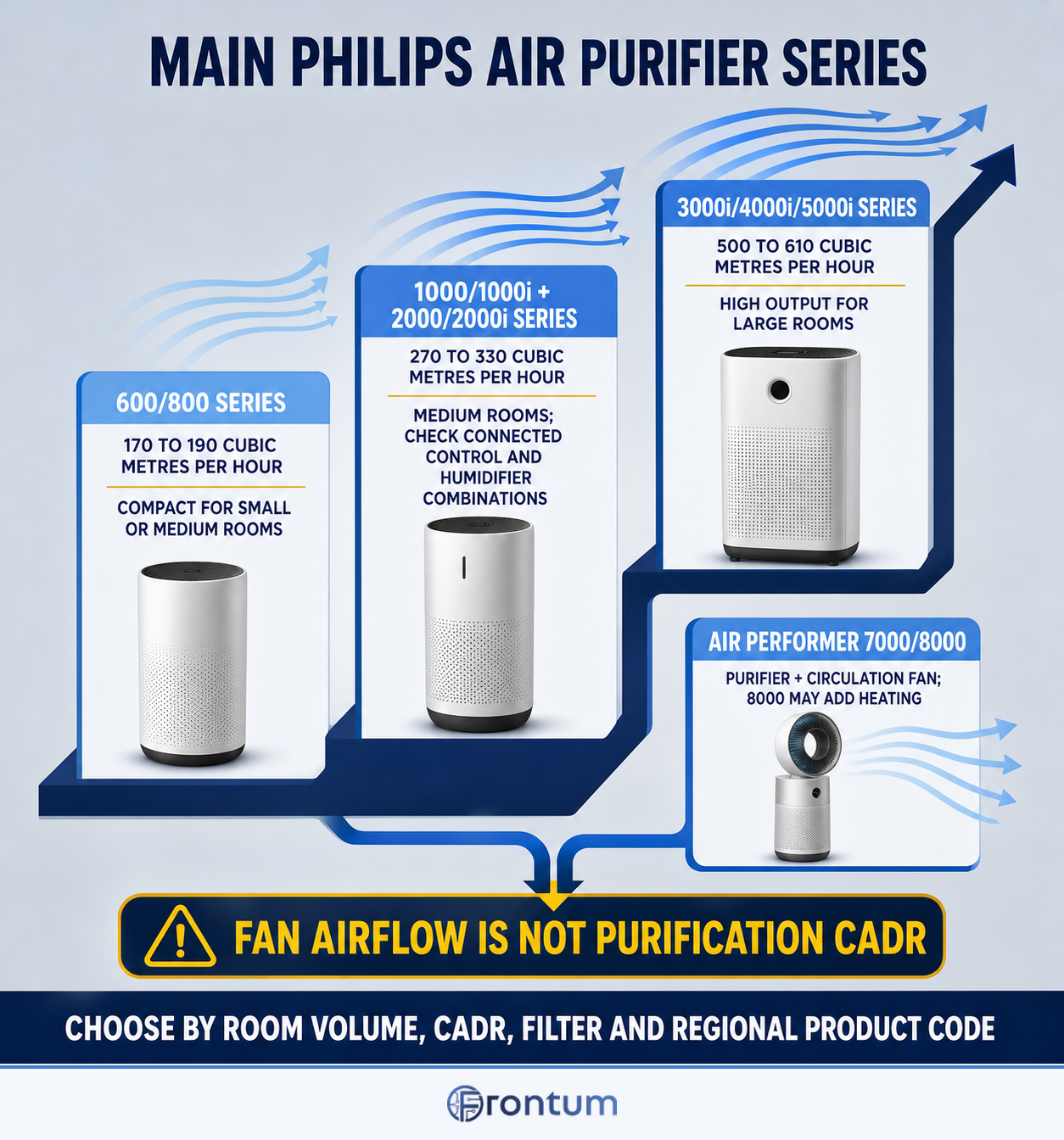
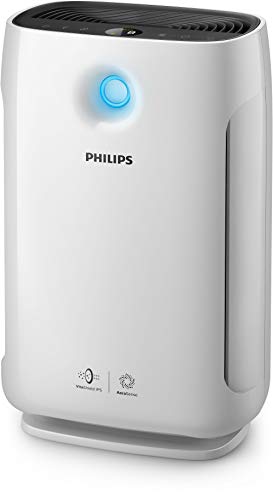
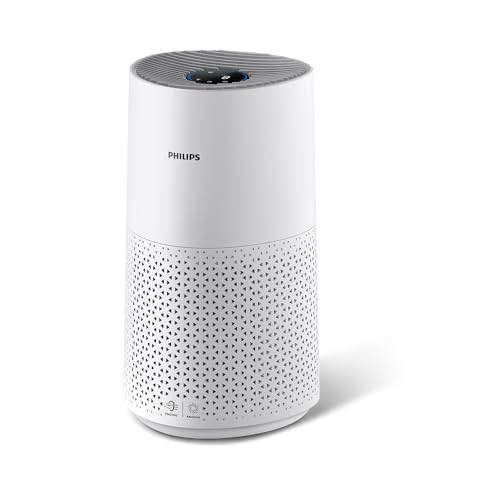
- Wide airflow range: Philips offers compact models around 170–190 m³/h, mainstream units near 270–330 m³/h, and large-room purifiers around 500–610 m³/h. That range makes it easier to buy capacity headroom instead of forcing a small purifier to run loudly at full speed.
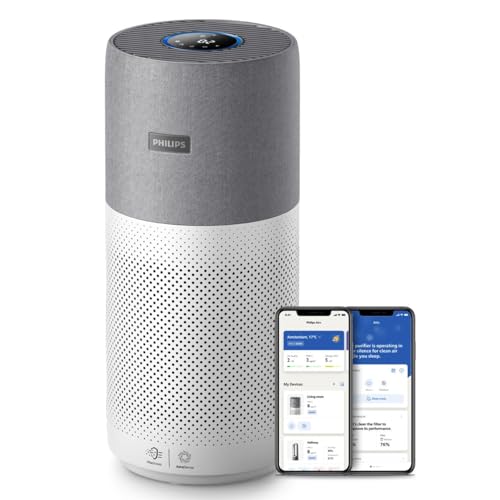
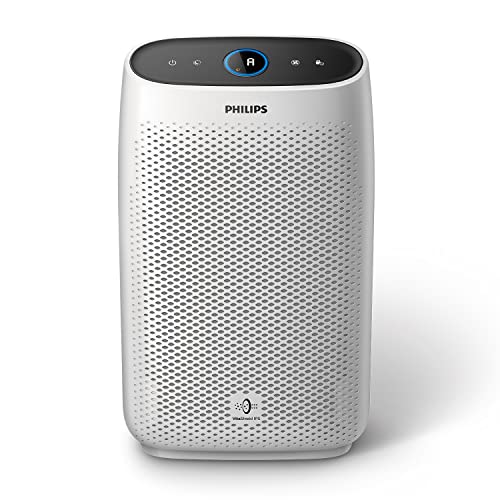
- AeraSense automatic control: Many midrange and premium models use particle sensing to show air quality and adjust fan speed. Numerical or colour feedback makes changes visible, although the sensor remains an appliance control rather than a safety-grade monitor.
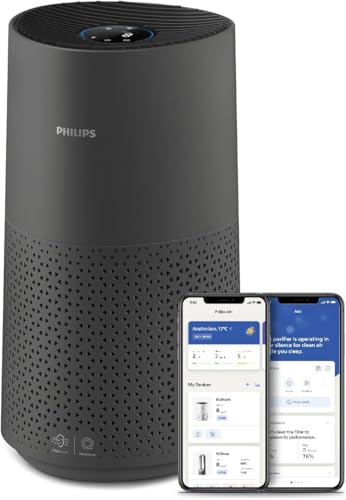
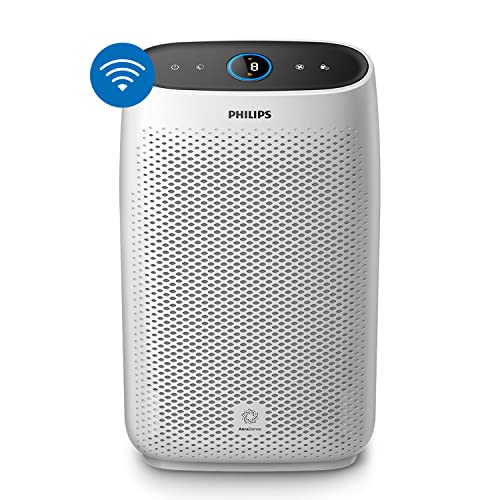
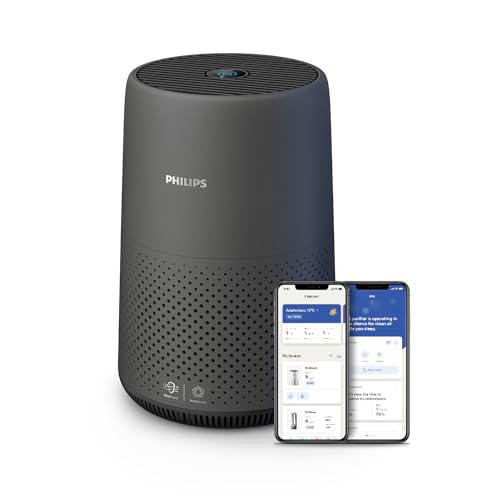
- Air+ connectivity: Connected models can provide remote control, schedules, indoor and outdoor air information, and filter reminders. Core operation remains available on the appliance, while the app is most useful for automation and checking conditions away from home.
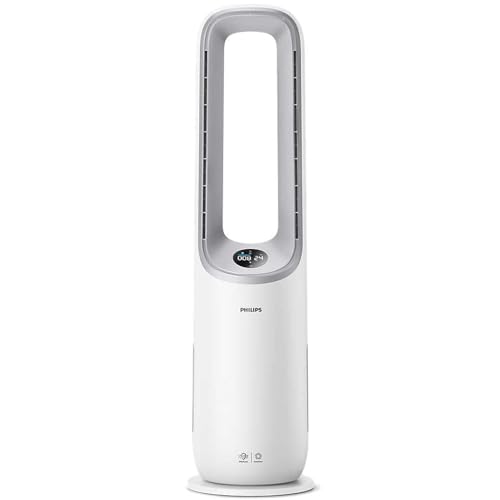
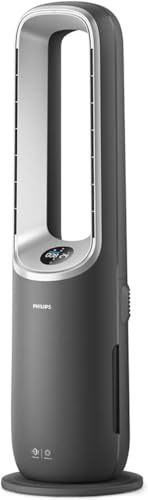
- Choice of formats: The range spans compact cylindrical purifiers, conventional large-room towers, purifier-humidifier combinations, and Air Performer fan or heater hybrids. This breadth lets buyers prioritise footprint, airflow, climate comfort, or all-season use without leaving the Philips ecosystem.
What are the main disadvantages of Philips air purifiers?
The main disadvantages of Philips air purifiers are as follows:
- Complicated model naming: Series numbers, the i suffix, and regional AC or AMF codes do not always reveal every feature. Compare the complete product code because connectivity, filter layers, sensors, and accessories can differ within a nominal family.
- Proprietary replacement filters: Each model accepts a specific Philips cartridge or filter set, and prices can add significantly to annual ownership cost. Confirm the exact filter code, local stock, and whether carbon and HEPA stages must be replaced together.
- Noise at maximum airflow: Several high-output models approach roughly 50–60 dB at their fastest setting. Night mode can be much quieter, but buyers should compare CADR at the speed they can tolerate rather than combining minimum noise with maximum airflow claims.
- Uneven features across the range: Wi‑Fi, activated carbon, and washable prefilters are not universal on every Philips purifier. A lower series can be excellent for particles yet unsuitable for app control or odour-heavy rooms, so the exact specification matters more than the logo.
- Bulk and price of combination models: Air Performer and purifier-humidifier designs occupy more space and cost more than simple compact purifiers. Their fan, heating, or humidifying functions add convenience but do not automatically increase particle CADR.