
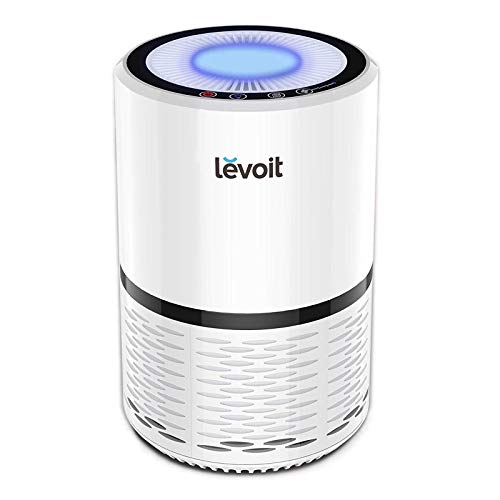
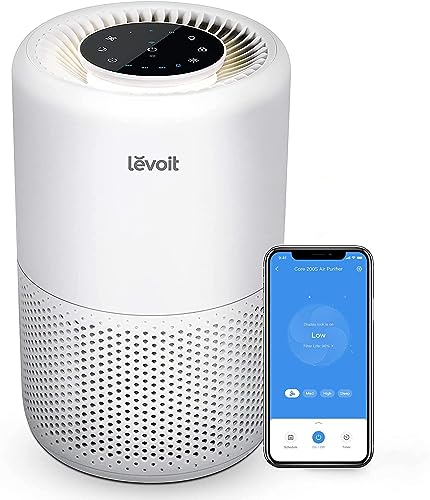
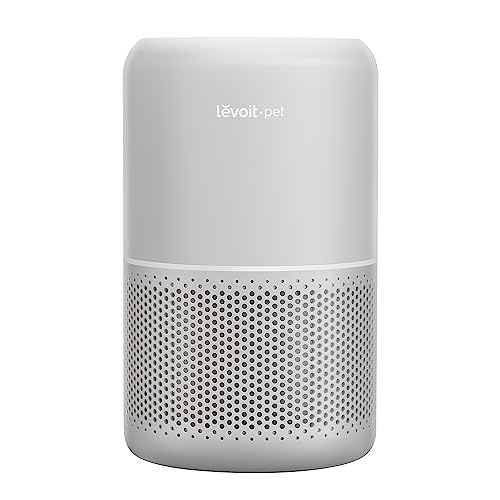
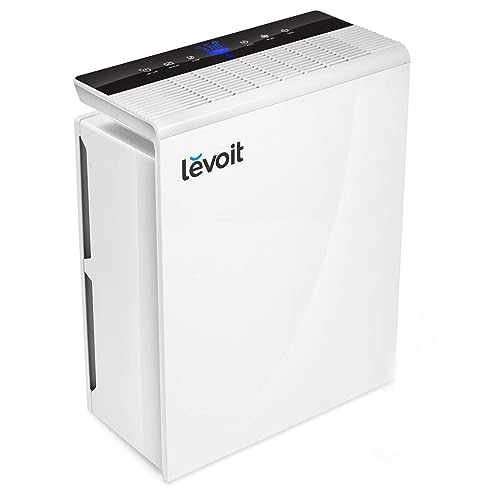


Are LEVOIT air purifiers good?
LEVOIT air purifiers have an average overall score of 6.9, ranking #6 among comparable air purifier brands, and a user rating of 9.5, placing them at #1 based on user reviews.
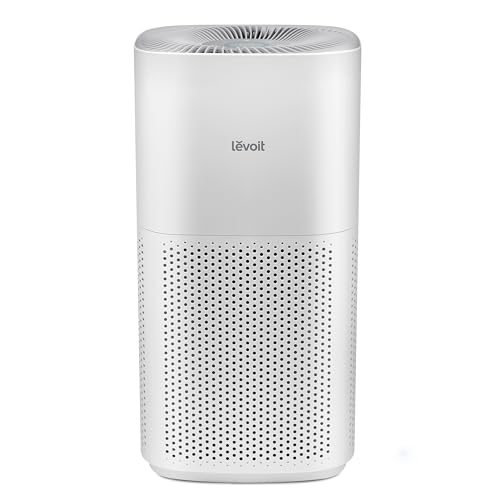
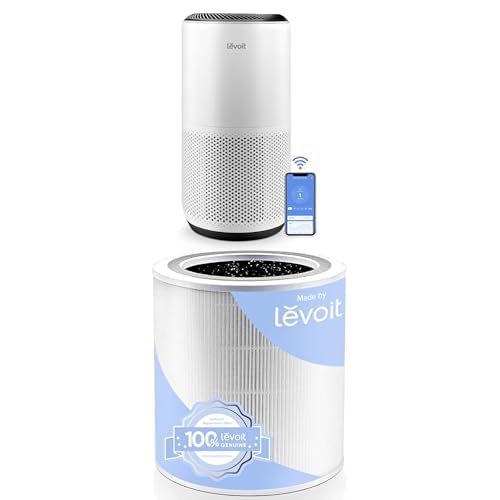
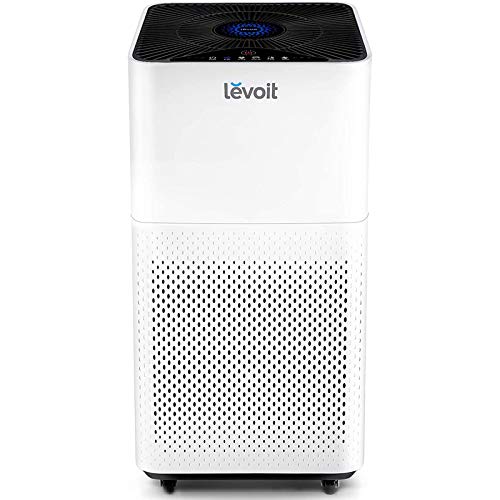
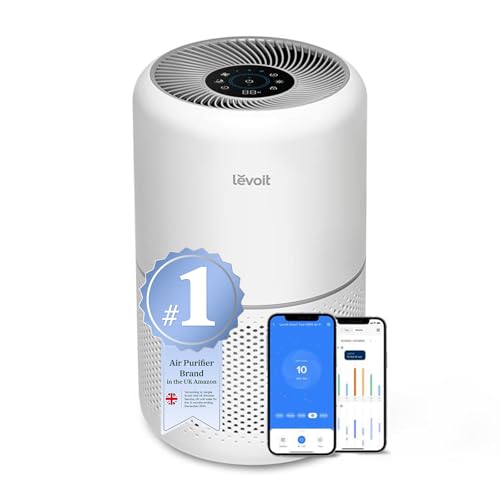
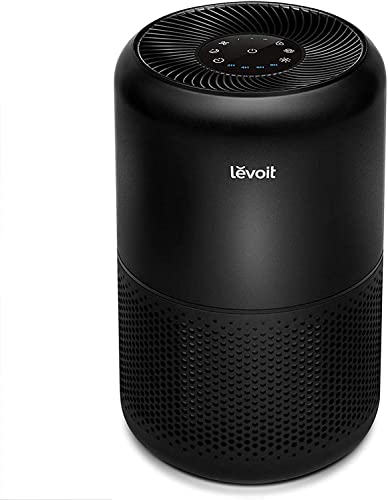
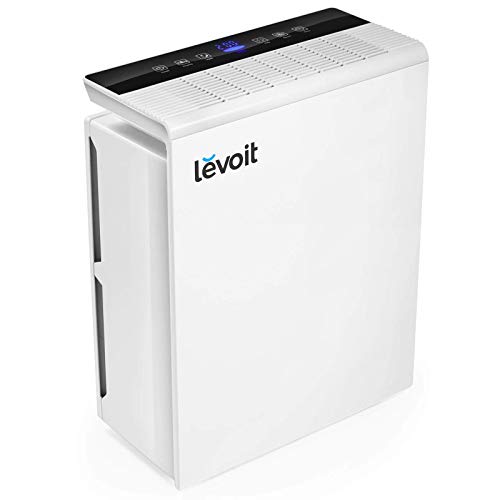
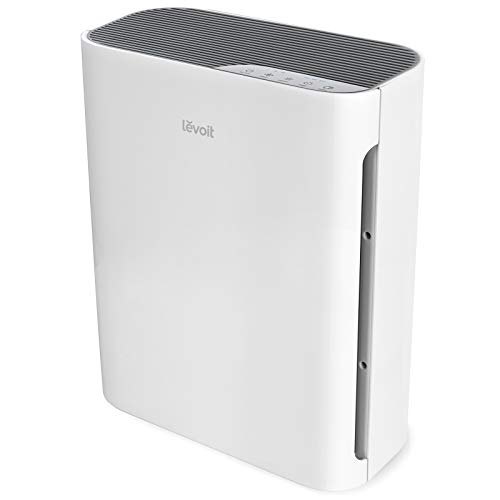
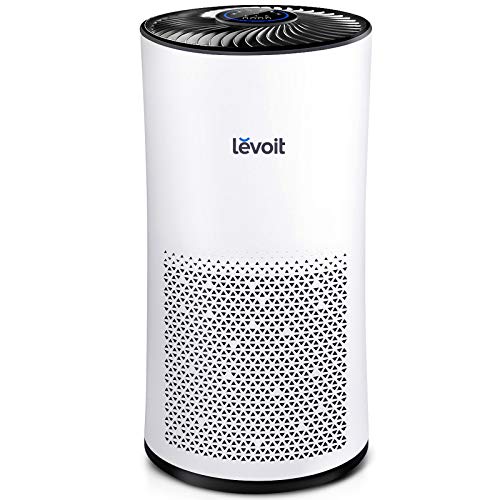
LEVOIT is strongest for buyers who want many price and size choices: a small Core can be inexpensive and quiet, while the Core 400S and 600S offer far more airflow without Dyson pricing. Smart “S” models and the Core P350’s pet-oriented positioning make the catalogue easy to tailor when the exact specification is checked.
The breadth also creates risk. Some small models have limited CADR, carbon layers differ, and not every product has Wi‑Fi or the same filter. Choose from the airflow and pollutant requirement first, then use the app, shape, or pet filter as a tie-breaker.
The chart below compares LEVOIT with other air purifier brands by average overall score.
[horizontal-chart-14864484804626698665012994058484894238043460741084]What are the main advantages of LEVOIT air purifiers?
The main advantages of LEVOIT air purifiers are as follows:
- Wide price and CADR ladder: The catalogue runs from roughly £30 compact units to around £260 high-output models, with CADR from personal-room levels to about 697 m³/h for Core 600S. Buyers can spend for airflow rather than automatically paying for prestige features.
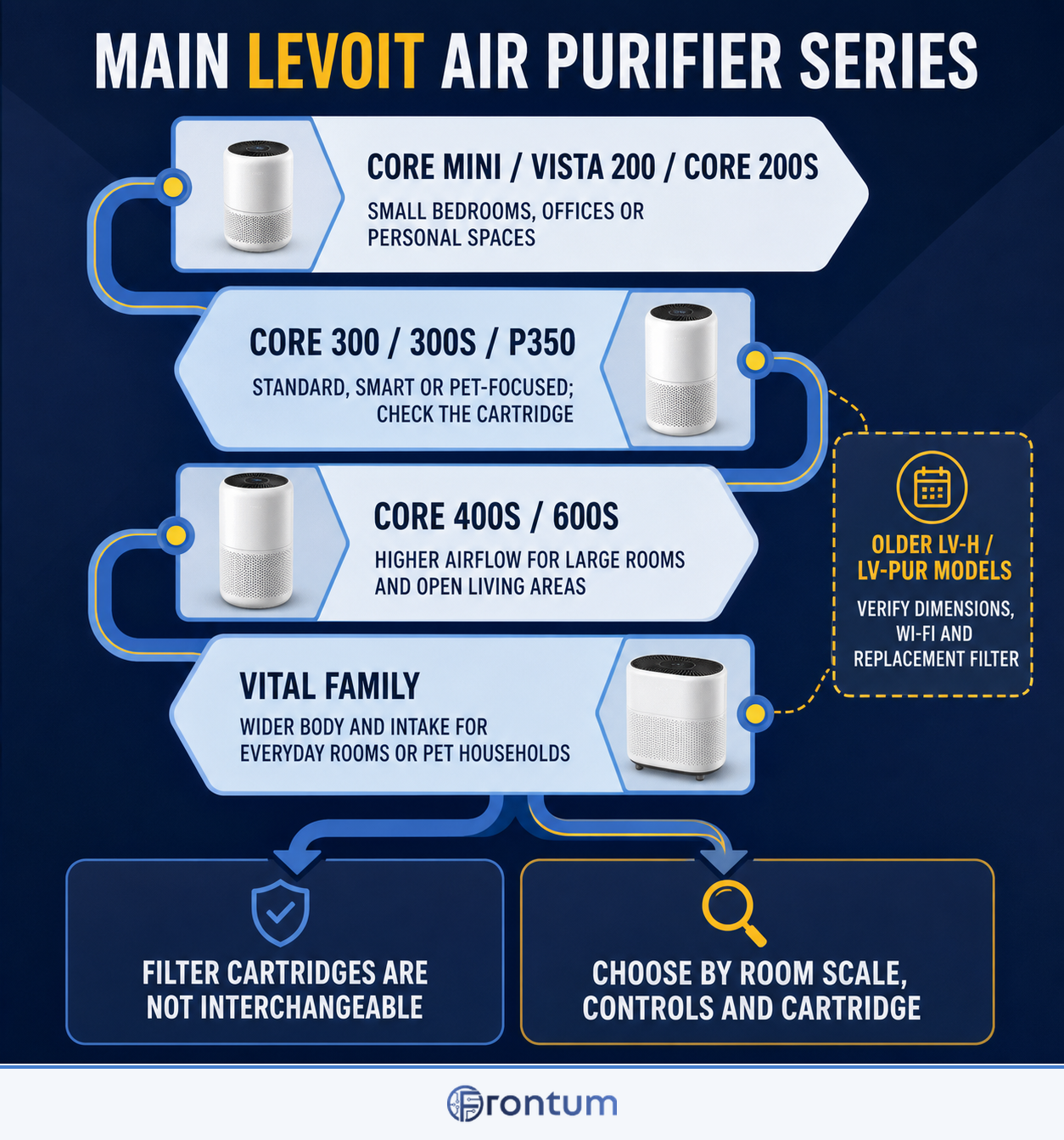
- Useful Core family: Core Mini, Core 200S, Core 300, Core 400S, and Core 600S create recognisable steps in size and capacity. That makes it easier to move up when a room needs more air changes.
- VeSync smart control: S models can provide schedules, remote controls, filter reminders, and live air-quality information through the VeSync app. Non-smart models remain simpler and usually cheaper, so connectivity is optional rather than compulsory.
- Specialist filter choices: Core 300-family cartridges include standard, toxin-absorber, and pet-allergy variants in relevant markets. That gives pet owners and odour-sensitive buyers more choice than a single generic replacement filter.
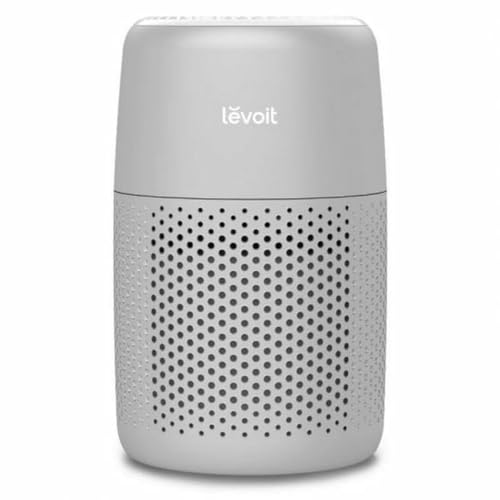
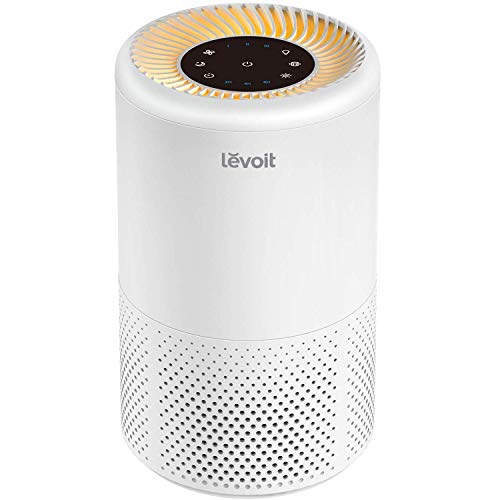
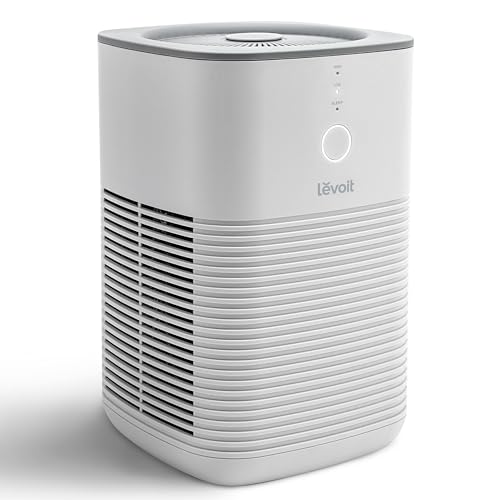
- Compact and quiet formats: Core Mini, Vista 200, LV-H128, and similar units fit desks, bedrooms, and small offices, with low-speed noise designed for sleep. Their limitation is lower CADR, not a lack of placement flexibility.
What are the main disadvantages of LEVOIT air purifiers?
The main disadvantages of LEVOIT air purifiers are as follows:
- Overlapping names and regions: Core, Vital, LV-H, and LV-PUR models can look similar while using different filters and app features. Check the full regional model code and manual instead of relying on a marketplace title.
- Small units have limited headroom: Core Mini, Vista 200, and LV-H128 are useful for personal or small-room use, but their low CADR cannot substitute for a larger purifier in an open-plan room. Running a small unit at maximum can also increase noise.
- Carbon quantity varies: A three-stage label does not reveal how much activated carbon is present. For smoke, cooking odours, or VOCs, compare the actual toxin-absorber or carbon cartridge rather than assuming every LEVOIT filter performs identically.
- Wi‑Fi is not universal: VeSync features belong mainly to S variants, while standard Core, Vital, and older LV models may be offline. Smart control can also depend on app support and the local model region.
- Filter availability and cost: LEVOIT’s wide filter catalogue improves choice but makes compatibility easy to get wrong. Confirm the exact replacement part, pet or toxin variant, replacement interval, and local stock before buying.