What are the best air purifier brands for pets?
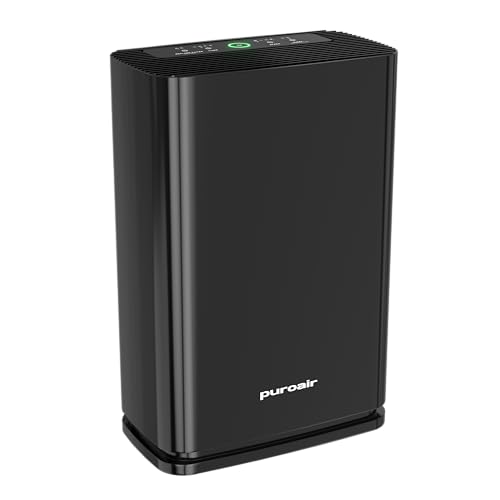
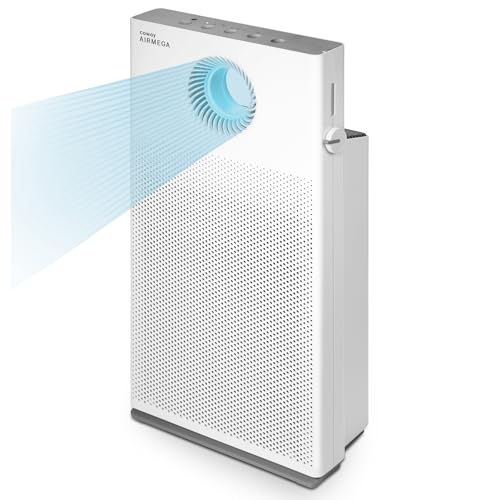
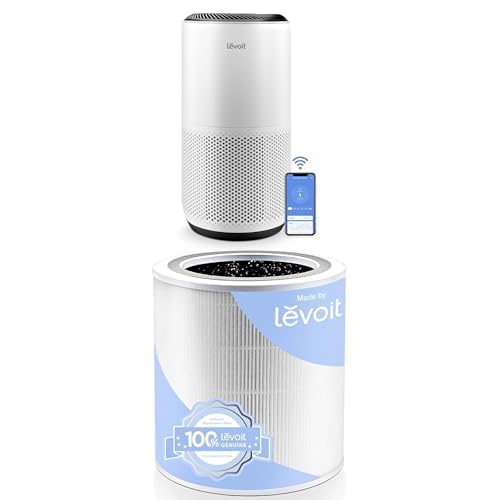
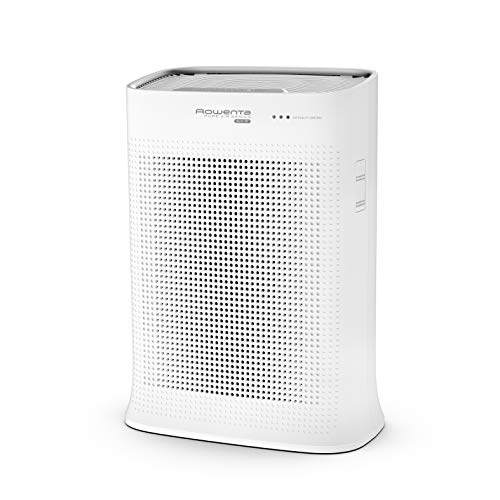
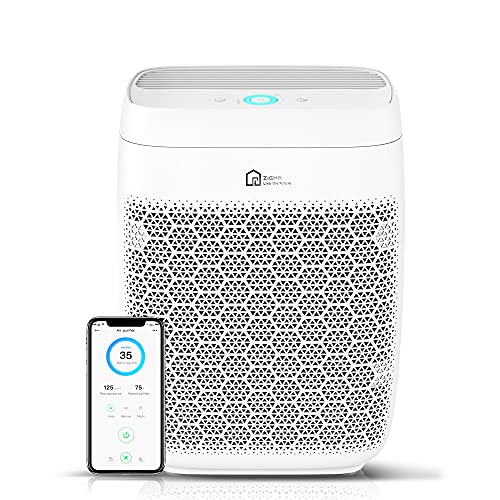
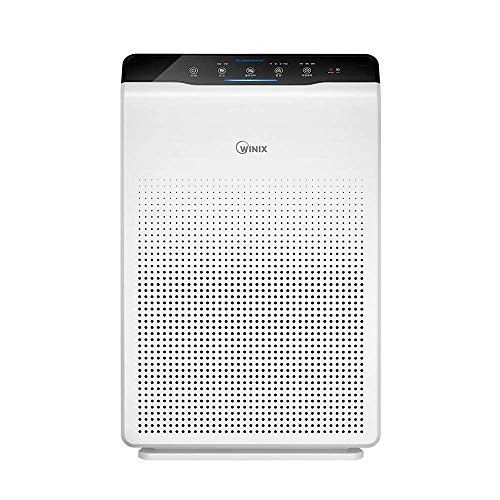
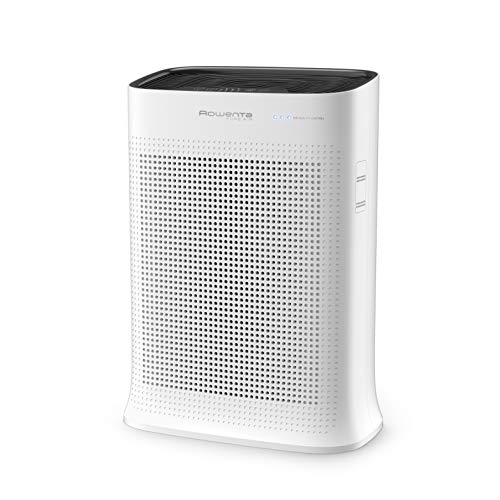
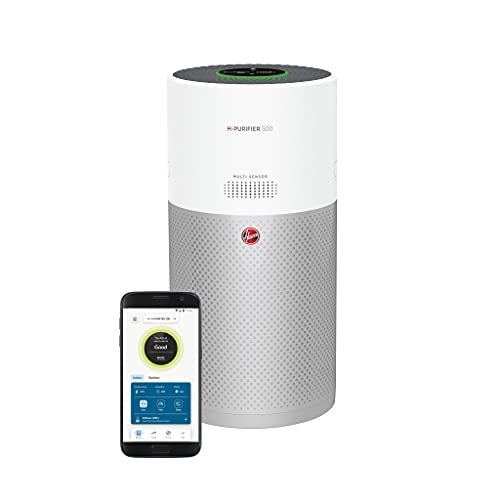
The best air purifier brands for pet owners are ranked below:
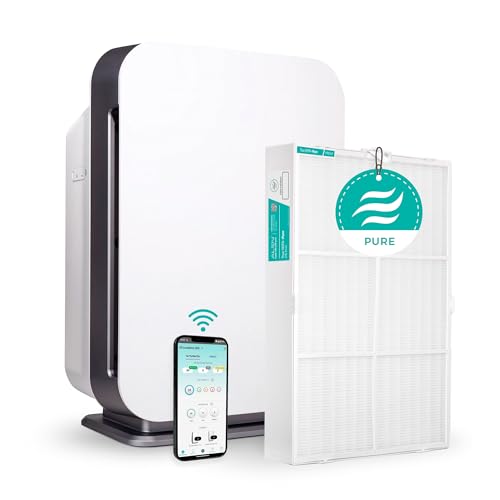
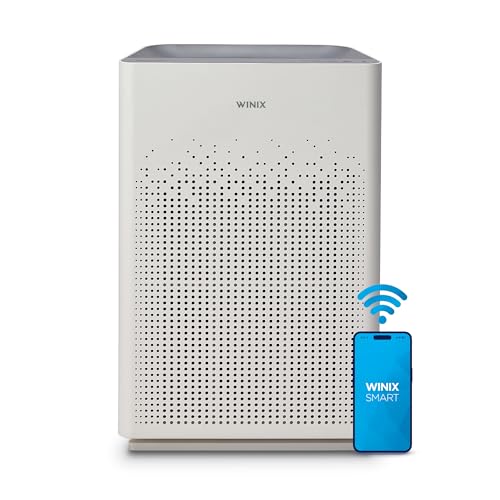
- Winix (Average overall score: 7.9)
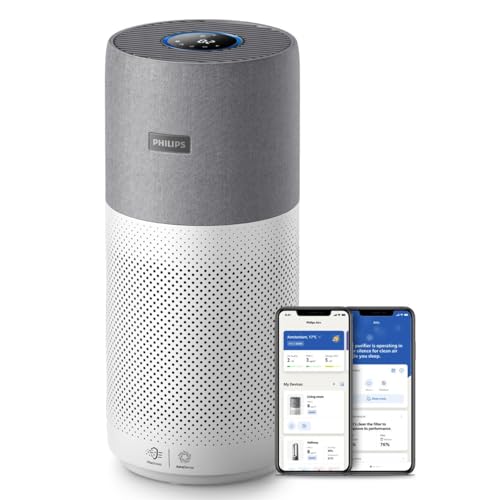
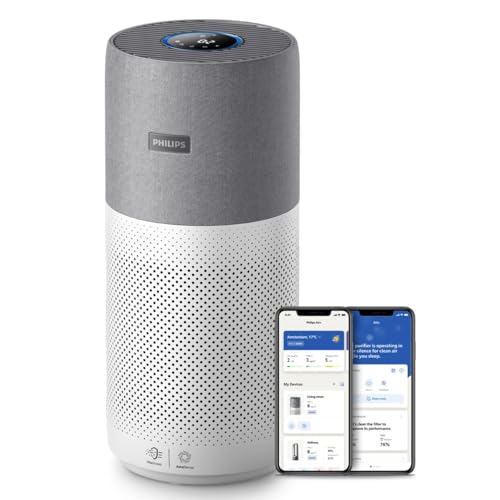
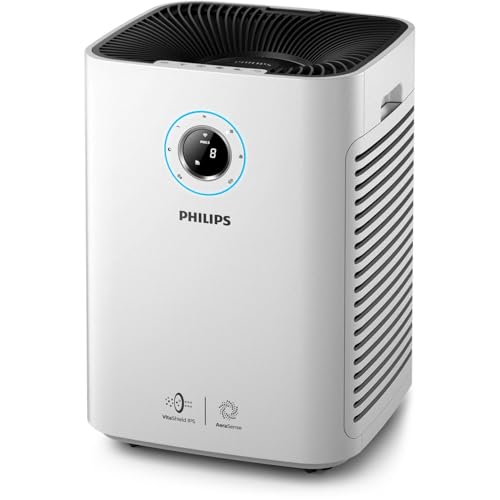
- Philips (Average overall score: 7.7)
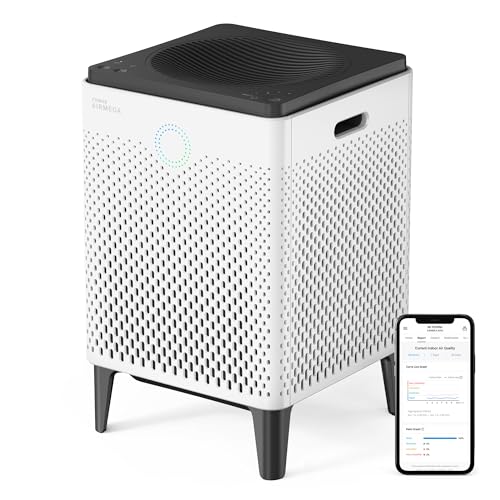
- COWAY (Average overall score: 7.6)
The chart below ranks pet-owner air purifier brands by average overall score.
[horizontal-chart-13558695321237298395038768437464290500410898818880]
In which specific situations can an air purifier help with pet dander?
An air purifier for pet owners is especially useful in the following situations:
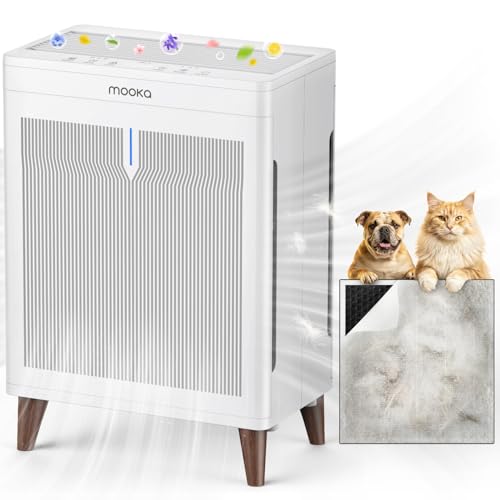
- Shedding and dander: HEPA filtration targets airborne dander and fine particles released when pets move, while a prefilter keeps larger hair from loading the main filter too quickly.
- Litter-box odour: Activated carbon can reduce some gaseous odours, but a thin carbon layer has limited capacity. Ventilation and frequent litter maintenance still matter.
- Multi-pet rooms: More animals create a higher particle load, so choose extra CADR and run the purifier continuously rather than relying on short bursts.
- Bedrooms and resting areas: Low-speed filtration can reduce airborne dander near sleeping spaces. Keep the unit clear of bedding and place it where pets cannot knock it over.
- Grooming and cleaning peaks: Use a higher fan speed during brushing, vacuuming, or after a pet returns from outdoors, then switch back to a quieter setting for ongoing filtration.
What filtration features help an air purifier reduce pet dander?
HEPA media is the main defence against airborne pet dander and other fine particles. A sealed housing matters because bypass around the filter can undermine an otherwise good filter grade.
A washable or vacuumable prefilter is valuable in homes with shedding animals: it catches hair and larger debris before they clog the HEPA layer. Activated carbon helps with odours, but effectiveness depends on the amount and depth of carbon, not simply the word carbon in a specification.
Choose CADR for the room and the number of animals. Four to five air changes per hour is a useful starting point, with higher airflow helpful during grooming, vacuuming, or periods of heavy shedding. Air cleaning complements regular brushing, bedding washes, vacuuming, and moisture control; it cannot remove allergens embedded in surfaces.
How much do air purifiers for pets cost?
Air purifiers for pet owners commonly cost about £100-£400, with compact entry models near £40-£110 and larger or premium units reaching £600 or more.
At the lower end, check that the prefilter is accessible and that replacement filters are easy to obtain. Around £110-£280, you are more likely to find stronger CADR, better carbon, washable prefilters, and quieter automatic operation. Above £280, pay for useful airflow, filter capacity, and durable maintenance features rather than a pet label alone.
The chart below shows the price distribution of air purifiers suitable for pet owners.
[vertical-chart-01174719449939705801021416722165783942012667348157]
What should you consider when choosing an air purifier for pets?
Before choosing an air purifier for pets, consider the following factors:
- HEPA filter and sealing: Verify a clearly specified particle filter and a housing that minimises bypass around its edges. A HEPA label on the media is not enough if room air can leak around the filter instead of passing through it.
- Hair prefilter: Prefer a removable, washable, or vacuumable prefilter so shedding does not rapidly clog the main filter. Check how easily it can be reached, because frequent cleaning is more likely when maintenance takes only a few minutes.
- Carbon quantity: For litter-box or animal odours, look for meaningful activated-carbon depth and plan for regular replacement. A thin carbon coating may reduce mild smells briefly, but it has much less adsorption capacity than a deeper carbon bed.
- CADR and room size: Select enough airflow for the room and the number of animals, with headroom for grooming and cleaning events. Room volume multiplied by four or five gives a useful m³/h starting point, and multi-pet homes may benefit from more frequent air changes.
- Noise and placement: A quiet continuous setting is more useful than a loud purifier that gets switched off. Keep intakes clear, protect the power cable, and choose a stable position where a curious pet cannot tip or block the unit.
- Filter cost and safety: Check recurring filter prices, local availability, and whether the prefilter and carbon stages can be maintained separately. Avoid ozone-producing modes without credible low-emission evidence, especially where pets or people spend long periods close to the purifier.