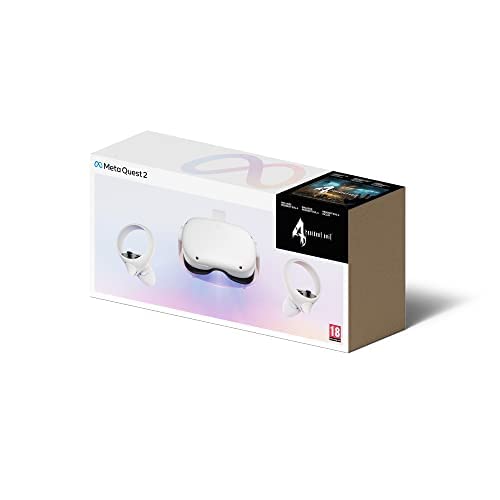
Meta Quest 2 review. Compare 89 technical specifications and user reviews to see how it ranks among VR headsets and if it is worth buying.
Overall score
What it is: An overall evaluation of the VR headset's quality, based on technical analyses and user reviews.
When it matters: When you need a quick reference to identify the best VR headsets on the market.
Score components:
80.0%
Technical Score
20.0%
User score
Technical Score
What it is: An assessment of the VR headset's technical performance, covering eight key areas: display quality, tracking, comfort, controllers, connectivity, audio, battery, and design.
When it matters: When you want to compare VR headsets based on technical performance and available features.
Score components:
58.0%
Display & Optics
22.0%
Tracking & Sensors
10.0%
Controls & Audio
4.0%
Hardware
3.0%
Connectivity
3.0%
Design & Power
User score
What it is: A rating that combines user reviews and the total number of reviews received by the VR headset.
When it matters: When you want to know how a VR headset performs in real use and how reliable it remains over time according to user feedback.
Score components:
70.0%
User reviews
30.0%
Popularity
Score components:
40.0%
Refresh rate
35.0%
Touch controllers
25.0%
Resolution
Score components:
40.0%
Resolution
35.0%
Display type
25.0%
Visible FoV (horizontal)
Available: ranking among products currently available (including other versions of this product).
All: ranking among all products in the database.
#4 in Best Cheap VR Headsets
#4 in Best Meta VR Headsets
#7 in Best Gaming VR Headsets
#9 in Best VR Headsets
What it is: An assessment of the VR headset's technical performance, covering eight key areas: display quality, tracking, comfort, controllers, connectivity, audio, battery, and design.
When it matters: When you want to compare VR headsets based on technical performance and available features.
Score components:
58.0%
Display & Optics
22.0%
Tracking & Sensors
10.0%
Controls & Audio
4.0%
Hardware
3.0%
Connectivity
3.0%
Design & Power
What it is: A rating that combines user reviews and the total number of reviews received by the VR headset.
When it matters: When you want to know how a VR headset performs in real use and how reliable it remains over time according to user feedback.
Score components:
70.0%
User reviews
30.0%
Popularity
What it is: An indicator that combines the VR headset's overall rating with its cost.
When it matters: When you are looking for a VR headset with a good balance between quality and price.
Score components:
60.0%
Overall score
40.0%
Price
Importance: HIGH
Importance: LOW
Importance: HIGH
Good value: >100 Hz
Importance: HIGH
Good value: >105 °
Importance: HIGH
Good value: >97 °
Importance: HIGH
Importance: HIGH
Good value: >850 ppi
Importance: MEDIUM
Good value: >120 nits
Importance: MEDIUM
Importance: MEDIUM
Good value: >44 mm
Importance: HIGH
Importance: MEDIUM
Importance: MEDIUM
Importance: LOW
Importance: LOW
Importance: LOW
Importance: MEDIUM
Importance: LOW
Importance: MEDIUM
Good value: >4
Importance: LOW
Good value: >700 Hz
Importance: LOW
Importance: MEDIUM
Importance: LOW
Importance: LOW
Importance: MEDIUM
Importance: MEDIUM
Importance: MEDIUM
Importance: LOW
Importance: LOW
Importance: LOW
Importance: LOW
Importance: LOW
Importance: LOW
Importance: LOW
Importance: LOW
Importance: LOW
Importance: LOW
Importance: LOW
Importance: LOW
Importance: LOW
Importance: LOW
Importance: LOW
Good value: >0
Importance: LOW
Importance: LOW
Importance: LOW
Importance: LOW
Importance: LOW
Importance: LOW
Importance: MEDIUM
Importance: LOW
Importance: LOW
Importance: LOW
Importance: LOW
Importance: LOW
Importance: LOW
Importance: LOW
Importance: LOW
Good value: >20 hours
Importance: LOW
Importance: LOW
Good value: <135 g
Importance: LOW
Importance: LOW
Importance: LOW
Good value: >3 GHz
Importance: LOW
Importance: LOW
Good value: >8 GB
Importance: LOW
Good value: >128 GB
Importance: LOW
Good value: >3000
Importance: LOW
Good value: >850
Importance: LOW
Good value: >5000 MHz
Importance: LOW
Good value: >690 MHz
Importance: LOW
Good value: >6
Importance: LOW
Importance: LOW
Good value: >3
Importance: LOW
Good value: <7 nm
Importance: LOW
Importance: LOW
Importance: LOW
Good value: >4900 mAh
Importance: LOW
Good value: <2.5 hours
Importance: LOW
Good value: <500 g
Importance: LOW
Importance: LOW
Importance: LOW
Good value: <100 mm
Importance: LOW
Good value: <180 mm
Importance: LOW
Good value: <116 mm
Importance: LOW
Importance: LOW
Importance: LOW
Good value: >35 °C
Importance: LOW
Good value: <3 °C
Importance: LOW
Good value: >2020
Importance: MEDIUM
Importance: HIGH
Good value: >100 Hz
Importance: MEDIUM
Importance: MEDIUM
Importance: HIGH
Importance: LOW
Good value: >20 hours
Importance: LOW
Importance: HIGH
Good value: >850 ppi
Importance: LOW
Importance: HIGH
Importance: HIGH
Good value: >97 °
Importance: HIGH
Good value: >105 °
Importance: LOW
Importance: LOW
Good value: <2.5 hours
Importance: LOW
Good value: >850
Importance: LOW
Good value: >4900 mAh
Importance: LOW
Good value: >8 GB
(Reviews last updated: July 2026)
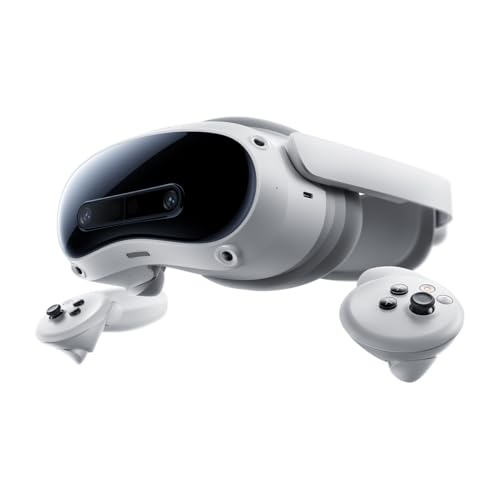
The Meta Quest 2 (originally released as the Oculus Quest 2) represents a highly accessible entry point into room-scale virtual reality, offering significantly upgraded internal specifications at a lower launch price of $299. Built with a smooth white plastic chassis that is 10% lighter than its predecessor, it features crisp visuals driven by an improved per-eye resolution of 1832x1920, a faster 90Hz refresh rate, 6GB of RAM, and a powerful Qualcomm Snapdragon XR2 processor. The standalone system is praised for its incredibly seamless, wire-free setup, allowing players to go from real life to inside a game within 30 seconds by simply painting boundaries with the built-in cameras. Furthermore, it officially supports Oculus Link, enabling users to tether the device to a PC via a USB-C cable to experience high-end graphical titles like Skyrim VR or Half-Life: Alyx. Despite these stellar upgrades, the review highlights several notable compromises. On the hardware side, the included white fabric head strap feels cheaper and less rigid, while the manual inter-pupillary distance (IPD) mechanism has been downgraded to just three fixed settings rather than millimeter-by-millimeter...
The WIRED review by Jaina Grey awards the Meta Quest 2 a highly positive 9/10 rating, defining it as a virtually flawless improvement over its predecessor and an exceptional gateway into virtual reality. The reviewer highlights several standout pros, notably its semi-affordable $300 entry price, a lighter and sleeker design, and a comfortable new fabric head strap. On the technical side, it is praised for seamlessly supporting both standalone (wirefree) and PC-tethered VR experiences, featuring sharper high-resolution displays, and introducing impressive, built-in hand tracking capabilities that allow menu navigation without controllers. However, the hardware does come with distinct cons and compromises. Adjusting the interpupillary distance (IPD) requires users to physically remove the headset to snap the lenses into one of three positions, creating an annoying trial-and-error process if multiple people share the device. Additionally, the loose fabric material of the default head strap fails to securely accommodate ponytails, causing the lens frame to slowly slide down the user's nose over time. Finally, the review includes a strong caveat regarding privacy, warning users about the mandatory requirement of a corporate account...
The Meta Quest 2 is a highly accessible, standalone VR headset featuring a Qualcomm Snapdragon XR2 processor, 6GB of RAM, and a high-resolution 1832-by-1920-per-eye LCD screen that significantly reduces the screen-door effect. It offers precise 6DOF tracking and flexible, optional PC tethering via the Oculus Link feature, cementing it as a versatile,Editor's Choice, consumer-focused device. However, the headset is hampered by a short battery life, lasting only about two to three hours on a single charge. Additionally, the included fabric head strap is uncomfortable for extended use, and the system lacks advanced, built-in features like eye-tracking, say reviewers.
The Meta Quest 2 is an outstanding standalone VR headset that improves upon its predecessor in almost every way, offering an immersive, cable-free experience. It features a lighter design, a powerful Snapdragon XR2 processor, and 6GB of RAM. The display is incredibly sharp, delivering a resolution of 1,920 by 1,832 pixels per eye with a smooth 120Hz refresh rate. Users can play built-in games like Beat Saber using the refined, thicker motion controllers, or navigate menus using bare hands through accurate camera tracking. It also includes a Guardian system to map safe boundaries in your room and supports optional PC tethering via a Link Cable to play advanced Steam VR games. Despite these stellar upgrades, the headset has a few notable drawbacks. The biggest downside is its short battery life, which only lasts between two and three hours on a single charge. While the default elastic headband makes it simple to adjust, it does not provide a very secure fit and can shift during sudden head movements. Additionally, storage is locked at either 128GB or 256GB with no option for...
The Meta Quest 2 stands out as a highly versatile, budget-friendly entry-level VR headset that operates as a standalone device without requiring a PC, console, or external sensors. It provides access to a massive library of content, capable of playing native Meta Quest titles alongside PC-based Steam VR and Meta games via a wireless or wired connection. Its setup is incredibly straightforward, utilizing a user-friendly Guardian barrier system that maps the room through built-in AR cameras. Once configured, it is highly convenient for daily use because it easily slides on and off without bulky padding or finicky dials. However, its low price point comes with several performance and ergonomic trade-offs. The minimalist strap design makes the unit feel front-heavy and prone to shifting, forcing users to overtighten it, which causes discomfort and skin abrasion from the cloth face mask during long sessions. In terms of performance, the headset features a short battery life and mediocre, inside-out tracking that lacks the precision required for competitive gaming. Furthermore, its visuals scored lower than competitors; it has linear, three-preset interpupillary distance (IPD) adjustments...
The Meta Quest 2 remains a highly capable, standalone VR headset powered by a Qualcomm Snapdragon XR2 Gen 1 chipset, 6GB of RAM, and an LCD screen delivering 1832 x 1920 resolution per eye. Its greatest asset is an extensive library of over 1,900 games and apps available via the official store and App Lab, complemented by the ability to sideload APKs and connect to a PC via USB-C or wireless Air Link. The device features a clean, minimalist design with physical volume and power buttons, built-in audio speakers, and a robust Guardian tracking system that maps play spaces and flags external obstructions. However, the hardware shows structural and ergonomic limitations, notably its bulky front-heavy design caused by outdated Fresnel lenses and an uncomfortable, sweat-absorbing foam face cover that lacks ventilation. The built-in audio suffers from sound leakage and a loss of clarity, while the passthrough cameras are restricted to basic black-and-white vision. Furthermore, the battery life is quite short, draining in just two hours during gaming and three hours during media consumption, while requiring over an hour to charge...
Trusted Reviews describes the Meta Quest 2 as an accessible, standalone VR headset that eliminates the need for external sensors or PCs, featuring a high-resolution fast-switch LCD display and a capable Snapdragon XR2 processor. Key pros include improved visual fidelity, responsive touch controllers, and impressive 3D audio, making it a compelling, budget-friendly entry point for VR, say. Conversely, the review highlights notable cons, including a short two-hour battery life for gaming and inconsistent, experimental hand-tracking precision. The built-in speakers lack deep bass, and the unit lacks premium features like color passthrough found in more expensive alternatives.
The Oculus Quest 2, analyzed by 6DOF Reviews, is deemed a significant performance leap for standalone VR, powered by the Qualcomm Snapdragon XR2 chipset and featuring a higher-resolution 90Hz LCD screen that greatly reduces the screen door effect. Key pros include the enhanced, crisp visuals and greatly improved, long-lasting battery life for the redesigned touch controllers. 6 However, the review highlights compromises to meet the budget price, most notably a move from OLED to a single LCD screen that results in washed-out contrast and greyish black levels. Further cons include a less comfortable, flimsy headstrap, a more restrictive three-preset IPD adjustment, and a sweat-prone face foam, according to the 6DOF analysis. 6
The Meta Quest 2 (originally Oculus Quest 2) is a highly affordable standalone VR headset powered by a Qualcomm Snapdragon XR2 processor, 6GB of RAM, and a base storage of 128GB, providing extensive value without requiring a VR-ready PC. It excels as a wireless device, offering an extensive catalog of completely free, high-quality social and gaming apps like Rec Room and First Contact. Additionally, it provides versatile connectivity, allowing players to use a cheap third-party USB cable to link up to a gaming PC and unlock premium SteamVR AAA titles like Half-Life: Alyx. However, the long-term testing reveals multiple drawbacks, particularly concerning the out-of-the-box physical design and game catalog longevity. The headset suffers from a short battery life of under three hours, and the lenses quickly fog up during high-movement or workout sessions. The default white fabric head straps degrade easily by collecting dirt, and the standard foam facial interface absorbs sweat, requiring users to purchase pricey accessories like the Elite Strap for a truly secure fit. Finally, while standalone titles like I Expect You to Die 2 stand out,...
The Radio Times review concludes that the Meta Quest 2 remains a worthwhile purchase, particularly as a budget-friendly entry point into virtual reality even after the launch of its successor. The hardware stands out for its seamless, wireless setup, user-friendly interface, and lack of external camera tracking requirements. It provides access to an extensive, robust built-in library of mainstream titles like Beat Saber and Resident Evil 4 VR. Performance is smooth without requiring a PC, though the device provides the flexibility to connect to a computer via a link cable for high-end PC VR games. Continued developer support is also assured due to the massive active user base. However, the reviewer notes specific drawbacks to consider before buying. Users prone to motion sickness may struggle with certain intense, free-moving games unless they adjust to more restrictive comfort settings. There are also hidden costs to achieve a premium experience, as the reviewer implies the need for separate investments, such as a powerful computer for PC VR capabilities or buying extra Meta Quest 2 accessories to upgrade comfort and functionality. Finally, despite...
The NookGaming review highlights the Oculus Quest 2 as a budget-friendly, standalone VR headset featuring a powerful Qualcomm Snapdragon XR2 processor and a high-resolution 90Hz LCD screen that significantly reduces the screen-door effect. Pros include highly accurate inside-out tracking, superior visuals, and improved, sturdy controllers. Conversely, the review notes significant compromises, particularly with the uncomfortable, floppy default cloth head strap and a front-heavy design. Other drawbacks include limited 2-3 hour battery life and occasional tracking inaccuracies when reaching behind the body.
The Oculus Quest 2 is an standalone virtual reality headset that improves upon its predecessor by being 10% lighter (503g), significantly cheaper at £299, and packed with a more powerful Qualcomm Snapdragon XR2 processor with 6GB of RAM. It features a high-density fast-switch LCD screen delivering 1832x1920 pixels per eye with a 90Hz refresh rate, providing a sharper and smoother visual experience without requiring an expensive gaming PC. Setup is streamlined through a mobile app, utilising four external cameras for inside-out tracking and a virtual "Guardian" safety system to map physical boundaries. The headset boasts excellent built-in spatial speakers, improved controllers with quadrupled battery life and better haptic feedback, and innovative software features like Passthrough+ and controller-free hand-tracking. Additionally, it can connect directly to a computer via a USB-C cable to access demanding PC-based VR libraries. The headset delivers clear advantages but introduces specific trade-offs. The pros include its more affordable entry price, lighter and comfortable design that prevents goggle marks, and console-like cable-free simplicity that eliminates PC driver complexities. It is also highly praised for its massive, profitable library...
The Oculus Quest 2 (later rebranded as the Meta Quest 2) is a standalone, battery-powered VR headset praised as an incredibly immersive, lightweight, and easy-to-use device that eliminates the need for complex PC-tethered wires or expensive setups. It features substantial hardware upgrades over its predecessor, including a Qualcomm Snapdragon XR2 chipset, 6GB of RAM, and a single LCD panel that delivers a sharp resolution of 1832 x 1920 pixels per eye at refresh rates up to 120Hz. Setting up the device is exceptionally fast, requiring just 5 to 10 minutes, thanks to the intuitive "Guardian" safety system that maps the user's physical play boundaries. Additionally, it supports baked-in hand tracking, backward compatibility with original Quest games, Google Chromecast screen sharing, and the ability to tether to a gaming PC via a Link cable or wireless Air Link to play high-end PC VR games. Despite its strengths, the reviewer notes several drawbacks, most notably the controversial requirement to link a Facebook account to use the headset. The physical design also introduces a downgraded, less structured elastic fabric head strap compared to...
Oculus Quest 2 Review Summary The Oculus Quest 2 stands out as a highly versatile, game-changing VR headset that excels in both standalone performance and PC VR capabilities via Oculus Link. Weighing 503g—68g lighter than its predecessor—and boasting a 10% smaller form factor, the refined light-grey design offers improved comfort for extended play sessions, though the white fabric headstrap raises questions about long-term cleanliness. Its definitive highlight is the upgraded fast-switch LCD display, delivering a sharp 1832 x 1920 resolution per eye and a fluid 90Hz refresh rate that surpasses many premium PC VR competitors. Driven by the powerful Qualcomm Snapdragon XR2 platform with 6GB of RAM, the headset ensures seamless, stutter-free performance even during intense gaming sessions. Furthermore, the updated controllers provide significantly improved ergonomics alongside an impressive 4x boost to battery life. Despite its excellent value and premium performance, the Quest 2 carries notable limitations. The replacement of the original continuous IPD slider with a rigid three-preset lens mechanism (58mm, 63mm, and 68mm) complicates initial adjustment and restricts visual quality for users outside this physical range. The on-board...
The Oculus Quest 2 is a standalone, all-in-one virtual reality headset that improves significantly on its predecessor by offering upgraded performance at a lower, highly competitive price point. Powered by a Snapdragon XR2 chipset with 6GB of RAM, it features a crisp 1832 x 1920 pixel display per eye with up to a 90Hz refresh rate, delivering a 50 percent increase in pixels compared to the first Quest. The 503-gram plastic device is lightweight, comfortable, and easy to set up with elasticated straps and three interpupillary distance adjustment settings. It features excellent, built-in spatial audio, updated Touch controllers with a helpful thumb rest, and accurate internal spatial tracking that requires no external sensors. The battery provides roughly 2 to 3 hours of playtime per charge. While it operates as a standalone unit, it can also connect to a gaming computer via Oculus Link for enhanced graphics. Several notable disadvantages and limitations balance these positive features. A mandatory Facebook account is required to use the device, which may deter users concerned about data privacy. The physical hardware only offers limited lens...
The Oculus Quest 2 is a highly impressive, wireless, all-in-one virtual reality headset that successfully separates a high-quality VR experience from the need for a powerful PC. Available in 64GB (£299.99) and 256GB (£399.99) models, it offers great value for its price and serves as an incredibly user-friendly entry point for newcomers. Key advantages include its excellent "inside-out tracking" cameras, highly responsive and sturdy controllers, and sharp visual quality that elevates fast-paced games like Rez Infinite. Furthermore, while it cannot natively run massive PC-VR games like Half-Life: Alyx, it provides options to tether to a computer when needed, eliminating the risk of tripping over wires during movement-heavy gameplay. However, the headset suffers from significant physical comfort flaws, as the default headstrap concentrates heavy pressure on the user's cheeks rather than distributing it evenly around the head. This design drawback causes dull facial pain and leaves large red marks after extended play sessions, though users can purchase a separate heavy-duty strap to alleviate the issue. On the software side, the reviewer notes that the device benefits immensely from stellar individual experiences...
The Oculus Quest 2 delivers a massive performance leap over its predecessor, powered by an XR2 chipset that offers twice the CPU and GPU capabilities, resulting in significantly enhanced visual detail and smoothness in updated games. It provides excellent value as a standalone device with flawless performance for Oculus Store titles, and it introduces a highly requested multi-user profile feature that allows multiple accounts to share games while tracking individual progress. Additionally, the headset itself feels lighter and better balanced than the original Quest. However, the headset comes with notable drawbacks, including a mandatory requirement to link or create a Facebook account to use the device. Comfort remains a mixed bag; while lighter, the default soft strap increases facial pressure, making adjustments tedious and official or third-party strap upgrades highly appealing. Furthermore, using the Quest 2 for PC VR via a Link cable presents a hit-and-miss experience for non-Oculus platforms, requiring technical troubleshooting and under-the-hood tweaking to get SteamVR titles like Half-Life: Alyx running smoothly. If you'd like to narrow down whether this headset fits your current setup, let me...
The writer provides a parent and gaming enthusiast's perspective on the Oculus Quest 2 VR headset, which was purchased as a 16th birthday gift for her daughter. As an all-in-one wireless device, its primary pros include outstanding 360-degree visual quality and highly responsive gameplay powered by upgraded RAM, sharp resolution, and a smooth refresh rate. The user highly praises the wireless design that eliminates tangled PC cables, making it exceptionally beginner-friendly. The headset's controllers are also highlighted as a major positive, requiring just one AA battery each while delivering double the battery life of the original version. Additionally, the reviewer highlights several highly immersive and entertaining games that her family loves, such as Beat Saber, Job Simulator, and Vacation Simulator.
The Oculus Quest 2 review by The Verge highlights the headset as a significant, $299, self-contained, and untethered device that bridges the gap between premium performance and consumer-friendly pricing. It features improved 1832 × 1920 resolution per eye, a faster Snapdragon XR2 processor, a lighter design, and versatile functionality with up to 90Hz refresh rates and optional PC tethering. However, the review cites a mandatory Facebook account linkage for operation and an uncomfortable stock head strap as major drawbacks. Additional compromises include a 2-3 hour battery life and less-than-perfect contrast from LCD panels, though it remains a highly recommended mainstream VR option.
The Meta Quest 2 earns a perfect 5 out of 5 rating from Stuff for delivering a streamlined, wireless virtual reality experience that outclasses its predecessor at a lower entry price. The reviewer praises its significant performance upgrades, highlighting a crisp 1832 x 1920 per-eye resolution (a 50% pixel increase) and a powerful Snapdragon XR2 chip with 6GB of RAM that sharper text and reduces gameplay lag via 90Hz refresh rate support. Structurally, the hardware is 10% lighter and smaller than the original Quest, utilizing premium matte plastic, improved wide-tracking Touch controllers, and an easy-to-use virtual "Guardian" boundary setup that ensures safe roomscale physical movement. Are you looking to compare the Meta Quest 2 to newer VR headsets on the market, or
The Meta Quest 2 (formerly Oculus Quest 2) remains a top recommendation for wireless virtual reality gaming due to its impressive standalone performance and lightweight, compact design. Powered by a Snapdragon XR2 chip with 6 GB of memory, the headset delivers sharp, stutter-free graphics on native titles like Beat Saber and Resident Evil 4 VR without requiring a PC tether. It features solid motion tracking via four built-in cameras, an intuitive boundary setup, and built-in 3D audio, offering a highly portable and user-friendly experience that yields roughly two to three hours of battery life. While designed for standalone use, it can also double as a PCVR headset via a wired link or through its experimental wireless Air-Link feature to access extensive SteamVR libraries. Pros and Cons Pros: Outstanding wire-free performance, comfortable and compact build, and seamless functionality as a PCVR headset. Cons: The mandatory requirement to set up a Meta account, awkwardly placed volume buttons on the bottom front of the device, and a white strap that easily accumulates visible dust and grime over extended use. Furthermore, while it remains...
The NextPit review of the Meta Quest 2 highlights it as a highly successful, standalone VR headset that offers a fantastic, budget-friendly entry into virtual reality. The reviewer praises its wireless design, which completely removes the need for expensive gaming PCs, phones, or external tracking sensors to play immersive games. It boasts an impressive hardware package, including an up-to-date Qualcomm Snapdragon XR2 processor, a smooth 90Hz-120Hz display refresh rate that limits motion blur, and a vastly improved display resolution that reduces pixelation. Additionally, users benefit from a massive library of native apps, accurate controller and hand tracking, surprisingly good built-in spatial sound quality, and the ability to connect to Steam VR via Link technology. However, the review points out several notable drawbacks that users should consider. The default fabric head strap feels floppier and less secure, often forcing buyers to purchase a pro-grade strap separately for better comfort. Battery life is also a limiting factor, typically lasting only 2 to 3 hours per charge with a slow overall recharge time. Additionally, the hardware gets noticeably warm during intense sessions, the...
In this Coolblue expert review, the author Giovanni details his experience testing the Meta Quest 2 as a standalone VR headset. A major advantage highlighted is its tether-free, active functionality, allowing users to game anywhere without computer cables as long as a Wi-Fi connection or a smartphone hotspot is accessible. Visually, the single LCD screen is a noticeable step up from the previous Meta Quest model, offering a significantly higher, sharper resolution and an improved refresh rate that bumps from 72Hz to 90Hz to provide a more realistic virtual world. Ergonomically, the device is also praised for its reduced weight—shedding more than 10% compared to its predecessor to weigh roughly 500 grams—which greatly increases wearing comfort during use. Despite these significant improvements, the review identifies multiple design flaws. A notable physical con lies in the controllers; while comfortable to hold, the bumper buttons completely lack tactile feedback, making it easy to press them with very little force without the user realizing it. Furthermore, the built-in stereo speakers provide only average, non-immersive audio that fails to deliver a convincing surround sound...
The Meta Quest 2 is an affordable, completely wireless, and standalone VR headset that provides an excellent entry point into virtual reality without requiring a PC, console, or smartphone. It features a sharp display with an 1832 × 1920 resolution per eye and supports refresh rates up to 120 Hz, making it highly effective as a portable personal cinema for streaming apps like Netflix and Prime Video. Beyond gaming, it shows high innovation in mobile office productivity through "Horizon Workrooms," allowing users to stream up to three virtual PC monitors and use fluid, controller-free hand tracking for daily tasks. Comfort is another strong point, as the adjustable headband ensures a secure fit that minimizes motion sickness and sweating during active use. However, the headset has notable performance and software limitations. While its movement tracking and controller responsiveness are excellent, games often suffer from muddy textures, rigid animations, and low graphical detail, failing to match the visual fidelity of modern next-gen consoles or the PlayStation VR. The review notes a lack of true system-defining "top games," and while Xbox Game Pass...
The Meta Quest 2 is an affordable standalone Virtual Reality headset that provides a high-quality, immersive entry into VR without requiring a high-end PC or a €1,000 investment. Weighing roughly 500 grams, it features a wireless, lightweight design that functions completely independently using an internal Fast-Switch LCD display, delivering a fluid 1,832 x 1,920 resolution per eye. The review highlights its easy setup process, precise controller features—which are well-utilised in a dedicated tutorial environment—and an expansive application store loaded with interactive games and virtual experiences. Furthermore, users looking for advanced graphical fidelity have the option to connect the headset to a powerful gaming PC via a physical Link cable or wirelessly through a home network.
The Meta Quest 2 is an all-in-one standalone VR headset that provides an affordable entry into virtual reality without requiring a PC or console connection. Powered by the Snapdragon XR2 Gen 1 processor with 6 GB of RAM, it delivers a smooth performance via dual 2.73-inch LCD panels supporting up to 90 Hz (and experimental 120 Hz) refresh rates. It features reliable integrated 6DoF tracking via four built-in cameras, eliminates the need for external base stations, and now supports controller-free hand-tracking. Users can access an expansive library via the Meta Quest Store, or connect to a PC via Link cable or Air Link (Wi-Fi) to explore premium SteamVR titles like Half-Life: Alyx. Pros & Cons Pros: Offers a budget-friendly entry point to VR with access to a massive app ecosystem and seamless PC VR compatibility. It features highly accurate built-in tracking and surprisingly good 3D spatial audio built into the strap. Cons: The internal 3,640 mAh battery is weak, capping standalone playtime at roughly two hours. The low-resolution, black-and-white "Grayscale Passthrough" makes reading real-world objects difficult, and the stock headstrap...
The Meta Quest 2 arrives in Germany after a two-year delay caused by previous Facebook account requirements, which have now been resolved by shifting to standalone Meta accounts. The reviewer praises the headset as a technical milestone, highlighting its standout ability to play PC VR games wirelessly via WLAN using the "Air Link" feature, which significantly increases gameplay immersion. The integrated LCD display provides a sharp 1832 x 1920 pixels per eye resolution that effectively eliminates the "screendoor effect". Furthermore, its fast refresh rate—which scales from 72 Hz up to 120 Hz—successfully prevents motion sickness, and the inclusion of inside-out camera tracking enables practical beta features like quick-toggle real-world viewing and room-boundary mapping. Despite these strong features, the review identifies multiple design flaws and hidden expenses. The biggest technical drawback is the battery life, which drains in just 70 minutes when running high-end PC games wirelessly, falling short of the advertised runtime. Visually, the headset suffers from a somewhat narrow 90-degree field of view that mimics looking through a diving mask, alongside unusual color fringing on white surfaces. Ergonomically, the...
The Meta Quest 2 is highlighted as a highly successful standalone VR upgrade, priced from €449 for the 128 GB model, which functions effectively without a PC cable link. On the positive side, the headset features a significantly more powerful Snapdragon XR2 processor, 6 GB of RAM, and a sharper LCD screen with an improved resolution of 1832 x 1920 pixels per eye. This hardware boost allows for a much smoother Passthrough mode and fluid refresh rates of up to 120 Hz, which helps minimize motion sickness in supported titles. Additionally, the reviewer noted excellent controller tracking accuracy with no drops, enhanced battery lifespan for the controllers, better internal heat management during long sessions, and seamless integration with Steam VR. However, the review details several notable drawbacks and design compromises compared to the original Quest. Moving from an OLED to an LCD screen results in black tones looking slightly grey rather than fully black. Ergonomically, the physical slider for adjusting pupillary distance (IPD) was replaced by a less convenient three-step manual lens adjustment system, and the standard fabric headband causes...
Die Zeit describes the Meta Quest 2 as a significant, wireless milestone for virtual reality, offering impressive freedom of movement through its "Roomscale" boundary system and standalone design. While it allows for a separate Meta account instead of mandatory Facebook linking, the review notes continued, heavy data tracking by the parent company. However, the hardware poses comfort challenges, with the standard head straps causing physical discomfort during extended use. Users frequently require more comfortable third-party straps and the facial interface struggles to accommodate wider glasses, balancing the device's high-quality, seamless immersion against necessary aftermarket ergonomic improvements.
The Meta Quest 2 offers a highly compelling, standalone VR experience at a budget-friendly price point, providing users with an incredibly swift setup process that takes roughly five minutes via a smartphone app. Powered by the robust Qualcomm Snapdragon XR2 processor, the headset features significantly reduced loading times, minimal menu latency, and fluid refresh rates of up to 120 Hz, which effectively lowers the risk of motion sickness. Its upgraded LC-display boasts a sharp resolution of 1,832 x 1,920 pixels per eye, heavily eliminating the screen-door effect and displaying vibrant, rich colours. Additionally, tracking accuracy remains top-tier even in lower light conditions, and the device functions flawlessly as a PC-VR headset through options like Oculus Link and wireless Air Link streaming. Despite these performance highs, the headset suffers from mediocre, greyish black levels due to the switch from OLED to LCD technology, which diminishes the immersion of dark horror games and films. In terms of physical build, the out-of-the-box comfort is poor; the front-heavy headset relies on a flimsy, hard-to-adjust standard fabric strap and a stiff face cushion, making the...
The Heise Online review describes the Oculus Quest 2 as a versatile, high-quality VR system setting a new benchmark for its €350 price point, highlighting its robust standalone functionality with precise 6-DoF tracking and excellent PCVR streaming capabilities via USB-C. Key advantages include the lack of external sensors, solid performance, and the ability to act as both a mobile and PC-connected headset. Conversely, the review cites the mandatory Facebook (Meta) account requirement as a major drawback due to data privacy concerns and ecosystem locking. Hardware-specific cons include limited graphic fidelity due to the mobile chipset, poor ergonomics from the default strap, and rigid IPD lens adjustments.
The Stiftung Warentest review awards the Meta Quest 2 (128 GB) an overall quality rating of "Good" (2.2), highlighting it as the best standalone VR headset in its class. The primary advantages of the device are its complete freedom of movement without the need for a PC tether, a highly intuitive and rapid setup process, and a lightweight design that enhances general wearing comfort. In performance testing, it achieved solid marks for VR quality, movement tracking, and overall immersion, offering a crisp 1832 x 1920 pixel resolution per eye and a maximum refresh rate of 120 Hz. Additionally, its battery life provides a decent three hours of untethered usage. On the downside, the headset falls short for users who wear glasses, receiving a low score of "Sufficient" due to restricted physical space inside the visor. Audio quality via the built-in system was only rated as "Satisfactory", indicating that external headphones might be needed for a fully immersive soundscape. The most critical failure identified in the review involves data privacy; the headset received a "Satisfactory" (3.5) for basic user data protection...
The Meta (Oculus) Quest 2 is an outstanding standalone VR headset that achieves a 5/5 rating by delivering a true generational leap over its predecessor. Its standout pros include a significant boost in processing power with the Snapdragon XR2 chipset, a lighter 500-gram chassis, and a vastly improved LCD display offering 1832 x 1920 pixels per eye, which virtually eliminates the "screen-door" effect. Additionally, the device features flawless inside-out motion tracking for the headset, controllers, and bare hands, alongside the Oculus Link feature that allows it to seamlessly double as a high-performance PC VR headset. However, the headset does come with a few notable cons, primarily its short battery life, which lasts only between 2 and 3 hours depending on the application. It also replaces the previous smooth IPD adjustment with only three fixed lens positions (58, 63, and 68 mm) and includes a narrow default foam interface that can squeeze large prescription glasses, forcing users to buy a separate "fit pack". Finally, the review highlights that a mandatory Facebook account fusion is required to activate and use the device,...
The Clubic review highlights the Oculus Quest 2 as a leading, budget-friendly standalone VR headset featuring a lightweight design, intuitive setup, improved audio quality, and precise tracking. While praising its performance and content library, the review notes significant compromises for the price point, including a basic, uncomfortable strap system, poor facial interface comfort, limited storage options, and limited battery life.
The Oculus Quest 2 is an outstanding standalone virtual reality headset that delivers a true "roomscale" wireless experience without the need for a PC. It is highly praised for being lightweight, comfortable, intuitive to use, and well-built with excellent heat management. Powered by the Qualcomm Snapdragon XR2 chipset, it offers a massive leap in processing power over its predecessor, resulting in an impressively sharp display where the "screen-door effect" is nearly invisible. Additional major strengths include highly efficient motion tracking for the headset, controllers, and bare hands, alongside the flexible Oculus Link feature that allows it to double as a PC VR headset. However, the headset does come with a few notable drawbacks, most significantly a short battery life that lasts only between 2 and 3 hours depending on usage. The hardware design lacks fine adjustments for interpupillary distance, limiting users to just three fixed positions. Users have also pointed out that the standard foam facial interface is narrow—posing a challenge for those wearing larger glasses—and that switching from an OLED screen to an LCD panel compromises black levels, turning...
summary of the Meta Quest 2 review: The Meta Quest 2 represents a major technological leap forward from the original Oculus Quest, offering vastly improved internal specifications at a lower launch price. It features a powerful Snapdragon XR2 processor designed specifically for standalone VR, 6GB of RAM, and a high-resolution LCD screen that delivers 7 million pixels (a significant jump from the original's 4.6 million). While the initial refresh rate matches the previous model at 72Hz, a post-launch update is planned to boost it to 90Hz. This hardware upgrade allows developers to optimize existing and future games with better textures, improved graphics, and smoother overall performance. However, the reduced price tag resulted in several design compromises, most notably a regression in comfort. The robust, soft-plastic head strap of the original has been replaced with cheap fabric straps that are harder to adjust and less durable against sweat, though users can pay an extra €49 for the premium "Elite Strap" upgrade. Additionally, the premium fabric elements of the headset's body have been replaced entirely with white plastic. On the positive side,...
The reviewed update focuses on a free performance boost for the Meta Quest 2 virtual reality headset, deployed two years after its initial launch. Meta achieved this by overlocking the headset's internal chip via software, increasing the GPU clock speed by 7% from 490 MHz to 525 MHz. This calculation upgrade allows the device to process animations slightly smoother and hit targeted framerates without heavily downgrading screen resolution or dropping pixel density. Pros Free Performance Boost: Users gain up to 7% more GPU compute power entirely through a routine software update. Enhanced Visual Stability: The added power prevents severe resolution drops during heavy rendering to help sustain target frame rates. Extended Longevity: Optimising the existing chipset helps prolong the hardware's usability before it becomes obsolete. Seamless Integration: Starting with system version 49, the dynamic clock speed adjustment requires no complex manual coding from developers or setup from users. Cons Minimal Power Increase: A 7% hardware overclock is a minor upgrade that will not dramatically change high-end gameplay. Developer Dependency: Application developers must actively update their games to fully exploit this...
The Oculus Quest 2 is highlighted as an impressive, standalone virtual reality headset that successfully delivers a next-generation experience without the burden of cords. Weighing 503 grams, the device features a sleek white design and contains a powerful Snapdragon XR2 processor, producing a crisp resolution of 1920x1832 per eye on its 90 Hz LCD panel. Key advantages include its excellent price-to-quality ratio, high-quality built-in 3D audio, and exceptionally precise, ergonomic controllers that outperform older alternatives like the PlayStation Move,. Additionally, its built-in cameras enable an innovative "Guardian" safety system to trace physical room boundaries easily, and the headset can connect to a PC via USB-C to run demanding SteamVR titles like Half-Life: Alyx,. On the downside, the reviewer notes a few comfort and software ecosystem limitations. A specific design flaw involves the nose bridge, which does not seal tightly enough and allows breathing to fog up the lenses unless the user consciously breathes through their mouth. The mandatory requirement to log in using a Facebook account also stands out as a notable point of criticism for users concerned with data...
The Distrito XR review identifies the Meta Quest 2 as a highly versatile, cost-effective standalone VR headset, driven by a Qualcomm Snapdragon XR2 processor and 6GB of RAM. Key pros include a sharp 1832x1920 per-eye LCD display, support for 120Hz refresh rates, responsive inside-out tracking, and seamless wireless PC VR connectivity via Air Link. Conversely, the review highlights significant cons, including a brief two-hour battery life and an uncomfortable, flimsy stock headstrap. Further drawbacks include a restricted three-position IPD adjustment and a facial interface that traps heat and can be uncomfortable for glasses wearers. YouTube
Red Matter 2 is a retro-futuristic sci-fi VR adventure developed by the Spanish studio Vertical Robot, which sets a new technical benchmark for the Meta Quest 2 standalone console by pushing its graphical boundaries to mimic high-end PCVR performance. Picking up right after the events of the original game, players explore highly realistic, brutalist Soviet-inspired space environments set against a tense, fictional Cold War atmosphere filled with spies, experiments, and anomalous red matter. The sequel expands significantly on its predecessor by allowing players to spend more time exploring breathtaking exterior alien landscapes and introduces enhanced gameplay mechanics. These additions include a more fluid jetpack system for dynamic platforming, a novel 3D-based hacking minigame, and a raygun used for action and stealth sequences, all complemented by an immersive, epic musical soundtrack.
Meta Quest 2 Review Summary The Meta Quest 2 is an exceptional, all-in-one virtual reality headset that functions entirely standalone without the need for external sensors, cables, or a powerful PC. Powered by a Qualcomm Snapdragon XR2 chipset and 6 GB of RAM, it delivers smooth menu navigation, fast performance, and a sharp display resolution of 1832 x 1920 per eye. Weighing 500 grams, the compact and well-padded device remains comfortable for long sessions, and its built-in positional audio speakers provide crisp, highly immersive directional sound. It features an impressive games library, utilizing a reliable Guardian system and Passthrough+ cameras for safety, and allows PC connectivity via a €75 Oculus Link cable to play complex titles like Half-Life: Alyx. Pros and Cons Pros: Wireless standalone design, sharp display resolution, smooth Snapdragon XR2 performance, excellent positional audio, and an expansive software ecosystem. Cons: Non-rechargeable Touch controllers that rely on AA batteries, a short battery life of only 2 to 3 hours, and inconsistent, unintuitive hand-tracking capabilities.
The Meta Quest 2 (formerly Oculus Quest 2) is a stand-alone virtual reality headset that delivers significant hardware improvements over its predecessor at a more accessible entry price. Powered by the Qualcomm Snapdragon XR2 processor and 6 GB of RAM, it provides a massive performance boost comparable to high-end smartphones. The standalone device has physically shrunk in size and dropped its weight to 503 grams, making it more compact. Its standout feature is a new Fast-switch LCD screen that delivers 1.832 x 1.920 pixels per eye. This 50% increase in pixel density drastically reduces the "screen-door effect" and ensures highly legible text across menus and games. Backed by a mature and rapidly expanding library of games, online multiplayers, and media apps like Netflix, the headset completely removes the need for external sensors or complex PC connections.
Oculus Quest 2 Review Summary The Oculus Quest 2 is an impressive, all-in-one standalone VR headset that also functions as a PC VR headset via Oculus Link technology. It features a Fast-switch LCD display delivering 1832 × 1920 pixels per eye (a 50% pixel increase over its predecessor) and supports a 72Hz refresh rate, with 90Hz capability arriving post-launch. Powered by the Qualcomm Snapdragon XR2 platform and 6GB of RAM, it offers highly accurate finger and hand tracking through Oculus Insight, alongside redesigned, ergonomically superior, and highly reactive Touch controllers. Additionally, the device excels with its integrated 360-degree positional audio system, seamless social application integration like Oculus Venues, and a useful Passthrough+ safety feature for viewing physical surroundings. Testing with games like Star Wars: Squadrons and The Walking Dead: Saints & Sinners showcases deep gameplay immersion and desktop-class role-playing mechanics. Key Pros and Cons Pros: High-resolution crisp display with advanced fast-switching LCD technology. Excellent standalone portability combined with robust PC connectivity. Highly accurate and natural hand and finger tracking. Redesigned, highly reactive Touch controllers with automatic power management. Immersive, built-in...
This review awards the Oculus Quest 2 a highly positive 9/10 score, praising it as an incredibly versatile device with an unbeatable quality-to-price ratio. On the positive side, the standalone experience is deemed flawless due to the powerful Qualcomm Snapdragon XR2 processor and a high-resolution LCD display (1832 × 1920 per eye) that nearly eliminates the screen-door effect. The reviewer highlights the accurate inside-out Guardian tracking system, long-lasting controller battery life, and the ability to connect wirelessly to a PC via Air Link or Virtual Desktop. The vast, diverse Oculus store ecosystem further establishes it as the market's leading standalone VR option. Conversely, the review highlights several distinct drawbacks regarding ergonomics, hardware compromises, and PC streaming. Out of the box, the elastic headband and abrasive foam faceplate are highly uncomfortable for sessions exceeding an hour. The display's move from OLED to LCD results in flat, grayish black levels in dark environments, and the built-in audio quality is notably subpar. Furthermore, using the headset for PC VR relies entirely on compressed video streaming, which introduces visual artifacts, ghosting during frame drops,...
The Circospetto review evaluates the Oculus Quest 2 (rebranded as the Meta Quest 2) as a highly fluid, robust, and standalone 2-in-1 VR headset powered by a Snapdragon XR2 processor and 6GB of internal RAM. The primary advantages highlighted include its affordability and excellent value, starting at a base price of under €350 for the 128GB version, and its robust packaging that includes ergonomic L-R motion controllers and a glasses spacer. Reviewers praise the flexible dual connectivity options, allowing it to be used completely wireless or hooked up to a gaming PC via link cable. This feature opens up compatibility with SteamVR and Rift applications. Visually, the headset delivers notable display improvements with a high resolution of 1832 x 1920 per eye and a smooth 120 Hz refresh rate. Conversely, the review addresses notable drawbacks, emphasizing privacy concerns regarding the mandatory Facebook/Meta account login requirement, which risks losing all purchased app store data if account access is lost. In terms of hardware limitations, the headset features an narrow 90-degree field of view and built-in speakers that leak audio to people...
Here is a specific summary of the review: Review Summary The Oculus Quest 2 is a highly flexible VR headset that functions both as a standalone device and as a PC-tethered VR headset via an Oculus Link cable, giving users access to expansive game libraries like SteamVR. On the positive side, it features a massive hardware upgrade with the powerful Snapdragon XR2 processor, 6GB of RAM, and a significantly higher-resolution LCD panel (1832x1920 per eye) that drastically reduces the "screen door effect". The motion controllers also boast improved battery life. Furthermore, its highly competitive entry price of €349 makes quality virtual reality far more accessible to mainstream consumers. However, the lower price point forces several compromises. Design-wise, the premium fabric finish of the original is replaced with basic plastic, and the flexible IPD (interpupillary distance) adjustment is downgraded to just three fixed hardware steps. Critics note that the new LCD display lacks the deep contrast of the predecessor's OLED panels, rendering dark gaming environments washed-out and greyish. Additionally, the included elastic head strap is uncomfortable and difficult to adjust, practically...
Based on the provided review from VR Italia, Virtual Virtual Reality 2 by Tender Claws is a bold, subversive VR experience that shifts away from its predecessor's mechanics to immerse players in a meta-narrative about the metaverse. The plot kicks off with the player's consciousness being uploaded to a digital universe right before its servers are scheduled to shut down permanently to make room for a new iteration. On the positive side (pros), the review highly praises the game's passionate, comedic, and existential script, which delivers a sharp meta-critique of modern virtual reality—acting almost as a direct jab at Meta itself. Additionally, the game features exceptional sound design, an outstanding soundtrack, and excellent English voice acting. Despite a minimal, low-poly graphic style, it manages to deliver highly valuable, stylized scenic environments across its roughly 10-hour campaign, which keeps players engaged with bizarre and chaotic mechanics like fighting giant talking cauliflowers or playing an impossible version of Beat Saber. However, the game presents significant barriers to entry that serve as notable negatives (cons). The review emphasizes that interacting with the game...
The Oculus Quest 2 is an Excellent Choice award-winning standalone VR headset that seamlessly doubles as a PC VR headset via Oculus Link or third-party wireless streaming apps like Virtual Desktop. Powered by a highly capable Qualcomm Snapdragon XR2 processor and 6GB of RAM, it delivers vastly improved graphical capabilities and shorter loading times compared to its predecessor. The standout feature is its sharp single LCD screen, replacing the dual OLED setup of the original model, which increases the subpixel count by over a factor of two to provide 1832x1920 pixels per eye. This high-resolution upgrade significantly minimizes the "screen door effect" and renders bright scenes with natural clarity, although it introduces a maximum field-of-view reduction at wide eye positions and a noticeable drop in contrast, turning pure black levels into dark grey. The headset offers a battery life of 2 to 2.5 hours and features three mechanical interpupillary distance (IPD) presets (58mm, 63mm, and 68mm) instead of a stepless adjustment slider. The primary advantages of the device are its high-resolution display with a 90Hz refresh rate, superior price-to-performance ratio...
The GadgetGear.nl review highlights the Oculus Quest 2 as a significant upgrade, driven by the powerful Qualcomm Snapdragon XR2 chipset which delivers vastly better graphics. Key pros include an affordable price, improved ergonomics with lighter weight, crisp display resolution, and accurate inside-out tracking. YouTube · Conversely, cons include a 2-3 hour battery life caused by the chip not running at maximum capacity to preserve power. Additionally, the stock soft fabric strap is uncomfortable for long sessions, and the mandatory Facebook account login presents data privacy concerns. YouTube
Overview The Meta Quest 2 review collection highlights a standalone VR headset that excels as an entry-level and mainstream option due to its strong performance and versatility. Reviewers consistently praise its high-resolution screen with up to 120Hz refresh rates, faster processor, crisp image quality, and excellent built-in tracking capabilities for both hands and controllers. Its core value proposition lies in a phenomenal price-to-performance ratio and the flexibility to operate completely wirelessly as a standalone unit or connect to a PC via a Link cable or Wi-Fi (using AirLink or Virtual Desktop) for high-end PCVR gaming. Pros and Cons While the hardware delivers immersive gameplay and seamless tracking, it comes with several design compromises. Pros: Highlights include sharp visuals with minimal screen-door effect, reliable wireless PC streaming, strong mobility, and an affordable price point making VR highly accessible. Cons: On the downside, users heavily criticize the uncomfortable default elastic headstrap, which frequently requires purchasing a separate "Elite Strap" accessory. The device's transition to an LCD screen leaves black levels looking greyish, and the physical pupil/IPD adjustment is limited to only three...
Compare