
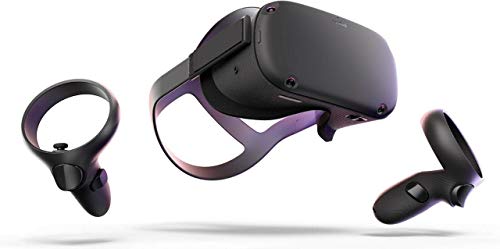
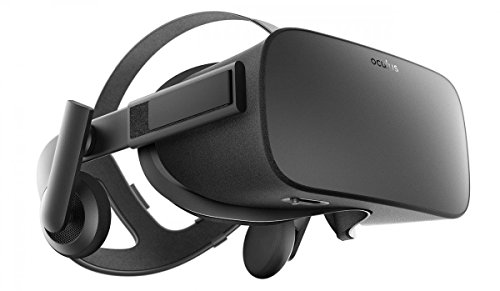
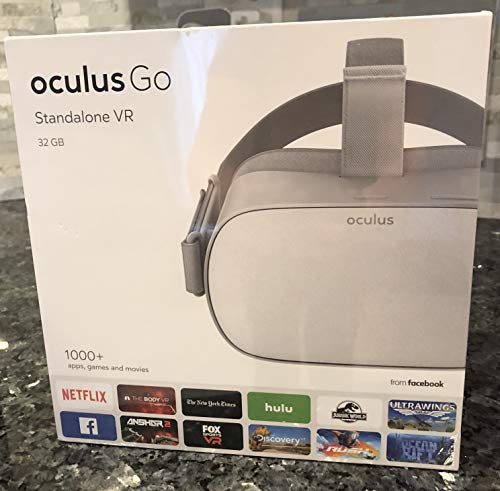


Are Meta/Oculus VR headsets good?
Meta/Oculus VR headsets have an average overall score of 7.7, ranking #1 among VR headset brands, and a user rating of 9.3, placing them at #1 based on user reviews.
The brand family covers everything from older Oculus headsets to newer Meta Quest models, and the best current options balance easy standalone use, strong inside-out tracking, good visual sharpness, and flexible PC-linked support better than most direct rivals.
The main trade-off is that the range spans several generations, so older Oculus models can feel dated in display quality, passthrough, battery life, or long-term support, and the pricier Meta options do not always represent the best value if a cheaper Quest model already fits your needs.
What are the main advantages of Meta/Oculus VR headsets?
The main advantages of Meta/Oculus VR headsets are as follows.
- Strong standalone ecosystem: Meta/Oculus is still the reference point for consumer standalone VR, with broad game, fitness, and media support that makes the headsets easier to justify beyond occasional demos.
- Easy setup and low friction: Quest models use inside-out tracking and self-contained hardware, so you can start playing much faster than with older sensor-heavy PC VR systems.
- Flexible standalone and PC use: The stronger Meta/Oculus headsets can work on their own and can also connect to a PC for a wider SteamVR-style library, which gives the buyer more ways to use one headset.
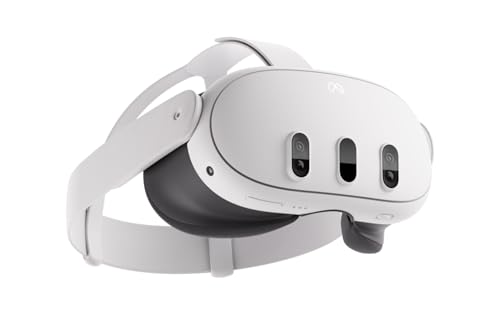
- Strong display and mixed-reality progress: Newer models such as Quest 3 combine sharper 2064 × 2208-per-eye panels with better color passthrough and 120 Hz support, which makes them more convincing for both gaming and mixed use.
- Broad model history: The Meta/Oculus range covers older budget-friendly Oculus models and newer Quest headsets, so buyers can choose between cheaper entry points and stronger modern hardware.
What are the main disadvantages of Meta/Oculus VR headsets?
The main disadvantages of Meta/Oculus VR headsets are the following.
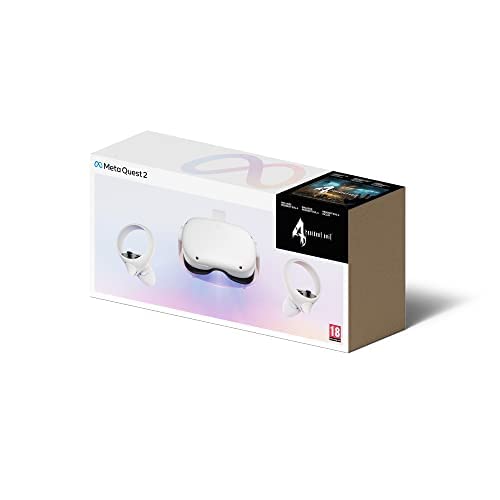
- Uneven lineup age: The Meta/Oculus family spans several generations, and older Oculus models now feel clearly behind newer headsets in clarity, passthrough quality, and long-term software relevance.
- Battery and session limits on standalone models: Standalone Quest-style hardware is convenient, but battery life still matters, especially in longer gaming or fitness sessions where a cable or battery pack becomes part of the setup.
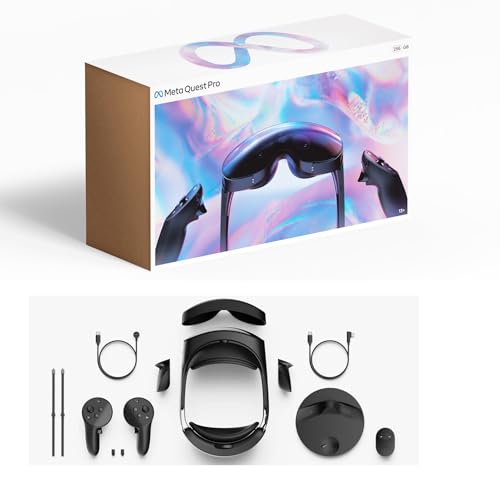
- Expensive top-end option: Quest Pro sits far above the usual mainstream Quest price band, so the premium tier is hard to justify unless you specifically want its extra mixed-reality and work-focused hardware.
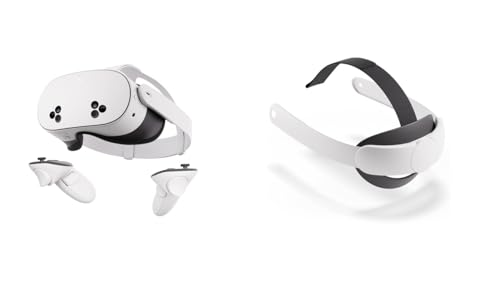
- Comfort is not always perfect out of the box: Some Meta/Oculus headsets benefit noticeably from better straps or face padding, which can raise the real cost if you plan to use VR often.
- Platform dependence: Meta's software ecosystem is one of the brand's biggest strengths, but it also means buyers are more tied to Meta accounts, store choices, and platform priorities than with more open PC-first VR setups.