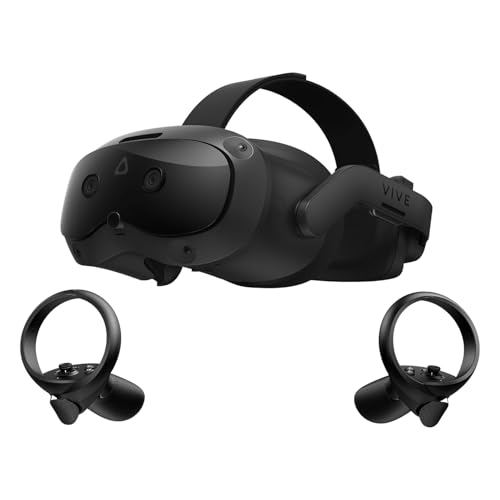
Oculus Go Review | 89 Data compared

double-arrow
  • Avg. price: ~£130
  • Weight: 468 g
  • Resolution: 1280x1440
  • Refresh rate: 72 Hz
  • Display type: LCD
  • Device type: standalone

Oculus Go review. Compare 89 technical specifications and user reviews to see how it ranks among vr headsets and if it is worth buying.

5.7

Overall score

What it is: An overall evaluation of the VR headset's quality, based on technical analyses and user reviews.

When it matters: When you need a quick reference to identify the best VR headsets on the market.

Score components:

80.0%

4.8

Technical Score

20.0%

9.0

User score

Good
4.8

Technical Score

What it is: An assessment of the VR headset's technical performance, covering eight key areas: display quality, tracking, comfort, controllers, connectivity, audio, battery, and design.

When it matters: When you want to compare VR headsets based on technical performance and available features.

Score components:

58.0%

4.0

Display & Optics

22.0%

5.3

Tracking & Sensors

10.0%

8.7

Controls & Audio

4.0%

3.6

Hardware

3.0%

5.2

Connectivity

3.0%

5.2

Design & Power

Poor
9.0

User score

What it is: A rating that combines user reviews and the total number of reviews received by the VR headset.

When it matters: When you want to know how a VR headset performs in real use and how reliable it remains over time according to user feedback.

Score components:

70.0%

8.6

User reviews

30.0%

10

Popularity

User score:
United Kingdom
amazon
4.1
(4500)
amazon
4.2
(3281)
amazon
4.4
(3257)
United States
Amazon_logo.png
4.3
(8070)

(Reviews last updated: July 2026)

Exceptional
  • 6.0
    Gaming

    Score components:

    40.0%

    2.8

    Refresh rate

    35.0%

    10

    Touch controllers

    25.0%

    5.4

    Resolution

  • 4.6
    Movies

    Score components:

    40.0%

    5.4

    Resolution

    35.0%

    5.2

    Display type

    25.0%

    2.5

    Visible FoV (horizontal)

  • oculus-go
  • oculus-go
oculus-go
oculus-go

Best prices in UK

Best rankings

?

Available: ranking among products currently available (including other versions of this product).
All: ranking among all products in the database.

Verdict

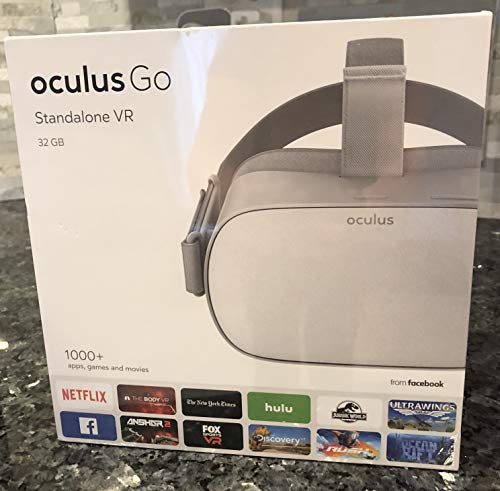
The Oculus Go is an all-in-one standalone VR headset featuring a 5.5-inch fast-switch LCD display with a 2560 x 1440 resolution (538 ppi) and a refresh rate of 60Hz to 72Hz. Powered by a Qualcomm Snapdragon 821 processor with 3GB of RAM and storage options of 32GB or 64GB, it offers 3 Degrees of Freedom (3DoF) head tracking and includes integrated spatial audio and a 3.5mm headphone jack. Its main pros are its affordable entry price, lightweight design (468g), and a wireless experience that requires no PC or smartphone. However, its primary cons include the lack of positional tracking (3DoF only), limited battery life of approximately 1.5 to 2.5 hours, and restricted processing power compared to high-end tethered devices.

Technical Specifications of Oculus Go

Technical Score

What it is: An assessment of the VR headset's technical performance, covering eight key areas: display quality, tracking, comfort, controllers, connectivity, audio, battery, and design.

When it matters: When you want to compare VR headsets based on technical performance and available features.

Score components:

58.0%

4.0

Display & Optics

22.0%

5.3

Tracking & Sensors

10.0%

8.7

Controls & Audio

4.0%

3.6

Hardware

3.0%

5.2

Connectivity

3.0%

5.2

Design & Power

4.8
Oculus Go has a technical score of 4.84 points, which is lower than 81.6% of VR headsets.
User score

What it is: A rating that combines user reviews and the total number of reviews received by the VR headset.

When it matters: When you want to know how a VR headset performs in real use and how reliable it remains over time according to user feedback.

Score components:

70.0%

8.6

User reviews

30.0%

10

Popularity

User score:
United Kingdom
amazon
4.1
(4500)
amazon
4.2
(3281)
amazon
4.4
(3257)
United States
Amazon_logo.png
4.3
(8070)

(Reviews last updated: July 2026)

9.0
Oculus Go has a user score of 9.02 points, which is higher than 91.8% of VR headsets.
Popularity
What it is: An indicator based on the number of reviews received by the VR headset.
When it matters: When you prefer to buy a product chosen and reviewed by many other consumers.
10
Oculus Go has a popularity of 10 points, which is higher than 67.4% of products in this category.
Ratio quality/price

What it is: An indicator that combines the VR headset's overall rating with its cost.

When it matters: When you are looking for a VR headset with a good balance between quality and price.

Score components:

60.0%

5.7

Overall score

40.0%

9.8

Price

6.9
Oculus Go has a quality-to-price ratio of 6.9 points, which is higher than 61.2% of products in this category.
Resolution
What it is: The total number of pixels displayed on the screen, expressed as width x height, determining sharpness.
When it matters: When you want crisp text and sharp details in photos and videos.

Importance: HIGH

1280x1440
Oculus Go has a screen resolution of 1280x1440 which is lower than that of 74.4% of VR headsets and equal to that of 7.7% of VR headsets.
Screen size
What it is: The physical diagonal measurement of the display area, usually expressed in inches.
When it matters: When you want a larger image area that can feel more immersive in games, movies, and VR apps.

Importance: LOW

Good value: >4.41 inches

5.5 inches
Refresh rate
What it is: The number of times per second the display updates the image, measured in Hertz (Hz); higher rates offer smoother motion.
When it matters: When you want scrolling to feel fluid and games to look smoother.

Importance: HIGH

Good value: >102 Hz

72 Hz
Oculus Go supports a refresh rate of 72 Hz which is lower than in 87.2% of VR headsets and equal to that in 7.7% of VR headsets.
Visible FoV (horizontal)
What it is: Measures the visible horizontal field of view of the image, expressed in degrees.
When it matters: When you want a wider left-to-right view for racing, shooters, and room-scale immersion.

Importance: HIGH

Good value: >105.7 °

89 °
Oculus Go offers a horizontal FoV of 89 ° which is narrower than that of 89.5% of VR headsets.
Visible FoV (vertical)
What it is: Measures the visible vertical field of view of the image, expressed in degrees.
When it matters: When a taller visible image helps scenes feel less cropped above and below your view.

Importance: HIGH

Good value: >97.5 °

90 °
Oculus Go offers a vertical FoV of 90 ° which is narrower than that of 77.8% of VR headsets and equal to that of 11.1% of VR headsets.
Show more
Tracking type
What it is: Specifies the tracking method used for positional detection, such as inside-out or outside-in.
When it matters: When you want to know whether tracking depends on onboard cameras or external hardware.

Importance: LOW

3DoF internal sensors
360° head tracking
What it is: Shows whether the headset can track head movement across a full 360-degree space.
When it matters: When you turn around often in room-scale games and do not want tracking blind spots.

Importance: MEDIUM

yes
Oculus Go supports full 360° head tracking. 2% of VR headsets support this tracking mode.
N. of tracking sensors
What it is: Counts the integrated sensors used for positional or motion tracking.
When it matters: When you compare how much built-in hardware the headset uses for motion tracking.

Importance: LOW

Good value: >4.2

1
N. of cameras
What it is: Counts the built-in cameras used for tracking, passthrough, or environmental sensing.
When it matters: When passthrough quality, room mapping, and inside-out tracking matter to your setup.

Importance: MEDIUM

Good value: >4.2

0
Oculus Go has 0 cameras which is fewer than in 64.6% of VR headsets and equal to that in 35.4% of VR headsets.
Tracking frequency
What it is: Indicates how often the tracking system updates position data, measured in hertz.
When it matters: When you want fast motion tracking to stay stable during quick head or hand movement.

Importance: LOW

Good value: >718 Hz

?
Show more
Operating system
What it is: The primary system software that manages the headset's hardware, apps, and core functions.
When it matters: When you have a preference for the user interface and app ecosystem.

Importance: LOW

Android
OpenXR support
What it is: Indicates whether the headset supports the OpenXR standard for compatible VR software.
When it matters: When you want broader compatibility with VR apps across different software platforms.

Importance: LOW

no
Oculus Go does not support OpenXR. 64.4% of VR headsets support this cross-platform VR standard.
Wireless PC streaming
What it is: Shows whether the headset can receive PC VR content over a wireless connection.
When it matters: When you want PC VR without a cable running from the headset to your computer.

Importance: LOW

no
Oculus Go does not support wireless PC streaming. 36.7% of VR headsets support cable-free PC VR streaming.
Wi-Fi connectivity
What it is: The ability of the headset to connect to a wireless network.
When it matters: When you want wireless downloads, streaming, updates, or online features without relying on a cable.

Importance: LOW

yes
Oculus Go has Wi-Fi. 63.3% of VR headsets have Wi-Fi connectivity.
Wi-Fi version
What it is: Version of Wi-Fi standard supported.
When it matters: When compatibility with your router and wireless setup affects download speeds, streaming quality, or latency.

Importance: LOW

Wi-Fi 5
Oculus Go supports Wi-Fi Wi-Fi 5, which is more advanced than 67.4% of VR headsets and equal to 8.2% of VR headsets.
Show more
Touch controllers
What it is: Shows whether dedicated motion controllers are included for hand-based input in VR.
When it matters: When your favorite games rely on precise hand input rather than hand tracking alone.

Importance: MEDIUM

yes
Oculus Go includes touch controllers. 28.6% of VR headsets come with dedicated hand controllers.
Game controller included
What it is: Indicates whether game controllers are included in the standard package.
When it matters: When you want a complete VR package and do not want to buy controllers separately.

Importance: LOW

yes
Oculus Go includes a game controller. 36.7% of VR headsets ship with controllers in the box.
Spatial audio
What it is: Supports immersive spatial audio playback.
When it matters: When movies, games, and VR experiences feel better with more immersive positional sound.

Importance: LOW

yes
Oculus Go supports spatial audio. 10.6% of VR headsets support spatial audio.
N. of speakers
What it is: Counts the built-in speakers used for audio playback.
When it matters: When you plan to use the headset without separate headphones or external speakers.

Importance: LOW

2
Oculus Go has 2 speakers which is more than in 39.1% of VR headsets and equal to that in 60.9% of VR headsets.
N. of microphones
What it is: The number of microphones built into the headset or its integrated hardware.
When it matters: When voice chat, voice commands, or in-headset recording quality matter to your setup.

Importance: LOW

1
Oculus Go includes 1 microphones, which is fewer than 58.1% of VR headsets and equal to 14% of VR headsets.
Show more
Device type
What it is: Describes the overall headset class, such as standalone, PC VR, or mixed reality.
When it matters: When you choose between a standalone headset, a PC VR model, or mixed-reality use.

Importance: LOW

standalone
Chipset
What it is: The central System-on-Chip (SoC) that houses the CPU, GPU, modem, and other core processing components.
When it matters: When you want to know the specific engine powering your device's speed and features.

Importance: LOW

Snapdragon 821
Oculus Go uses the Snapdragon 821 processor model which is slower than processors in 82.4% of VR headsets.
CPU clock speed
What it is: Indicates the base operating frequency of the main processor, measured in gigahertz.
When it matters: When you compare standalone headset speed for games, menus, and mixed-reality apps.

Importance: LOW

Good value: >2.86 GHz

2.15 GHz
Oculus Go has a CPU clock speed of 2.15 GHz which is lower than that of 82.4% of VR headsets.
GPU model
What it is: The official model name of the graphics processor used in the tablet.
When it matters: When you compare graphics hardware for gaming, video editing, or benchmarks.

Importance: LOW

Adreno 530
Oculus Go uses the Adreno 530 GPU model, which is less advanced than that used in 83.3%.
RAM capacity
What it is: States the installed RAM capacity used for system operation and multitasking.
When it matters: When you want smoother multitasking and better headroom for demanding VR apps.

Importance: LOW

Good value: >9.3 GB

3 GB
Oculus Go has 3 GB of RAM, which is less than 83.3% of VR headsets and equal to 16.7% of VR headsets.
Show more
Battery capacity
What it is: The amount of electric charge the battery can store, usually measured in mAh.
When it matters: When you want longer untethered play time without recharging the headset too often.

Importance: LOW

Good value: >4980 mAh

2,600 mAh
Oculus Go has a battery capacity of 2600 mAh mAh which is lower than that of 100% of VR headsets.
Charging time
What it is: Time required for a full charge.
When it matters: When charging speed, charging method, or battery upkeep convenience matters to your routine.

Importance: LOW

Good value: <2.3 hours

3 h
Oculus Go recharges in 3 h, which is slower than 92.3% of VR headsets and equal to 7.7% of VR headsets.
Weight
What it is: The total weight of the headset, affecting how heavy it feels during use.
When it matters: When you want a headset that feels lighter and more comfortable during longer VR sessions.

Importance: LOW

Good value: <484.2 g

468 g
Oculus Go weighs 468 g which is lighter than 73.3% of VR headsets.
Headstrap type
What it is: Identifies the design of the headstrap used to secure the headset on the user's head.
When it matters: When comfort, balance, and pressure distribution matter during long VR sessions.

Importance: LOW

elastic strap
Oculus Go uses a elastic strap headstrap, which is less comfortable than the design on 61.2%.
Body material
What it is: The main material used for the headset body or housing.
When it matters: When you care about how sturdy, premium, or lightweight the headset feels over time.

Importance: LOW

plastic
Show more

Oculus Go vs the average VR headset

  • Includes remote control
    Oculus Go includes a remote control, the average VR headset does not.
    What it is: Indicates whether a physical remote control is included with the soundbar.
    When it matters: When you want easier everyday control.

    Importance: LOW

    Oculus Go includes a remote control, the average VR headset does not.
  • Includes compass
    Oculus Go features a compass, the average VR headset does not. 35.6% of VR headsets include a compass sensor.
    What it is: A digital magnetometer that determines the device's orientation relative to the Earth's magnetic north.
    When it matters: When you are hiking or navigating on foot and need to know which direction you are facing.

    Importance: LOW

    Oculus Go features a compass, the average VR headset does not. 35.6% of VR headsets include a compass sensor.
  • 58.1% lighter controllers
    Oculus Go is lighter than the average VR headset (65 g vs 155 g). The average controller weighs 155 g.
    What it is: States the weight of one controller, usually measured in grams.
    When it matters: When controller comfort matters during long sessions or active rhythm and fitness games.

    Importance: LOW

    Good value: <132.3 g

    Oculus Go is lighter than the average VR headset (65 g vs 155 g). The average controller weighs 155 g.65 g vs 155 g
  • Has Wi-Fi
    Oculus Go has Wi-Fi, the average VR headset does not. 38% of VR headsets have Wi-Fi connectivity.
    What it is: The ability of the headset to connect to a wireless network.
    When it matters: When you want wireless downloads, streaming, updates, or online features without relying on a cable.

    Importance: LOW

    Oculus Go has Wi-Fi, the average VR headset does not. 38% of VR headsets have Wi-Fi connectivity.
  • 19.7% lighter
    Oculus Go is lighter than the average VR headset (468 g vs 583 g). The average VR headset weighs 583 g.
    What it is: The total weight of the headset, affecting how heavy it feels during use.
    When it matters: When you want a headset that feels lighter and more comfortable during longer VR sessions.

    Importance: LOW

    Good value: <484.2 g

    Oculus Go is lighter than the average VR headset (468 g vs 583 g). The average VR headset weighs 583 g.468 g vs 583 g
  • Battery level indicator
    Oculus Go has a battery level indicator, the average VR headset does not. 46% of VR headsets include a battery level indicator.
    What it is: Shows remaining battery percentage.
    When it matters: When charging speed, charging method, or battery upkeep convenience matters to your routine.

    Importance: LOW

    Oculus Go has a battery level indicator, the average VR headset does not. 46% of VR headsets include a battery level indicator.
  • Compatible with Android
    Oculus Go is compatible with Android, the average VR headset is not. 50% of VR headsets support Android pairing or companion apps.
    What it is: Shows whether the headset can work with Android phones or tablets for setup, companion apps, or content.
    When it matters: When you want the headset to pair cleanly with Android phones for apps or setup.

    Importance: LOW

    Oculus Go is compatible with Android, the average VR headset is not. 50% of VR headsets support Android pairing or companion apps.
  • Compatible with iOS
    Oculus Go is compatible with iOS, the average VR headset is not. 34.7% of VR headsets support iPhone or iPad integration.
    What it is: Shows whether the headset can work with iPhone or iPad devices.
    When it matters: When you want the headset to pair cleanly with iPhones or iPads for apps or setup.

    Importance: LOW

    Oculus Go is compatible with iOS, the average VR headset is not. 34.7% of VR headsets support iPhone or iPad integration.
  • Includes compass
    Oculus Go features a compass, the average VR headset does not. 35.6% of VR headsets include a compass sensor.
  • Has Wi-Fi
    Oculus Go has Wi-Fi, the average VR headset does not. 38% of VR headsets have Wi-Fi connectivity.
  • Compatible with Android
    Oculus Go is compatible with Android, the average VR headset is not. 50% of VR headsets support Android pairing or companion apps.
  • Compatible with iOS
    Oculus Go is compatible with iOS, the average VR headset is not. 34.7% of VR headsets support iPhone or iPad integration.
  • Includes remote control
    Oculus Go includes a remote control, the average VR headset does not.
  • 58.1% lighter controllers
    Oculus Go is lighter than the average VR headset (65 g vs 155 g). The average controller weighs 155 g.
  • 19.7% lighter
    Oculus Go is lighter than the average VR headset (468 g vs 583 g). The average VR headset weighs 583 g.
  • Battery level indicator
    Oculus Go has a battery level indicator, the average VR headset does not. 46% of VR headsets include a battery level indicator.
  • No adjustable IPD
    Oculus Go does not support adjustable IPD, the average VR headset does. 64% of VR headsets offer adjustable lens spacing.
  • 20% lower refresh rate
    Oculus Go has a lower refresh rate than the average VR headset (72 Hz vs 90 Hz). The average VR headset has a refresh rate of 90 Hz.
  • 11 ° narrower horizontal FoV
    Oculus Go has a lower horizontal visible FoV than the average VR headset (89 ° vs 100 °). The average VR headset offers a horizontal visible FoV of 100 °.
  • 5 ° narrower vertical FoV
    Oculus Go has a lower vertical visible FoV than the average VR headset (90 ° vs 95 °). The average VR headset offers a vertical visible FoV of 95 °.
  • Lower screen resolution
    Oculus Go has a lower screen resolution than the average VR headset (1280x1440 vs 1440x1600). The average VR headset has a screen resolution of 1440x1600.
  • 12.7% lower pixel density
    Oculus Go has a lower pixel density than the average VR headset (538 ppi vs 616 ppi). The average VR headset has a pixel density of 616 ppi.
  • No see-through mode
    Oculus Go does not support see-through mode, the average VR headset does. 65.3% of VR headsets offer passthrough viewing.
  • 2 fewer cameras
    Oculus Go has fewer cameras than the average VR headset (0 vs 2). The average VR headset has 2 cameras.
  • No OpenXR support
    Oculus Go does not support OpenXR, the average VR headset does. 63% of VR headsets support this cross-platform VR standard.
  • Lacks USB Type-C
    Oculus Go lacks a USB Type-C port, the average VR headset includes one. 58% of VR headsets use USB-C ports.
  • Old Bluetooth version
    Oculus Go supports an older Bluetooth version than the average VR headset (4.1 vs 5.2). The average VR headset uses Bluetooth 5.2.
  • Older USB version
    Oculus Go supports an older USB version than the average VR headset (USB 2.0 vs USB 3.2 Gen 1). The average VR headset uses USB version USB 3.2 Gen 1.
  • No haptic feedback
    Oculus Go does not support haptic feedback, the average VR headset does. 63.3% of VR headsets offer haptics in the headset or controllers.
  • Fewer microphones
    Oculus Go includes fewer microphones than the average VR headset (1 vs 2). The average VR headset includes 2 microphone/s.
  • 5 GB less RAM
    Oculus Go has a lower RAM capacity than the average VR headset (3 GB vs 8 GB). The average VR headset has a RAM capacity of 8 GB.
  • 2 fewer memory channels
    Oculus Go has fewer memory channels than the average VR headset (2 vs 4). The average VR headset supports 4 memory channels.
  • 7 nm larger process node
    Oculus Go has a higher process node than the average VR headset (14 nm vs 7 nm). The average VR headset uses a process node of 7 nm.
  • 0.69 GHz lower CPU clock speed
    Oculus Go has a lower CPU clock speed than the average VR headset (2.2 GHz vs 2.84 GHz). The average VR headset has a CPU clock speed of 2.84 GHz.
  • 3,467 MHz slower memory speed
    Oculus Go has a lower RAM speed than the average VR headset (1,866 MHz vs 5,333 MHz). The average VR headset has a RAM speed of 5,333 MHz.
  • 4 fewer CPU threads
    Oculus Go has fewer CPU threads than the average VR headset (4 vs 8). The average VR headset supports 8 CPU threads.
  • 1 h slower charging
    Oculus Go has a higher charging time than the average VR headset (3 h vs 2 h). The average VR headset reaches a charging time of 2 h.
  • Inferior headstrap type
    Oculus Go uses a elastic strap headstrap, while the average VR headset uses rigid halo.
  • 37.5% smaller battery capacity
    Oculus Go has a lower battery capacity than the average VR headset (2,600 mAh vs 4,162 mAh). The average VR headset has a battery capacity of 4,162 mAh.
  • 10 mm thicker
    Oculus Go is thicker than the average VR headset (115 mm vs 105 mm). The average VR headset has a thickness of 105 mm.
  • No adjustable IPD
    Oculus Go does not support adjustable IPD, the average VR headset does. 64% of VR headsets offer adjustable lens spacing.
    What it is: Shows whether the lens spacing can be adjusted to match the distance between the user's pupils.
    When it matters: When more than one person uses the headset and needs the lenses aligned comfortably.

    Importance: HIGH

    Oculus Go does not support adjustable IPD, the average VR headset does. 64% of VR headsets offer adjustable lens spacing.
  • No see-through mode
    Oculus Go does not support see-through mode, the average VR headset does. 65.3% of VR headsets offer passthrough viewing.
    What it is: Shows whether the headset can display the outside world through passthrough cameras.
    When it matters: When you switch often between VR and seeing your room, keyboard, or nearby people.

    Importance: MEDIUM

    Oculus Go does not support see-through mode, the average VR headset does. 65.3% of VR headsets offer passthrough viewing.
  • 20% lower refresh rate
    Oculus Go has a lower refresh rate than the average VR headset (72 Hz vs 90 Hz). The average VR headset has a refresh rate of 90 Hz.
    What it is: The number of times per second the display updates the image, measured in Hertz (Hz); higher rates offer smoother motion.
    When it matters: When you want scrolling to feel fluid and games to look smoother.

    Importance: HIGH

    Good value: >102 Hz

    Oculus Go has a lower refresh rate than the average VR headset (72 Hz vs 90 Hz). The average VR headset has a refresh rate of 90 Hz.72 Hz vs 90 Hz
  • 11 ° narrower horizontal FoV
    Oculus Go has a lower horizontal visible FoV than the average VR headset (89 ° vs 100 °). The average VR headset offers a horizontal visible FoV of 100 °.
    What it is: Measures the visible horizontal field of view of the image, expressed in degrees.
    When it matters: When you want a wider left-to-right view for racing, shooters, and room-scale immersion.

    Importance: HIGH

    Good value: >105.7 °

    Oculus Go has a lower horizontal visible FoV than the average VR headset (89 ° vs 100 °). The average VR headset offers a horizontal visible FoV of 100 °.89 ° vs 100 °
  • 5 ° narrower vertical FoV
    Oculus Go has a lower vertical visible FoV than the average VR headset (90 ° vs 95 °). The average VR headset offers a vertical visible FoV of 95 °.
    What it is: Measures the visible vertical field of view of the image, expressed in degrees.
    When it matters: When a taller visible image helps scenes feel less cropped above and below your view.

    Importance: HIGH

    Good value: >97.5 °

    Oculus Go has a lower vertical visible FoV than the average VR headset (90 ° vs 95 °). The average VR headset offers a vertical visible FoV of 95 °.90 ° vs 95 °
  • No haptic feedback
    Oculus Go does not support haptic feedback, the average VR headset does. 63.3% of VR headsets offer haptics in the headset or controllers.
    What it is: Shows whether vibration-based haptic feedback is available in the controllers or headset.
    When it matters: When you want stronger physical feedback from hits, grabs, or rhythm cues in VR games.

    Importance: LOW

    Oculus Go does not support haptic feedback, the average VR headset does. 63.3% of VR headsets offer haptics in the headset or controllers.
  • Lower screen resolution
    Oculus Go has a lower screen resolution than the average VR headset (1280x1440 vs 1440x1600). The average VR headset has a screen resolution of 1440x1600.
    What it is: The total number of pixels displayed on the screen, expressed as width x height, determining sharpness.
    When it matters: When you want crisp text and sharp details in photos and videos.

    Importance: HIGH

    Oculus Go has a lower screen resolution than the average VR headset (1280x1440 vs 1440x1600). The average VR headset has a screen resolution of 1440x1600.1280x1440 vs 1440x1600
  • 12.7% lower pixel density
    Oculus Go has a lower pixel density than the average VR headset (538 ppi vs 616 ppi). The average VR headset has a pixel density of 616 ppi.
    What it is: The concentration of pixels on the display, measured in pixels per inch (PPI), affecting image clarity.
    When it matters: When you want the image to look perfectly smooth with no visible pixels.

    Importance: HIGH

    Good value: >852.7 ppi

    Oculus Go has a lower pixel density than the average VR headset (538 ppi vs 616 ppi). The average VR headset has a pixel density of 616 ppi.538 ppi vs 616 ppi

Graphic comparison of Oculus Go and

Attribute category
Attribute
No results found

Third-party reviews

United States

(Reviews last updated: July 2026)

What customers like about Oculus Go?

  • Affordable entry-level price point for standalone VR
  • Completely wireless and does not require a PC or smartphone
  • High-resolution 'fast-switch' LCD with minimal screen-door effect
  • Excellent for media consumption like Netflix, YouTube, and 360 videos
  • Lightweight design with comfortable fabric-covered foam padding
  • Built-in spatial audio speakers in the head straps are surprisingly clear
  • Simple, intuitive setup and user interface

What customers dislike about Oculus Go?

  • Limited to 3DOF (degrees of freedom), meaning no spatial tracking for movement
  • Short battery life (typically 2 to 2.5 hours)
  • Slow charging times compared to actual usage duration
  • Small software library with limited high-end or AAA gaming titles
  • Significant light leakage around the nose area for some users
  • Non-adjustable IPD (interpupillary distance) can cause blurriness for some
  • Lack of Bluetooth headphone support (requires 3.5mm wired connection)

Expert reviews

E
engadget.com
01/05/2018

The Oculus Go is a $199 standalone VR headset that does not require a phone or computer to work. Built by Oculus and Xiaomi, the device is highly praised for its incredible comfort, lightweight build, and ease of use. It features a soft faceplate that keeps away sweat and an excellent built-in audio system that is loud and clear without needing headphones. Users will enjoy a sharper...Read more

W
wired.com
01/05/2018

The Oculus Go is a standalone, all-in-one virtual reality headset designed to offer an accessible, cordless entry point into VR without requiring a high-end PC or a slotted smartphone. On the hardware front, it delivers clear visuals using a 5.5-inch 2560x1440 WQHD LCD panel that boasts a higher pixel density (538 ppi) than the Oculus Rift, significantly minimising visual banding...Read more

T
time.com
01/05/2018

The Oculus Go is a standalone, cord-free virtual reality headset that launches at an affordable starting price of $199, requiring neither a powerful desktop computer nor a compatible smartphone to operate. It excels in its extreme ease of setup and use, allowing users to simply strap it on and press the power button to enter a 360-degree virtual world. Equipped with a fast-switch...Read more

T
techradar.com
02/10/2020

The Oculus Go marks a breakthrough in standalone virtual reality, removing the need for an expensive PC or a smartphone to enter virtual worlds. The sleekly designed, gray headset features soft, highly adjustable straps and a plush, pillowy inner lining that delivers a premium comfort feel on the face. It brilliantly integrates audio through subtle slits in its plastic arms rather...Read more

P
pcmag.com
23/06/2020

The PCMag review highlights the $199 Oculus Go as an affordable, comfortable, and truly standalone VR headset, praised for its sharp 2560-by-1440 display, intuitive single motion controller, and built-in spatial audio. However, the device is limited to 3DoF tracking (no positional tracking), features an underpowered processor compared to tethered systems, and has a restricted app...Read more

T
techadvisor.com
24/06/2020

The Oculus Go is a highly portable, all-in-one standalone VR headset that eliminates the need for any PC, smartphone, or restrictive external cables to operate. Designed with a lightweight 468g body and a soft, breathable facial interface, it remains comfortable during extended sessions and easily accommodates glasses wearers. Its standout technical achievement is a 5.5-inch...Read more

S
skarredghost.com
08/06/2018

Oculus Go Review Summary The Oculus Go is an affordable, entry-level standalone VR headset manufactured by Xiaomi that delivers an easy, consumer-friendly introduction to virtual reality without requiring a PC or smartphone. On the positive side, the device features a class-leading, highly streamlined unboxing and smartphone companion app setup that lowers the technical friction for...Read more

T
theverge.com
01/05/2018

The Oculus Go ($199) is recognized as a milestone for standalone VR, eliminating the need for a tethered PC or smartphone. Key pros include a clear 2560x1440 display with reduced screen-door effect, comfortable design with integrated spatial audio, and access to a large app library. However, the device is limited by an older Snapdragon 821 processor and 3DoF (three degrees of...Read more

T
t3.com
02/05/2018

The Oculus Go is a fully self-contained, comfortable VR headset available in a putty grey finish that requires no wires, PC, or console to operate. It features a fast-switching LCD screen with a resolution of 1280x1440 pixels per eye and an impressive built-in spatial audio system. Setup is incredibly simple using a mobile app, and the device offers a large library of over 1,000...Read more

E
expertreviews.co.uk
20/02/2020

Oculus Go Review Summary The Oculus Go is a completely standalone VR headset that provides a cheap and accessible entry point into virtual reality without requiring a PC, smartphone, or complicated cable setup. Built by Oculus and Xiaomi, it features a comfortable matte plastic design with a soft strap and integrated spatial audio speakers that deliver immersive sound directly into...Read more

H
heise.de
21/09/2018

The Heise review identifies the Oculus Go as a strong standalone VR headset featuring excellent image quality and a wide field of view that rivals high-end PC headsets. Its LC display minimizes the screen-door effect and delivers vibrant colors, providing a superior visual experience compared to some competitors. Key disadvantages include a limitation to 3 degrees of freedom (3DoF)...Read more

C
computerbild.de
17/12/2018

The Oculus Go is a standalone virtual reality headset designed to offer a user-friendly entry point into VR without requiring a high-end PC or a docked smartphone. Equipped with a Qualcomm Snapdragon 821 processor, it delivers smooth, stutter-free performance for intensive VR applications and shares an expansive content ecosystem with Samsung's Gear VR. On the positive side,...Read more

L
lesnumeriques.com
04/05/2018

This review is for the Oculus Go, a 100% standalone VR headset that requires no PC or smartphone to work. It is highly praised as the most comfortable and lightweight headset tested by the reviewer, featuring a soft, breathable face foam and a simple strap system that fits well, even over glasses. Other major pros include its easy setup via a mobile app, its quick wake-up time, and...Read more

F
frandroid.com
16/05/2018

The Oculus Go is a standalone virtual reality headset manufactured by Xiaomi that delivers an immersive and accessible wireless VR experience without requiring a PC or smartphone connection. Operating on an Android-based system with a customized VR interface, it offers an ergonomic design, comfortable adjustable straps, and a highly responsive single wireless controller. The headset...Read more

L
leclaireur.fnac.com
23/05/2018

The Oculus Go review highlights the device as an impressive, highly convincing standalone VR headset that excels in value and portability. It operates entirely without a PC or smartphone, utilizing a Qualcomm Snapdragon 821 processor and a responsive, 5.5-inch Fast Switch LCD screen with a crisp 2560 x 1440 WQHD definition. Manufactured by Xiaomi, the lightweight hardware (under 500...Read more

F
fr.ign.com
15/05/2018

The IGN France Oculus Go Review awards the standalone VR headset a "Very Good" rating of 8.5 out of 10 for its accessibility, solid build quality, and affordable entry-level pricing (starting at €219). The reviewer praises the device's intuitive, wireless setup, excellent weight distribution, and comfortable adjustable straps that easily accommodate glasses. On the technical side,...Read more

L
linformaticien.com
21/11/2018

The L'Informaticien review highlights the Oculus Go as a pioneering, comfortable, and affordable standalone VR headset, featuring a high-resolution WQHD screen and integrated spatial audio. Pros include its 3DoF motion controller, user-friendly setup, and a large app ecosystem suitable for media consumption. However, cons include limited performance from the Snapdragon 821 processor...Read more

V
votretourdumonde.com
01/06/2018

The Oculus Go is a standalone virtual reality headset designed by Oculus to offer an immersive, wireless 360-degree viewing experience without requiring a computer or console connection. Originally a Kickstarter project that raised nearly €2.5 million before being acquired by Facebook for $2 billion, the device functions entirely over a simple internet connection and uses a small...Read more

T
tf1info.fr
11/05/2018

The Oculus Go is a standalone, all-in-one virtual reality headset that removes the need for a connection to a powerful computer or a smartphone. It features a lightweight, traditional headset design with a WQHD LCD display (2560 x 1440 pixels) and high-quality lenses that deliver an easy setup process and a sharp, affordable VR entry point. Operating over Wi-Fi, the device provides...Read more

J
jesuisungameur.com
25/07/2018

Oculus Go Review Summary The Oculus Go is an entry-level, standalone VR headset priced at €219 for the 32GB version, designed primarily for beginners looking to discover virtual reality without needing a high-end smartphone or PC. Weighing 468 grams, the device is highly praised for its exceptional comfort, practical straps, and minimalist aesthetic design. It features an impressive...Read more

E
elespanol.com
03/05/2018

The Oculus Go is a standalone, cable-free virtual reality headset developed in collaboration with Xiaomi that focuses heavily on accessibility and comfort for mainstream users at an affordable entry point of €219. Powered by a Snapdragon 821 processor, it delivers a smooth and intuitive user interface with floating menus and seamless 360-degree video streaming, making it...Read more

A
as.com
16/08/2018

The Oculus Go is a standalone, lightweight VR headset developed jointly by Oculus and Xiaomi that operates entirely without a PC, mobile phone, or external cables. Weighing 467 grams, this budget-friendly device offers a surprisingly premium build quality, an intelligent head-strap system with a practical spacer for glasses, and built-in spatial speakers that deliver great immersive...Read more

E
entramar.mvl.edu.ar
27/08/2018

The review highlights the Oculus Go as an affordable, standalone virtual reality headset designed for users entering the VR space without a high budget. Its main advantage is its complete wireless autonomy, requiring no external PC or console connection like its competitors. Built with robust and ergonomic plastics, the headset features accessible power buttons and comfortable...Read more

P
profesionalreview.com
02/09/2018

The Oculus Go is a standalone virtual reality headset co-developed by Oculus and Xiaomi that operates independently without needing a PC or smartphone connection after initial configuration via Bluetooth. Weighing 469 grams with a compact 190 x 105 x 115 mm form factor, the headset features a robust grey design, comfortable spatial audio speakers integrated into its flexible head...Read more

C
computerhoy.20minutos.es
15/05/2018

summary of its real-world performance, capabilities, and technical limitations to assess its value as an entry-level virtual reality device. Review Summary The Oculus Go is an autonomous, wireless virtual reality headset manufactured by Xiaomi in collaboration with Facebook and Oculus, designed to operate entirely without a PC, console, or smartphone. Powered by an overclocked...Read more

L
lavanguardia.com
26/08/2018

The Oculus Go is reviewed as a highly accessible, standalone virtual reality headset designed for users looking to explore VR technology without spending a large sum of money or tethering themselves to high-end PCs or consoles. Built with a Qualcomm Snapdragon 821 processor and featuring two independent LCD panels with a combined resolution of 2250 x 1440 pixels at 72 Hz, it...Read more

A
abc.es
10/07/2018

The review from ABC highlights the Oculus Go as a highly convincing, standalone virtual reality headset that liberates users from cables, offering high comfort levels, integrated spatial audio, and an affordable price point. The reviewer praises the device's immersive capabilities for media consumption, noting that the freedom of movement makes it difficult to return to wired...Read more

R
realovirtual.com
01/05/2018

The Oculus Go is a standalone, budget-friendly virtual reality headset manufactured by Xiaomi that offers 3DOF (three degrees of freedom) tracking, making it an accessible entry point for mass VR adoption without requiring a PC or smartphone. Weighing 469 grams, the device is highly praised for its light, compact, and comfortable ergonomic design, which includes thick cushioning and...Read more

W
wired.it
01/05/2018

The Oculus Go review by Wired Italia highlights the standalone VR headset as an accessible, plug-and-play device aimed at bringing virtual reality to the mainstream audience. Manufactured by Xiaomi using a Snapdragon 821 processor, the headset integrates the display, computing unit, and battery into a single wireless unit priced at €219 for 32GB and €269 for 64GB. The review praises...Read more

D
dday.it
01/05/2018

The Oculus Go is an all-in-one, wireless VR headset launched at an aggressive price point of €219 for the 32GB version and €269 for the 64GB version, positioning itself as a highly accessible gateway to virtual reality. Manufactured by Xiaomi, the 467-gram device is praised for its excellent build quality, comfortable fit, and machine-washable fabric mask. Powered by a Qualcomm...Read more

A
afdigitale.it
03/05/2018

The AF Digitale review evaluates the Oculus Go as a standalone VR headset that aims to bring virtual reality to the masses through an aggressive, budget-friendly price point and exceptional ease of use. Priced between €219 and €269, it functions without any tethering cables or a powerful PC. The review highlights its remarkably comfortable and lightweight design (467 grams),...Read more

S
smartworld.it
08/06/2018

The Oculus Go is a standalone, cordless virtual reality headset built byXiaomi and Oculus that functions completely without a computer or smartphone. It features a Snapdragon 821 processor and a 2560 x 1440 pixel WQHD LCD screen with a refresh rate of up to 72 Hz. The main strengths (pros) of this device are its excellent comfort during use due to thick padding, a broad library of...Read more

I
it.ign.com
18/06/2018

The Oculus Go is evaluated as a highly accessible standalone VR headset that could potentially revolutionize the virtual reality market due to its wireless freedom and aggressive pricing, structured at €219 for the 32 GB version and €269 for the 64 GB version. Operating entirely without cables, an expensive smartphone, or a high-end gaming PC, the headset weighs less than 500 grams...Read more

V
video.corriere.it
01/05/2018

The Corriere della Sera review of the Oculus Go highlights it as an all-in-one standalone virtual reality headset making its debut in Italy for 219 euros. The main selling point of the device is its completely independent operation, which eliminates the need to tether the visor to an expensive PC, gaming console, or smartphone. It is praised for striking a reasonable balance and...Read more

H
hwupgrade.it
02/05/2018

The Hardware Upgrade review evaluates the Oculus Go as an accessible, standalone VR headset built by Xiaomi on the Qualcomm Snapdragon 821 platform. Geared primarily toward "casual" users and social media integration rather than hardcore gamers, the device is praised for its excellent price point (€219 for 32GB, €269 for 64GB), immediate out-of-the-box setup via a smartphone...Read more

T
tomshw.it
13/05/2018

The Oculus Go is an affordable, entry-level standalone VR headset powered by a Qualcomm Snapdragon 821 processor, built for users who want to experience virtual reality without requiring a PC or smartphone. The review highlights its high comfort level, ease of use, and quick setup, which takes only a few seconds. It features an ergonomic design that keeps the user's nose clear of...Read more

0
01smartlife.it
11/12/2018

The 01smartlife review highlights the Oculus Go as an affordable, user-friendly standalone VR headset priced at €219 for 32 GB and €269 for 64 GB. Manufactured by Xiaomi and marketed by Facebook, it operates without requiring a PC or smartphone, utilizing a Snapdragon 821 processor and a 5.5-inch LCD display with a sharp 2,560×1,440 pixel resolution. The main advantages (pros)...Read more

G
gamelegends.it
19/03/2019

The GameLegends.it review evaluates the Oculus Go, a standalone VR headset manufactured by Xiaomi for Facebook, awarding it a final score of 7 out of 10. Positioned as an affordable option for VR beginners, the device operates entirely without a PC or phone, utilizing an integrated Qualcomm Snapdragon 821 processor and a WQHD resolution screen. The reviewer praises its simple yet...Read more

T
tweakers.net
04/05/2018

Oculus Go Review Summary The Oculus Go is a standalone virtual reality headset priced at €219 that operates entirely without a smartphone, computer, or external tracking sensors. Built by Xiaomi, it functions on an Android Nougat-based system identical to the Samsung Gear VR, which grants it immediate access to a large, well-stocked software library. The device features head...Read more

B
bright.nl
05/05/2018

The Oculus Go is a standalone, all-in-one virtual reality headset that removes the traditional barriers of VR by operating completely without a smartphone or an expensive gaming computer. Priced accessibly at 220 euros, the device is highly praised for its exceptional user-friendliness, simple setup process, and lightweight navigation via an intuitive wireless motion controller. On...Read more

A
androidworld.nl
17/01/2019

The Oculus Go is a standalone, wireless VR headset developed by Oculus in partnership with Xiaomi, designed to make virtual reality accessible and affordable without requiring an expensive gaming PC. Priced at €229 for the 32 GB model, it features a 5.5-inch LCD display with a 2560 x 1440 resolution, a Qualcomm Snapdragon 821 processor, 3 GB of RAM, and a battery life of roughly 2.5...Read more

I
id.nl
21/08/2018

The ID.nl review characterizes the Oculus Go as an affordable and user-friendly standalone VR headset, offering impressive media-viewing capabilities and a strong social experience with apps like Oculus Rooms. It is highly recommended for portable media consumption, such as on flights, providing a high-quality, immersive cinema experience. ID.nl However, the device lacks full...Read more

C
ct.nl
13/10/2018

The Oculus Go is reviewed as a highly affordable, autonomous virtual reality headset that acts as a major breakthrough for mainstream VR accessibility. Priced at €220 for the 32GB version and €270 for the 64GB version, this standalone device completely eliminates the need for expensive gaming PCs, tangled cables, or docking smartphones. It boots within ten minutes using an iOS or...Read more

D
dutchcowboys.nl
01/05/2018

The Oculus Go stands out as a completely standalone VR headset that eliminates the hassle of connecting to a powerful PC or inserting a mobile phone, offering a plug-and-play experience straight out of the box. Available in a 32GB version for €220 and a 64GB version for €270, it delivers an impressively high visual quality that rivals the tethered Oculus Rift. Key advantages...Read more

G
gamestoel.com
05/07/2019

The Oculus Go marks a significant shift in virtual reality as an affordable, standalone headset that completely eliminates the need for a PC or smartphone. It provides a remarkably premium feel and comfort thanks to its soft, breathable fabric lining. Performance-wise, the headset delivers an impressive visual experience using a fast-switch LCD display that nearly eliminates the...Read more

B
bright.nl
03/05/2018

The Oculus Go review by Bright presents the device as an affordable, all-in-one wireless VR headset designed to introduce virtual reality to the mainstream masses. Priced at 220 euros in the Netherlands, its primary selling point is that it functions entirely on its own, completely eliminating the need for a high-end gaming PC or a docked smartphone. Reviewer Merijn highlights that...Read more

Video reviews

Compare Oculus Go with

VS
VS

Compare