

Are Pico VR headsets good?
Pico VR headsets have an average overall score of 8.1, ranking #2 among all VR headset brands, and an average review score of 7.9, placing them at #5 among brands graded by independent reviewers.
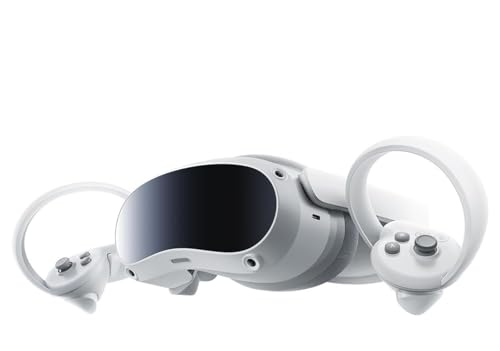
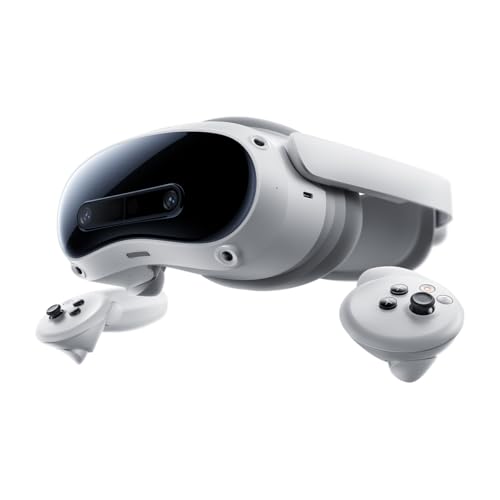
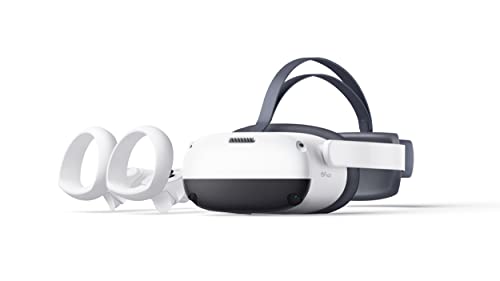
Pico is known for comfortable standalone headsets with sharp, compact optics. The Pico 4 and Pico 4 Ultra put pancake lenses in front of 2160x2160 LCD panels per eye and move the battery to the back of the strap. That keeps the front slim and spreads the weight evenly across your head. The older Neo 3 Link keeps fresnel lenses but runs at 120 Hz and comes with a DisplayPort cable for wired PC play.
The weak spot is software. Pico's store has far fewer games and apps than Meta's, and big releases often arrive late or skip Pico entirely. Every current Pico also uses LCD panels, which reach roughly 1,000:1 contrast. Night scenes and space games look greyish instead of truly black.
(Note: A total of 9 brands were evaluated in the comparison in the first paragraph. Only those with at least 3 VR headset models in our database were included.)
The chart below ranks VR headset brands by average overall score.
[horizontal-chart-03765478739632192647095564778570947415872830979045]What are the main advantages of Pico VR headsets?
The main advantages of Pico VR headsets are the following:
- Sharp displays: The Pico 4 and Pico 4 Ultra show 2160x2160 pixels per eye. Text in menus and browsers is easy to read, and the screen door effect is hard to spot.
- Slim pancake optics: The pancake lenses in the Pico 4 Ultra sit much closer to the screens than fresnel lenses. The visor sticks out less and feels less front-heavy.
- Balanced weight: The Pico 4 carries its battery at the back of the strap. The headset presses less on your cheeks and stays comfortable in sessions of an hour or more.
- Wide field of view: The Pico 4 offers about 105° horizontally. You see more of the scene at once and notice the black edges less.
- Wired PC play: The Neo 3 Link comes with a DisplayPort cable for PC VR. The image skips the compression that USB or Wi-Fi streaming adds.
- Easy IPD setting: Every Pico has adjustable lens spacing, and the Pico 4 sets it with a motor. Getting a sharp image takes seconds even when several people share the headset.
What are the main disadvantages of Pico VR headsets?
The main disadvantages of Pico VR headsets are the following:
- Smaller app library: The Pico 4 runs the Pico Store, which has far fewer games than Meta's store. Some popular multiplayer titles never come to Pico.
- 90 Hz limit: The Pico 4 and Pico 4 Ultra top out at 90 Hz. Fast shooters and rhythm games feel less fluid than on 120 Hz headsets.
- LCD contrast: The Pico 4 Ultra uses LCD panels like the rest of the range. Dark scenes show grey blacks and some glow around bright objects.
- Older Neo optics: The Neo 3 Link uses fresnel lenses with about 773 PPI. You get god rays around bright text and a narrower 98° horizontal view.
- Limited regional reach: The Pico 4 is not sold officially in the US. Apps, support and online communities are smaller than for Meta headsets.
- Short battery life: A standalone Pico 4 lasts roughly 2–3 hours per charge. Long gaming sessions need a power bank or breaks to recharge.