
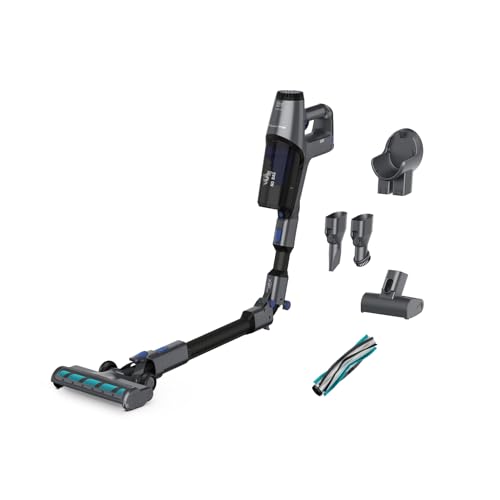
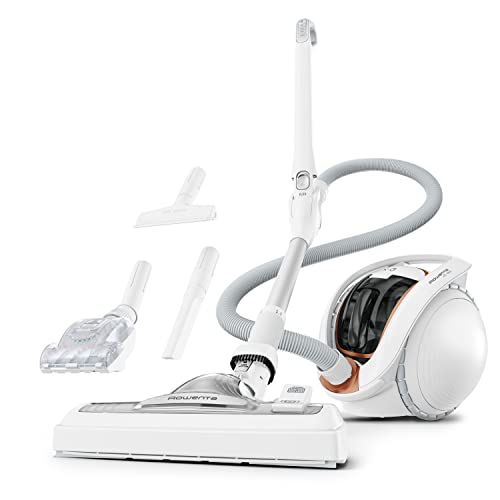
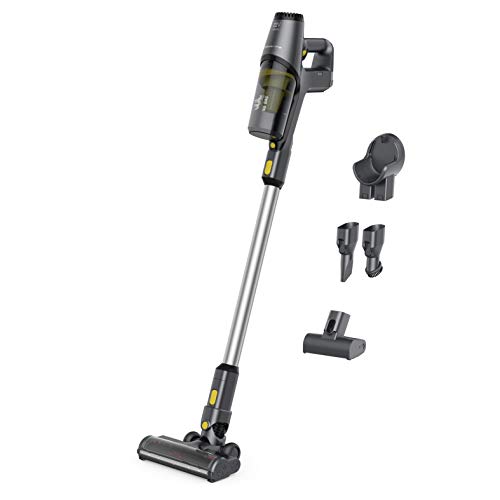
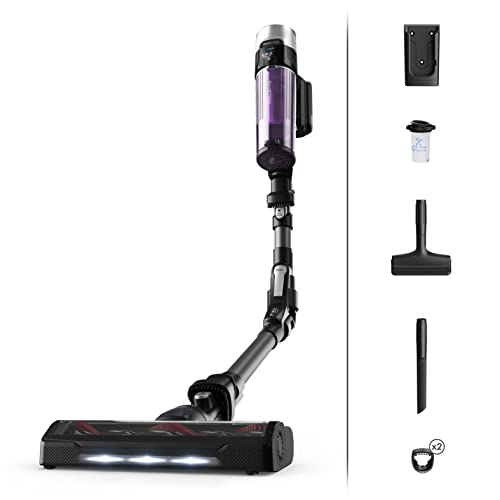
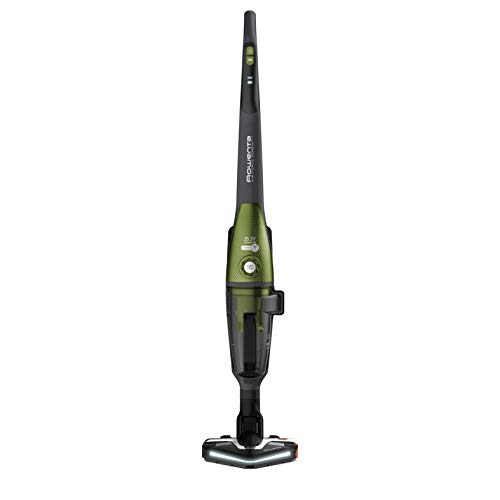
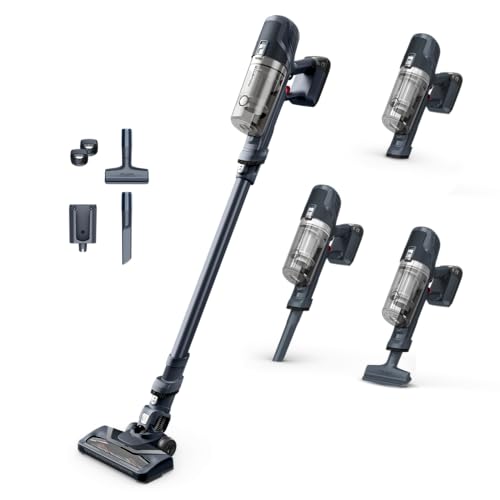
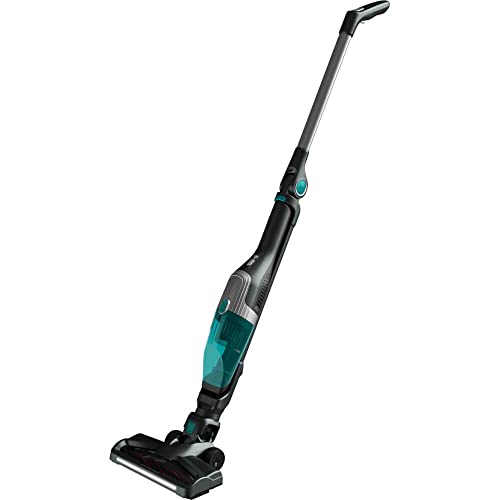
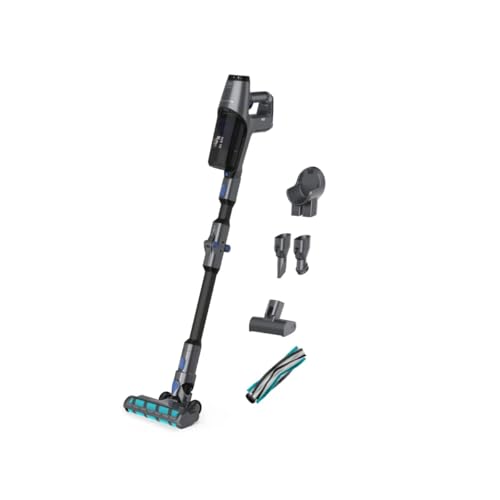
When should you consider buying a Rowenta cordless vacuum?
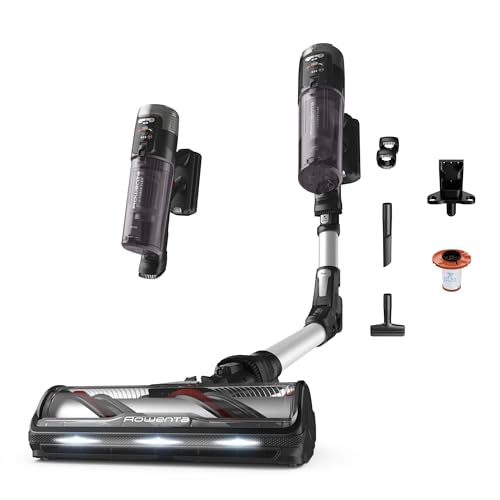
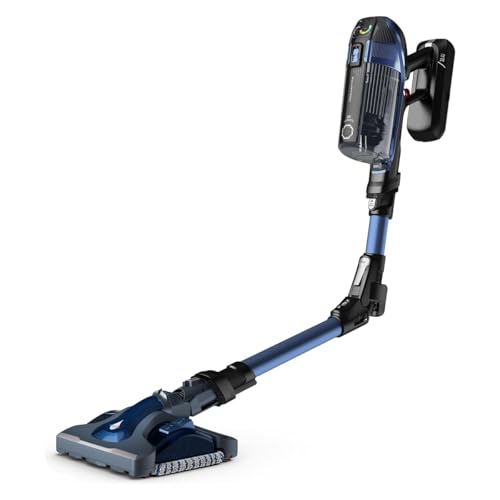
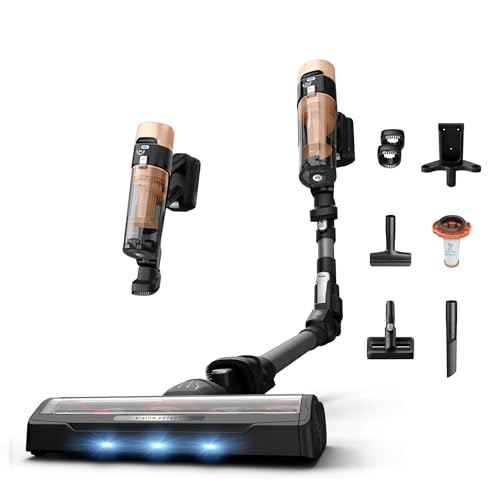
A Rowenta cordless vacuum suits homes where sockets, stairs or frequent short sessions make a cable inconvenient. A stick is quickest for everyday floors and converts easily to handheld use; the X-Ô canister format shifts more of the machine's mass away from the wrist and may feel better during longer above-floor cleaning.
For a small flat with mostly hard flooring, an X-Nano or X-Pert can be enough. Mixed carpet and pet hair justify an X-Force model with at least about 150–180 AW, a powered anti-hair head and usable high-mode runtime.
Cordless should not be chosen solely for a 60- or 70-minute claim. That figure normally comes from a low setting, while deep carpet may require a much shorter Boost mode and repeated bin emptying.

Which Rowenta vacuum series include cordless models?
The Rowenta vacuum series that include cordless models are as follows:
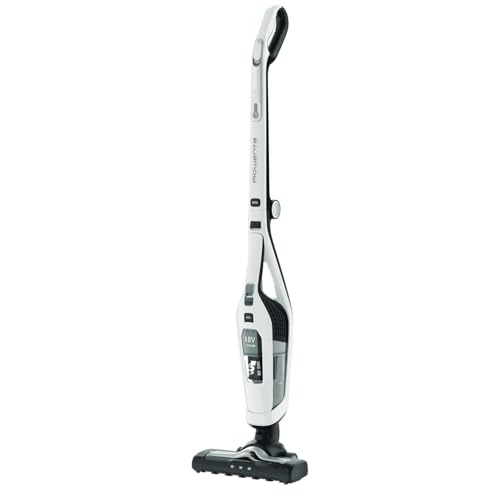
- X-Nano: This is the compact branch, designed for easy handling and quick handheld conversion. It is best suited to small spaces and frequent light cleaning.
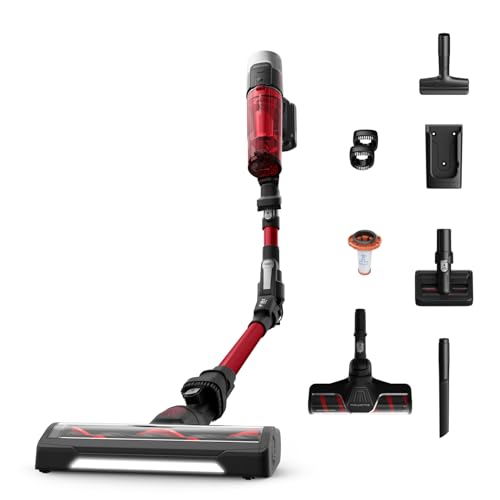
- X-Pert: X-Pert 3.60 and 6.60 are value-focused cordless sticks with lower-mode runtimes around 45 minutes. They prioritize accessible pricing and simple controls.
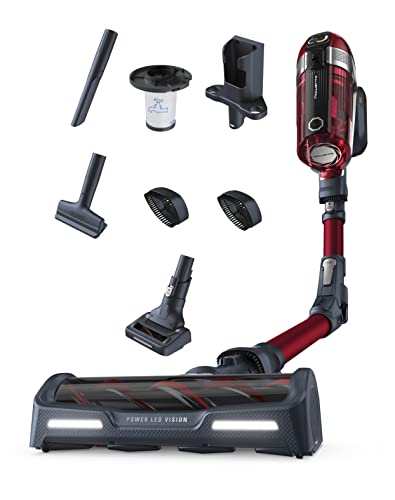
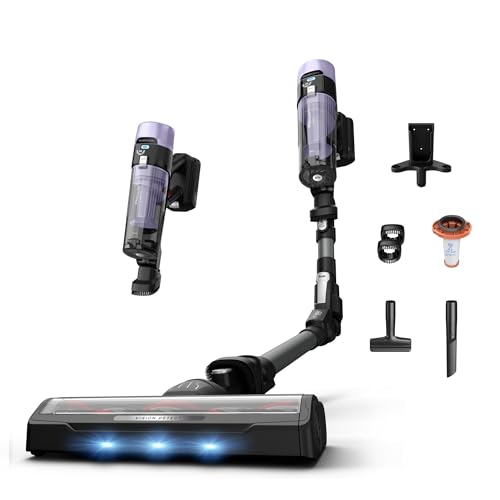
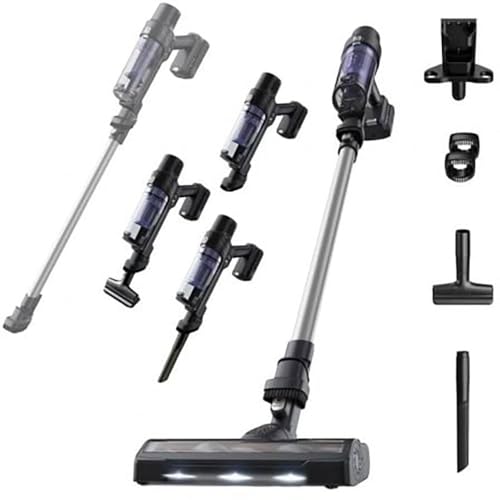
- X-Force Flex: The 9.60 through 16.60 tiers increase suction, battery capacity and control features as the number rises. The flexible wand helps reach beneath furniture.
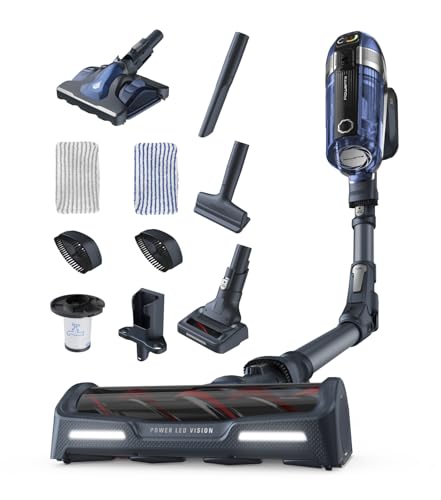
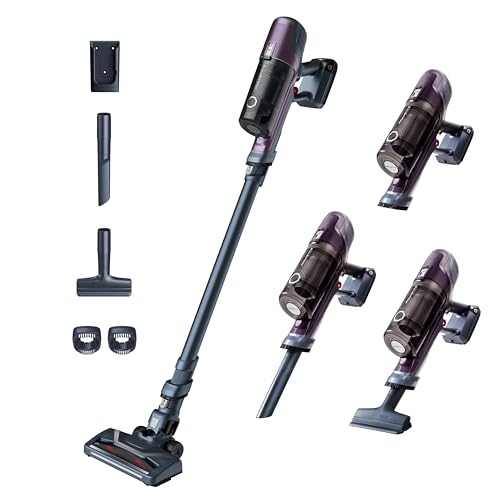
- X-Ô: X-Ô is Rowenta’s cordless canister family. Its wheeled or carried body retains the hose-and-wand feel of a traditional canister without a mains cable.
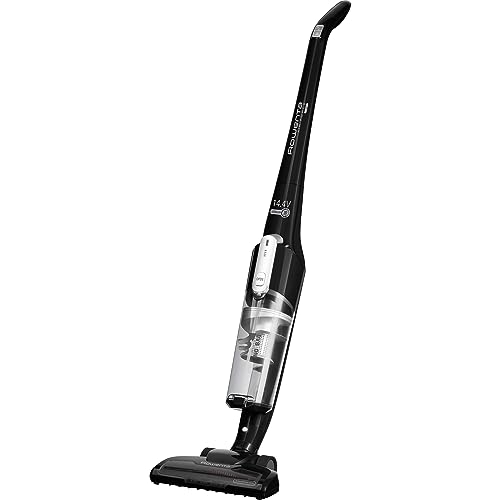
- Air Force: Air Force covers older upright-style cordless cleaners. Animal, Aqua and Absolute suffixes across Rowenta’s range describe tool bundles rather than completely different motor platforms.
How much do Rowenta cordless vacuums cost?
Rowenta cordless vacuums generally cost about £100-£500. X-Nano, X-Pert and older Air Force models commonly fall between £90 and £190, while mainstream X-Force Flex packages occupy roughly £200-£300.
Premium X-Force or X-Ô configurations can move toward £400-£500. A removable second battery, stronger powered head, lighter in-hand design or larger usable bin can justify the difference; a long accessory list that duplicates tools already owned usually cannot.
The chart below shows the price distribution of Rowenta cordless vacuums.
[vertical-chart-08640626504505609911079091855478211020160591398665]
What should you check before buying a Rowenta cordless vacuum?
Consider the following factors before buying a Rowenta cordless vacuum:
- Body format: A stick is fastest between rooms, while X-Ô reduces the mass held in the hand. Test stairs, furniture reach and storage with the actual hose or wand fitted.
- Useful suction: Around 100 AW covers light hard-floor work; 150–180 AW is a better mixed-floor target, and 200 AW or more adds carpet reserve if the measurement is comparable.
- Runtime by mode: Look beyond the 45–70 minute lower-mode claim. Confirm duration with the powered head and at maximum power, particularly when the home has thick rugs.
- Battery system: Check whether the pack releases without tools, whether a second pack can charge off-board and the replacement price. Packs differ across X-Pert, X-Force and X-Ô.
- Bin and filtration: Stick bins often hold about 0.4–0.9 L. Check emptying, cyclone access, filter-washing intervals and whether the exhaust path is sealed.
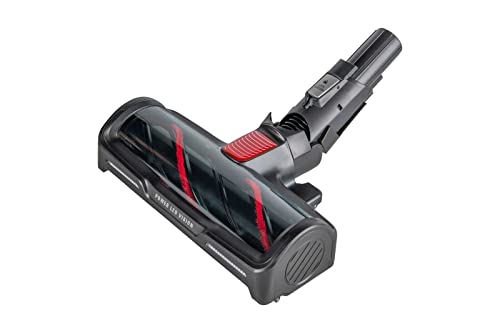
- Floor tools: Match a soft or gentle roller to hard flooring, strong agitation to carpet and a mini motorised head to upholstery hair. An Aqua head wipes but does not replace a dedicated wet cleaner.
- Weight and package: Compare ready-to-clean weight, not handheld-unit weight. Verify the exact RH model code, charger, stand, nozzles and battery count before buying.
The chart below shows the battery-runtime distribution of Rowenta cordless vacuums.
[vertical-chart-04694286591770875706030189113445895338811344487700]