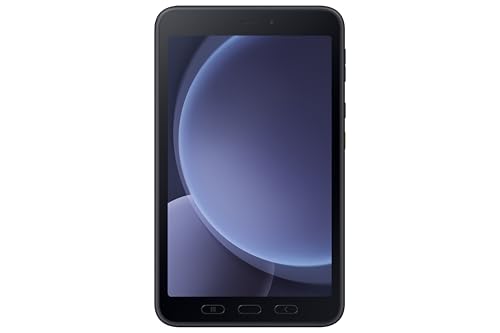
Samsung Galaxy Tab S 8 4 4G (3GB + 32GB) Review | 168 Data compared

double-arrow
  • Avg. price: ~£330
  • RAM capacity: 3 GB
  • Internal storage: 32 GB
  • Screen size: 8.4 inches
  • Chipset: Qualcomm Snapdragon 800

Samsung Galaxy Tab S 8 4 4G (3GB + 32GB) review. Compare 168 technical specifications and user reviews to see how it ranks among tablets and if it is worth buying.

5.3

Overall score

What it is: An overall evaluation of the smartphone's quality, based on technical analyses and user reviews.

When it matters: When you need a quick reference to identify the best Tablets on the market.

Score components:

90.0%

5.3

Technical Score

10.0%

?

User score

Good
5.3

Technical Score

What it is: An assessment of the smartphone's technical performance, covering eight key areas: performance & hardware, software, camera, connectivity, display, battery, audio, and design.

When it matters: When you want to compare Tablets based on technical performance and available features.

Score components:

22.0%

5.7

Performance

20.0%

6.0

Display

16.0%

6.0

Camera

14.0%

2.4

Battery

12.0%

5.4

Connectivity

8.0%

6.1

Software & Features

5.0%

6.0

Design

3.0%

5.0

Audio & Multimedia

Good
?

User score

What it is: A rating that combines user reviews and the total number of reviews received by the smartphone

When it matters: When you want to know how a smartphone handles daily tasks and how reliable it remains over time according to user feedback.

Score components:

70.0%

?

User reviews

30.0%

?

Popularity

No reviews for this version.

Check reviews from other versions.

  • 3.9
    Gaming

    Score components:

    25.0%

    3.6

    RAM capacity

    20.0%

    1.0

    Refresh rate

    20.0%

    4.0

    GPU frequency

    20.0%

    7.6

    Chipset

    15.0%

    3.4

    Battery capacity

  • 5.5
    School

    Score components:

    20.0%

    7.6

    Chipset

    20.0%

    3.6

    Battery life

    20.0%

    3.6

    RAM capacity

    10.0%

    10

    Weight

    10.0%

    1.9

    Internal storage

    10.0%

    10

    Keyboard accessory

    10.0%

    3.5

    Screen size

  • 4.4
    Work

    Score components:

    30.0%

    3.6

    RAM capacity

    25.0%

    7.6

    Chipset

    20.0%

    1.9

    Internal storage

    15.0%

    3.5

    Screen size

    5.0%

    10

    Keyboard accessory

    5.0%

    1.0

    Stylus included

  • 5.7
    Seniors

    Score components:

    20.0%

    3.5

    Screen size

    20.0%

    3.6

    Battery life

    20.0%

    10

    Weight

    20.0%

    3.6

    RAM capacity

    20.0%

    7.6

    Chipset

  • 4.7
    Kids

    Score components:

    25.0%

    3.4

    Battery capacity

    25.0%

    3.6

    RAM capacity

    15.0%

    10

    Weight

    15.0%

    1.9

    Internal storage

    10.0%

    3.5

    Screen size

    10.0%

    8.8

    Price

  • 5.8
    Travel

    Score components:

    20.0%

    3.6

    RAM capacity

    20.0%

    3.6

    Battery life

    15.0%

    7.6

    Chipset

    15.0%

    10

    Weight

    10.0%

    10

    Cellular module

    10.0%

    1.0

    5G connectivity

    5.0%

    10

    GPS

    5.0%

    1.9

    Internal storage

  • No image
No image

Best prices in UK

    N/A~ £330

Best rankings

?

Available: ranking among products currently available (including other versions of this product).
All: ranking among all products in the database.

Available versions:
Other versions:
3GB + 32GB

Verdict

The Samsung Galaxy Tab S 8.4 4G (SM-T705) is an ultra-slim tablet featuring a stunning 8.4-inch Super AMOLED display with a high WQXGA resolution of 2560 x 1600 pixels. It is powered by a 1.9GHz Exynos 5 Octa-core processor paired with 3GB of RAM and 32GB of internal storage, expandable via microSD up to 128GB. Key strengths include its vibrant, high-contrast screen, exceptionally lightweight 298g design, and 4G LTE connectivity for mobile data. However, notable drawbacks include a predominantly plastic build, a fingerprint scanner that can be inconsistent, and occasional software lag when navigating heavy interfaces.

Technical Specifications of tablet Samsung Galaxy Tab S 8 4 4G (3GB + 32GB)

Technical Score

What it is: An assessment of the smartphone's technical performance, covering eight key areas: performance & hardware, software, camera, connectivity, display, battery, audio, and design.

When it matters: When you want to compare Tablets based on technical performance and available features.

Score components:

22.0%

?

Performance

20.0%

?

Display

16.0%

?

Camera

14.0%

?

Battery

12.0%

?

Connectivity

8.0%

?

Software & Features

5.0%

?

Design

3.0%

?

Audio & Multimedia

5.3
Samsung Galaxy Tab S 8 4 4G (3GB + 32GB) has a technical score of 5.34 points, which is lower than 60.3% of Tablets.
User score

What it is: A rating that combines user reviews and the total number of reviews received by the smartphone

When it matters: When you want to know how a smartphone handles daily tasks and how reliable it remains over time according to user feedback.

Score components:

70.0%

0.0

User reviews

30.0%

1.0

Popularity

No reviews for this version.

Check reviews from other versions.

?
Popularity
What it is: An indicator based on the number of reviews received by the smartphone.
When it matters: When you prefer to purchase a product chosen and reviewed by many other consumers.
1.0
Samsung Galaxy Tab S 8 4 4G (3GB + 32GB) has a popularity of 1 points, which is higher than 0% of products in this category.
Ratio quality/price

What it is: An indicator that combines the smartphone's overall rating with its cost.

When it matters: When you are looking for a smartphone with a good balance between quality and price.

Score components:

60.0%

5.3

Overall score

40.0%

8.8

Price

6.4
Samsung Galaxy Tab S 8 4 4G (3GB + 32GB) has a quality-to-price ratio of 6.4 points, which is lower than 62% of products in this category.
Brand name
What it is: The manufacturer or brand of the product.
When it matters: When you prefer a specific ecosystem, support network, or design philosophy.

Importance: MEDIUM

Samsung
RAM capacity
What it is: The amount of volatile memory available for running apps and multitasking.
When it matters: When you use multiple apps at once or want smoother multitasking without reloads.

Importance: HIGH

Good value: >=8 GB

3 GB
Samsung Galaxy Tab S 8 4 4G (3GB + 32GB) has a RAM capacity of 3 GB which is smaller than the RAM capacity of 52.4% of tablets and equal to that of 8.5% of tablets.
Process node
What it is: The size of the manufacturing process used to create the chip's transistors, measured in nanometers (nm). Smaller nodes generally indicate more advanced, power-efficient chips.
When it matters: When you want a chipset that is more power-efficient and generates less heat.

Importance: HIGH

Good value: <7 nm

28 nm
Samsung Galaxy Tab S 8 4 4G (3GB + 32GB) is built on a 28 nm nm process node, which is larger than the node size used in 64.7% of tablets and equal to the node used in 17.8% of tablets.
Internal storage
What it is: The total built-in space available for apps, media, and files.
When it matters: When you keep large libraries of photos, videos, and apps directly on your device.

Importance: HIGH

Good value: >=128 GB

32 GB
Samsung Galaxy Tab S 8 4 4G (3GB + 32GB) has an internal storage capacity of 32 GB which is smaller than the storage of 60.5% of tablets and equal to that of 18% of tablets.
Geekbench 6 single-core benchmark score
What it is: A cross-platform benchmark by Primate Labs that measures single-core CPU performance. It reflects how quickly a device handles everyday tasks that rely on a single processing core.
When it matters: When you want snappy responsiveness in everyday interactions and simple apps.

Importance: HIGH

Good value: >1300

?
Show more
Screen resolution
What it is: The total number of pixels displayed on the screen, expressed as width x height, determining sharpness.
When it matters: When you want text and media to look sharper on a larger display.

Importance: HIGH

2560×1600
Samsung Galaxy Tab S 8 4 4G (3GB + 32GB) has a screen resolution of 2560×1600 which is higher than that of 77.5% of tablets and equal to that of 10.1% of tablets.
Refresh rate
What it is: The number of times per second the display updates the image, measured in Hertz (Hz); higher rates offer smoother motion.
When it matters: When you want scrolling to feel fluid and games to look smoother.

Importance: HIGH

Good value: >=120 Hz

60 Hz
Samsung Galaxy Tab S 8 4 4G (3GB + 32GB) supports a refresh rate of 60 Hz which is higher than in 0% of tablets and equal to that in 73.8% of tablets.
Display type
What it is: The specific technology used for the screen panel (e.g., OLED, IPS LCD), influencing contrast, color, and efficiency.
When it matters: When you care about vibrant colors, deep blacks, and battery efficiency.

Importance: HIGH

OLED/AMOLED
Samsung Galaxy Tab S 8 4 4G (3GB + 32GB) uses a OLED/AMOLED display type. 75.4% of tablets use this display technology.
Pixel density
What it is: The concentration of pixels on the display, measured in pixels per inch (PPI), affecting image clarity.
When it matters: When you read a lot, look at fine details, or want text and graphics to look cleaner at close range.

Importance: HIGH

Good value: >250 ppi

359 ppi
Samsung Galaxy Tab S 8 4 4G (3GB + 32GB) has a pixel density of 359 ppi which is higher than that of 98.6% of tablets and equal to that of 1% of tablets.
Display glass type
What it is: The specific brand or model of strengthened glass used to protect the screen from scratches and drops.
When it matters: When drops, scratches, or long-term screen wear are a concern in daily use.

Importance: HIGH

Corning Gorilla Glass 3
Samsung Galaxy Tab S 8 4 4G (3GB + 32GB) uses Corning Gorilla Glass 3 display glass which is stronger than that on 80.1% of tablets and equal to that on 11.2% of tablets.
Show more
Optical image stabilization
What it is: A hardware mechanism that physically moves the camera lens or sensor to counteract hand shakiness and reduce blur in photos and videos.
When it matters: When you want to reduce blur in photos and shake in videos, especially in low light.

Importance: HIGH

no
Samsung Galaxy Tab S 8 4 4G (3GB + 32GB) does not support optical image stabilization. 0.4% of tablets include OIS.
Main camera megapixels
What it is: The resolution of the primary rear camera sensor, measured in millions of pixels (MP). Higher megapixels can capture more detail.
When it matters: When you want to capture high-resolution images that can be cropped or printed large.

Importance: HIGH

8 MP
Samsung Galaxy Tab S 8 4 4G (3GB + 32GB) has a main camera resolution of 8 MP MP which is higher than that of 38.5% of tablets and equal to that of 31% of tablets.
Front camera megapixels
What it is: The resolution of the front-facing camera, measured in megapixels, determining the detail level of selfies.
When it matters: When you want detailed selfies or high-quality video for calls and streaming.

Importance: HIGH

Good value: >=8 MP

2.1 MP
Samsung Galaxy Tab S 8 4 4G (3GB + 32GB) has a front camera resolution of 2.1 MP MP which is lower than in 52.2% of tablets and equal to that in 1.2% of tablets.
Main camera aperture
What it is: The size of the lens opening (f-stop) that controls light entry. A lower f-number indicates a wider aperture, allowing better low-light shots.
When it matters: When you want better low-light performance or a natural background blur effect.

Importance: HIGH

f/2.4
Samsung Galaxy Tab S 8 4 4G (3GB + 32GB) has a main camera aperture of f/2.4 which is narrower than that of 70% of tablets and equal to that of 17.4% of tablets.
Optical zoom
What it is: A true zoom feature that adjusts the camera lens to get closer to the subject without losing image quality, unlike digital zoom.
When it matters: When you want to get closer to a distant subject without losing image clarity.

Importance: HIGH

N/A
Show more
Battery capacity
What it is: The amount of electric charge the battery can hold, measured in milliampere-hours (mAh).
When it matters: When you want a stronger chance of longer battery life, especially if you use the tablet heavily away from a charger.

Importance: HIGH

Good value: >8000 mAh

4,900 mAh
Samsung Galaxy Tab S 8 4 4G (3GB + 32GB) has a battery capacity of 4,900 mAh which is smaller than the batteries in 73% of tablets and equal to those in 0.4% of tablets.
Charging speed
What it is: The maximum power input supported for wired charging, measured in Watts (W).
When it matters: When you are in a rush and need to top up your battery quickly.

Importance: HIGH

Good value: >30 W

10 W
Samsung Galaxy Tab S 8 4 4G (3GB + 32GB) supports charging speeds of 10 W which is slower than in 61% of tablets and equal to speeds in 33.2% of tablets.
Battery life
What it is: An estimate of how long the tablet can run on one charge.
When it matters: When you do not want to recharge the tablet too often.

Importance: HIGH

Good value: >10 hours

8 hours
Samsung Galaxy Tab S 8 4 4G (3GB + 32GB) has a battery life of 8 hours, which is shorter than that of 72.2% of tablets and equal to that of 11.9% of tablets.
Wireless charging
What it is: The ability to charge the battery without cables by placing the device on a compatible charging pad.
When it matters: When you want to charge the tablet by placing it on a compatible pad.

Importance: MEDIUM

no
Samsung Galaxy Tab S 8 4 4G (3GB + 32GB) does not support wireless charging. 1.5% of tablets support wireless charging.
Fast charging
What it is: In the context of modern electronics, "Fast Charging" refers to any technology that delivers power significantly higher than the traditional USB baseline. While the industry standard for a basic charger is 5W (5V at 1A), a charger is generally classified as a fast charger if it provides at least 18W of power.
When it matters: When you want to minimize the time your tablet spends tethered to a wall outlet.

Importance: MEDIUM

no
Samsung Galaxy Tab S 8 4 4G (3GB + 32GB) does not support fast charging. 49.3% of tablets support fast charging.
Show more
LTE support
What it is: Support for Long-Term Evolution (4G) networks, providing high-speed mobile data.
When it matters: When you need reliable mobile internet coverage in areas where 5G isn't available.

Importance: HIGH

yes
Samsung Galaxy Tab S 8 4 4G (3GB + 32GB) supports LTE. 63.3% of tablets include LTE connectivity.
Wi-Fi connectivity
What it is: The ability to connect to wireless local area networks for internet access and local networking.
When it matters: When you want to save mobile data and connect to home or public networks.

Importance: HIGH

yes
Samsung Galaxy Tab S 8 4 4G (3GB + 32GB) supports Wi-Fi connectivity. 99.9% of tablets offer Wi-Fi support.
GPS
What it is: Support for the Global Positioning System to determine the device's precise location.
When it matters: When you need accurate navigation for driving, walking, or exploring new places.

Importance: HIGH

yes
Samsung Galaxy Tab S 8 4 4G (3GB + 32GB) supports GPS. 83.2% of tablets include GPS functionality.
5G connectivity
What it is: Support for the fifth generation of mobile network technology, offering significantly faster data speeds and lower latency.
When it matters: When you need the fastest possible mobile data speeds for streaming and downloading on the go.

Importance: MEDIUM

no
Samsung Galaxy Tab S 8 4 4G (3GB + 32GB) does not support 5G connectivity. 10.8% of tablets support 5G.
This version supports cellular data up to 4G/LTE or 3G, not 5G.
NFC
What it is: Near Field Communication technology that enables contactless payments, quick pairing, and data exchange over short distances.
When it matters: When you want to make contactless payments or quickly pair with compatible accessories.

Importance: MEDIUM

no
Samsung Galaxy Tab S 8 4 4G (3GB + 32GB) does not support NFC. 9.8% of tablets include NFC.
Show more
Operating system
What it is: The primary system software that manages the tablet's hardware and software resources.
When it matters: When you have a preference for the user interface and app ecosystem.

Importance: HIGH

Android
Samsung Galaxy Tab S 8 4 4G (3GB + 32GB) uses the Android operating system, which is more advanced than the one used by 23.7% of tablets.
Update support duration
What it is: The expected length of software update support for the tablet.
When it matters: When you care about how long the tablet should keep getting software updates.

Importance: HIGH

short
Samsung Galaxy Tab S 8 4 4G (3GB + 32GB) offers short update support, which is shorter than the support period of 56.9% of tablets and equal to that of 43.1% of tablets.
Direct OS updates
What it is: Receives major operating system updates directly from the device maker or platform provider instead of waiting on extra intermediaries.
When it matters: When fast access to new Android or system features and security patches matters to you.

Importance: HIGH

yes
Samsung Galaxy Tab S 8 4 4G (3GB + 32GB) receives direct OS updates. 79.4% of tablets receive direct updates.
On-device AI
What it is: A tablet feature related to on-device ai.
When it matters: When you use smart writing, photo, voice, or search features and want them to work faster or more privately on the tablet itself.

Importance: MEDIUM

no
Samsung Galaxy Tab S 8 4 4G (3GB + 32GB) does not support on-device AI. 32.1% of tablets support this capability.
App tracking protection
What it is: A system-level feature that limits how apps track user behavior across other apps and services.
When it matters: When you want to stop apps from following your activity across other companies' apps and websites.

Importance: MEDIUM

no
Samsung Galaxy Tab S 8 4 4G (3GB + 32GB) does not include app tracking protection. 25.2% of tablets support this feature.
Show more
IP rating
What it is: A standardized code (Ingress Protection) indicating the device's resistance to dust and water intrusion.
When it matters: When you use the tablet around water, outdoors, or in dusty environments and want more durability.

Importance: MEDIUM

not rated
Samsung Galaxy Tab S 8 4 4G (3GB + 32GB) has an IP rating of not rated which is lower than that of 17% of tablets and equal to that of 83% of tablets.
Weight
What it is: The total mass of the tablet, affecting how heavy it feels in the hand.
When it matters: When you want the tablet to be easier to carry and hold for longer sessions.

Importance: MEDIUM

Good value: <500 g

298 g
Samsung Galaxy Tab S 8 4 4G (3GB + 32GB) weighs 298 g which is lighter than 94.6% of tablets and equal to the weight of 0% of tablets.
Backlit keyboard
What it is: A keyboard with illuminated keys for easier typing in darker environments.
When it matters: When you type in dim rooms or low light.

Importance: MEDIUM

no
Samsung Galaxy Tab S 8 4 4G (3GB + 32GB) does not support a backlit keyboard. 8.9% of tablets support this accessory feature.
Keyboard accessory
What it is: Support for a keyboard accessory made for the tablet.
When it matters: When you want the tablet to work more like a small laptop.

Importance: MEDIUM

yes
Samsung Galaxy Tab S 8 4 4G (3GB + 32GB) supports a keyboard accessory. 83.4% of tablets support this option.
Pen latency
What it is: The delay between stylus input and the line or action appearing on screen, usually measured in milliseconds.
When it matters: When you want stylus input to feel quicker and more natural.

Importance: MEDIUM

Good value: <10 ms

N/A
Show more
Number of microphones
What it is: The total count of microphones on the device, used for audio recording, noise cancellation, and voice isolation.
When it matters: When you want clear audio recording and better noise cancellation during calls.

Importance: MEDIUM

Good value: >=2

2
Samsung Galaxy Tab S 8 4 4G (3GB + 32GB) includes 2 microphones, which is more than in 55.4% of tablets and equal to the number in 33% of tablets.
aptX Adaptive
What it is: A Bluetooth codec that dynamically adjusts bitrate to balance audio quality and connection stability.
When it matters: When you use wireless headphones in changing environments and want better audio quality without sacrificing connection stability.

Importance: MEDIUM

no
Samsung Galaxy Tab S 8 4 4G (3GB + 32GB) does not support aptX Adaptive. 4.9% of tablets offer this codec.
No confirmed built-in aptX Adaptive Bluetooth codec support.
Dolby Atmos support
What it is: Support for Dolby Atmos audio playback or processing.
When it matters: When you want more immersive sound from compatible movies, games, or music.

Importance: MEDIUM

no
Samsung Galaxy Tab S 8 4 4G (3GB + 32GB) does not support Dolby Atmos. 26.4% of tablets support this audio feature.
No confirmed Dolby Atmos audio support.
N. of speakers
What it is: The number of built-in speakers used for audio playback.
When it matters: When you want fuller sound without always using headphones.

Importance: MEDIUM

Good value: >=4

2
Samsung Galaxy Tab S 8 4 4G (3GB + 32GB) includes 2 speakers, which is more than in 12.2% of tablets and equal to the number in 59.2% of tablets.
Dual speakers.
FM radio
What it is: A built-in receiver allowing users to listen to local FM radio stations using wired headphones as an antenna.
When it matters: When you want to listen to local radio stations without using mobile data.

Importance: LOW

no
Samsung Galaxy Tab S 8 4 4G (3GB + 32GB) does not include an FM radio. 14.9% of tablets offer FM radio functionality.
No confirmed built-in FM radio support.
Show more

Samsung Galaxy Tab S 8 4 4G (3GB + 32GB) vs the average tablet

  • Wider color gamut
    Samsung Galaxy Tab S 8 4 4G (3GB + 32GB) supports a wider color gamut than the average tablet (Adobe RGB vs sRGB). The average tablet covers sRGB color gamut.
    709% Adobe RGB coverage reported.
    What it is: The range of colors the display is able to reproduce.
    When it matters: When you care about how rich and accurate colors look on screen.

    Importance: MEDIUM

    Samsung Galaxy Tab S 8 4 4G (3GB + 32GB) supports a wider color gamut than the average tablet (Adobe RGB vs sRGB). The average tablet covers sRGB color gamut.Adobe RGB vs sRGB
  • Better display type
    Samsung Galaxy Tab S 8 4 4G (3GB + 32GB) features a better display type than the average tablet (OLED/AMOLED vs IPS LCD). The average tablet uses IPS LCD display technology.
    What it is: The specific technology used for the screen panel (e.g., OLED, IPS LCD), influencing contrast, color, and efficiency.
    When it matters: When you care about vibrant colors, deep blacks, and battery efficiency.

    Importance: HIGH

    Samsung Galaxy Tab S 8 4 4G (3GB + 32GB) features a better display type than the average tablet (OLED/AMOLED vs IPS LCD). The average tablet uses IPS LCD display technology.OLED/AMOLED vs IPS LCD
  • Better chipset
    Samsung Galaxy Tab S 8 4 4G (3GB + 32GB) uses the Qualcomm Snapdragon 800 chipset, while the average tablet uses MediaTek MT8,169A.
    What it is: The official model name of the processor platform used in the tablet.
    When it matters: When you want the tablet to feel fast in everyday use, handle heavier apps smoothly, or stay capable for longer.

    Importance: HIGH

    Samsung Galaxy Tab S 8 4 4G (3GB + 32GB) uses the Qualcomm Snapdragon 800 chipset, while the average tablet uses MediaTek MT8,169A.Qualcomm Snapdragon 800 vs MediaTek MT8169A
  • 60.3% higher pixel density
    Samsung Galaxy Tab S 8 4 4G (3GB + 32GB) has a higher pixel density than the average tablet (359 ppi vs 224 ppi). The average tablet has pixel density of 224 ppi.
    What it is: The concentration of pixels on the display, measured in pixels per inch (PPI), affecting image clarity.
    When it matters: When you read a lot, look at fine details, or want text and graphics to look cleaner at close range.

    Importance: HIGH

    Good value: >250 ppi

    Samsung Galaxy Tab S 8 4 4G (3GB + 32GB) has a higher pixel density than the average tablet (359 ppi vs 224 ppi). The average tablet has pixel density of 224 ppi.359 ppi vs 224 ppi
  • Higher contrast ratio
    Samsung Galaxy Tab S 8 4 4G (3GB + 32GB) has a higher contrast ratio than the average tablet (100000:1 vs 1120:1). The average tablet contrast ratio is 1120:1.
    What it is: The ratio between the luminance of the brightest white and the darkest black the display can produce.
    When it matters: When you want punchy colors and true blacks for an immersive viewing experience.

    Importance: MEDIUM

    Samsung Galaxy Tab S 8 4 4G (3GB + 32GB) has a higher contrast ratio than the average tablet (100000:1 vs 1120:1). The average tablet contrast ratio is 1120:1.100,000:1 vs 1,120:1
  • Higher screen resolution
    Samsung Galaxy Tab S 8 4 4G (3GB + 32GB) has a higher screen resolution than the average tablet (2560×1600 vs 1920×1200). The average tablet resolution is 1920×1200.
    What it is: The total number of pixels displayed on the screen, expressed as width x height, determining sharpness.
    When it matters: When you want text and media to look sharper on a larger display.

    Importance: HIGH

    Samsung Galaxy Tab S 8 4 4G (3GB + 32GB) has a higher screen resolution than the average tablet (2560×1600 vs 1920×1200). The average tablet resolution is 1920×1200.2560×1600 vs 1920×1200
  • 145 nits higher peak brightness
    Samsung Galaxy Tab S 8 4 4G (3GB + 32GB) has a higher peak brightness than the average tablet (546 nits vs 401 nits). The average tablet reaches 401 nits peak brightness.
    What it is: The absolute maximum brightness a small portion of the screen can achieve briefly, usually when displaying HDR content.
    When it matters: When you watch HDR content and want highlights like explosions or sunlight to look realistic.

    Importance: MEDIUM

    Good value: >500 nits

    Samsung Galaxy Tab S 8 4 4G (3GB + 32GB) has a higher peak brightness than the average tablet (546 nits vs 401 nits). The average tablet reaches 401 nits peak brightness.546 nits vs 401 nits
  • 39.2% lighter
    Samsung Galaxy Tab S 8 4 4G (3GB + 32GB) is lighter than the average tablet (298 g vs 490 g). The average tablet weighs 490 g.
    What it is: The total mass of the tablet, affecting how heavy it feels in the hand.
    When it matters: When you want the tablet to be easier to carry and hold for longer sessions.

    Importance: MEDIUM

    Good value: <500 g

    Samsung Galaxy Tab S 8 4 4G (3GB + 32GB) is lighter than the average tablet (298 g vs 490 g). The average tablet weighs 490 g.298 g vs 490 g
  • Better chipset
    Samsung Galaxy Tab S 8 4 4G (3GB + 32GB) uses the Qualcomm Snapdragon 800 chipset, while the average tablet uses MediaTek MT8,169A.
  • 15% higher CPU speed
    Samsung Galaxy Tab S 8 4 4G (3GB + 32GB) has a higher CPU speed than the average tablet (2.3 GHz vs 2 GHz). The average tablet has CPU speed of 2 GHz.
  • 2 more CPU threads
    Samsung Galaxy Tab S 8 4 4G (3GB + 32GB) has more CPU threads than the average tablet (8 vs 6). The average tablet has 6 CPU threads.
  • Supports external displays
    Samsung Galaxy Tab S 8 4 4G (3GB + 32GB) has more supported external displays than the average tablet (yes vs no). The average tablet supports no external displays.
  • 2 more GPU execution units
    Samsung Galaxy Tab S 8 4 4G (3GB + 32GB) has more GPU execution units than the average tablet (6 vs 4). The average tablet has 4 GPU execution units.
  • Wider color gamut
    Samsung Galaxy Tab S 8 4 4G (3GB + 32GB) supports a wider color gamut than the average tablet (Adobe RGB vs sRGB). The average tablet covers sRGB color gamut.
  • Better display type
    Samsung Galaxy Tab S 8 4 4G (3GB + 32GB) features a better display type than the average tablet (OLED/AMOLED vs IPS LCD). The average tablet uses IPS LCD display technology.
  • 60.3% higher pixel density
    Samsung Galaxy Tab S 8 4 4G (3GB + 32GB) has a higher pixel density than the average tablet (359 ppi vs 224 ppi). The average tablet has pixel density of 224 ppi.
  • Higher contrast ratio
    Samsung Galaxy Tab S 8 4 4G (3GB + 32GB) has a higher contrast ratio than the average tablet (100000:1 vs 1120:1). The average tablet contrast ratio is 1120:1.
  • Higher screen resolution
    Samsung Galaxy Tab S 8 4 4G (3GB + 32GB) has a higher screen resolution than the average tablet (2560×1600 vs 1920×1200). The average tablet resolution is 1920×1200.
  • 145 nits higher peak brightness
    Samsung Galaxy Tab S 8 4 4G (3GB + 32GB) has a higher peak brightness than the average tablet (546 nits vs 401 nits). The average tablet reaches 401 nits peak brightness.
  • 135 ppi higher screen sharpness
    Samsung Galaxy Tab S 8 4 4G (3GB + 32GB) has a higher screen sharpness than the average tablet (359 ppi vs 224 ppi). The average tablet has screen sharpness of 224 ppi.
  • 240 Hz higher PWM dimming frequency
    Samsung Galaxy Tab S 8 4 4G (3GB + 32GB) has a higher PWM dimming frequency than the average tablet (240 Hz vs 0 Hz). The average tablet has PWM dimming frequency of 0 Hz.
  • Better display glass type
    Samsung Galaxy Tab S 8 4 4G (3GB + 32GB) uses better display glass than the average tablet (Corning Gorilla Glass 3 vs Corning Gorilla Glass). Display glass choice still varies across tablets.
  • Supports slow-motion recording
    Samsung Galaxy Tab S 8 4 4G (3GB + 32GB) supports slow-motion recording, the average tablet does not. 38% of tablets offer slow-mo.
  • Has a flash
    Samsung Galaxy Tab S 8 4 4G (3GB + 32GB) features a built-in flash, the average tablet does not. 45.2% of tablets include a flash.
  • Supports 360° panorama
    Samsung Galaxy Tab S 8 4 4G (3GB + 32GB) can capture 360° panoramas, the average tablet cannot. 8.7% of tablets support 360° panoramas.
  • 1 more flash LEDs
    Samsung Galaxy Tab S 8 4 4G (3GB + 32GB) has more flash LEDs than the average tablet (1 vs 0). The average tablet has 0 flash LEDs.
  • Has a fingerprint scanner
    Samsung Galaxy Tab S 8 4 4G (3GB + 32GB) offers a better fingerprint scanner setup than the average tablet (yes vs no). Fingerprint scanner quality still varies a lot between tablets.
  • Has HDMI output
    Samsung Galaxy Tab S 8 4 4G (3GB + 32GB) supports HDMI output, the average tablet does not. 49.6% of tablets offer direct HDMI connectivity.
  • Has an infrared sensor
    Samsung Galaxy Tab S 8 4 4G (3GB + 32GB) includes an infrared sensor, the average tablet does not. 16.2% of tablets feature an IR blaster.
  • 39.2% lighter
    Samsung Galaxy Tab S 8 4 4G (3GB + 32GB) is lighter than the average tablet (298 g vs 490 g). The average tablet weighs 490 g.
  • 1.4 mm thinner
    Samsung Galaxy Tab S 8 4 4G (3GB + 32GB) is thinner than the average tablet (6.6 mm vs 8 mm). The average tablet is 8 mm thick.
  • 52.9 mm narrower
    Samsung Galaxy Tab S 8 4 4G (3GB + 32GB) is narrower than the average tablet (125.6 mm vs 178.5 mm). The average tablet is 178.5 mm wide.
  • 1 more microphone/s
    Samsung Galaxy Tab S 8 4 4G (3GB + 32GB) has more microphones than the average tablet (2 vs 1). The average tablet has 1 microphones.
  • Worse GPU
    Samsung Galaxy Tab S 8 4 4G (3GB + 32GB) uses the Mali-T628 MP6 GPU, while the average tablet uses the stronger Mali-G51. GPU choice is one of the main performance differences between tablets.
  • 2x larger process node
    Samsung Galaxy Tab S 8 4 4G (3GB + 32GB) uses a larger process node than the average tablet (28 nm vs 14 nm). The average tablet uses a process node of 14 nm.
  • 933 MHz slower RAM speed
    Samsung Galaxy Tab S 8 4 4G (3GB + 32GB) has a lower RAM speed than the average tablet (933 MHz vs 1,866 MHz). The average tablet has RAM speed of 1,866 MHz.
  • 1 GB less RAM
    Samsung Galaxy Tab S 8 4 4G (3GB + 32GB) has less RAM capacity than the average tablet (3 GB vs 4 GB). The average tablet has 4 GB of RAM.
  • 50% less storage
    Samsung Galaxy Tab S 8 4 4G (3GB + 32GB) has less internal storage than the average tablet (32 GB vs 64 GB). The average tablet provides 64 GB of internal storage.
  • 1,666 points lower PassMark benchmark
    Samsung Galaxy Tab S 8 4 4G (3GB + 32GB) achieves a lower PassMark benchmark result than the average tablet (745 points vs 2,411 points). The average tablet scores 2,411 points in PassMark.
  • 18% slower GPU clock
    Samsung Galaxy Tab S 8 4 4G (3GB + 32GB) has a lower GPU frequency than the average tablet (533 MHz vs 650 MHz). The average tablet has GPU frequency of 650 MHz.
  • 471 points lower PassMark single-core benchmark
    Samsung Galaxy Tab S 8 4 4G (3GB + 32GB) achieves a lower PassMark single-core benchmark score than the average tablet (473 points vs 944 points). The average tablet scores 944 points in PassMark single-core.
  • 1,092.5 points lower Geekbench 5 multi-core benchmark score
    Samsung Galaxy Tab S 8 4 4G (3GB + 32GB) achieves a lower Geekbench 5 multi-core benchmark score than the average tablet (423 points vs 1,515.5 points). The average tablet scores 1,515.5 points in Geekbench 5 multi-core.
  • 95 MHz lower GPU turbo clock
    Samsung Galaxy Tab S 8 4 4G (3GB + 32GB) has a lower GPU turbo speed than the average tablet (600 MHz vs 695 MHz). The average tablet has GPU turbo speed of 695 MHz.
  • 50% less L2 cache
    Samsung Galaxy Tab S 8 4 4G (3GB + 32GB) has less L2 cache than the average tablet (0.5 KB vs 1 KB). The average tablet has 1 KB of L2 cache.
  • 236 points lower Geekbench 5 single-core benchmark score
    Samsung Galaxy Tab S 8 4 4G (3GB + 32GB) achieves a lower Geekbench 5 single-core benchmark score than the average tablet (149 points vs 385 points). The average tablet scores 385 points in Geekbench 5 single-core.
  • Supports older OpenGL ES version
    Samsung Galaxy Tab S 8 4 4G (3GB + 32GB) supports a lower OpenGL ES version than the average tablet (3.1 vs 3.2). The average tablet supports OpenGL ES version 3.2.
  • 394 nits lower typical brightness
    Samsung Galaxy Tab S 8 4 4G (3GB + 32GB) has a lower typical brightness than the average tablet (6 nits vs 400 nits). The average tablet reaches 400 nits typical brightness.
  • 1.7 inches smaller screen size
    Samsung Galaxy Tab S 8 4 4G (3GB + 32GB) has a lower screen size than the average tablet (8.4 inches vs 10.1 inches). The average tablet has screen size of 10.1 inches.
  • 2.9 MP lower front camera megapixels
    Samsung Galaxy Tab S 8 4 4G (3GB + 32GB) has less front camera megapixels than the average tablet (2.1 MP vs 5 MP). The average tablet has 5 MP front camera resolution.
  • Narrower main camera aperture
    Samsung Galaxy Tab S 8 4 4G (3GB + 32GB) has a worse main camera aperture than the average tablet (f/2.4 vs f/2.2). The average tablet uses f/2.2 main camera aperture.
  • 2 hours shorter battery life
    Samsung Galaxy Tab S 8 4 4G (3GB + 32GB) offers shorter battery life than the average tablet (8 hours vs 10 hours). The average tablet offers 10 hours of battery life.
  • 44.4% slower charging speed
    Samsung Galaxy Tab S 8 4 4G (3GB + 32GB) supports slower charging than the average tablet (10 W vs 18 W). The average tablet supports charging speed of 18 W.
  • 25.8% smaller battery capacity
    Samsung Galaxy Tab S 8 4 4G (3GB + 32GB) has a lower battery capacity than the average tablet (4,900 mAh vs 6,600 mAh). The average tablet battery has capacity of 6,600 mAh.
  • Lacks USB Type-C
    Samsung Galaxy Tab S 8 4 4G (3GB + 32GB) lacks a USB Type-C port, the average tablet includes one. 51.8% of tablets use USB Type-C.
    USB Type-C port is not present.
  • Older Bluetooth version
    Samsung Galaxy Tab S 8 4 4G (3GB + 32GB) uses an older Bluetooth version than the average tablet (4 vs 5.0). The average tablet uses Bluetooth 5.0.
    Bluetooth version: 4.0.
  • No face recognition
    Samsung Galaxy Tab S 8 4 4G (3GB + 32GB) does not have face recognition, the average tablet does. 55.8% of tablets support face recognition.
    Native face recognition / face unlock is not supported.
  • Shorter update support
    Samsung Galaxy Tab S 8 4 4G (3GB + 32GB) offers shorter update support than the average tablet (short vs medium). The average tablet gets medium of update support.
  • No picture-in-picture
    Samsung Galaxy Tab S 8 4 4G (3GB + 32GB) does not support picture-in-picture, the average tablet does. 61.1% of tablets support picture-in-picture.
  • No location privacy controls
    Samsung Galaxy Tab S 8 4 4G (3GB + 32GB) does not offer location privacy controls, the average tablet does. 75.2% of tablets include location privacy features.
    trusted_sources_support_yes
  • Lacks dark mode
    Samsung Galaxy Tab S 8 4 4G (3GB + 32GB) does not support dark mode, the average tablet does. 56.6% of tablets have dark mode.
  • 5 years older release date
    Samsung Galaxy Tab S 8 4 4G (3GB + 32GB) is an older model than the average tablet (2014 vs 2019).
    July 2014
  • Lacks USB Type-C
    Samsung Galaxy Tab S 8 4 4G (3GB + 32GB) lacks a USB Type-C port, the average tablet includes one. 51.8% of tablets use USB Type-C.
    USB Type-C port is not present.
    What it is: A modern, reversible connector used for charging, data transfer, and sometimes audio or video output.
    When it matters: When you want a reversible cable that handles charging, data, and accessories universally.

    Importance: MEDIUM

    Samsung Galaxy Tab S 8 4 4G (3GB + 32GB) lacks a USB Type-C port, the average tablet includes one. 51.8% of tablets use USB Type-C.
  • Shorter update support
    Samsung Galaxy Tab S 8 4 4G (3GB + 32GB) offers shorter update support than the average tablet (short vs medium). The average tablet gets medium of update support.
    What it is: The expected length of software update support for the tablet.
    When it matters: When you care about how long the tablet should keep getting software updates.

    Importance: HIGH

    Samsung Galaxy Tab S 8 4 4G (3GB + 32GB) offers shorter update support than the average tablet (short vs medium). The average tablet gets medium of update support.short vs medium
  • 394 nits lower typical brightness
    Samsung Galaxy Tab S 8 4 4G (3GB + 32GB) has a lower typical brightness than the average tablet (6 nits vs 400 nits). The average tablet reaches 400 nits typical brightness.
    What it is: The usual screen brightness the display can sustain in normal use, usually measured in nits.
    When it matters: When screen readability matters in everyday indoor or outdoor use.

    Importance: MEDIUM

    Good value: >400 nits

    Samsung Galaxy Tab S 8 4 4G (3GB + 32GB) has a lower typical brightness than the average tablet (6 nits vs 400 nits). The average tablet reaches 400 nits typical brightness.6 nits vs 400 nits
  • Worse GPU
    Samsung Galaxy Tab S 8 4 4G (3GB + 32GB) uses the Mali-T628 MP6 GPU, while the average tablet uses the stronger Mali-G51. GPU choice is one of the main performance differences between tablets.
    What it is: The official model name of the graphics processor used in the tablet.
    When it matters: When you care about gaming, graphics-heavy apps, or how strong the tablet's graphics hardware is overall.

    Importance: HIGH

    Samsung Galaxy Tab S 8 4 4G (3GB + 32GB) uses the Mali-T628 MP6 GPU, while the average tablet uses the stronger Mali-G51. GPU choice is one of the main performance differences between tablets.Mali-T628 MP6 vs Mali-G51
  • 2 hours shorter battery life
    Samsung Galaxy Tab S 8 4 4G (3GB + 32GB) offers shorter battery life than the average tablet (8 hours vs 10 hours). The average tablet offers 10 hours of battery life.
    What it is: An estimate of how long the tablet can run on one charge.
    When it matters: When you do not want to recharge the tablet too often.

    Importance: HIGH

    Good value: >10 hours

    Samsung Galaxy Tab S 8 4 4G (3GB + 32GB) offers shorter battery life than the average tablet (8 hours vs 10 hours). The average tablet offers 10 hours of battery life.8 hours vs 10 hours
  • No picture-in-picture
    Samsung Galaxy Tab S 8 4 4G (3GB + 32GB) does not support picture-in-picture, the average tablet does. 61.1% of tablets support picture-in-picture.
    What it is: Support for keeping compatible video or calls in a small floating window.
    When it matters: When you want video or calls to stay visible while using another app.

    Importance: MEDIUM

    Samsung Galaxy Tab S 8 4 4G (3GB + 32GB) does not support picture-in-picture, the average tablet does. 61.1% of tablets support picture-in-picture.
  • 2x larger process node
    Samsung Galaxy Tab S 8 4 4G (3GB + 32GB) uses a larger process node than the average tablet (28 nm vs 14 nm). The average tablet uses a process node of 14 nm.
    What it is: The size of the manufacturing process used to create the chip's transistors, measured in nanometers (nm). Smaller nodes generally indicate more advanced, power-efficient chips.
    When it matters: When you want a chipset that is more power-efficient and generates less heat.

    Importance: HIGH

    Good value: <7 nm

    Samsung Galaxy Tab S 8 4 4G (3GB + 32GB) uses a larger process node than the average tablet (28 nm vs 14 nm). The average tablet uses a process node of 14 nm.28 nm vs 14 nm
  • 44.4% slower charging speed
    Samsung Galaxy Tab S 8 4 4G (3GB + 32GB) supports slower charging than the average tablet (10 W vs 18 W). The average tablet supports charging speed of 18 W.
    What it is: The maximum power input supported for wired charging, measured in Watts (W).
    When it matters: When you are in a rush and need to top up your battery quickly.

    Importance: HIGH

    Good value: >30 W

    Samsung Galaxy Tab S 8 4 4G (3GB + 32GB) supports slower charging than the average tablet (10 W vs 18 W). The average tablet supports charging speed of 18 W.10 W vs 18 W

Graphic comparison of Samsung Galaxy Tab S 8 4 4G (3GB + 32GB) and other tablets

Attribute category
Attribute
No results found

Third-party reviews

What customers like about Samsung Galaxy Tab S 8 4 4G (3GB + 32GB)?

  • Stunning Super AMOLED display with 2560x1600 resolution and deep blacks
  • Incredibly thin (6.6mm) and lightweight (298g) design, making it highly portable
  • Vibrant, high-density screen (359 ppi) that excels for media consumption and movies
  • Expandable storage via a microSD card slot supporting up to 128GB
  • Useful multitasking features like Multi Window mode for side-by-side apps

What customers dislike about Samsung Galaxy Tab S 8 4 4G (3GB + 32GB)?

  • Heavy 'TouchWiz' software skin and excessive pre-loaded bloatware
  • Inconsistent battery life, with some users reporting significant standby drain
  • Fingerprint scanner is often described as unreliable and frustrating to use
  • Occasional performance lag and stuttering despite high-end internal specs
  • Plastic build material feels less premium compared to competitors like the iPad Mini
  • Slow charging times via the micro-USB port

Expert reviews

R
realotakugamer.com
09/08/2026
Summary of the review
G
gizmodo.com
24/06/2014
Summary of the review
A
androidauthority.com
24/06/2014
Summary of the review
R
reviewed.com
15/10/2014
Summary of the review
N
newatlas.com
08/07/2014
Summary of the review
U
ubergizmo.com
25/07/2014
Summary of the review
F
forbes.com
26/07/2014
Summary of the review
C
cnet.com
30/07/2014
Summary of the review
P
pcmag.com
06/11/2014
Summary of the review
I
itpro.com
08/02/2016
Summary of the review
4
4g.co.uk
01/07/2014
Summary of the review
N
newatlas.com
08/07/2014
Summary of the review
E
expertreviews.co.uk
25/08/2016
Summary of the review
T
t3.com
21/07/2014
Summary of the review
T
techadvisor.com
27/08/2014
Summary of the review
S
slashgear.com
24/06/2014
Summary of the review
A
androidpolice.com
25/06/2014
Summary of the review
P
pcwelt.de
10/09/2014
Summary of the review
H
hardwareluxx.de
25/09/2014
Summary of the review
T
test.de
18/09/2014
Summary of the review
C
computerbild.de
18/07/2014
Summary of the review
N
notebookcheck.biz
19/06/2014
Summary of the review
L
lesandroides.net
29/04/2018
Summary of the review
0
01net.com
05/11/2014
Summary of the review
0
01net.com
22/07/2014
Summary of the review
L
lesnumeriques.com
10/12/2014
Summary of the review
X
xataka.com
12/09/2014
Summary of the review
S
smartworld.it
21/07/2014
Summary of the review
N
notebookcheck.it
26/07/2014
Summary of the review
T
tweakers.net
21/07/2026
Summary of the review
T
techzine.nl
15/07/2026
Summary of the review
A
androidplanet.nl
23/07/2026
Summary of the review
F
fwd.nl
19/07/2026
Summary of the review
A
androidplanet.nl
[No date listed]
Summary of the review
T
tweakers.net
30/07/2017
Summary of the review

Video reviews

Compare Samsung Galaxy Tab S 8 4 4G (3GB + 32GB) with other tablets

VS
VS

Compare