Scored using Tablets Methodology v1.0
Tablets Methodology v1.0
Mathematical & Unbiased Scoring
Products in this category are scored under Frontum Tablets Methodology v1.0: technical specifications plus authentic consumer ratings, with 0% commercial bias.
Explore Tablets Methodology v1.0

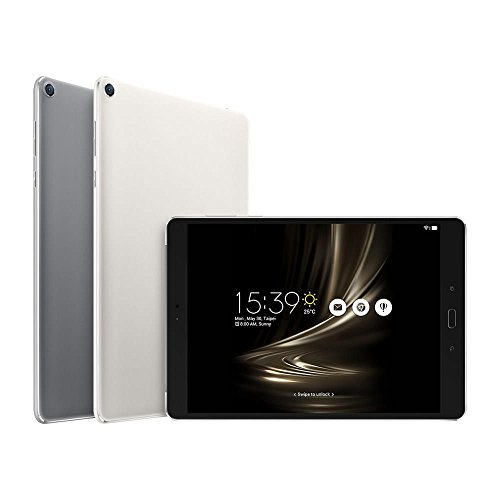
Asus Zenpad 3s 10 WiFi (4GB + 32GB) Review | 168 Data compared

Avg. price:~£330RAM capacity:4 GBInternal storage:32 GBScreen size:9.7 inchesChipset:MediaTek MT8176

Asus Zenpad 3s 10 WiFi (4GB + 32GB) Review: Compare 168 technical specifications and user reviews to see how this product ranks in the Tablets category and whether it is worth buying.
Asus Zenpad 3s 10 WiFi (4GB + 32GB)
6.3/10

Overall score

Score
6.3/ 10
✕
What it is
An overall evaluation of the smartphone's quality, based on technical analyses and user reviews.
When it matters
When you need a quick reference to identify the best Tablets on the market.
Score distribution
â–¼
<55-66-77-88-99-10
Score components

90%

6.1

Technical score

10%

8.1

User score

â–²Better than 52% of tablets
7.0

Value for money

Value for money
7.0/ 10
✕
What it is
An indicator that combines the smartphone's overall rating with its cost.
When it matters
When you are looking for a smartphone with a good balance between quality and price.
Score distribution
â–¼
<55-66-77-88-99-10
Score components

70%

6.3

Overall score

30%

8.8

Price

â–¼Worse than 56%
6.1

Technical score

Technical score
6.1/ 10
✕
What it is
An assessment of the smartphone's technical performance, covering eight key areas: performance & hardware, software, camera, connectivity, display, battery, audio, and design.
When it matters
When you want to compare Tablets based on technical performance and available features.
Score distribution
â–¼
<55-66-77-88-99-10
Score components

22%

4.7

Performance

20%

6.0

Display

16%

7.2

Camera

14%

5.6

Battery

12%

7.3

Connectivity

8%

6.9

Software & Features

5%

7.0

Design

3%

5.0

Audio & Multimedia

â–²Better than 50%
8.1

User score

User score
8.1/ 10
✕
What it is
A rating that combines user reviews and the total number of reviews received by the smartphone
When it matters
When you want to know how a smartphone handles daily tasks and how reliable it remains over time according to user feedback.
Score distribution
â–¼
<55-66-77-88-99-10
Score components

70%

7.8

User ratings

30%

8.9

Number of reviews

Based on ratings from across the web.
â–²Better than 74%
  • asus-zenpad-3s-10-4gb-32gb-wifi
asus-zenpad-3s-10-4gb-32gb-wifi
Where to buy
*As an Amazon Associate, we earn from qualifying purchases.
Available versions:
Loading...
Loading category ranking...

Technical Specifications of tablet Asus Zenpad 3s 10 WiFi (4GB + 32GB)

Technical score
Technical score
6.1/ 10
✕
What it is
An assessment of the smartphone's technical performance, covering eight key areas: performance & hardware, software, camera, connectivity, display, battery, audio, and design.
When it matters
When you want to compare Tablets based on technical performance and available features.
Score distribution
â–¼
<55-66-77-88-99-10
Score components:

22%

4.7

Performance

20%

6.0

Display

16%

7.2

Camera

14%

5.6

Battery

12%

7.3

Connectivity

8%

6.9

Software & Features

5%

7.0

Design

3%

5.0

Audio & Multimedia

6.1
User score
User score
8.1/ 10
✕
What it is
A rating that combines user reviews and the total number of reviews received by the smartphone
When it matters
When you want to know how a smartphone handles daily tasks and how reliable it remains over time according to user feedback.
Score distribution
â–¼
<55-66-77-88-99-10
Score components

70%

7.8

User ratings

30%

8.9

Number of reviews

Based on ratings from across the web.
8.1
Popularity
Popularity
8.9/ 10
✕
What it is
An indicator based on the number of reviews received by the smartphone.
When it matters
When you prefer to purchase a product chosen and reviewed by many other consumers.
Score distribution
â–¼
<55-66-77-88-99-10
Popularity:
Asus Zenpad 3s 10 WiFi (4GB + 32GB) has a user popularity of 8.9 points, which is lower than 85.5% of Tablets.
8.9
Value for money
Value for money
7.0/ 10
✕
What it is
An indicator that combines the smartphone's overall rating with its cost.
When it matters
When you are looking for a smartphone with a good balance between quality and price.
Score distribution
â–¼
<55-66-77-88-99-10
Score components:

70%

6.3

Overall score

30%

8.8

Price

7.0
RAM capacity
4 GB
This tablet has a RAM capacity of 4 GB which is larger than the RAM capacity of 47.6% of tablets and equal to that of 17.6% of tablets.
Process node
28 nm
This tablet is built on a 28 nm process node, which is larger than the node size used in 64.7% of tablets and equal to the node used in 17.8% of tablets.
Internal storage
32 GB
This tablet has an internal storage capacity of 32 GB which is smaller than the storage of 60.5% of tablets and equal to that of 18% of tablets.
Geekbench 6 single-core benchmark score
336 points
This tablet scored 336 points in Geekbench 6 (single-core) which is lower than the score of 79.1% of tablets and equal to the score of 0.3% of tablets.
Chipset
MediaTek MT8176
This tablet uses the MediaTek MT8176 chipset, which is less advanced than the chipsets in 90.8% of tablets and equal to those in 0.1% of tablets.
Show more
Screen resolution
2048×1536
This tablet has a screen resolution of 2048×1536 which is higher than that of 68.7% of tablets and equal to that of 3.8% of tablets.
Refresh rate
60 Hz
This tablet supports a refresh rate of 60 Hz which is equal to that in 73.8% of tablets.
Display type
IPS LCD
This tablet uses a IPS LCD display type. 17% of tablets use this display technology.
Pixel density
264 ppi
This tablet has a pixel density of 264 ppi which is higher than that of 71% of tablets and equal to that of 5.9% of tablets.
Display glass type
Corning Gorilla Glass 3
This tablet uses Corning Gorilla Glass 3 display glass which is stronger than that on 80.1% of tablets and equal to that on 11.2% of tablets.
Show more
Optical image stabilization
no
This tablet does not support optical image stabilization. 0.4% of tablets include OIS.
Main camera megapixels
8 MP
This tablet has a main camera resolution of 8 MP which is higher than that of 36.5% of tablets and equal to that of 31.8% of tablets.
Front camera megapixels
5 MP
This tablet has a front camera resolution of 5 MP which is higher than in 48.8% of tablets and equal to that in 19.6% of tablets.
Main camera aperture
f/2.0
This tablet has a main camera aperture of f/2.0 which is wider than that of 57.5% of tablets and equal to that of 24.5% of tablets.
Optical zoom
1xxx
This tablet supports 1xx optical zoom which is higher than in 18.4% of tablets and equal to that in 80.7% of tablets.
Show more
Battery capacity
5,900 mAh
This tablet has a battery capacity of 5,900 mAh which is smaller than the batteries in 58.7% of tablets and equal to those in 0.4% of tablets.
Charging speed
18 W
This tablet supports charging speeds of 18 W which is faster than in 48% of tablets and equal to speeds in 12.3% of tablets.
Battery life
10 hours
This tablet has a battery life of 10 hours, which is longer than that of 39.1% of tablets and equal to that of 20.5% of tablets.
Wireless charging
no
This tablet does not support wireless charging. 1.5% of tablets support wireless charging.
Fast charging
yes
This tablet supports fast charging. 50.4% of tablets support fast charging.
Show more
LTE support
yes
This tablet supports LTE. 36.8% of tablets include LTE connectivity.
Wi-Fi connectivity
yes
This tablet supports Wi-Fi connectivity. 0.2% of tablets offer Wi-Fi support.
GPS
yes
This tablet supports GPS. 17.3% of tablets include GPS functionality.
5G connectivity
no
This tablet does not support 5G connectivity. 11.1% of tablets support 5G.
NFC
no
This tablet does not support NFC. 10.9% of tablets support NFC.
Show more
Operating system
Android
This tablet uses the Android operating system, which is more advanced than the one used by 23.3%.
Update support duration
short
This tablet offers short update support, which is shorter than the support period of 52.7% of tablets and equal to that of 47.3% of tablets.
Direct OS updates
yes
This tablet receives direct OS updates. 20.3% of tablets receive direct updates.
On-device AI
no
This tablet does not support on-device AI. 28.3% of tablets support this capability.
App tracking protection
no
This tablet does not include app tracking protection. 28.3% of tablets include app tracking protection.
Show more
IP rating
not rated
This tablet has an IP rating of not rated which is lower than that of 16.3% of tablets and equal to that of 83.7% of tablets.
Weight
430 g
This tablet weighs 430 g which is lighter than 71.1% of tablets and equal to the weight of 0.5% of tablets.
Backlit keyboard
no
This tablet does not support a backlit keyboard. 9.8% of tablets support backlit keyboards.
Keyboard accessory
yes
This tablet supports a keyboard accessory. 15.8% of tablets support this option.
Pen latency
?
Show more
Number of microphones
1
This tablet includes 1 microphones, which is more than in 0.2% of tablets and equal to the number in 54.8% of tablets.
aptX Adaptive
no
This tablet does not support aptX Adaptive. 6.9% of tablets offer this codec.
Dolby Atmos support
no
This tablet does not support Dolby Atmos. 31.5% of tablets support Dolby Atmos.
N. of speakers
2
This tablet includes 2 speakers, which is more than in 9.8% of tablets and equal to the number in 60.9% of tablets.
FM radio
no
This tablet does not include an FM radio. 19% of tablets offer FM radio functionality.
Show more

Asus Zenpad 3s 10 WiFi (4GB + 32GB) vs the average tablet

246810TotalPerformanceDisplayCameraBatteryConnectivitySoftware & FeaturesDesignAudio & Multimedia
  • Supports fast charging
    This tablet supports fast charging, the average tablet does not. 49.7% of tablets feature fast charging.
  • Allows manual focus
    This tablet allows manual focus control, the average tablet does not. 37.2% of tablets include manual focus.
  • 142,900 Hz higher PWM dimming frequency
    This tablet has a higher PWM dimming frequency than the average tablet (142,900 Hz vs 0 Hz). The average tablet has PWM dimming frequency of 0 Hz.
    142,900 Hz vs 0 Hz
  • Allows manual ISO
    This tablet allows manual ISO adjustment, the average tablet does not. 46% of tablets feature manual ISO.
  • 99 nits higher peak brightness
    This tablet has a higher peak brightness than the average tablet (500 nits vs 401 nits). The average tablet reaches 401 nits peak brightness.
    500 nits vs 401 nits
  • Higher screen resolution
    This tablet has a higher screen resolution than the average tablet (2048×1536 vs 1920×1200). The average tablet resolution is 1920×1200.
    2048×1536 vs 1920×1200
  • Suitable for drawing
    This tablet is suitable for drawing, the average tablet is not. 41% of tablets are suitable for drawing.
  • 17.9% higher pixel density
    This tablet has a higher pixel density than the average tablet (264 ppi vs 224 ppi). The average tablet has pixel density of 224 ppi.
    264 ppi vs 224 ppi
  • 84.7% more popular
    Asus Zenpad 3s 10 WiFi (4GB + 32GB) is more popular than the average tablet (8.88 vs 4.8).
    8.88 vs 4.81
  • 5% higher CPU speed
    This tablet has a higher CPU speed than the average tablet (2.1 GHz vs 2 GHz). The average tablet has CPU speed of 2 GHz.
    2.1 GHz vs 2 GHz
  • 142,900 Hz higher PWM dimming frequency
    This tablet has a higher PWM dimming frequency than the average tablet (142,900 Hz vs 0 Hz). The average tablet has PWM dimming frequency of 0 Hz.
    142,900 Hz vs 0 Hz
  • 99 nits higher peak brightness
    This tablet has a higher peak brightness than the average tablet (500 nits vs 401 nits). The average tablet reaches 401 nits peak brightness.
    500 nits vs 401 nits
  • Higher screen resolution
    This tablet has a higher screen resolution than the average tablet (2048×1536 vs 1920×1200). The average tablet resolution is 1920×1200.
    2048×1536 vs 1920×1200
  • 17.9% higher pixel density
    This tablet has a higher pixel density than the average tablet (264 ppi vs 224 ppi). The average tablet has pixel density of 224 ppi.
    264 ppi vs 224 ppi
  • 26 nits higher typical brightness
    This tablet has a higher typical brightness than the average tablet (426 nits vs 400 nits). The average tablet reaches 400 nits typical brightness.
    426 nits vs 400 nits
  • More durable display glass
    This tablet uses better display glass than the average tablet (Corning Gorilla Glass 3 vs Corning Gorilla Glass). Display glass choice still varies across tablets.
    Corning Gorilla Glass 3 vs Corning Gorilla Glass
  • 43 ppi higher screen sharpness
    This tablet has a higher screen sharpness than the average tablet (264 ppi vs 221 ppi). The average tablet has screen sharpness of 221 ppi.
    264 ppi vs 221 ppi
  • Allows manual focus
    This tablet allows manual focus control, the average tablet does not. 37.2% of tablets include manual focus.
  • Allows manual ISO
    This tablet allows manual ISO adjustment, the average tablet does not. 46% of tablets feature manual ISO.
  • Wider main camera aperture
    This tablet has a better main camera aperture than the average tablet (f/2 vs f/2.2). The average tablet uses f/2.2 main camera aperture.
    f/2.0 vs f/2.2
  • Supports slow-motion recording
    This tablet supports slow-motion recording, the average tablet does not. 37.5% of tablets offer slow-mo.
  • Supports fast charging
    This tablet supports fast charging, the average tablet does not. 49.7% of tablets feature fast charging.
  • Includes fingerprint scanner
    This tablet offers a better fingerprint scanner setup than the average tablet (yes vs no). Fingerprint scanner quality still varies a lot between tablets.
    Fingerprint scanner in the home button.
  • Suitable for drawing
    This tablet is suitable for drawing, the average tablet is not. 41% of tablets are suitable for drawing.
  • 12.2% lighter
    This tablet is lighter than the average tablet (430 g vs 490 g). The average tablet weighs 490 g.
    430 g vs 490 g
  • 4 points higher iFixit repairability score
    This tablet has a higher repairability score than the average tablet (8 points vs 4 points). The average tablet repairability score is 4 points.
    8 points vs 4 points
  • 0.85 mm thinner
    This tablet is thinner than the average tablet (7.2 mm vs 8 mm). The average tablet is 8.0 mm thick.
    7.15 mm vs 8.0 mm
  • Supports aptX Low Latency
    This tablet supports aptX Low Latency, the average tablet does not. 2.6% of tablets support aptX Low Latency.
  • Shorter update support
    This tablet offers shorter update support than the average tablet (short vs medium). The average tablet gets medium of update support.
    short vs medium
  • No continuous video AF
    This tablet does not support continuous video AF, the average tablet does. 57.7% of tablets support continuous video autofocus.
  • 68.1% lower Geekbench 6 multi-core benchmark score
    This tablet achieves a lower Geekbench 6 multi-core benchmark score than the average tablet (603 points vs 1,891 points). The average tablet scores 1,891 points in Geekbench 6 multi-core.
    603 points vs 1,891 points
  • No picture-in-picture mode
    This tablet does not support picture-in-picture, the average tablet does. 61% of tablets support picture-in-picture.
  • 2x larger process node
    This tablet uses a larger process node than the average tablet (28 nm vs 14 nm). The average tablet uses a process node of 14 nm.
    28 nm vs 14 nm
  • No cellular module
    This tablet does not have a cellular module, the average tablet does. 59.3% of tablets include a cellular module.
  • 933 MHz slower RAM speed
    This tablet has a lower RAM speed than the average tablet (933 MHz vs 1,866 MHz). The average tablet has RAM speed of 1,866 MHz.
    933 MHz vs 1,866 MHz
  • 53.9% lower Geekbench 6 single-core benchmark score
    This tablet achieves a lower Geekbench 6 single-core benchmark score than the average tablet (336 points vs 729 points). The average tablet scores 729 points in Geekbench 6 single-core.
    336 points vs 729 points
  • 68.1% lower Geekbench 6 multi-core benchmark score
    This tablet achieves a lower Geekbench 6 multi-core benchmark score than the average tablet (603 points vs 1,891 points). The average tablet scores 1,891 points in Geekbench 6 multi-core.
    603 points vs 1,891 points
  • 2x larger process node
    This tablet uses a larger process node than the average tablet (28 nm vs 14 nm). The average tablet uses a process node of 14 nm.
    28 nm vs 14 nm
  • 933 MHz slower RAM speed
    This tablet has a lower RAM speed than the average tablet (933 MHz vs 1,866 MHz). The average tablet has RAM speed of 1,866 MHz.
    933 MHz vs 1,866 MHz
  • 53.9% lower Geekbench 6 single-core benchmark score
    This tablet achieves a lower Geekbench 6 single-core benchmark score than the average tablet (336 points vs 729 points). The average tablet scores 729 points in Geekbench 6 single-core.
    336 points vs 729 points
  • 50% less storage
    This tablet has less internal storage than the average tablet (32 GB vs 64 GB). The average tablet provides 64 GB of internal storage.
    32 GB vs 64 GB
  • Worse GPU
    This tablet uses the PowerVR GX6250 GPU, while the average tablet uses the stronger Mali-G51. GPU choice is one of the main performance differences between tablets.
    PowerVR GX6250 vs Mali-G51
  • Lower contrast ratio
    This tablet has a lower contrast ratio than the average tablet (879:1 vs 1015:1). The average tablet has a contrast ratio of 1015:1.
    879:1 vs 1,015:1
  • 0.4 inches smaller screen size
    This tablet has a lower screen size than the average tablet (9.7 inches vs 10.1 inches). The average tablet has screen size of 10.1 inches.
    9.7 inches vs 10.1 inches
  • 50% lower touch sampling rate
    This tablet has a lower touch sampling rate than the average tablet (60 Hz vs 120 Hz). The average tablet has touch sampling rate of 120 Hz.
    60 Hz vs 120 Hz
  • No continuous video AF
    This tablet does not support continuous video AF, the average tablet does. 57.7% of tablets support continuous video autofocus.
  • No BSI sensor
    This tablet lacks a BSI sensor, the average tablet has one. 52.6% of tablets use BSI sensors for better low-light shots.
  • 10.3% smaller battery capacity
    This tablet has a lower battery capacity than the average tablet (5,900 mAh vs 6,580 mAh). The average tablet battery has capacity of 6,580 mAh.
    5,900 mAh vs 6,580 mAh
  • No cellular module
    This tablet does not have a cellular module, the average tablet does. 59.3% of tablets include a cellular module.
  • No face recognition
    This tablet does not have face recognition, the average tablet does. 56% of tablets support face recognition.
  • Older Bluetooth version
    This tablet uses an older Bluetooth version than the average tablet (4.2 vs 5). The average tablet uses Bluetooth 5.0.
    4.2 vs 5.0
  • Shorter update support
    This tablet offers shorter update support than the average tablet (short vs medium). The average tablet gets medium of update support.
    short vs medium
  • No picture-in-picture mode
    This tablet does not support picture-in-picture, the average tablet does. 61% of tablets support picture-in-picture.
  • No multi-user mode
    User score
    8.1/ 10
    ✕
    What it is
    A rating that combines user reviews and the total number of reviews received by the smartphone
    When it matters
    When you want to know how a smartphone handles daily tasks and how reliable it remains over time according to user feedback.
    Score distribution
    â–¼
    â–¼
    <55-66-77-88-99-10
    Asus Zenpad 3s 10 WiFi
    the average tablet
    Asus Zenpad 3s 10 WiFi (4GB + 32GB) does not support multi-user mode, the average tablet does. 73.6% of tablets allow multiple user profiles.
  • No full-page screenshots
    This tablet does not support full-page screenshots, the average tablet does. 52.5% of tablets support full-page screenshots.
  • No dark mode
    This tablet does not support dark mode, the average tablet does. 57.2% of tablets have dark mode.
  • No offline voice recognition
    This tablet does not support offline voice recognition, the average tablet does. 76.1% of tablets support offline voice recognition.
  • 40.5 mm taller
    This tablet is taller than the average tablet (240.5 mm vs 200 mm). The average tablet is 200.0 mm tall.
    240.5 mm vs 200.0 mm
  • 3 older release date
    This tablet is an older model than the average tablet (2016 vs 2019).
    August 2016
    2016 vs 2019

Video reviews

Hands-on testing, unboxing, and real-world video evaluations

6.0
Good e-Reader
≈ estimated
31/03/2017
Overview · hardware, apps, stylus and first update
Verdict
Asus ZenPad 3s 10 WiFi has strong hardware, but the outdated Android 6.0 makes it hard to recommend strongly.
9.0
BAD Tech Unlimited
≈ estimated
05/03/2017
Hands-on review · daily use, gaming and camera impressions
Verdict
Asus ZenPad 3s 10 WiFi is phenomenal for the price, with a bloated interface and mixed camera as its main drawbacks.
9.0
Damir Franc
≈ estimated
14/01/2017
Hands-on review · performance, games, battery and design
Verdict
Asus ZenPad 3s 10 WiFi is recommended, especially for its value, with strong performance and build quality.
8.0
Sergiu Mihai Popa
≈ estimated
17/12/2016
Hands-on review · build, camera, speaker and battery checks
Verdict
Asus ZenPad 3s 10 WiFi is good value for the price, with strong speakers and battery, but a weak night camera and bloated software.
8.0
aetherspoon
≈ estimated
07/12/2016
Long-term use review · reading, sketching and stylus
Verdict
Asus ZenPad 3s 10 WiFi is good enough for quick sketches and morning reading, though the older Android version is a letdown.
9.0
PhoneArena
≈ estimated
28/11/2016
Hands-on review · fingerprint, camera, speaker and battery tests
Verdict
Asus ZenPad 3s 10 WiFi is a solid, well-built 10-inch tablet, held back by a poor rear camera and slow charging.
9.0
TechTablets
≈ estimated
17/10/2016
Full review · benchmarks, battery, charging and gaming tests
Verdict
Asus ZenPad 3s 10 WiFi is a very well-rounded tablet, probably one of the best Android options of its year.
9.0
My Next Tablet
≈ estimated
01/09/2016
Full review · benchmarks, battery test and design
Verdict
Asus ZenPad 3s 10 WiFi is a very nice tablet with a great build and performance, though its Android update path is uncertain.
8.0
TechTablets
≈ estimated
12/10/2016
First look · unboxing and stylus tests
Verdict
Asus ZenPad 3s 10 WiFi offers a premium build and a good stylus for an Android tablet, but has bloatware and pressure-sensitivity gaps.
Overview video
Not graded
Not graded

Expert reviews

In-depth analysis and verdict from leading tech publications

trustedreviews.com
31/08/2016
Hands-on test · Media tablet
Verdict
The Asus ZenPad 3S 10 is a media-focused tablet with a strong screen and loud speakers, held back by an old-fashioned, cartoonish Android skin.
expertreviews.co.uk
14/10/2016
Full review · Android tablet
Verdict
The Asus ZenPad 3S 10 is a good-looking Android tablet with a high-end screen, but weak graphics and short battery life hold it back against rivals.
thegadgetman.org.uk
15/11/2016
Personal review · iPad alternative
Verdict
The Asus ZenPad 3S 10 is a strong, slightly cheaper alternative to the iPad, with a 4:3 screen and quick performance for everyday tasks.
uk.pcmag.com
22/11/2016
Lab test · Media tablet
Verdict
The Asus ZenPad 3S 10 is a slim, loud media tablet with a sharp screen and good value, but its short battery life means it may not last when you need it.
laptopmag.com
22/11/2016
Benchmark review · Android tablet
Verdict
The Asus ZenPad 3S 10 is a fast, bright tablet with strong audio and an iPad-like design, but its cameras and battery life are weak points.
coolsmartphone.com
15/12/2016
Personal review · Media tablet
Verdict
The Asus ZenPad 3S 10 has attractive hardware and a bright screen, but its Asus interface is ugly enough that you may want to switch launchers.
littlestuff.co.uk
28/02/2017
Family test · Entertainment tablet
Verdict
The Asus ZenPad 3S 10 is a sharp-screened, good-looking tablet that suits films and games for families, though music can sound tinny without headphones.
techadvisor.com
03/04/2017
Hands-on review · Android tablet
Verdict
The Asus ZenPad 3S 10 has excellent hardware design, but its bloated software is ugly and a chore to use day to day.
pocket-lint.com
11/05/2017
Hands-on review · iPad alternative
Verdict
The Asus ZenPad 3S 10 is a slim, metal Android alternative to the iPad with a good screen, but its heavy skin and short battery life hold it back.
techradar.com
15/11/2018
Full review · iPad lookalike
Verdict
The Asus ZenPad 3S 10 is a slim, iPad-styled Android tablet with a sharp screen and Hi-Res audio, but a flexing back panel and middling battery life hold it back.
cnet.com
08/12/2016
Full review · Video-watching tablet
Verdict
The Asus ZenPad 3S 10 is a sharp, affordable tablet for video, with enough storage for long flights, but games load slowly and speakers are easy to block.
chip.de
12/12/2016
Lab test · Android tablet
Verdict
The Asus ZenPad 3S 10 has a sharp screen, quick fingerprint unlock and smooth speed, but its battery life falls below average.
H
hifitest.de
24/08/2017
Summary of the review
winfuture.de
01/09/2016
Full review · Thin metal tablet
Verdict
The Asus ZenPad 3S 10 is a thin, metal Android tablet with a strong display and long battery life, though its stylus costs extra.
connect.de
27/12/2016
Full review · Premium-feeling Android tablet
Verdict
The Asus ZenPad 3S 10 has a high-contrast screen and premium aluminium build, but its speakers fade in landscape video and it has no cellular option.
H
hifitest.de
15/09/2016
Summary of the review
01net.com
27/10/2016
Full review · Android iPad rival
Verdict
The Asus ZenPad 3S 10 is a smooth, well-built Android tablet with a sharp screen and strong 3D speed, but its camera disappoints.
lesandroides.net
17/04/2017
Full review · Value high-end tablet
Verdict
The Asus ZenPad 3S 10 is a well-built 9.7-inch tablet with a good screen and performance, offering good value for money, but doesn't stand out from Galaxy Tab rivals.
Q
quechoisir.org
12/01/2017
Summary of the review
tuttoandroid.net
15/09/2016
Hands-on test · Media tablet
Verdict
The Asus ZenPad 3S 10 is a portable media tablet with a sharp screen and strong sound, but most Android apps are not designed for a screen this large.

Third-party reviews

Based on ratings from across the web.
Reviews last updated: November 2026 · How we calculate this

What customers like about Asus Zenpad 3s 10 WiFi (4GB + 32GB)

  • High-resolution 2K display with excellent sharpness and viewing angles
  • Slim and lightweight all-metal premium design
  • Loud and clear stereo speakers with high-res audio support
  • Fast and responsive fingerprint sensor integrated into the home button
  • Strong value for money compared to contemporary iPad models
  • Expandable storage via a dedicated microSD card slot

What customers don't like about Asus Zenpad 3s 10 WiFi (4GB + 32GB)

  • Short battery life, particularly under heavy media or gaming use
  • Heavy ZenUI software skin with significant amounts of pre-installed bloatware
  • Poor camera performance, especially in low-light conditions
  • Slow charging times when using the standard included charger
  • Occasional reports of reliability issues, such as devices failing after a few months
  • Reflective screen surface can be difficult to see in direct sunlight

Verdict

The ASUS ZenPad 3S 10 (Z500M) is a premium 9.7-inch Android tablet featuring a high-resolution 2K (2048 x 1536) IPS display with an iPad-like 4:3 aspect ratio and slim 5.32mm bezels. It is powered by a hexa-core MediaTek MT8176 processor paired with 4GB of RAM and 32GB of internal storage, expandable via microSD up to 128GB. Housed in a svelte 5.8mm-thin aluminium unibody, the device includes high-end features such as a front-mounted fingerprint sensor, dual five-magnet stereo speakers with DTS Headphone:X support, and a 5,900mAh battery with Quick Charge 3.0. Main pros include its stunning display quality, lightweight metallic design, and strong audio performance; however, it is frequently criticized for its mediocre battery life, sluggish 3D gaming performance compared to flagship rivals, and the presence of heavy 'ZenUI' software bloatware.

Compare Asus Zenpad 3s 10 WiFi (4GB + 32GB) with other tablets

1Product to compare no. 1
VS
2Product to compare no. 2
VS
3Product to compare no. 3 (optional)

Graphic comparison of Asus Zenpad 3s 10 WiFi (4GB + 32GB) and other tablets

No results found