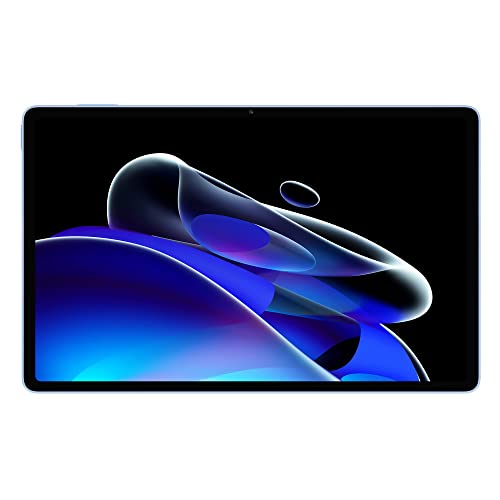
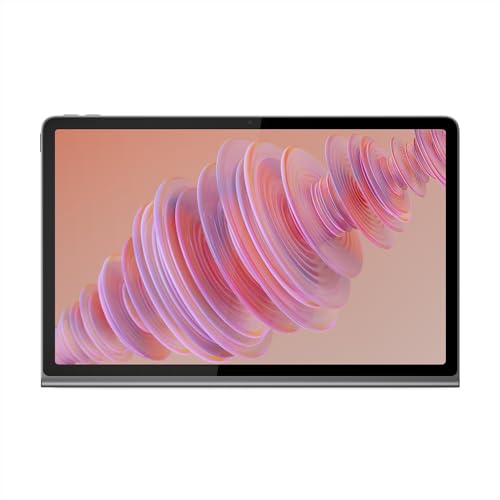
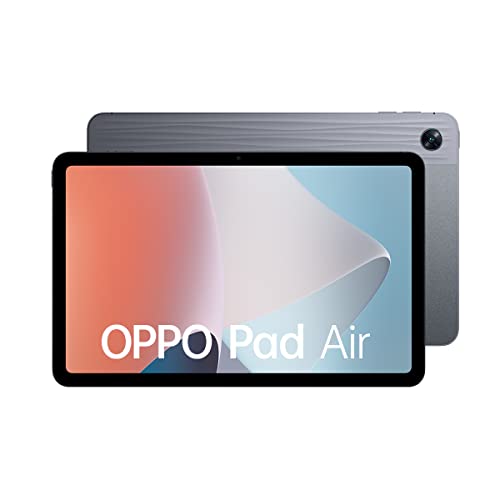
Oppo Pad Air (4GB + 128GB) review. Compare 168 technical specifications and user reviews to see how this product ranks in the Tablets category and whether it is worth buying.
Overall score
What it is: An overall evaluation of the smartphone's quality, based on technical analyses and user reviews.
When it matters: When you need a quick reference to identify the best Tablets on the market.
Score components:
90.0%
Technical Score
10.0%
User score
Technical Score
What it is: An assessment of the smartphone's technical performance, covering eight key areas: performance & hardware, software, camera, connectivity, display, battery, audio, and design.
When it matters: When you want to compare Tablets based on technical performance and available features.
Score components:
22.0%
Performance
20.0%
Display
16.0%
Camera
14.0%
Battery
12.0%
Connectivity
8.0%
Software & Features
5.0%
Design
3.0%
Audio & Multimedia
User score
What it is: A rating that combines user reviews and the total number of reviews received by the smartphone
When it matters: When you want to know how a smartphone handles daily tasks and how reliable it remains over time according to user feedback.
Score components:
70.0%
User reviews
30.0%
Popularity

What it is:
Score components:
25.0%
RAM capacity
20.0%
Refresh rate
20.0%
GPU frequency
20.0%
Chipset
15.0%
Battery capacity
What it is:
Score components:
20.0%
Chipset
20.0%
Battery life
20.0%
RAM capacity
10.0%
Weight
10.0%
Internal storage
10.0%
Keyboard accessory
10.0%
Screen size
What it is:
Score components:
30.0%
RAM capacity
25.0%
Chipset
20.0%
Internal storage
15.0%
Screen size
5.0%
Keyboard accessory
5.0%
Stylus included
What it is:
Score components:
20.0%
Screen size
20.0%
Battery life
20.0%
Weight
20.0%
RAM capacity
20.0%
Chipset
What it is:
Score components:
25.0%
Battery capacity
25.0%
RAM capacity
15.0%
Weight
15.0%
Internal storage
10.0%
Screen size
10.0%
Price
What it is:
Score components:
20.0%
RAM capacity
20.0%
Battery life
15.0%
Chipset
15.0%
Weight
10.0%
Cellular module
10.0%
5G connectivity
5.0%
GPS
5.0%
Internal storage
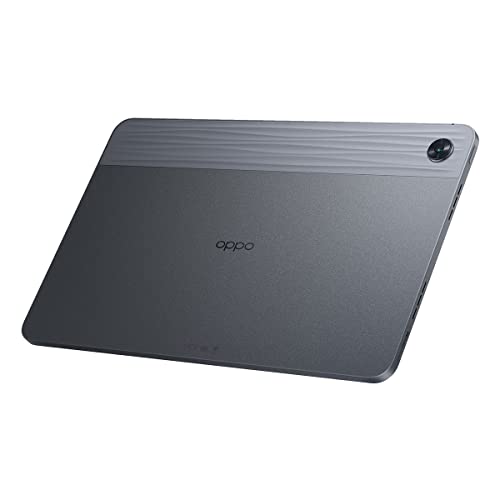
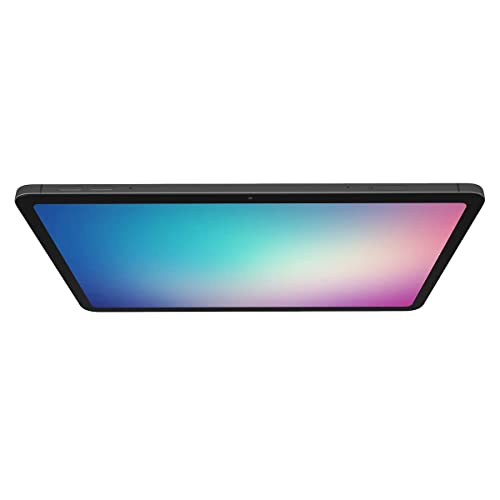
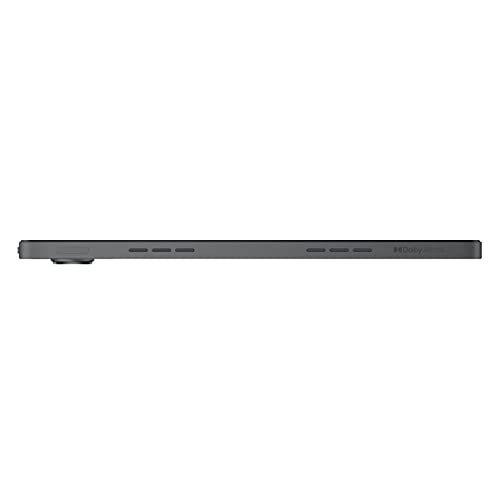
#27 (#5) in Best Oppo Tablets
#173 (#65) in Best 10-inch Tablets
#189 (#108) in Best Tablets For Seniors
#215 (#74) in Best Tablets For 3 To 6-year-olds
What it is: An assessment of the smartphone's technical performance, covering eight key areas: performance & hardware, software, camera, connectivity, display, battery, audio, and design.
When it matters: When you want to compare Tablets based on technical performance and available features.
Score components:
22.0%
Performance
20.0%
Display
16.0%
Camera
14.0%
Battery
12.0%
Connectivity
8.0%
Software & Features
5.0%
Design
3.0%
Audio & Multimedia
What it is: A rating that combines user reviews and the total number of reviews received by the smartphone
When it matters: When you want to know how a smartphone handles daily tasks and how reliable it remains over time according to user feedback.
Score components:
70.0%
User reviews
30.0%
Popularity
What it is: An indicator that combines the smartphone's overall rating with its cost.
When it matters: When you are looking for a smartphone with a good balance between quality and price.
Score components:
60.0%
Overall score
40.0%
Price
Importance: MEDIUM
Good value: >=8 GB
Importance: LOW
Good value: <7 nm
Importance: MEDIUM
Good value: >=128 GB
Importance: MEDIUM
Good value: >1300
Importance: MEDIUM
Importance: MEDIUM
Importance: MEDIUM
Importance: MEDIUM
Good value: >3500
Importance: LOW
Good value: >=8 GB
Importance: LOW
Good value: 5
Importance: LOW
Good value: >20 GB/s
Importance: LOW
Importance: LOW
Good value: >7 W
Importance: LOW
Good value: >2500
Importance: LOW
Good value: >800
Importance: LOW
Good value: >8
Importance: LOW
Good value: >900 MHz
Importance: LOW
Importance: LOW
Good value: >3000
Importance: LOW
Good value: >1200
Importance: LOW
Good value: >3200 MHz
Importance: LOW
Good value: >400
Importance: LOW
Importance: LOW
Good value: 8+
Importance: LOW
Importance: LOW
Good value: >800 MHz
Importance: MEDIUM
Importance: LOW
Importance: LOW
Good value: >10000 million
Importance: LOW
Good value: >=4 MB
Importance: LOW
Good value: >64 KB
Importance: LOW
Good value: >=1 MB
Importance: LOW
Importance: LOW
Good value: 4
Importance: LOW
Good value: >=512 GB
Importance: LOW
Good value: 2.0/3.0
Importance: LOW
Good value: 3.2
Importance: LOW
Good value: 3.3
Importance: LOW
Importance: MEDIUM
Importance: MEDIUM
Good value: >=120 Hz
Importance: HIGH
Importance: MEDIUM
Good value: >250 ppi
Importance: LOW
Importance: MEDIUM
Good value: >500 nits
Importance: MEDIUM
Good value: >=11 inches
Importance: LOW
Importance: LOW
Good value: >120 Hz
Importance: LOW
Importance: LOW
Importance: LOW
Importance: LOW
Good value: >200 Hz
Importance: LOW
Good value: >250 ppi
Importance: MEDIUM
Good value: >400 nits
Importance: LOW
Importance: LOW
Importance: LOW
Importance: LOW
Importance: LOW
Importance: MEDIUM
Importance: HIGH
Good value: >=8 MP
Importance: LOW
Importance: LOW
Importance: MEDIUM
Importance: MEDIUM
Importance: LOW
Importance: LOW
Importance: LOW
Importance: LOW
Importance: LOW
Importance: LOW
Importance: LOW
Importance: LOW
Importance: LOW
Importance: LOW
Importance: LOW
Importance: LOW
Importance: LOW
Importance: LOW
Importance: LOW
Importance: LOW
Importance: LOW
Importance: LOW
Importance: LOW
Importance: LOW
Importance: LOW
Importance: LOW
Importance: LOW
Importance: LOW
Importance: LOW
Importance: MEDIUM
Good value: >8000 mAh
Importance: MEDIUM
Good value: >30 W
Importance: HIGH
Good value: >10 hours
Importance: LOW
Importance: LOW
Importance: LOW
Importance: LOW
Importance: LOW
Importance: MEDIUM
Importance: LOW
Importance: LOW
Importance: LOW
Importance: LOW
Importance: LOW
Importance: LOW
Importance: LOW
Importance: LOW
Importance: LOW
Importance: LOW
Importance: LOW
Importance: LOW
Good value: >5.2
Importance: LOW
Importance: LOW
Importance: LOW
Good value: 3.1/3.2
Importance: LOW
Importance: LOW
Importance: LOW
Importance: LOW
Importance: LOW
Importance: LOW
Importance: LOW
Importance: LOW
Importance: LOW
Importance: MEDIUM
Importance: MEDIUM
Importance: LOW
Importance: LOW
Importance: LOW
Importance: LOW
Importance: LOW
Importance: LOW
Importance: LOW
Importance: LOW
Importance: LOW
Importance: LOW
Importance: LOW
Importance: LOW
Importance: LOW
Importance: LOW
Importance: LOW
Importance: LOW
Importance: LOW
Importance: LOW
Importance: LOW
Importance: LOW
Importance: LOW
Good value: <500 g
Importance: LOW
Importance: LOW
Importance: LOW
Good value: <10 ms
Importance: LOW
Good value: >7
Importance: LOW
Importance: LOW
Importance: LOW
Good value: <7 mm
Importance: LOW
Importance: LOW
Importance: LOW
Importance: LOW
Importance: LOW
Importance: LOW
Good value: >=2
Importance: LOW
Importance: LOW
Importance: LOW
Good value: >=4
Importance: LOW
Importance: LOW
Importance: LOW
Importance: LOW
Importance: LOW
Importance: LOW
Importance: MEDIUM
Importance: MEDIUM
Importance: MEDIUM
Importance: LOW
Importance: LOW
Good value: >=4
Importance: HIGH
Good value: >10 hours
Importance: MEDIUM
Importance: LOW
Good value: <7 nm
Importance: LOW
Importance: LOW
Importance: LOW
Importance: LOW
Importance: LOW
Importance: LOW
Importance: MEDIUM
Good value: >500 nits
Importance: LOW
What it is: An overall evaluation of the smartphone's quality, based on technical analyses and user reviews.
When it matters: When you need a quick reference to identify the best Tablets on the market.
no rating assigned
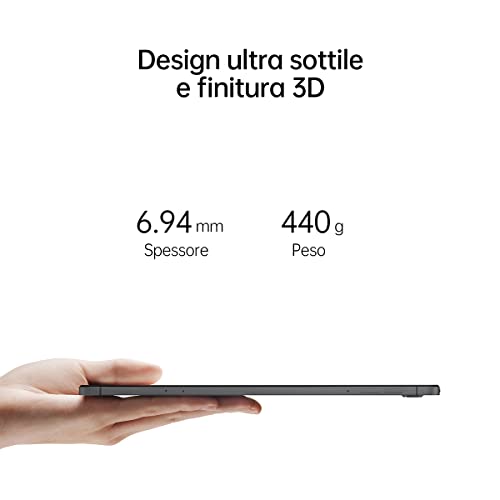
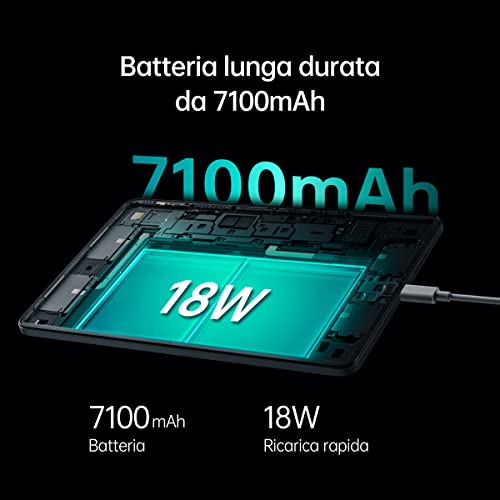
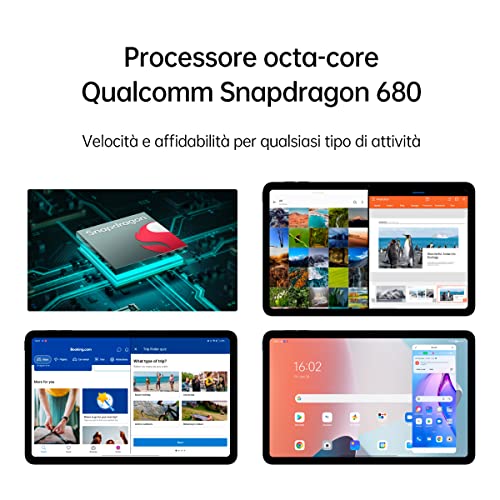
?The OPPO Pad Air is a budget-friendly 10.36-inch 2K IPS tablet featuring a premium, lightweight design (6.94mm, 440g) with a fingerprint-resistant "Sunset Dune 3D" texture. Powered by a Snapdragon 680 with 4GB of RAM, it handles daily tasks effectively, supported by a long-lasting 7100mAh battery and decent quad-speaker audio for media consumption. However, the device is limited by...Read more
no rating assigned
?The OPPO Pad Air is a budget-friendly 10.36-inch tablet featuring a premium, lightweight aluminum design with a unique "Sunset Dune" texture and a sharp 2K IPS display with decent quad-speaker audio. While offering a solid 7,100 mAh battery for daily use, the device is limited by a Snapdragon 680 processor that struggles with heavy 3D gaming, along with a standard 60Hz refresh rate...Read more
no rating assigned
?According to Android Planet, the Oppo Pad Air is a budget-friendly, entry-level tablet with a premium 440g, 10.36-inch 2K display design ideal for media consumption. While offering a strong 7,100 mAh battery, the device features a Snapdragon 680 chip that handles basic tasks well but struggles with heavy multitasking and gaming. Notable drawbacks include slow 18W charging, lack of a...Read more
no rating assigned
?The OnePlus Pad 2 is a high-performance Android tablet designed for productivity, featuring a unique 7:5 "ReadFit" display ideal for document viewing and a powerful Snapdragon 8 Gen 3 processor. Key pros include a bright 3K LCD panel, impressive battery life with 67W fast charging, and seamless ecosystem integration, though it lacks an OLED screen. Cons include a slippery build,...Read more
no rating assigned
?Android Planet compares the budget-friendly Oppo Pad Air and Xiaomi Redmi Pad, noting that while both offer modern, aluminum designs, they differ significantly in display and performance. The Oppo Pad Air is praised for its unique, grippy design, but suffers from a standard 60Hz refresh rate and lower contrast, whereas the Xiaomi Redmi Pad excels with a superior 90Hz display and 30%...Read more
no rating assigned
?The Hardware.info review identifies the Oppo Pad Air as a compelling, budget-friendly tablet ideal for media consumption, distinguished by a premium 6.94mm thin aluminum design and a unique "3D Dune" textured finish. While the 10.36-inch 2K display offers good, sharp visuals, it is limited by a maximum brightness of roughly 360 nits, which hinders outdoor visibility. Powered by a...Read more
no rating assigned
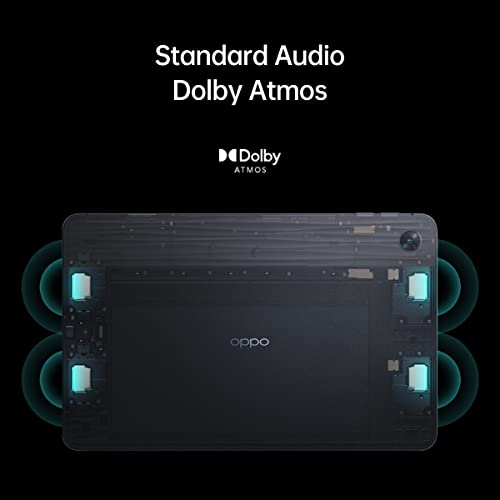
?The Oppo Pad Air is a budget-friendly, 10.36-inch tablet defined by its lightweight 6.94mm design, aluminum finish, and robust 7,100 mAh battery that offers multi-day endurance. It features a 2K display with respectable color, though it is limited to a 60Hz refresh rate, paired with a quad-speaker system supporting Dolby Atmos. Powered by the Snapdragon 680, it handles daily tasks...Read more
no rating assigned
?The Oppo Pad Air makes its Spanish market debut as a stylish, lightweight entry-level tablet featuring a 10.36-inch 2K display and quad speakers, ideal for multimedia consumption. Powered by a Snapdragon 680 with 4GB of RAM, it handles daily tasks effectively and boasts a long-lasting 7,100 mAh battery alongside useful multitasking features in ColorOS. However, the device faces...Read more
no rating assigned
?The Digitec review highlights the Oppo Pad Air as a stylish, well-built budget tablet featuring a 10.36-inch 2K display, a slim 6.94mm aluminium chassis, and a distinctive "3D Dune" texture. Its key strengths include a vivid screen, loud quad-speakers, and effective multitasking software, making it ideal for media consumption, though it lacks a headphone jack and biometric security....Read more
no rating assigned
?The OPPO Pad Air is a stylish, entry-level 10.36-inch 2K tablet featuring a lightweight 6.94mm design with a unique "Sunset Dune" textured back panel. It excels in media consumption with a sharp display, Widevine L1 support, and quad-speaker Dolby Atmos audio, making it a strong choice for entertainment. However, the device is limited to casual use due to the Snapdragon 680 chipset...Read more
no rating assigned
?The Oppo Pad Air is a high-quality, 10.36-inch, 2K display tablet priced around $379 that delivers premium aesthetics and solid, entry-level performance, featuring a unique 6.94mm "3D Dune" texture design and a 7,100mAh battery. Its 60Hz screen and impressive quad-speaker system with Dolby Atmos are ideal for media, while the Snapdragon 680 chip and expandable 64GB storage provide...Read more
no rating assigned
?The OPPO Pad Air is positioned as a budget-friendly, stylish tablet geared toward media consumption rather than high-performance tasks, according to the Reviews.org AU analysis. Key strengths include a premium, lightweight metal design, a crisp 10.36-inch 2K display with capable quad-speakers, and solid battery life. However, performance is limited by the Snapdragon 680 chipset and...Read more
no rating assigned
?The Oppo Pad Air is described by Pocket-lint as a stylish, low-budget tablet that prioritizes a premium, lightweight design with a unique "3D Dune" texture over high-end performance. While it is ideal for media consumption due to its 10.36-inch 2K display, quad speakers, and solid battery life, it is limited by a Snapdragon 680 processor, making it unsuitable for heavy gaming. Key...Read more
no rating assigned
?The Oppo Pad Air is a budget-friendly tablet that stands out for its premium aluminum design, high-resolution 10.36-inch 2K display, and high-quality quad-speaker setup with Dolby Atmos. It is well-suited for casual use, with software features like split-screen enhancing the experience, though performance is limited by a modest Snapdragon 680 processor that is not designed for heavy...Read more
no rating assigned
?The Oppo Pad Air is a budget tablet featuring a premium, lightweight, and thin design with a 10.36-inch 2K IPS display that rivals more expensive alternatives. It boasts quad speakers and great battery life, making it ideal for media consumption, though it suffers from limited performance on demanding games and lacks a 3.5mm jack or LTE options. Despite weak cameras and slow 18W...Read more
no rating assigned
?The OPPO Pad Air is a budget-focused Android tablet with a premium, lightweight design and a distinct "dune" texture, ideal for portable entertainment. It features a bright 10.36-inch 2K IPS display and capable quad-speakers for media consumption, though the screen is highly reflective and prone to fingerprints. Performance is limited by the Snapdragon 680 chipset and 4GB of RAM,...Read more
no rating assigned
?The Expert Reviews assessment highlights the OPPO Pad Air as a premium-feeling, "budget beauty" featuring a lightweight 440g, 6.94mm slim design with a unique "Sunset Dune" texture. While the 10.36-inch 2K IPS display is praised for its quality, it suffers from low, 331-nit maximum brightness, limiting outdoor usability. Performance is adequate for media consumption via...Read more
no rating assigned
?The Oppo Pad Air is a budget tablet featuring a premium, lightweight, all-metal design, a unique "3D dune" texture for grip, and a superior 10.36-inch 2K display with quad-speaker audio. Performance is solid for everyday tasks thanks to the Qualcomm Snapdragon 680, though it is limited to a 60Hz refresh rate and a peak brightness of 355 nits, which can affect visibility in direct...Read more
no rating assigned
?The OPPO Pad features a premium 11-inch, 120Hz 2K display and a slim design, powered by a Snapdragon 870 chipset that handles demanding tasks like Genshin Impact with high stability. It runs ColorOS for Pad, which features intuitive multitasking tools, quad-speaker Dolby Atmos audio, and an 8,300 mAh battery that provides solid, long-lasting performance. While offering great value,...Read more
no rating assigned
?The Oppo Pad Air is a budget-friendly, 10.36-inch tablet featuring a premium slim metal unibody and a sharp 2K IPS display. It boasts solid quad-speaker audio with Dolby Atmos, making it suitable for media consumption, though it lacks a headphone jack and LTE. Powered by a Snapdragon 680 and 4GB of RAM, the device handles daily tasks, but it is limited by a 60Hz screen and low 3D...Read more
no rating assigned
?The OPPO Pad Air is characterized by its premium, lightweight design featuring a 3D "Sunset Dune" aluminium finish, offering excellent portability for a budget device. However, performance is limited by the Snapdragon 680 processor, making it better suited for media consumption than demanding tasks. While the 10.36-inch 2K display and quad-speakers provide a solid multimedia...Read more
no rating assigned
?The Oppo Pad Air is a stylish, lightweight entry-level tablet with a 10.36-inch 2K display, a 7100mAh battery, and a "Sunset Dune" textured finish. Key advantages include its premium design, quad-speakers with Dolby Atmos, and reliable performance for media consumption. While efficient for daily tasks, the Snapdragon 680 processor may struggle with heavy gaming or intense...Read more
no rating assigned
?The OPPO Pad Air is a balanced, budget-friendly 10.36-inch tablet, featuring a slim 6.9mm design and a 2K IPS display with solid quad-speaker audio. Powered by a Snapdragon 680 chipset and 4GB of RAM, the device provides adequate performance for daily tasks and media consumption, complemented by useful multitasking features in ColorOS 12.1. Notable advantages include excellent...Read more
no rating assigned
?The OPPO Pad Air, reviewed by TuttoAndroid, is a budget-friendly, stylish tablet designed for media consumption, featuring a lightweight design with a unique "Sunset Dune" 3D back texture. It boasts a 10.36-inch 2K display and clear quad-speakers, but suffers from low 360-nit brightness and a 60Hz refresh rate. While performance is adequate for daily tasks, the device is hindered by...Read more
no rating assigned
?The Oppo Pad Air is a budget-friendly tablet featuring a premium 6.94mm slim aluminum body with a distinctive "Sunset Dune" texture and a sharp 10.36-inch 2K display, making it excellent for media consumption. It is powered by a Snapdragon 680 processor, which efficiently handles daily tasks and basic multitasking, supported by a long-lasting 7,100mAh battery. However, the tablet...Read more
no rating assigned
?The Oppo Pad Air is a budget-friendly 10.36-inch tablet featuring a slim, 440g all-metal design with a unique "3D Dune" texture and a sharp 2K display suitable for media consumption. It features a capable quad-speaker setup with Dolby Atmos, but lacks a headphone jack and biometric fingerprint sensor. While the Snapdragon 680 chipset provides sufficient power for daily tasks, it...Read more
no rating assigned
?The Oppo Pad Air is a stylish, lightweight budget tablet featuring a 10.36-inch 2K display, a "3D Dune" textured finish, and impressive quad Dolby Atmos speakers suitable for multimedia consumption. While the Snapdragon 680 chip handles daily tasks, the display suffers from low brightness (347 nits) and a cold color profile, and the cameras are described as poor. With 20-hour...Read more
no rating assigned
?The OPPO Pad Air, analyzed by Tom's Guide, is an affordable 10.36-inch, 2K IPS tablet designed for multimedia, featuring a 6.94mm slim design and a textured "Sunset Dune" back. Strong audio-visual performance, powered by quad speakers with Dolby Atmos, makes it excellent for streaming, complemented by a 7,100mAh battery offering around 12 hours of video playback. However,...Read more
no rating assigned
?Journal du Geek characterizes the Oppo Pad Air as a stylish, budget-friendly tablet featuring a premium, thin aluminum design with unique texturing. The device excels in multimedia with a 10.36-inch 2K display and impressive quad-speaker sound, making it ideal for media consumption. However, it is strictly a "basics-first" device, lacking a headphone jack and cellular options, with...Read more
no rating assigned
?The Reno 8 Pro features a premium glass design, 120Hz display, and 80W charging, though it suffers from inferior secondary cameras and lacks wireless charging. The Reno 8 Lite highlights unique notification LED rings but falls short with an outdated 60Hz screen and a high price point. Lastly, the Oppo Pad Air offers a sleek design and good battery life, but is hindered by slow 18W...Read more
no rating assigned
?The iPad Pro M4 and Samsung Galaxy Tab S9 Ultra are identified as top-tier, high-end tablets, with the iPad praised for its M4 chip and tandem OLED display despite its high cost and restrictive iPadOS, while the Galaxy Tab S9 Ultra excels in multitasking with its 14.6-inch AMOLED screen and included S-Pen, though its size is unwieldy. The iPad Air (M2) and Google Pixel Tablet are...Read more
no rating assigned
?Tom’s Guide France highlights the iPad Pro (2024) with its OLED display and the balanced iPad Air (2024) as top-tier choices, though they are limited by high accessory costs. Android alternatives include the feature-rich Samsung Galaxy Tab S9 Ultra and the high-value Xiaomi Pad 5, which are praised for excellent displays and expandable storage despite a more limited app ecosystem...Read more
no rating assigned
?The Frandroid review identifies the Oppo Pad Air as a convincing, budget-friendly tablet defined by a lightweight (440g) aluminum design featuring a 10.36-inch 2K IPS display. With a Snapdragon 680 processor and 4GB of RAM, it handles daily tasks effectively, though it is not suited for intensive 3D gaming. Key, specific trade-offs include a 7100mAh battery, a 60Hz screen refresh...Read more
no rating assigned
?The Oppo Pad Air is a budget-friendly, ultra-slim 6.94mm tablet featuring a distinctive 3D textured design and a 10.36-inch 2K display suitable for casual media consumption. Powered by a Snapdragon 680 processor, it handles daily tasks well but faces limitations with high-end gaming, complemented by a 7,100mAh battery and decent quad-speaker audio. Key pros include a premium,...Read more
no rating assigned
?The iGizmo review presents the Oppo Pad Air and Enco Air2 Pro as a budget-friendly, cohesive multimedia kit, highlighting the tablet's sleek 10.36-inch 2K display and the earbuds' effective Active Noise Cancellation. The Oppo Pad Air is praised for its lightweight 3D Dune design and quad-speakers, though it is limited by a Snapdragon 680 processor, 4GB RAM, and slow 18W charging....Read more
no rating assigned
?The OPPO Pad Air emerges as a competitive budget tablet featuring a premium, slim 6.9mm design with a unique "Sunset Dune" texture for improved grip. Powered by a Snapdragon 680 processor, it delivers a smooth, capable experience for daily productivity and media consumption, aided by an efficient ColorOS for Pad software experience. Key strengths include a sharp 10.36-inch 2K IPS...Read more
no rating assigned
?The OPPO Pad Air is a budget tablet featuring a 10.36-inch 2K display and a 440g aluminum design with a "Sunset Dune" texture. The device is praised for its excellent build quality, quad Dolby Atmos speakers, and good display, making it suitable for media consumption. Performance is driven by a Snapdragon 680 chipset and 4GB of RAM, which is sufficient for daily tasks and streaming,...Read more
no rating assigned
?The Pokipsie.ch review highlights the OPPO Pad Air as a premium-feeling, lightweight (440g) budget tablet featuring a distinctive "Sunset Dune 3D texture" that resists fingerprints. It boasts a sharp 10.36-inch 2K IPS display and loud quad-speakers with Dolby Atmos, though it lacks a 3.5mm headphone jack and cellular connectivity. Performance is suitable for daily tasks via the...Read more
no rating assigned
?The Business Insider Spain review positions the OPPO Pad Air as a premium-feeling, mid-range tablet featuring a slim, high-quality design with a unique textured back and excellent quad speakers. Its 10.36-inch 2K screen provides a sharp, immersive experience suitable for media consumption, though it suffers from limited 360-nit peak brightness in direct sunlight. While the...Read more
no rating assigned
?The OPPO Pad Air features a premium, lightweight metal design with a unique textured back, though it lacks a fingerprint sensor for security. It offers a sharp 10.36-inch 2K display with Dolby Atmos quad-speakers for media, but is hampered by low maximum brightness and a standard 60Hz refresh rate. Performance is adequate for daily tasks and media consumption with solid battery...Read more
no rating assigned
?The Digitec review highlights the Oppo Pad Air as a lightweight, well-designed entry-level tablet with a 10.36-inch 2K IPS display that performs well for its price, though it lacks a fingerprint sensor and is limited to a 60Hz refresh rate. Driven by a Snapdragon 680, it handles daily tasks and multitasking via ColorOS 12.1, but it faces performance limits in 3D gaming and lacks...Read more
no rating assigned
?The Oppo Pad Air is a budget-friendly Android tablet priced under 300 francs, offering a premium, lightweight design (6.9mm thick, 440g) and a robust metallic finish, according to Watson.ch. Its 10.36-inch IPS screen is suitable for media, complemented by an impressive quad-speaker system with Dolby Atmos. Key drawbacks include limited screen brightness (360 nits), making outdoor...Read more
no rating assigned
?The Oppo Pad Air is praised by Presse-Citron for its refined design, featuring a 6.94mm slim metal body, and an impressive 10.36-inch 2K display that excels at media consumption, aided by solid quad-speaker audio. Performance is driven by a Snapdragon 680 chipset which works well for daily tasks, but the tablet shows limitations with heavy gaming and lacks both a 3.5mm jack and a...Read more
no rating assigned
?The OPPO Pad Air is a budget-friendly 10.36-inch 2K IPS tablet featuring a premium, lightweight design (6.94mm, 440g) with a fingerprint-resistant "Sunset Dune 3D" texture. Powered by a Snapdragon 680 with 4GB of RAM, it handles daily tasks effectively, supported by a long-lasting 7100mAh battery and decent quad-speaker audio for media consumption. However, the device is limited by...Read more
no rating assigned
?The OPPO Pad Air is a budget-friendly 10.36-inch tablet featuring a premium, lightweight aluminum design with a unique "Sunset Dune" texture and a sharp 2K IPS display with decent quad-speaker audio. While offering a solid 7,100 mAh battery for daily use, the device is limited by a Snapdragon 680 processor that struggles with heavy 3D gaming, along with a standard 60Hz refresh rate...Read more
no rating assigned
?According to Android Planet, the Oppo Pad Air is a budget-friendly, entry-level tablet with a premium 440g, 10.36-inch 2K display design ideal for media consumption. While offering a strong 7,100 mAh battery, the device features a Snapdragon 680 chip that handles basic tasks well but struggles with heavy multitasking and gaming. Notable drawbacks include slow 18W charging, lack of a...Read more
no rating assigned
?The OnePlus Pad 2 is a high-performance Android tablet designed for productivity, featuring a unique 7:5 "ReadFit" display ideal for document viewing and a powerful Snapdragon 8 Gen 3 processor. Key pros include a bright 3K LCD panel, impressive battery life with 67W fast charging, and seamless ecosystem integration, though it lacks an OLED screen. Cons include a slippery build,...Read more
no rating assigned
?Android Planet compares the budget-friendly Oppo Pad Air and Xiaomi Redmi Pad, noting that while both offer modern, aluminum designs, they differ significantly in display and performance. The Oppo Pad Air is praised for its unique, grippy design, but suffers from a standard 60Hz refresh rate and lower contrast, whereas the Xiaomi Redmi Pad excels with a superior 90Hz display and 30%...Read more
no rating assigned
?The Hardware.info review identifies the Oppo Pad Air as a compelling, budget-friendly tablet ideal for media consumption, distinguished by a premium 6.94mm thin aluminum design and a unique "3D Dune" textured finish. While the 10.36-inch 2K display offers good, sharp visuals, it is limited by a maximum brightness of roughly 360 nits, which hinders outdoor visibility. Powered by a...Read more
no rating assigned
?The Oppo Pad Air is a budget-friendly, 10.36-inch tablet defined by its lightweight 6.94mm design, aluminum finish, and robust 7,100 mAh battery that offers multi-day endurance. It features a 2K display with respectable color, though it is limited to a 60Hz refresh rate, paired with a quad-speaker system supporting Dolby Atmos. Powered by the Snapdragon 680, it handles daily tasks...Read more
no rating assigned
?The Oppo Pad Air makes its Spanish market debut as a stylish, lightweight entry-level tablet featuring a 10.36-inch 2K display and quad speakers, ideal for multimedia consumption. Powered by a Snapdragon 680 with 4GB of RAM, it handles daily tasks effectively and boasts a long-lasting 7,100 mAh battery alongside useful multitasking features in ColorOS. However, the device faces...Read more
no rating assigned
?The Digitec review highlights the Oppo Pad Air as a stylish, well-built budget tablet featuring a 10.36-inch 2K display, a slim 6.94mm aluminium chassis, and a distinctive "3D Dune" texture. Its key strengths include a vivid screen, loud quad-speakers, and effective multitasking software, making it ideal for media consumption, though it lacks a headphone jack and biometric security....Read more
no rating assigned
?The OPPO Pad Air is a stylish, entry-level 10.36-inch 2K tablet featuring a lightweight 6.94mm design with a unique "Sunset Dune" textured back panel. It excels in media consumption with a sharp display, Widevine L1 support, and quad-speaker Dolby Atmos audio, making it a strong choice for entertainment. However, the device is limited to casual use due to the Snapdragon 680 chipset...Read more
no rating assigned
?The Oppo Pad Air is a high-quality, 10.36-inch, 2K display tablet priced around $379 that delivers premium aesthetics and solid, entry-level performance, featuring a unique 6.94mm "3D Dune" texture design and a 7,100mAh battery. Its 60Hz screen and impressive quad-speaker system with Dolby Atmos are ideal for media, while the Snapdragon 680 chip and expandable 64GB storage provide...Read more
no rating assigned
?The OPPO Pad Air is positioned as a budget-friendly, stylish tablet geared toward media consumption rather than high-performance tasks, according to the Reviews.org AU analysis. Key strengths include a premium, lightweight metal design, a crisp 10.36-inch 2K display with capable quad-speakers, and solid battery life. However, performance is limited by the Snapdragon 680 chipset and...Read more
no rating assigned
?The Oppo Pad Air is described by Pocket-lint as a stylish, low-budget tablet that prioritizes a premium, lightweight design with a unique "3D Dune" texture over high-end performance. While it is ideal for media consumption due to its 10.36-inch 2K display, quad speakers, and solid battery life, it is limited by a Snapdragon 680 processor, making it unsuitable for heavy gaming. Key...Read more
no rating assigned
?The Oppo Pad Air is a budget-friendly tablet that stands out for its premium aluminum design, high-resolution 10.36-inch 2K display, and high-quality quad-speaker setup with Dolby Atmos. It is well-suited for casual use, with software features like split-screen enhancing the experience, though performance is limited by a modest Snapdragon 680 processor that is not designed for heavy...Read more
no rating assigned
?The Oppo Pad Air is a budget tablet featuring a premium, lightweight, and thin design with a 10.36-inch 2K IPS display that rivals more expensive alternatives. It boasts quad speakers and great battery life, making it ideal for media consumption, though it suffers from limited performance on demanding games and lacks a 3.5mm jack or LTE options. Despite weak cameras and slow 18W...Read more
no rating assigned
?The OPPO Pad Air is a budget-focused Android tablet with a premium, lightweight design and a distinct "dune" texture, ideal for portable entertainment. It features a bright 10.36-inch 2K IPS display and capable quad-speakers for media consumption, though the screen is highly reflective and prone to fingerprints. Performance is limited by the Snapdragon 680 chipset and 4GB of RAM,...Read more
no rating assigned
?The Expert Reviews assessment highlights the OPPO Pad Air as a premium-feeling, "budget beauty" featuring a lightweight 440g, 6.94mm slim design with a unique "Sunset Dune" texture. While the 10.36-inch 2K IPS display is praised for its quality, it suffers from low, 331-nit maximum brightness, limiting outdoor usability. Performance is adequate for media consumption via...Read more
no rating assigned
?The Oppo Pad Air is a budget tablet featuring a premium, lightweight, all-metal design, a unique "3D dune" texture for grip, and a superior 10.36-inch 2K display with quad-speaker audio. Performance is solid for everyday tasks thanks to the Qualcomm Snapdragon 680, though it is limited to a 60Hz refresh rate and a peak brightness of 355 nits, which can affect visibility in direct...Read more
no rating assigned
?The OPPO Pad features a premium 11-inch, 120Hz 2K display and a slim design, powered by a Snapdragon 870 chipset that handles demanding tasks like Genshin Impact with high stability. It runs ColorOS for Pad, which features intuitive multitasking tools, quad-speaker Dolby Atmos audio, and an 8,300 mAh battery that provides solid, long-lasting performance. While offering great value,...Read more
no rating assigned
?The Oppo Pad Air is a budget-friendly, 10.36-inch tablet featuring a premium slim metal unibody and a sharp 2K IPS display. It boasts solid quad-speaker audio with Dolby Atmos, making it suitable for media consumption, though it lacks a headphone jack and LTE. Powered by a Snapdragon 680 and 4GB of RAM, the device handles daily tasks, but it is limited by a 60Hz screen and low 3D...Read more
no rating assigned
?The OPPO Pad Air is characterized by its premium, lightweight design featuring a 3D "Sunset Dune" aluminium finish, offering excellent portability for a budget device. However, performance is limited by the Snapdragon 680 processor, making it better suited for media consumption than demanding tasks. While the 10.36-inch 2K display and quad-speakers provide a solid multimedia...Read more
no rating assigned
?The Oppo Pad Air is a stylish, lightweight entry-level tablet with a 10.36-inch 2K display, a 7100mAh battery, and a "Sunset Dune" textured finish. Key advantages include its premium design, quad-speakers with Dolby Atmos, and reliable performance for media consumption. While efficient for daily tasks, the Snapdragon 680 processor may struggle with heavy gaming or intense...Read more
no rating assigned
?The OPPO Pad Air is a balanced, budget-friendly 10.36-inch tablet, featuring a slim 6.9mm design and a 2K IPS display with solid quad-speaker audio. Powered by a Snapdragon 680 chipset and 4GB of RAM, the device provides adequate performance for daily tasks and media consumption, complemented by useful multitasking features in ColorOS 12.1. Notable advantages include excellent...Read more
no rating assigned
?The OPPO Pad Air, reviewed by TuttoAndroid, is a budget-friendly, stylish tablet designed for media consumption, featuring a lightweight design with a unique "Sunset Dune" 3D back texture. It boasts a 10.36-inch 2K display and clear quad-speakers, but suffers from low 360-nit brightness and a 60Hz refresh rate. While performance is adequate for daily tasks, the device is hindered by...Read more
no rating assigned
?The Oppo Pad Air is a budget-friendly tablet featuring a premium 6.94mm slim aluminum body with a distinctive "Sunset Dune" texture and a sharp 10.36-inch 2K display, making it excellent for media consumption. It is powered by a Snapdragon 680 processor, which efficiently handles daily tasks and basic multitasking, supported by a long-lasting 7,100mAh battery. However, the tablet...Read more
no rating assigned
?The Oppo Pad Air is a budget-friendly 10.36-inch tablet featuring a slim, 440g all-metal design with a unique "3D Dune" texture and a sharp 2K display suitable for media consumption. It features a capable quad-speaker setup with Dolby Atmos, but lacks a headphone jack and biometric fingerprint sensor. While the Snapdragon 680 chipset provides sufficient power for daily tasks, it...Read more
no rating assigned
?The Oppo Pad Air is a stylish, lightweight budget tablet featuring a 10.36-inch 2K display, a "3D Dune" textured finish, and impressive quad Dolby Atmos speakers suitable for multimedia consumption. While the Snapdragon 680 chip handles daily tasks, the display suffers from low brightness (347 nits) and a cold color profile, and the cameras are described as poor. With 20-hour...Read more
no rating assigned
?The OPPO Pad Air, analyzed by Tom's Guide, is an affordable 10.36-inch, 2K IPS tablet designed for multimedia, featuring a 6.94mm slim design and a textured "Sunset Dune" back. Strong audio-visual performance, powered by quad speakers with Dolby Atmos, makes it excellent for streaming, complemented by a 7,100mAh battery offering around 12 hours of video playback. However,...Read more
no rating assigned
?Journal du Geek characterizes the Oppo Pad Air as a stylish, budget-friendly tablet featuring a premium, thin aluminum design with unique texturing. The device excels in multimedia with a 10.36-inch 2K display and impressive quad-speaker sound, making it ideal for media consumption. However, it is strictly a "basics-first" device, lacking a headphone jack and cellular options, with...Read more
no rating assigned
?The Reno 8 Pro features a premium glass design, 120Hz display, and 80W charging, though it suffers from inferior secondary cameras and lacks wireless charging. The Reno 8 Lite highlights unique notification LED rings but falls short with an outdated 60Hz screen and a high price point. Lastly, the Oppo Pad Air offers a sleek design and good battery life, but is hindered by slow 18W...Read more
no rating assigned
?The iPad Pro M4 and Samsung Galaxy Tab S9 Ultra are identified as top-tier, high-end tablets, with the iPad praised for its M4 chip and tandem OLED display despite its high cost and restrictive iPadOS, while the Galaxy Tab S9 Ultra excels in multitasking with its 14.6-inch AMOLED screen and included S-Pen, though its size is unwieldy. The iPad Air (M2) and Google Pixel Tablet are...Read more
no rating assigned
?Tom’s Guide France highlights the iPad Pro (2024) with its OLED display and the balanced iPad Air (2024) as top-tier choices, though they are limited by high accessory costs. Android alternatives include the feature-rich Samsung Galaxy Tab S9 Ultra and the high-value Xiaomi Pad 5, which are praised for excellent displays and expandable storage despite a more limited app ecosystem...Read more
no rating assigned
?The Frandroid review identifies the Oppo Pad Air as a convincing, budget-friendly tablet defined by a lightweight (440g) aluminum design featuring a 10.36-inch 2K IPS display. With a Snapdragon 680 processor and 4GB of RAM, it handles daily tasks effectively, though it is not suited for intensive 3D gaming. Key, specific trade-offs include a 7100mAh battery, a 60Hz screen refresh...Read more
no rating assigned
?The Oppo Pad Air is a budget-friendly, ultra-slim 6.94mm tablet featuring a distinctive 3D textured design and a 10.36-inch 2K display suitable for casual media consumption. Powered by a Snapdragon 680 processor, it handles daily tasks well but faces limitations with high-end gaming, complemented by a 7,100mAh battery and decent quad-speaker audio. Key pros include a premium,...Read more
no rating assigned
?The iGizmo review presents the Oppo Pad Air and Enco Air2 Pro as a budget-friendly, cohesive multimedia kit, highlighting the tablet's sleek 10.36-inch 2K display and the earbuds' effective Active Noise Cancellation. The Oppo Pad Air is praised for its lightweight 3D Dune design and quad-speakers, though it is limited by a Snapdragon 680 processor, 4GB RAM, and slow 18W charging....Read more
no rating assigned
?The OPPO Pad Air emerges as a competitive budget tablet featuring a premium, slim 6.9mm design with a unique "Sunset Dune" texture for improved grip. Powered by a Snapdragon 680 processor, it delivers a smooth, capable experience for daily productivity and media consumption, aided by an efficient ColorOS for Pad software experience. Key strengths include a sharp 10.36-inch 2K IPS...Read more
no rating assigned
?The OPPO Pad Air is a budget tablet featuring a 10.36-inch 2K display and a 440g aluminum design with a "Sunset Dune" texture. The device is praised for its excellent build quality, quad Dolby Atmos speakers, and good display, making it suitable for media consumption. Performance is driven by a Snapdragon 680 chipset and 4GB of RAM, which is sufficient for daily tasks and streaming,...Read more
no rating assigned
?The Pokipsie.ch review highlights the OPPO Pad Air as a premium-feeling, lightweight (440g) budget tablet featuring a distinctive "Sunset Dune 3D texture" that resists fingerprints. It boasts a sharp 10.36-inch 2K IPS display and loud quad-speakers with Dolby Atmos, though it lacks a 3.5mm headphone jack and cellular connectivity. Performance is suitable for daily tasks via the...Read more
no rating assigned
?The Business Insider Spain review positions the OPPO Pad Air as a premium-feeling, mid-range tablet featuring a slim, high-quality design with a unique textured back and excellent quad speakers. Its 10.36-inch 2K screen provides a sharp, immersive experience suitable for media consumption, though it suffers from limited 360-nit peak brightness in direct sunlight. While the...Read more
no rating assigned
?The OPPO Pad Air features a premium, lightweight metal design with a unique textured back, though it lacks a fingerprint sensor for security. It offers a sharp 10.36-inch 2K display with Dolby Atmos quad-speakers for media, but is hampered by low maximum brightness and a standard 60Hz refresh rate. Performance is adequate for daily tasks and media consumption with solid battery...Read more
no rating assigned
?The Digitec review highlights the Oppo Pad Air as a lightweight, well-designed entry-level tablet with a 10.36-inch 2K IPS display that performs well for its price, though it lacks a fingerprint sensor and is limited to a 60Hz refresh rate. Driven by a Snapdragon 680, it handles daily tasks and multitasking via ColorOS 12.1, but it faces performance limits in 3D gaming and lacks...Read more
no rating assigned
?The Oppo Pad Air is a budget-friendly Android tablet priced under 300 francs, offering a premium, lightweight design (6.9mm thick, 440g) and a robust metallic finish, according to Watson.ch. Its 10.36-inch IPS screen is suitable for media, complemented by an impressive quad-speaker system with Dolby Atmos. Key drawbacks include limited screen brightness (360 nits), making outdoor...Read more
no rating assigned
?The Oppo Pad Air is praised by Presse-Citron for its refined design, featuring a 6.94mm slim metal body, and an impressive 10.36-inch 2K display that excels at media consumption, aided by solid quad-speaker audio. Performance is driven by a Snapdragon 680 chipset which works well for daily tasks, but the tablet shows limitations with heavy gaming and lacks both a 3.5mm jack and a...Read more

Compare