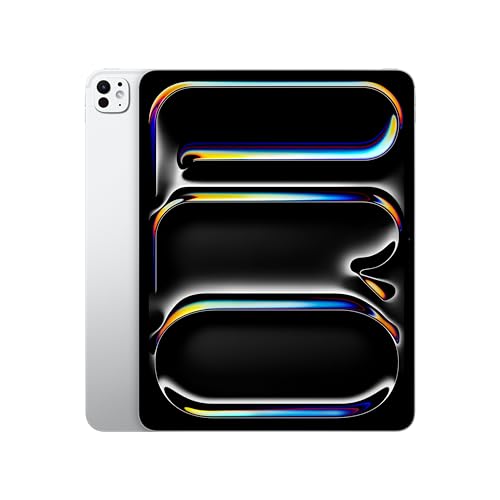
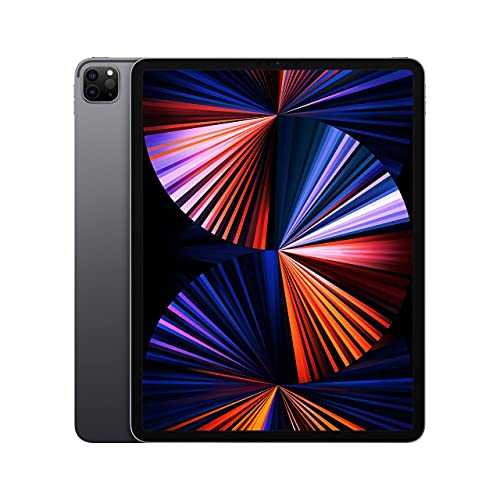
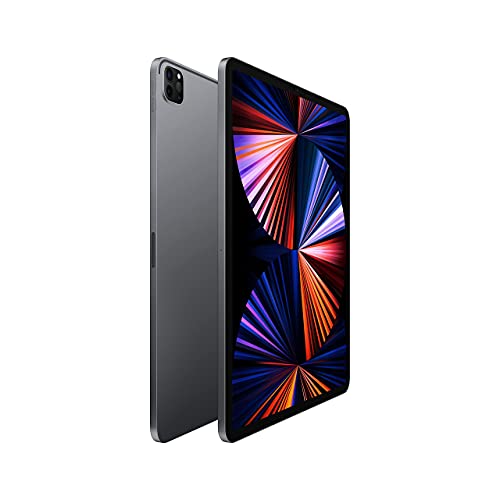
Apple iPad Pro 12.9 2021 (16GB + 1TB) review. Compare 168 technical specifications and user reviews to see how this product ranks in the Tablets category and whether it is worth buying.
Overall score
What it is: An overall evaluation of the smartphone's quality, based on technical analyses and user reviews.
When it matters: When you need a quick reference to identify the best Tablets on the market.
Score components:
90.0%
Technical Score
10.0%
User score
Technical Score
What it is: An assessment of the smartphone's technical performance, covering eight key areas: performance & hardware, software, camera, connectivity, display, battery, audio, and design.
When it matters: When you want to compare Tablets based on technical performance and available features.
Score components:
22.0%
Performance
20.0%
Display
16.0%
Camera
14.0%
Battery
12.0%
Connectivity
8.0%
Software & Features
5.0%
Design
3.0%
Audio & Multimedia
User score
What it is: A rating that combines user reviews and the total number of reviews received by the smartphone
When it matters: When you want to know how a smartphone handles daily tasks and how reliable it remains over time according to user feedback.
Score components:
70.0%
User reviews
30.0%
Popularity
Score components:
25.0%
RAM capacity
20.0%
Refresh rate
20.0%
GPU frequency
20.0%
Chipset
15.0%
Battery capacity
Score components:
20.0%
Chipset
20.0%
Battery life
20.0%
RAM capacity
10.0%
Weight
10.0%
Internal storage
10.0%
Keyboard accessory
10.0%
Screen size
Score components:
30.0%
RAM capacity
25.0%
Chipset
20.0%
Internal storage
15.0%
Screen size
5.0%
Keyboard accessory
5.0%
Stylus included
Score components:
20.0%
Screen size
20.0%
Battery life
20.0%
Weight
20.0%
RAM capacity
20.0%
Chipset
Score components:
25.0%
Battery capacity
25.0%
RAM capacity
15.0%
Weight
15.0%
Internal storage
10.0%
Screen size
10.0%
Price
Score components:
20.0%
RAM capacity
20.0%
Battery life
15.0%
Chipset
15.0%
Weight
10.0%
Cellular module
10.0%
5G connectivity
5.0%
GPS
5.0%
Internal storage
Available: ranking among products currently available (including other versions of this product).
All: ranking among all products in the database.
#6 in Best Apple Tablets
#13 in Best 13-inch Tablets
#25 in Best Tablets With SIM Card
#26 in Best 5G Tablets
#37 in Best Large Screen Tablets
#42 in Best Tablets For Drawing
#46 in Best Tablets
#46 in Best Tablets With Keyboard
#208 in Best Gaming Tablets
What it is: An assessment of the smartphone's technical performance, covering eight key areas: performance & hardware, software, camera, connectivity, display, battery, audio, and design.
When it matters: When you want to compare Tablets based on technical performance and available features.
Score components:
22.0%
Performance
20.0%
Display
16.0%
Camera
14.0%
Battery
12.0%
Connectivity
8.0%
Software & Features
5.0%
Design
3.0%
Audio & Multimedia
What it is: A rating that combines user reviews and the total number of reviews received by the smartphone
When it matters: When you want to know how a smartphone handles daily tasks and how reliable it remains over time according to user feedback.
Score components:
70.0%
User reviews
30.0%
Popularity
What it is: An indicator that combines the smartphone's overall rating with its cost.
When it matters: When you are looking for a smartphone with a good balance between quality and price.
Score components:
60.0%
Overall score
40.0%
Price
Importance: MEDIUM
Good value: >=8 GB
Importance: LOW
Good value: <7 nm
Importance: MEDIUM
Good value: >=128 GB
Importance: MEDIUM
Good value: >1300
Importance: MEDIUM
Importance: MEDIUM
Importance: MEDIUM
Importance: MEDIUM
Good value: >3500
Importance: LOW
Good value: >=8 GB
Importance: LOW
Good value: 5
Importance: LOW
Good value: >20 GB/s
Importance: LOW
Importance: LOW
Good value: >7 W
Importance: LOW
Good value: >2500
Importance: LOW
Good value: >800
Importance: LOW
Good value: >8
Importance: LOW
Good value: >900 MHz
Importance: LOW
Importance: LOW
Good value: >3000
Importance: LOW
Good value: >1200
Importance: LOW
Good value: >3200 MHz
Importance: LOW
Good value: >400
Importance: LOW
Importance: LOW
Good value: 8+
Importance: LOW
Importance: LOW
Good value: >800 MHz
Importance: MEDIUM
Importance: LOW
Importance: LOW
Good value: >10000 million
Importance: LOW
Good value: >=4 MB
Importance: LOW
Good value: >64 KB
Importance: LOW
Good value: >=1 MB
Importance: LOW
Importance: LOW
Good value: 4
Importance: LOW
Good value: >=512 GB
Importance: LOW
Good value: 2.0/3.0
Importance: LOW
Good value: 3.2
Importance: LOW
Good value: 3.3
Importance: LOW
Importance: MEDIUM
Importance: MEDIUM
Good value: >=120 Hz
Importance: HIGH
Importance: MEDIUM
Good value: >250 ppi
Importance: LOW
Importance: MEDIUM
Good value: >500 nits
Importance: MEDIUM
Good value: >=11 inches
Importance: LOW
Importance: LOW
Good value: >120 Hz
Importance: LOW
Importance: LOW
Importance: LOW
Importance: LOW
Good value: >200 Hz
Importance: LOW
Good value: >250 ppi
Importance: MEDIUM
Good value: >400 nits
Importance: LOW
Importance: LOW
Importance: LOW
Importance: LOW
Importance: LOW
Importance: MEDIUM
Importance: HIGH
Good value: >=8 MP
Importance: LOW
Importance: LOW
Importance: MEDIUM
Importance: MEDIUM
Importance: LOW
Importance: LOW
Importance: LOW
Importance: LOW
Importance: LOW
Importance: LOW
Importance: LOW
Importance: LOW
Importance: LOW
Importance: LOW
Importance: LOW
Importance: LOW
Importance: LOW
Importance: LOW
Importance: LOW
Importance: LOW
Importance: LOW
Importance: LOW
Importance: LOW
Importance: LOW
Importance: LOW
Importance: LOW
Importance: LOW
Importance: LOW
Importance: LOW
Importance: MEDIUM
Good value: >8000 mAh
Importance: MEDIUM
Good value: >30 W
Importance: HIGH
Good value: >10 hours
Importance: LOW
Importance: LOW
Importance: LOW
Importance: LOW
Importance: LOW
Importance: MEDIUM
Importance: LOW
Importance: LOW
Importance: LOW
Importance: LOW
Importance: LOW
Importance: LOW
Importance: LOW
Importance: LOW
Importance: LOW
Importance: LOW
Importance: LOW
Importance: LOW
Good value: >5.2
Importance: LOW
Importance: LOW
Importance: LOW
Good value: 3.1/3.2
Importance: LOW
Importance: LOW
Importance: LOW
Importance: LOW
Importance: LOW
Importance: LOW
Importance: LOW
Importance: LOW
Importance: LOW
Importance: MEDIUM
Importance: MEDIUM
Importance: LOW
Importance: LOW
Importance: LOW
Importance: LOW
Importance: LOW
Importance: LOW
Importance: LOW
Importance: LOW
Importance: LOW
Importance: LOW
Importance: LOW
Importance: LOW
Importance: LOW
Importance: LOW
Importance: LOW
Importance: LOW
Importance: LOW
Importance: LOW
Importance: LOW
Importance: LOW
Importance: LOW
Good value: <500 g
Importance: LOW
Importance: LOW
Importance: LOW
Good value: <10 ms
Importance: LOW
Good value: >7
Importance: LOW
Importance: LOW
Importance: LOW
Good value: <7 mm
Importance: LOW
Importance: LOW
Importance: LOW
Importance: LOW
Importance: LOW
Importance: LOW
Good value: >=2
Importance: LOW
Importance: LOW
Importance: LOW
Good value: >=4
Importance: LOW
Importance: LOW
Importance: LOW
Importance: LOW
Importance: LOW
Importance: LOW
Importance: MEDIUM
Importance: MEDIUM
Good value: >=120 Hz
Importance: MEDIUM
Importance: MEDIUM
Good value: >=128 GB
Importance: HIGH
Importance: MEDIUM
Importance: MEDIUM
Good value: >=8 GB
Importance: MEDIUM
Good value: >500 nits
Importance: MEDIUM
Importance: LOW
Good value: <500 g
Importance: LOW
Importance: LOW
Importance: LOW
Importance: LOW
The 2021 12.9-inch iPad Pro (5th Gen) stands out for integrating the Apple M1 chip, offering desktop-class performance, along with Thunderbolt 4, 5G, and a Liquid Retina XDR mini-LED display with exceptional 1,600-nit peak brightness. Key advantages include its immense processing power for demanding creative tasks, superior HDR visual accuracy, high-quality audio, and the Center Stage front camera feature. However, drawbacks involve the restrictive nature of iPadOS, a higher cost when paired with essential accessories, increased weight, and faster battery drain during high-intensity usage.
The 2021 12.9-inch iPad Pro, powered by the M1 chip, is lauded by Express.co.uk for its exceptional 50% faster performance, the introduction of the vivid Liquid Retina XDR display, and 5G connectivity. Key hardware enhancements include a 12MP front-facing camera with "Center Stage" tracking and a high-speed Thunderbolt port, all housed in a familiar premium aluminum chassis. However, the review highlights high costs—especially with mandatory accessories—and limitations of iPadOS as primary drawbacks, arguing it still cannot fully replace a laptop despite having superior hardware.
The TechRadar review deems the 2021 12.9-inch iPad Pro a best-in-class, laptop-replacing tablet, driven by the powerful M1 chip and a stunning Mini LED Liquid Retina XDR display. Key strengths include exceptional screen brightness, a 120Hz ProMotion display, Thunderbolt 4 connectivity, and the convenience of the Center Stage camera, though the device is recognized as overkill for casual users. Conversely, the device suffers from a very high price point, significant weight that hinders portability, and limited 128GB base storage. Reviewers also noted minor display blooming in dark scenes and constraints within iPadOS that limit the full potential of the desktop-class hardware. Overall, the 2021 iPad Pro 12.9 is a powerhouse for creative professionals, combining immense processing power with a premium display, but it comes at a premium cost and with limitations in software usability.
The T3 review of the 2021 12.9-inch iPad Pro highlights the Liquid Retina XDR mini-LED display as the best visual experience on a mobile device, offering 1,600 nits peak brightness and 120Hz ProMotion. Powered by the M1 chip, the device delivers desktop-class performance suitable for intensive creative tasks, complemented by 5G, Thunderbolt 4, and the Center Stage camera feature. While praised for its power and display, the review notes that the high cost of the tablet and essential accessories, combined with the limitations of iPadOS for complex multitasking, prevents it from being a full laptop replacement for all users.
The Tech Advisor review of the 12.9-inch iPad Pro (2021) highlights its "overkill" performance driven by the M1 chip and a revolutionary Liquid Retina XDR display using Mini-LED technology. Key hardware pros include Thunderbolt support, 5G connectivity, and a new 12Mp front camera with Center Stage, delivering a superior viewing and performance experience. However, the review notes significant cons, as iPadOS fails to fully utilize the M1 chip's capabilities, particularly in multitasking, and the device is heavier and thicker than its predecessor. Additionally, the tablet is expensive and suffers from minor "blooming" effects on the screen and slow charging speeds. The final verdict positions it as a top-tier device often hampered by its software limitations, suggesting it is more powerful than necessary for the average user. Tech Advisor
The 2021 12.9-inch iPad Pro, reviewed by PCMag, is described as a hardware powerhouse, featuring a high-performance M1 chip, superior Liquid Retina XDR display with mini-LED technology, and 5G connectivity. It excels in creative tasks with its 120Hz ProMotion display, Thunderbolt 4 support, and a 12MP front camera with Center Stage for improved video calls. However, the review notes significant limitations, arguing that iPadOS restricts the potential of the hardware, particularly with limited multitasking, lack of true external monitor support, and high pricing when accessories are added. Further, the absence of a 3.5mm headphone jack and the, at times, restrictive app ecosystem prevent it from fully replacing a laptop for all users. Ultimately, while the device is praised for its immense power and display quality, the constraints of the operating system are a central point of criticism.
The 2021 12.9-inch iPad Pro with M1 chip is described as a super-premium tablet featuring a stunning Liquid Retina XDR mini-LED display and exceptional performance, though the power feels excessive due to iPadOS limitations. Pros include the M1 processor, 9-plus hour battery life, excellent speakers, and "Centre Stage" camera, while cons are the high price, lack of a headphone jack, and software that doesn't fully utilize the hardware. The review concludes it is the best tablet available, but a very expensive, "overkill" investment for most users.
Wayne Dixon’s review of the 5th Generation 12.9-inch iPad Pro highlights the M1 chip's desktop-level performance and the superior Liquid Retina XDR display, featuring 2,596 local dimming zones for exceptional brightness. Key pros include 5G connectivity and a Thunderbolt/USB 4 port supporting high-speed data transfer, alongside the massive processing power of the Unified Memory Architecture. the review notes cons such as the device's increased thickness, which renders it incompatible with certain accessories like the Kensington StudioDock and causes fit issues with the 2020 Magic Keyboard. Additional drawbacks mentioned include minor graphical stutters in gaming and occasional screen dimming bugs. the hardware is considered future-proof and excellent for professional workflows, the upgrade is primarily recommended for users of 1st or 2nd generation models due to the high cost for 3rd or 4th gen users, with the added caveat that iPadOS often limits the hardware's full potential. Copy
The Notebookcheck review of the 2021 12.9-inch Apple iPad Pro highlights its Liquid Retina XDR display (mini-LED technology, 1,600 nits peak brightness) and the high-performance M1 chip, which brings laptop-level power to a tablet format. Key pros include exceptional processing speed for professional workflows, 5G connectivity, and a new 12 MP ultra-wide camera with Center Stage, along with a high-speed Thunderbolt 4 port. However, the review cites iPadOS limitations as the primary drawback, noting it fails to fully utilize the M1 chip's potential for true multitasking. Additional cons include increased weight and thickness compared to previous models, and a high cost, particularly when factoring in necessary accessories. While considered a technical masterpiece, the device is positioned as a powerhouse that is still held back by its software. For more details, visit Notebookcheck. Copy
The 2021 Apple iPad Pro is defined by "over-the-top" performance, utilizing the M1 chip to deliver desktop-level power suitable for intensive tasks like 4K video editing. The 12.9-inch model features a standout Liquid Retina XDR display, using mini-LED technology to achieve 1,600 nits peak brightness and a 1,000,000:1 contrast ratio, while 5G and Thunderbolt support improve connectivity. However, the device is held back by the restrictive iPadOS, which prevents full utilization of the hardware, alongside a high price point and awkward front camera placement. What Hi-Fi? For a detailed analysis, visit Reviewed.com. Copy
The Digital Camera World review identifies the M1 iPad Pro 12.9-inch as a "peak of tech" tablet, highlighting its workstation-class performance and suitability as a mobile command center for creatives. Key features include a stunning mini-LED Liquid Retina XDR display for superior image editing and a Thunderbolt 4 port for fast connectivity. However, the review notes the device is expensive and often limited by iPadOS, making it "supremely overkill" for typical users. Copy
In a May 2021 review, CNBC characterizes the 5th generation 12.9-inch iPad Pro as a top-tier tablet featuring the powerful M1 chip and a vibrant Liquid Retina XDR mini-LED display. The device excels in performance for tasks like video editing and offers 5G connectivity along with the Center Stage camera feature. However, the review notes a disparity between this high-end hardware and the limitations of iPadOS, suggesting the software does not fully leverage the M1's capabilities, making it more of a premium tablet than a complete laptop replacement.
The Macworld review characterizes the 12.9-inch iPad Pro (2021) as an exceptionally powerful device driven by the M1 chip, which offers up to 50% faster CPU and 40% faster GPU performance over previous models. Key advantages include the mini-LED Liquid Retina XDR display, featuring 1,600 nits peak brightness for superior contrast, alongside Thunderbolt support, Center Stage camera, and 5G connectivity. However, the review notes that iPadOS restricts the hardware's potential, limiting advanced multitasking, while the high cost often approaches that of a MacBook Pro. Additionally, this model is heavier and thicker than its predecessors, and the performance boost is not always noticeable in daily usage. Copy
The 12.9-inch iPad Pro (2021) is defined by its M1 processor and Liquid Retina XDR display, featuring over 10,000 mini-LEDs for a peak brightness of 1,588 nits. Performance is considered unrivaled, with benchmark scores doubling previous models, while the "Center Stage" camera and Thunderbolt 3/USB 4 support are highlighted as key functional advancements. Battery life excelled at nearly 11 hours in tests, complementing the high-end display and powerful, punchy audio system. However, the $1,099 starting price makes it expensive, and its weight, reaching 3 pounds with a keyboard, equals a MacBook Pro, causing portability concerns. Additionally, the review notes that iPadOS continues to limit the, at times, wasted, high-power M1 chip functionality. Copy
The 2021 12.9-inch Apple iPad Pro is hailed as a "hardware tour de force," featuring a brilliant Liquid Retina XDR display with 10,000 mini-LEDs for superior brightness and contrast, alongside the immense power of the M1 chip. Key features highlighted include 5G connectivity with mmWave support, a Thunderbolt 4 port, a high-quality quad-speaker system, and a front-facing camera with Center Stage for improved video calls. However, the review notes significant limitations, stating that iPadOS restricts the M1 chip's potential with limited multitasking, along with the device's high price and the lack of a 3.5mm headphone jack.
The Trusted Reviews assessment calls the 2021 iPad Pro a "triumph" in hardware, highlighting the Mini-LED "Liquid Retina XDR" display as the best seen on a mobile device and praising the M1 chip for delivering desktop-class performance. However, the review notes significant limitations with iPadOS, stating the software restricts the M1's potential, alongside a frustrating camera placement for landscape use. Ultimately, while boasting excellent audio, 5G, and a Thunderbolt port, the high price and base storage limitations lead to a recommendation of the iPad Air for most users until software catches up.
Federico Viticci’s review of the 2021 12.9-inch iPad Pro praises it as a "marvel of engineering" defined by the M1 chip's immense performance and the superior contrast of the Liquid Retina XDR display. Key pros include lightning-fast workflow speeds, Thunderbolt support for high-speed peripherals, and the Center Stage camera feature. However, the review identifies a significant disconnect, terming the device "future on standby" due to iPadOS 14 limitations. Cons include the lack of proper external display support, an app-level 5GB RAM constraint despite 16GB availability, and slight increases in weight and thickness. Ultimately, while the hardware provides a professional-grade foundation, the software restricts its potential, making the device's value reliant on future operating system updates.
The 2021 M1 iPad Pro (12.9-inch) delivers desktop-class performance with the M1 chip, 5G connectivity, and a superior Liquid Retina XDR display, though the high-end hardware often feels overqualified for current iPadOS apps. While the hardware is highly capable, the device is limited by iPadOS's restrictive multitasking, making it not a true replacement for a MacBook despite the power. Practical considerations include a high total cost when adding essential accessories and a slightly heavier design. For more details, visit CNET.
The 2021 iPad Pro represents a triumph of hardware, featuring the M1 chip for Mac-level performance, up to 16GB of RAM, and a high-brightness Liquid Retina XDR display. Additional strengths include Thunderbolt connectivity and the Center Stage camera feature. However, the device is constrained by iPadOS, which is described as restrictive, along with a high price point and increased weight on the 12.9-inch model. Ultimately, while a powerful, future-proof machine for creatives, it is considered overkill for average users due to software limitations, according to analysis from Six Colors and other sources.
The 2021 12.9-inch iPad Pro, reviewed by The Verge, features a groundbreaking Liquid Retina XDR (mini-LED) display offering exceptional brightness and contrast, though it is prone to slight blooming. Powered by the M1 chip, it delivers unmatched tablet performance, alongside new 5G capabilities and a 12.2MP front camera with Center Stage, although the speed boost is rarely fully utilized by current apps. While the hardware is superior, the review highlights that restrictive multitasking in iPadOS prevents it from truly replacing a laptop, ultimately offering a premium experience hampered by its software.
The 2021 iPad Pro features the desktop-class M1 processor, offering significantly faster CPU and GPU speeds, combined with a 12.9-inch Liquid Retina XDR display that provides extreme brightness and contrast. Key improvements include the Center Stage camera system, a Thunderbolt port for faster connectivity, and optional 5G support, positioning it as a top-tier mobile workstation. However, the device is held back by restrictive iPadOS software that underutilizes the M1 power, along with a high price point and the lack of a headphone jack.
The 2021 12.9-inch iPad Pro, powered by the M1 chip, is lauded as a top-tier tablet performance-wise, featuring a superior Liquid Retina XDR display with Mini-LED technology for deep blacks and high brightness. Key advantages include 5G connectivity, impressive quad-speakers, and the "Center Stage" camera feature, making it a powerful tool for creatives and professionals. However, the experience is hindered by iPadOS limitations, specifically in handling complex, non-extended external display tasks, and multitasking, which feels less versatile than a Mac. While the M1 chip offers unparalleled speed, few apps fully utilize this capacity, making the power overkill for some users. Physical constraints are also noted, as the tablet is heavy with the Magic Keyboard and the 128GB base model offers limited storage for the high price point. For a detailed analysis, you can explore reviews on TechRadar.
The 2021 12.9-inch iPad Pro, powered by the M1 chip and a Liquid Retina XDR (mini-LED) display, delivers desktop-level performance and stunning, high-contrast visuals for HDR content. Key advantages include 5G connectivity, Thunderbolt/USB4 support for high-speed peripherals, and the 12MP ultra-wide front camera with Center Stage, alongside excellent four-speaker audio. However, the experience is limited by iPadOS's inability to fully utilize the M1 chip for robust multitasking, combined with visible "blooming" on the mini-LED display in dark environments and a high total cost when paired with the heavy, expensive Magic Keyboard.
The 2021 iPad Pro features Apple’s desktop-class M1 chip, offering significant performance gains alongside 5G connectivity and a Thunderbolt/USB 4 port for enhanced speed and peripheral support. The 12.9-inch model introduces a Liquid Retina XDR Mini-LED display with 1,600 nits peak brightness and a 1,000,000:1 contrast ratio, while Center Stage technology enables automatic framing during video calls. However, the review notes that iPadOS software limitations prevent full utilization of the M1's power, coupled with a high price point and no major battery life improvement over previous models. heise online
The 2021 iPad Pro M1 delivers desktop-class performance via the M1 chip, featuring a Liquid Retina XDR display (Mini-LED) with high brightness on the 12.9-inch model, 5G connectivity, and a Thunderbolt port. Key pros include exceptional multitasking speed, the Center Stage camera feature, and a premium design compatible with the Magic Keyboard. However, the review notes significant limitations, specifically noting that iPadOS fails to fully utilize the hardware, along with a high price point, lack of a headphone jack, and the absence of the Mini-LED screen on the 11-inch model. For more details, visit The Guardian.
The iPhone 15 Pro Max features a durable, lighter grade 5 titanium frame, a 6.7-inch ProMotion display, and a USB-C connector supporting faster data transfer speeds. Driven by the 3nm A17 Pro chip, it offers high-end performance and includes a customizable Action Button. Key imaging upgrades include a 48MP main camera and an exclusive 5x tetraprism telephoto lens, alongside professional-grade ProRes video recording to external drives. Key benefits of the device include significant weight reduction, enhanced photographic capabilities via the 5x zoom, and the universal utility of USB-C, according to reviews. Conversely, disadvantages include a high price point, potential limitations of the 5x zoom in tight indoor settings, and durability concerns regarding the optional FineWoven cases. Overall, the device represents a major hardware step forward for Apple's premium line. Read the official technical specifications at Apple Support.
The 2021 Apple iPad Pro 12.9 features a groundbreaking Liquid Retina XDR display, utilizing Mini-LED technology with 2,596 local dimming zones for exceptional HDR brightness and contrast, paired with the powerful M1 chip. It offers top-tier performance for creative tasks alongside excellent quad-speakers and the innovative Center Stage camera, marking it as a "tablet of superlatives". However, the experience is hindered by iPadOS limitations that restrict the M1’s potential, significant blooming effects in dark environments, and slow display response times, along with a high price tag and poor repairability.
The 2021 Apple iPad Pro 12.9-inch is defined by its M1 desktop-level processor and Liquid Retina XDR display. The mini-LED technology achieves 1,600 nits of peak brightness and a 1,000,000:1 contrast ratio, while the 120Hz ProMotion refresh rate offers superior responsiveness. The tablet features Thunderbolt 4 support for fast data transfers, a 12MP front camera with Center Stage, and a powerful quad-speaker system. However, the review highlights that iPadOS limits the M1 chip’s potential, with restricted multitasking capabilities compared to a Mac. Furthermore, the device is expensive, particularly with essential accessories, and the front camera is awkward for landscape video calls. Despite these drawbacks, the tablet is praised for its high-performance, vibrant display.
The 2021 iPad Pro M1 delivers desktop-class performance, with the M1 chip providing a 50% faster CPU and 40% faster GPU, making it highly capable for 4K video editing and photo manipulation. Key hardware features include the 12.9-inch Liquid Retina XDR display with mini-LED technology, Thunderbolt support, and the Centre Stage camera, all while maintaining a 10-hour battery life. Despite these strengths, the review notes that the, "overkill" hardware is limited by the restrictive iPadOS, which falls short of a full Mac replacement, alongside high pricing for the tablet and necessary accessories. For more details, visit Clubic. Copy
The 2021 12.9-inch iPad Pro, reviewed by Les Numériques, features a superior Liquid Retina XDR mini-LED display offering 1600 nits peak brightness and excellent contrast for creative professionals. Driven by the powerful M1 chip, it delivers unmatched performance for demanding tasks, supported by fast Thunderbolt 4 connectivity and a "Center Stage" 12MP front camera. While the hardware is top-tier, the review notes the device is slightly heavier due to increased thickness, and the high cost of accessories, paired with restrictive iPadOS multitasking, makes it an expensive, specialized choice over alternatives like the iPad Air. For more details, visit Les Numériques. Copy
The iPhonosoft review highlights the 2021 12.9-inch iPad Pro's transition to M1 silicon, offering MacBook-level performance, alongside the stunning Liquid Retina XDR mini-LED display that provides exceptional brightness for creative work. While performance is unmatched, the review notes that the hardware currently outperforms the capabilities of iPadOS. Key pros include the mini-LED screen and M1 power, while cons center on the high price and the exclusive, advanced display being limited to the larger model.
The 2021 iPad Pro features a massive performance leap with the M1 chip and, on the 12.9-inch model, a Liquid Retina XDR mini-LED display offering superior brightness and contrast. Pros include Thunderbolt connectivity for peripherals and 5G capabilities, alongside the Center Stage camera feature. However, the 11-inch model lacks the mini-LED display, and the camera placement remains suboptimal, posing a con in landscape mode. A major bottleneck is that iPadOS fails to fully leverage the M1's power, limiting multitasking despite the hardware's capabilities. The high cost of the device, particularly with accessories like the Magic Keyboard, makes it a significant investment that may be overkill for some users.
The 2021 Apple iPad Pro 12.9 features the desktop-class M1 chipset, offering immense processing power alongside a Liquid Retina XDR Mini LED display that delivers impressive brightness and HDR content quality. Key pros include the Center Stage camera, Thunderbolt 4 support for fast peripherals, consistent 10-hour battery life, and high-quality quad speakers. Conversely, notable cons are the high, "pro" price point, restrictive iPadOS limitations that hinder full M1 utilization, and a relatively heavy, large design.
The 2021 iPad Pro represents a significant hardware leap, featuring the M1 chip for up to 50% faster CPU and 40% faster GPU performance, alongside a Thunderbolt port for enhanced pro-level peripheral support. A major highlight is the 12.9-inch model's Liquid Retina XDR mini-LED display, which offers exceptional brightness and contrast, while the 12MP ultra-wide camera introduces Center Stage for automated, intelligent video framing. However, the experience is hindered by iPadOS, which lacks full desktop-class multitasking capabilities, and the high cost, particularly when factoring in required accessories like the Magic Keyboard. For more details, visit SmartWorld.
The 2021 iPad Pro features the M1 chip, offering unrivaled performance for tasks like 4K editing, though it is limited by iPadOS's inability to fully utilize this power. A key advantage is the 12.9-inch Liquid Retina XDR display with mini-LED technology, providing exceptional brightness, alongside the AI-powered Center Stage camera for improved video calls. However, the premium display is exclusive to the larger model, and the high price, combined with a battery that drains quickly under heavy load, makes it a significant investment.
Andrea Galeazzi highlights the 2021 iPad Pro M1 as a powerhouse, focusing on the 12.9-inch model's Liquid Retina XDR display, which utilizes Mini-LED technology for superior brightness and contrast. While praising the performance, the review identifies "blooming" as a drawback, where a light halo appears around bright objects on dark backgrounds. The M1 chip is described as overkill, providing immense speed paired with 5G connectivity and a versatile Thunderbolt 4 port. A key criticism is the placement of the front-facing camera and FaceID sensors on the shorter edge, which are often covered in landscape mode. The review notes that, despite the elite hardware, iPadOS remains a bottleneck for full laptop replacement due to software limitations and limited external monitor support. The high cost, especially with accessories like the Apple Pencil and Magic Keyboard, positions the tablet as a premium, niche device. Andrea Galeazzi
The 2021 12.9-inch iPad Pro features significant upgrades, including the desktop-class M1 chip—offering 50% faster CPU and 40% faster GPU performance—and a Liquid Retina XDR mini-LED display with 1,600 nits peak brightness for superior HDR content. Key advantages include its exceptional performance for creative workflows, 5G connectivity, Thunderbolt support, and the Center Stage camera feature. However, the experience is hindered by iPadOS limitations that fail to fully utilize the hardware, along with a thicker, heavier design and a high price point when combined with essential accessories.
The iPhoneItalia review describes the iPad Pro M1 as having "stellar" hardware, matching MacBook power with its desktop-class chip, yet it remains hindered by iPadOS, which is perceived as too closely tied to mobile-centric workflows. A primary highlight is the 12.9-inch model's Liquid Retina XDR display, which offers OLED-like contrast and black levels, though this power-efficient mini-LED technology, combined with the M1 chip, results in average battery life. Pros include the immense performance, the exceptional display, and the "Center Stage" front camera; conversely, cons center on software limitations, a slow 20W charger, and a high total cost.
The 2021 iPad Pro 12.9 features the M1 chip, offering up to 50% faster CPU and 40% faster GPU performance compared to the 2020 model. This power, combined with Thunderbolt 4 support for 4x higher bandwidth, enables desktop-level performance for creative tasks and external storage. The device is ideal for professionals requiring high-end performance in a tablet form factor. The standout hardware feature is the Liquid Retina XDR display, which uses Mini LED technology with over 10,000 LEDs and 2,500 local dimming zones for exceptional HDR, 1,600 nits peak brightness, and 1,000,000:1 contrast ratio. Other enhancements include a new 12MP ultra-wide front camera with Center Stage for improved video calls and optional 5G connectivity for faster mobile data. Despite its high performance, the iPad Pro 12.9 is expensive and heavy, with a thickness that reduces portability. While the screen is impressive, it can cause faster battery drain, and the iPadOS operating system still limits true laptop-level multitasking for some users.
The 2021 12.9-inch iPad Pro, powered by the M1 chip, is described as a high-performance, professional-grade tablet featuring a Liquid Retina XDR display with impressive brightness and contrast. Key advantages include its superior processing power, the innovative Center Stage camera, and rapid data transfer capabilities via Thunderbolt 4. However, the device faces drawbacks including a high price point and the limitation that iPadOS still restricts it from fully replacing a laptop for some users.
According to the DDay.it review, the 2021 12.9-inch iPad Pro stands out for its Liquid Retina XDR display, which utilizes over 10,000 mini-LEDs to deliver exceptional 1,000,000:1 contrast and up to 1,600 nits peak brightness for HDR content. The integration of the M1 chip provides desktop-class performance, representing a significant speed boost over previous models, complemented by a versatile Thunderbolt port. While the hardware is exceptional, the review highlights that iPadOS limitations in multitasking and file management prevent it from fully replacing a laptop. Additionally, users may notice a slight "blooming" or halo effect around bright objects in very dark environments. The device is considered a professional-grade tool with premium features, including a superior quad-speaker system and "Center Stage" camera functionality. However, the high total cost, particularly when adding accessories like the Magic Keyboard, is noted as a significant factor.
The 2021 12.9-inch iPad Pro introduces the M1 chip and a Mini-LED Liquid Retina XDR display, delivering unparalleled performance and stunning, high-brightness visual quality. Key hardware improvements include optional 5G, Thunderbolt 4 support, and the Center Stage camera feature, establishing a new benchmark for tablet power. Despite these advances, the device is held back by iPadOS software limitations, a high price point when configured with accessories, and occasional "blooming" effects on the display. Copy
The 2021 Apple iPad Pro 12.9 features the powerful M1 chip, offering desktop-level performance with pros including exceptional speed and a Thunderbolt/USB 4 port for versatile connectivity. Its Liquid Retina XDR mini-LED display produces superior brightness, though it suffers from "blooming" around bright objects on dark backgrounds. The device's large, heavy design, while supporting the display, may feel cumbersome for casual users. Despite its raw power, the iPad Pro is held back by the limitations of iPadOS compared to macOS, along with a very high price point. It serves as a formidable laptop alternative, but is often constrained by its software rather than its hardware capabilities.
The 2021 12.9-inch iPad Pro, reviewed by c't, delivers desktop-class performance via the M1 chip, featuring Thunderbolt support and an exceptional Liquid Retina XDR display. While the mini-LED screen and processing power are major advantages, the device is held back by the limitations of iPadOS and a very high price point. Ultimately, the review concludes that this tablet offers immense power, but may be overkill for users who do not require intensive, professional-level workflows. the full review at c't. Copy
The Apple iPad Pro 2021, powered by the M1 chip, is described by Tweakers as an exceptionally fast device that outperforms its predecessor and Android competitors in benchmarks. The 12.9-inch model is highlighted for its superior Liquid Retina XDR mini-LED display, which delivers high peak brightness and excellent contrast for HDR content. While featuring top-tier hardware, including Thunderbolt and 5G, the review notes the device is held back by iPadOS, which limits multitasking and external monitor capabilities. Consequently, despite having up to 16GB of RAM, the tablet is deemed overqualified for most current applications due to software limitations. Pros include the M1 performance and display quality, while cons center on the high price and the OS bottleneck.
The PC-Active review characterizes the 2022 12.9-inch Apple iPad Pro as a peak tablet with a stunning Liquid Retina XDR display, featuring mini-LED technology for exceptional contrast and brightness. Performance is a major pro, utilizing the M2 chip for intensive tasks, paired with Wi-Fi 6E and Thunderbolt 4 connectivity. However, a significant con is that iPadOS restricts its capability as a laptop replacement, with Stage Manager considered restrictive compared to macOS, and the camera placement remains suboptimal. While offering unparalleled power for creative professionals, the high cost of the device and essential accessories makes it less viable for the average user, who may be better served by the iPad Air, according to the review. PCMag Australia
The 2021 iPad Pro represents a significant performance leap, driven by the M1 chip (offering up to 50% faster speeds) and up to 16GB of RAM, making it a "beastly" tool for professional workflows. It features Thunderbolt support for high-speed connectivity and, in the 12.9-inch model, a revolutionary Liquid Retina XDR display with mini-LED technology for incredible contrast. Key pros highlighted include the superior display with 1600 nits peak brightness, the 5G connectivity for better mobility, and the "Center Stage" camera feature that enhances video calls. Additionally, the sheer raw power allows it to handle complex, creative, and professional tasks with ease. However, the review points out that iPadOS remains a major bottleneck, often limiting the device from fully replacing a laptop due to lack of full external monitor support and restrictive file management. Other cons include the high cost, particularly when adding the Magic Keyboard and Pencil, and a design that remains largely unchanged from its predecessor. Copy

Compare