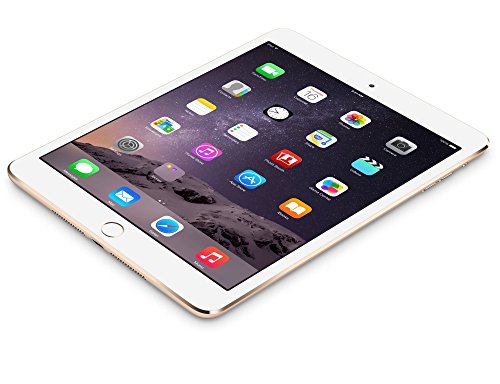
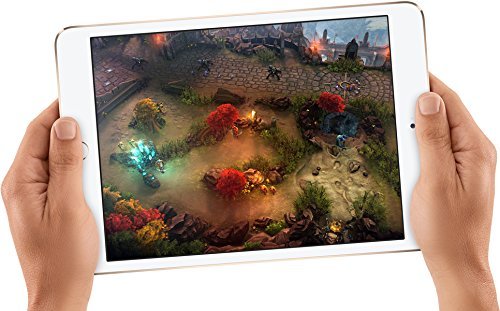
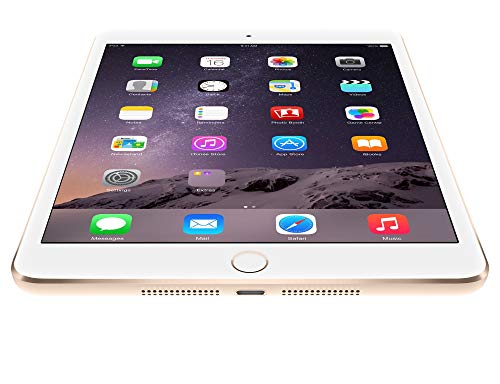
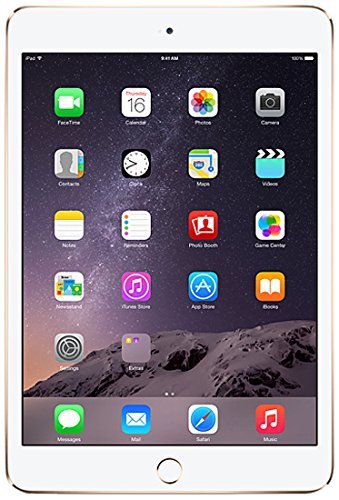
Apple iPad Mini 3 (1GB + 64GB) review. Compare 168 technical specifications and user reviews to see how it ranks among tablets and if it is worth buying.
Overall score
What it is: An overall evaluation of the smartphone's quality, based on technical analyses and user reviews.
When it matters: When you need a quick reference to identify the best Tablets on the market.
Score components:
90.0%
Technical Score
10.0%
User score
Technical Score
What it is: An assessment of the smartphone's technical performance, covering eight key areas: performance & hardware, software, camera, connectivity, display, battery, audio, and design.
When it matters: When you want to compare Tablets based on technical performance and available features.
Score components:
22.0%
Performance
20.0%
Display
16.0%
Camera
14.0%
Battery
12.0%
Connectivity
8.0%
Software & Features
5.0%
Design
3.0%
Audio & Multimedia
User score
What it is: A rating that combines user reviews and the total number of reviews received by the smartphone
When it matters: When you want to know how a smartphone handles daily tasks and how reliable it remains over time according to user feedback.
Score components:
70.0%
User reviews
30.0%
Popularity

Score components:
25.0%
RAM capacity
20.0%
Refresh rate
20.0%
GPU frequency
20.0%
Chipset
15.0%
Battery capacity
Score components:
20.0%
Chipset
20.0%
Battery life
20.0%
RAM capacity
10.0%
Weight
10.0%
Internal storage
10.0%
Keyboard accessory
10.0%
Screen size
Score components:
30.0%
RAM capacity
25.0%
Chipset
20.0%
Internal storage
15.0%
Screen size
5.0%
Keyboard accessory
5.0%
Stylus included
Score components:
20.0%
Screen size
20.0%
Battery life
20.0%
Weight
20.0%
RAM capacity
20.0%
Chipset
Score components:
25.0%
Battery capacity
25.0%
RAM capacity
15.0%
Weight
15.0%
Internal storage
10.0%
Screen size
10.0%
Price
Score components:
20.0%
RAM capacity
20.0%
Battery life
15.0%
Chipset
15.0%
Weight
10.0%
Cellular module
10.0%
5G connectivity
5.0%
GPS
5.0%
Internal storage
Available: ranking among products currently available (including other versions of this product).
All: ranking among all products in the database.
#41 in Best Apple Tablets
#44 in Best Tablets Under £100
#76 in Best 8-inch Tablets
#191 in Best Cheap Tablets
#345 in Best Tablets Under £200
#400 in Best Tablets With SIM Card
#435 in Best Tablets Under £250
#476 in Best Tablets With Keyboard
#514 in Best Tablets Under £300
#599 in Best Tablets
What it is: An assessment of the smartphone's technical performance, covering eight key areas: performance & hardware, software, camera, connectivity, display, battery, audio, and design.
When it matters: When you want to compare Tablets based on technical performance and available features.
Score components:
22.0%
Performance
20.0%
Display
16.0%
Camera
14.0%
Battery
12.0%
Connectivity
8.0%
Software & Features
5.0%
Design
3.0%
Audio & Multimedia
What it is: A rating that combines user reviews and the total number of reviews received by the smartphone
When it matters: When you want to know how a smartphone handles daily tasks and how reliable it remains over time according to user feedback.
Score components:
70.0%
User reviews
30.0%
Popularity
What it is: An indicator that combines the smartphone's overall rating with its cost.
When it matters: When you are looking for a smartphone with a good balance between quality and price.
Score components:
60.0%
Overall score
40.0%
Price
Importance: MEDIUM
Importance: HIGH
Good value: >=8 GB
Importance: HIGH
Good value: <7 nm
Importance: HIGH
Good value: >=128 GB
Importance: HIGH
Good value: >1300
Importance: HIGH
Importance: HIGH
Importance: HIGH
Importance: MEDIUM
Good value: >3500
Importance: MEDIUM
Good value: >=8 GB
Importance: MEDIUM
Good value: 5
Importance: MEDIUM
Good value: >20 GB/s
Importance: MEDIUM
Importance: MEDIUM
Good value: >7 W
Importance: MEDIUM
Good value: >2500
Importance: MEDIUM
Good value: >800
Importance: MEDIUM
Good value: >8
Importance: MEDIUM
Good value: >900 MHz
Importance: MEDIUM
Importance: MEDIUM
Good value: >3000
Importance: MEDIUM
Good value: >1200
Importance: MEDIUM
Good value: >3200 MHz
Importance: MEDIUM
Good value: >400
Importance: MEDIUM
Importance: MEDIUM
Good value: 8+
Importance: MEDIUM
Importance: MEDIUM
Good value: >800 MHz
Importance: MEDIUM
Importance: MEDIUM
Importance: MEDIUM
Good value: >10000 million
Importance: LOW
Good value: >=4 MB
Importance: LOW
Good value: >64 KB
Importance: LOW
Good value: >=1 MB
Importance: LOW
Importance: LOW
Good value: 4
Importance: LOW
Good value: >=512 GB
Importance: LOW
Good value: 2.0/3.0
Importance: LOW
Good value: 3.2
Importance: LOW
Good value: 3.3
Importance: HIGH
Importance: HIGH
Good value: >=120 Hz
Importance: HIGH
Importance: HIGH
Good value: >250 ppi
Importance: HIGH
Importance: MEDIUM
Good value: >500 nits
Importance: MEDIUM
Good value: >=11 inches
Importance: MEDIUM
Importance: MEDIUM
Good value: >120 Hz
Importance: MEDIUM
Importance: MEDIUM
Importance: MEDIUM
Importance: MEDIUM
Good value: >200 Hz
Importance: MEDIUM
Good value: >250 ppi
Importance: MEDIUM
Good value: >400 nits
Importance: MEDIUM
Importance: LOW
Importance: LOW
Importance: LOW
Importance: HIGH
Importance: HIGH
Importance: HIGH
Good value: >=8 MP
Importance: HIGH
Importance: HIGH
Importance: MEDIUM
Importance: MEDIUM
Importance: MEDIUM
Importance: MEDIUM
Importance: LOW
Importance: LOW
Importance: LOW
Importance: LOW
Importance: LOW
Importance: LOW
Importance: LOW
Importance: LOW
Importance: LOW
Importance: LOW
Importance: LOW
Importance: LOW
Importance: LOW
Importance: LOW
Importance: LOW
Importance: LOW
Importance: LOW
Importance: LOW
Importance: LOW
Importance: LOW
Importance: LOW
Importance: LOW
Importance: LOW
Importance: HIGH
Good value: >8000 mAh
Importance: HIGH
Good value: >30 W
Importance: HIGH
Good value: >10 hours
Importance: MEDIUM
Importance: MEDIUM
Importance: LOW
Importance: LOW
Importance: HIGH
Importance: HIGH
Importance: HIGH
Importance: MEDIUM
Importance: MEDIUM
Importance: MEDIUM
Importance: MEDIUM
Importance: MEDIUM
Importance: MEDIUM
Importance: MEDIUM
Importance: MEDIUM
Importance: MEDIUM
Importance: MEDIUM
Importance: LOW
Good value: >5.2
Importance: LOW
Importance: LOW
Importance: LOW
Good value: 3.1/3.2
Importance: LOW
Importance: LOW
Importance: LOW
Importance: LOW
Importance: LOW
Importance: LOW
Importance: LOW
Importance: LOW
Importance: LOW
Importance: HIGH
Importance: HIGH
Importance: HIGH
Importance: MEDIUM
Importance: MEDIUM
Importance: MEDIUM
Importance: MEDIUM
Importance: MEDIUM
Importance: MEDIUM
Importance: MEDIUM
Importance: MEDIUM
Importance: LOW
Importance: LOW
Importance: LOW
Importance: LOW
Importance: LOW
Importance: LOW
Importance: LOW
Importance: LOW
Importance: LOW
Importance: LOW
Importance: MEDIUM
Importance: MEDIUM
Good value: <500 g
Importance: MEDIUM
Importance: MEDIUM
Importance: MEDIUM
Good value: <10 ms
Importance: MEDIUM
Good value: >7
Importance: MEDIUM
Importance: MEDIUM
Importance: LOW
Good value: <7 mm
Importance: LOW
Importance: LOW
Importance: LOW
Importance: LOW
Importance: LOW
Importance: MEDIUM
Good value: >=2
Importance: MEDIUM
Importance: MEDIUM
Importance: MEDIUM
Good value: >=4
Importance: LOW
Importance: LOW
Importance: LOW
Importance: LOW
Importance: LOW
Importance: LOW
Importance: HIGH
Importance: HIGH
Good value: >250 ppi
Importance: LOW
Importance: HIGH
Importance: LOW
Importance: MEDIUM
Good value: >250 ppi
Importance: LOW
Importance: LOW
Importance: HIGH
Good value: >=8 MP
Importance: MEDIUM
Importance: HIGH
Good value: >=8 GB
Importance: HIGH
Importance: MEDIUM
Importance: MEDIUM
Importance: MEDIUM
Importance: MEDIUM
(Reviews last updated: May 2026)
According to the PhoneArena review, the Apple iPad mini 3 is a minor update featuring a premium aluminum unibody design, the addition of Touch ID for Apple Pay, and a new gold color option. While it retains a sharp 7.9-inch Retina display, it suffers from lower maximum brightness compared to its predecessor. The device keeps the same 5-megapixel camera and lacks significant hardware upgrades, utilizing the same A7 processor as the previous model. Pros include the inclusion of Touch ID, a high-quality build, and solid performance for daily tasks. Cons focus on the lack of internal upgrades, lower display brightness, and shorter battery life compared to the iPad mini 2, which resulted in a 6-hour and 53-minute runtime. The review deems the $399 starting price a "tough sell" given the minimal improvements over the cheaper, older model.
The 3G.co.uk review characterizes the iPad mini 3 as a disappointing, minor update over its predecessor, functioning as a "duplicate" with very few changes. While maintaining a high-quality build and a 7.9-inch Retina display, the primary additions are limited to the inclusion of Touch ID for secure authentication and a new gold color option. 3G.co.ukTechnically, the device is criticized for utilizing the same dual-core A7 chip and 1GB of RAM as the iPad mini 2, leaving it behind current hardware standards and limiting its long-term performance potential. Although the 10-hour battery life and 5-megapixel camera are functional, they do not offer improvements over the cheaper, older model, which represents a significant drawback for the price point. 3 Ultimately, the review finds it difficult to recommend the iPad mini 3 over the iPad mini 2, stating the £80 price premium for Touch ID alone is hard to justify. The final verdict suggests consumers choose the more affordable mini 2 unless the new security features or color options are essential. 3G.co.uk
T3 characterizes the Apple iPad mini 3 as a high-quality, "cracking" tablet that unfortunately offers little innovation, essentially acting as an iPad mini 2 with the addition of a Touch ID fingerprint sensor for Apple Pay and a gold color option. The device retains the premium 7.5mm slim design and 7.9-inch Retina display, but it lacks the anti-reflective coating found on the larger iPad Air 2, relying on the older A7 processor. Performance remains smooth, and the battery life hits the impressive 10-hour mark for multimedia use, keeping the same internals as the previous model. However, the review highlights that the lack of hardware upgrades, specifically the outdated processor compared to the Air 2, makes the device feel like a minor refresh. 4 T3 concludes that the iPad mini 3 is a "niche and overpriced product," advising that the significantly cheaper iPad mini 2 is a better value for most users unless Touch ID or 128GB storage is essential. The primary advantages are the added security and higher storage options, while the high price point constitutes a significant drawback. 4
The Apple iPad mini 3 is a high-quality, 7.9-inch Retina display tablet that suffers from a lack of significant innovation, featuring the same design and 1.3GHz A7 chip as the previous year's model. While offering a sharp screen and solid performance, it lacks the optical bonding and processor upgrades found in the concurrent iPad Air 2. The primary updates include the addition of a Touch ID fingerprint sensor and a gold color option. According to PCMag, while Touch ID works reliably for security and Apple Pay, its utility is less crucial on a tablet compared to an iPhone. The inclusion of the Apple SIM allows for easier cellular carrier switching, though it remains a minor feature for most users. Ultimately, the tablet is described as "superb" yet "difficult to recommend" due to its $100 premium over the near-identical iPad mini 2. Key pros include the beautiful design and fast performance, while the high price point and lack of substantive upgrades constitute the main cons.
The iPad mini 3 features an identical, premium aluminum design to its predecessor, with the primary additions being a gold color option and the highly accurate Touch ID fingerprint sensor. It maintains a 7.9-inch Retina display and delivers clean, dynamic audio performance, though it lacks the anti-reflective coating found on the larger iPad Air 2 and faces stiff competition regarding audio detail. Ultimately deemed a disappointing upgrade, the device is criticized for utilizing the older A7 processor and having a significantly higher price than the functionally similar iPad mini 2, limiting its value to those specifically requiring Touch ID or larger storage capacities. What Hi-Fi?
The Expert Reviews assessment of the iPad mini 3 labels it an underwhelming update, noting that while it maintains Apple's signature, high-quality aluminium design and portable 7.9-inch form factor, it offers virtually no performance advancements over its predecessor. Key pros are limited to the addition of the Touch ID fingerprint sensor, a new gold color option, and the retention of the excellent, sharp Retina display. However, the tablet is criticized for utilizing the aging A7 processor, providing no speed improvements over the cheaper, existing mini 2. Significant cons highlighted include the stagnant, 5MP rear camera which lacks modern features, and a lackluster 67.1% sRGB color gamut, making it less ideal for professional work. Because the internal specifications are nearly identical to the previous generation, the review finds the device to be an overpriced "niche product" that is difficult to recommend. Consequently, Expert Reviews concludes that the iPad mini 3 was quickly surpassed by the better value of the mini 2 and superior performance of newer alternatives.
The Guardian's 2014 review rates the iPad mini 3 four out of five stars, describing it as "a touch more of the same" compared to its predecessor. Featuring a compact design, a crisp screen, 10-hour battery life, and the addition of Touch ID and a gold color option, the device maintains high quality despite retaining the older A7 processor. However, with a high price tag and minimal upgrades, the review finds it difficult to recommend over the cheaper iPad mini 2, noting significant,4:3 screen black bars during video playback.
Trusted Reviews describes the Apple iPad mini 3 as a disappointing update that offers almost no hardware improvements over the cheaper, previous-generation iPad mini 2. While featuring a high-quality aluminium design, a sharp 7.9-inch Retina display, and the addition of Touch ID, the device suffers from a lack of innovation. Significant drawbacks include the outdated A7 processor, 1GB of RAM, and a screen that lacks advanced anti-reflective coating, making it poor value for the price.
According to TechRadar, the iPad mini 3 is a "missed opportunity" that offers minimal improvements over the iPad mini 2, featuring the same premium design, 7.9-inch Retina display, and A7 chip. While it lacks significant internal upgrades, key additions include Touch ID for enhanced security and Apple Pay, a Gold color option, and a 128GB storage tier. The review highlights that the stagnant hardware and higher price point make it difficult to recommend, especially since it lacks the advanced camera features and faster processor found in the iPad Air 2. Ultimately, the device is considered a "rebadged mini 2" that fails to justify its cost compared to its predecessor. Copy
The CNET review describes the Apple iPad Mini 3 as a high-quality yet disappointing update, as it is nearly identical to the previous iPad Mini 2. Key pros include the addition of the Touch ID fingerprint sensor and a new gold color option, while maintaining an excellent 7.9-inch Retina display and solid battery life. Conversely, cons center on a lack of significant hardware upgrades, retaining the older A7 chip and 5-megapixel camera, unlike the simultaneously released iPad Air 2. Due to this stagnation, CNET deems it a tough sell compared to the cheaper Mini 2, recommending the latter as the better value for most users. Copy
The Verge's 2014 review characterizes the Apple iPad mini 3 as a significant disappointment, noting it offered almost no hardware improvements over its predecessor, unlike the upgraded iPad Air 2. While retaining the same screen, camera, and A7 processor, the device was framed as a minor update. Key pros included the addition of Touch ID, excellent build quality, a sharp Retina display, and reliable battery life. However, the review strongly criticized the $100 price increase for essentially just adding Touch ID and a gold color option, deeming it a poor value compared to the iPad mini 2. The Verge Copy
The iPad Mini 3 is a premium-built, gold-tinted tablet featuring Touch ID for improved security, maintaining the same lightweight aluminium design as its predecessor. While offering strong, consistent performance with its 7.9-inch Retina display and A7 processor, the device is criticized for lacking physical innovation. Pros include the addition of a gold color option and Touch ID, while key cons are the lack of hardware upgrades and screen improvements like lamination or anti-reflective coating found in other models. Ultimately, the review finds the Mini 3 hard to recommend over the cheaper iPad Mini 2 due to its higher price tag and minimal improvements.
The Reviewed evaluation of the Apple iPad mini 3 describes the device as a disappointing, minor update that struggles to justify its existence alongside its predecessor. Nearly identical to the iPad mini 2, the tablet's only major additions are the Touch ID fingerprint sensor and a gold color option. While the premium aluminum build quality remains, the lack of significant internal upgrades makes it a poor value proposition. The device remains a capable media consumption tablet with an excellent build and user-friendly iOS, but significant drawbacks include lackluster screen color performance and decreased battery life under iOS 8. Ultimately, Reviewed deems the iPad mini 3 a bad value, recommending the cheaper, almost identical iPad mini 2 for most consumers. The analysis suggests this release represents Apple playing it safe against increasingly strong, lower-priced competition.
The Tech Advisor review concludes the iPad mini 3 is a premium-built, high-quality tablet that serves as an underwhelming, minor update to its predecessor, primarily introducing Touch ID and a gold color option. While the 7.9-inch Retina display remains sharp at 326ppi, the device retains the older A7 processor, 1GB of RAM, and lacks the anti-reflective coating found on larger models. Because the nearly identical iPad mini 2 was available at a lower price point, the review deems the mini 3 poor value for money.
The iPad mini 3 is identified as a minor update, characterized by the addition of Touch ID for secure unlocking and Apple Pay, alongside a high-quality 7.9-inch Retina display and premium, portable aluminum design. However, the review highlights significant drawbacks, noting that the device is internally identical to the iPad mini 2 with the same aging A7 processor, cameras, and overall performance, lacking any major hardware upgrades. Ultimately deemed overpriced for the minimal changes, the review concludes that the nearly identical iPad mini 2 offers better value, making the mini 3 a difficult recommendation unless specific storage options are required. 4
The iPad mini 3 review from The Independent highlights the addition of Touch ID as the tablet's most significant upgrade, enabling enhanced security for app access and payments, while keeping the efficient A7 chip and M7 motion processor. The device features a premium build, the return of the physical side mute switch, and a new gold color option, but it shares the same 5MP camera and Retina display as its predecessor. Despite these features, the review notes a significant drawback: the lack of substantial performance boosts over the mini 2 makes the £80 price premium difficult to justify.
The iPad Mini 3 is recognized for its highly portable 7.9-inch design, which features a high-quality Retina display (326 PPI) and a durable aluminum build, along with the introduction of Touch ID for increased security. However, the device is considered an underwhelming update, retaining the aging A7 processor, 1GB of RAM, and identical camera specs from the previous generation, without delivering any performance improvements. Due to its high price point relative to the few new features—which include a gold color option and increased storage—the review advises that the cheaper iPad Mini 2 remains a better value for most users. 3
The iPad mini 3 offers a high-quality, 7.9-inch Retina display and premium aluminum design, representing a minimal update characterized primarily by the addition of Touch ID and a new gold color option. While the build quality is a clear pro, the device lacks internal hardware improvements, relying on the older A7 chip and 1GB of RAM found in its predecessor. Consequently, the review suggests the high price point is difficult to justify over the cheaper, nearly identical iPad mini 2, positioning the tablet as a superb but overpriced option at the time of its release. 4 For more details, visit the Computerwoche review at
According to the Netzwelt review, the iPad mini 3 maintains a high-quality, compact aluminum design (7.5mm, 331g) featuring an excellent "Retina" display. A key, well-functioning addition is the Touch ID fingerprint sensor, which provides secure, convenient unlocking. However, the tablet largely mirrors the previous model, utilizing the same A7 processor and 5-megapixel rear camera, leading to a lack of technical advancement over the mini 2. While the camera is decent in bright light, it struggles with noise and softness in low-light, and the device misses out on features like 120fps video. Ultimately deemed a disappointing upgrade for existing mini 2 owners, the device is considered hard to recommend due to its high price compared to the near-identical predecessor. It is suggested only for first-time buyers prioritizing the smaller form factor and Touch ID, rather than maximum performance.
Computer Bild characterizes the iPad mini 3 as a technically solid, yet underwhelming, update featuring the new Touch ID fingerprint sensor, while retaining the same A7 processor and 1GB of RAM as the previous model. The 7.9-inch Retina display and lightweight, premium aluminium unibody design remain key strengths. However, due to its high price and minimal improvements, the review suggests the cheaper iPad mini 2 is a better value option. 3
According to Connect.de, the Apple iPad mini 3 is a minor update over its predecessor, featuring the addition of Touch ID and a gold color option while retaining the same A7 chip and 1GB of RAM. The tablet maintains a premium aluminum build, a 7.9-inch Retina display with 2048 x 1536 resolution, and consistent battery life for daily tasks, but it lacks the performance improvements found in newer A8-based models. Despite being a high-quality device, the review suggests that the high price for minimal changes makes it difficult to recommend over the nearly identical iPad mini 2, noting that the update primarily serves as an entry point for Touch ID. Pros include a compact design, excellent display, and secure Touch ID; cons include a lack of significant hardware upgrades, high cost, and no, expandable storage. Copy
The PCTipp review indicates the iPad mini 3 is a minor update, introducing Touch ID for enhanced security while retaining the same A7 processor and 7.9-inch Retina display as the previous model. While maintaining excellent build quality, portability, and adding a gold color option, the device lacks the performance leaps seen in other Apple devices of its time. With no changes to camera hardware and a price point that makes it less competitive than the iPad mini 2, the review suggests it is a difficult purchase unless Touch ID is essential. Copy
Mac Life characterizes the iPad mini 3 as a minor update, dubbed "product recycling," that introduces a gold color option and Touch ID to a high-quality 7.9-inch Retina display, while maintaining excellent build quality and battery life. The review notes as a significant drawback that the device is internally identical to the iPad mini 2, featuring the older A7 processor, 1GB of RAM, and lacking the improved display, faster hardware, and superior cameras of the iPad Air 2. Due to the high price point and identical performance to its predecessor, the review concludes the iPad mini 2 offers much better value, making the mini 3 primarily for users demanding the new color or Touch ID. Copy
The Stern review highlights the iPad Air 2 as a significant upgrade, featuring an incredibly thin 6.1mm design, the high-performance A8X processor, and a superior anti-reflective display coating, though it removes the physical mute switch. While praised for its speed and Touch ID integration, the Air 2's battery life is comparable to its predecessor rather than a major improvement. Conversely, the iPad Mini 3 is criticized as a minor, disappointing update, retaining the older A7 processor and lacking the advanced screen technology of the Air 2. Its pros are limited to the addition of Touch ID and a gold color option, making it difficult to recommend over the cheaper iPad Mini 2. Ultimately, the Air 2 is deemed the clear winner, offering better future-proofing with a triple-core CPU and 2GB of RAM, while the Mini 3 feels like an afterthought. The review recommends the Air 2 for performance seekers, noting the Mini 3 provides poor value for its price. Copy
The Heise Online review highlights the iPad Air 2 as a significant upgrade, featuring a 6.1mm thin design, the fast A8X chip, a laminated, low-reflection display, and Touch ID. While offering top-tier performance, cons include the removal of the physical mute/rotation lock switch and slight housing vibration at high volumes. Conversely, the iPad mini 3 is described as a minor update, bringing only Touch ID and a gold color option to older A7 hardware, resulting in poor value compared to the cheaper mini 2. Overall, the review positions the iPad Air 2 as a major, recommended evolution and the mini 3 as a disappointing "placeholder" with a shared lack of NFC for physical Apple Pay. Copy
RTL.fr describes the iPad mini 3 as a minor update to its predecessor, featuring the same A7 chip and design but adding Touch ID functionality. Key pros highlighted include the compact, high-quality aluminum build, the 326 PPI Retina display, and the secure, convenient fingerprint sensor. However, the device is criticized for lacking significant performance upgrades, utilizing only 1GB of RAM, and featuring a non-laminated display. Due to the minimal improvements over the iPad mini 2, the review suggests the device is a difficult upgrade to justify. Copy
L'Éclaireur Fnac describes the iPad mini 3 as a minor refresh, noting it is nearly identical to its predecessor, the iPad mini 2, featuring the same 7.9-inch Retina display. While the premium aluminum build is retained, the lack of significant internal hardware upgrades makes it a difficult recommendation over the previous version, according to the review. The primary pros include the addition of the Touch ID fingerprint sensor for secure unlocking, and the introduction of a gold color option, aligning it with the iPhone 6 aesthetic. Its extreme portability and lightweight design continue to make it an ideal device for one-handed use or reading. Conversely, the review highlights significant cons, including a lack of performance gains due to the same A7 chip and 1GB of RAM used in the older model. The 5-megapixel rear camera is deemed mediocre, and with little added value, the review concludes that the iPad mini 3 is only a necessary purchase if Touch ID is required over the more affordable iPad mini 2. Copy
The Mac4Ever review characterizes the iPad mini 3 as a minor update, featuring identical hardware to the mini 2 with the exception of the added Touch ID sensor for Apple Pay and a new gold color option. While retaining the praised 7.9-inch Retina display and premium aluminum design, the device falls behind by keeping the older A7 chip and 1GB of RAM instead of adopting newer specifications. The review concludes that the $100 price increase for the mini 3 is difficult to justify over the discounted mini 2, positioning it as an uninspired update. Copy
In a 2014 review, iGeneration praises the iPad mini 3 as an exceptionally built tablet featuring a stunning Retina display, robust performance, and the addition of practical Touch ID functionality. While acknowledging the new gold color option as a positive design choice, the review notes these as the primary, yet minor, updates over the previous generation. However, the analysis heavily criticizes the device for retaining the same A7 processor, 1GB of RAM, and 5MP camera as the iPad mini 2, falling behind the significant upgrades seen in the contemporary iPad Air 2. Consequently, the review argues that the €100 price premium for the mini 3 is unjustified, recommending the lower-priced iPad mini 2 as the superior value for money. Copy
The Apple iPad Mini 3, as reviewed by Les Numériques, retains the premium aluminum unibody design and 7.9-inch Retina display (2048 x 1536) of its predecessor while introducing the Touch ID fingerprint sensor. However, the device is considered a minor update, featuring the same A7 chip and 1 GB of RAM as the Mini 2, resulting in lower performance compared to the concurrent iPad Air 2, alongside a non-laminated screen with moderate brightness (312 nits). Due to high value-for-money concerns, the review finds it difficult to recommend the iPad Mini 3 over the cheaper, similar iPad Mini 2. For more details, visit Les Numériques. Copy
The CNET review characterizes the Apple iPad mini 3 as a minor update, featuring only the addition of Touch ID and a gold color option over the iPad mini 2. It retains the same 7.9-inch Retina display and A7 processor, functioning as a near-identical, albeit slightly refreshed, model. Key pros include the familiar, highly portable "bedroom-cozy" design, excellent display contrast, and strong battery life exceeding 10 hours. The inclusion of Touch ID provides added security and convenience for Apple Pay, enhancing daily usability. Significant cons stem from the lack of substantial hardware upgrades compared to the mini 2, such as the absence of a faster A8X chip or an improved camera. Because it lacks significant advancements, the review deems the $100 price premium over the cheaper mini 2 a "strange choice," recommending the older model instead.
The Xataka review characterizes the iPad Mini 3 as a minor, iterative update, featuring the same design and 7.9-inch Retina display as its predecessor, with the only notable additions being Touch ID and a gold color option. While praised for its portability—weighing approximately 300 grams and measuring 7 mm thick—the device is criticized for lacking significant performance upgrades, such as the faster processor found in the iPad Air 2. Consequently, the review highlights the high cost of the new features, suggesting the cheaper, nearly identical iPad Mini 2 offers better value due to the stagnant hardware, specifically the absence of camera improvements and improved display technology.
The Xataka review characterizes the iPad mini 3 as a minor, conservative update to Apple's compact tablet, with the inclusion of the Touch ID fingerprint sensor being the primary new feature. While retaining the excellent build quality and 7.9-inch Retina display of its predecessor, the device utilizes the same A7 processor and 5-megapixel rear camera as the iPad mini 2, offering no performance improvements. The lack of a laminated screen and updated internal hardware makes it a less sophisticated device compared to its larger counterpart, the iPad Air 2. The main advantages, or pros, of the iPad mini 3 include the convenient Touch ID, the introduction of a gold color option, and its continued, highly portable, premium design. However, the significant downsides, or cons, stem from its lack of innovation. Because the device is nearly identical to the older iPad mini 2, which was still available at a lower price, the review deems the mini 3 poor value for money, suggesting users opt for the cheaper model unless Touch ID is essential. Copy
The iPad Air 2 is highlighted as a major upgrade featuring an incredibly thin 6.1mm design, a laminated display, and the powerful A8X chip with 2GB of RAM, though it lacks the physical mute/orientation switch. Conversely, the iPad Mini 3 is described as a minor update, offering only Touch ID and a gold color option over the Mini 2 while retaining the older A7 chip, making it harder to justify. Ultimately, the Air 2 represents the superior, high-performance choice, while the Mini 3 offers limited improvements for its price point.
The 2014 review of the iPad Air 2 highlights its 6.1 mm thinness and powerful A8X chip as major pros, significantly enhancing multitasking and gaming performance. The display is praised for its laminated design and anti-reflective coating, though the removal of the physical mute switch is noted as a con. Conversely, the iPad mini 3 is portrayed as a minor update, featuring only the addition of Touch ID and a gold color option while retaining the older A7 processor. While the mini 3 maintains excellent portability, its lack of significant hardware upgrades compared to the mini 2 is a key drawback. Overall, the review positions the iPad Air 2 as the superior, feature-rich choice, offering improved camera capabilities and faster Wi-Fi over the iterative mini 3.
The iPadItalia review characterizes the iPad mini 3 as a minor, iterative update, retaining the 7.9-inch Retina display and premium aluminum design while introducing Touch ID and a gold color option. Internally, the tablet remains nearly identical to its predecessor, utilizing the same A7 processor and 1 GB of RAM. While the performance remains smooth, the device misses out on the significant hardware upgrades seen in the iPad Air 2. The review highlights the, addition of Touch ID, superior build quality, and excellent screen as primary pros. However, the lack of a processor or camera upgrade and the higher price point constitute significant cons, notes iPadItalia. For most users, the review recommends the more affordable iPad mini 2 as a better value proposition.
The iPad Air 2 is highlighted for its 6.1mm thickness, making it exceptionally thin and light, while the laminated Retina display significantly reduces glare and improves vibrancy. Key advantages include the powerful A8X chip for superior performance and improved multitasking, though the lack of an LED flash for the 8MP camera is a notable limitation. Conversely, the iPad mini 3 is portrayed as a minor update, primarily adding the Touch ID sensor while retaining the older A7 processor. This creates a substantial performance gap between the two models, as the mini 3 lacks the advanced internal upgrades and anti-reflective screen coating of the Air 2. Ultimately, the review positions the Air 2 as the superior choice, arguing that the mini 3’s limited improvements make it hard to justify over its predecessor for most users. Copy
The IGN Italia review highlights the iPad Air 2 as a significant upgrade, featuring a 6.1mm thin design, a powerful A8X processor, Touch ID, and an improved 8-megapixel camera, though it lacks the physical mute switch. The iPad mini 3 is described as a minor update, offering only Touch ID and a new color over the mini 2 while retaining the older A7 processor, making its price difficult to justify. Ultimately, the review identifies the Air 2 as the premier performance choice, while suggesting the iPad mini 2 offers better value than the disappointing mini 3.
The Techzine review classifies the iPad mini 3 as a "neglected child" due to it being nearly identical to its predecessor, featuring the same A7 chip and 1GB RAM. Despite lacking significant internal upgrades, the device introduces Touch ID and a new gold color option as its primary updates. While boasting a high-quality, sharp 7.9-inch Retina display, a solid build, and the reliable Touch ID sensor, the review highlights a significant price premium over the virtually identical, and therefore more logical choice, the iPad mini 2. The device suffers from a dated processor and lack of innovation, leading to a conclusion that it offers poor value for money, except for those specifically needing the new security features or color option. For more details, visit Techzine.
The iPhoned.nl review characterizes the iPad mini 3 as a marginal update, acting more as a re-release of its predecessor with the addition of Touch ID and a gold color option. While it retains the excellent Retina display, portable aluminum design, and gains secure, convenient authentication via Touch ID, the lack of significant internal upgrades compared to the cheaper iPad mini 2 limits its value proposition. Ultimately, the review finds the device’s continued use of the A7 chip, 1GB of RAM, and 5-megapixel camera underwhelming for its price point, concluding that the iPad mini 2 offers identical performance.
The iPad mini 3 is identified by PortableGear as a minor, high-quality update to the iPad mini 2, maintaining a premium aluminum design and 7.9-inch Retina display. Key pros include the addition of the Touch ID fingerprint sensor, excellent battery life, and a new gold color option. However, the device faces significant cons regarding its lack of performance upgrades, utilizing the same A7 chip and camera hardware as its predecessor, making it less appealing than the cheaper iPad mini 2.
Compare