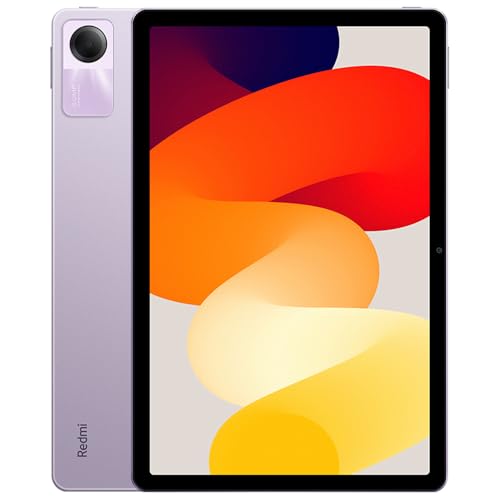
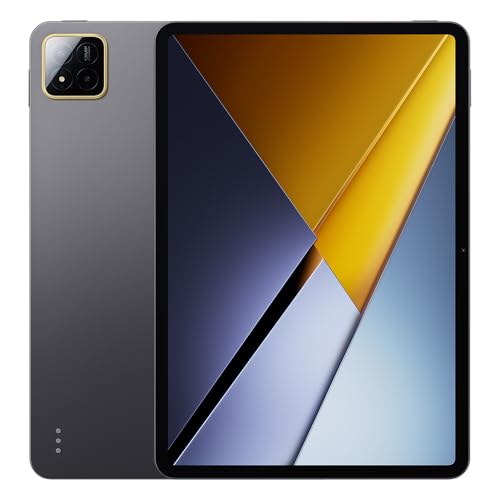
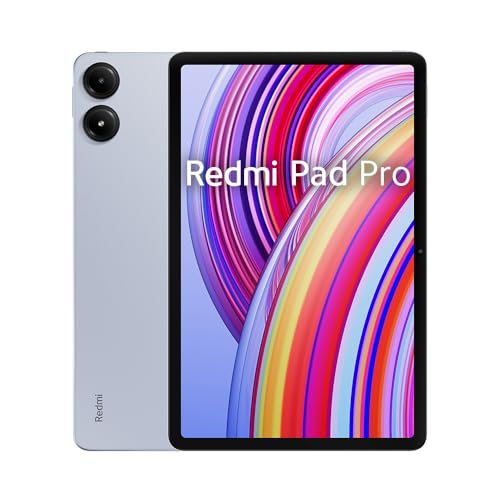
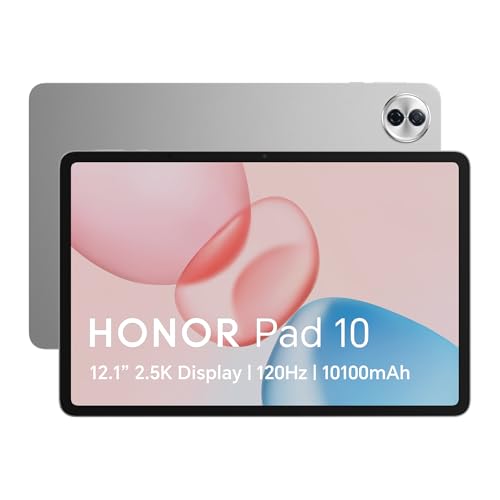
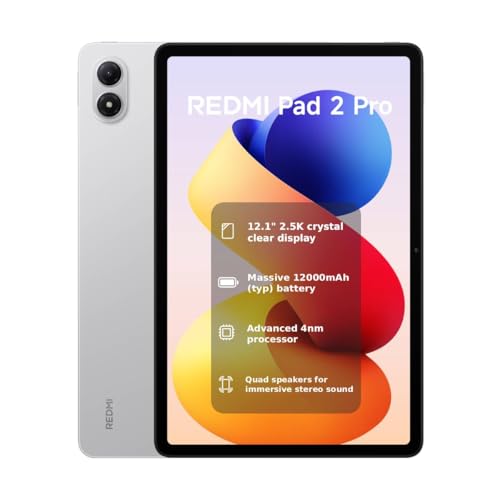
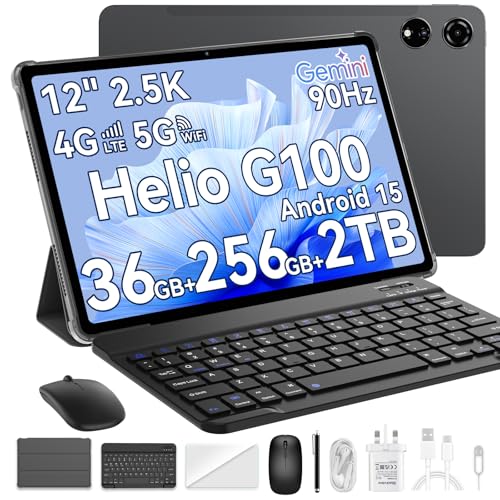
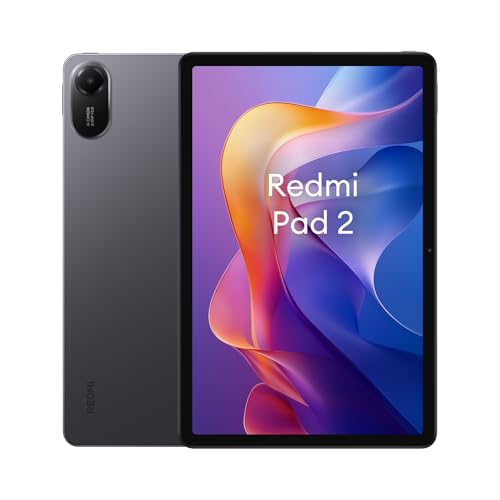
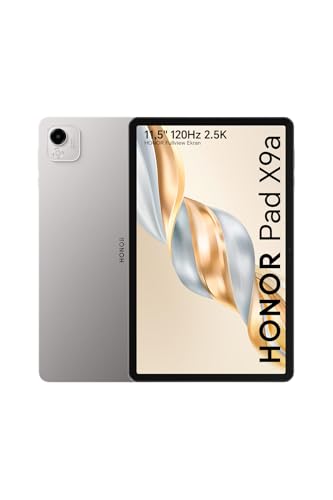
Are tablets under £250 worth buying?
Tablets under £250 are worth buying if you need a basic device for web browsing, video streaming, reading, and simple apps.
They usually focus on essential features and keep performance balanced for everyday use. At this price, you will not find high-end processors or large RAM, but most models still run smoothly for light multitasking and entertainment.
Which brands make the best tablets under £250?
The best tablet brands under £250 are as follows.
- Xiaomi (Overall score: 8.2 points)
- Lenovo (Overall score: 7.4 points)
- Blackview (Overall score: 7.3 points)
Tablet brands under £250 are ranked by overall score in the following chart.
[horizontal-chart-10333659919937771089125793681648666646072596985577]
How good are the screens on tablets under £250?
Screens on tablets under £250 are generally good for casual use, but they stay behind mid-range and premium models.
Most tablets in this range have LCD panels with HD or Full HD resolution, which is sharp enough for reading, browsing, and watching videos, although brightness and color accuracy vary between brands. Viewing angles are usually decent, but outdoor visibility can suffer if the display does not reach higher brightness levels.
In terms of size, many budget tablets come with 8- to 10-inch screens, which is practical for portability and media use. Full HD resolution on a 10-inch display looks clear for movies and web browsing, while HD on the same size can appear less sharp when reading text or viewing photos.
How powerful are processors and RAM in tablets under £250?
Processors and RAM in tablets under £250 are generally basic and suited for light tasks.
Most models use entry-level chipsets with quad-core or octa-core CPUs that handle web browsing, video streaming, and simple apps without major issues. However, they are not built for heavy gaming or advanced multitasking, so performance drops if you push them with demanding software.
In terms of RAM, these tablets usually include 3 GB or 4 GB, which is enough for smooth use of Android or iPadOS at a basic level. Some newer models in this price range already reach 6 GB, which helps keep several apps open in the background without slowdowns.
The following chart shows how RAM capacity is distributed across tablets under £250.
[vertical-chart-09152588292087161584084961051465741993542162085579]
How long does the battery last on tablets under £250?
Battery life on tablets under £250 usually lasts between 7 and 12 hours, which covers web browsing, video streaming, and light productivity.
Most models in this range use mid-capacity batteries (around 5000–7000 mAh) that balance screen size, brightness, and processor efficiency. This means a full charge typically supports a full day of moderate use, but heavy gaming or high brightness drains the battery faster.
Charging speed is generally slower in this price segment, as many tablets still use basic 10 W or 15 W charging. It often takes two to three hours to reach full capacity, which is longer than premium devices with faster charging standards.
How much storage do tablets under £250 include?
Tablets under £250 include storage that usually starts at 32 GB and goes up to 128 GB. The lower-priced models tend to stay at 32 GB or 64 GB, while devices closer to the £250 limit often reach 128 GB. This capacity covers basic use such as apps, browsing, and streaming, but it can limit space for large games, media files, or offline videos.
Most of these tablets also support expandable storage through microSD cards, which helps balance the smaller internal space.
What else to consider while choosing the best tablet under £250?
When choosing the best tablet under £250, you need to consider the following factors:
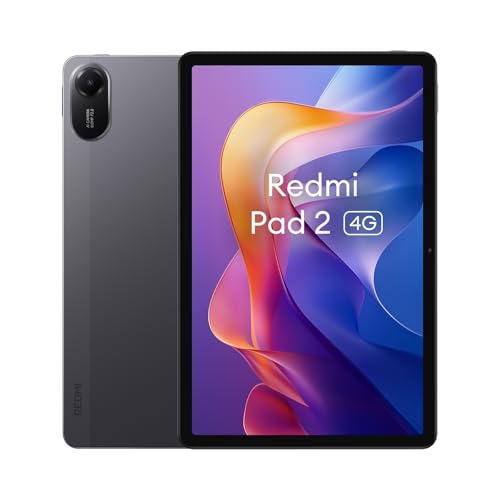
- Display quality and size: Screen technology and size affect your daily usage experience. IPS displays with Full HD+ resolution (1200p or higher) work best for media consumption and reading. Tablets with 90Hz or 120Hz refresh rates like the Lenovo Tab M11 and Xiaomi Redmi Pad Pro deliver smooth scrolling and responsive touch interactions. Screen brightness levels around 400-500 cd/m² handle outdoor use better than dimmer displays.
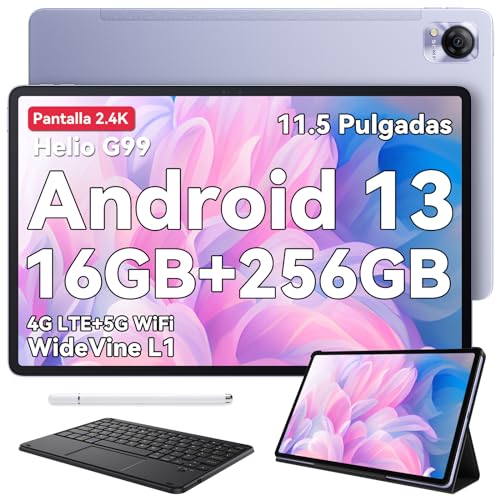
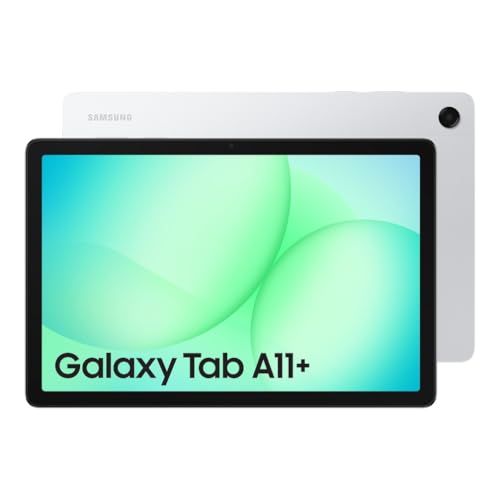
- Performance: The processor determines how fast apps load and multitask. MediaTek Helio G99 processors in tablets like the Alldocube iPlay 50 Pro handle gaming and streaming well under £200. Qualcomm Snapdragon 695 chips in Samsung Galaxy Tab A9+ models deliver solid performance for productivity tasks. RAM capacity matters - 4GB works for basic tasks while 8GB supports heavy multitasking.
- Storage: Built-in storage affects how many apps and files you can store locally. Most budget tablets start with 64GB or 128GB internal storage which fills up quickly with large apps and media files. MicroSD card slots let you expand storage cheaply, so tablets like the Lenovo Tab P11 Plus support external cards up to 512GB.
- Battery: Real-world battery performance varies significantly between models. Tablets like the Oppo Pad SE deliver up to 24 hours of web browsing while most budget models average 10-15 hours of video playback. Fast charging capabilities reduce downtime - some tablets charge fully in 2 hours while others need 4-5 hours.
- Durability: Construction materials affect long-term reliability and feel in daily use. Metal-bodied tablets like the Lenovo Tab M11 and Samsung Galaxy Tab A9+ resist scratches and feel more premium than plastic alternatives. Tablets without dust and water protection ratings require more careful handling.
- Audio system: Sound quality matters for media consumption and video calls. Tablets with quad speakers like the Lenovo Tab Plus deliver superior audio compared to single or dual speaker setups. Dolby Atmos support in models like the Xiaomi Redmi Pad Pro enhances movie watching and music playback.
- Software support and updates: Operating system updates affect security and app compatibility over time. Lenovo guarantees software updates for the Tab M11 until 2028 while some Chinese brands provide limited update support. Android tablets generally receive fewer years of updates compared to iPads but cost significantly less upfront.