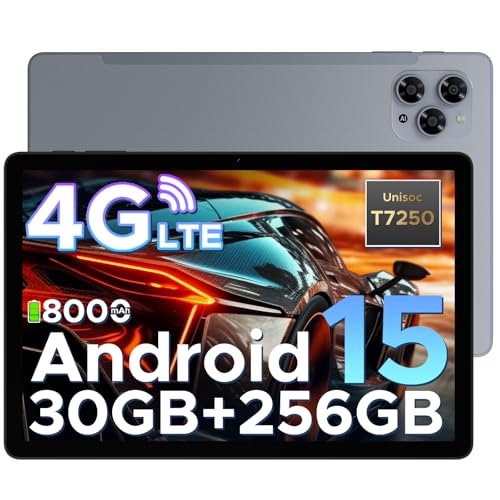
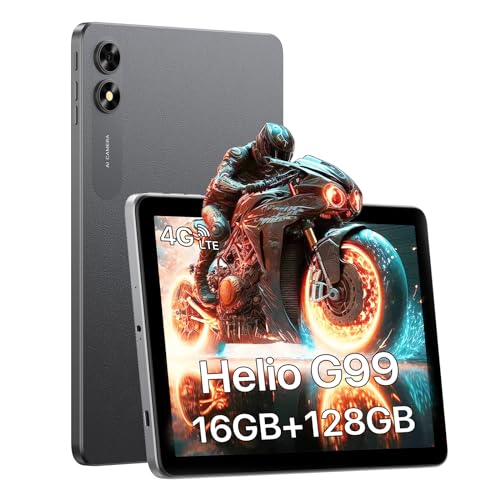
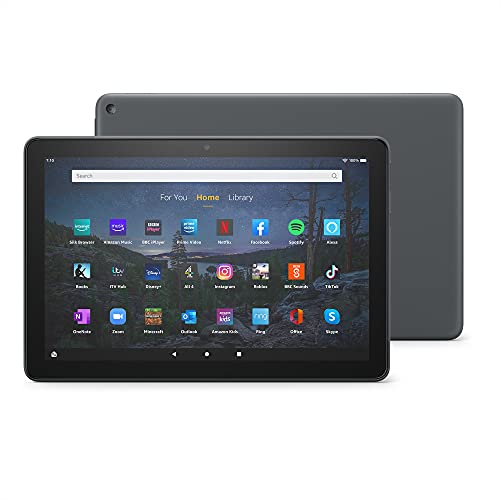
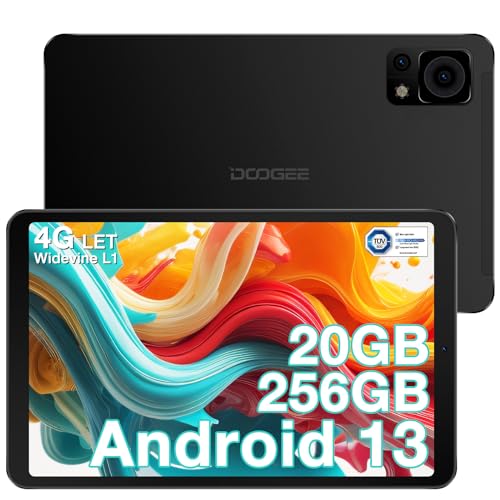
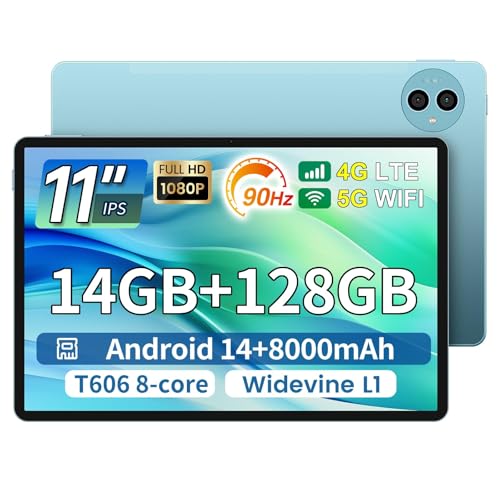
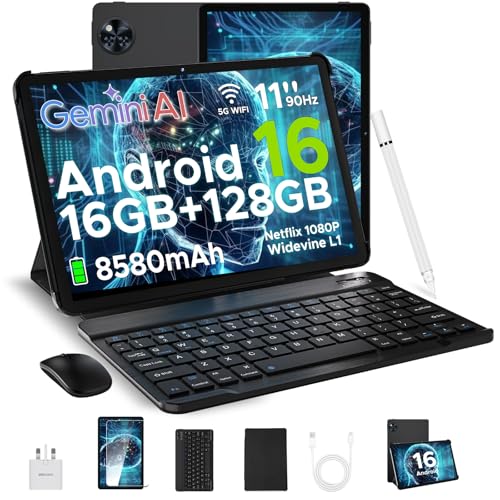
Are tablets under £100 worth buying?
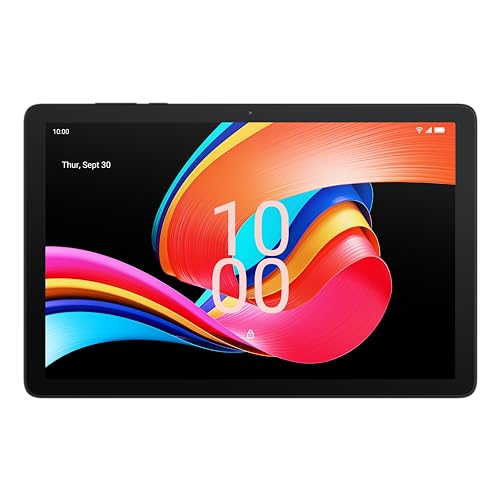
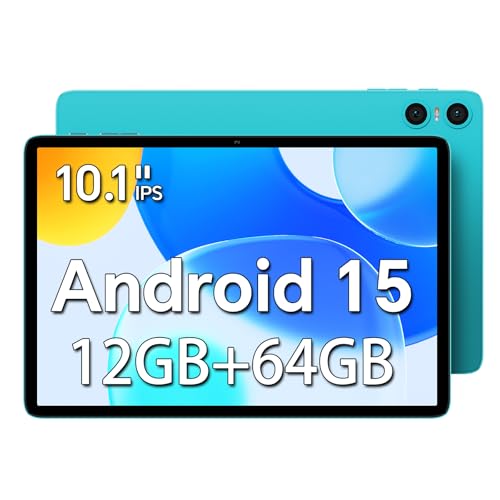
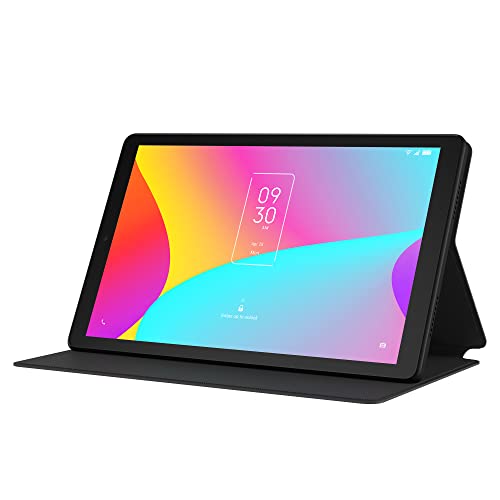
Tablets under £100 are worth buying if you need a device for basic use such as web browsing, social media, or video streaming.
At this price, you get entry-level hardware with small storage capacities, limited RAM, and low-power processors, so performance is modest. These tablets usually run Android with a simplified interface, and they handle light tasks well but struggle with demanding applications or multitasking.
Which brands make the best tablets under £100?
The best tablet brands under £100 are as follows.
- Doogee (Overall score: 6.4 points)
- Umidigi (Overall score: 6.1 points)
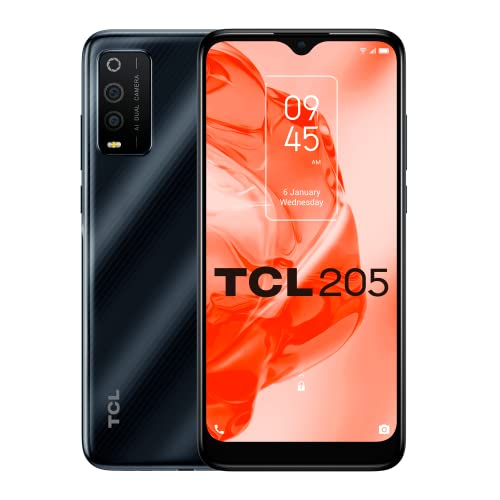
- TCL (Overall score: 6 points)
Tablet brands under £100 are ranked by overall score in the following chart.
[horizontal-chart-02139605949476473576174804005152288400631041496834]
How powerful are processors and RAM in tablets under £100?
Processors and RAM in tablets under £100 are basic and limited, so they only handle simple tasks well.
Most models use entry-level processors with 4 cores and clock speeds around 1.3 to 1.6 GHz, which is enough for web browsing, watching videos, or reading. Demanding apps, heavy multitasking, and modern games usually slow down or freeze on this type of hardware.
RAM capacity in this range is usually 2 GB and sometimes 3 GB, which restricts how many apps can run at once. Tablets with 2 GB of RAM struggle with switching between apps smoothly, while those with 3 GB perform slightly better but still remain far from the fluidity of mid-range devices.
The chart below illustrates how RAM capacity is distributed across tablets under £100.
[vertical-chart-11151071736726698771034707846545851609631775549069]
How long does the battery last on tablets under £100?
The battery on tablets under £100 usually lasts between 4 and 8 hours, which is shorter than mid-range or premium models. These tablets often use smaller batteries, usually around 4000 to 5000 mAh, which limits runtime. Light use such as web browsing or e-books can reach the upper end of this range, while streaming video or playing games drains the battery faster.
Manufacturers keep costs low by using lower-capacity batteries and less efficient processors, so battery life is not consistent across models. Some devices charge slowly because they use basic 5W or 10W chargers, so it can take several hours to recharge fully.
How much storage do tablets under £100 include?
Tablets under £100 include very limited storage, usually between 16 GB and 32 GB. This space is enough for basic apps and light use, but it quickly runs out if you install many applications, save large files, or download videos. Some models start at 8 GB, which leaves very little free space once the operating system is installed.
Most of these tablets support microSD cards, so you can expand the storage if needed. However, the internal memory speed is usually low, which affects app performance and loading times compared to higher-priced devices.
What else to consider while choosing the best tablet under £100?
When choosing the best tablet under £100, you must consider several factors as follows:
- Performance: The processor and RAM directly affect how smoothly your tablet runs apps and handles multitasking. Android tablets need at least 4GB RAM to run current apps without lag, while tablets with MediaTek Helio G90T or Dimensity processors handle streaming and light gaming well. Lenovo Tab P11 Plus uses MediaTek Helio G90T which provides snappy performance between screens and apps.
- Display: Screen size and resolution determine your viewing experience for videos and reading. Most budget tablets feature 8-11 inch displays, with some models like OnePlus Pad Lite offering 90Hz refresh rates for smooth scrolling. Higher resolution screens like 2000x1200 pixels on the Lenovo Tab P11 Plus deliver clearer text and sharper images.
- Battery: Tablets need long-lasting batteries since they serve as portable devices for entertainment and work. Quality budget tablets achieve 10-15 hours of usage, with Amazon Fire HD 10 reaching 13 hours and OnePlus Pad Lite's 9340mAh battery lasting a full week on standby for light users.
- Durability: The construction materials affect how well your tablet withstands daily use and drops. Metal bodies like those on Lenovo M8 provide better protection than plastic alternatives, while lightweight designs around 530g balance portability with sturdiness.
- Software support and updates: Long-term software updates keep your tablet secure and compatible with new apps. OnePlus Pad Lite receives four years of Android updates and six years of security patches, which extends the tablet's useful life significantly. iPads generally receive longer support than Android tablets.
- Storage: Internal storage determines how many apps, photos, and videos you can store locally. Budget tablets typically offer 32-128GB storage, but many include microSD card slots for expansion. Consider your usage patterns since 16GB fills up quickly with just a few apps and media files.
- Connectivity: Wi-Fi standards and additional ports affect how you connect and use your tablet. Look for dual-band Wi-Fi support (2.4GHz and 5GHz) and USB-C connections for faster data transfer and charging. Some models include cellular options, though these cost more and drain battery faster than Wi-Fi-only versions.