Scored using Tablets Methodology v1.0
Tablets Methodology v1.0
Mathematical & Unbiased Scoring
Products in this category are scored under Frontum Tablets Methodology v1.0: technical specifications plus authentic consumer ratings, with 0% commercial bias.
Explore Tablets Methodology v1.0

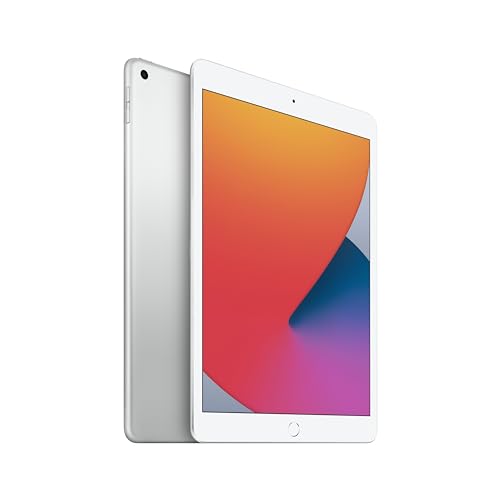
Apple iPad 2020 WiFi (3GB + 128GB) Review | 168 Data compared

Avg. price:~£220RAM capacity:3 GBInternal storage:128 GBScreen size:10.2 inchesChipset:Apple A12

Apple iPad 2020 WiFi (3GB + 128GB) Review: Compare 168 technical specifications and user reviews to see how this product ranks in the Tablets category and whether it is worth buying.
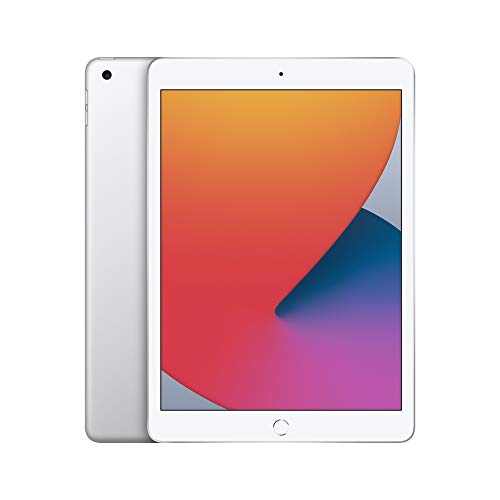
Apple iPad 2020 WiFi (3GB + 128GB)
7.2/10

Overall score

Score
7.2/ 10
✕
What it is
An overall evaluation of the smartphone's quality, based on technical analyses and user reviews.
When it matters
When you need a quick reference to identify the best Tablets on the market.
Score distribution
â–¼
<55-66-77-88-99-10
Score components

90%

6.9

Technical score

10%

9.4

User score

â–²Better than 71% of tablets
7.8

Value for money

Value for money
7.8/ 10
✕
What it is
An indicator that combines the smartphone's overall rating with its cost.
When it matters
When you are looking for a smartphone with a good balance between quality and price.
Score distribution
â–¼
<55-66-77-88-99-10
Score components

70%

7.2

Overall score

30%

9.4

Price

â–²Better than 76%
6.9

Technical score

Technical score
6.9/ 10
✕
What it is
An assessment of the smartphone's technical performance, covering eight key areas: performance & hardware, software, camera, connectivity, display, battery, audio, and design.
When it matters
When you want to compare Tablets based on technical performance and available features.
Score distribution
â–¼
<55-66-77-88-99-10
Score components

22%

7.5

Performance

20%

6.4

Display

16%

6.3

Camera

14%

6.0

Battery

12%

7.0

Connectivity

8%

9.7

Software & Features

5%

6.5

Design

3%

6.8

Audio & Multimedia

â–²Better than 68%
9.4

User score

User score
9.4/ 10
✕
What it is
A rating that combines user reviews and the total number of reviews received by the smartphone
When it matters
When you want to know how a smartphone handles daily tasks and how reliable it remains over time according to user feedback.
Score distribution
â–¼
<55-66-77-88-99-10
Score components

70%

9.1

User ratings

30%

10

Number of reviews

Based on ratings from across the web.
★Better than 95%
  • apple-ipad-2020-3gb-128gb-wifi
  • apple-ipad-2020-3gb-128gb-wifi
  • apple-ipad-2020-3gb-128gb-wifi
  • apple-ipad-2020-3gb-128gb-wifi
  • apple-ipad-2020-3gb-128gb-wifi
  • apple-ipad-2020-3gb-128gb-wifi
  • apple-ipad-2020-3gb-128gb-wifi
  • apple-ipad-2020-3gb-128gb-wifi
  • apple-ipad-2020-3gb-128gb-wifi
apple-ipad-2020-3gb-128gb-wifi
Where to buy
*As an Amazon Associate, we earn from qualifying purchases.
Available versions:
Loading...
Loading category ranking...

Technical Specifications of tablet Apple iPad 2020 WiFi (3GB + 128GB)

Technical score
Technical score
6.9/ 10
✕
What it is
An assessment of the smartphone's technical performance, covering eight key areas: performance & hardware, software, camera, connectivity, display, battery, audio, and design.
When it matters
When you want to compare Tablets based on technical performance and available features.
Score distribution
â–¼
<55-66-77-88-99-10
Score components:

22%

7.5

Performance

20%

6.4

Display

16%

6.3

Camera

14%

6.0

Battery

12%

7.0

Connectivity

8%

9.7

Software & Features

5%

6.5

Design

3%

6.8

Audio & Multimedia

6.9
User score
User score
9.4/ 10
✕
What it is
A rating that combines user reviews and the total number of reviews received by the smartphone
When it matters
When you want to know how a smartphone handles daily tasks and how reliable it remains over time according to user feedback.
Score distribution
â–¼
<55-66-77-88-99-10
Score components

70%

9.1

User ratings

30%

10

Number of reviews

Based on ratings from across the web.
9.4
Popularity
Popularity
10/ 10
✕
What it is
An indicator based on the number of reviews received by the smartphone.
When it matters
When you prefer to purchase a product chosen and reviewed by many other consumers.
Score distribution
â–¼
<55-66-77-88-99-10
Popularity:
Apple iPad 2020 WiFi (3GB + 128GB) has a user popularity of 10 points, which is lower than 91.8% of Tablets.
10
Value for money
Value for money
7.8/ 10
✕
What it is
An indicator that combines the smartphone's overall rating with its cost.
When it matters
When you are looking for a smartphone with a good balance between quality and price.
Score distribution
â–¼
<55-66-77-88-99-10
Score components:

70%

7.2

Overall score

30%

9.4

Price

7.8
RAM capacity
3 GB
This tablet has a RAM capacity of 3 GB which is smaller than the RAM capacity of 52.4% of tablets and equal to that of 8.5% of tablets.
Process node
7 nm
This tablet is built on a 7 nm process node, which is smaller than the node size used in 70.2% of tablets and equal to the node used in 6.1% of tablets.
Internal storage
128 GB
This tablet has an internal storage capacity of 128 GB which is larger than the storage of 56.7% of tablets and equal to that of 19.6% of tablets.
Geekbench 6 single-core benchmark score
1,304 points
This tablet scored 1,304 points in Geekbench 6 (single-core) which is higher than the score of 71.7% of tablets and equal to the score of 0.2% of tablets.
Chipset
Apple A12
This tablet uses the Apple A12 chipset, which is more advanced than the chipsets in 88.1% of tablets and equal to those in 0.2% of tablets.
Show more
Screen resolution
2160×1620
This tablet has a screen resolution of 2160×1620 which is higher than that of 74% of tablets and equal to that of 0.5% of tablets.
Refresh rate
60 Hz
This tablet supports a refresh rate of 60 Hz which is equal to that in 73.8% of tablets.
Display type
IPS LCD
This tablet uses a IPS LCD display type. 17% of tablets use this display technology.
Pixel density
264 ppi
This tablet has a pixel density of 264 ppi which is higher than that of 71% of tablets and equal to that of 5.9% of tablets.
Display glass type
Aluminosilicate Glass
This tablet uses Aluminosilicate Glass display glass which is weaker than that on 58% of tablets and equal to that on 7% of tablets.
Show more
Optical image stabilization
no
This tablet does not support optical image stabilization. 0.4% of tablets include OIS.
Main camera megapixels
8 MP
This tablet has a main camera resolution of 8 MP which is higher than that of 36.5% of tablets and equal to that of 31.8% of tablets.
Front camera megapixels
1.2 MP
This tablet has a front camera resolution of 1.2 MP which is lower than in 86.3% of tablets and equal to that in 4.8% of tablets.
Main camera aperture
f/2.4
This tablet has a main camera aperture of f/2.4 which is narrower than that of 69.8% of tablets and equal to that of 17.6% of tablets.
Optical zoom
1xxx
This tablet supports 1xx optical zoom which is higher than in 18.4% of tablets and equal to that in 80.7% of tablets.
Show more
Battery capacity
8,827 mAh
This tablet has a battery capacity of 8,827 mAh which is larger than the batteries in 81.9% of tablets and equal to those in 0.5% of tablets.
Charging speed
20 W
This tablet supports charging speeds of 20 W which is faster than in 60.4% of tablets and equal to speeds in 6.2% of tablets.
Battery life
10 hours
This tablet has a battery life of 10 hours, which is longer than that of 39.1% of tablets and equal to that of 20.5% of tablets.
Wireless charging
no
This tablet does not support wireless charging. 1.5% of tablets support wireless charging.
Fast charging
no
This tablet does not support fast charging. 49.7% of tablets support fast charging.
Show more
LTE support
yes
This tablet supports LTE. 36.8% of tablets include LTE connectivity.
Wi-Fi connectivity
yes
This tablet supports Wi-Fi connectivity. 0.2% of tablets offer Wi-Fi support.
GPS
yes
This tablet supports GPS. 17.3% of tablets include GPS functionality.
5G connectivity
no
This tablet does not support 5G connectivity. 11.1% of tablets support 5G.
NFC
no
This tablet does not support NFC. 10.9% of tablets support NFC.
Show more
Operating system
iPadOS
This tablet uses the iPadOS operating system, which is more advanced than the one used by 94.6%.
Update support duration
long
This tablet offers long update support, which is longer than the support period of 80% of tablets and equal to that of 20% of tablets.
Direct OS updates
yes
This tablet receives direct OS updates. 20.3% of tablets receive direct updates.
On-device AI
yes
This tablet supports on-device AI. 71.8% of tablets support this capability.
App tracking protection
yes
This tablet includes app tracking protection. 71.8% of tablets include app tracking protection.
Show more
IP rating
not rated
This tablet has an IP rating of not rated which is lower than that of 16.3% of tablets and equal to that of 83.7% of tablets.
Weight
490 g
This tablet weighs 490 g which is lighter than 49.3% of tablets and equal to the weight of 2.1% of tablets.
Backlit keyboard
no
This tablet does not support a backlit keyboard. 9.8% of tablets support backlit keyboards.
Keyboard accessory
yes
This tablet supports a keyboard accessory. 15.8% of tablets support this option.
Pen latency
40 ms
This tablet has a pen latency of 40 ms, which is higher than that of 95.2% of tablets and equal to that of 2.3% of tablets.
Show more
Number of microphones
2
This tablet includes 2 microphones, which is more than in 55.1% of tablets and equal to the number in 32.7% of tablets.
aptX Adaptive
no
This tablet does not support aptX Adaptive. 6.9% of tablets offer this codec.
Dolby Atmos support
yes
This tablet supports Dolby Atmos. 68.6% of tablets support Dolby Atmos.
N. of speakers
2
This tablet includes 2 speakers, which is more than in 9.8% of tablets and equal to the number in 60.9% of tablets.
FM radio
no
This tablet does not include an FM radio. 19% of tablets offer FM radio functionality.
Show more

Apple iPad 2020 WiFi (3GB + 128GB) vs the average tablet

246810TotalPerformanceDisplayCameraBatteryConnectivitySoftware & FeaturesDesignAudio & Multimedia
  • More capable chipset
    This tablet uses the Apple A12 chipset, while the average tablet uses MediaTek MT8169A.
    Apple A12 vs MediaTek MT8169A
  • Better GPU
    This tablet uses the Apple GPU GPU, while the average tablet uses Mali-G51. GPU choice is one of the main performance differences between tablets.
    Apple GPU vs Mali-G51
  • More advanced operating system
    This tablet has a more advanced operating system than the average tablet (iPadOS vs Android). Operating system choice shapes app support, updates, and ecosystem features.
    iPadOS vs Android
  • Faster storage type
    This tablet uses SSD storage, while the average tablet uses eMMC. Storage technology still varies widely across tablets.
    SSD vs eMMC
  • 34.1% larger battery capacity
    This tablet has a higher battery capacity than the average tablet (8,827 mAh vs 6,580 mAh). The average tablet battery has capacity of 6,580 mAh.
    8,827 mAh vs 6,580 mAh
  • 100 nits higher typical brightness
    This tablet has a higher typical brightness than the average tablet (500 nits vs 400 nits). The average tablet reaches 400 nits typical brightness.
    500 nits vs 400 nits
  • Wider color gamut
    This tablet supports a wider color gamut than the average tablet (DCI-P3 vs sRGB). The average tablet covers sRGB color gamut.
    Wide color P3 support reported.
    DCI-P3 vs sRGB
  • 25% higher CPU speed
    This tablet has a higher CPU speed than the average tablet (2.5 GHz vs 2 GHz). The average tablet has CPU speed of 2 GHz.
    2.5 GHz vs 2 GHz
  • 17% higher user score
    User score
    9.4/ 10
    ✕
    What it is
    A rating that combines user reviews and the total number of reviews received by the smartphone
    When it matters
    When you want to know how a smartphone handles daily tasks and how reliable it remains over time according to user feedback.
    Score distribution
    â–¼
    â–¼
    <55-66-77-88-99-10
    Apple iPad 2020 WiFi
    the average tablet
    Apple iPad 2020 WiFi (3GB + 128GB) has a higher user score than the average tablet (9.36 vs 8.000).
    9.36 vs 8
  • 2.08x more popular
    Apple iPad 2020 WiFi (3GB + 128GB) is more popular than the average tablet (10 vs 4.8).
    10 vs 4.81
  • More capable chipset
    This tablet uses the Apple A12 chipset, while the average tablet uses MediaTek MT8169A.
    Apple A12 vs MediaTek MT8169A
  • Better GPU
    This tablet uses the Apple GPU GPU, while the average tablet uses Mali-G51. GPU choice is one of the main performance differences between tablets.
    Apple GPU vs Mali-G51
  • Faster storage type
    This tablet uses SSD storage, while the average tablet uses eMMC. Storage technology still varies widely across tablets.
    SSD vs eMMC
  • 25% higher CPU speed
    This tablet has a higher CPU speed than the average tablet (2.5 GHz vs 2 GHz). The average tablet has CPU speed of 2 GHz.
    2.5 GHz vs 2 GHz
  • 2,400 MHz faster RAM speed
    This tablet has a higher RAM speed than the average tablet (4,266 MHz vs 1,866 MHz). The average tablet has RAM speed of 1,866 MHz.
    4,266 MHz vs 1,866 MHz
  • 2.29x higher memory bandwidth
    This tablet has a higher memory bandwidth than the average tablet (34.1 GB/s vs 14.9 GB/s). The average tablet has memory bandwidth of 14.9 GB/s.
    34.1 GB/s vs 14.9 GB/s
  • 73.1% faster GPU clock
    This tablet has a higher GPU frequency than the average tablet (1,125 MHz vs 650 MHz). The average tablet has GPU frequency of 650 MHz.
    1,125 MHz vs 650 MHz
  • Newer DDR memory version
    This tablet supports a newer DDR version than the average tablet (LPDDR4X vs LPDDR3). The average DDR version is LPDDR3.
    LPDDR4X vs LPDDR3
  • 78.9% higher Geekbench 6 single-core benchmark score
    This tablet achieves a higher Geekbench 6 single-core benchmark score than the average tablet (1,304 points vs 729 points). The average tablet scores 729 points in Geekbench 6 single-core.
    1,304 points vs 729 points
  • 2x more storage
    This tablet has more internal storage than the average tablet (128 GB vs 64 GB). The average tablet provides 64 GB of internal storage.
    128 GB vs 64 GB
  • 50% smaller process node
    This tablet uses a smaller process node than the average tablet (7 nm vs 14 nm). The average tablet uses a process node of 14 nm.
    7 nm vs 14 nm
  • Includes neural engine
    This tablet includes a neural engine, the average tablet does not. 25.7% of tablets include a neural engine.
  • 48.3% higher Geekbench 6 multi-core benchmark score
    This tablet achieves a higher Geekbench 6 multi-core benchmark score than the average tablet (2,804 points vs 1,891 points). The average tablet scores 1,891 points in Geekbench 6 multi-core.
    2,804 points vs 1,891 points
  • 100 nits higher typical brightness
    This tablet has a higher typical brightness than the average tablet (500 nits vs 400 nits). The average tablet reaches 400 nits typical brightness.
    500 nits vs 400 nits
  • Wider color gamut
    This tablet supports a wider color gamut than the average tablet (DCI-P3 vs sRGB). The average tablet covers sRGB color gamut.
    Wide color P3 support reported.
    DCI-P3 vs sRGB
  • Higher screen resolution
    This tablet has a higher screen resolution than the average tablet (2160×1620 vs 1920×1200). The average tablet resolution is 1920×1200.
    2160×1620 vs 1920×1200
  • 99 nits higher peak brightness
    This tablet has a higher peak brightness than the average tablet (500 nits vs 401 nits). The average tablet reaches 401 nits peak brightness.
    500 nits vs 401 nits
  • 17.9% higher pixel density
    This tablet has a higher pixel density than the average tablet (264 ppi vs 224 ppi). The average tablet has pixel density of 224 ppi.
    264 ppi vs 224 ppi
  • Supports HDR10 support
    This tablet supports HDR10, the average tablet does not. 21.8% of tablets are HDR10 compatible.
  • 43 ppi higher screen sharpness
    This tablet has a higher screen sharpness than the average tablet (264 ppi vs 221 ppi). The average tablet has screen sharpness of 221 ppi.
    264 ppi vs 221 ppi
  • 0.1 inches larger screen size
    This tablet has a higher screen size than the average tablet (10.2 inches vs 10.1 inches). The average tablet has screen size of 10.1 inches.
    10.2 inches vs 10.1 inches
  • Allows manual focus
    This tablet allows manual focus control, the average tablet does not. 37.2% of tablets include manual focus.
  • Supports slow-motion recording
    This tablet supports slow-motion recording, the average tablet does not. 37.5% of tablets offer slow-mo.
  • 34.1% larger battery capacity
    This tablet has a higher battery capacity than the average tablet (8,827 mAh vs 6,580 mAh). The average tablet battery has capacity of 6,580 mAh.
    8,827 mAh vs 6,580 mAh
  • Includes battery health monitoring
    This tablet features battery health monitoring, the average tablet does not. 37% of tablets include battery health tools.
  • Supports eSIM
    This tablet supports eSIM, the average tablet does not. 11.5% of tablets support eSIM.
  • Supports AirPlay
    This tablet supports AirPlay, the average tablet does not. 7.6% of tablets are AirPlay compatible.
  • Includes fingerprint scanner
    This tablet offers a better fingerprint scanner setup than the average tablet (yes vs no). Fingerprint scanner quality still varies a lot between tablets.
    Fingerprint scanner in the home button.
  • More advanced operating system
    This tablet has a more advanced operating system than the average tablet (iPadOS vs Android). Operating system choice shapes app support, updates, and ecosystem features.
    iPadOS vs Android
  • Longer update support
    This tablet offers longer update support than the average tablet (long vs medium). The average tablet gets medium of update support.
    long vs medium
  • Includes on-device AI
    This tablet includes on-device AI, the average tablet does not. 28.3% of tablets include on-device AI.
  • Supports live text recognition
    This tablet supports live text recognition, the average tablet does not. 34.9% of tablets can recognize text from images.
  • Includes app tracking protection
    This tablet includes app tracking protection, the average tablet does not. 28.3% of tablets offer app tracking protection.
  • Allows app offloading
    This tablet allows app offloading, the average tablet does not. 26.4% of tablets support app offloading.
  • Supports extra dim mode
    This tablet features extra dim mode, the average tablet does not. 35.4% of tablets support extra diming.
    Reduce White Point accessibility dimming
  • Includes clipboard warnings
    This tablet has clipboard warnings, the average tablet does not. 39.9% of tablets include clipboard warnings.
    paste alert
  • Suitable for drawing
    This tablet is suitable for drawing, the average tablet is not. 41% of tablets are suitable for drawing.
  • Supports stylus tilt
    This tablet supports stylus tilt, the average tablet does not. 33.6% of tablets support stylus tilt.
  • Supports Dolby Atmos
    This tablet supports Dolby Atmos, the average tablet does not. 31.5% of tablets support Dolby Atmos.
  • 1 more microphone/s
    This tablet has more microphones than the average tablet (2 vs 1). The average tablet has 1 microphones.
    2 vs 1
  • 3.8 MP lower front camera megapixels
    This tablet has less front camera megapixels than the average tablet (1.2 MP vs 5 MP). The average tablet has 5 MP front camera resolution.
    1.2 MP vs 5 MP
  • No USB Type-C
    This tablet lacks a USB Type-C port, the average tablet includes one. 53.4% of tablets use USB Type-C.
  • No continuous video AF
    This tablet does not support continuous video AF, the average tablet does. 57.7% of tablets support continuous video autofocus.
  • Narrower front camera aperture
    This tablet has a worse front camera aperture than the average tablet (f/2.4 vs f/2.2). The average tablet uses f/2.2 front camera aperture.
    f/2.4 vs f/2.2
  • No manual white balance
    This tablet does not allow manual white balance adjustments, the average tablet does. 51.6% of tablets include white balance controls.
  • 31 ms higher pen latency
    This tablet has higher pen latency than the average tablet (40 ms vs 9 ms). The average tablet has pen latency of 9 ms.
    40 ms vs 9 ms
  • No multi-user mode
    User score
    9.4/ 10
    ✕
    What it is
    A rating that combines user reviews and the total number of reviews received by the smartphone
    When it matters
    When you want to know how a smartphone handles daily tasks and how reliable it remains over time according to user feedback.
    Score distribution
    â–¼
    â–¼
    <55-66-77-88-99-10
    Apple iPad 2020 WiFi
    the average tablet
    Apple iPad 2020 WiFi (3GB + 128GB) does not support multi-user mode, the average tablet does. 73.6% of tablets allow multiple user profiles.
  • Narrower main camera aperture
    This tablet has a worse main camera aperture than the average tablet (f/2.4 vs f/2.2). The average tablet uses f/2.2 main camera aperture.
    f/2.4 vs f/2.2
  • 1 GB less RAM
    This tablet has less RAM capacity than the average tablet (3 GB vs 4 GB). The average tablet has 4 GB of RAM.
    3 GB vs 4 GB
  • Less durable display glass
    This tablet uses weaker display glass than the average tablet (Aluminosilicate Glass vs Corning Gorilla Glass). Display glass choice still varies across tablets.
    Aluminosilicate Glass vs Corning Gorilla Glass
  • 50% lower touch sampling rate
    This tablet has a lower touch sampling rate than the average tablet (60 Hz vs 120 Hz). The average tablet has touch sampling rate of 120 Hz.
    60 Hz vs 120 Hz
  • 3.8 MP lower front camera megapixels
    This tablet has less front camera megapixels than the average tablet (1.2 MP vs 5 MP). The average tablet has 5 MP front camera resolution.
    1.2 MP vs 5 MP
  • No continuous video AF
    This tablet does not support continuous video AF, the average tablet does. 57.7% of tablets support continuous video autofocus.
  • Narrower front camera aperture
    This tablet has a worse front camera aperture than the average tablet (f/2.4 vs f/2.2). The average tablet uses f/2.2 front camera aperture.
    f/2.4 vs f/2.2
  • No manual white balance
    This tablet does not allow manual white balance adjustments, the average tablet does. 51.6% of tablets include white balance controls.
  • Narrower main camera aperture
    This tablet has a worse main camera aperture than the average tablet (f/2.4 vs f/2.2). The average tablet uses f/2.2 main camera aperture.
    f/2.4 vs f/2.2
  • No USB Type-C
    This tablet lacks a USB Type-C port, the average tablet includes one. 53.4% of tablets use USB Type-C.
  • No face recognition
    This tablet does not have face recognition, the average tablet does. 56% of tablets support face recognition.
  • Older Bluetooth version
    This tablet uses an older Bluetooth version than the average tablet (4.2 vs 5). The average tablet uses Bluetooth 5.0.
    4.2 vs 5.0
  • No multi-user mode
    User score
    9.4/ 10
    ✕
    What it is
    A rating that combines user reviews and the total number of reviews received by the smartphone
    When it matters
    When you want to know how a smartphone handles daily tasks and how reliable it remains over time according to user feedback.
    Score distribution
    â–¼
    â–¼
    <55-66-77-88-99-10
    Apple iPad 2020 WiFi
    the average tablet
    Apple iPad 2020 WiFi (3GB + 128GB) does not support multi-user mode, the average tablet does. 73.6% of tablets allow multiple user profiles.
  • 31 ms higher pen latency
    This tablet has higher pen latency than the average tablet (40 ms vs 9 ms). The average tablet has pen latency of 9 ms.
    40 ms vs 9 ms
  • 50.6 mm taller
    This tablet is taller than the average tablet (250.6 mm vs 200 mm). The average tablet is 200.0 mm tall.
    250.6 mm vs 200.0 mm

Video reviews

Hands-on testing, unboxing, and real-world video evaluations

Not graded yet
Not graded yet
Not graded yet
Not graded yet
Not graded yet
Not graded yet
Not graded yet
Not graded yet
Not graded yet
Not graded yet
Not graded yet
Not graded yet

Expert reviews

In-depth analysis and verdict from leading tech publications

theguardian.com
30/09/2020
Hands-on review · Budget tablet
Verdict
The Apple iPad 2020 is a fast, long-supported budget tablet with the best app range, though its 32GB storage may fill up quickly.
whathifi.com
04/10/2020
Expert review · Minor upgrade
Verdict
The Apple iPad 2020 changes little from last year's model, but its faster chip and iPadOS 14 make it a good choice for anyone several generations behind.
uk.pcmag.com
24/09/2020
Benchmark review · Student tablet
Verdict
The Apple iPad 2020 is a fast, reliable tablet for remote learning that should stay useful for about four years, though its design looks dated.
trustedreviews.com
29/09/2020
Expert review · Entry-level iPad
Verdict
The Apple iPad 2020 suits anyone upgrading an old iPad or joining Apple's ecosystem, though its 32GB base storage is far too small.
T
techradar.com
14/06/2021
Summary of the review
stuff.tv
02/10/2020
Hands-on review · Budget iPad
Verdict
The Apple iPad 2020 is a powerful, long-lasting basic tablet that looks dated, and its 32GB storage is too small.
E
expertreviews.co.uk
25/09/2020
Summary of the review
cnet.com
30/09/2020
Hands-on review · Everyday family tablet
Verdict
The Apple iPad 2020 is a safe, versatile choice for families and students thanks to its faster chip, though its 32GB base storage is too small.
reviewed.com
30/09/2020
Hands-on review · Value tablet
Verdict
The Apple iPad 2020 is a fast, capable tablet for most buyers, though owners of iPads from the past couple of years can skip it.
theverge.com
23/09/2020
Review · Everyday iPad
Verdict
The iPad 2020 is a very good deal for everyday iPad use, but its 32GB base storage and Lightning port feel dated.
tomsguide.com
27/05/2021
Lab test · Budget tablet
Verdict
The Apple iPad 2020 is a strong tablet for the price, with fast performance and very long battery life, though its bezels look dated.
W
wired.com
24/09/2020
Summary of the review
L
lesnumeriques.com
03/10/2020
Summary of the review
melty.fr
21/10/2020
Hands-on review · Work and gaming
Verdict
The Apple iPad 2020 can replace a laptop for many people once you add a Smart Keyboard and Pencil, and it's a safe, good-value pick.
01net.com
18/09/2020
Lab test · Entry-level iPad
Verdict
The Apple iPad 2020 gives iPad Air 2019 power at an entry-level price, but it has few new features and is less exciting.
C
cnetfrance.fr
26/11/2020
Summary of the review
2
20minutes.fr
28/09/2020
Summary of the review
I
iphon.fr
15/09/2020
Summary of the review
numerama.com
23/09/2020
Hands-on review · Entry iPad
Verdict
The Apple iPad 2020 is a cheap, all-round Apple tablet for students and light office work, but it changes little from the iPad 7 and looks dated.
N
notebookcheck.biz
11/04/2020
Summary of the review

Third-party reviews

Based on ratings from across the web.
Reviews last updated: November 2026 · How we calculate this

What customers like about Apple iPad 2020 WiFi (3GB + 128GB)

  • Excellent value for the price, frequently cited as the best budget tablet option.
  • Significant performance boost from the A12 Bionic chip, making it fast and reliable for multitasking and gaming.
  • Strong battery life, with many users and testers reporting 10 to 13 hours of use.
  • Vast and high-quality app ecosystem optimized specifically for the tablet experience.
  • Support for first-generation Apple Pencil and Smart Keyboard increases versatility for students and creators.
  • Inclusion of a 3.5mm headphone jack, which is missing from newer Air and Pro models.
  • Included 20W fast charger in the box provides better value than previous generations.

What customers don't like about Apple iPad 2020 WiFi (3GB + 128GB)

  • Base storage of 32GB is widely considered insufficient for modern apps and media.
  • Outdated design with large bezels and a physical home button compared to more modern tablets.
  • Non-laminated display results in a noticeable air gap between the glass and the screen panel.
  • Lackluster 1.2MP front-facing camera is poorly positioned for landscape video calls like Zoom.
  • Continued use of the Lightning port instead of the more universal USB-C found on other iPad models.
  • No official support for multiple user accounts, making it less ideal for families to share.
  • Display lacks modern features like True Tone or high refresh rates (120Hz) found in premium models.

Verdict

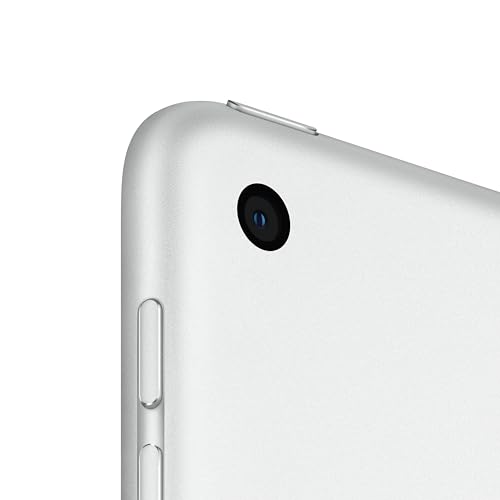
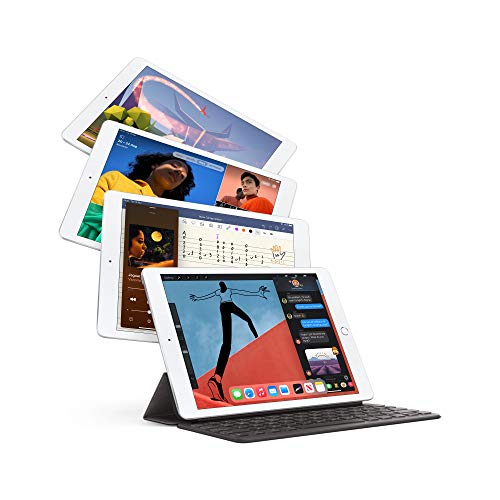
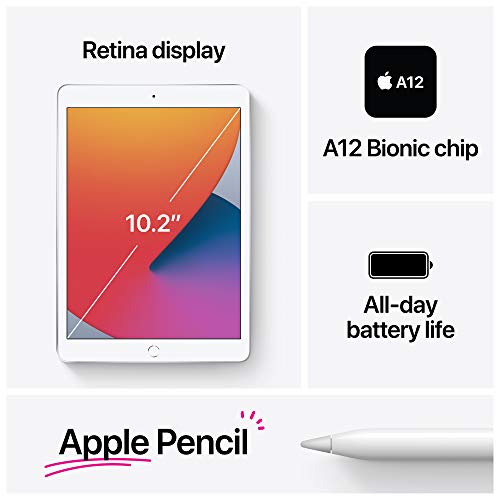
The 2020 Apple iPad (8th Generation) features a 10.2-inch Retina display with 2160 x 1620 resolution and 500 nits brightness, powered by the A12 Bionic chip with 3GB of RAM and 128GB of internal storage. Key characteristics include support for the 1st-generation Apple Pencil and Smart Keyboard, a classic design with a Touch ID home button, an 8MP rear camera, and a 1.2MP FaceTime HD front camera. Its main pros are the significant performance boost from the A12 chip, reliable 10-hour battery life, and high value for everyday tasks and education. Main cons include the outdated non-laminated display that is highly reflective, the use of a Lightning port instead of USB-C, and a lackluster front camera for modern video calls.

Compare Apple iPad 2020 WiFi (3GB + 128GB) with other tablets

1Product to compare no. 1
VS
2Product to compare no. 2
VS
3Product to compare no. 3 (optional)

Graphic comparison of Apple iPad 2020 WiFi (3GB + 128GB) and other tablets

No results found