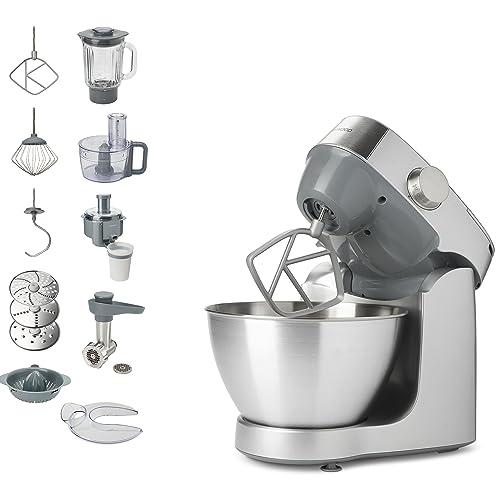
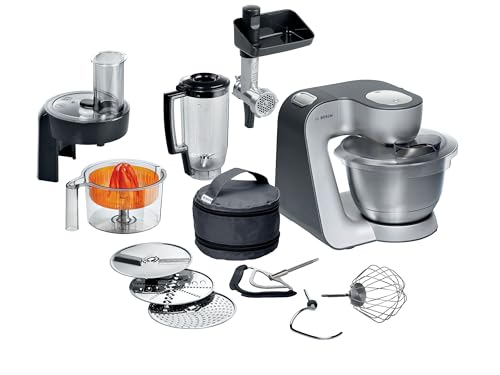
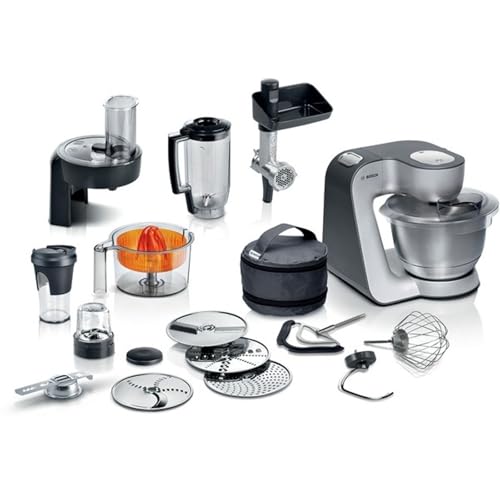
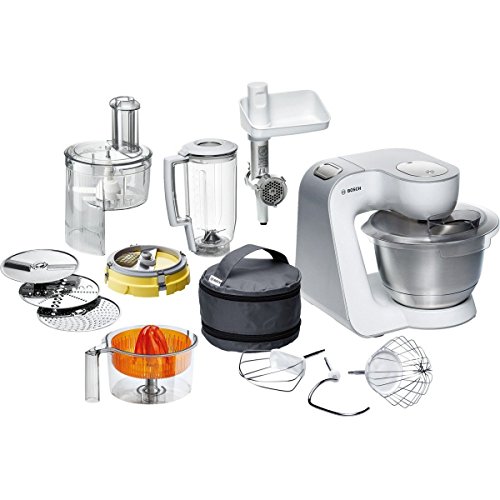
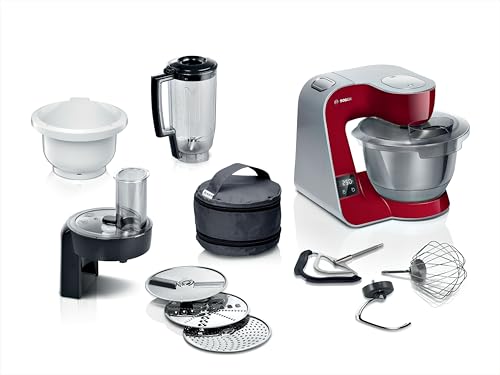
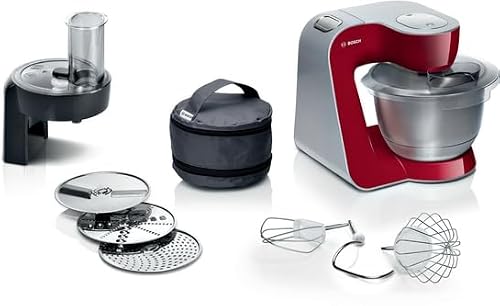
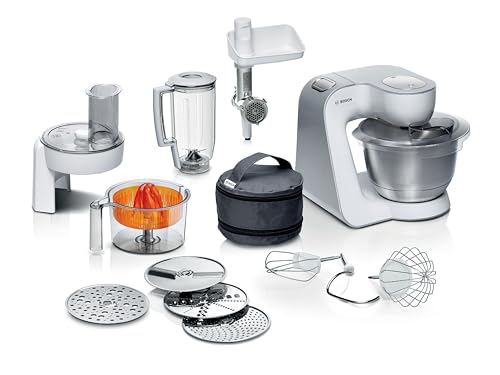
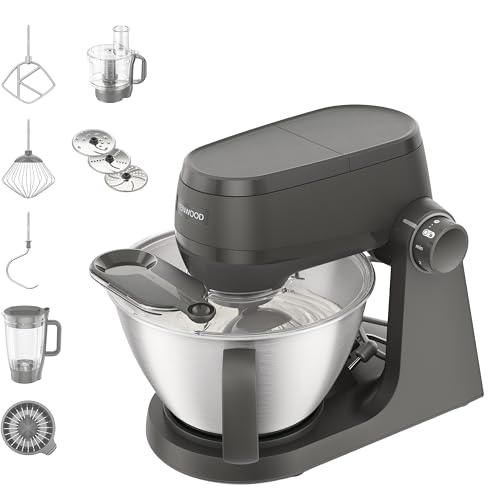
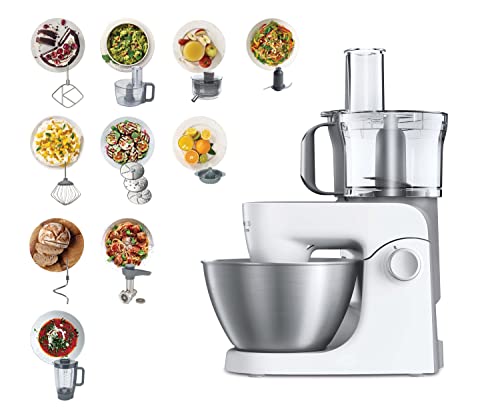
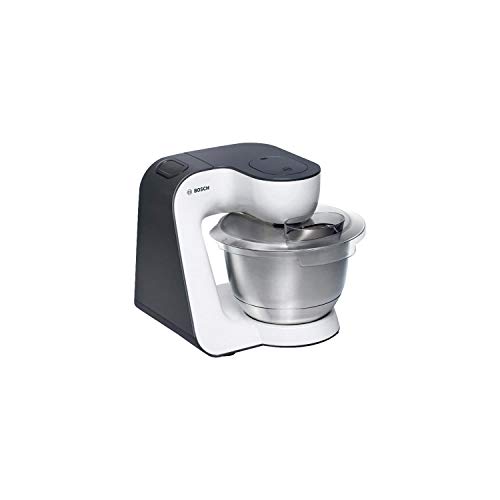
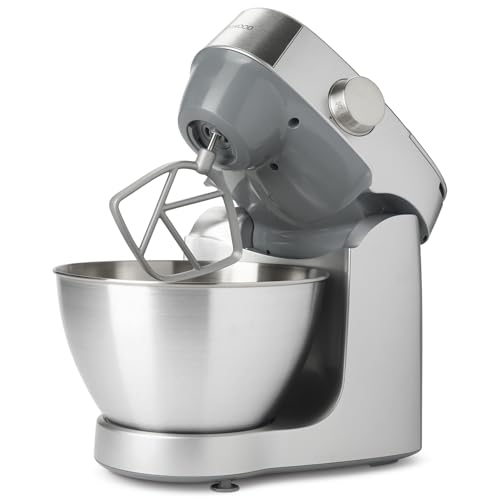
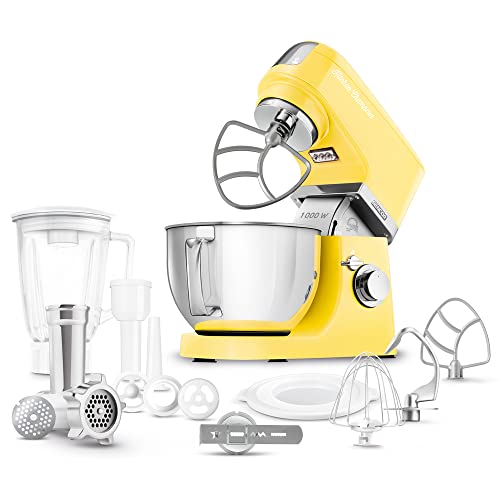
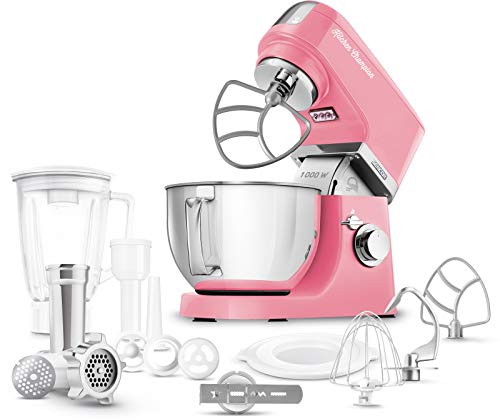
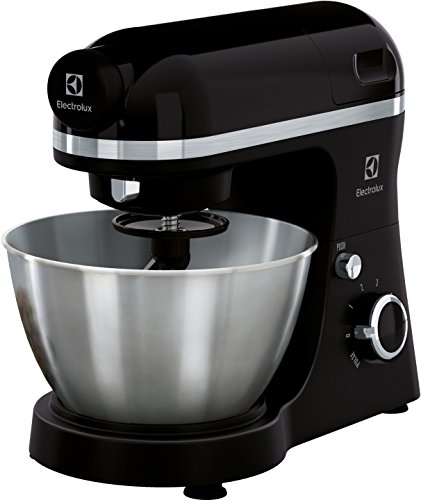
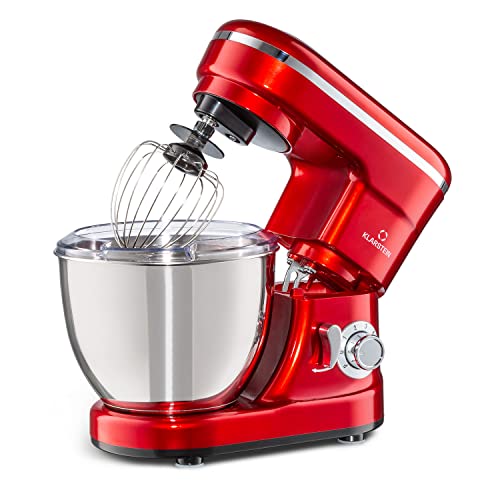
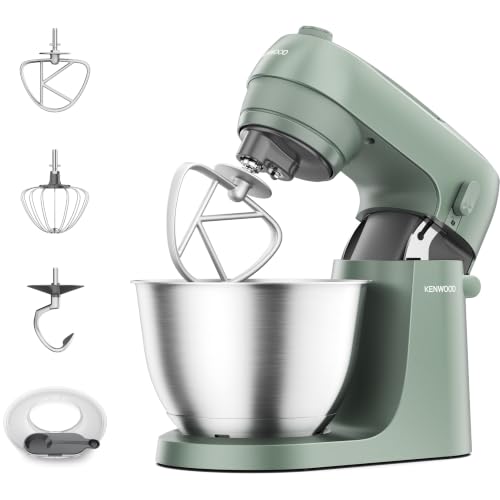
You should consider buying a small stand mixer if your kitchen has limited countertop depth, low overhead wall cabinets, or if you cook for one or two people and rarely bake massive double batches. Large 6 or 7-liter mixers look overpowering on modest counters and struggle to whip small quantities like a single egg white or 100 ml of cream.
Compact mixers are also significantly lighter, weighing 3 to 6 kg compared to 10 to 14 kg for full-size commercial machines. This makes retrieving and stowing the appliance in a pantry or low cupboard quick and effortless.
How do compact stand mixers balance counter footprint and mixing capacity?
Compact stand mixers balance counter space and mixing capacity by narrowing the base pedestal and optimizing bowl depth, maintaining a generous 3.8 to 4.3-liter working volume within a footprint barely larger than a toaster. The vertical bowl geometry keeps flour and liquids centralized directly beneath the planetary beater path.
Tilt-head hinges are engineered with tight clearance arcs, allowing the motor head to pivot upward without hitting standard 45 cm backsplash wall cabinets. This thoughtful space planning ensures permanent countertop placement is practical even in urban apartment kitchenettes.
Despite smaller external dimensions, quality compact models feature all-metal planetary gears that prevent power loss, ensuring high torque delivery during sponge mixing and pastry creaming.