


Are Bosch stand mixers good?
Bosch stand mixers have an average overall score of 7.5, ranking #3 among all stand mixer brands, and a review score of 8.9, placing them at #1 by review score.
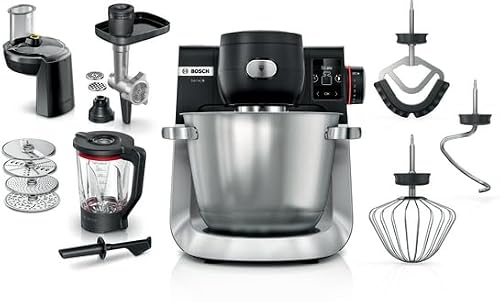
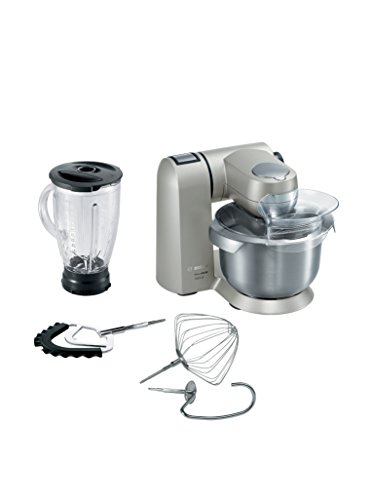
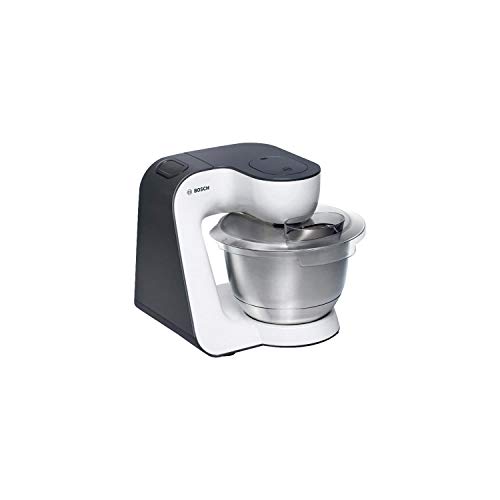
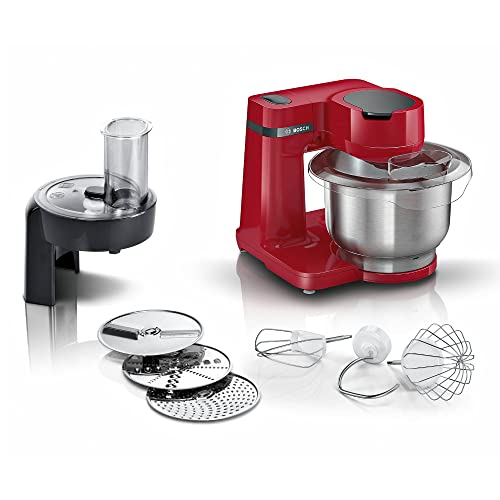
Bosch stand mixers stand out for their clever ergonomics, multi-functional versatility, and outstanding value for money. Their 3D PlanetaryMixing system moves tools simultaneously in three dimensions for rapid dough kneading, while their compact footprints fit neatly into modest kitchen layouts.
Bosch entry-level MUM series utilize composite plastic outer housings rather than heavy cast metal, requiring rubber suction feet to maintain countertop stability under heavy dough loads. While highly efficient for domestic batches, their lighter chassis may exhibit noticeable flex when working near maximum dough capacities.
The chart below ranks stand mixer brands by average overall score.
[horizontal-chart-06026235020310824255111444020147985445831378845645]What are the main advantages of Bosch stand mixers?
The main advantages of Bosch stand mixers are as follows:
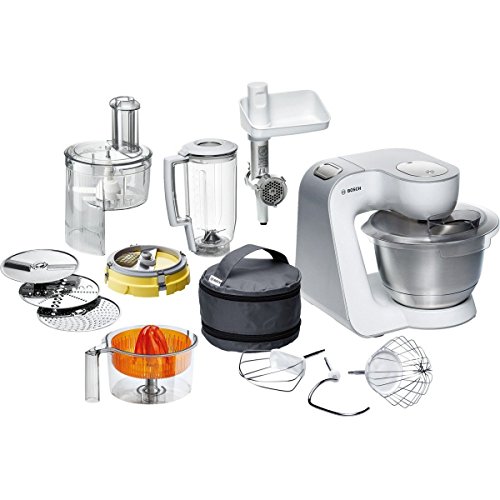
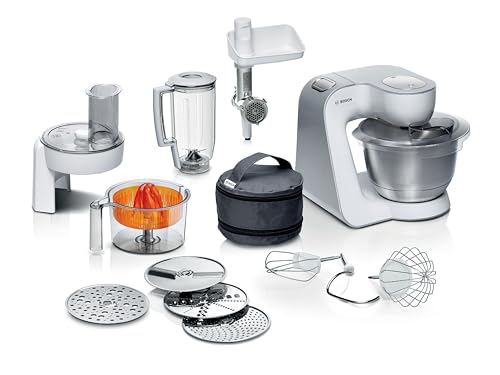
- Compact build: Models such as the Bosch Series 4 MUM58720 fit a 3.9 litre bowl into a low, light body. You lift them out of a cupboard easily, and they sit under wall units without trouble.
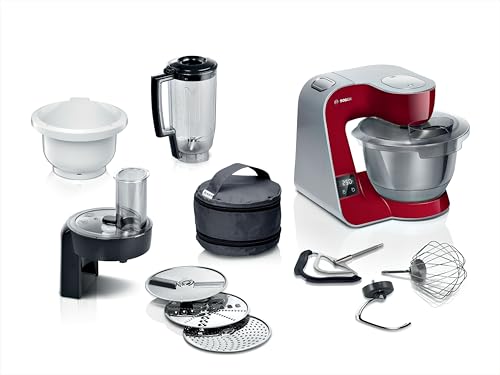
- 3D planetary mixing: The Bosch Series 6 MUMS6ZS34 moves its tools in three dimensions through a 5.5 litre bowl. Dough and batter mix evenly down to the base with little scraping.
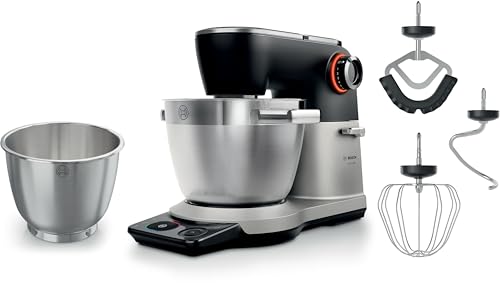
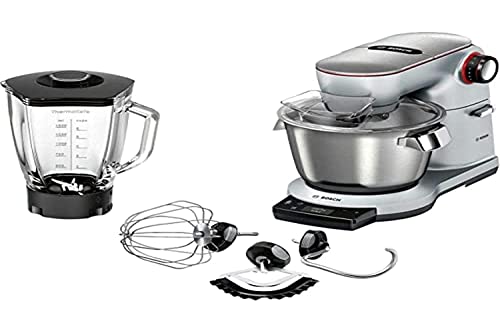
- Built-in scale: Several models weigh straight into the bowl, from the Bosch Series 4 MUM5XW20 up to the Bosch OptiMUM MUM9YX5S12. That saves a separate kitchen scale and a pile of extra bowls.
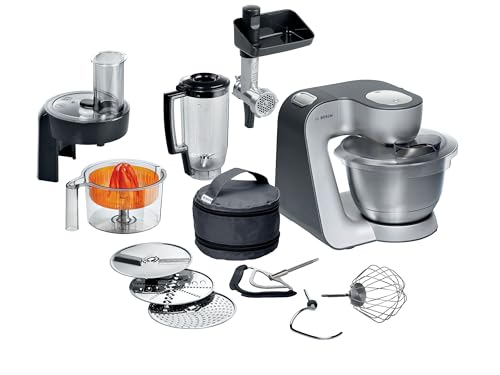
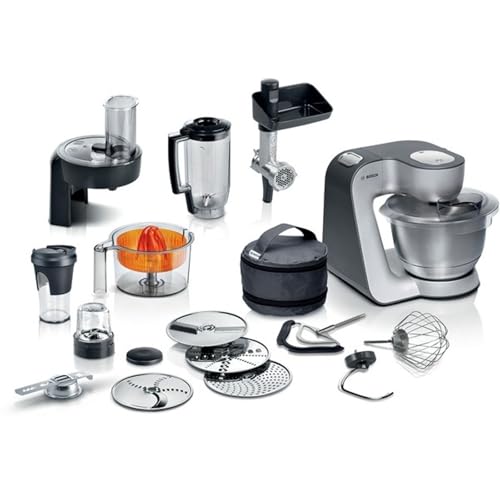
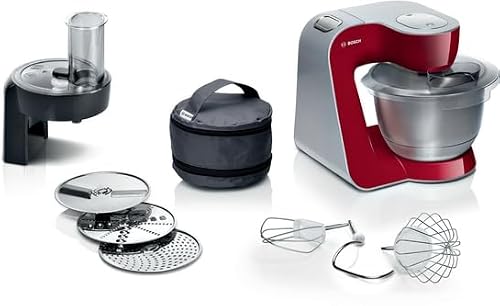
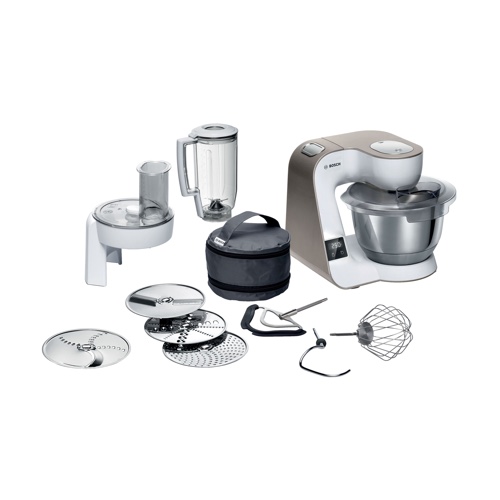
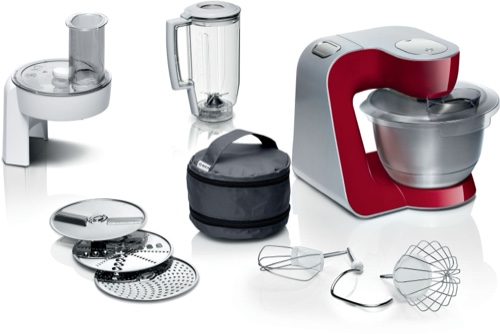
- Large accessory packs: The Bosch CreationLine MUM59340GB ships with 13 attachments for slicing, grating and blending. It covers most food-processor jobs from one motor.
- Strong top models: The Bosch Series 8 MUMS8ZS18 has an 1,800 W motor and a 6 litre bowl. That handles large batches of bread dough at home.
- Wide price ladder: The Bosch Series 2 MUMS2ER01 starts at around £100, and the Bosch Series 6 MUMS6ZS34 reaches £690. Every step of that ladder keeps planetary mixing.
What are the main disadvantages of Bosch stand mixers?
The main disadvantages of Bosch stand mixers are as follows:
- Small standard bowl: The Bosch Series 4 MUM58720 and most other compact models hold 3.9 litres. A double batch of bread dough fills that bowl quickly.
- Plastic housings: Compact lines such as the Bosch MUM5 MUM50123 use plastic bodies. They feel less solid than die-cast rivals and move more with stiff dough.
- Weak entry model: The Bosch Series 2 MUMS2ER01 offers 700 W and a 3.8 litre bowl. It handles cakes, but regular bread baking pushes it hard.
- Noise at speed: The Bosch OptiMUM MUM9YX5S12 reaches about 85 dB at full speed. That is louder than many rivals of similar power.
- High top prices: The Bosch Series 8 MUMS8ZS18 sells for about £600. At that level, die-cast rivals with metal housings compete directly.
- Accessories split by line: Attachments for the compact Bosch Series 4 MUM5X734 do not fit the larger Bosch Series 6 MUMS6ZS19D. When you upgrade, your tools often stay behind.