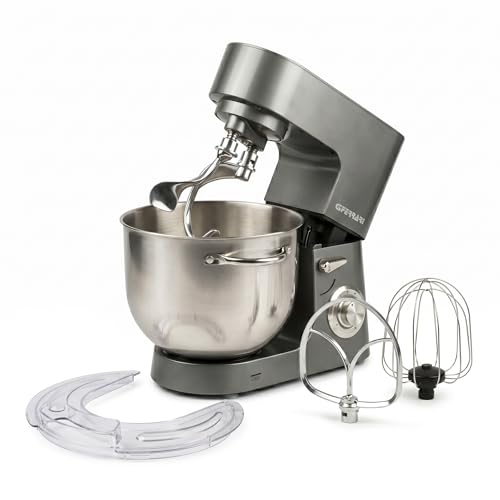
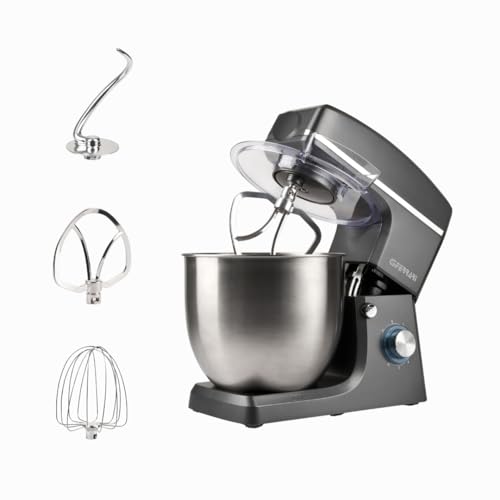
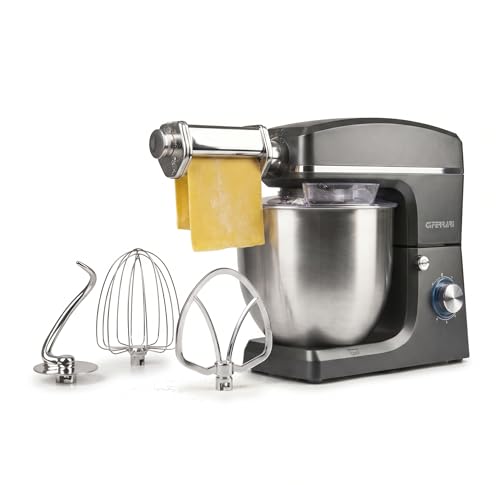
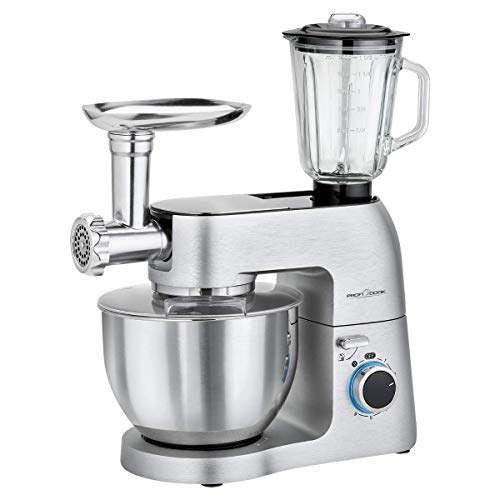
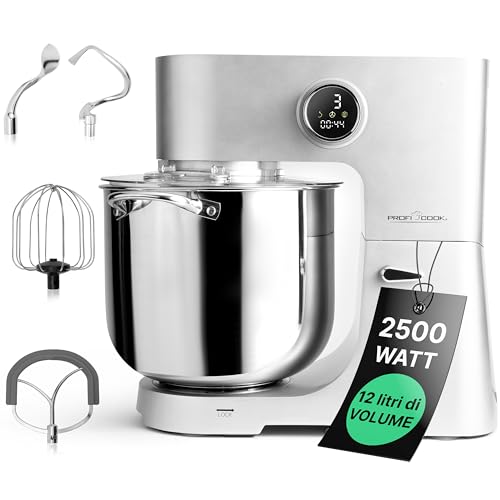
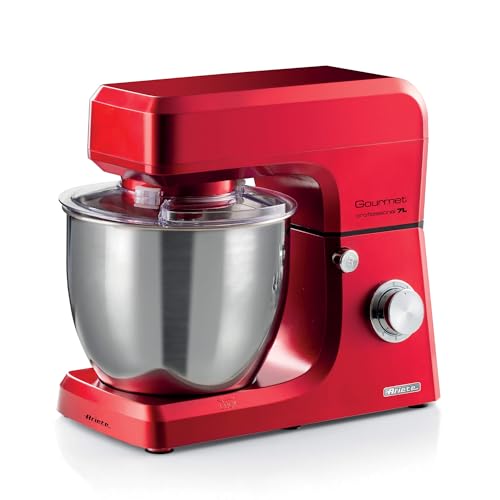
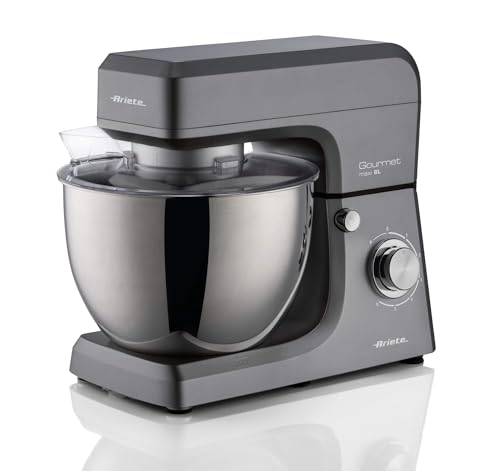
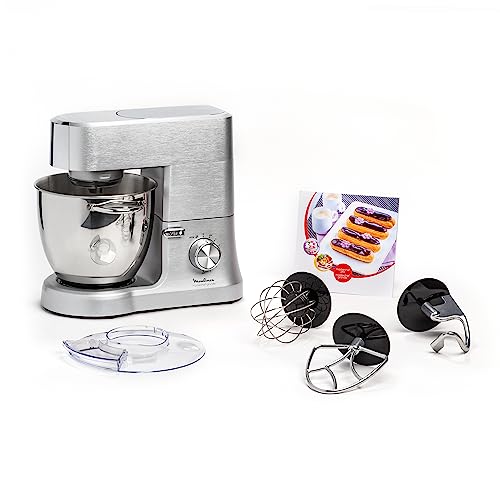
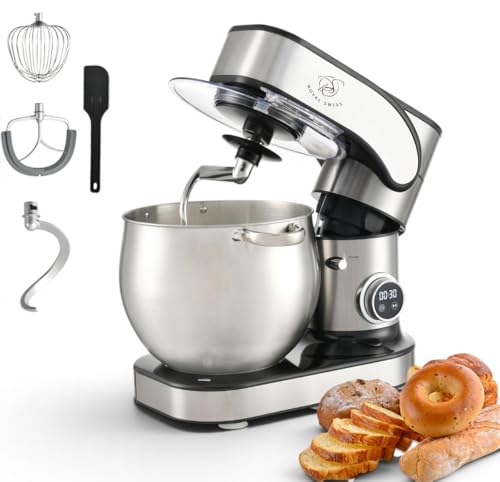
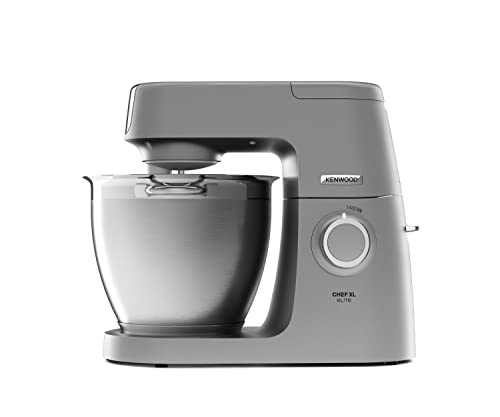
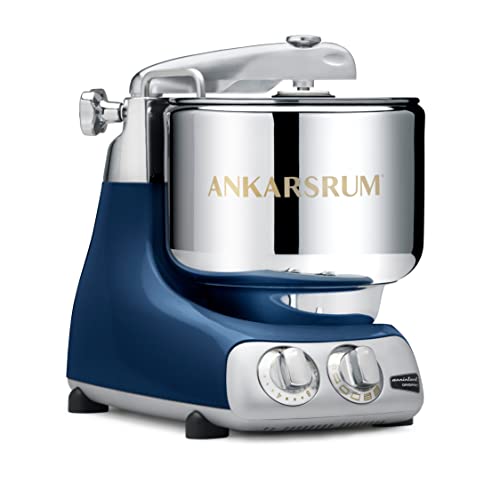
You should consider buying a professional stand mixer if you operate a home micro-bakery, small cafe, or catering business, or if you regularly bake large triple-batch recipes requiring 2 to 4 kg of flour at once. Domestic tilt-head mixers struggle under these volumetric loads, whereas commercial bowl-lift units are engineered specifically for high-capacity batching.
Professional units are also recommended for culinary perfectionists who demand unbreakable stainless steel attachments, all-metal internal gearing, and motors capable of running for hours without thermal throttling.
How do bowl-lift mechanisms and heavy-duty motors benefit large-batch baking?
Bowl-lift mechanisms benefit large-batch baking by securing the stainless steel bowl within dual rigid support arms that clamp firmly to the mixer pedestal. A manual crank lever raises the bowl upward to engage the rotating beater, keeping the overhead motor head stationary and eliminating hinge flex under heavy resistance.
This rigid architectural geometry ensures the beater maintains a consistent millimeter tolerance across the wide bowl floor, even when kneading 3 kg of dense rye dough. In contrast, tilt-head mechanisms can flex upward by several millimeters under heavy dough resistance, reducing mixing efficiency.
Heavy-duty motors in professional machines incorporate dedicated cooling fans and heat sinks that continuously vent thermal energy, allowing commercial kitchens to complete back-to-back mixing cycles without cool-down pauses.