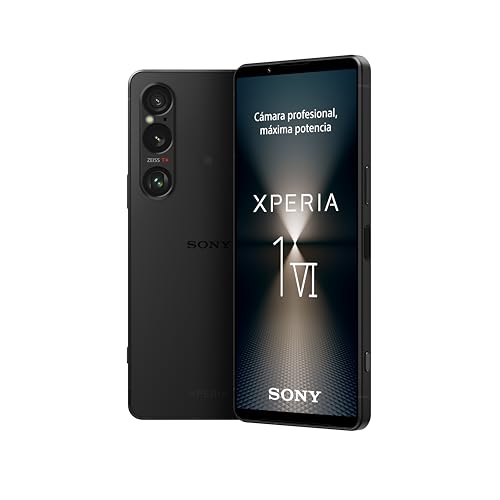
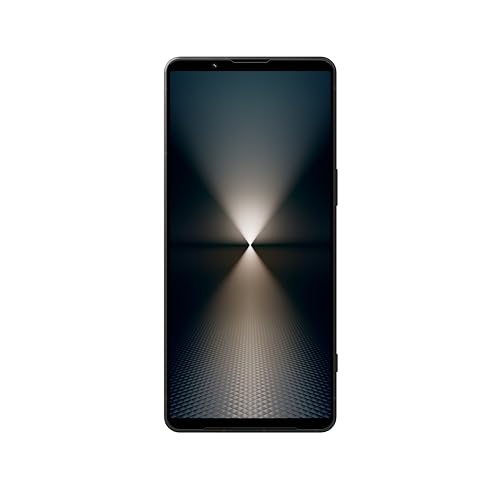
Sony Xperia 1 VI (12GB + 256GB) review. Compare 197 technical specifications and user reviews to see how this product ranks in the Smartphones category and whether it is worth buying.
Overall score
What it is: An overall evaluation of the smartphone's quality, based on technical analyses and user reviews.
When it matters: When you need a quick reference to identify the best smartphones on the market.
Score components:
90.0%
Technical Score
10.0%
User score
Technical Score
What it is: An assessment of the smartphone's technical performance, covering eight key areas: performance & hardware, software, camera, connectivity, display, battery, audio, and design.
When it matters: When you want to compare smartphones based on technical performance and available features.
Score components:
25.0%
Performance & Hardware
18.0%
Camera
15.0%
Display
15.0%
Battery
10.0%
Software
10.0%
Connectivity
4.0%
Audio
3.0%
Design
User score
What it is: A rating that combines user reviews and the total number of reviews received by the smartphone
When it matters: When you want to know how a smartphone handles daily tasks and how reliable it remains over time according to user feedback.
Score components:
70.0%
User reviews
30.0%
Popularity



Available: ranking among products currently available (including other versions of this product).
All: ranking among all products in the database.
#3 in Best Sony Smartphones
#116 in Best Large-Screen Smartphones
#117 in Best Android Smartphones
#128 in Best NFC Smartphones
#129 in Best Smartphones
#129 in Best 5G Smartphones
#129 in Best AI Smartphones
#545 in Best Battery Life Smartphones
#1083 in Best Value Smartphones
What it is: An assessment of the smartphone's technical performance, covering eight key areas: performance & hardware, software, camera, connectivity, display, battery, audio, and design.
When it matters: When you want to compare smartphones based on technical performance and available features.
Score components:
25.0%
Performance & Hardware
18.0%
Camera
15.0%
Display
15.0%
Battery
10.0%
Software
10.0%
Connectivity
4.0%
Audio
3.0%
Design
What it is: A rating that combines user reviews and the total number of reviews received by the smartphone
When it matters: When you want to know how a smartphone handles daily tasks and how reliable it remains over time according to user feedback.
Score components:
70.0%
User reviews
30.0%
Popularity
What it is: An indicator that combines the smartphone's overall rating with its cost.
When it matters: When you are looking for a smartphone with a good balance between quality and price.
Score components:
60.0%
Overall score
40.0%
Price
Importance: LOW
Importance: HIGH
Importance: HIGH
Good value: >12 GB
Importance: MEDIUM
Good value: >256 GB
Importance: MEDIUM
Good value: >3.2 GHz
Importance: LOW
Importance: MEDIUM
Good value: >1500
Importance: LOW
Good value: >4000
Importance: LOW
Good value: 8+
Importance: LOW
Importance: LOW
Good value: >950 MHz
Importance: LOW
Good value: >700
Importance: LOW
Good value: >1000
Importance: LOW
Good value: >2500
Importance: MEDIUM
Good value: >6000
Importance: LOW
Good value: >8000
Importance: MEDIUM
Good value: >12000
Importance: LOW
Good value: >5000
Importance: LOW
Good value: >1800
Importance: LOW
Good value: >3200 MHz
Importance: LOW
Good value: 5
Importance: LOW
Good value: > 50 GB/s
Importance: LOW
Good value: 4
Importance: LOW
Good value: >16 GB
Importance: MEDIUM
Good value: <6 nm
Importance: MEDIUM
Good value: >9 W
Importance: LOW
Importance: LOW
Good value: >8192 KB
Importance: LOW
Good value: >2048 KB
Importance: LOW
Good value: >512 KB
Importance: LOW
Good value: >100000 million
Importance: LOW
Good value: 3.3
Importance: LOW
Good value: 3.2
Importance: LOW
Good value: 2.0/3.0
Importance: LOW
Importance: LOW
Importance: LOW
Importance: MEDIUM
Importance: LOW
Importance: LOW
Importance: LOW
Importance: LOW
Importance: LOW
Importance: LOW
Importance: LOW
Importance: LOW
Importance: LOW
Importance: LOW
Importance: LOW
Importance: LOW
Importance: LOW
Importance: LOW
Importance: LOW
Importance: LOW
Importance: LOW
Importance: LOW
Importance: LOW
Importance: LOW
Importance: LOW
Importance: LOW
Importance: LOW
Importance: LOW
Importance: LOW
Importance: LOW
Importance: LOW
Importance: LOW
Importance: LOW
Importance: LOW
Importance: LOW
Importance: LOW
Importance: LOW
Importance: MEDIUM
Good value: >50 MP
Importance: MEDIUM
Importance: HIGH
Good value: >60
Importance: LOW
Good value: ≥1.2 µm
Importance: MEDIUM
Good value: >2.5x
Importance: MEDIUM
Importance: LOW
Importance: LOW
Importance: LOW
Importance: LOW
Good value: ≥2
Importance: LOW
Importance: LOW
Importance: LOW
Importance: LOW
Good value: >16 MP
Importance: LOW
Importance: LOW
Importance: LOW
Importance: LOW
Importance: MEDIUM
Importance: LOW
Importance: LOW
Importance: LOW
Importance: LOW
Importance: LOW
Importance: LOW
Importance: LOW
Importance: LOW
Importance: LOW
Importance: LOW
Importance: LOW
Importance: LOW
Importance: LOW
Importance: LOW
Importance: LOW
Importance: LOW
Importance: LOW
Importance: LOW
Importance: LOW
Importance: LOW
Importance: LOW
Good value: >130
Importance: LOW
Good value: >120
Importance: LOW
Good value: ≥2
Importance: LOW
Importance: LOW
Importance: LOW
Importance: LOW
Importance: LOW
Importance: LOW
Good value: >5.2
Importance: LOW
Importance: LOW
Importance: LOW
Importance: LOW
Good value: 3.1/3.2
Importance: LOW
Importance: LOW
Importance: LOW
Good value: ≥2
Importance: LOW
Importance: LOW
Importance: LOW
Importance: LOW
Importance: LOW
Importance: LOW
Importance: LOW
Importance: LOW
Importance: LOW
Importance: LOW
Importance: LOW
Importance: LOW
Importance: LOW
Importance: LOW
Importance: LOW
Importance: LOW
Good value: ≥6.6 inches
Importance: MEDIUM
Importance: LOW
Good value: >400 ppi
Importance: MEDIUM
Importance: MEDIUM
Good value: ≥120 Hz
Importance: LOW
Importance: LOW
Good value: >300 Hz
Importance: LOW
Good value: >800 nits
Importance: LOW
Good value: >1300 nits
Importance: LOW
Good value: >1000 nits
Importance: LOW
Importance: LOW
Importance: LOW
Importance: LOW
Importance: LOW
Importance: LOW
Importance: LOW
Importance: LOW
Importance: HIGH
Good value: >5000 mAh
Importance: MEDIUM
Good value: >60 W
Importance: LOW
Importance: LOW
Good value: <45 min
Importance: LOW
Importance: LOW
Good value: >40 W
Importance: LOW
Importance: LOW
Good value: >10 W
Importance: LOW
Importance: LOW
Importance: MEDIUM
Importance: LOW
Good value: >800
Importance: LOW
Importance: LOW
Importance: LOW
Importance: LOW
Importance: LOW
Good value: ≥3
Importance: LOW
Importance: LOW
Importance: LOW
Importance: LOW
Importance: LOW
Importance: LOW
Importance: LOW
Good value: <162 mm
Importance: LOW
Good value: <75 mm
Importance: LOW
Good value: <8 mm
Importance: LOW
Good value: <190 g
Importance: LOW
Good value: <98cm³
Importance: LOW
Importance: LOW
Importance: LOW
Importance: LOW
Importance: LOW
Importance: LOW
Good value: ≥1.5 m
Importance: LOW
Importance: LOW
Good value: >8
Importance: LOW
Importance: LOW
Importance: HIGH
Good value: >60
Importance: MEDIUM
Importance: MEDIUM
Good value: >9 W
Importance: LOW
Importance: MEDIUM
Good value: >3.2 GHz
Importance: MEDIUM
Good value: >1500
Importance: MEDIUM
Good value: >12000
Importance: HIGH
Good value: >12 GB
Importance: MEDIUM
Importance: LOW
Importance: MEDIUM
Good value: >50 MP
Importance: LOW
Good value: ≥6.6 inches
Importance: LOW
Importance: MEDIUM
Importance: LOW
Good value: >40 W
(Reviews last updated: August 2026)
PhoneArena's review highlights the Sony Xperia 1 VI's shift toward mainstream appeal, featuring a conventional FHD+ display that contributes to exceptional battery life and a brighter screen, while retaining features like the headphone jack and microSD slot. Powered by the Snapdragon 8 Gen 3, the phone offers strong performance with effective cooling, running a clean, stock-like Android experience, though software updates are limited compared to competitors. The camera system includes a versatile telephoto lens and user-friendly app, producing photos with realistic colors, but the ultra-wide lens can be soft and dynamic range limited in certain conditions. Slow charging speeds and a high price are notable drawbacks.
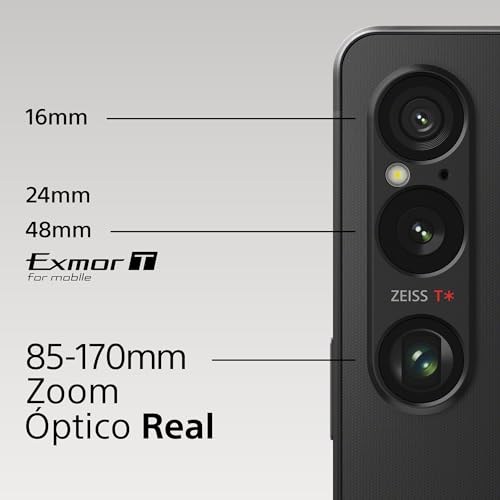
The Sony Xperia 1 VI shifts towards a mainstream audience with a brighter 19.5:9 FHD+ OLED display and significantly improved two-day battery life, featuring a 5,000mAh capacity and better thermal management. Its camera system is a highlight, offering a world-first 85-170mm optical zoom and a telephoto macro mode, alongside a simplified camera app. However, the review notes drawbacks including low-light noise from some lenses, lack of selfie autofocus, missing pro video features at launch, slow 30W charging, and a high £1,299 price point.
The Sony Xperia 1 VI shifts towards mainstream appeal with pros including a brighter Full HD+ OLED screen and exceptional, potentially two-day, battery life, though its very high price remains a con. Performance is solid with the Snapdragon 8 Gen 3, and retained features like the 3.5mm jack and microSD slot are also positives. While the variable telephoto lens with continuous optical zoom is a pro for photography enthusiasts, cons include underwhelming night mode and a high price point limiting broad appeal.
The Sony Xperia 1 VI shifts from a niche 21:9 display to a more conventional, user-friendly 19.5:9 FHD+ OLED panel, resulting in market-leading battery life lasting nearly two days. While the camera system introduces a versatile 85-170mm continuous optical zoom and impressive macro capabilities, it still lags behind competitors in AI-driven low-light processing. Despite keeping enthusiast features like a 3.5mm jack and microSD slot, the device is hindered by a high price, limited software support, and lack of official US availability.
The Sony Xperia 1 VI pivots toward the mainstream by replacing the 21:9 aspect ratio with a 19.5:9 format, improving ergonomics while reducing screen resolution to 1080p. Despite the lower resolution, the new, brighter 120Hz OLED panel, paired with the Snapdragon 8 Gen 3 chipset, delivers exceptional performance and battery life. Pros include a highly versatile 85-170mm optical zoom, impressive telephoto macro capabilities, and a dedicated physical shutter button for pro-level photography. Creative BloqHowever, cons include a steep £1,299 price tag, the omission of a charger, and a tighter ultrawide lens compared to competitors. The device remains a niche choice, best suited for creators who value specialized hardware like the 3.5mm headphone jack and microSD slot.
The Sony Xperia 1 VI shifts toward mainstream appeal by replacing its traditional 4K display with a brighter, more efficient Full HD+ panel, which significantly improves battery life to last up to two days. While maintaining a premium build with rare features like a 3.5mm jack and microSD slot, the device suffers from slow 30W charging and rapid thermal throttling under load. The camera system, featuring a versatile 85-170mm continuous optical zoom and macro mode, is a highlight, though it lacks the competitive, AI-driven low-light performance of its rivals.
The Sony Xperia 1 VI shifts toward a mainstream 19.5:9 FHD+ display, significantly improving battery life and brightness while retaining premium features like a 3.5mm headphone jack, microSD slot, and dedicated shutter button. While powered by a Snapdragon 8 Gen 3, the camera system is the highlight, featuring a 3.5x-7.1x variable optical zoom and a simplified, unified camera app interface. However, the device faces stiff competition with its high price point, limited 30W charging, shorter three-year support window, and lack of official U.S. availability.
The Sony Xperia 1 VI shifts toward the mainstream by replacing its signature 4K 21:9 display with a brighter, more efficient 1080p+ 19.5:9 LTPO OLED panel, while retaining a 3.5mm headphone jack, microSD slot, and superior battery life. Key drawbacks include the lower-resolution screen and lack of a US release. The camera system, now unified, features a 48MP main sensor and a versatile 3.5x-7.1x optical telephoto lens with a unique macro mode, though it still falls behind rivals in HDR processing. Powered by the Snapdragon 8 Gen 3 with a new vapor chamber, the device offers top-tier performance but suffers from a shorter, three-year software support window and a high price point.
The GSMArena review of the Sony Xperia 1 VI highlights a shift toward mainstream appeal, featuring a brighter, more efficient 19.5:9 FHD+ LTPO OLED display and an exceptional 17:27h active use battery score. Key advantages include a new unified camera app, a 3.5x-7.1x continuous optical zoom, a 3.5mm jack, and microSD support, though the device suffers from significant thermal throttling and underwhelming peak performance. Furthermore, the 30W charging is considered slow for a flagship, and the high price point makes it a challenging recommendation compared to competitors.
After three months, the Sony Xperia 1 VI is considered a polarizing, mainstream-focused device that abandons its niche "pro-enthusiast" roots for a more conventional 19.5:9 aspect ratio and 1080p LTPO display. Key pros include incredible two-day battery life, a brighter screen for outdoor visibility, and a superior, grippy build. However, the device sacrifices its unique identity, with the reviewer criticizing the consolidation of camera apps that removed advanced "Videography Pro" and "Cinematography Pro" features. While the new tele-macro mode is a highlight, the aging telephoto sensor produces noisy, subpar images compared to rivals. Ultimately, the review questions if this mainstream pivot alienates loyal users, despite maintaining features like a headphone jack and microSD slot.
The Sony Xperia 1 VI shifts toward mainstream usability by abandoning the 21:9 aspect ratio for a 19.5:9 Full HD+ OLED display, which, despite the lower resolution, delivers exceptional brightness, contrast, and color accuracy. Powered by the Snapdragon 8 Gen 3, it offers top-tier performance and retains user-friendly features like a 3.5mm headphone jack and microSD slot. Pros include an improved aspect ratio for daily use, excellent battery life, and high-quality audio, while cons include a high £1299 price point, occasionally over-brightened HDR, and limited 3-year software support.
The Sony Xperia 1 VI is described as a powerful flagship aimed at existing enthusiasts, retaining features like a headphone jack and expandable memory but making significant compromises on price and design durability. Its design shifts to a more conventional aspect ratio and FHD+ resolution, considered a positive for usability, while performance and battery life are noted as strong suits. However, drawbacks include a generic design, susceptibility to scratches, slow charging speeds without an included charger, and performance throttling under sustained stress.
In a review by Forbes' David Phelan, the Sony Xperia 1 VI shifts from its signature 21:9 4K display to a more conventional 19.5:9 FHD+ OLED, resulting in a brighter, more power-efficient screen and exceptional battery life often lasting two days. The phone features an impressive 85mm to 170mm optical telephoto zoom with strong macro capabilities and a simplified camera app, though image processing may lack the HDR punch of competitors like the iPhone 15 Pro or Samsung Galaxy S24 Ultra. Pros include the versatile zoom, great battery, headphone jack, and microSD slot, while cons are the lower-resolution screen compared to previous models and a commitment of only three years for OS updates.
In a one-month follow-up review, the Sony Xperia 1 VI is described as a refined flagship prioritizing usability, notably transitioning to a more traditional 19.5:9 aspect ratio and Full HD+ resolution, which significantly boosts battery life. Key positives include the dedicated physical shutter button, a simplified camera app, the 85–170mm continuous optical zoom, and tele-macro mode, while downsides include the high £1,299 price, shorter software support, a side-mounted fingerprint sensor, and a back prone to fine scratches.
The Sony Xperia 1 VI transitions from a 21:9 4K display to a brighter, more power-efficient 19.5:9 FHD+ OLED panel while retaining a premium design with a textured glass back and enthusiast features like a 3.5mm headphone jack. Powered by the Snapdragon 8 Gen 3 chipset, the phone offers superb performance and exceptional two-day battery life, though it suffers from slow 30W charging and can overheat under heavy load. Its camera system features a streamlined app prioritizing manual control, an 85-170mm optical zoom, and telephoto macro mode, but the high £1,299 price and only three years of OS updates are noted downsides.
According to a Galaxus review, the Sony Xperia 1 VI is a strong all-round package with improved battery life and audio quality, featuring a Snapdragon 8 Gen 3 chip and retaining a 3.5mm headphone jack. However, the device has notable drawbacks, including dropping to a Full HD+ display from 4K, limited software update promises, potential camera weaknesses in low light, and a high price point.
The Sony Xperia 1 VI shifts from a 4K to an FHD+ 19.5:9 display, offering improved brightness (up to 1,300 nits) and superior power efficiency. Combined with the Snapdragon 8 Gen 3, this change delivers exceptional, two-day battery life. Key pros include this battery longevity, a versatile 85-170mm optical zoom with 4cm telephoto macro, and retained,, user-friendly features like a 3.5mm jack and SD card slot. However, the transition to a lower resolution screen may disappoint some, while the high, roughly €1,399 price point and slow 30W charging are significant cons. The camera, though capable, can produce slightly soft images at maximum zoom, and the device still exhibits thermal throttling during heavy, sustained gaming.
The Sony Xperia 1 VI emerges as a premium, versatile smartphone with top-tier Snapdragon 8 Gen 3 performance, a notable shift to a 19.5:9 aspect ratio, and exceptional stereo speakers. The device features a highly capable camera system, highlighted by a new telephoto macro lens allowing for detailed close-up photography, and boasts a remarkably long-lasting 5,000 mAh battery. While offering unique advantages like a 3.5mm headphone jack and MicroSD slot, the phone has a high price point, lacks a charger, and features a shorter software update lifespan compared to competitors.
The DigitalPHOTO review highlights that the Sony Xperia 1 VI shifts towards mainstream appeal, replacing the 21:9 4K display with a brighter, more efficient 19.5:9 FHD+ panel, resulting in outstanding two-day battery life. The camera system features a 3.5x-7.1x continuous optical zoom, a 4cm telephoto macro mode, and a new, unified app with Alpha-series AI tracking. While praised for its versatility, bright display, 3.5mm jack, and microSD slot, the phone is noted for its high price, lower resolution screen, and lack of a charger.
The Sony Xperia 1 VI shifts toward a mainstream audience by replacing its 21:9 4K screen with a brighter, more efficient 19.5:9 FHD+ panel, paired with a Snapdragon 8 Gen 3 chipset that delivers class-leading, two-day battery life. Retaining "old-school" flagship features, the device includes a 3.5mm headphone jack and microSD card expansion. The camera system introduces a consolidated app and a new telephoto macro mode for impressive close-ups, though the automatic mode struggles with dynamic range, and the telephoto lens quality degrades at max zoom. Despite high-end performance, the €1,399 price point is high, compounded by a lack of in-box accessories, relatively slow 30W charging, and limited software support.
Xavier Studer identifies the Sony Xperia 1 VI as a versatile "multimedia monster," featuring a refined design, 3.5mm jack, and excellent battery life, though the switch to a 19.5:9 FHD+ display is noted as a significant, yet practical, compromise. Key technical strengths include the 85-170mm continuous optical zoom, an impressive tele-macro mode, and a simplified, highly capable camera app powered by the Snapdragon 8 Gen 3 chipset. However, the review highlights drawbacks such as the high 1,399 CHF price point, slightly soft images at maximum zoom, and shorter software support compared to competitors. For more details, visit XavierStuder.com.
The Sony Xperia 1 VI shifts towards mainstream appeal, replacing its 21:9 aspect ratio with a more standard 19.5:9 display and adopting a lower resolution Full HD+ screen with LTPO technology, which improves efficiency. While it retains enthusiast features like a 3.5mm jack, microSD slot, and physical shutter button, the device is praised for its exceptional battery life, often lasting up to three days. Powered by a Snapdragon 8 Gen 3 chipset, the device delivers top-tier performance for multitasking and gaming. However, the camera performance, particularly the 85–170 mm zoom, is considered disappointing compared to competitors. Additional drawbacks include a high price point, slow 30W charging, limited 3-year software support, and no charger included in the box.
The Sony Xperia 1 VI emerges as a premium flagship, balancing professional-grade features with improved usability, headlined by exceptional two-day battery life and a brighter, more efficient FHD+ LTPO OLED display. It boasts robust performance with the Snapdragon 8 Gen 3, enhanced by a new vapor chamber cooling system, a 3.5mm headphone jack, and an updated, more accessible camera app featuring a versatile 85–170mm telephoto lens. Despite these advancements, the device carries a very high price tag, lacks a charger or cable in the box, and offers shorter software support compared to competitors, with some potential for telephoto sharpness loss at maximum zoom.
The Sony Xperia 1 VI shifts strategy by replacing its 4K 21:9 display with a brighter, more efficient 19.5:9 FHD+ OLED panel, offering superior battery life and a, textured grip. Powered by the Snapdragon 8 Gen 3 chipset, the device excels in performance while retaining enthusiast features like a 3.5mm headphone jack and microSD expansion. Despite the high price tag, slow 30W charging, and limited software support, the camera's 85-170mm zoom provides excellent, versatile shooting capabilities.
According to Le Labo Fnac, the Sony Xperia 1 VI adopts a "naturalist" photographic approach, focusing on authentic image quality over heavy AI processing. Powered by the Snapdragon 8 Gen 3 chip, the device excels in performance while offering a 5,000 mAh battery that provides exceptional two-day longevity. It appeals to enthusiasts with a dedicated physical shutter button, a 3.5mm headphone jack, and a microSD card slot. L'Éclaireur FnacHowever, the review notes significant downgrades, most notably a drop from a 4K to a Full HD+ (1080p) screen resolution. While the camera is highly capable, the telephoto lens produces soft, grainy images at maximum zoom, and the charging speed is limited to roughly 30W. Additionally, the high price point is paired with a limited three-year software support promise. L'Éclaireur FnacDespite these compromises, the Xperia 1 VI is praised for its versatility and specialized features that cater to photographers. The combination of raw performance, improved battery life, and superior manual camera controls makes it a strong, albeit specialized, flagship competitor. L'Éclaireur Fnac
The Sony Xperia 1 VI shifts to a more mainstream 19.5:9 FHD+ display, which, paired with the Snapdragon 8 Gen 3, delivers "stupendous" battery life that outperforms competitors. Pros include an upgraded 85–170mm optical telephoto lens and a versatile telemacro mode, managed by a new, simplified camera app. However, constraints include significant digital zoom degradation, occasional bokeh errors, thermal throttling, and a short three-year OS update commitment.
The Sony Xperia 1 VI shifts to a 19.5:9 Full HD+ LTPO OLED panel, offering superior screen brightness and multi-day battery life, while maintaining a 3.5mm jack, SD card slot, and unique textured design. Key improvements include a new 85-170mm continuous optical zoom lens with telephoto macro, alongside a simplified camera interface, though the automatic mode struggles with dynamic range compared to competitors. While the Snapdragon 8 Gen 3 ensures top performance, the device is limited by 30W charging, a high price point, and only three years of OS updates.
The Sony Xperia 1 VI adopts a more mainstream 19.5:9 FHD+ LTPO OLED display, abandoning its signature 21:9 4K format for improved practicality and brightness. The phone is praised for its exceptional two-day battery life and high performance, driven by the Snapdragon 8 Gen 3 and enhanced thermal management. Key pros include the versatile 85mm-170mm continuous optical zoom, a new, simplified camera app, and superior macro capabilities. Conversely, the device is held back by slow 30W charging, a high price point, and limited software support compared to competitors. The Xperia 1 VI emerges as a high-performance, refined "Swiss Army knife" for creators rather than just photography enthusiasts.
Phonandroid's review of the Sony Xperia 1 VI highlights a shift towards a more mainstream, user-friendly flagship, notably replacing the 21:9 4K screen with a 19.5:9 FHD+ LTPO OLED panel. Key pros include significantly improved outdoor brightness, "stupendous" two-day battery life, and the retention of a 3.5mm jack, microSD slot, and physical shutter button. The camera software is now consolidated into one app, featuring a new, impressive Telemacro mode on the 85-170mm variable zoom lens. However, the device faces criticism for its high €1,399 price tag, which exceeds competitors like the Samsung Galaxy S24 Ultra, and slow 30W charging speeds. Further cons include the lack of a charger and cable in the box, and a sometimes finicky side-mounted fingerprint sensor. The telephoto lens also struggles with quality at its maximum zoom range.
The Sony Xperia 1 VI shifts toward a conventional design, replacing the 21:9 4K display with a 19.5:9 Full HD+ screen that, despite lower resolution, boasts 1,328 cd/m² brightness and significantly improved battery life. Powered by the Snapdragon 8 Gen 3, the device offers top-tier performance and nearly 24-hour battery endurance, though it is hindered by slow 30W charging and a high price point. While the main 48 MP sensor and new, simplified camera app are impressive, the 85-170mm telephoto lens delivers inconsistent, noisy results, making it a weaker point in an otherwise robust, user-friendly, and feature-rich, "pro-creator" package. Les Numé
The Gamereactor review of the Sony Xperia 1 VI highlights a shift towards mainstream appeal, featuring a 5,000 mAh battery with exceptional, multi-day endurance and the high-performance Snapdragon 8 Gen 3 chipset. Pros include the retention of enthusiast features like a 3.5 mm headphone jack and a dedicated shutter button, paired with an improved, brighter display that sacrifices 4K for better outdoor visibility. However, the device lacks the "AI magic" of competitors, and the camera, while featuring a versatile 85-170 mm zoom, occasionally struggles with speed and autofocus consistency. Despite these, the phone is considered a "solid" choice, though its high price point (approx. €1,400) makes it a premium investment.
The Sony Xperia 1 VI shifts toward a conventional flagship design, featuring a more practical 19.5:9 screen aspect ratio and exceptional battery life. While the camera system offers a unique 85mm-170mm variable optical zoom and superior macro capabilities, it requires expert, manual control to outperform competitors, as automatic modes may fall short. Pros include the retention of a 3.5mm jack, microSD support, and a brighter display, while cons are a lower FHD+ resolution, limited software support, and the omission of a charger in the box.
The Andro4all review characterizes the Sony Xperia 1 VI as a balanced flagship that moves away from 4K/21:9 to a 19.5:9 FHD+ screen, resulting in improved brightness and energy efficiency. Key pros include the high-performance Snapdragon 8 Gen 3 with superior thermal management, exceptional two-day battery life, and the retention of a 3.5mm headphone jack and microSD slot. Conversely, noted cons include the high price, limited three-year software support, sluggish 30W charging, and a "point-and-shoot" camera experience that lags behind competitors.
Andrea Galeazzi's review of the Sony Xperia 1 VI highlights a shift towards a more mainstream experience, featuring a 19.5:9 FHD+ LTPO OLED panel that is brighter, more efficient, and drops the previous 21:9 4K format. While the screen is a highlight, Galeazzi noted issues with the automatic brightness sensor and a slightly lackluster haptic engine. The device excels in performance with the Snapdragon 8 Gen 3, maintaining enthusiast features like a 3.5mm jack and microSD expansion, while delivering exceptional battery life that resolves past overheating issues. In the camera department, Sony has streamlined its professional apps into a more user-friendly interface, with the 85-170mm continuous optical zoom being a standout feature. However, the automatic mode struggles against competitors in low-light, requiring manual control for the best results, which may not appeal to all users. With a high price tag of €1,399, the device is considered a niche, premium, yet functional, option rather than a mainstream "wow" device.
The Sony Xperia 1 VI emerges as a refined, high-end smartphone adopting a more practical 19.5:9 display ratio, while retaining a sharp, vibrant 1080p OLED screen. Key strengths include the powerful Snapdragon 8 Gen 3 processor for top-tier gaming and exceptional battery life that surpasses competitors like the Samsung S24 Ultra. DigitecCamera capabilities are enhanced by a new, simplified, unified app and a versatile 85–170 mm optical telephoto lens featuring an impressive, albeit delicate, macro mode. The device maintains premium features like front-facing stereo speakers, a 3.5mm headphone jack, and a tool-free microSD slot. Drawbacks center on limited software support—only three years of Android updates—and high pricing, exacerbated by the absence of a charger or cable in the box. Additionally, performance throttling can occur during extended gaming sessions.
The Sony Xperia 1 VI review from SmartWorld.it highlights a strategic shift away from 21:9 4K displays toward a 19.5:9 FHD+ OLED panel, resulting in significantly improved battery life that can last up to two days. The device retains premium features like a 3.5mm headphone jack and microSD slot, while adopting a more textured, "grippy" glass back design. Powered by the Snapdragon 8 Gen 3 and improved vapor chamber cooling, the phone offers stellar performance for gaming. Key camera improvements include a new telephoto macro mode and a consolidated, user-friendly app interface. However, automatic camera mode inconsistency remains a "con" compared to rivals, often requiring manual adjustments for optimal results. Positioned as Sony's most balanced flagship, it caters to creators with specialized features like external monitor mode. Drawbacks include a high price, only 3 years of software support, and relatively slow 30W charging for a 2024/2025 device.
The Sony Xperia 1 VI shifts to a 19.5:9 FHD+ OLED display, sacrificing 4K for higher brightness and improved battery life. The device maintains a premium build, featuring a unique textured glass back for better grip. Powered by the Snapdragon 8 Gen 3 with 12GB of RAM, it offers top-tier performance, alongside a versatile camera with a 85mm-170mm optical zoom and macro mode. It also retains enthusiast-focused features like a 3.5mm headphone jack and MicroSD storage. However, the phone faces criticism for its high price, slow 30W charging, and limited three-year software support. While the camera app is simplified, it occasionally struggles with noise and exposure compared to AI-focused rivals.
The Sony Xperia 1 VI shifts to a more mainstream approach, replacing the 4K 21:9 display with a brighter, more efficient 19.5:9 FHD+ OLED screen and incorporating the Snapdragon 8 Gen 3 chipset for improved performance, though it faces thermal throttling under load. The camera system is upgraded with an 85mm-170mm continuous optical zoom and a new 4cm macro mode, alongside a simplified, unified camera app, yet night-time processing and dynamic range still lag behind top competitors. Notable pros include exceptional battery life, a 3.5mm headphone jack, and a microSD card slot, while cons include a slow 30W charging speed, a scratch-prone back, and a limited three-year software update policy.
The Sangean DDR-47BT, rated 8.4/10 by Review.nl, is a versatile tabletop radio featuring a wooden housing that provides a warm sound quality, combining DAB+/FM, CD, and Bluetooth capabilities. Pros include excellent audio performance with adjustable EQ, stable digital radio reception, and practical features like a USB charging port and dimmable display. However, users reported cons such as a clunky, outdated menu system, less responsive touch-sensitive buttons, and the lack of a front-mounted headphone jack. Detailed test results are available at Review.nl.
According to the AndroidWorld review, the Sony Xperia 1 VI shifts to a more mainstream 19.5:9 FHD+ OLED display, significantly improving battery life to nearly two days. The device features a, textured back, 3.5mm jack, and a microSD slot, focusing on premium, functional design. Key pros include this outstanding battery performance, a versatile 85-170mm telephoto lens with a unique macro mode, and top-tier Snapdragon 8 Gen 3 performance.
The Sony Xperia 1 VI shifts from a 21:9 to a 19.5:9 screen format with a brighter (1,300 nits) 1080p LTPO OLED panel, boosting usability and energy efficiency. It features a unique 85-170mm continuous optical zoom, a unified camera app, and a physical shutter button, though night processing lags behind competitors. The device excels with two-day battery life, a 3.5mm jack, and microSD support, but faces criticism for slow 30W charging and a high €1,399 price tag.
The Sony Xperia 1 VI shifts toward a mainstream design, replacing the 21:9 4K screen with a more conventional 19.5:9 FHD+ display. This, paired with a significant increase in battery efficiency, allows for a comfortable two-day battery life. Pros include the retention of a 3.5mm jack, microSD slot, and a capable camera system with a 85mm-170mm variable telephoto lens. Cons include a high €1399 price point and a limited, three-year Android update policy compared to industry leaders. Additionally, the 30W charging is considered slow, and the camera, while flexible, may not excel in automatic "point-and-shoot" scenarios as well as competitors.
The Sony Xperia 1 VI shifts to a more mainstream 19.5:9 FHD+ screen, which, while lower resolution, offers improved brightness and efficiency over previous models. Powered by the Snapdragon 8 Gen 3, it delivers exceptional performance and industry-leading battery life, often lasting two days, though it is hindered by slow 30W charging. Key pros include versatile camera capabilities with a 85-170mm optical zoom and macro mode, plus retained enthusiast features like a 3.5mm jack and microSD slot, while cons include a high price, limited software support, and slower charging compared to rivals.
The Sony Xperia 1 VI shifts from a niche 21:9, 4K display to a more conventional 19.5:9 Full HD+ LTPO OLED screen, prioritizing superior brightness and improved battery efficiency over sheer pixel count. Retaining premium build quality, the device maintains unique features like a 3.5mm headphone jack, a microSD slot, and a dedicated camera button. Equipped with the Snapdragon 8 Gen 3 chipset, the phone delivers top-tier, consistent performance and exceptional, two-day battery life. While charging speeds remain slow and the software support (3 years of OS updates) falls behind rivals, the hardware endurance is a major highlight. The camera system features a versatile 85mm-170mm optical zoom and a new, simplified app, though the ultra-wide lens performance is underwhelming for the price. While the, 48MP main sensor provides natural, high-detail images, mastering the camera requires a learning curve.

Compare