LG G8X ThinQ (6GB + 128GB) review. Compare 197 technical specifications and user reviews to see how this product ranks in the Smartphones category and whether it is worth buying.
Overall score
What it is: An overall evaluation of the smartphone's quality, based on technical analyses and user reviews.
When it matters: When you need a quick reference to identify the best smartphones on the market.
Score components:
90.0%
Technical Score
10.0%
User score
Technical Score
What it is: An assessment of the smartphone's technical performance, covering eight key areas: performance & hardware, software, camera, connectivity, display, battery, audio, and design.
When it matters: When you want to compare smartphones based on technical performance and available features.
Score components:
25.0%
Performance & Hardware
18.0%
Camera
15.0%
Display
15.0%
Battery
10.0%
Software
10.0%
Connectivity
4.0%
Audio
3.0%
Design
User score
What it is: A rating that combines user reviews and the total number of reviews received by the smartphone
When it matters: When you want to know how a smartphone handles daily tasks and how reliable it remains over time according to user feedback.
Score components:
70.0%
User reviews
30.0%
Popularity

Available: ranking among products currently available (including other versions of this product).
All: ranking among all products in the database.
#5 in Best LG Smartphones
#134 in Best Smartphones Under £200
#230 in Best Smartphones Under £250
#321 in Best Smartphones Under £300
#436 in Best Smartphones Under £400
#502 in Best Smartphones Under £500
#541 in Best Value Smartphones
#615 in Best 5G Smartphones
#651 in Best NFC Smartphones
#660 in Best Android Smartphones
#695 in Best AI Smartphones
#698 in Best Smartphones
#849 in Best Battery Life Smartphones
What it is: An assessment of the smartphone's technical performance, covering eight key areas: performance & hardware, software, camera, connectivity, display, battery, audio, and design.
When it matters: When you want to compare smartphones based on technical performance and available features.
Score components:
25.0%
Performance & Hardware
18.0%
Camera
15.0%
Display
15.0%
Battery
10.0%
Software
10.0%
Connectivity
4.0%
Audio
3.0%
Design
What it is: A rating that combines user reviews and the total number of reviews received by the smartphone
When it matters: When you want to know how a smartphone handles daily tasks and how reliable it remains over time according to user feedback.
Score components:
70.0%
User reviews
30.0%
Popularity
What it is: An indicator that combines the smartphone's overall rating with its cost.
When it matters: When you are looking for a smartphone with a good balance between quality and price.
Score components:
60.0%
Overall score
40.0%
Price
Importance: LOW
Importance: HIGH
Importance: HIGH
Good value: >12 GB
Importance: MEDIUM
Good value: >256 GB
Importance: MEDIUM
Good value: >3.2 GHz
Importance: LOW
Importance: MEDIUM
Good value: >1500
Importance: LOW
Good value: >4000
Importance: LOW
Good value: 8+
Importance: LOW
Importance: LOW
Good value: >950 MHz
Importance: LOW
Good value: >700
Importance: LOW
Good value: >1000
Importance: LOW
Good value: >2500
Importance: MEDIUM
Good value: >6000
Importance: LOW
Good value: >8000
Importance: MEDIUM
Good value: >12000
Importance: LOW
Good value: >5000
Importance: LOW
Good value: >1800
Importance: LOW
Good value: >3200 MHz
Importance: LOW
Good value: 5
Importance: LOW
Good value: > 50 GB/s
Importance: LOW
Good value: 4
Importance: LOW
Good value: >16 GB
Importance: MEDIUM
Good value: <6 nm
Importance: MEDIUM
Good value: >9 W
Importance: LOW
Importance: LOW
Good value: >8192 KB
Importance: LOW
Good value: >2048 KB
Importance: LOW
Good value: >512 KB
Importance: LOW
Good value: >100000 million
Importance: LOW
Good value: 3.3
Importance: LOW
Good value: 3.2
Importance: LOW
Good value: 2.0/3.0
Importance: LOW
Importance: LOW
Importance: LOW
Importance: MEDIUM
Importance: LOW
Importance: LOW
Importance: LOW
Importance: LOW
Importance: LOW
Importance: LOW
Importance: LOW
Importance: LOW
Importance: LOW
Importance: LOW
Importance: LOW
Importance: LOW
Importance: LOW
Importance: LOW
Importance: LOW
Importance: LOW
Importance: LOW
Importance: LOW
Importance: LOW
Importance: LOW
Importance: LOW
Importance: LOW
Importance: LOW
Importance: LOW
Importance: LOW
Importance: LOW
Importance: LOW
Importance: LOW
Importance: LOW
Importance: LOW
Importance: LOW
Importance: LOW
Importance: LOW
Importance: MEDIUM
Good value: >50 MP
Importance: MEDIUM
Importance: HIGH
Good value: >60
Importance: LOW
Good value: ≥1.2 µm
Importance: MEDIUM
Good value: >2.5x
Importance: MEDIUM
Importance: LOW
Importance: LOW
Importance: LOW
Importance: LOW
Good value: ≥2
Importance: LOW
Importance: LOW
Importance: LOW
Importance: LOW
Good value: >16 MP
Importance: LOW
Importance: LOW
Importance: LOW
Importance: LOW
Importance: MEDIUM
Importance: LOW
Importance: LOW
Importance: LOW
Importance: LOW
Importance: LOW
Importance: LOW
Importance: LOW
Importance: LOW
Importance: LOW
Importance: LOW
Importance: LOW
Importance: LOW
Importance: LOW
Importance: LOW
Importance: LOW
Importance: LOW
Importance: LOW
Importance: LOW
Importance: LOW
Importance: LOW
Importance: LOW
Good value: >130
Importance: LOW
Good value: >120
Importance: LOW
Good value: ≥2
Importance: LOW
Importance: LOW
Importance: LOW
Importance: LOW
Importance: LOW
Importance: LOW
Good value: >5.2
Importance: LOW
Importance: LOW
Importance: LOW
Importance: LOW
Good value: 3.1/3.2
Importance: LOW
Importance: LOW
Importance: LOW
Good value: ≥2
Importance: LOW
Importance: LOW
Importance: LOW
Importance: LOW
Importance: LOW
Importance: LOW
Importance: LOW
Importance: LOW
Importance: LOW
Importance: LOW
Importance: LOW
Importance: LOW
Importance: LOW
Importance: LOW
Importance: LOW
Importance: LOW
Good value: ≥6.6 inches
Importance: MEDIUM
Importance: LOW
Good value: >400 ppi
Importance: MEDIUM
Importance: MEDIUM
Good value: ≥120 Hz
Importance: LOW
Importance: LOW
Good value: >300 Hz
Importance: LOW
Good value: >800 nits
Importance: LOW
Good value: >1300 nits
Importance: LOW
Good value: >1000 nits
Importance: LOW
Importance: LOW
Importance: LOW
Importance: LOW
Importance: LOW
Importance: LOW
Importance: LOW
Importance: LOW
Importance: HIGH
Good value: >5000 mAh
Importance: MEDIUM
Good value: >60 W
Importance: LOW
Importance: LOW
Good value: <45 min
Importance: LOW
Importance: LOW
Good value: >40 W
Importance: LOW
Importance: LOW
Good value: >10 W
Importance: LOW
Importance: LOW
Importance: MEDIUM
Importance: LOW
Good value: >800
Importance: LOW
Importance: LOW
Importance: LOW
Importance: LOW
Importance: LOW
Good value: ≥3
Importance: LOW
Importance: LOW
Importance: LOW
Importance: LOW
Importance: LOW
Importance: LOW
Importance: LOW
Good value: <162 mm
Importance: LOW
Good value: <75 mm
Importance: LOW
Good value: <8 mm
Importance: LOW
Good value: <190 g
Importance: LOW
Good value: <98cm³
Importance: LOW
Importance: LOW
Importance: LOW
Importance: LOW
Importance: LOW
Importance: LOW
Good value: ≥1.5 m
Importance: LOW
Importance: LOW
Good value: >8
Importance: LOW
Importance: LOW
Importance: MEDIUM
Importance: LOW
Importance: LOW
Good value: ≥1.2 µm
Importance: MEDIUM
Good value: >9 W
Importance: LOW
Importance: LOW
Importance: LOW
Importance: MEDIUM
Good value: >3.2 GHz
Importance: MEDIUM
Good value: ≥120 Hz
Importance: LOW
Good value: >950 MHz
Importance: MEDIUM
Good value: >256 GB
Importance: MEDIUM
Importance: HIGH
Good value: >5000 mAh
Importance: MEDIUM
Good value: >50 MP
Importance: LOW
Importance: LOW
Good value: ≥6.6 inches
(Reviews last updated: August 2026)
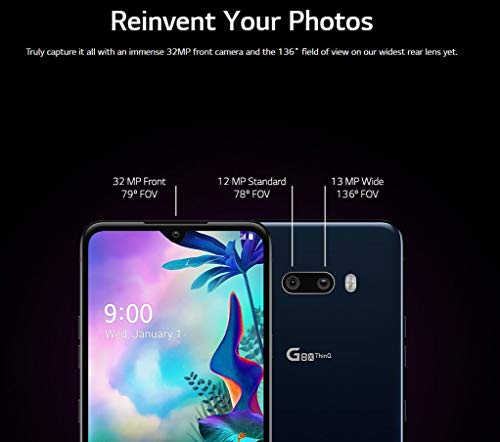
The LG G8X ThinQ Dual Screen is a specialized flagship that prioritizes multitasking through an improved detachable second-screen attachment. While the phone itself features a "drab" design and standard 2019 specs like the Snapdragon 855 and 6GB of RAM, the Dual Screen add-on fixes previous design flaws with a new 360-degree 'Freestop Hinge' and a matching 6.4-inch OLED panel. Priced at $699, it offers a much more affordable, albeit less "flashy," alternative to expensive foldable devices for users who want to run multiple apps side-by-side. The device’s primary pros include its exceptional battery life, which lasts all day even when powering both screens, and its high-quality audio features like the 32-bit Hi-Fi Quad DAC and headphone jack. The Dual Screen accessory adds meaningful utility for gaming with custom gamepads and productivity, such as viewing a calendar while replying to emails. Additionally, it maintains practical flagship standards like IP68 water resistance, wireless charging, and a reliable in-display fingerprint scanner. Conversely, the cons are headlined by a disappointing camera system, particularly a wide-angle lens that produces blurry, low-detail images. The software experience...
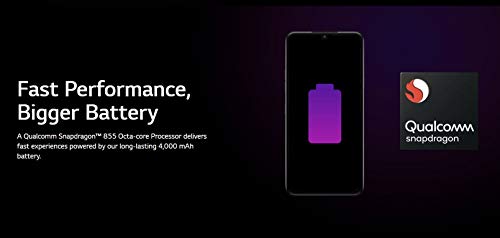
The LG G8X ThinQ is presented as a durable flagship featuring a 6.4-inch OLED display, Snapdragon 855 chipset, and a 4,000mAh battery that achieved a 111h endurance rating. Key advantages include its IP68/MIL-STD-810G certification, high-quality audio via the Quad DAC, and the versatile Dual Screen accessory that enables enhanced multitasking and gaming, despite adding significant bulk (326g). While the dual-camera setup performs well generally, the 32MP front-facing camera suffers from fixed-focus issues, and the in-display fingerprint reader is slower than competitors. The device provides high value in the US market but faces criticism for being overpriced in Europe, where the essential second screen accessory is often excluded.
The LG G8X ThinQ Dual Screen is a versatile and uniquely designed smartphone that offers users a foldable-like experience without the high price tag or durability concerns of flexible displays. For a starting price of $649, buyers receive a removable case featuring a second 6.4-inch OLED display identical to the phone's main screen. While the attachment adds significant bulk and makes one-handed use nearly impossible, it excels at multitasking, allowing users to run two apps side-by-side or use the second screen as a customizable virtual gamepad for gaming. The device features several notable pros, including its excellent performance driven by the Snapdragon 855 chipset and an impressive battery life that lasted nearly 12 hours in testing. It also retains the increasingly rare headphone jack and includes a microSD slot for expandable storage up to 2TB. Design-wise, the phone is sleek with no camera bump, and the 360-degree Freestop Hinge on the case is described as "rock solid," providing stability at any angle. However, the review highlights several cons, particularly the unremarkable camera system that lacks a telephoto lens and struggles...
The LG G8X ThinQ serves as an affordable alternative to early foldables, featuring a 6.4-inch OLED display, Snapdragon 855 processor, and a detachable Dual Screen accessory, launched in Canada in late 2019. Key benefits include enhanced multitasking capabilities, solid battery life, and a high-quality 32-bit Hi-Fi Quad DAC, though the device is notably bulky when attached. Drawbacks identified in the review include an unreliable in-display fingerprint sensor, a dated user interface, and limited, sometimes cumbersome, software functionality for the dual-screen setup.
The LG G8X ThinQ is a high-performance flagship featuring a Snapdragon 855 chipset, 6GB of RAM, and a large 6.4-inch OLED display. One of its primary "pros" is the inclusion of the Dual Screen case, which essentially doubles the screen real estate, allowing for advanced multitasking and a dedicated virtual gamepad for mobile gaming. Additionally, it retains user-favorite features like a 3.5mm headphone jack with a high-quality Quad DAC and lacks a rear camera bump, offering a sturdy, sleek build. However, the device suffers from significant "cons" regarding its software and design. It launched with the outdated Android 9 Pie, and the custom UX 9.0 is described as disorganized and lacking a native dark theme. While the Dual Screen is innovative, it adds considerable bulk, features a mirror-finish that is a "fingerprint magnet," and uses a finicky magnetic charging adapter. The software controls for managing the two screens are also criticized for being unintuitive and difficult to navigate. In terms of photography, the phone utilizes a 12MP main and 13MP super-wide-angle rear setup that delivers consistent color and high detail,...
The LG G8X ThinQ serves as a capable, high-specification flagship, featuring a 6.4-inch OLED display, Snapdragon 855 processor, and a premium 32-bit Hi-Fi Quad DAC, all packaged in a design with IP68 water resistance. Key strengths include a competitive price point, exceptional audio capabilities, and a headphone jack, while notable drawbacks include a slow in-display fingerprint sensor, mid-range camera performance in low light, and dated software. The accompanying Dual Screen attachment offers an affordable, productive approach to multitasking, allowing for side-by-side app usage and specialized gaming layouts. While improving usability, this accessory adds significant bulk and weight, accelerates battery drain, and possesses a non-functional notch on the second display. Third-party app support for spanning both screens remains limited, restricting the overall impact of the dual-screen functionality.
Digital Trends reviewed the LG G8X ThinQ, highlighting its Dual Screen case as a "niche" feature for multitasking that adds significant bulk but offers genuine productivity benefits. The phone is praised for its excellent audio experience with a Quad DAC and a 3.5mm headphone jack, as well as decent battery life on its own, but the Dual Screen accessory quickly drains the battery. While performance from the Snapdragon 855 processor is sufficient, the software is described as sluggish and outdated, running Android 9 Pie. The camera system, featuring a 12MP main and 13MP wide-angle lens, lacks a telephoto zoom and provides image quality that trails competitors. The review also notes frustrations with an unreliable in-display fingerprint sensor. Despite these drawbacks, pros include superior audio quality and a tough build with IP68 water resistance.
Wired reviewed the LG G8X ThinQ Dual Screen, giving it a 6/10 score. While praising its core hardware, including a Snapdragon 855 processor, 6GB of RAM, and a 6.4-inch OLED display with a 3.5mm headphone jack and Hi-Fi Quad DAC, the review notes the slow fingerprint scanner as a drawback. The dual-screen accessory offers multitasking benefits like running two apps or using one screen as a gamepad, but it adds significant bulk and weight, and the software experience has quirks and runs on older Android 9 Pie.
PCMag reviewed the LG G8X ThinQ Dual Screen, noting it functions well as a standalone phone with good performance and camera but becomes cumbersome yet more versatile with the dual-screen accessory. The review highlighted pros such as strong audio and battery life for the standalone phone but cons including a finicky fingerprint sensor and outdated software; the dual screen offers multitasking versatility but adds bulk, drains battery, and can be buggy.
Trusted Reviews describes the LG G8X ThinQ as a "conservative" 2019 flagship notable for its bundled Dual Screen accessory, featuring core components like a Snapdragon 855 processor and a high-quality OLED display. The device offers pros such as an impressive Quad DAC, IP68 water resistance, and a flexible 360-degree hinge, while cons include a slow in-screen fingerprint scanner, added bulk from the dual screen, less versatile cameras, and significantly reduced battery life when both screens are active. The review concludes the G8X is a niche product best suited as an affordable alternative to foldable phones, despite some software polish issues, suggesting rivals may offer better value for users not requiring a second screen.
The TechRadar review describes the LG G8X ThinQ as a practical, semi-innovative alternative to expensive foldable phones, highlighting its bundled Dual Screen accessory as a key feature. While the dual screens enhance productivity and gaming, the case adds significant bulk. The phone features a Snapdragon 855 chipset, high-quality audio, IP68 water resistance, and wireless charging. However, the review notes "middling software" for managing dual screens and a camera system that underperforms compared to rivals, lacking a telephoto lens. TechRadar concludes that the G8X is a "niche" but valuable option for budget buyers seeking more screen space without the high cost of a true foldable.
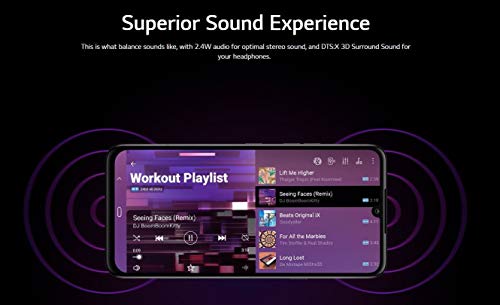
The LG G8X ThinQ is presented as a budget-friendly alternative to expensive foldable phones, offering a dual-screen experience for multitasking and gaming with a Snapdragon 855 processor and 6GB of RAM. Pros include premium build quality, a flush camera design, a 32-bit Hi-Fi Quad DAC, DTS:X 3D surround sound, a 3.5mm headphone jack, IP68 resistance, a 4,000mAh battery for single-screen use, and a 6.4-inch OLED display. Cons highlight the Dual Screen accessory's bulkiness and weight (330g), limited dual-screen software support mainly to Chrome, accelerated battery drain with two displays, and a camera that lacks a telephoto lens and struggles in low light.
The Techaeris review of X ThinQ highlights its approach to the "foldable" trend, featuring a detachable secondary display that offers immense multitasking capabilities and versatility for productivity or gaming. Key pros include its affordability compared to true foldables, mm headphone jack with a Quad DAC, and a robust, durable design. However, the device's main drawbacks are its significant bulk and weight, average camera performance compared to competitors, and a proprietary magnetic charging adapter that is easily lost. The phone is praised for its intuitive software integration and solid performance, but the overall experience is hindered by the cumbersome nature of the dual-screen case.
The LG G8X ThinQ serves as a practical, durable "convertible" alternative to expensive foldables, featuring a 6.4-inch OLED display, a 3.5mm headphone jack with Quad DAC, and a robust Snapdragon 855 processor. However, the Dual Screen accessory adds significant bulk, creating a heavy device that severely impacts battery life, sometimes draining it in 4-5 hours. While the cameras take vibrant daylight photos, low-light performance is subpar, yet the overall package offers strong, budget-friendly productivity compared to true foldables.
The LG G8X ThinQ serves as an alternative to expensive foldable phones by using a detachable 6.4-inch OLED Dual Screen accessory to enable multitasking and gaming, although this makes the device significantly bulky. Powered by a Snapdragon 855 processor and featuring a 32-bit Hi-Fi Quad DAC, it offers solid performance and superior audio, but is hindered by a slow, finicky in-display fingerprint sensor and a lack of a dedicated telephoto camera. While the 4,000 mAh battery performs well on its own, battery life drops sharply when both screens are used, and the secondary screen lacks the robust IP68 protection of the main phone.
The LG G8X ThinQ review from heise.de highlights a modular approach to foldable phones, featuring a standard 6.4-inch OLED flagship that slots into a Dual Screen case. This configuration enables significant multitasking, such as using a dedicated virtual gamepad or running dual apps, while offering a more affordable price point than competitors. While praised for its versatile display utility and excellent 32-bit Hi-Fi audio, the setup makes the phone significantly heavy (329g) and thick, leading to poor ergonomics. Performance-wise, the Snapdragon 855 processor and 6GB RAM provide a snappy experience, yet the in-display fingerprint sensor is noted as inconsistent. Furthermore, battery life suffers notably when using the second screen, and the magnetic charging adapter is reported as weak and easily detached.
The LG G8X ThinQ is a solid, albeit design-generic, flagship featuring a Snapdragon 855, IP68 rating, and a high-quality 3.5mm headphone jack with a Hi-Fi Quad DAC. Its primary appeal lies in the innovative, included Dual Screen accessory, which transforms the phone into a multitasking, 326g powerhouse for dual-app usage or gaming. Despite these strengths, the device is held back by a slow in-display fingerprint sensor, significant bulk when in the case, and an aging camera system with sub-par low-light performance.
Futurezone.at reviewed the LG G8X ThinQ as a practical, affordable alternative to foldable phones, utilizing a detachable Dual Screen case to add a second 6.4-inch OLED panel. The device excels in multitasking, with the dual-screen setup providing versatile options for gaming, media consumption, and productivity. Pros include the inclusion of a high-quality 32-bit Hi-Fi Quad DAC, a 3.5mm headphone jack, strong performance from the Snapdragon 855, and solid, premium features like IP68 water resistance. However, the Dual Screen case makes the phone notably bulky and heavy, while the second screen significantly increases battery drain. Other cons include a less reliable in-display fingerprint sensor, the need for a magnetic charging adapter that is easily lost, and a camera system that lacks a dedicated telephoto lens and struggles in low-light conditions.
The RTS review highlights the LG G8X ThinQ Dual Screen as a practical, more affordable alternative to foldable phones, centering on a detachable 6.4-inch OLED display accessory. This setup excels in productivity by allowing simultaneous app usage and doubling as a game controller, while maintaining a 3.5mm headphone jack with a high-fidelity DAC. However, the device is criticized for being bulky and heavy, with significant battery drain when using both screens and an average camera system compared to competitors. Listen to the full analysis at RTS.
The LG G8X ThinQ offers a unique, cost-effective alternative to foldable phones by using a detachable case to add a second 6.4-inch OLED display, allowing for versatile multitasking such as using a gamepad on one screen while gaming on the other. While the design provides functional flexibility, the case adds significant bulk and weight, making the device cumbersome to carry and hold. Powered by a Snapdragon 855 processor and featuring a 3.5mm headphone jack with a Hi-Fi Quad DAC, the device delivers solid performance and excellent audio quality. However, a major drawback is the battery life, which drops sharply when both displays are used simultaneously, as the case relies on the phone's 4,000mAh battery. The camera system captures vibrant daylight photos but struggles in low-light with focus and digital noise, and the in-display fingerprint sensor is noted for being slow. Additionally, the device faces concerns regarding slow software updates, despite LG's improved user interface.
The LG G8X ThinQ offers a unique, cost-effective approach to dual-screen functionality, allowing for efficient multitasking and specialized gaming, though the combined, bulky case design is heavy. Powered by a Snapdragon 855 processor, the device delivers strong performance and is praised for its 32-bit Hi-Fi Quad DAC and 3.5mm headphone jack, though battery life suffers significantly when using both screens. While the 12MP main camera produces quality, color-accurate, and sharp images, the overall experience is hindered by a slow in-display fingerprint sensor, lack of continued software updates, and the absence of water resistance on the detachable case. For a detailed review, see CNET.
The LG G8X ThinQ Dual Screen offers a unique, affordable alternative to foldable phones by utilizing a detachable second screen, allowing for improved multitasking and gaming. While it features powerful performance and superior audio, the attachment increases bulk and significantly reduces battery life during dual-screen use. The device features a decent, albeit dated, camera system and a frustratingly slow in-display fingerprint sensor. More information is available at Test-Achats.
The LG G8X ThinQ offers a unique, affordable "foldable" experience by combining a high-end, Snapdragon 855-powered smartphone with a detachable Dual Screen accessory. The 6.4-inch OLED display produces excellent, high-contrast visuals, while the robust build quality includes IP68 and MIL-STD 810G ratings. Notable strengths include top-tier audio quality with a 32-bit Hi-Fi Quad DAC, reliable single-screen battery life, and superior multitasking capabilities when utilizing both screens. However, the Dual Screen case significantly increases the phone's bulk and weight, making it unwieldy for single-handed operation. While performance is excellent, the in-display fingerprint sensor is unreliable, and using the second screen drains the battery quickly. Furthermore, the camera system lacks a telephoto lens and struggles in low-light conditions, and the software optimization for dual-screen usage remains limited. Overall, the G8X serves as a powerful, versatile device for multitasking, provided users are comfortable with the added bulk and potential software compromises.
The LG G8X ThinQ Dual Screen offers a unique, affordable alternative to foldables with a detachable 6.4-inch OLED panel, ideal for multitasking and gaming, according to Depor. Praised for its Aurora Black design, robust durability, and high-quality audio, the device shines in productivity, though it faces criticism for its bulk (326 grams) and inconsistent, under-display fingerprint sensor. Camera performance highlights a strong 32MP front sensor with, while the rear cameras feature a 136-degree ultra-wide lens, despite the lack of a dedicated telephoto camera. Significant drawbacks include reduced battery life when using both screens and a proprietary magnetic charging connector that is easily lost.
The LG G8X ThinQ utilizes a detachable Dual Screen accessory to offer a versatile,, and more affordable alternative to traditional foldable phones, excelling in multitasking and productivity. While featuring a powerful Snapdragon 855 processor and an excellent Hi-Fi Quad DAC, the device is considered bulky and heavy when assembled, with a dated design compared to modern alternatives. The phone boasts a long-lasting 4,000 mAh battery, a functional dual-screen setup, and a headphone jack, though it is limited by a finicky fingerprint sensor and a basic external cover display.
The DDay.it review of the LG G8X ThinQ highlights a conventional flagship featuring a Snapdragon 855 processor and a 6.4-inch OLED display that gains significant utility from a detachable, secondary display accessory. This accessory doubles the workspace, allowing for enhanced multitasking and a dedicated gaming setup, all provided at a lower cost than foldable competitors. Key pros include excellent audio performance via a 32-bit Hi-Fi Quad DAC, robust build quality with IP68 rating, and intuitive software for managing the dual-screen interface. However, the, device is criticized for the immense bulk and weight added by the case, as well as significantly reduced battery life when powering both screens. Additional drawbacks include a sluggish in-display fingerprint sensor and the requirement of a magnetic adapter for charging, though the overall, versatile approach is praised.
The LG G8X ThinQ offers a unique, cost-effective alternative to foldable phones by utilizing a detachable "Dual Screen" accessory, paired with robust hardware including a Snapdragon 855 processor and a 3.5mm headphone jack with Hi-Fi Quad DAC. The primary 6.4-inch OLED display is bright, but the real highlight is the accessory, which enables enhanced multitasking and custom gamepads, though it adds significant weight to the device. Conversely, the device suffers from a mediocre camera setup with lackluster ultra-wide performance and a slow, inconsistent in-display fingerprint sensor. While battery life is strong on its own, the dual-screen configuration drains power quickly and requires a easily-misplaced magnetic adapter for charging.
The device's performance is powered by the Snapdragon 855 with 6GB of RAM, which Galeazzi finds reliable for both daily tasks and gaming. The 4,000 mAh battery is a significant strength, comfortably lasting through a full day with 20-25% remaining; however, using the secondary display increases power consumption by approximately 20-30%. While the phone supports 21W fast charging and 9W wireless charging, it is worth noting that it lacks some modern flagship features like a high refresh rate display or 5G connectivity. On the photography front, the LG G8X features a dual-camera setup consisting of a 12MP main sensor and a 13MP ultra-wide lens. Galeazzi appreciates the very wide angle but notes the absence of a dedicated telephoto lens. The front 32MP camera is capable of 4K video, which is a rare and welcome feature for vloggers. Ultimately, the review concludes that while the G8X is a solid standalone phone with great audio and battery life, its true value lies in the Dual Screen ecosystem, making it a unique and more affordable alternative to true foldable smartphones.

Compare