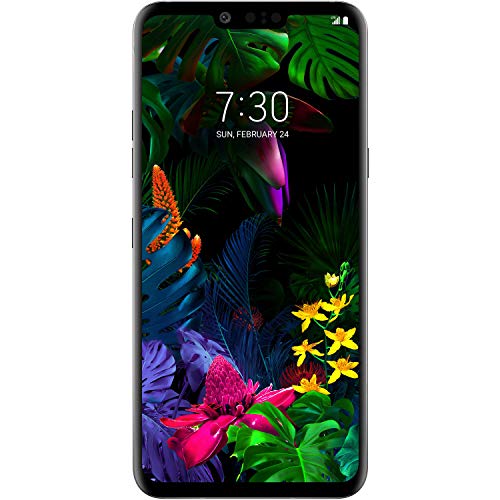
LG G8 ThinQ (6GB + 128GB) review. Compare 197 technical specifications and user reviews to see how this product ranks in the Smartphones category and whether it is worth buying.
Overall score
What it is: An overall evaluation of the smartphone's quality, based on technical analyses and user reviews.
When it matters: When you need a quick reference to identify the best smartphones on the market.
Score components:
90.0%
Technical Score
10.0%
User score
Technical Score
What it is: An assessment of the smartphone's technical performance, covering eight key areas: performance & hardware, software, camera, connectivity, display, battery, audio, and design.
When it matters: When you want to compare smartphones based on technical performance and available features.
Score components:
25.0%
Performance & Hardware
18.0%
Camera
15.0%
Display
15.0%
Battery
10.0%
Software
10.0%
Connectivity
4.0%
Audio
3.0%
Design
User score
What it is: A rating that combines user reviews and the total number of reviews received by the smartphone
When it matters: When you want to know how a smartphone handles daily tasks and how reliable it remains over time according to user feedback.
Score components:
70.0%
User reviews
30.0%
Popularity

#6 (#4) in Best LG Smartphones
#55 (#36) in Best Compact Smartphones
#64 (#42) in Best 6-Inch Smartphones
#193 (#153) in Best Camera Smartphones
What it is: An assessment of the smartphone's technical performance, covering eight key areas: performance & hardware, software, camera, connectivity, display, battery, audio, and design.
When it matters: When you want to compare smartphones based on technical performance and available features.
Score components:
25.0%
Performance & Hardware
18.0%
Camera
15.0%
Display
15.0%
Battery
10.0%
Software
10.0%
Connectivity
4.0%
Audio
3.0%
Design
What it is: A rating that combines user reviews and the total number of reviews received by the smartphone
When it matters: When you want to know how a smartphone handles daily tasks and how reliable it remains over time according to user feedback.
Score components:
70.0%
User reviews
30.0%
Popularity
What it is: An indicator that combines the smartphone's overall rating with its cost.
When it matters: When you are looking for a smartphone with a good balance between quality and price.
Score components:
60.0%
Overall score
40.0%
Price
Importance: LOW
Importance: HIGH
Importance: HIGH
Good value: >12 GB
Importance: MEDIUM
Good value: >256 GB
Importance: MEDIUM
Good value: >3.2 GHz
Importance: LOW
Importance: MEDIUM
Good value: >1500
Importance: LOW
Good value: >4000
Importance: LOW
Good value: 8+
Importance: LOW
Importance: LOW
Good value: >950 MHz
Importance: LOW
Good value: >700
Importance: LOW
Good value: >1000
Importance: LOW
Good value: >2500
Importance: MEDIUM
Good value: >6000
Importance: LOW
Good value: >8000
Importance: MEDIUM
Good value: >12000
Importance: LOW
Good value: >5000
Importance: LOW
Good value: >1800
Importance: LOW
Good value: >3200 MHz
Importance: LOW
Good value: 5
Importance: LOW
Good value: > 50 GB/s
Importance: LOW
Good value: 4
Importance: LOW
Good value: >16 GB
Importance: MEDIUM
Good value: <6 nm
Importance: MEDIUM
Good value: >9 W
Importance: LOW
Importance: LOW
Good value: >8192 KB
Importance: LOW
Good value: >2048 KB
Importance: LOW
Good value: >512 KB
Importance: LOW
Good value: >100000 million
Importance: LOW
Good value: 3.3
Importance: LOW
Good value: 3.2
Importance: LOW
Good value: 2.0/3.0
Importance: LOW
Importance: LOW
Importance: LOW
Importance: MEDIUM
Importance: LOW
Importance: LOW
Importance: LOW
Importance: LOW
Importance: LOW
Importance: LOW
Importance: LOW
Importance: LOW
Importance: LOW
Importance: LOW
Importance: LOW
Importance: LOW
Importance: LOW
Importance: LOW
Importance: LOW
Importance: LOW
Importance: LOW
Importance: LOW
Importance: LOW
Importance: LOW
Importance: LOW
Importance: LOW
Importance: LOW
Importance: LOW
Importance: LOW
Importance: LOW
Importance: LOW
Importance: LOW
Importance: LOW
Importance: LOW
Importance: LOW
Importance: LOW
Importance: LOW
Importance: MEDIUM
Good value: >50 MP
Importance: MEDIUM
Importance: HIGH
Good value: >60
Importance: LOW
Good value: ≥1.2 µm
Importance: MEDIUM
Good value: >2.5x
Importance: MEDIUM
Importance: LOW
Importance: LOW
Importance: LOW
Importance: LOW
Good value: ≥2
Importance: LOW
Importance: LOW
Importance: LOW
Importance: LOW
Good value: >16 MP
Importance: LOW
Importance: LOW
Importance: LOW
Importance: LOW
Importance: MEDIUM
Importance: LOW
Importance: LOW
Importance: LOW
Importance: LOW
Importance: LOW
Importance: LOW
Importance: LOW
Importance: LOW
Importance: LOW
Importance: LOW
Importance: LOW
Importance: LOW
Importance: LOW
Importance: LOW
Importance: LOW
Importance: LOW
Importance: LOW
Importance: LOW
Importance: LOW
Importance: LOW
Importance: LOW
Good value: >130
Importance: LOW
Good value: >120
Importance: LOW
Good value: ≥2
Importance: LOW
Importance: LOW
Importance: LOW
Importance: LOW
Importance: LOW
Importance: LOW
Good value: >5.2
Importance: LOW
Importance: LOW
Importance: LOW
Importance: LOW
Good value: 3.1/3.2
Importance: LOW
Importance: LOW
Importance: LOW
Good value: ≥2
Importance: LOW
Importance: LOW
Importance: LOW
Importance: LOW
Importance: LOW
Importance: LOW
Importance: LOW
Importance: LOW
Importance: LOW
Importance: LOW
Importance: LOW
Importance: LOW
Importance: LOW
Importance: LOW
Importance: LOW
Importance: LOW
Good value: ≥6.6 inches
Importance: MEDIUM
Importance: LOW
Good value: >400 ppi
Importance: MEDIUM
Importance: MEDIUM
Good value: ≥120 Hz
Importance: LOW
Importance: LOW
Good value: >300 Hz
Importance: LOW
Good value: >800 nits
Importance: LOW
Good value: >1300 nits
Importance: LOW
Good value: >1000 nits
Importance: LOW
Importance: LOW
Importance: LOW
Importance: LOW
Importance: LOW
Importance: LOW
Importance: LOW
Importance: LOW
Importance: HIGH
Good value: >5000 mAh
Importance: MEDIUM
Good value: >60 W
Importance: LOW
Importance: LOW
Good value: <45 min
Importance: LOW
Importance: LOW
Good value: >40 W
Importance: LOW
Importance: LOW
Good value: >10 W
Importance: LOW
Importance: LOW
Importance: MEDIUM
Importance: LOW
Good value: >800
Importance: LOW
Importance: LOW
Importance: LOW
Importance: LOW
Importance: LOW
Good value: ≥3
Importance: LOW
Importance: LOW
Importance: LOW
Importance: LOW
Importance: LOW
Importance: LOW
Importance: LOW
Good value: <162 mm
Importance: LOW
Good value: <75 mm
Importance: LOW
Good value: <8 mm
Importance: LOW
Good value: <190 g
Importance: LOW
Good value: <98cm³
Importance: LOW
Importance: LOW
Importance: LOW
Importance: LOW
Importance: LOW
Importance: LOW
Good value: ≥1.5 m
Importance: LOW
Importance: LOW
Good value: >8
Importance: LOW
Importance: LOW
Importance: MEDIUM
Importance: LOW
Importance: MEDIUM
Importance: MEDIUM
Good value: >2.5x
Importance: LOW
Good value: ≥1.2 µm
Importance: LOW
Good value: >400 ppi
Importance: MEDIUM
Good value: >9 W
Importance: MEDIUM
Importance: MEDIUM
Good value: ≥120 Hz
Importance: LOW
Importance: LOW
Good value: >950 MHz
Importance: HIGH
Good value: >5000 mAh
Importance: MEDIUM
Good value: >256 GB
Importance: MEDIUM
Importance: LOW
Good value: ≥6.6 inches
Importance: LOW
What it is: An overall evaluation of the smartphone's quality, based on technical analyses and user reviews.
When it matters: When you need a quick reference to identify the best smartphones on the market.
no rating assigned
?The Verge review of the LG G8 ThinQ highlights strong core hardware, including a Snapdragon 855 processor, 6GB of RAM, a 6.1-inch OLED display, a 3.5mm headphone jack with Quad DAC, and secure 3D Face Unlock. However, it criticizes the device for focusing on inconsistent and clunky "gimmicks" like Hand ID and Air Motion gestures, a dated design resembling the G7, and a dual-camera...Read more
no rating assigned
?According to Consumer Reports, the LG G8 ThinQ is a high-performing smartphone featuring an excellent 6.1-inch OLED display, a powerful Snapdragon 855 processor, and an above-average battery life lasting 29.5 hours. The device excels in photography with a top-performing 12-megapixel main camera and high-quality 8-megapixel selfie camera. Additionally, it retains a 3.5mm headphone...Read more
no rating assigned
?The LG G8 ThinQ features a 6.1-inch QHD+ OLED display and a refined, ergonomic design with a flush rear camera module. While praised for retaining the 3.5mm headphone jack with a Hi-Fi Quad DAC, the device's aesthetics were criticized as too iterative. Performance is driven by the Snapdragon 855 processor, but the headline "Z Camera" features, including Hand ID and Air Motion...Read more
no rating assigned
?The Tom’s Guide review depicts the LG G8 ThinQ as a capable device marred by, rather than enhanced by, its "sci-fi" gimmicks. Pros include a high-end Snapdragon 855 processor, a superior 6.1-inch OLED display (0.17 Delta-E), and excellent audio via the Crystal Sound OLED and 3.5mm headphone jack. Conversely, the core cons stem from the finicky, often slower Hand ID and Air Motion...Read more
no rating assigned
?The GearBrain review describes the LG G8 ThinQ as a well-designed, slim, and premium-feeling flagship featuring a 6.1-inch Crystal Sound OLED display and reliable, all-day battery life. While the Snapdragon 855 processor offers solid performance and includes a 3.5mm headphone jack, the device is heavily criticized for prioritizing gimmicky, unreliable features like "Air Motion"...Read more
no rating assigned
?The HotHardware review of the LG G8 ThinQ highlights a high-quality, glass-encased flagship featuring a vibrant 6.1-inch 1440p OLED display, excellent audio quality, and a 3.5mm headphone jack with a Quad-DAC. Performance is powered by the Snapdragon 855 SoC and 6GB of RAM, while the 3,500 mAh battery provides solid, all-day runtime. The camera system is lauded for producing...Read more
no rating assigned
?According to a Gizmodo review, the LG G8 ThinQ features a sleek design but includes ambitious "tech wizard" features like Hand ID and Air Motion gestures that are found to be clunky. Pros include a clean design, Crystal Sound OLED display, Snapdragon 855 processor, great battery life, and a headphone jack with Quad DAC, while the gimmicky extras and lack of a telephoto lens are...Read more
no rating assigned
?According to an Android Central review, the LG G8 ThinQ is described as a "solid but forgettable" flagship that struggles to compete with devices like the Samsung Galaxy S10. While it offers strong audio features, including a Hi-Fi Quad DAC and Crystal Sound OLED speaker, alongside attractive hardware and reliable performance, its dated software and "gimmicky" features like Air...Read more
no rating assigned
?The 2019 review characterizes the LG G8 ThinQ as a well-made smartphone with excellent hardware, including a 6.1-inch OLED display and a high-end Quad DAC with a 3.5mm headphone jack. However, its design is seen as safe and iterative compared to its predecessor. The unique Hand ID and Air Motion gestures are largely dismissed as finicky gimmicks, while LG's software is described as...Read more
no rating assigned
?According to a TechRadar review, the LG G8 ThinQ is a "good but not great" phone burdened by inconsistent features like "Hand ID" and "Air Motion" gestures, making it difficult to recommend at full price despite a strong 6.1-inch OLED display and innovative Crystal Sound OLED technology. The review notes pros such as the excellent display, the screen-as-speaker technology, a 32-bit...Read more
no rating assigned
?According to CNET, the LG G8 ThinQ is a capable phone featuring a sharp 6.1-inch OLED screen, a Snapdragon 855 processor, and a headphone jack, but it struggles to stand out in a competitive market dominated by Samsung. While its dual cameras produce sharp photos and it offers solid battery life and wireless charging, experimental features like "Air Motion" touchless controls and...Read more
no rating assigned
?The LG G8 ThinQ is presented as a high-performance flagship phone with notable features like a sharp 6.1-inch QHD+ OLED display and exceptional audio quality with a 3.5mm headphone jack and Hi-Fi Quad DAC. Its pros include a powerful Snapdragon 855 processor, 128GB expandable storage, and a durable IP68-rated design. However, the review highlights cons such as the less practical...Read more
no rating assigned
?The Engadget review characterizes the LG G8 ThinQ as a solid, well-built device—featuring a high-quality 6.1-inch OLED display, a 3.5mm headphone jack, and top-tier performance—that fails to stand out in a competitive market. Its core "cons" stem from its, and its gimmicky features like the unreliable "Hand ID" palm vein scanner and frustrating "Air Motion" gesture controls, which...Read more
no rating assigned
?In a MWC 2019 review, Frandroid evaluated the LG G8 ThinQ, focusing on its, "Hand ID" and "Air Motion" gesture features, which were found to be unpolished, gimmicky, and often slow to respond. The Z Camera uses ToF technology for palm vein authentication, but in practice, the experience was described as unintuitive and required precise, sometimes frustrating, hand positioning....Read more
no rating assigned
?The NextPit review characterizes the LG G8 ThinQ as a robust, compact device featuring a superior 6.1-inch Crystal Sound OLED display and a high-quality audio experience driven by a 3.5mm headphone jack with a Hi-Fi Quad DAC. Driven by the Snapdragon 855 processor, the phone offers reliable performance, capable cameras, and effective wide-angle, along with a specialized ToF sensor...Read more
no rating assigned
?The LG G8 ThinQ is a refined, durable flagship featuring a 6.1-inch Crystal Sound OLED display and the Snapdragon 855 processor. Pros include superior audio quality via the 3.5mm jack with a 32-bit Quad DAC, IP68 water resistance, and a versatile camera system, though the design feels somewhat dated. The Z Camera provides innovative Air Motion gestures and Hand ID, but these...Read more
no rating assigned
?The LG G8 ThinQ features innovative, yet inconsistent, biometric technology with its "Z Camera" for Hand ID and air-motion gesture controls, all within a familiar design. It stands out for audiophiles with its 3.5mm headphone jack, 32-bit Quad DAC, and a high-quality 6.1-inch OLED screen, powered by the top-tier Snapdragon 855 processor. While featuring a versatile triple-camera...Read more
no rating assigned
?The LG G8 ThinQ is highlighted as a high-quality flagship featuring a stunning 6.1-inch OLED display and unique Crystal Sound technology that uses the screen as a speaker. It is praised for its exceptional audio capabilities, including a 32-bit Hi-Fi Quad DAC and a 3.5mm headphone jack, alongside solid performance from the Snapdragon 855 processor. The device, which features a...Read more
no rating assigned
?The LG G8 ThinQ is characterized as a high-quality flagship featuring a 6.1-inch OLED display, strong Snapdragon 855 performance, and specialized audio capabilities including a 3.5mm jack and "Crystal Sound" technology. While the design is noted for a flush, camera-bump-free rear, the phone's experimental Hand ID and Air Motion gesture controls were heavily criticized as gimmicky...Read more
no rating assigned
?The NextPit review characterizes the LG G8 ThinQ as a solid, compact, and powerful device featuring a Snapdragon 855 processor, but notes it fails to dazzle due to impractical, finicky experimental features like "Hand ID" and "Air Motion" gestures. Key strengths include a high-quality 6.1-inch QHD+ OLED display, excellent audio capabilities with a 32-bit Hi-Fi Quad DAC, a 3.5mm...Read more
no rating assigned
?The LG G8 ThinQ is identified as a high-quality, powerful flagship hampered by impractical, experimental features, according to reviews. It features a vibrant 6.1-inch OLED display, the Snapdragon 855 processor, and excellent audio capabilities including a 32-bit Hi-Fi Quad DAC and 3.5mm jack. While it offers a sleek, flat camera design, the "Z Camera" gimmicks—Hand ID and Air...Read more
no rating assigned
?The LG G8 ThinQ, analyzed by El Español (El Androide Libre), is a high-performance device featuring a Snapdragon 855 processor, 6 GB of RAM, and a 6.1-inch OLED FullVision display. Key features include Crystal Sound technology, which turns the screen into a speaker, and a,,,solid, compact, IP68-rated design. However, the,,review notes the,,device suffers from,,inconsistent,,Air...Read more
no rating assigned
?The Xataka review characterizes the LG G8 ThinQ as a "continuation" flagship, praising its solid Snapdragon 855 performance, durable IP68/MIL-STD-810G design, and excellent audio via the 32-bit Hi-Fi Quad DAC and 3.5mm jack. While the 6.1-inch QHD+ OLED "Crystal Sound" display offers a crisp experience, the phone's experimental "Z Camera" features, including Hand ID and Air Motion...Read more
no rating assigned
?Introduced at MWC 2019, the LG G8 ThinQ highlights the "Z Camera" for touchless controls, featuring Hand ID for vein pattern recognition and Air Motion gestures for navigation. The device boasts high-end hardware, including a Snapdragon 855 processor, a 6.1-inch QHD+ OLED screen with "Crystal Sound" audio, and a flush, dual-camera system. Despite these, the touchless features are...Read more
no rating assigned
?The LG G8 ThinQ is a high-performing 2019 flagship featuring an excellent 6.1-inch QHD+ OLED display, a fast Snapdragon 855 processor, and a high-quality 3.5mm headphone jack with a Quad DAC. While it offers great multimedia performance, it is criticized for "gimmicky" features like Hand ID and Air Motion, which are often unresponsive, alongside subpar durability that failed tumble...Read more
no rating assigned
?According to a La Presse review, the LG G8 ThinQ is a technically capable smartphone that feels like a minimal delivery, offering high-end specifications but falling short of expectations due to gimmicky, unreliable features like Hand ID vein recognition and Air Motion gestures. While the device boasts a vibrant 6.1-inch OLED screen, a high-quality Quad DAC with a 3.5mm jack, and...Read more
no rating assigned
?The Verge review of the LG G8 ThinQ highlights strong core hardware, including a Snapdragon 855 processor, 6GB of RAM, a 6.1-inch OLED display, a 3.5mm headphone jack with Quad DAC, and secure 3D Face Unlock. However, it criticizes the device for focusing on inconsistent and clunky "gimmicks" like Hand ID and Air Motion gestures, a dated design resembling the G7, and a dual-camera...Read more
no rating assigned
?According to Consumer Reports, the LG G8 ThinQ is a high-performing smartphone featuring an excellent 6.1-inch OLED display, a powerful Snapdragon 855 processor, and an above-average battery life lasting 29.5 hours. The device excels in photography with a top-performing 12-megapixel main camera and high-quality 8-megapixel selfie camera. Additionally, it retains a 3.5mm headphone...Read more
no rating assigned
?The LG G8 ThinQ features a 6.1-inch QHD+ OLED display and a refined, ergonomic design with a flush rear camera module. While praised for retaining the 3.5mm headphone jack with a Hi-Fi Quad DAC, the device's aesthetics were criticized as too iterative. Performance is driven by the Snapdragon 855 processor, but the headline "Z Camera" features, including Hand ID and Air Motion...Read more
no rating assigned
?The Tom’s Guide review depicts the LG G8 ThinQ as a capable device marred by, rather than enhanced by, its "sci-fi" gimmicks. Pros include a high-end Snapdragon 855 processor, a superior 6.1-inch OLED display (0.17 Delta-E), and excellent audio via the Crystal Sound OLED and 3.5mm headphone jack. Conversely, the core cons stem from the finicky, often slower Hand ID and Air Motion...Read more
no rating assigned
?The GearBrain review describes the LG G8 ThinQ as a well-designed, slim, and premium-feeling flagship featuring a 6.1-inch Crystal Sound OLED display and reliable, all-day battery life. While the Snapdragon 855 processor offers solid performance and includes a 3.5mm headphone jack, the device is heavily criticized for prioritizing gimmicky, unreliable features like "Air Motion"...Read more
no rating assigned
?The HotHardware review of the LG G8 ThinQ highlights a high-quality, glass-encased flagship featuring a vibrant 6.1-inch 1440p OLED display, excellent audio quality, and a 3.5mm headphone jack with a Quad-DAC. Performance is powered by the Snapdragon 855 SoC and 6GB of RAM, while the 3,500 mAh battery provides solid, all-day runtime. The camera system is lauded for producing...Read more
no rating assigned
?According to a Gizmodo review, the LG G8 ThinQ features a sleek design but includes ambitious "tech wizard" features like Hand ID and Air Motion gestures that are found to be clunky. Pros include a clean design, Crystal Sound OLED display, Snapdragon 855 processor, great battery life, and a headphone jack with Quad DAC, while the gimmicky extras and lack of a telephoto lens are...Read more
no rating assigned
?According to an Android Central review, the LG G8 ThinQ is described as a "solid but forgettable" flagship that struggles to compete with devices like the Samsung Galaxy S10. While it offers strong audio features, including a Hi-Fi Quad DAC and Crystal Sound OLED speaker, alongside attractive hardware and reliable performance, its dated software and "gimmicky" features like Air...Read more
no rating assigned
?The 2019 review characterizes the LG G8 ThinQ as a well-made smartphone with excellent hardware, including a 6.1-inch OLED display and a high-end Quad DAC with a 3.5mm headphone jack. However, its design is seen as safe and iterative compared to its predecessor. The unique Hand ID and Air Motion gestures are largely dismissed as finicky gimmicks, while LG's software is described as...Read more
no rating assigned
?According to a TechRadar review, the LG G8 ThinQ is a "good but not great" phone burdened by inconsistent features like "Hand ID" and "Air Motion" gestures, making it difficult to recommend at full price despite a strong 6.1-inch OLED display and innovative Crystal Sound OLED technology. The review notes pros such as the excellent display, the screen-as-speaker technology, a 32-bit...Read more
no rating assigned
?According to CNET, the LG G8 ThinQ is a capable phone featuring a sharp 6.1-inch OLED screen, a Snapdragon 855 processor, and a headphone jack, but it struggles to stand out in a competitive market dominated by Samsung. While its dual cameras produce sharp photos and it offers solid battery life and wireless charging, experimental features like "Air Motion" touchless controls and...Read more
no rating assigned
?The LG G8 ThinQ is presented as a high-performance flagship phone with notable features like a sharp 6.1-inch QHD+ OLED display and exceptional audio quality with a 3.5mm headphone jack and Hi-Fi Quad DAC. Its pros include a powerful Snapdragon 855 processor, 128GB expandable storage, and a durable IP68-rated design. However, the review highlights cons such as the less practical...Read more
no rating assigned
?The Engadget review characterizes the LG G8 ThinQ as a solid, well-built device—featuring a high-quality 6.1-inch OLED display, a 3.5mm headphone jack, and top-tier performance—that fails to stand out in a competitive market. Its core "cons" stem from its, and its gimmicky features like the unreliable "Hand ID" palm vein scanner and frustrating "Air Motion" gesture controls, which...Read more
no rating assigned
?In a MWC 2019 review, Frandroid evaluated the LG G8 ThinQ, focusing on its, "Hand ID" and "Air Motion" gesture features, which were found to be unpolished, gimmicky, and often slow to respond. The Z Camera uses ToF technology for palm vein authentication, but in practice, the experience was described as unintuitive and required precise, sometimes frustrating, hand positioning....Read more
no rating assigned
?The NextPit review characterizes the LG G8 ThinQ as a robust, compact device featuring a superior 6.1-inch Crystal Sound OLED display and a high-quality audio experience driven by a 3.5mm headphone jack with a Hi-Fi Quad DAC. Driven by the Snapdragon 855 processor, the phone offers reliable performance, capable cameras, and effective wide-angle, along with a specialized ToF sensor...Read more
no rating assigned
?The LG G8 ThinQ is a refined, durable flagship featuring a 6.1-inch Crystal Sound OLED display and the Snapdragon 855 processor. Pros include superior audio quality via the 3.5mm jack with a 32-bit Quad DAC, IP68 water resistance, and a versatile camera system, though the design feels somewhat dated. The Z Camera provides innovative Air Motion gestures and Hand ID, but these...Read more
no rating assigned
?The LG G8 ThinQ features innovative, yet inconsistent, biometric technology with its "Z Camera" for Hand ID and air-motion gesture controls, all within a familiar design. It stands out for audiophiles with its 3.5mm headphone jack, 32-bit Quad DAC, and a high-quality 6.1-inch OLED screen, powered by the top-tier Snapdragon 855 processor. While featuring a versatile triple-camera...Read more
no rating assigned
?The LG G8 ThinQ is highlighted as a high-quality flagship featuring a stunning 6.1-inch OLED display and unique Crystal Sound technology that uses the screen as a speaker. It is praised for its exceptional audio capabilities, including a 32-bit Hi-Fi Quad DAC and a 3.5mm headphone jack, alongside solid performance from the Snapdragon 855 processor. The device, which features a...Read more
no rating assigned
?The LG G8 ThinQ is characterized as a high-quality flagship featuring a 6.1-inch OLED display, strong Snapdragon 855 performance, and specialized audio capabilities including a 3.5mm jack and "Crystal Sound" technology. While the design is noted for a flush, camera-bump-free rear, the phone's experimental Hand ID and Air Motion gesture controls were heavily criticized as gimmicky...Read more
no rating assigned
?The NextPit review characterizes the LG G8 ThinQ as a solid, compact, and powerful device featuring a Snapdragon 855 processor, but notes it fails to dazzle due to impractical, finicky experimental features like "Hand ID" and "Air Motion" gestures. Key strengths include a high-quality 6.1-inch QHD+ OLED display, excellent audio capabilities with a 32-bit Hi-Fi Quad DAC, a 3.5mm...Read more
no rating assigned
?The LG G8 ThinQ is identified as a high-quality, powerful flagship hampered by impractical, experimental features, according to reviews. It features a vibrant 6.1-inch OLED display, the Snapdragon 855 processor, and excellent audio capabilities including a 32-bit Hi-Fi Quad DAC and 3.5mm jack. While it offers a sleek, flat camera design, the "Z Camera" gimmicks—Hand ID and Air...Read more
no rating assigned
?The LG G8 ThinQ, analyzed by El Español (El Androide Libre), is a high-performance device featuring a Snapdragon 855 processor, 6 GB of RAM, and a 6.1-inch OLED FullVision display. Key features include Crystal Sound technology, which turns the screen into a speaker, and a,,,solid, compact, IP68-rated design. However, the,,review notes the,,device suffers from,,inconsistent,,Air...Read more
no rating assigned
?The Xataka review characterizes the LG G8 ThinQ as a "continuation" flagship, praising its solid Snapdragon 855 performance, durable IP68/MIL-STD-810G design, and excellent audio via the 32-bit Hi-Fi Quad DAC and 3.5mm jack. While the 6.1-inch QHD+ OLED "Crystal Sound" display offers a crisp experience, the phone's experimental "Z Camera" features, including Hand ID and Air Motion...Read more
no rating assigned
?Introduced at MWC 2019, the LG G8 ThinQ highlights the "Z Camera" for touchless controls, featuring Hand ID for vein pattern recognition and Air Motion gestures for navigation. The device boasts high-end hardware, including a Snapdragon 855 processor, a 6.1-inch QHD+ OLED screen with "Crystal Sound" audio, and a flush, dual-camera system. Despite these, the touchless features are...Read more
no rating assigned
?The LG G8 ThinQ is a high-performing 2019 flagship featuring an excellent 6.1-inch QHD+ OLED display, a fast Snapdragon 855 processor, and a high-quality 3.5mm headphone jack with a Quad DAC. While it offers great multimedia performance, it is criticized for "gimmicky" features like Hand ID and Air Motion, which are often unresponsive, alongside subpar durability that failed tumble...Read more
no rating assigned
?According to a La Presse review, the LG G8 ThinQ is a technically capable smartphone that feels like a minimal delivery, offering high-end specifications but falling short of expectations due to gimmicky, unreliable features like Hand ID vein recognition and Air Motion gestures. While the device boasts a vibrant 6.1-inch OLED screen, a high-quality Quad DAC with a 3.5mm jack, and...Read more

Compare