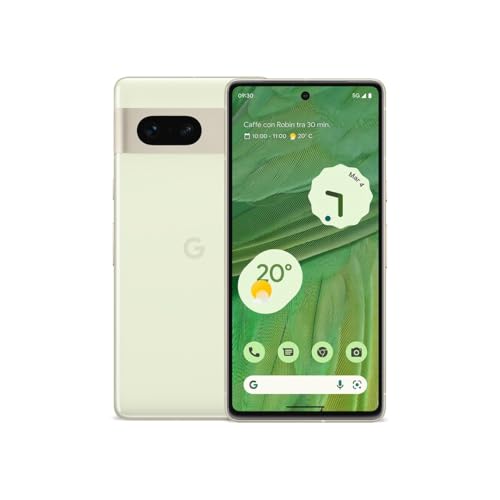
Google Pixel 7 (128GB) review. Compare 197 technical specifications and user reviews to see how this product ranks in the Smartphones category and whether it is worth buying.
Overall score
What it is: An overall evaluation of the smartphone's quality, based on technical analyses and user reviews.
When it matters: When you need a quick reference to identify the best smartphones on the market.
Score components:
90.0%
Technical Score
10.0%
User score
Technical Score
What it is: An assessment of the smartphone's technical performance, covering eight key areas: performance & hardware, software, camera, connectivity, display, battery, audio, and design.
When it matters: When you want to compare smartphones based on technical performance and available features.
Score components:
25.0%
Performance & Hardware
18.0%
Camera
15.0%
Display
15.0%
Battery
10.0%
Software
10.0%
Connectivity
4.0%
Audio
3.0%
Design
User score
What it is: A rating that combines user reviews and the total number of reviews received by the smartphone
When it matters: When you want to know how a smartphone handles daily tasks and how reliable it remains over time according to user feedback.
Score components:
70.0%
User reviews
30.0%
Popularity




Available: ranking among products currently available (including other versions of this product).
All: ranking among all products in the database.
#17 in Best Google Phones
#59 in Best Smartphones Under £300
#119 in Best Smartphones Under £400
#127 in Best Mid-Range Smartphones
#151 in Best Smartphones Under £500
#191 in Best Value Smartphones
#264 in Best Android Smartphones
#278 in Best NFC Smartphones
#286 in Best 5G Smartphones
#287 in Best AI Smartphones
#288 in Best Smartphones
#634 in Best Battery Life Smartphones
What it is: An assessment of the smartphone's technical performance, covering eight key areas: performance & hardware, software, camera, connectivity, display, battery, audio, and design.
When it matters: When you want to compare smartphones based on technical performance and available features.
Score components:
25.0%
Performance & Hardware
18.0%
Camera
15.0%
Display
15.0%
Battery
10.0%
Software
10.0%
Connectivity
4.0%
Audio
3.0%
Design
What it is: A rating that combines user reviews and the total number of reviews received by the smartphone
When it matters: When you want to know how a smartphone handles daily tasks and how reliable it remains over time according to user feedback.
Score components:
70.0%
User reviews
30.0%
Popularity
What it is: An indicator that combines the smartphone's overall rating with its cost.
When it matters: When you are looking for a smartphone with a good balance between quality and price.
Score components:
60.0%
Overall score
40.0%
Price
Importance: LOW
Importance: HIGH
Importance: HIGH
Good value: >12 GB
Importance: MEDIUM
Good value: >256 GB
Importance: MEDIUM
Good value: >3.2 GHz
Importance: LOW
Importance: MEDIUM
Good value: >1500
Importance: LOW
Good value: >4000
Importance: LOW
Good value: 8+
Importance: LOW
Importance: LOW
Good value: >950 MHz
Importance: LOW
Good value: >700
Importance: LOW
Good value: >1000
Importance: LOW
Good value: >2500
Importance: MEDIUM
Good value: >6000
Importance: LOW
Good value: >8000
Importance: MEDIUM
Good value: >12000
Importance: LOW
Good value: >5000
Importance: LOW
Good value: >1800
Importance: LOW
Good value: >3200 MHz
Importance: LOW
Good value: 5
Importance: LOW
Good value: > 50 GB/s
Importance: LOW
Good value: 4
Importance: LOW
Good value: >16 GB
Importance: MEDIUM
Good value: <6 nm
Importance: MEDIUM
Good value: >9 W
Importance: LOW
Importance: LOW
Good value: >8192 KB
Importance: LOW
Good value: >2048 KB
Importance: LOW
Good value: >512 KB
Importance: LOW
Good value: >100000 million
Importance: LOW
Good value: 3.3
Importance: LOW
Good value: 3.2
Importance: LOW
Good value: 2.0/3.0
Importance: LOW
Importance: LOW
Importance: LOW
Importance: MEDIUM
Importance: LOW
Importance: LOW
Importance: LOW
Importance: LOW
Importance: LOW
Importance: LOW
Importance: LOW
Importance: LOW
Importance: LOW
Importance: LOW
Importance: LOW
Importance: LOW
Importance: LOW
Importance: LOW
Importance: LOW
Importance: LOW
Importance: LOW
Importance: LOW
Importance: LOW
Importance: LOW
Importance: LOW
Importance: LOW
Importance: LOW
Importance: LOW
Importance: LOW
Importance: LOW
Importance: LOW
Importance: LOW
Importance: LOW
Importance: LOW
Importance: LOW
Importance: LOW
Importance: LOW
Importance: MEDIUM
Good value: >50 MP
Importance: MEDIUM
Importance: HIGH
Good value: >60
Importance: LOW
Good value: ≥1.2 µm
Importance: MEDIUM
Good value: >2.5x
Importance: MEDIUM
Importance: LOW
Importance: LOW
Importance: LOW
Importance: LOW
Good value: ≥2
Importance: LOW
Importance: LOW
Importance: LOW
Importance: LOW
Good value: >16 MP
Importance: LOW
Importance: LOW
Importance: LOW
Importance: LOW
Importance: MEDIUM
Importance: LOW
Importance: LOW
Importance: LOW
Importance: LOW
Importance: LOW
Importance: LOW
Importance: LOW
Importance: LOW
Importance: LOW
Importance: LOW
Importance: LOW
Importance: LOW
Importance: LOW
Importance: LOW
Importance: LOW
Importance: LOW
Importance: LOW
Importance: LOW
Importance: LOW
Importance: LOW
Importance: LOW
Good value: >130
Importance: LOW
Good value: >120
Importance: LOW
Good value: ≥2
Importance: LOW
Importance: LOW
Importance: LOW
Importance: LOW
Importance: LOW
Importance: LOW
Good value: >5.2
Importance: LOW
Importance: LOW
Importance: LOW
Importance: LOW
Good value: 3.1/3.2
Importance: LOW
Importance: LOW
Importance: LOW
Good value: ≥2
Importance: LOW
Importance: LOW
Importance: LOW
Importance: LOW
Importance: LOW
Importance: LOW
Importance: LOW
Importance: LOW
Importance: LOW
Importance: LOW
Importance: LOW
Importance: LOW
Importance: LOW
Importance: LOW
Importance: LOW
Importance: LOW
Good value: ≥6.6 inches
Importance: MEDIUM
Importance: LOW
Good value: >400 ppi
Importance: MEDIUM
Importance: MEDIUM
Good value: ≥120 Hz
Importance: LOW
Importance: LOW
Good value: >300 Hz
Importance: LOW
Good value: >800 nits
Importance: LOW
Good value: >1300 nits
Importance: LOW
Good value: >1000 nits
Importance: LOW
Importance: LOW
Importance: LOW
Importance: LOW
Importance: LOW
Importance: LOW
Importance: LOW
Importance: LOW
Importance: HIGH
Good value: >5000 mAh
Importance: MEDIUM
Good value: >60 W
Importance: LOW
Importance: LOW
Good value: <45 min
Importance: LOW
Importance: LOW
Good value: >40 W
Importance: LOW
Importance: LOW
Good value: >10 W
Importance: LOW
Importance: LOW
Importance: MEDIUM
Importance: LOW
Good value: >800
Importance: LOW
Importance: LOW
Importance: LOW
Importance: LOW
Importance: LOW
Good value: ≥3
Importance: LOW
Importance: LOW
Importance: LOW
Importance: LOW
Importance: LOW
Importance: LOW
Importance: LOW
Good value: <162 mm
Importance: LOW
Good value: <75 mm
Importance: LOW
Good value: <8 mm
Importance: LOW
Good value: <190 g
Importance: LOW
Good value: <98cm³
Importance: LOW
Importance: LOW
Importance: LOW
Importance: LOW
Importance: LOW
Importance: LOW
Good value: ≥1.5 m
Importance: LOW
Importance: LOW
Good value: >8
Importance: LOW
Importance: LOW
Importance: HIGH
Good value: >60
Importance: MEDIUM
Importance: LOW
Importance: LOW
Importance: LOW
Good value: ≥1.2 µm
Importance: LOW
Good value: >2048 KB
Importance: LOW
Good value: >950 MHz
Importance: LOW
Importance: MEDIUM
Importance: MEDIUM
Good value: ≥120 Hz
Importance: MEDIUM
Good value: >256 GB
Importance: LOW
Importance: LOW
Good value: ≥6.6 inches
Importance: LOW
Importance: HIGH
Good value: >5000 mAh
Importance: HIGH
(Reviews last updated: August 2026)
The Google Pixel 7 is a premium Android device offering top-end performance and a refined design at a competitive price point, delivering roughly 90% of the flagship experience. Key pros include a brighter 6.3-inch OLED display, superior photography capabilities, and the AI-driven Tensor G2 chip, although the 90Hz refresh rate is lower than some competitors. While battery life is solid, the device is criticized for slow 30W charging, a slippery back, and a lack of a dedicated telephoto lens compared to the Pro model.
The Google Pixel 7 is a refined, value-focused smartphone featuring a durable design with a 6.32-inch, 1,400-nit display. Powered by the Tensor G2 chip, it excels in machine-learning tasks, enabling features like Photo Unblur and improved, 50MP/12-MP camera performance. Key pros include its $599 price point, superior camera quality, and responsive face/fingerprint unlocking. Conversely, the device faces limitations with slow 21W charging, a smaller battery than its predecessor, and lackluster 90Hz refresh rate compared to competitors. Additionally, the audio quality is noted as tinny, and it lacks the telephoto lens featured in the Pro model.
Six months post-launch, the Google Pixel 7 is described as "budget brilliance," refining the Google ecosystem entry with a robust build and a flat 90Hz AMOLED display with improved 1,400 nits peak brightness. Its camera is highlighted as a major strength, delivering sharp, well-exposed still photos consistently. However, video quality and focus tracking lag behind competitors, and the device experiences overheating during extended high-resolution recording or intensive tasks. Battery life is noted as decent but often requires mid-day recharging for heavy users, and the charging speed is criticized as slow, not consistently reaching advertised 30W speeds.
Laptop Mag describes the Google Pixel 7 as a refined compact Android phone offering exceptional value due to its $599 launch price and sophisticated matte aluminium design. Powered by the Tensor G2 chip, it provides a smooth experience for everyday tasks and features an excellent camera system with AI-driven upgrades like Photo Unblur and Cinematic Blur. However, the review notes compromises including a small 4,355mAh battery with disappointing stamina, slow 20W charging, lack of a telephoto lens, and occasional cellular connectivity issues.
According to Tom's Guide, the Google Pixel 7 is presented as a high-value flagship phone, notable for its aggressive $599 starting price and a significantly brighter 6.3-inch OLED display compared to its predecessor. The phone's standout feature is its photography experience, powered by the new Tensor G2 chip and 50MP main camera, offering AI tools like Photo Unblur and Cinematic Blur, although it lacks a dedicated telephoto lens present in the Pro model. Noted cons include a disappointing battery life of just over 7 hours, a 90Hz refresh rate that trails rivals, and only three years of software updates, but the review concludes it's an excellent "smart" smartphone for those prioritizing flagship cameras at a mid-range price.
According to a Droid Life review, the Google Pixel 7 is considered Google's most refined and "best" overall phone to date, featuring a polished design with a premium matte finish, a smooth 90Hz display, and a competitive $599 starting price. The device, powered by the Tensor G2 chip, offers fast performance and smart software features like Photo Unblur and Clear Calling, alongside an excellent camera system for still photography. Noted drawbacks include the absence of a dedicated telephoto lens (reliant on "Super Res Zoom"), only "decent" battery life, an optical fingerprint sensor that is not as fast as others, and relatively slow charging speeds.
PhoneArena describes the Google Pixel 7 as a premium device offering a refined design, excellent OLED display, and smooth Android 13 experience at a competitive price. While its Tensor G2 chip handles daily tasks well and its 50MP camera delivers quality photos, it tends to overheat during intense gaming, and the camera exhibits shutter lag. Key drawbacks include disappointing battery life that may not last a full day for heavy users and a sluggish optical fingerprint scanner.
The Google Pixel 7 is described as a refined device with a comfortable design and a vibrant display, although its 90Hz refresh rate feels dated compared to competitors. The Tensor G2 chip is optimized for smooth performance and AI features like Photo Unblur, and the camera excels at still photography despite lacking a telephoto lens and Macro mode. While charging speed is slow, the Pixel 7 offers great battery life and includes faster biometrics like an improved fingerprint sensor and Face Unlock.
The Google Pixel 7 and 7 Pro deliver a refined, value-driven Android experience featuring the custom Tensor G2 chip and advanced AI-powered, computational photography. Key strengths include exceptional photo quality, a faster Night Sight, and useful, exclusive software features like Photo Unblur. However, the devices are constrained by mediocre battery life, slow charging speeds, and video performance that trails competitors.
Engadget's review of the Google Pixel 7 and Pixel 7 Pro highlights them as strong contenders in the flagship market due to competitive pricing and AI features, with design refinements and a superior camera being key strengths. While they offer excellent displays and features like IP68 water resistance and improved fingerprint readers, a notable weakness is the Tensor G2 chip's lack of raw performance compared to rivals and slower charging speeds. Google Pixel 7£275.99& more prices4.3(4.8k)Google Pixel 7 Pro 5g 256gb/128gb Factory Unlocked Android Smartphone£269.994.4(5.3k)
According to the MobileSyrup review, the Google Pixel 7 serves as a refined "S" year update, polishing its predecessor with a 6.3-inch screen, improved build quality, and a matte aluminum camera bar. Pros include the intelligent Tensor G2 chip, exceptional photo capabilities with Photo Unblur and fast Night Sight, plus a clean Android 13 interface. Cons, however, note the lack of a 5x optical telephoto lens, slow charging speeds, and a 90Hz display that falls behind 120Hz industry competitors.
The Google Pixel 7 is a refined, "grown-up" version of its predecessor, offering a polished, lightweight design with a distinct, solid aluminum camera bar. It features a bright, 6.3-inch AMOLED display and improved durability with an IP68 rating. The Tensor G2 chip drives advanced, efficient, and AI-driven features like Photo Unblur and improved night photography, supporting, at minimum, all-day battery life. However, the review points out several limitations compared to competitors, including a maximum screen refresh rate of 90Hz. The camera setup lacks a dedicated optical zoom, relying on digital "Super Res Zoom". Furthermore, the 30W charging is relatively slow, and user-authentication methods, specifically the fingerprint and face unlock, are described as occasionally inconsistent.
The Google Pixel 7 is described by Trusted Reviews as a high-value, charming all-rounder featuring a standout 50MP dual-camera system capable of producing "jaw-droppingly good" images. Powered by the Tensor G2 chip, it offers a smooth Android 13 experience with specialized AI tools like Photo Unblur and Magic Eraser. Pros include its premium design with a distinct metallic camera bar and a bright 6.3-inch AMOLED display. However, the display is limited to a 90Hz refresh rate rather than the 120Hz found on many competitors. The lack of a dedicated telephoto lens limits zoom capabilities, and the metallic camera bar tends to collect dust. Performance-wise, the 4355mAh battery lasts a full day, but the 30W charging speed is considered slow by modern standards. Despite these drawbacks, the review concludes that for users prioritizing camera performance and software, the Pixel 7 is an excellent choice. The device maintains a premium feel and delivers, offering a compelling package for its price point. Trusted Reviews
The Google Pixel 7 is a compact, value-focused flagship featuring a 6.3-inch OLED display and a refined, premium matte aluminum camera bar. While the Tensor G2 chip excels in AI-driven features like "Photo Unblur" and "Clear Calling," its raw performance lags behind competitors, and the 90Hz display refresh rate feels dated compared to 120Hz alternatives. The camera system delivers excellent photo quality with accurate skin tones, though it lacks a dedicated telephoto lens, and the 21W charging speed is considered slow by modern standards.
Consumer Reports reviews indicate that the Google Pixel 7 and 7 Pro deliver high-quality displays, strong performance via the Tensor G2 chip, and top-tier camera capabilities, generally offering high value despite only average battery life. The standard Pixel 7 features a 90Hz screen and impressive durability, though its battery and zoom capabilities are modest. Conversely, the 7 Pro delivers a 120Hz display and a 5x optical zoom, though its larger, heavier frame and, again, average battery life are noted as potential downsides.
The Radio Times review describes the Google Pixel 7 as a well-designed, budget-friendly device powered by the AI-focused Tensor G2 chip, which delivers excellent, intuitive software features. Key pros include the premium design, a highly capable 50MP main camera with Real Tone technology, and a smooth, bloatware-free user experience. Cons highlighted in the review include a 90Hz display that lacks the 120Hz refresh rate of competitors, the absence of a dedicated telephoto lens, and relatively slow charging speeds. Radio Times
The Google Pixel 7 is positioned as a high-value flagship, featuring a refined design with a 6.3-inch OLED display, thinner bezels, and a distinct, improved aluminum camera bar. It offers a more pocketable, ergonomic design compared to its predecessor, with pros including excellent build quality, bright display, and the return of fast face unlock alongside a faster fingerprint sensor. Powered by the Tensor G2 chip, the Pixel 7 focuses on AI-driven capabilities such as Photo Unblur, Real Tone for accurate skin tones, and efficient voice-to-text, producing top-tier photo results. However, the device features a 90Hz refresh rate, which feels dated against 120Hz competitors, and it lacks a dedicated optical telephoto lens. While performance is generally smooth, the phone offers only average battery life, lasting a full day but not excelling, and its 21W wired charging speed is considered slow by modern standards. Despite these cons regarding display tech and charging speed, the Pixel 7 remains a strong contender, particularly for its software features and value proposition.
The Google Pixel 7 is a high-value smartphone featuring a refined, compact design, a bright 6.3-inch OLED display (1,400 nits), and the AI-driven Tensor G2 chip. Key strengths include a premium build, competitive pricing, and a smooth stock Android experience. The camera system, featuring a 50MP main sensor, excels with AI features like Photo Unblur and Night Sight, though it lacks a dedicated telephoto lens. Limitations include a 90Hz refresh rate, relatively slow 20W-30W charging, and a battery that struggles under heavy use. For a full review, read the analysis from PCMag UK.
The NextPit review labels the Google Pixel 7 an affordable high-end device, highlighting its premium aluminum design, bright 90Hz OLED display, and clean Android 13 software. Key pros include exceptional camera performance, particularly with 2x digital zoom, and improved thermal stability via the Tensor G2 chip. Conversely, cons focus on slow 20W charging and a 90Hz refresh rate that falls short of competitor 120Hz panels. Despite these, the device offers superior value for money.
The Inside Digital review highlights the Google Pixel 7 as a refined device, leveraging the Tensor G2 chip for enhanced AI capabilities like "Photo Unblur" and a more premium design with a matte aluminum camera bar. Key pros include the exceptional 50MP camera system, which offers excellent low-light performance with faster Night Sight, alongside a brighter 6.3-inch OLED display and improved biometrics. Conversely, cons center on the lack of a telephoto lens for zoom, slower 20W–21W charging speeds, and a 90Hz display, which is less competitive than 120Hz alternatives. For more details, visit Inside Digital.
The Google Pixel 7 is positioned as a refined, value-focused flagship offering premium build quality, including a redesigned matte aluminum camera bar, at a starting price of €649. Key strengths include a 50MP main sensor with excellent low-light performance, exclusive AI software features like Photo Unblur, and a more manageable 6.3-inch display. However, the device is limited by a 90Hz display, slower 30W charging, lack of a dedicated telephoto lens, and less secure 2D face unlock.
According to the NextPit review, is a refined, premium-built flagship prioritizing software and camera quality over raw performance, -inch OLED display, Hz refresh rate. Powered by chip, it offers exclusive AI features and excellent computational photography with a versatile dual-camera system, running on interface. While highlighting superior battery life, the review W charging and notes the absence of a telephoto lens, ultimately recommending the device for its strong value. nextpit +2
The Google Pixel 7, as tested by Les Numériques, is a refined flagship featuring a more compact design, improved brightness on its 6.3-inch OLED display, and the performant Tensor G2 chip. Key strengths include exceptional photo quality with advanced "Photo Unblur" capabilities and a highly competitive price-to-performance ratio. However, the device is limited by a 90Hz screen refresh rate, relatively slow charging speeds, and the absence of a dedicated telephoto lens. Les Numé
The Google Pixel 7, tested by Darty, is a refined, compact 6.3-inch smartphone offering a premium design with a 90Hz OLED display that boasts high brightness for sunlight legibility. While it excels in hand-feel and aesthetics, the 90Hz refresh rate is noted as a drawback compared to 120Hz competitors. Performance centers on the Tensor G2 chip, which powers impressive AI features like real-time voice transcription and Photo Unblur, although the phone can heat up during heavy usage. The camera system is a key strength, delivering detailed, natural images, particularly with improved Night Sight functionality, though it lacks a dedicated telephoto lens. Battery life is sufficient for a day's use but can be strained by 5G usage, and charging is limited to 30W. Overall, the device is highlighted for its excellent voice-activation capabilities and user-friendly, bloatware-free experience.
The Google Pixel 7 is described as a refined, premium-feeling smartphone with a 6.3-inch, 1,400-nit OLED display and a durable, satin-finish aluminum camera bar. While praised for its design and improved outdoor visibility, the protruding camera bar is prone to scratches, and the unconventional button placement remains a minor ergonomic quirk. Performance is driven by the Tensor G2 chip, which excels in AI-driven features like Photo Unblur, fast Night Sight, and improved voice transcription rather than raw gaming power. The device introduces faster, dual-method security with an improved fingerprint sensor and Face Unlock, although the latter cannot be used for secure payments. Camera performance is a major strength, delivering natural, detailed photos with Real Tone, along with new 10-bit HDR video and Cinematic Blur features. Despite lacking a dedicated telephoto lens and having relatively slow 30W charging, the Pixel 7 is recommended for its high value and five years of security updates.
The Tech Advisor review highlights the Google Pixel 7 as a refined, high-value smartphone featuring a sleek design and an exceptional, AI-driven camera system. Powered by the Tensor G2 chip, it offers a clean software experience with standout features like improved Night Sight and superior voice recognition, making it a strong competitor in the premium mid-range market. Key advantages include a bright 6.3-inch 90Hz OLED display, robust build quality with an IP68 rating, and useful additions like free VPN access and faster Face Unlock. The device is praised for its compact form factor, utilizing 100% recycled aluminum, which provides a comfortable, premium feel. However, limitations include the lack of a dedicated telephoto lens and a 90Hz screen refresh rate, which lags behind competitors offering 120Hz, notes Tech Advisor. Furthermore, the review identifies slow charging speeds and the inability to use Face Unlock for secure payments as drawbacks, alongside average battery endurance. Tech Advisor
The Google Pixel 7 is a refined, cost-effective flagship featuring the Tensor G2 chip, which powers advanced AI capabilities like Photo Unblur and improved voice typing within a compact 6.3-inch OLED display. The device stands out for its 50MP main camera offering exceptional image quality, a clean Android 13 interface, and robust IP68 protection, all at a competitive price point. While it delivers strong performance, the Pixel 7 is limited by slow charging speeds, a 90Hz refresh rate, and lack of a telephoto lens or expandable storage.
The Google Pixel 7 is described as a refined, mature successor that balances premium design with a 6.3-inch, 90Hz OLED display and the AI-focused Tensor G2 chip, which powers features like improved voice dictation and "Clear Calling." The device's photography, driven by a 50MP sensor, is praised for professional-grade, natural image quality and new AI tools like "Photo Unblur" and "Cinematic Blur," establishing it as a top point-and-shoot Android option. However, the review highlights drawbacks including sluggish 20W/21W charging, moderate battery life, a tendency to run warm, and an occasionally finicky fingerprint sensor.
The DDay.it review describes the Pixel 7 as a refined "mid-high range" device focusing on user experience and, specifically, the Tensor G2 chip for advanced AI features like Photo Unblur. The phone offers exceptional camera quality—highlighting Night Sight and Real Tone—alongside a cleaner Android experience and a more ergonomic, premium design. However, the review notes drawbacks including slower 30W charging, a 90Hz display limit, and occasional thermal management issues.
The Google Pixel 7 is a refined, pocketable 6.3-inch device featuring a durable aluminum camera bar and IP68 water resistance. Pros include its distinctive, high-end design and competitive price point, although it faces criticism for using a 90Hz refresh rate rather than a faster 120Hz panel. Powered by the Tensor G2 chip, the phone focuses on AI capabilities like 'Photo Unblur' and 'Guided Frame' rather than raw benchmarks. It delivers a clean Android experience, but suffers from average battery life and slow 21W wired charging speeds compared to rivals. The 50MP main sensor delivers exceptional image quality, matching the Pro model's performance, but the device lacks a dedicated telephoto lens and autofocus on the ultrawide camera. Ultimately, it represents strong value, despite lacking some high-end hardware features.
The Google Pixel 7, as reviewed by Multiplayer.it, is a refined, compact device featuring a premium design with Gorilla Glass Victus, an aluminum camera bar, and IP68 water resistance. Powered by the Tensor G2 chip, it offers smooth performance and AI-driven features, though it is limited to a 90Hz refresh rate rather than 120Hz. Pros include a clean Android 13 experience, excellent photo quality with the 50MP sensor, and effective Night Sight, while cons include slow 20W-21W charging and the lack of a dedicated telephoto lens. The review concludes that the Pixel 7 provides great value, making it an ideal, smaller alternative to the Pro model.
The Google Pixel 7 is presented by TuttoAndroid as a refined, compact, and user-friendly device featuring a 6.3-inch OLED display and the machine-learning-focused Tensor G2 chip, which enables features like rapid voice typing and "Clear Calling." Key strengths include a highly reliable 50MP camera with excellent computational photography, improved biometric unlocking (face and fingerprint), and long-term software support. However, the device faces limitations such as slow 20-21W charging, a maximum 90Hz refresh rate, and an ultra-wide lens that lacks macro functionality.
Andrea Galeazzi defines as a balanced, "essential" smartphone featuring a more refined, compact, and lighter design than its predecessor. Pros highlighted Hz OLED display, the distinct aluminum camera bar for grip, and excellent AI-powered photography features like "Photo Unblur" driven by chip. Andrea Galeazzi +1Key drawbacks Hz refresh rate that Hz competitors, and a slippery, somewhat heavy ( g) chassis. Additionally, the device may feel warm during intense tasks, the fingerprint sensor isn't perfect, and the lack of a dedicated telephoto lens limits zoom capabilities. YouTube +2At its launch price of €, is considered an exceptional value, offering top-tier camera performance and a clean Android experience. While not a necessary owners, it is highly recommended for those seeking a manageable, flagship-level device. Andrea Galeazzi +4
The Google Pixel 7 is described by Androidworld.be as a refined, premium "flagship killer" featuring a 6.3-inch OLED display with a 90Hz refresh rate and a durable, matte aluminum design. Powered by the Tensor G2 chip, the device excels in AI-driven functionality such as Photo Unblur, while the 50MP main camera offers exceptional detail. Key drawbacks include a lack of a dedicated telephoto lens, relatively slow 30W charging, and the device warming up under heavy loads.
The Pixel 7 acts as a refined successor to the Pixel 6, featuring a more manageable 6.3-inch, 90Hz OLED display and the AI-focused Tensor G2 chip, which prioritizes features like enhanced Night Sight and Photo Unblur. Its camera remains a top performer, delivering exceptional, natural skin tones and a clean Android 13 software experience with five years of security updates. However, the device faces criticism for its slow 20W charging speed and a display that, while bright, is only 90Hz compared to the 120Hz panels found on many competitors. Additionally, the battery life is merely adequate, often requiring nightly charges, making it a solid, albeit not groundbreaking, option for users seeking a premium, compact Android experience.
The FWD.nl review positions the Google Pixel 7 Pro as a refined, evolution-focused successor to the Pixel 6 Pro, highlighting a premium design featuring a polished aluminum camera bar. Its 6.7-inch LTPO OLED display is praised for exceptional brightness and smooth 120Hz performance. Key pros include a top-tier camera system with a 5x optical zoom, 30x Super Res Zoom, and a new Macro Focus mode, all powered by the Tensor G2 chip for advanced AI features like Photo Unblur. Conversely, significant cons mentioned include slow charging speeds that lag behind competitors, along with battery life described as merely decent rather than outstanding. The phone's design, while stylish, is also described as slippery, with a curved display that may require a case to prevent damage. Overall, the device is considered a high-performing, user-friendly Android flagship.
The Google Pixel 7 and 7 Pro are highlighted as strong competitors to Apple and Samsung, driven by advanced software features like the "Photo Unblur" tool, which remarkably sharpens images, and the impressive 5x optical zoom on the Pro model. While these features are highly effective, the review notes inconsistencies, stating that tools like Magic Eraser can produce overly processed, unnatural results, and the Cinematic Blur feature sometimes struggles with subject tracking. Additionally, while the Tensor G2 chip offers faster AI processing, the device suffers from slow charging speeds and a less secure, limited Face Unlock feature compared to competitors.
The Tweakers review characterizes the Pixel 7 and 7 Pro as refined, "fully realized" versions of their predecessors, featuring a stable design with a full-width aluminum camera bar and a bright 1,500-nit LTPO OLED display on the Pro model. Pros highlighted include the Tensor G2 chip's specialized AI capabilities, enabling features like Photo Unblur, alongside a superior camera experience and clean Android 13 software. However, the review details several disappointments, including limited raw performance gains in the Tensor G2 compared to competitors and a 90-degree angle on the camera bar that acts as a dust trap. Furthermore, the devices suffer from slow, 90-100+ minute charging speeds and merely average battery life. Ultimately, the Pixel 7 is praised for its compact value, while the Pro model is lauded for its 5x telephoto lens and 120Hz display fluidity. Despite the impressive smart features, the review suggests the phones are disappointing for users expecting major breakthroughs in thermal management or raw processing power.
The Google Pixel 7 is positioned as a high-end, "smart choice" smartphone offering premium, compact design features like a 6.3-inch OLED display and a distinct aluminum camera bar at a competitive price. It shines with an AI-driven camera system, featuring advanced tools like Photo Unblur and faster Night Sight, all powered by the custom Tensor G2 chip for improved efficiency and smart features. However, the device sacrifices some performance, with a 90Hz refresh rate, limited zoom capabilities, and slower charging speeds noted as primary drawbacks.
The XGN review highlights the Google Pixel 7 as a strong, premium-feeling device featuring a refined design, a bright 90Hz OLED screen, and the capable Tensor G2 chip, which powers advanced features like Photo Unblur. Key strengths include an impressive 50MP main camera and a clean, bloatware-free software experience that delivers excellent value. However, the review points out several drawbacks, specifically noting the absence of a dedicated telephoto lens and a 90Hz refresh rate that is lower than some competitors, alongside relatively slow charging speeds. The ultrawide camera, while decent, is described as inferior to the main sensor, particularly in low-light conditions. Ultimately, the Pixel 7 is recommended as a top-tier, AI-driven smartphone that effectively undercuts more expensive rivals, providing a solid, long-term option supported by five years of security updates.
The Google Pixel 7 offers a refined design featuring a 6.3-inch 90Hz OLED display with improved brightness and a matte aluminum camera bar, though the body is slippery and prone to fingerprints. Powered by the Tensor G2 chip, the device excels in machine learning tasks like Photo Unblur but can run warm during intensive use, and while the Face Unlock is a positive addition, the fingerprint sensor is only average. The camera delivers high-contrast,, 50MP, images with excellent, skin tone accuracy, but the phone lacks a dedicated telephoto lens and is hampered by slow 20W charging.
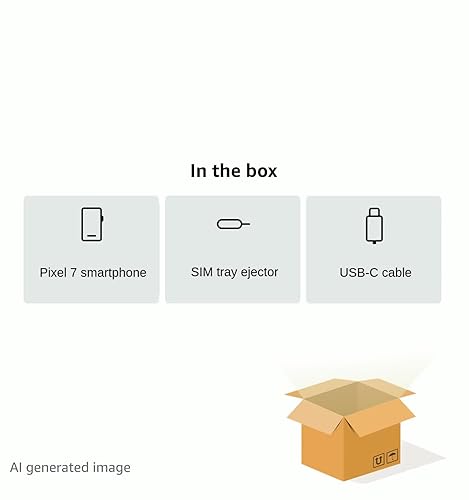
The Google Pixel 7 is a refined, compact 6.3-inch device that offers a premium experience, featuring an updated design with a matte aluminum camera bar and the Tensor G2 chip for AI-driven features. It functions as a more manageable alternative to the Pro model, providing strong, reliable battery life and faster security with improved biometric sensors. Pros include a high-performing 50MP main camera with excellent low-light capability and natural color reproduction. The device is also praised for its improved, dependable performance in daily use compared to previous models. Cons are primarily technical compromises to maintain a lower price point, such as a 90Hz screen refresh rate rather than 120Hz and the lack of a dedicated telephoto lens. Additionally, charging speeds are relatively slow, and the device does not include a charger in the box.

Compare