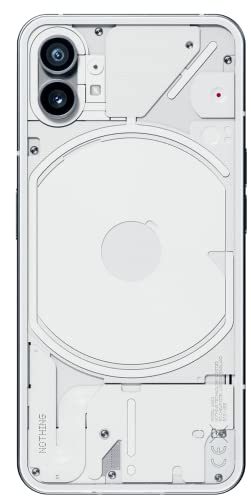
Nothing Phone 1 (12GB + 256GB) review. Compare 197 technical specifications and user reviews to see how this product ranks in the Smartphones category and whether it is worth buying.
Overall score
What it is: An overall evaluation of the smartphone's quality, based on technical analyses and user reviews.
When it matters: When you need a quick reference to identify the best smartphones on the market.
Score components:
90.0%
Technical Score
10.0%
User score
Technical Score
What it is: An assessment of the smartphone's technical performance, covering eight key areas: performance & hardware, software, camera, connectivity, display, battery, audio, and design.
When it matters: When you want to compare smartphones based on technical performance and available features.
Score components:
25.0%
Performance & Hardware
18.0%
Camera
15.0%
Display
15.0%
Battery
10.0%
Software
10.0%
Connectivity
4.0%
Audio
3.0%
Design
User score
What it is: A rating that combines user reviews and the total number of reviews received by the smartphone
When it matters: When you want to know how a smartphone handles daily tasks and how reliable it remains over time according to user feedback.
Score components:
70.0%
User reviews
30.0%
Popularity
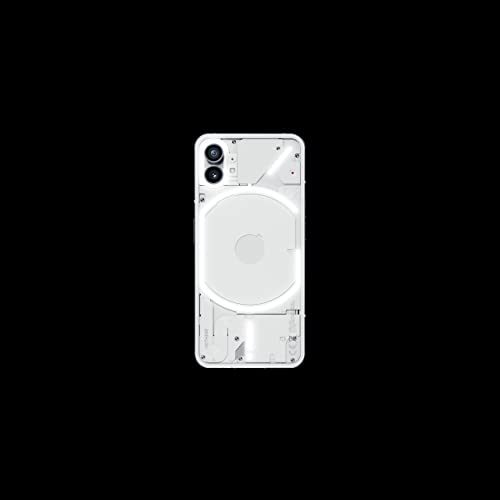
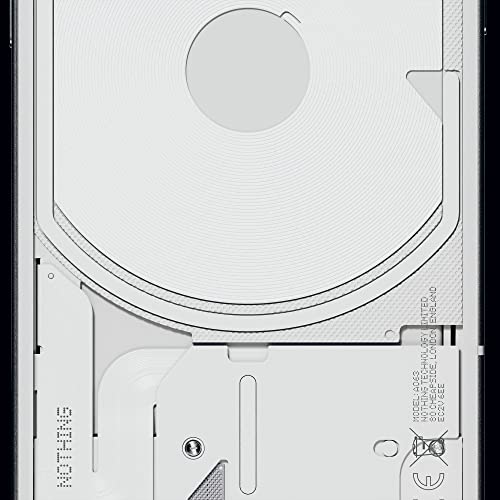
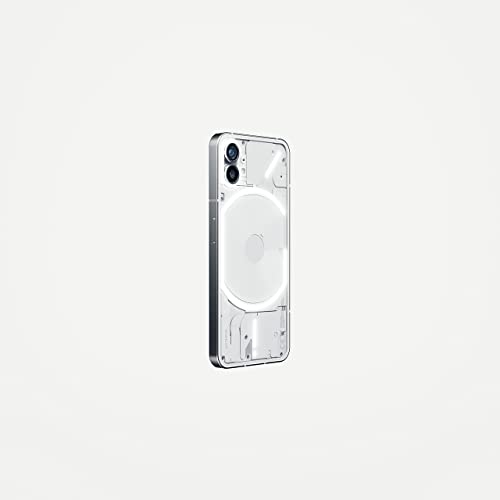
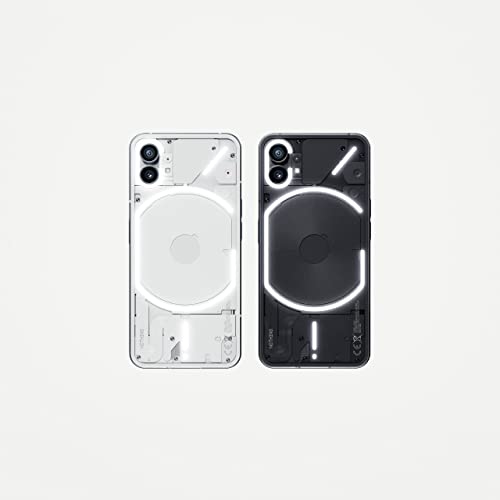

Available: ranking among products currently available (including other versions of this product).
All: ranking among all products in the database.
#98 in Best Smartphones Under £300
#175 in Best Smartphones Under £400
#218 in Best Smartphones Under £500
#266 in Best Value Smartphones
#326 in Best Large-Screen Smartphones
#343 in Best Android Smartphones
#356 in Best NFC Smartphones
#362 in Best 5G Smartphones
#371 in Best AI Smartphones
#372 in Best Smartphones
#684 in Best Battery Life Smartphones
What it is: An assessment of the smartphone's technical performance, covering eight key areas: performance & hardware, software, camera, connectivity, display, battery, audio, and design.
When it matters: When you want to compare smartphones based on technical performance and available features.
Score components:
25.0%
Performance & Hardware
18.0%
Camera
15.0%
Display
15.0%
Battery
10.0%
Software
10.0%
Connectivity
4.0%
Audio
3.0%
Design
What it is: A rating that combines user reviews and the total number of reviews received by the smartphone
When it matters: When you want to know how a smartphone handles daily tasks and how reliable it remains over time according to user feedback.
Score components:
70.0%
User reviews
30.0%
Popularity
What it is: An indicator that combines the smartphone's overall rating with its cost.
When it matters: When you are looking for a smartphone with a good balance between quality and price.
Score components:
60.0%
Overall score
40.0%
Price
Importance: LOW
Importance: HIGH
Importance: HIGH
Good value: >12 GB
Importance: MEDIUM
Good value: >256 GB
Importance: MEDIUM
Good value: >3.2 GHz
Importance: LOW
Importance: MEDIUM
Good value: >1500
Importance: LOW
Good value: >4000
Importance: LOW
Good value: 8+
Importance: LOW
Importance: LOW
Good value: >950 MHz
Importance: LOW
Good value: >700
Importance: LOW
Good value: >1000
Importance: LOW
Good value: >2500
Importance: MEDIUM
Good value: >6000
Importance: LOW
Good value: >8000
Importance: MEDIUM
Good value: >12000
Importance: LOW
Good value: >5000
Importance: LOW
Good value: >1800
Importance: LOW
Good value: >3200 MHz
Importance: LOW
Good value: 5
Importance: LOW
Good value: > 50 GB/s
Importance: LOW
Good value: 4
Importance: LOW
Good value: >16 GB
Importance: MEDIUM
Good value: <6 nm
Importance: MEDIUM
Good value: >9 W
Importance: LOW
Importance: LOW
Good value: >8192 KB
Importance: LOW
Good value: >2048 KB
Importance: LOW
Good value: >512 KB
Importance: LOW
Good value: >100000 million
Importance: LOW
Good value: 3.3
Importance: LOW
Good value: 3.2
Importance: LOW
Good value: 2.0/3.0
Importance: LOW
Importance: LOW
Importance: LOW
Importance: MEDIUM
Importance: LOW
Importance: LOW
Importance: LOW
Importance: LOW
Importance: LOW
Importance: LOW
Importance: LOW
Importance: LOW
Importance: LOW
Importance: LOW
Importance: LOW
Importance: LOW
Importance: LOW
Importance: LOW
Importance: LOW
Importance: LOW
Importance: LOW
Importance: LOW
Importance: LOW
Importance: LOW
Importance: LOW
Importance: LOW
Importance: LOW
Importance: LOW
Importance: LOW
Importance: LOW
Importance: LOW
Importance: LOW
Importance: LOW
Importance: LOW
Importance: LOW
Importance: LOW
Importance: LOW
Importance: MEDIUM
Good value: >50 MP
Importance: MEDIUM
Importance: HIGH
Good value: >60
Importance: LOW
Good value: ≥1.2 µm
Importance: MEDIUM
Good value: >2.5x
Importance: MEDIUM
Importance: LOW
Importance: LOW
Importance: LOW
Importance: LOW
Good value: ≥2
Importance: LOW
Importance: LOW
Importance: LOW
Importance: LOW
Good value: >16 MP
Importance: LOW
Importance: LOW
Importance: LOW
Importance: LOW
Importance: MEDIUM
Importance: LOW
Importance: LOW
Importance: LOW
Importance: LOW
Importance: LOW
Importance: LOW
Importance: LOW
Importance: LOW
Importance: LOW
Importance: LOW
Importance: LOW
Importance: LOW
Importance: LOW
Importance: LOW
Importance: LOW
Importance: LOW
Importance: LOW
Importance: LOW
Importance: LOW
Importance: LOW
Importance: LOW
Good value: >130
Importance: LOW
Good value: >120
Importance: LOW
Good value: ≥2
Importance: LOW
Importance: LOW
Importance: LOW
Importance: LOW
Importance: LOW
Importance: LOW
Good value: >5.2
Importance: LOW
Importance: LOW
Importance: LOW
Importance: LOW
Good value: 3.1/3.2
Importance: LOW
Importance: LOW
Importance: LOW
Good value: ≥2
Importance: LOW
Importance: LOW
Importance: LOW
Importance: LOW
Importance: LOW
Importance: LOW
Importance: LOW
Importance: LOW
Importance: LOW
Importance: LOW
Importance: LOW
Importance: LOW
Importance: LOW
Importance: LOW
Importance: LOW
Importance: LOW
Good value: ≥6.6 inches
Importance: MEDIUM
Importance: LOW
Good value: >400 ppi
Importance: MEDIUM
Importance: MEDIUM
Good value: ≥120 Hz
Importance: LOW
Importance: LOW
Good value: >300 Hz
Importance: LOW
Good value: >800 nits
Importance: LOW
Good value: >1300 nits
Importance: LOW
Good value: >1000 nits
Importance: LOW
Importance: LOW
Importance: LOW
Importance: LOW
Importance: LOW
Importance: LOW
Importance: LOW
Importance: LOW
Importance: HIGH
Good value: >5000 mAh
Importance: MEDIUM
Good value: >60 W
Importance: LOW
Importance: LOW
Good value: <45 min
Importance: LOW
Importance: LOW
Good value: >40 W
Importance: LOW
Importance: LOW
Good value: >10 W
Importance: LOW
Importance: LOW
Importance: MEDIUM
Importance: LOW
Good value: >800
Importance: LOW
Importance: LOW
Importance: LOW
Importance: LOW
Importance: LOW
Good value: ≥3
Importance: LOW
Importance: LOW
Importance: LOW
Importance: LOW
Importance: LOW
Importance: LOW
Importance: LOW
Good value: <162 mm
Importance: LOW
Good value: <75 mm
Importance: LOW
Good value: <8 mm
Importance: LOW
Good value: <190 g
Importance: LOW
Good value: <98cm³
Importance: LOW
Importance: LOW
Importance: LOW
Importance: LOW
Importance: LOW
Importance: LOW
Good value: ≥1.5 m
Importance: LOW
Importance: LOW
Good value: >8
Importance: LOW
Importance: LOW
Importance: MEDIUM
Importance: LOW
Importance: HIGH
Good value: >12 GB
Importance: HIGH
Good value: >60
Importance: LOW
Importance: LOW
Good value: 5
Importance: LOW
Importance: LOW
Importance: MEDIUM
Importance: LOW
Importance: LOW
Importance: LOW
Importance: HIGH
Good value: >5000 mAh
Importance: LOW
Importance: MEDIUM
Good value: >9 W
Importance: LOW
(Reviews last updated: August 2026)
The Sypnotix review of the Nothing Phone (1) highlights its "classy, business professional" design, describing it as a spiritual successor to the Essential Phone PH-1. Pros include a sharp, 120Hz OLED display and a clean, near-stock Nothing OS experience. However, the Glyph interface is deemed a gimmick, and the dual 50MP cameras frequently suffer from focusing issues and a laggy app, leading to poor performance. Additional cons include inconsistent Wi-Fi connectivity and occasional software bugs. Ultimately, the review considers it a bold, well-built first attempt that requires further refinement in camera and software stability.
Laptop Mag describes the Nothing Phone (1) as a standout, stylish mid-range device featuring a unique "Glyph Interface" of 900 LEDs on its transparent back. While praised for its symmetrical bezels and 120Hz OLED display, the design is noted to heavily mimic the iPhone 13. Powered by a customized Snapdragon 778G+ chip, the phone offers a smooth, clean experience with Nothing OS. The dual 50MP camera system produces vibrant, "honest" images, although slow autofocus is noted as a drawback for video recording. Despite its strengths, the phone suffers from poor battery life that barely lasts a full day, alongside weak, tinny speakers. The phone is considered a "diamond in the rough" for users prioritizing aesthetics over raw performance.
The Nothing Phone (1) stands out in the midrange market with its unique, transparent "Glyph Interface" featuring 900 LEDs, offering a striking design paired with a high-quality 120Hz OLED display. While its aesthetics and clean, bloatware-free software are major pros, the phone is powered by a standard Snapdragon 778G+ chipset that falls short of flagship performance, with notable gaming lag. Additionally, the dual 50MP cameras deliver average results with poor low-light performance, and the device lacks official US carrier support, limiting its appeal to those prioritizing style over pure function.
The Nothing Phone 1 is a standout mid-range device focusing on an "iconic" aesthetic, featuring a unique transparent rear and a functional Glyph LED light system. While it boasts a premium build, excellent haptics, and a vibrant 6.55-inch OLED display with wireless charging, it only offers a basic IP53 water resistance rating. Performance-wise, the Snapdragon 778G Plus provides smooth operation, though it isn't a high-end performer, and the clean, bloatware-free Nothing OS is praised for its simplicity. The camera system is mixed, with a capable 50MP main sensor let down by a poor ultrawide lens and a mediocre selfie camera. Additionally, the 33W wired charging speed is considered average compared to competitors. Despite some minor software bugs and the gimmicky nature of the lights, the device is considered a well-made contender in the mid-range market.
The Engadget review highlights the Nothing Phone 1 as a striking mid-range device featuring a unique transparent design and a functional, 900-LED "Glyph Interface" for notifications. Pros include a clean, bloatware-free Android experience, a high-quality 6.55-inch 120Hz OLED display, and the inclusion of wireless and reverse wireless charging, say critics. However, the device is held back by unpredictable battery life, a mediocre dual-camera system, and an IP53 water-resistance rating. Furthermore, the lack of a charger in the box and limited support for North American networks present significant drawbacks for potential buyers. Engadget
The Nothing Phone (1) is a distinct mid-range device focusing on design, featuring a transparent back and a 900-LED Glyph interface for notifications, powered by a Snapdragon 778G+ processor. Pros include a high-quality 6.55-inch 120Hz OLED display, clean software, and wireless charging at a competitive price point. However, significant drawbacks include lack of official US carrier support, average camera performance, and the absence of a charger in the box.
The Nothing Phone (1) is a mid-range device that excels with a unique transparent design, the "Glyph" LED interface, a 120Hz OLED display, and premium features like wireless charging. However, the review notes inconsistencies in hardware, specifically an inaccurate ambient light sensor, a low-placed fingerprint reader, and early software bugs. Performance is steady for daily use, although the cameras struggle in low light and the overall package prioritizes design over raw power.
Wired’s review characterizes the Nothing Phone (1) as a compelling mid-range device, highlighting its premium, transparent design and the unique, functional Glyph Interface as key strengths. The phone delivers a strong user experience with a 120-Hz OLED display and a clean, near-stock version of Nothing OS. However, the device is limited by an average camera that struggles with movement, only IP53 water resistance, and no official US release.
CNET reviews the Nothing Phone 1 as a polished and affordable device, notable for its unique LED "Glyph" interface on a transparent back, though this design is also seen as a potential gimmick. The phone features a premium-feeling recycled aluminum frame and a vibrant 6.55-inch, 120Hz OLED display. Performance is described as swift for everyday tasks thanks to the mid-range Snapdragon 778G Plus chip, and its dual 50-megapixel camera setup is a pro for producing vibrant shots, despite a color shift issue with the ultrawide lens. Major cons include the lack of a full U.S. launch, no charger in the box, merely "OK" battery life, and an IP53 water-resistance rating that trails competitors.
According to a Pocketnow review, the Nothing Phone (1) is a midrange device balancing a transparent design with practical hardware, highlighted by the unique Glyph Interface for notifications and charging indication. Key advantages noted are the "snappy" Snapdragon 778G+ chipset, a high-quality 120Hz OLED display, and the inclusion of wireless and reverse wireless charging, while a significant drawback is the absence of a charger in the box. The camera system, particularly the 50MP main sensor, performs well, though the ultrawide lens improved with software updates; the phone offers clean software and promised updates as an alternative to competitors.
According to a review, the Nothing Phone 1 is a well-executed first attempt in the mid-range market, featuring a transparent back with a unique Glyph interface of LED strips for notifications and charging status. It offers premium touches like recycled aluminum sides and wireless charging at its £399 price point, running on a smooth, bloat-free Nothing OS based on Android 12. While the Snapdragon 778G Plus chip is snappy for daily use and the dual 50MP camera system is praised for simplicity and good detail, it lacks top-tier power and struggles with low-light sharpness. Drawbacks include only splash resistance (IP53), no telephoto lens, and battery life, though solid at about 38 hours, is tempered by only four years of promised security updates.
ZDNET reviewed the Nothing Phone (1), describing it as a well-rounded smartphone with a premium build using recycled aluminum and Gorilla Glass 5, notable for its unique Glyph Interface of over 900 LEDs on the back. Pros highlighted include the vibrant 6.55-inch OLED display, the clean Nothing OS, and capable performance from the Snapdragon 778G+ chip and dual 50MP camera system in good lighting conditions. Specific cons cited are the limited IP53 water resistance rating, average battery life from the 4,500mAh cell, and issues with the ultrawide camera and dual speakers at high volumes, in addition to lacking a charging brick and limited North American availability.
The Nothing Phone (1) is a mid-range device focused on premium design, featuring a transparent back with a unique, customizable "Glyph Interface" LED system and a 6.55-inch, 120Hz OLED display. Pros include excellent battery life (over 10 hours in tests) and a solid, premium build quality, while cons include low screen brightness, limited US availability, and a chipset that, while capable of daily tasks, lags in intensive gaming. The dual 50MP camera system offers good main camera performance, but suffers from overly aggressive, "ghostly" skin smoothing in portraits and mediocre, "decent" low-light performance.
The Nothing Phone 1 prioritizes distinctive design, featuring a transparent rear casing and the Glyph Interface LED system for notifications and other functions. Pros include a premium build, a vibrant 120Hz OLED display, clean Nothing OS software, capable Snapdragon 778G+ performance, and a strong 50MP dual camera for daylight shots. However, the review notes drawbacks such as underwhelming battery life, poor low-light camera performance, the absence of a charger in the box, and a basic IP53 water/dust resistance rating.
The Nothing Phone (1) is a 4-star, mid-range Android device distinguished by its transparent back and 900-LED "Glyph Interface" for notifications and lighting. While offering a premium, "breath of fresh air" design and a high-quality 120Hz OLED display with thin, uniform bezels, the phone's performance is limited by a mid-range Snapdragon 778G+ chipset that can struggle under intense usage. Key pros include a clean software experience and the inclusion of wireless/reverse wireless charging, though cons include inconsistent UI performance, subpar low-light camera capabilities, and noticeable battery standby drain.
The Nothing Phone (1) review by Bild highlights the device as a visually unique smartphone, featuring a transparent rear with a 900-LED "Glyph" interface for notifications and charging, along with a premium aluminum and glass design. It features a bright 6.55-inch, 120Hz OLED screen and a clean, fast software experience, despite utilizing a mid-range Snapdragon 778G+ processor. While the 50MP cameras perform well in daylight, the review notes significant drawbacks, including mediocre battery life, limited practical use for the Glyph lights, and weak low-light camera performance.
The UFC-Que Choisir review of the Nothing Phone (1) highlights a mid-range device with a distinctive design featuring a transparent back and the "Glyph Interface" for notification lighting, though its aesthetic draws comparison to an iPhone 12. It boasts a 6.55-inch OLED 120Hz display, a capable Snapdragon 778G+ processor, and rare features for its price point like wireless charging, yet is limited by an IP53 water resistance rating. While the dual 50-megapixel cameras perform well in daylight, the device struggles with motion and low-light scenarios, and the 4,500 mAh battery offers only average, with no charger included in the box.
According to a detailed review by CharlesTech, the Nothing Phone (1) stands out for its unique, transparent design and customizable Glyph LED interface, offering a solid build quality that prioritizes aesthetics. Performance is driven by the Snapdragon 778G+, ensuring a smooth user experience alongside a vibrant 120Hz OLED display. Notable pros include this striking design, capable, clean software, and premium features like wireless charging, while cons highlight underwhelming ultra-wide cameras, mediocre audio, and the lack of a charger in the box.
The Nothing Phone (1) is praised as a remarkable, affordable device featuring a unique transparent design and a functional Glyph lighting system with 900 LEDs, highlighting a solid, premium-feel build with a 100% recycled aluminum frame. Performance is driven by a specialized Snapdragon 778G+ processor, a 120Hz OLED screen, and a clean,, bloatware-free operating system. Despite these strengths, the device has limitations, including a sub-par camera in low light, only an IP53 resistance rating, and the omission of a charger in the box.
The Nothing Phone (1) review by Presse-Citron highlights the device as a bold attempt by Carl Pei's startup to disrupt a stagnant smartphone market through unique aesthetics, focusing on the "Glyph" interface of 900 rear-mounted LEDs. While the design is heavily reminiscent of an iPhone, the build quality is considered exceptionally premium for its mid-range price point. On the positive side, the review praises the 6.55-inch 120Hz OLED display for its vibrant color reproduction, alongside the clean, bloatware-free experience of Nothing OS. Additionally, the inclusion of wireless and reverse wireless charging is noted as a rare and welcome luxury in this price segment. However, the review identifies drawbacks, particularly that the Snapdragon 778G+ processor lacks the raw power of flagship chips. The dual 50MP camera struggles with low-light photography and shows softness at the edges, and other cons include the lack of a charging brick and only IP53 splash resistance. For more details, visit Presse-Citron.net.
The Tom's Guide review highlights the Nothing Phone (1) as a high-quality, mid-range device featuring a unique transparent back with a "Glyph" LED interface, though its design bears a strong resemblance to the iPhone 12. It features a 6.55-inch OLED display with a 120Hz refresh rate and is powered by a Snapdragon 778G+ chipset that handles daily tasks well, but falls short in intense gaming. Key pros include a clean "Nothing OS" and premium features like wireless charging, while cons include average screen brightness, inconsistent low-light cameras, and an derivative design.
The Nothing Phone (1) stands out for its unique, transparent design and the Glyph Interface, a series of 900 rear-mounted LEDs that offer a distinct visual identity, practical, and functional "fill light" for photography. Powered by a mid-range Snapdragon 778G+ processor and featuring a clean user interface (Nothing OS), the device offers a fluid daily experience with a high-quality 120Hz OLED display that boasts symmetric, premium-looking bezels. While lauded for its style, the phone’s dual 50MP cameras underperform in low light, battery life is merely average, and it lacks robust IP68 waterproofing, limiting its durability.
Frandroid’s review highlights the Nothing Phone (1) as a successful mid-range entry featuring a unique transparent design with the "Glyph" LED interface for notifications. It features a 6.55-inch, 120Hz OLED screen and a clean, near-stock Android experience, though it relies on a customized Snapdragon 778G+ processor. While offering a premium feel with wireless charging, cons include a mediocre camera in low light, only an IP53 water resistance rating, no charger in the box, and underwhelming battery life.
Les Numériques highlights the Nothing Phone (1) as a mid-range disruptor, featuring a unique "Glyph Interface" (900 LEDs on a transparent back) for notifications and a 6.55-inch, 120Hz OLED screen with good color accuracy. While the Snapdragon 778G+ processor offers strong performance and the software is clean, the display brightness is only average, and the phone features a modest IP53 rating. Pros include the novelty design, solid daily performance, and rare inclusion of wireless/reverse charging, while cons focus on inconsistent camera performance in low light and an ultra-wide sensor that lags behind the main 50MP shooter. The review concludes that the device is a balanced, stylish option for users prioritizing design, offering decent full-day battery life.
The Gizmodo review describes the Nothing Phone (1) as a well-rounded mid-range device that breaks the monotony of modern smartphone design, highlighted by its unique Glyph Interface. Key pros include a clean, bloatware-free operating system, a high-quality 120Hz OLED display, and solid 50MP camera performance in daylight. Drawbacks include a 4,500 mAh battery that offers only average endurance, an IP53 rating with limited water resistance, and weak low-light photography.
The Computer Hoy review describes the Nothing Phone (1) as a refreshing, mid-range device featuring a unique transparent back and a functional "Glyph Interface" of LEDs, offering a premium feel despite its price point. Key pros include a high-quality 120Hz OLED display, capable Snapdragon 778G+ performance, and competent dual 50MP cameras with useful wireless charging capabilities. However, cons include an inconsistent in-display fingerprint sensor, limited IP53 water resistance, and the absence of a charger in the box.
The Business Insider Spain review highlights the Nothing Phone (1) as a refreshing, design-forward device, specifically praising the unique transparent back and Glyph LED interface for functional notifications. Key pros include the high-quality 6.55-inch 120Hz OLED display with symmetrical bezels, a clean, bloatware-free Android experience, and solid, capable performance from the Snapdragon 778G+ processor. However, the review notes several compromises, particularly poor low-light camera performance, slow 33W charging, a lack of an in-box charger, and only an IP53 water resistance rating. Business Insider Españ
The TechRadar review of the Nothing Phone (1) highlights a unique mid-range device featuring a transparent back and a functional "Glyph Interface" of 900 LEDs, offering a premium feel and genuine novelty. It is powered by a tuned Snapdragon 778G Plus chipset for solid performance and boasts a vibrant 6.55-inch 120Hz OLED display, though peak brightness is limited in sunlight. Despite positives, the phone faces criticism for underwhelming battery life, a camera that struggles in low light, and the absence of a charger in the box.
The Nothing Phone (1) aims to disrupt the mid-range market with a premium design featuring Gorilla Glass, a 120Hz OLED display, and a unique Glyph LED interface. The Snapdragon 778G+ processor, combined with the clean Nothing OS, delivers a reliable user experience, complemented by capable 50MP cameras and rare features for its class, such as wireless charging. Key drawbacks noted in the review include the absence of a charger in the box, the limited practical functionality of the Glyph lights, and only average, sometimes noisy, low-light camera performance.
The Nothing Phone (1) review from Profesional Review highlights the device as a distinct mid-range contender, featuring a unique, functional Glyph Interface with over 900 LEDs and a premium, rigid build made from 100% recycled aluminium and Gorilla Glass 5. Key strengths include the high-quality 6.55-inch, 120Hz OLED display, the efficient Snapdragon 778G+ processor, and a capable dual-camera setup that focuses on quality over quantity. However, the analysis points out that the 4,500 mAh battery struggles with heavy use, the 33W charging is relatively slow for the segment, no charger is included in the box, and camera performance drops in low-light conditions.
The Nothing Phone (1) review highlights a, device that prioritizes design with a unique transparent glass back and the "Glyph Interface" of 900 LEDs, while adopting flat-edged, iPhone-like ergonomics in a recycled aluminum chassis. Powered by a custom Snapdragon 778G+ chipset, the phone delivers a smooth, bloat-free experience running Nothing OS, complemented by a high-quality 120Hz OLED display with symmetrical bezels. However, the device faces criticism for underwhelming battery life, a lack of a charger in the box, and only moderate IP53 splash resistance. The dual-50MP camera system is praised for skipping low-quality macro lenses, offering good daytime detail from the Sony IMX766 sensor. Despite the Glyph LEDs acting as a, useful "ring light" for close-ups, the camera struggles with inconsistent low-light performance. Ultimately, the review defines the device as a "breath of fresh air" in the mid-range market, balancing, unique aesthetics with functional, albeit imperfect, performance.
The Nothing Phone (1) is praised as a unique, mid-range device featuring a transparent back and the functional, aesthetic Glyph Interface (900 LEDs). While boasting a premium, symmetric design and high-quality build, the phone's shape shares a clear resemblance to recent iPhone models. Key features include a vibrant 120Hz OLED display and a clean, stock-like Android experience via Nothing OS, though the Snapdragon 778G+ processor is, while reliable, not a top-tier performer for heavy gaming. The camera system offers great detail in good lighting, but low-light performance and video stabilization are noted limitations. Additional cons include the absence of an included charger and a limited IP53 splash-resistance rating. Techprincess
The Nothing Phone (1) aims to disrupt the mid-range market with a unique transparent design featuring the functional "Glyph Interface" of customizable LED lights on the back, echoing a "techno-industrial" aesthetic with its aluminum frame. Performance is driven by a capable Snapdragon 778G+ processor, complemented by a clean, bloatware-free Nothing OS and a quality 120Hz OLED display. However, the device suffers from inconsistent battery life, the lack of an included charger, and camera performance that struggles in low-light conditions.
The Nothing Phone 1 features a distinctive transparent design with a 6.55-inch 120Hz OLED display, high-quality materials, and a unique 'Glyph Interface' of LEDs for notifications and charging. The device offers a balanced mid-range experience powered by a Snapdragon 778G Plus chipset, featuring wireless charging and a clean, near-stock Android software experience. However, the review notes drawbacks including weak battery life, cameras that struggle in low light, and the absence of a charger in the box.
The Everyeye.it review highlights the Nothing Phone (1) as a refreshing, mid-range device distinguished by its functional "Glyph Interface" of over 900 LEDs. Featuring a transparent back, a symmetrical 6.55-inch 120Hz OLED display, and a solid Snapdragon 778G+ chipset, it offers a clean "Nothing OS" experience that mimics stock Android. While praised for its premium design and build quality, the device suffers from average battery life and lacks both a charger in the box and a high IP68 ingress protection rating. Additionally, the dual 50MP camera system provides good, though not top-tier, performance that struggles with noise in lower light conditions.
The Nothing Phone (1) review from Today.it highlights the device as a unique, mid-range contender distinguished by its transparent design and functional Glyph LED interface. The Hz OLED display, premium build quality, and a clean, stock-like Android experience through Nothing OS. While praised for its aesthetics, the review notes average battery life, lack of a charger in the box, and a camera system that is inconsistent in low-light conditions.
The Nothing Phone (1) features a unique transparent back and Glyph LED interface, offering a premium design with an aluminum frame that stands out in the mid-range market. Key advantages include a 120Hz OLED screen, clean software, and features like wireless charging, driven by a competent Snapdragon 778G+ chipset. While performance is smooth for daily use, drawbacks include limited low-light camera capabilities, average battery life, lack of a charger, and only IP53 splash resistance.
GQ Italia characterizes the Nothing Phone (1) as a uniquely designed, stylish Android device that balances aesthetic appeal with functional mid-range performance, featuring a Snapdragon 778G+ chip and 120Hz display, priced around €499. Key pros include a robust build with a transparent rear, a clean "Nothing OS," and a capable dual 50MP camera system, alongside rare mid-range features like wireless charging. Conversely, cons identified in the review include mediocre battery life, the Glyph lighting system potentially being a gimmick, and the absence of a charger or telephoto lens.
The Nothing Phone (1) review by Wired.it highlights a device that prioritizes design and personality over raw power, featuring a unique "Glyph Interface" of 900 LEDs on a transparent back. The phone is praised for its 6.55-inch 120Hz OLED display and a clean, bloat-free Nothing OS, though the initial experience was marred by bugs and only average battery life. As a mid-range contender, it offers a solid dual 50MP camera system, wireless charging, and a distinct aesthetic, making it a compelling option for those seeking a unique device rather than top-tier performance.
Andrea Galeazzi defines the Nothing Phone (1) as a refreshing, albeit familiar, addition to the mid-range market, highlighting its unique Glyph Interface and premium, iPhone-like build quality. Key praises include a 120Hz OLED display, robust stereo speakers, and precise haptics, though the auto-brightness can be inconsistent. While the Snapdragon 778G+ delivers solid performance, the 50MP camera struggles with noise in low light, and the 4,500mAh battery provides average longevity. Ultimately, the device is considered a sensible, stylish purchase, particularly the 8/256GB variant, despite not offering radical software innovation.

Compare