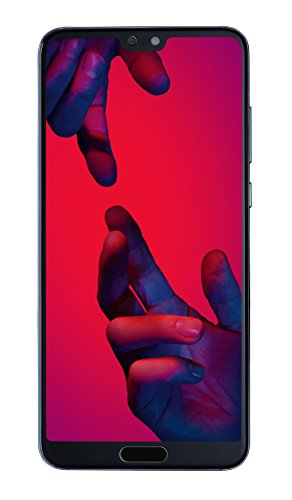
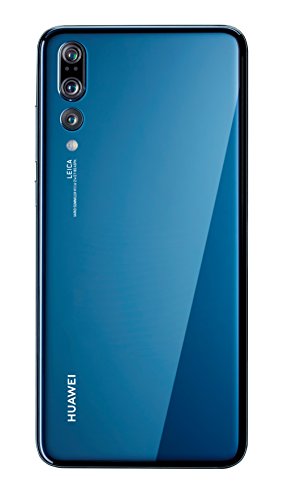
Huawei P20 Pro (6GB + 128GB) review. Compare 197 technical specifications and user reviews to see how this product ranks in the Smartphones category and whether it is worth buying.
Overall score
What it is: An overall evaluation of the smartphone's quality, based on technical analyses and user reviews.
When it matters: When you need a quick reference to identify the best smartphones on the market.
Score components:
90.0%
Technical Score
10.0%
User score
Technical Score
What it is: An assessment of the smartphone's technical performance, covering eight key areas: performance & hardware, software, camera, connectivity, display, battery, audio, and design.
When it matters: When you want to compare smartphones based on technical performance and available features.
Score components:
25.0%
Performance & Hardware
18.0%
Camera
15.0%
Display
15.0%
Battery
10.0%
Software
10.0%
Connectivity
4.0%
Audio
3.0%
Design
User score
What it is: A rating that combines user reviews and the total number of reviews received by the smartphone
When it matters: When you want to know how a smartphone handles daily tasks and how reliable it remains over time according to user feedback.
Score components:
70.0%
User reviews
30.0%
Popularity
Available: ranking among products currently available (including other versions of this product).
All: ranking among all products in the database.
#22 in Best Huawei Phones
#37 in Best Compact Smartphones
#43 in Best 6-Inch Smartphones
#112 in Best Camera Smartphones
#131 in Best Smartphones Under £200
#226 in Best Smartphones Under £250
#317 in Best Smartphones Under £300
#431 in Best Smartphones Under £400
#443 in Best Chinese Smartphones
#496 in Best Smartphones Under £500
#533 in Best Value Smartphones
#645 in Best NFC Smartphones
#654 in Best Android Smartphones
#689 in Best AI Smartphones
#692 in Best Smartphones
What it is: An assessment of the smartphone's technical performance, covering eight key areas: performance & hardware, software, camera, connectivity, display, battery, audio, and design.
When it matters: When you want to compare smartphones based on technical performance and available features.
Score components:
25.0%
Performance & Hardware
18.0%
Camera
15.0%
Display
15.0%
Battery
10.0%
Software
10.0%
Connectivity
4.0%
Audio
3.0%
Design
What it is: A rating that combines user reviews and the total number of reviews received by the smartphone
When it matters: When you want to know how a smartphone handles daily tasks and how reliable it remains over time according to user feedback.
Score components:
70.0%
User reviews
30.0%
Popularity
What it is: An indicator that combines the smartphone's overall rating with its cost.
When it matters: When you are looking for a smartphone with a good balance between quality and price.
Score components:
60.0%
Overall score
40.0%
Price
Importance: LOW
Importance: HIGH
Importance: HIGH
Good value: >12 GB
Importance: MEDIUM
Good value: >256 GB
Importance: MEDIUM
Good value: >3.2 GHz
Importance: LOW
Importance: MEDIUM
Good value: >1500
Importance: LOW
Good value: >4000
Importance: LOW
Good value: 8+
Importance: LOW
Importance: LOW
Good value: >950 MHz
Importance: LOW
Good value: >700
Importance: LOW
Good value: >1000
Importance: LOW
Good value: >2500
Importance: MEDIUM
Good value: >6000
Importance: LOW
Good value: >8000
Importance: MEDIUM
Good value: >12000
Importance: LOW
Good value: >5000
Importance: LOW
Good value: >1800
Importance: LOW
Good value: >3200 MHz
Importance: LOW
Good value: 5
Importance: LOW
Good value: > 50 GB/s
Importance: LOW
Good value: 4
Importance: LOW
Good value: >16 GB
Importance: MEDIUM
Good value: <6 nm
Importance: MEDIUM
Good value: >9 W
Importance: LOW
Importance: LOW
Good value: >8192 KB
Importance: LOW
Good value: >2048 KB
Importance: LOW
Good value: >512 KB
Importance: LOW
Good value: >100000 million
Importance: LOW
Good value: 3.3
Importance: LOW
Good value: 3.2
Importance: LOW
Good value: 2.0/3.0
Importance: LOW
Importance: LOW
Importance: LOW
Importance: MEDIUM
Importance: LOW
Importance: LOW
Importance: LOW
Importance: LOW
Importance: LOW
Importance: LOW
Importance: LOW
Importance: LOW
Importance: LOW
Importance: LOW
Importance: LOW
Importance: LOW
Importance: LOW
Importance: LOW
Importance: LOW
Importance: LOW
Importance: LOW
Importance: LOW
Importance: LOW
Importance: LOW
Importance: LOW
Importance: LOW
Importance: LOW
Importance: LOW
Importance: LOW
Importance: LOW
Importance: LOW
Importance: LOW
Importance: LOW
Importance: LOW
Importance: LOW
Importance: LOW
Importance: LOW
Importance: MEDIUM
Good value: >50 MP
Importance: MEDIUM
Importance: HIGH
Good value: >60
Importance: LOW
Good value: ≥1.2 µm
Importance: MEDIUM
Good value: >2.5x
Importance: MEDIUM
Importance: LOW
Importance: LOW
Importance: LOW
Importance: LOW
Good value: ≥2
Importance: LOW
Importance: LOW
Importance: LOW
Importance: LOW
Good value: >16 MP
Importance: LOW
Importance: LOW
Importance: LOW
Importance: LOW
Importance: MEDIUM
Importance: LOW
Importance: LOW
Importance: LOW
Importance: LOW
Importance: LOW
Importance: LOW
Importance: LOW
Importance: LOW
Importance: LOW
Importance: LOW
Importance: LOW
Importance: LOW
Importance: LOW
Importance: LOW
Importance: LOW
Importance: LOW
Importance: LOW
Importance: LOW
Importance: LOW
Importance: LOW
Importance: LOW
Good value: >130
Importance: LOW
Good value: >120
Importance: LOW
Good value: ≥2
Importance: LOW
Importance: LOW
Importance: LOW
Importance: LOW
Importance: LOW
Importance: LOW
Good value: >5.2
Importance: LOW
Importance: LOW
Importance: LOW
Importance: LOW
Good value: 3.1/3.2
Importance: LOW
Importance: LOW
Importance: LOW
Good value: ≥2
Importance: LOW
Importance: LOW
Importance: LOW
Importance: LOW
Importance: LOW
Importance: LOW
Importance: LOW
Importance: LOW
Importance: LOW
Importance: LOW
Importance: LOW
Importance: LOW
Importance: LOW
Importance: LOW
Importance: LOW
Importance: LOW
Good value: ≥6.6 inches
Importance: MEDIUM
Importance: LOW
Good value: >400 ppi
Importance: MEDIUM
Importance: MEDIUM
Good value: ≥120 Hz
Importance: LOW
Importance: LOW
Good value: >300 Hz
Importance: LOW
Good value: >800 nits
Importance: LOW
Good value: >1300 nits
Importance: LOW
Good value: >1000 nits
Importance: LOW
Importance: LOW
Importance: LOW
Importance: LOW
Importance: LOW
Importance: LOW
Importance: LOW
Importance: LOW
Importance: HIGH
Good value: >5000 mAh
Importance: MEDIUM
Good value: >60 W
Importance: LOW
Importance: LOW
Good value: <45 min
Importance: LOW
Importance: LOW
Good value: >40 W
Importance: LOW
Importance: LOW
Good value: >10 W
Importance: LOW
Importance: LOW
Importance: MEDIUM
Importance: LOW
Good value: >800
Importance: LOW
Importance: LOW
Importance: LOW
Importance: LOW
Importance: LOW
Good value: ≥3
Importance: LOW
Importance: LOW
Importance: LOW
Importance: LOW
Importance: LOW
Importance: LOW
Importance: LOW
Good value: <162 mm
Importance: LOW
Good value: <75 mm
Importance: LOW
Good value: <8 mm
Importance: LOW
Good value: <190 g
Importance: LOW
Good value: <98cm³
Importance: LOW
Importance: LOW
Importance: LOW
Importance: LOW
Importance: LOW
Importance: LOW
Good value: ≥1.5 m
Importance: LOW
Importance: LOW
Good value: >8
Importance: LOW
Importance: LOW
Importance: MEDIUM
Good value: >2.5x
Importance: MEDIUM
Importance: MEDIUM
Good value: >9 W
Importance: LOW
Importance: LOW
Importance: LOW
Importance: LOW
Importance: MEDIUM
Importance: HIGH
Importance: MEDIUM
Good value: ≥120 Hz
Importance: LOW
Importance: MEDIUM
Good value: >256 GB
Importance: MEDIUM
Good value: >12000
Importance: LOW
Good value: ≥6.6 inches
Importance: HIGH
Good value: >5000 mAh
Importance: LOW
(Reviews last updated: August 2026)
According to TechRadar, Pro's key strength is its triple-lens Leica camera system, which excels in low-light performance thanks to AI-assisted stabilization. Other notable pros include its premium build, -inch AMOLED display,, mAh battery offering up to two days of use, a fast face unlock and fingerprint scanner, and an attractive gradient finish. However, the review highlights drawbacks such as the camera's Master AI sometimes oversaturating colors, a lack p/ fps video recording, the absence of wireless mm headphone jack, and a Full HD+ display that isn't as sharp as some competitors.
Mashable describes the Huawei P20 Pro as a "triple-lens triumph" with the "best smartphone camera, period," highlighting its versatility, low-light performance, and premium design that rivals the iPhone X. Key pros include the revolutionary camera, stunning design, long battery life, and fast biometrics, while cons encompass missing features like a headphone jack and wireless charging, inconsistent AI camera software, a slippery build, and the presence of a "chin" bezel.
Tom's Guide reviewed the Huawei P20 Pro, highlighting its groundbreaking triple-camera system with a 40MP main sensor, praised for its exceptional low-light performance using "AI Stabilisation". The review noted its strong performance and a 4,000mAh battery that lasted over 14 hours in testing, although its display lacked the brightness and pixel density of some competitors. Key drawbacks included the absence of official US availability and warranty, lack of a headphone jack and wireless charging, and the AI camera occasionally over-processing images. Tom'
The PCMag UK review describes the Huawei P20 Pro as a flagship device with a unique Leica triple-camera system, offering impressive 5x lossless hybrid zoom and exceptional low-light performance. While its Kirin 970 chip performs well in real-world use, benchmarks show it slightly behind some competitors; the large 4,000mAh battery provides excellent life but lacks wireless charging. The design features an attractive "Twilight" finish but is prone to fingerprints, and drawbacks include the absence of a headphone jack and expandable storage, along with a potentially polarizing notched display.
According to a 2018 review, the Huawei P20 Pro was a strong contender due to its camera system and battery life, despite software and design issues. Pros included industry-leading low-light photography, exceptional battery life, a high-quality display, loud speaker, reliable Bluetooth, and a unique gradient color option. Cons included the EMUI software, bloatware, a prominent camera hump, outdated design, a poor selfie camera, and lack of a headphone jack.
CNET reviewed the Huawei P20 Pro, highlighting its breakthrough triple-camera system with a 40-megapixel main sensor and advanced low-light "Night Mode" as a major pro that set a new standard for mobile photography at the time. Other advantages noted include its vibrant 6.1-inch OLED display, a long-lasting 4,000-mAh battery, IP67 water resistance, and a fast front-mounted fingerprint scanner, despite the "Twilight" finish being a fingerprint magnet. Key cons identified were the lack of wireless charging and a headphone jack, AI-assisted camera settings occasionally over-processing images, slightly slower processor speed compared to the Galaxy S9, and its critical unavailability in the US market.
The Huawei P20 Pro is a top-tier, stylishly designed smartphone with a 6.1-inch OLED display, a front-mounted fingerprint sensor, and exceptional battery life. A major highlight is the innovative triple-Leica camera system, capable of excellent long-exposure night shots and a 5x hybrid zoom. However, the device lacks wireless charging and a 3.5mm headphone jack, and features an aggressive AI that can sometimes produce unnatural-looking photos.
The Huawei P20 Pro review from The Verge identifies the device as a significant shift for Huawei towards being a legitimate flagship competitor, praising its ergonomic design with unique gradient finishes and a bright 6.1-inch OLED display, though noting a minor issue with video masking on the notched screen. The triple-camera system, co-developed with Leica, is highlighted as a standout feature for its low-light performance and 5x hybrid zoom, producing sharp images, while drawbacks include the lack of a headphone jack and the glass back being prone to fingerprints. Performance and battery life are considered industry-leading with a 4,000mAh battery offering exceptional longevity, strong audio, and reliable wireless connectivity, though the absence of wireless charging is a notable con compared to competitors.
The Huawei P20 Pro is identified as a groundbreaking flagship, boasting a Leica triple-camera system with a 40MP main sensor and exceptional AI-driven "Night mode". While praised for its superior low-light photography, the review notes weak 4K video performance and lacks 60fps recording. The design features a 6.1-inch OLED screen with a, sometimes hidden, notch, a, often appreciated, front-mounted fingerprint sensor, but omits a headphone jack, wireless charging, and expandable storage. Powered by the Kirin 970 and 6GB of RAM, the device delivers strong performance and standout, two-day battery life, despite the UI feeling less polished than competitors.
The Huawei P20 Pro is positioned as a premium contender to the iPhone X and Galaxy S9, featuring a 6.1-inch OLED display, a sturdy aluminum frame, and a distinctive "Twilight" gradient color, though its design heavily borrows from the iPhone X with a notched display. A major strength is the triple-lens camera system, which offers exceptional low-light performance and 3x optical zoom, yet the software’s aggressive, often "fake" looking photo processing is a significant drawback. Internally, the Kirin 970 processor and a 4,000 mAh battery deliver impressive longevity, but this is tempered by a bloated EMUI software experience, the absence of a headphone jack, and a lack of wireless charging.
Digital Trends describes the Huawei P20 Pro as a confident, premium device highlighted by a distinct Twilight gradient finish and a capable triple-lens camera. The design features IP67 water resistance, though the, front-mounted fingerprint sensor is considered slightly dated. Pros include an exceptional 40-megapixel camera, stellar low-light performance, and two-day battery life, while cons involve a lack of wireless charging, no headphone jack, and occasionally oversaturated AI processing.
In an April 2018 review, Engadget described the Huawei P20 Pro as a high-end contender featuring a striking, iridescent "Twilight" glass design and a 6.1-inch OLED screen. While lauded for its aesthetics, the device was noted for being a fingerprint magnet with a prominent camera bump, alongside a 1080p resolution that trailed some competitors. The P20 Pro’s defining feature was its triple-camera system, which delivered industry-leading low-light performance and 5x hybrid zoom, according to the review. Additionally, the phone offered exceptional battery life with a 4,000mAh cell capable of providing two days of use. Conversely, the review cited the use of the older Kirin 970 chipset, which occasionally struggled with intense gaming, alongside a lack of wireless charging and a 3.5mm headphone jack. Furthermore, the software experience was hampered by Huawei's EMUI, which was deemed less refined than competitors.
The Huawei P20 Pro is a high-end smartphone designed to rival flagships like the Samsung Galaxy S9 and iPhone X by focusing on functionality and a premium experience at a lower price point. Its standout feature is a sophisticated triple camera system (40MP main, 20MP monochrome, and 8MP/10MP zoom) that delivers superb detail and dynamic range. This is bolstered by AI-powered stabilization (AIS), which allows for impressive handheld night photography without a tripod. In terms of performance and hardware, the device features a Hisilicon Kirin 970 processor paired with 6GB of RAM and a generous 128GB of storage. While its benchmark scores trail behind the iPhone X and Galaxy S9, it remains highly responsive for daily Android tasks. A significant strength is its 4,000mAh battery, which offers excellent longevity, lasting over 14 hours in video streaming tests—significantly outperforming the iPhone X. The 6.1-inch AMOLED display provides excellent colour reproduction, even if its resolution is slightly lower than its Samsung competitor. The design is striking but comes with practical trade-offs. The polished glass "Twilight" finish is visually stunning but acts as...
The Huawei P20 Pro is a high-end smartphone that stands out primarily for its innovative triple-camera system developed with Leica. It features a 40MP main sensor, an 8MP telephoto lens with 3x optical zoom, and a 20MP monochrome sensor, enabling a "5x Hybrid Zoom" and impressive low-light performance through AI-powered stabilisation. The design marks a shift from previous models, opting for a glass back available in unique gradient finishes like "Twilight," alongside a 6.1-inch AMOLED display with a notch that can be software-hidden. The device offers several significant pros, including its class-leading photography, exceptionally long battery life from a 4,000mAh cell, and fast "SuperCharge" technology that provides a full day's power in just 30 minutes. It is also praised for its fast Kirin 970 processor, 128GB of base storage, and IP67 water resistance. Additionally, the inclusion of a front-mounted fingerprint sensor is noted as a benefit for those who dislike rear-mounted scanners. However, the review identifies several cons, most notably the lack of video stabilisation when shooting in 4K or 1080p at 60fps. Other drawbacks include the removal of the...
Wired’s review positions the Huawei P20 Pro as a pioneering, camera-focused flagship that elevates the brand through a unique triple-lens Leica system. Key strengths include an industry-leading 40MP main sensor with a dedicated AI-powered Night Mode, exceptional battery life from a 4,000mAh cell, and a distinctive "Twilight" gradient design. However, the device falls short in usability due to an over-processed "Master AI" camera mode, the omission of wireless charging and a 3.5mm headphone jack, and a less-sharp Full HD display compared to competitors.
The PCMag review characterizes the Huawei P20 Pro as an ambitious flagship defined by a groundbreaking, AI-powered triple-camera system (40MP RGB, 20MP monochrome, 8MP telephoto) that enables superior low-light performance and 5x hybrid zoom. The device features a striking "Twilight" gradient design, IP67 water resistance, and a 4,000mAh battery with rapid SuperCharge technology. Despite these strengths, the high $1,100 price tag, lack of a 3.5mm headphone jack, absent wireless charging, and lower-resolution Full HD+ screen compared to competitors make it a challenging recommendation for some users.
The Huawei P20 Pro is highlighted as a competitive flagship smartphone defined by its groundbreaking Leica-branded triple-camera system (40MP RGB, 20MP monochrome, 8MP telephoto) and robust battery performance. Key strengths include exceptional low-light photography, versatile 3x optical zoom, and a 4,000mAh battery that easily sustains a full day of heavy use. While featuring a vibrant 6.1-inch OLED display and smooth performance, the device lacks a 3.5mm headphone jack, wireless charging, and expandable storage. Additionally, the AI-assisted photography can occasionally produce oversaturated colors, and the Kirin 970 processor, while capable, lags slightly behind some competitors in benchmarks. Overall, the P20 Pro stands out for its camera capabilities, making it a compelling, if slightly flawed, option in the premium market. Expert Reviews
The Huawei P20 Pro is defined by its striking "Twilight" gradient design, a vibrant 6.1-inch OLED display, and a massive 4,000mAh battery. Its standout feature is a Leica-engineered triple-camera system (40MP main, 8MP telephoto, 20MP monochrome) that provides exceptional low-light performance and 5x hybrid zoom capabilities. However, the device is hindered by Huawei's EMUI software, which is described as an overly aggressive, heavy skin on Android. Additionally, the AI-powered camera features can sometimes over-process images, and the device lacks a headphone jack and wireless charging. In summary, the P20 Pro is a strong, photography-focused flagship, balancing elite camera versatility and battery life with divisive software. It is positioned as a stylish, high-performance alternative to rivals, provided the user accepts its intrusive user interface.
The Huawei P20 Pro is a feature-packed flagship smartphone that excels in design and photography but falls short in audio performance. It features a premium, eye-catching build with a 6.1-inch OLED screen and advanced security through both facial recognition and a fast fingerprint sensor. While it includes a modern "notch" design, the software allows users to hide it if preferred. The device's standout feature is its industry-leading triple-lens camera system co-engineered with Leica, which includes 40MP, 8MP telephoto, and 20MP monochrome lenses. This setup, supported by Master AI for automatic shot adjustments, delivers sharp, detailed images and excellent performance in low-light conditions. Additionally, the screen provides a clean and crisp viewing experience with impressive contrast and support for HDR content on Netflix. Despite these strengths, the review highlights significant drawbacks regarding sound quality and hardware limitations. The primary cons are its average audio performance and the omission of a 3.5mm headphone jack, requiring a USB-C dongle for wired connections. Although it supports hi-res audio and Dolby Atmos, it lacks the drive, punch, and timing found in rival handsets like the...
The Huawei P20 Pro is presented as a major, high-end advancement for the company, featuring a premium glass body, a vibrant 6.1-inch OLED display, and fast, reliable security options. The device is distinguished by its triple Leica camera system, which offers exceptional performance and AI-driven scene recognition for superior low-light photography, paired with robust battery life and the efficient Kirin 970 processor. However, the review notes drawbacks including a slippery, fingerprint-prone design, a lack of a headphone jack, and software that requires further refinement. For more details, visit TheCanadianTechie.
The Huawei P20 and P20 Pro are highlighted as "camera kings" featuring striking, gradient glass-backed designs and the Kirin 970 processor, with the Pro model offering a larger OLED panel, more RAM, and superior water resistance. The P20 Pro's triple-lens camera delivers exceptional low-light performance and 3x optical zoom, though achieving optimal results requires manual input to manage the often over-processing AI features. While praised for excellent battery life and mature EMUI software, the devices face criticism for lacking wireless charging, omitting a headphone jack, and delivering mediocre 4K video stabilization.
DxOMark reviewed the Huawei P20 Pro's camera, giving it an overall score of 109 and describing it as a "game changer" due to its triple-camera system, large 40MP main sensor, 20MP monochrome sensor, and 80mm-equivalent tele-lens. This setup provides class-leading low-light performance, a wide dynamic range, and strong zoom capabilities, though minor issues include occasional color casts and artifacts in bright or HDR scenes. For video, the P20 Pro scored 98, noted for efficient image stabilization, low noise, and reliable tracking, but exhibited some aliasing and loss of fine detail in bright conditions.
The Huawei P20 Pro is characterized as a groundbreaking, ambitious flagship designed to challenge the Apple and Samsung duopoly, with particular emphasis on its premium design and superior battery life. Key highlights include the stunning 6.1-inch OLED display and the unique "Twilight" gradient color finish, which distinguish the device in a crowded market. The device's standout feature is the Leica triple-camera system, which delivers exceptional low-light photography, 5x hybrid zoom, and versatile shooting modes. Additionally, the substantial 4,000mAh battery is highly praised for lasting up to two days, comfortably outperforming many of its 2018 competitors. However, the P20 Pro has several drawbacks, including a slightly dated Kirin 970 processor and a lack of 4K video stabilization. Further criticisms note the absence of a 3.5mm headphone jack and wireless charging, alongside a divisive, often over-processed, AI-driven camera software.
The Huawei P20 Pro is highlighted as a top-tier competitor to Samsung and Apple, featuring a 6.1-inch OLED display with a notch and a distinct "Twilight" color finish. Key advantages include the innovative Leica triple camera system, which offers superior low-light performance and 5x hybrid zoom, alongside a robust 4,000 mAh battery that provides multi-day use. However, notable drawbacks include a 2017 Kirin 970 processor that trails 2018 rivals in benchmarks, the omission of a 3.5mm headphone jack, a lack of wireless charging, and no optical image stabilization for 4K video.
The Huawei P20 Pro is a high-performance, premium-built flagship featuring a 6.1-inch OLED screen, a fast front-mounted fingerprint scanner, and a striking "Twilight" glass design. Key drawbacks include the lack of a headphone jack, no wireless charging, and a The device features a superior Leica triple-camera system (40MP RGB, 20MP mono, 8MP telephoto) that dominates in low-light, offers 5x hybrid zoom, and produces 960fps slow-motion video. However, the Master AI can over-saturate images, and 4K video recording lacks stabilization. Powered by the Kirin 970 chip with 6GB RAM, the phone delivers smooth performance and excellent battery life from its 4,000mAh cell.
The Futurezone review identifies the Huawei P20 Pro as a superior alternative to contemporary Samsung flagships, highlighted by a Leica triple-camera system with a 40-megapixel sensor that excels in low-light and zoom capabilities. Featuring an iPhone-style notch on a 6.1-inch OLED screen, the device combines a "Twilight" gradient design with a robust 4,000mAh battery for long-lasting usage. Despite top-tier photo quality, drawbacks include the lack of a headphone jack, no wireless charging, and 4K video recording that suffers from limited stabilization.
The Huawei P20 Pro is a high-end, premium-designed smartphone with a standout "Twilight" color gradient, a 6.1-inch AMOLED display with a notch, and a very fast fingerprint sensor. While it boasts incredible battery life (4000mAh) and strong, fast performance via the Kirin 970 chip and 6GB of RAM, it lacks modern features like wireless charging, a 3.5mm headphone jack, and expandable microSD storage. The device's defining feature is its triple-lens, 40MP camera system, offering exceptional low-light performance and versatile 3x optical zoom, though the AI-assisted images can sometimes look overprocessed and 4K video lacks stabilization. For a detailed analysis of the Huawei P20 Pro, you can explore reviews from sources like CNET or The Guardian.
The Huawei P20 Pro is highlighted by Handyhase as a premium flagship that established Huawei as a top-tier manufacturer, featuring a robust 6.1-inch AMOLED display, the Kirin 970 processor, and a high-quality build with a narrow, sometimes inconveniently placed, fingerprint sensor. Its standout feature is the 40MP Leica Triple Camera system, which offers exceptional low-light performance and versatile zoom, complemented by a long-lasting 4,000mAh battery that supports fast SuperCharge technology. While praising its performance and photographic capabilities, the review notes the lack of a 3.5mm headphone jack, no microSD slot, and no wireless charging, alongside EMUI software quirks and a lack of 4K stabilization as primary drawbacks.
The Huawei P20 Pro is defined by its triple-camera system and striking, albeit slippery, glass design, featuring a 6.1-inch OLED display with a notch. Its primary strengths lie in the 40MP Leica camera that excels in low-light and offers 3x optical zoom, paired with excellent battery life, though it lacks wireless charging and a headphone jack. While performance is fluid thanks to the Kirin 970, users may find the Master AI over-saturates images and 4K video lacks sufficient stabilization.
In his review for RPP Noticias, Jesús Veliz highlights the Huawei P20 and P20 Pro as devices that redefine mobile photography through Artificial Intelligence. The P20 Pro's triple Leica camera system and the Kirin 970's Neural Processing Unit (NPU) are identified as key, allowing for automatic scene optimization and exceptional low-light performance. While praised for superior photo quality, strong battery life on the Pro model, and high-end design, the phones face drawbacks, including a lack of microSD expansion, no wireless charging, and polarizing EMUI software.
The Xataka Mexico review highlights the Huawei P20 Pro as a market-defining device, driven by its revolutionary Leica triple-camera system. Key features include a 40MP main sensor, 5x hybrid zoom, and an industry-leading Night Mode, though AI processing can sometimes oversaturate colors. The device boasts a 6.1-inch OLED display and a distinctive "Twilight" gradient, alongside a strong 4,000mAh battery supporting fast charging. Xataka Mé While praised for camera and battery performance, the P20 Pro lacks a 3.5mm headphone jack and wireless charging. The glass design is considered a fingerprint magnet and slippery, requiring a protective case. Performance via the Kirin 970 chip is capable, though slightly behind competitors, and the 128GB storage is not expandable. Xataka Mé Ultimately, the P20 Pro is positioned as a top-tier photographic contender that sets a new, albeit slightly flawed, standard for 2018 flagship phones. Xataka Mé
The Xataka review hails the Huawei P20 Pro as a mobile photography leader, powered by a pioneering triple Leica camera system—40MP main, 20MP monochrome, and 8MP telephoto sensors. Key strengths include exceptional low-light performance with an AI-driven Night Mode, alongside a 5x hybrid zoom that delivers detailed, high-quality images. However, the analysis highlights drawbacks like overly aggressive AI processing that can oversaturate colors, a lack of stabilization in 4K video, and a complex user interface for the various shooting modes.
In a long-term review, Xataka identifies the Huawei P20 Pro as a dominant 2018 Android flagship, driven by its groundbreaking triple-camera system. The device offers a superior, mature user experience, with key pros including exceptional low-light photography, 5x hybrid zoom, and remarkable battery life from the 4,000 mAh cell. XatakaWhile the P20 Pro excels in photography, the review notes cons such as the omission of wireless charging, a headphone jack, and expandable storage. Additionally, critics pointed to the aggressive, heavily skinned EMUI 8.1 software and occasional, minor, long-term system stability issues. XatakaThe final verdict highlights that despite the Kirn 970 processor being slightly behind the competition in raw power, the P20 Pro’s AI-driven camera, 6.1-inch OLED display, and reliable biometrics made it a top choice. Ultimately, it is described as a "home run" for its capability to deliver professional-level photography in a consumer package. For the full, in-depth analysis, read the Xataka report. Xataka
The Huawei P20 Pro, analyzed by El Español (El Androide Libre), redefines mobile photography with its Leica triple-camera system, featuring a 40MP main sensor, 20MP monochrome, and an 8MP telephoto lens with 3x optical zoom. Powered by the Kirin 970 with AI, the device excels in low-light and automatic scene detection, while boasting a striking Twilight finish and a 6.1-inch OLED display. Despite lacking a 3.5mm headphone jack, microSD slot, and wireless charging, the 4,000 mAh battery ensures exceptional performance. El Españ
The Root-Nation review positions the Huawei P20 Pro as a transformative, premium-built flagship featuring a distinct "Twilight" gradient finish, despite its susceptibility to fingerprints and an "iPhone-style" notch. Its standout, industry-leading Leica triple-camera system, which includes a 40MP sensor and specialized night mode, offers exceptional photography, though the Master AI can over-process colors, and 4K video lacks 60fps stability. A year later, the device maintains high performance, boasting a 4,000mAh battery with fast SuperCharge technology, but it faces criticism for lacking a 3.5mm jack and wireless charging.
The Gizmodo ES review of the Huawei P20 Pro highlights its revolutionary triple-camera system, which uses AI-driven software to outperform competitors like the iPhone X and Galaxy S9 Plus. Key pros include exceptional, intelligent photo capabilities and a premium design. However, the device has notable cons, including the lack of a 3.5mm headphone jack, no wireless charging, and a "bizarre" EMUI interface.
The Huawei P20 Pro features a groundbreaking Leica-engineered triple-camera system with a 40MP main sensor and specialized Night Mode, offering superior low-light performance and 5x hybrid zoom. It boasts a premium design with a "Twilight" finish, the Kirin 970 processor for fast performance, and exceptional battery life from its 4,000mAh cell. However, the device compromises on features by lacking a 3.5mm headphone jack, wireless charging, and microSD support, while using a 1080p display rather than Quad HD.
The SmartWorld review identifies the Huawei P20 Pro as a top-tier flagship featuring a 6.1-inch OLED "FullView" display and a premium, compact design. The device's standout feature is the Leica triple camera system (40MP main, 20MP mono, 8MP telephoto), which offers exceptional 5x hybrid zoom and a class-leading handheld Night Mode. Key cons highlighted include aggressive, oversaturated AI processing and a lack of 4K video stabilization. Performance is driven by the Kirin 970 with 6GB RAM, paired with a robust 4,000mAh battery that supports rapid "SuperCharge". Despite the high performance, the review notes the omission of a 3.5mm headphone jack, wireless charging, and microSD expansion. Ultimately, the P20 Pro is deemed a photography-focused powerhouse with capable, though slightly unrefined, EMUI software.
The Huawei P20 Pro is highlighted as a powerhouse in mobile photography, featuring a world-first triple-camera system (40MP RGB, 20MP monochrome, and 8MP telephoto) that sets new standards for low-light performance. The review emphasizes the device's exceptional 4,000 mAh battery life and premium "Twilight" gradient design, alongside a 6.1-inch OLED display. Powered by the Kirin 970 processor with 6GB of RAM, the device delivers smooth performance, yet it lacks wireless charging and a 3.5mm headphone jack. The EMUI software is described as offering extensive customization, though it includes some "quirks" and, in this review, is generally functional, albeit with a complex UI. Key pros include its revolutionary camera capabilities, industry-leading battery endurance, and premium build. Conversely, cons include the lack of expandable storage, absence of a headphone jack, and a lower screen resolution compared to some 2018 rivals.
The Huawei P20 Pro is highlighted as a transformative flagship featuring a sophisticated glass-and-metal design and a revolutionary Leica triple-camera system, including a 40MP main sensor for 5x hybrid zoom and exceptional low-light capabilities. The 6.1-inch OLED display offers vibrant colors, while the Kirin 970 processor utilizes an NPU to optimize system performance and photographic results in real-time. Powered by 6GB of RAM and a 4000mAh battery, the device offers strong daily performance, further enhanced by IP67 water resistance and a fast, reliable front-facing fingerprint sensor. Key disadvantages, however, include the lack of a 3.5mm headphone jack and wireless charging, alongside an EMUI 8.1 software interface that some users find less desirable than stock Android. Concluding that the P20 Pro is a top-tier contender for mobile photography, the review praises its camera performance and unique 'Twilight' color finish. While noting the camera protrusion causes instability on flat surfaces and the software feels slightly bloated, the device successfully challenged industry leaders at its launch.
The Huawei P20 Pro is recognized as a top-tier, innovative flagship that competes directly with established giants through its groundbreaking Leica triple camera system. The standout camera, featuring a 40MP main sensor, excels in low-light conditions using AI-driven Night Mode, while the 6.1-inch OLED screen and 4,000mAh battery provide a premium, long-lasting user experience.
The Huawei P20 Pro, reviewed by TechRadar, is a photography-focused flagship that challenged 2018's industry leaders with its Leica triple-camera system. Key advantages include a 40MP main sensor, 3x optical zoom, and superior "Night Mode" for low-light photography, combined with impressive 4,000mAh battery life. While the OLED screen is vibrant, its 1080p resolution and the device's lack of wireless charging are noted disadvantages. The device features a unique "Twilight" gradient design, though the glass back is prone to fingerprints. Performance is solid with 6GB of RAM, but the Kirin 970 chip was considered slightly behind competitors at launch.
The Huawei P20 Pro is highlighted as a transformative flagship that prioritises photography through its innovative Leica triple-camera system, which includes a 40MP RGB sensor, 20MP monochrome sensor, and 8MP telephoto lens for 3x optical zoom and impressive low-light performance. Reviewers praise the integration of Kirin 970’s AI for automatic scene recognition, alongside a striking 'Twilight' gradient design and a 6.1-inch OLED display. Performance is robust, supported by 6GB of RAM and a 4000mAh battery that easily lasts through a full day of heavy use, while the EMUI 8.1 software offers extensive, albeit non-stock, customization options. The device features a, sometimes slippery, glass design and includes IP67 water resistance. Key drawbacks noted in the review include the omission of a 3.5mm headphone jack and the lack of wireless charging, despite the device being a top-tier competitor. The P20 Pro's unmatched zoom capabilities and camera innovation are concluded to successfully challenge the smartphone photography hierarchy.
Andrea Galeazzi defines the Huawei P20 Pro as a top-tier flagship that "works damn well," highlighting its well-balanced glass-metal design, despite a preference for the Mate 10 Pro's aesthetics. The device features a rapid front fingerprint sensor and solid face unlock, though the latter fails in low light. A significant pro is the triple camera system, which is described as the market leader for "point and shoot" photography, delivering exceptional results in low light and zoom, complemented by an excellent AMOLED display and strong 4,000 mAh battery life. However, the 899-euro launch price is criticized for losing Huawei's "democratic" pricing, along with the lack of wireless charging, no headphone jack, and non-expandable 128GB storage. Galeazzi remains critical of the EMUI interface, noting dated graphics, poor Always-On display interaction, and issues with the screen notch. Overall, while the hardware is top-tier, these missing features and software quirks are notable downsides.
The Huawei P20 Pro features a groundbreaking triple-camera system co-engineered with Leica, offering exceptional low-light performance, 5x hybrid zoom, and AI-driven scene detection that can sometimes oversaturate colors. The device boasts a premium, water-resistant glass design with a unique Twilight finish, paired with a 6.1-inch AMOLED display, although it lacks a 3.5mm headphone jack and wireless charging. Powered by the Kirin 970 and a 4,000mAh battery supporting fast charging, the P20 Pro delivers strong, long-lasting performance, though it lags slightly behind competitors in gaming and lacks optical image stabilization for 4K video.
The Huawei P20 Pro delivers exceptional photographic performance through its triple-camera system, featuring a 40MP main sensor and advanced AI for automated scene recognition. Reviewers highlight the device's build quality, stunning Twilight design, fluid performance, and impressive battery life, specifically praising the revolutionary handheld Night Mode. Cons include sometimes over-processed AI images, the absence of a headphone jack and microSD slot, and a design with both a notch and a front fingerprint sensor.
The Belgian Cowboys review highlights the Huawei P20 Pro as a groundbreaking flagship, focusing on its innovative triple-lens Leica camera system with a 40MP main sensor, exceptional low-light performance, and 5x hybrid zoom. The design is noted for a striking gradient glass finish and IP67 water resistance, while the 4,000mAh battery is lauded for "marathon longevity". Pros include an excellent 6.1-inch OLED display and a fast, responsive Conversely, the review highlights several drawbacks for the P20 Pro, including the absence of wireless charging and a 3.5mm headphone jack. Additionally, the EMUI 8.1 software skin is described as less attractive than stock Android and contains unnecessary bloatware. Furthermore, the device lacks stabilization for 4K video recording, and the screen resolution is limited to FHD+ rather than higher-density QHD. Ultimately, the review emphasizes the camera technology as a major triumph, despite some compromises in, software, and display resolution.
The Huawei P20 Pro is recognized for its innovative triple Leica camera system, featuring a 40MP main sensor and exceptional low-light capabilities, including a dedicated handheld "Night Mode". While the camera delivers industry-leading photography, limitations include a lack of stabilization for 4K and 1080p 60fps video. The device boasts a distinctive glass design with a "Twilight" gradient and a bright 6.1-inch OLED display, though it lacks a 3.5mm headphone jack and wireless charging. Powered by the Kirin 970 chip, the phone offers efficient performance for AI tasks, despite being slightly behind competitors in raw benchmarks. A major advantage is the 4,000mAh battery, which comfortably lasts two days for most users, supported by quick SuperCharge technology. The EMUI 8.1 software is functional but criticized for having a high amount of pre-installed apps and an unoriginal, iOS-like interface.
The Bright.nl review of the Huawei P20 Pro highlights a high-priced device with a revolutionary, industry-leading triple-camera system, yet it is deemed a merely "reasonable" phone for the premium, €900 asking price. While praising the 40MP camera's low-light performance, 5x zoom, and long-lasting 4000mAh battery, the review heavily criticizes the design as an iPhone X copy, noting the lack of a headphone jack and the inclusion of a screen notch. Concluding the analysis, the review cites the heavy, pre-installed EMUI software, lack of wireless charging, and lower-resolution OLED screen compared to competitors as significant drawbacks.
The Tweakers review highlights the Huawei P20 Pro as a top-tier flagship distinguished by its exceptional triple-camera system, which excels in low-light conditions, and superior battery endurance that frequently lasts up to two days. Key advantages include a high-quality 6.1-inch OLED screen and a unique, premium design with solid IP67 water resistance. Conversely, the device lacks wireless charging and a 3.5mm headphone jack, limiting its functionality compared to some contemporaries. While the performance is generally fast, the Kirin 970 chipset benchmarks slightly behind competitors like the Galaxy S9, and 4K video recording suffers from a lack of stabilization. Overall, the review concludes that the P20 Pro is an excellent choice for users prioritizing camera capabilities and battery life, despite minor software quirks in the EMUI interface. The device successfully challenges market leaders with its distinctive, high-performance features.
The Huawei P20 Pro is recognized as a groundbreaking, camera-focused flagship featuring a unique triple-lens system with excellent low-light performance. It boasts a premium design with a distinct color-shifting gradient finish, a 6.1-inch OLED screen, and a 4,000mAh battery that delivers exceptional, long-lasting performance. However, the device lacks wireless charging, a headphone jack, and expandable storage, while the EMUI software and 4K video stabilization receive mixed feedback.
The 2018 Tweakers review highlights the Huawei P20 and P20 Pro for their distinctive "Twilight" gradient design, notch display, and significant camera advancements. The P20 Pro features a 6.1-inch OLED screen, a large 4,000mAh battery, and a superior triple-camera setup, while the standard P20 uses a smaller 5.8-inch LCD. Both devices utilize the Kirin 970 processor with AI capabilities, with the Pro offering 6GB RAM and IP67 water resistance. TweakersThe P20 Pro's Leica-branded camera system, boasting a 40MP main, 20MP monochrome, and 8MP telephoto lens, offers exceptional low-light "Night Mode" and 3x optical zoom. Key advantages include industry-leading photo quality, impressive battery life, and a premium, ergonomic design. Master AI, which adjusts settings for improved composition, is also praised. TweakersSignificant drawbacks include the absence of a 3.5mm headphone jack, shaky 4K video recording, and a lack of IP67 waterproofing on the standard P20 model. Additionally, the EMUI software required fine-tuning, and the glass body was prone to fingerprints. Tweakers
The Huawei P20 Pro is recognized as a high-end, flagship-competing smartphone with a premium design featuring a 3D curved glass back. Its standout feature is an innovative triple-camera system that sets a new standard for low-light photography, combined with exceptional battery life. Despite these strengths, the device is criticized for its heavy EMUI software skin, lack of a headphone jack, and absence of wireless charging or expandable storage.

Compare