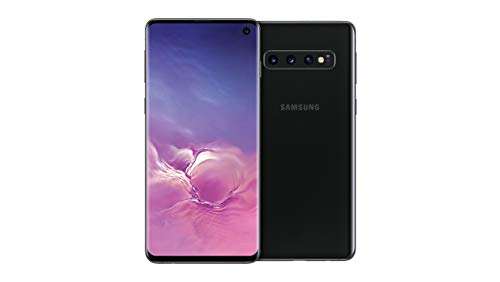
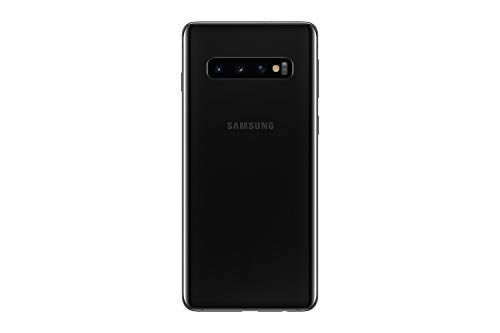
Samsung Galaxy S10 (8GB + 128GB) review. Compare 197 technical specifications and user reviews to see how this product ranks in the Smartphones category and whether it is worth buying.
Overall score
What it is: An overall evaluation of the smartphone's quality, based on technical analyses and user reviews.
When it matters: When you need a quick reference to identify the best smartphones on the market.
Score components:
90.0%
Technical Score
10.0%
User score
Technical Score
What it is: An assessment of the smartphone's technical performance, covering eight key areas: performance & hardware, software, camera, connectivity, display, battery, audio, and design.
When it matters: When you want to compare smartphones based on technical performance and available features.
Score components:
25.0%
Performance & Hardware
18.0%
Camera
15.0%
Display
15.0%
Battery
10.0%
Software
10.0%
Connectivity
4.0%
Audio
3.0%
Design
User score
What it is: A rating that combines user reviews and the total number of reviews received by the smartphone
When it matters: When you want to know how a smartphone handles daily tasks and how reliable it remains over time according to user feedback.
Score components:
70.0%
User reviews
30.0%
Popularity






Available: ranking among products currently available (including other versions of this product).
All: ranking among all products in the database.
#21 in Best Compact Smartphones
#26 in Best 6-Inch Smartphones
#36 in Best Smartphones Under £200
#57 in Best Samsung Phones
#73 in Best Smartphones Under £250
#130 in Best Camera Smartphones
#138 in Best Smartphones Under £300
#225 in Best Smartphones Under £400
#254 in Best Value Smartphones
#274 in Best Smartphones Under £500
#406 in Best Android Smartphones
#420 in Best NFC Smartphones
#438 in Best AI Smartphones
#439 in Best Smartphones
What it is: An assessment of the smartphone's technical performance, covering eight key areas: performance & hardware, software, camera, connectivity, display, battery, audio, and design.
When it matters: When you want to compare smartphones based on technical performance and available features.
Score components:
25.0%
Performance & Hardware
18.0%
Camera
15.0%
Display
15.0%
Battery
10.0%
Software
10.0%
Connectivity
4.0%
Audio
3.0%
Design
What it is: A rating that combines user reviews and the total number of reviews received by the smartphone
When it matters: When you want to know how a smartphone handles daily tasks and how reliable it remains over time according to user feedback.
Score components:
70.0%
User reviews
30.0%
Popularity
What it is: An indicator that combines the smartphone's overall rating with its cost.
When it matters: When you are looking for a smartphone with a good balance between quality and price.
Score components:
60.0%
Overall score
40.0%
Price
Importance: LOW
Importance: HIGH
Importance: HIGH
Good value: >12 GB
Importance: MEDIUM
Good value: >256 GB
Importance: MEDIUM
Good value: >3.2 GHz
Importance: LOW
Importance: MEDIUM
Good value: >1500
Importance: LOW
Good value: >4000
Importance: LOW
Good value: 8+
Importance: LOW
Importance: LOW
Good value: >950 MHz
Importance: LOW
Good value: >700
Importance: LOW
Good value: >1000
Importance: LOW
Good value: >2500
Importance: MEDIUM
Good value: >6000
Importance: LOW
Good value: >8000
Importance: MEDIUM
Good value: >12000
Importance: LOW
Good value: >5000
Importance: LOW
Good value: >1800
Importance: LOW
Good value: >3200 MHz
Importance: LOW
Good value: 5
Importance: LOW
Good value: > 50 GB/s
Importance: LOW
Good value: 4
Importance: LOW
Good value: >16 GB
Importance: MEDIUM
Good value: <6 nm
Importance: MEDIUM
Good value: >9 W
Importance: LOW
Importance: LOW
Good value: >8192 KB
Importance: LOW
Good value: >2048 KB
Importance: LOW
Good value: >512 KB
Importance: LOW
Good value: >100000 million
Importance: LOW
Good value: 3.3
Importance: LOW
Good value: 3.2
Importance: LOW
Good value: 2.0/3.0
Importance: LOW
Importance: LOW
Importance: LOW
Importance: MEDIUM
Importance: LOW
Importance: LOW
Importance: LOW
Importance: LOW
Importance: LOW
Importance: LOW
Importance: LOW
Importance: LOW
Importance: LOW
Importance: LOW
Importance: LOW
Importance: LOW
Importance: LOW
Importance: LOW
Importance: LOW
Importance: LOW
Importance: LOW
Importance: LOW
Importance: LOW
Importance: LOW
Importance: LOW
Importance: LOW
Importance: LOW
Importance: LOW
Importance: LOW
Importance: LOW
Importance: LOW
Importance: LOW
Importance: LOW
Importance: LOW
Importance: LOW
Importance: LOW
Importance: LOW
Importance: MEDIUM
Good value: >50 MP
Importance: MEDIUM
Importance: HIGH
Good value: >60
Importance: LOW
Good value: ≥1.2 µm
Importance: MEDIUM
Good value: >2.5x
Importance: MEDIUM
Importance: LOW
Importance: LOW
Importance: LOW
Importance: LOW
Good value: ≥2
Importance: LOW
Importance: LOW
Importance: LOW
Importance: LOW
Good value: >16 MP
Importance: LOW
Importance: LOW
Importance: LOW
Importance: LOW
Importance: MEDIUM
Importance: LOW
Importance: LOW
Importance: LOW
Importance: LOW
Importance: LOW
Importance: LOW
Importance: LOW
Importance: LOW
Importance: LOW
Importance: LOW
Importance: LOW
Importance: LOW
Importance: LOW
Importance: LOW
Importance: LOW
Importance: LOW
Importance: LOW
Importance: LOW
Importance: LOW
Importance: LOW
Importance: LOW
Good value: >130
Importance: LOW
Good value: >120
Importance: LOW
Good value: ≥2
Importance: LOW
Importance: LOW
Importance: LOW
Importance: LOW
Importance: LOW
Importance: LOW
Good value: >5.2
Importance: LOW
Importance: LOW
Importance: LOW
Importance: LOW
Good value: 3.1/3.2
Importance: LOW
Importance: LOW
Importance: LOW
Good value: ≥2
Importance: LOW
Importance: LOW
Importance: LOW
Importance: LOW
Importance: LOW
Importance: LOW
Importance: LOW
Importance: LOW
Importance: LOW
Importance: LOW
Importance: LOW
Importance: LOW
Importance: LOW
Importance: LOW
Importance: LOW
Importance: LOW
Good value: ≥6.6 inches
Importance: MEDIUM
Importance: LOW
Good value: >400 ppi
Importance: MEDIUM
Importance: MEDIUM
Good value: ≥120 Hz
Importance: LOW
Importance: LOW
Good value: >300 Hz
Importance: LOW
Good value: >800 nits
Importance: LOW
Good value: >1300 nits
Importance: LOW
Good value: >1000 nits
Importance: LOW
Importance: LOW
Importance: LOW
Importance: LOW
Importance: LOW
Importance: LOW
Importance: LOW
Importance: LOW
Importance: HIGH
Good value: >5000 mAh
Importance: MEDIUM
Good value: >60 W
Importance: LOW
Importance: LOW
Good value: <45 min
Importance: LOW
Importance: LOW
Good value: >40 W
Importance: LOW
Importance: LOW
Good value: >10 W
Importance: LOW
Importance: LOW
Importance: MEDIUM
Importance: LOW
Good value: >800
Importance: LOW
Importance: LOW
Importance: LOW
Importance: LOW
Importance: LOW
Good value: ≥3
Importance: LOW
Importance: LOW
Importance: LOW
Importance: LOW
Importance: LOW
Importance: LOW
Importance: LOW
Good value: <162 mm
Importance: LOW
Good value: <75 mm
Importance: LOW
Good value: <8 mm
Importance: LOW
Good value: <190 g
Importance: LOW
Good value: <98cm³
Importance: LOW
Importance: LOW
Importance: LOW
Importance: LOW
Importance: LOW
Importance: LOW
Good value: ≥1.5 m
Importance: LOW
Importance: LOW
Good value: >8
Importance: LOW
Importance: LOW
Importance: MEDIUM
Importance: LOW
Importance: MEDIUM
Importance: MEDIUM
Good value: >2.5x
Importance: LOW
Good value: ≥1.2 µm
Importance: LOW
Good value: >400 ppi
Importance: LOW
Importance: MEDIUM
Good value: >9 W
Importance: MEDIUM
Good value: ≥120 Hz
Importance: LOW
Importance: LOW
Good value: >950 MHz
Importance: HIGH
Good value: >5000 mAh
Importance: MEDIUM
Good value: >256 GB
Importance: MEDIUM
Importance: LOW
Good value: ≥6.6 inches
Importance: LOW
(Reviews last updated: August 2026)
The Samsung Galaxy S10 features a 6.1-inch Infinity-O Dynamic AMOLED display with class-leading brightness and HDR10+ support, but its ultrasonic in-display fingerprint sensor is noted as slower than traditional options. Pros include a versatile triple-lens rear camera setup with an ultra-wide lens and 4K video recording, alongside a powerful Snapdragon 855 or Exynos 9820 processor and Wireless PowerShare. Cons involve the ultra-wide lens lacking OIS, camera performance lagging in extreme low light compared to some rivals, and a 3,400mAh battery that may not last a full day under heavy use.
The Samsung Galaxy S10 earned a high rating in a Consumer Reports review for its 35.5-hour battery life, robust AMOLED display, and durable design that passed extensive testing. The device features a versatile triple rear camera system, useful extras like a 3.5mm headphone jack, and an embedded, though occasionally finicky, ultrasonic fingerprint scanner. Despite its strengths, the phone lacks 5G, is limited to a 60Hz screen, and has officially reached the end of its security software updates. Consumer Reports
In a review for The Wall Street Journal, Joanna Stern concludes the Galaxy S10 represents a refined, top-tier flagship with a sleek "hole-punch" display and innovative features like Wireless PowerShare. Key advantages include a versatile triple-camera system, robust performance from the Snapdragon 855 chip, and the retention of a 3.5mm headphone jack. However, drawbacks are noted, particularly the inconsistent, slow ultrasonic fingerprint scanner and accidental touches on the curved display edges. The
The GSMArena review characterizes the Samsung Galaxy S10 as a "sweet spot" flagship, featuring a 6.1-inch Dynamic AMOLED Infinity-O display with exceptional color accuracy and HDR10+ support. Pros include a high-performance chipset (Snapdragon 855 or Exynos 9820), a versatile triple-camera system, a lightweight design, and the retention of a 3.5mm headphone jack. Conversely, the review highlights notable cons, specifically citing inconsistent battery life from the 3,400mAh cell and a sometimes unreliable ultrasonic fingerprint sensor. Other disadvantages include relatively slow 15W wired charging and the absence of 5G capabilities found in higher-end models. Ultimately, the S10 is praised for balancing premium features in a manageable size, although it faces competition regarding endurance and charging speed.
CNET’s review positions the 2019 Samsung Galaxy S10 as a compelling, value-driven choice over newer models, highlighting its excellent 6.1-inch Dynamic AMOLED screen and capable performance for modern tasks. Key advantages include a versatile triple-rear camera system, functional Wireless PowerShare for charging accessories, and the retention of legacy features like a headphone jack and microSD card slot. However, the device lacks 5G support, features a less-than-accurate ultrasonic fingerprint reader, and offers shorter battery life compared to the larger S10 Plus. CNET
In a 2019 review, The Verge compared the Samsung Galaxy S10 and Google Pixel 3, noting that while the S10 has superior hardware like a headphone jack and a more powerful processor, its in-display fingerprint sensor is slower than the Pixel 3's. The S10 features a versatile triple-lens camera system with an ultra-wide lens, but the Pixel 3 excels in still image quality, especially in low light with Night Sight, producing more detailed and realistic photos despite having only a single lens. The Pixel 3 offers a cleaner Android experience with faster software updates, while the S10's One UI is more feature-rich but may experience update delays, making the choice dependent on whether hardware/features or camera/software longevity are prioritized.
In their long-term review of the Samsung Galaxy S10, Hardware Canucks highlights the device's exceptional build quality, premium "fit and finish," and the compact, ergonomic 6.1-inch Dynamic AMOLED display. Key advantages noted include the inclusion of a headphone jack, expandable storage, and the versatile triple-camera system. Furthermore, the Snapdragon 855 processor maintains snappy performance for gaming and multitasking, while Wireless PowerShare provides a useful tool for charging other devices. However, the review identifies significant cons, particularly criticizing the in-display ultrasonic fingerprint scanner for being slow and unreliable. Software frustrations remain, with the One UI feeling cluttered and the dedicated Bixby button causing continued annoyance. Finally, the battery life is deemed only "decent," serving as a potential drawback for heavy users compared to newer competitors.
According to a March 2019 review, Business Insider described the Samsung Galaxy S10 as a significant overhaul and "master class" in premium design, highlighting its "Infinity-O" display and narrow bezels. Pros included a versatile ultra-wide camera, "Wireless PowerShare," the headphone jack, microSD slot, and the "hole-punch" selfie camera. Cons noted were an unreliable ultrasonic in-display fingerprint sensor, the S10 Plus's depth-only second front lens, a high power button placement, and a "cheap-feeling" 15W charger.
New Atlas describes the Samsung Galaxy S10 as a "flagship phone worthy of the title," highlighting its gorgeous Super AMOLED display, powerful performance with Snapdragon 855 or Exynos 9820 processors, and a versatile triple-lens rear camera with 2x optical zoom. Pros also include a headphone jack, IP68 waterproofing, and innovative reversible wireless charging. Cons include a high price, a design perceived as too familiar, Samsung's One UI software being slightly less preferred than competitors, and battery life that can drain quickly with heavy use, especially when using the slow reversible charging feature. New Atlas
According to a 2019 Forbes review, the Samsung Galaxy S10 is a strong contender, particularly in markets without significant competition from Chinese brands. It features a sleek design, vibrant Dynamic AMOLED display, powerful performance, and improved battery life, though it lacks industry-leading endurance and a dedicated night mode for the camera. While praised for its 4K video and wide-angle lens, the camera system exhibits barrel distortion, and the in-display fingerprint sensor was found to be slower in daily use compared to previous models.
The Samsung Galaxy S10 is described as a "sweet spot" flagship with a high-quality build, a 6.1-inch Dynamic AMOLED display praised for its brightness and resolution, and features like a headphone jack and microSD slot. It offers strong performance with the Snapdragon 855 processor and a versatile triple-rear camera system including an ultra-wide-angle lens, plus innovative Wireless PowerShare. Drawbacks include an inconsistent in-display fingerprint sensor, battery life that lags behind the S10+ and rivals, and low-light camera performance that doesn't significantly improve over previous models or match competitors like the Google Pixel.
The Samsung Galaxy S10 offers a high-end experience featuring a 6.1-inch Dynamic AMOLED display, versatile triple-lens camera, and the inclusion of a headphone jack and microSD slot. While the Exynos 9820/Snapdragon 855 processor remains capable for daily tasks, the 3,400mAh battery delivers limited, roughly 25-hour, battery life with slow charging speeds. Pros include its premium, compact design and excellent display, while cons are centered on the lack of 5G, weak battery, and limited future software support.
The Inside-Digital review praises the Samsung Galaxy S10 as a "design masterpiece" featuring a nearly borderless Dynamic AMOLED display with a subtle hole-punch camera, providing an exceptional, high-quality viewing experience. Performance is driven by a versatile triple-camera system, while the device retains user-friendly features like a 3.5mm headphone jack, microSD expansion, and innovative Wireless PowerShare. However, the review notes drawbacks, including an inconsistent ultrasonic fingerprint sensor, average battery life, and a 60Hz screen refresh rate, ultimately concluding it is a strong, compact "all-rounder" despite these limitations.
The Samsung Galaxy S10 review on GIGA.de highlights a balanced flagship featuring a vibrant 6.1-inch "Infinity-O" Dynamic AMOLED display and, notably, a 3.5mm headphone jack alongside expandable storage. The device offers strong performance via its processor, but its battery life is deemed only acceptable and the ultrasonic fingerprint scanner is described as less reliable than traditional sensors. While praised for its versatile triple-camera system, the S10 struggles with low-light photography compared to competitors.
The Samsung Galaxy S10 features a 6.1-inch Dynamic AMOLED Infinity-O display, a versatile triple-lens camera system, and the Snapdragon 855 or Exynos 9820 processor with 8GB of RAM. Key advantages include its high-quality, durable design, the retention of a headphone jack and microSD slot, and the useful Wireless PowerShare feature. Conversely, the device suffers from average battery life, inconsistent in-display fingerprint scanning, and a, high initial price point. Camera performance, while excellent in daylight, lags behind competitors in low-light, and the slippery, curved glass design can lead to accidental touches. As a 2019 flagship, the S10 has reached the end of its official software support, making it less viable for long-term use.
The Samsung Galaxy S10 is recognized for its high-end, 6.1-inch Dynamic AMOLED display, offering excellent resolution, color accuracy, and a blue-light filter for reduced eye strain. A major pro highlighted in the review is the versatile triple-lens camera system, particularly the ultra-wide-angle lens for capturing expansive scenes. Additionally, the device excels in video capabilities, delivering high-quality 4K recording with strong image stabilization and audio. Despite its strengths, the phone presents a notable, if sometimes divisive, feature in its Infinity-O display with a "hole-punch" camera, which may not appeal to all users. While not explicitly categorized as a negative in the review, the report highlights that the 3,400 mAh battery can struggle under heavy use. The review implies a balanced, premium experience that necessitates considering the battery capacity for power users.
Frandroid’s review describes the Samsung Galaxy S10 as a well-balanced, high-performance flagship featuring a stellar 6.1-inch QHD+ AMOLED "Infinity-O" display, a premium design, and the return of the 3.5mm headphone jack. Key benefits include top-tier performance from the Exynos 9820/8GB RAM configuration and a versatile triple-camera system, though the phone is hampered by uncomfortable curved screen edges causing accidental touches and a fragile back panel. While One UI and Wireless PowerShare are praised, the device falls short with a disappointing under-display fingerprint sensor, poor low-light camera performance, and battery life that often fails to last a full day.
According to Les Numériques, the Samsung Galaxy S10 is a highly refined flagship featuring a premium, ergonomic design with an "irreproachable" finish. The device includes a standout Dynamic AMOLED display with a hole-punch design, alongside practical,, rare features like a 3.5mm headphone jack and microSD slot. Performance is consistently smooth, supported by a versatile triple-camera system. Les Numé Key drawbacks identified include disappointing, sub-par battery life, the lack of a telephoto lens compared to the larger Plus model, and a sometimes finicky ultrasonic in-display fingerprint sensor. Additionally, while Wireless PowerShare is included, its low efficiency limits practical use. Overall, the Galaxy S10 represents a balanced, high-end experience, though prospective buyers should consider the, at times, inconsistent, subpar battery performance. Les Numé
The Android-MT review concludes the Samsung Galaxy S10 is a near-perfect flagship, praised for its premium, lightweight design and a superior Dynamic AMOLED display with extreme brightness. Performance is driven by the capable Exynos 9820, while the versatile triple-lens camera and retained features like the headphone jack and microSD slot stand out as major pros. However, the review identifies the relatively slow charging speeds as a primary con, describing the 3,400 mAh battery life as only acceptable, alongside minor issues with the ultrasonic fingerprint sensor and pre-installed software.
The 01net review highlights the Samsung Galaxy S10 as a long-awaited, high-performance flagship featuring an immersive, nearly borderless Dynamic AMOLED display and powerful Exynos 9820 processor. Key strengths include a versatile, high-quality triple-camera system, the inclusion of a 3.5mm headphone jack, and practical features like expandable storage and Wireless PowerShare. However, the device is criticized for mediocre battery life under heavy use, slow reverse wireless charging, a less-than-perfect in-screen fingerprint sensor, and a high starting price of €909.
L'Eclaireur Fnac’s technical lab review praises the Samsung Galaxy S10 for its exceptional "Infinity-O" Dynamic AMOLED display, high-end performance, and premium, ergonomic build quality. The triple-lens camera system offers great versatility, while standout features include reliable 4G connectivity and the retention of the headphone jack. However, the analysis notes an inconsistent, slow ultrasonic in-display fingerprint sensor and only average battery life. Additionally, the curved screen may lead to accidental touches, and the software is no longer officially supported.
The Samsung Galaxy S10 is a high-end, "mature" flagship praised for its 6.1-inch Dynamic AMOLED Infinity-O display, excellent build quality, and retention of features like the 3.5mm headphone jack and microSD slot. Performance is driven by the Snapdragon 855/Exynos 9820 chipset with 8GB of RAM, while the versatile triple-lens camera, ultrasonic fingerprint sensor, and Wireless PowerShare are highlighted as major pros. However, the device has significant cons, including a mediocre 3,400 mAh battery, slow 15W charging, and accidental touches caused by the curved screen.
The Tom’s Guide France review positions the Samsung Galaxy S10 as a highly versatile, top-tier flagship featuring an innovative hole-punch Infinity-O display and a high-quality triple-camera system. Powered by an Exynos 9820 processor with 8GB of RAM, the device delivers a smooth experience, while retaining convenient features like a headphone jack and adding Wireless PowerShare. While the display is lauded for its brightness and color accuracy, the review notes that battery life is merely acceptable, often requiring a charge before the end of a long day. Additionally, the ultrasonic fingerprint scanner can be less consistent than traditional sensors, and the camera, although excellent, sometimes falls short of rivals in low-light performance. Ultimately, the S10 is recommended for its refined design and comprehensive, albeit occasionally inconsistent, feature set.
The Bouygues Telecom review identifies the Samsung Galaxy S10 as a high-end, compact device featuring an impressive 6.1-inch Dynamic AMOLED "Infinity-O" display that minimizes bezels and notch intrusion. Its lightweight design and powerful performance, driven by the Exynos 9820, are highlighted as key strengths alongside a versatile triple-lens camera system. Notable functional features include the retention of the headphone jack and expandable microSD storage. However, the analysis indicates significant drawbacks, particularly regarding battery life, which often fails to last a full day under heavy usage. Additionally, the ultrasonic fingerprint scanner is noted for being less consistent than traditional sensors, and the curved screen edges can lead to accidental inputs.
The CNET France review highlights the Samsung Galaxy S10 as a masterfully crafted 10th-anniversary flagship, balancing high-end features with a manageable 6.1-inch Dynamic AMOLED display. Key pros include the sharp, vibrant display, excellent performance via the Exynos 9820/Snapdragon 855 chipset, and a versatile triple-lens camera, though low-light performance lags behind competitors like the Pixel 3. The device features a convenient, compact form factor, retains the headphone jack, and offers extras like Wireless PowerShare, with the main drawbacks being inconsistent in-screen fingerprint sensor accuracy and moderate battery life.
The Samsung Galaxy S10 features a premium, lightweight design highlighted by a 6.1-inch Dynamic AMOLED Infinity-O display with a punch-hole camera, earning praise for its top-tier brightness and visual quality. A major, though occasionally inconsistent, feature is the ultrasonic fingerprint sensor embedded under the screen, which adds to the device's modern aesthetic. Performance is driven by the Exynos 9820 or Snapdragon 855 processors, delivering a smooth experience for gaming and multitasking. Key advantages include a versatile triple-camera system that excels in daylight and the retention of the 3.5mm headphone jack alongside innovative Wireless PowerShare. However, the review identifies limitations, most notably in battery life, which requires management during heavy usage. Further drawbacks include a high-placed power button, a polarizing, albeit remappable, Bixby button, and low-light camera performance that trails some competitors.
Phonandroid’s review of the Samsung Galaxy S10 highlights a masterful balance between premium design and cutting-edge performance, praising the 6.1-inch Dynamic AMOLED display and a versatile triple-lens camera system. The device is noted for its high-quality build, the inclusion of a 3.5mm headphone jack, and an ultrasonic in-display fingerprint scanner. Key pros include the stunning display and compact, comfortable form factor. Conversely, the review identifies significant drawbacks, most notably the disappointing 3,400mAh battery life, which often struggles to last a full day. The experience is further dampened by relatively slow 15W wired charging and a fingerprint sensor that can be inconsistent. Additionally, the curved screen edges led to some accidental touches, and the high launch price made it a steep investment. In summary, the Galaxy S10 is considered an "all-round great phone" for users prioritizing screen quality and design over top-tier battery endurance. It is characterized as a solid, compact 2019 flagship that effectively hits the sweet spot for performance.
The Samsung Galaxy S10+ marks a significant design evolution, featuring a Dynamic AMOLED panel with an Infinity-O cutout that delivers exceptional brightness and color accuracy. Pros include high-end performance, an versatile triple-lens camera system with a new ultra-wide angle, and a 4,100 mAh battery that easily lasts a full day. However, the review identifies, the ultrasonic in-display fingerprint sensor is less consistent than traditional methods, and the high placement of the power button can hinder ergonomics. Additionally, while cameras are excellent in daylight, low-light performance slightly trails behind key competitors, and Wireless PowerShare is included for convenient accessory charging. Ultimately, the S10+ is framed as a top-tier, refined flagship that offers substantial improvements, though it is not without minor functional drawbacks.
The Samsung Galaxy S10 is hailed as a mature, compact flagship featuring an exceptional Dynamic AMOLED display and an ergonomic, one-handed design, though the ultrasonic fingerprint sensor can occasionally lag. It excels in multimedia with a versatile triple-camera system, robust AKG-tuned stereo speakers, and the inclusion of a 3.5mm headphone jack. While performance is fluid, the review identifies mediocre battery life and 2D facial recognition as primary drawbacks, making it a polished device with limited endurance.
The TechRadar review describes the Samsung Galaxy S10 as a fitting 10th-anniversary device, highlighting its 6.1-inch Dynamic AMOLED "Infinity-O" display, versatile triple-lens camera, and fast Wireless PowerShare. Key pros include a premium design, excellent screen-to-body ratio, and the inclusion of cutting-edge features like Wi-Fi 6 and HDR10+ recording. However, the review points to significant cons, notably a high price point, mediocre battery life, and an inconsistent in-screen fingerprint sensor. The device is criticized for being caught between the better value of the S10e and the superior battery of the S10 Plus. While praising the camera's versatility, TechRadar notes the ultra-wide lens lacks OIS, resulting in occasional sharpness issues and distortion. Ultimately, the S10 is a formidable but flawed flagship, with battery performance labeled as a main disappointment compared to competitors.
The Samsung Galaxy S10 is recognized for its exceptional 6.1-inch Dynamic AMOLED Infinity-O display and high-quality stereo speakers, providing a superior multimedia experience. Performance is driven by a fast processor, 8GB of RAM, and a versatile triple-lens camera system, alongside premium features like an IP68-rated build and Wireless PowerShare. While praised, the review highlights drawbacks including a high launch price, a very slippery glass body, and a 3,400mAh battery that may not last a full day under heavy use.
The Samsung Galaxy S10 is characterized as a "steady evolution" offering premium build quality and an ideal, compact form factor, featuring a top-tier Dynamic AMOLED display. Key pros include the retention of a 3.5mm headphone jack, excellent performance on high settings, and versatile triple-camera capabilities, although the power button placement is considered ergonomically flawed. Despite these strengths, the review notes significant cons, specifically an underwhelming battery life that struggles to last a full day, along with an inconsistent in-display fingerprint scanner.
Vanity Fair Italia’s March 2019 review praises the Samsung Galaxy S10 as a compact "technological masterpiece" featuring a brilliant Infinity-O Dynamic AMOLED display and a versatile triple-lens camera. The device, featuring a 3.5mm headphone jack and user-friendly One UI, allows for reverse charging via Wireless PowerShare. However, the review notes the in-display fingerprint sensor is less intuitive, and the high price point and average battery life are drawbacks.
The TuttoAndroid review describes the Samsung Galaxy S10 as a well-balanced "no-compromise" flagship. Key pros include the stunning 6.1-inch Dynamic AMOLED display, a versatile triple camera system, retained features like the 3.5mm headphone jack, and solid performance via the Exynos 9820. However, reported cons include an inconsistent ultrasonic fingerprint scanner and a battery that is merely adequate under heavy use.
The SmartWorld review identifies the as a highly balanced, ergonomic flagship -inch Dynamic AMOLED display with a subtle hole-punch cutout. Pros include exceptional screen quality, a versatile triple-camera system, and the mm headphone jack and microSD card support. YouTube +3While the device offers high-end performance, the review notes some limitations, specifically that the ultrasonic fingerprint sensor can occasionally be inconsistent. The camera system, despite being very capable, is described as trailing top competitors in low-light scenarios. YouTube +1The primary, mAh battery, which struggles to last a full day under heavy usage and is further taxed by the Wireless PowerShare feature. Additionally, the phone is W charging, marking battery life and charging speed as its main compromises. www.backmarket.com +4
The Samsung Galaxy S10 128GB features a 6.1-inch Dynamic AMOLED display, praised for high brightness and an attractive Prism White finish. Powered by the Snapdragon 855 or Exynos 9820, it offers strong performance with 8GB of RAM, while incorporating a 3.5mm headphone jack and expandable storage. Key, albeit sometimes inconsistent, features include an ultrasonic in-display fingerprint sensor and Wireless PowerShare. The triple-lens camera system excels in daylight photography, though it falls behind competitors in low-light conditions. A primary drawback is the 3,400mAh battery, which frequently struggles to last a full day under heavy usage, coupled with relatively slow 15W charging. Overall, the S10 is a premium, compact device, with top pros including the display, performance, and legacy features, while cons center on mediocre battery life and camera limitations. For a comprehensive overview, read the review at The Guardian.
In a June 2020 re-evaluation, Android Planet concludes that the Samsung Galaxy S10 remains a strong, premium purchase due to its improved price-to-quality ratio, high-resolution AMOLED display, and fast Exynos 9820 processor. While the triple-camera system still delivers sharp, natural photos, the telephoto and ultra-wide lenses are considered outdated compared to newer 2020 competitors. Significant drawbacks include average battery life that struggles with heavy use and slow 15W charging, alongside stiff competition from the cheaper Galaxy S10 Lite. The device receives praise for its functional One UI 2.1 software, durable design, and continued support for updates. Android Planet
The Samsung Galaxy S10e serves as a compact 5.8-inch, high-performance alternative in the S10 series, featuring a flat display and the same top-tier processor as the S10/S10+. Its main pros include exceptional ergonomics, a fast side-mounted fingerprint sensor, and robust features like IP68 water resistance and Wireless PowerShare. Significant cons include a 3,100 mAh battery that offers limited, one-day-only endurance, and the lack of a dedicated telephoto lens for optical zoom. Additionally, the screen is limited to 1080p resolution rather than the QHD+ found on larger models, and it lacks the advanced in-display fingerprint tech of the S10/S10+. Despite these compromises, the S10e is considered a strong, accessible flagship, particularly for users preferring smaller devices. The consensus is that the phone successfully delivers essential high-end functionality in a more manageable form factor.
The AD.nl review, collaborating with Tweakers, identifies the Samsung Galaxy S10 series as a significant leap forward, praising its "Infinity-O" display design and vibrant Dynamic AMOLED screen. Key advantages include top-tier performance from the Snapdragon 855/Exynos 9820 processors and the introduction of the versatile triple-lens camera system on the S10 and S10+ models. AD.nlThe shift to One UI makes navigating the large display more intuitive, while features like Wireless PowerShare add functional utility. However, the 3,400 mAh battery on the standard S10 is considered just acceptable, often requiring mid-day charging. Drawbacks also include the slightly inconsistent performance of the ultrasonic fingerprint scanner and the removal of the dedicated iris scanner. Overall, the series is positioned as a powerful, albeit compromised, flagship for its time.
The Samsung Galaxy S10 features a top-tier AMOLED display, exceptional build quality with IP68 water resistance, and versatile cameras including an ultra-wide lens. Key advantages include stereo speakers and the "hole-punch" design, while notable drawbacks include a high-placed power button, a fragile glass back, and mediocre battery life. Performance is swift, yet the in-display fingerprint scanner and camera, while good, did not always lead the market, leading to an 8.5/10 rating for this powerful, though pricey, device.
The Samsung Galaxy S10 is characterized by a luxurious build, featuring a stunning Dynamic AMOLED display and a versatile triple-camera system. Key advantages include a refined One UI experience, the inclusion of a 3.5mm headphone jack, and microSD expansion, catering to users seeking a balanced, modern flagship. The in-display ultrasonic fingerprint sensor offers modern, convenient security, although it is slower than traditional, older capacitive sensors. Performance remains solid, but notable drawbacks include a disappointing, average-capacity battery and the removal of the notification LED and pressure-sensitive virtual Home button. As a transitional device, the S10 offers a lightweight design, Wireless PowerShare, and IP68 water resistance. While it faces competition from rivals with faster charging speeds and, in the long term, the end of software support, it remains a highly functional, compact, and feature-packed smartphone.

Compare