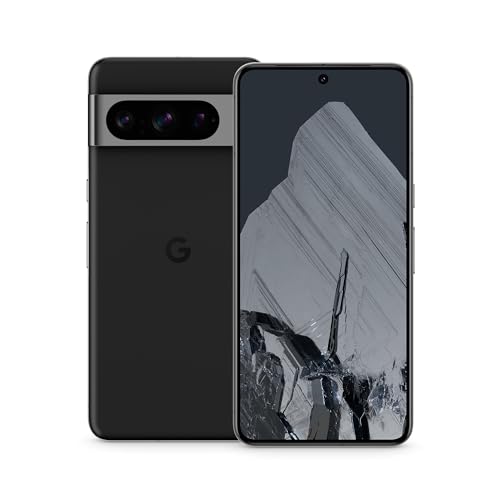
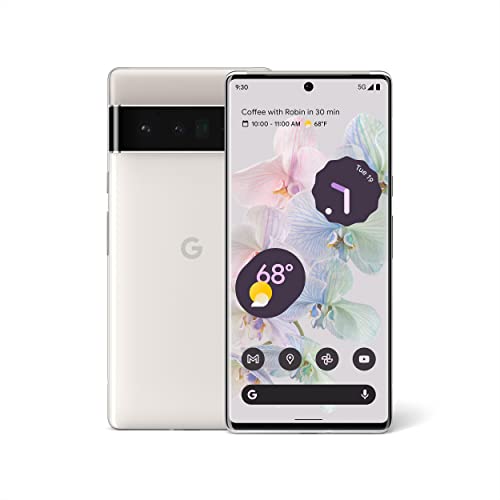
Google Pixel 6 Pro (12GB + 128GB) review. Compare 197 technical specifications and user reviews to see how this product ranks in the Smartphones category and whether it is worth buying.
Overall score
What it is: An overall evaluation of the smartphone's quality, based on technical analyses and user reviews.
When it matters: When you need a quick reference to identify the best smartphones on the market.
Score components:
90.0%
Technical Score
10.0%
User score
Technical Score
What it is: An assessment of the smartphone's technical performance, covering eight key areas: performance & hardware, software, camera, connectivity, display, battery, audio, and design.
When it matters: When you want to compare smartphones based on technical performance and available features.
Score components:
25.0%
Performance & Hardware
18.0%
Camera
15.0%
Display
15.0%
Battery
10.0%
Software
10.0%
Connectivity
4.0%
Audio
3.0%
Design
User score
What it is: A rating that combines user reviews and the total number of reviews received by the smartphone
When it matters: When you want to know how a smartphone handles daily tasks and how reliable it remains over time according to user feedback.
Score components:
70.0%
User reviews
30.0%
Popularity





Available: ranking among products currently available (including other versions of this product).
All: ranking among all products in the database.
#15 in Best Google Phones
#52 in Best Camera Smartphones
#179 in Best Large-Screen Smartphones
#183 in Best Android Smartphones
#198 in Best NFC Smartphones
#201 in Best 5G Smartphones
#203 in Best Smartphones
#203 in Best AI Smartphones
#479 in Best Battery Life Smartphones
#773 in Best Value Smartphones
What it is: An assessment of the smartphone's technical performance, covering eight key areas: performance & hardware, software, camera, connectivity, display, battery, audio, and design.
When it matters: When you want to compare smartphones based on technical performance and available features.
Score components:
25.0%
Performance & Hardware
18.0%
Camera
15.0%
Display
15.0%
Battery
10.0%
Software
10.0%
Connectivity
4.0%
Audio
3.0%
Design
What it is: A rating that combines user reviews and the total number of reviews received by the smartphone
When it matters: When you want to know how a smartphone handles daily tasks and how reliable it remains over time according to user feedback.
Score components:
70.0%
User reviews
30.0%
Popularity
What it is: An indicator that combines the smartphone's overall rating with its cost.
When it matters: When you are looking for a smartphone with a good balance between quality and price.
Score components:
60.0%
Overall score
40.0%
Price
Importance: LOW
Importance: HIGH
Importance: HIGH
Good value: >12 GB
Importance: MEDIUM
Good value: >256 GB
Importance: MEDIUM
Good value: >3.2 GHz
Importance: LOW
Importance: MEDIUM
Good value: >1500
Importance: LOW
Good value: >4000
Importance: LOW
Good value: 8+
Importance: LOW
Importance: LOW
Good value: >950 MHz
Importance: LOW
Good value: >700
Importance: LOW
Good value: >1000
Importance: LOW
Good value: >2500
Importance: MEDIUM
Good value: >6000
Importance: LOW
Good value: >8000
Importance: MEDIUM
Good value: >12000
Importance: LOW
Good value: >5000
Importance: LOW
Good value: >1800
Importance: LOW
Good value: >3200 MHz
Importance: LOW
Good value: 5
Importance: LOW
Good value: > 50 GB/s
Importance: LOW
Good value: 4
Importance: LOW
Good value: >16 GB
Importance: MEDIUM
Good value: <6 nm
Importance: MEDIUM
Good value: >9 W
Importance: LOW
Importance: LOW
Good value: >8192 KB
Importance: LOW
Good value: >2048 KB
Importance: LOW
Good value: >512 KB
Importance: LOW
Good value: >100000 million
Importance: LOW
Good value: 3.3
Importance: LOW
Good value: 3.2
Importance: LOW
Good value: 2.0/3.0
Importance: LOW
Importance: LOW
Importance: LOW
Importance: MEDIUM
Importance: LOW
Importance: LOW
Importance: LOW
Importance: LOW
Importance: LOW
Importance: LOW
Importance: LOW
Importance: LOW
Importance: LOW
Importance: LOW
Importance: LOW
Importance: LOW
Importance: LOW
Importance: LOW
Importance: LOW
Importance: LOW
Importance: LOW
Importance: LOW
Importance: LOW
Importance: LOW
Importance: LOW
Importance: LOW
Importance: LOW
Importance: LOW
Importance: LOW
Importance: LOW
Importance: LOW
Importance: LOW
Importance: LOW
Importance: LOW
Importance: LOW
Importance: LOW
Importance: LOW
Importance: MEDIUM
Good value: >50 MP
Importance: MEDIUM
Importance: HIGH
Good value: >60
Importance: LOW
Good value: ≥1.2 µm
Importance: MEDIUM
Good value: >2.5x
Importance: MEDIUM
Importance: LOW
Importance: LOW
Importance: LOW
Importance: LOW
Good value: ≥2
Importance: LOW
Importance: LOW
Importance: LOW
Importance: LOW
Good value: >16 MP
Importance: LOW
Importance: LOW
Importance: LOW
Importance: LOW
Importance: MEDIUM
Importance: LOW
Importance: LOW
Importance: LOW
Importance: LOW
Importance: LOW
Importance: LOW
Importance: LOW
Importance: LOW
Importance: LOW
Importance: LOW
Importance: LOW
Importance: LOW
Importance: LOW
Importance: LOW
Importance: LOW
Importance: LOW
Importance: LOW
Importance: LOW
Importance: LOW
Importance: LOW
Importance: LOW
Good value: >130
Importance: LOW
Good value: >120
Importance: LOW
Good value: ≥2
Importance: LOW
Importance: LOW
Importance: LOW
Importance: LOW
Importance: LOW
Importance: LOW
Good value: >5.2
Importance: LOW
Importance: LOW
Importance: LOW
Importance: LOW
Good value: 3.1/3.2
Importance: LOW
Importance: LOW
Importance: LOW
Good value: ≥2
Importance: LOW
Importance: LOW
Importance: LOW
Importance: LOW
Importance: LOW
Importance: LOW
Importance: LOW
Importance: LOW
Importance: LOW
Importance: LOW
Importance: LOW
Importance: LOW
Importance: LOW
Importance: LOW
Importance: LOW
Importance: LOW
Good value: ≥6.6 inches
Importance: MEDIUM
Importance: LOW
Good value: >400 ppi
Importance: MEDIUM
Importance: MEDIUM
Good value: ≥120 Hz
Importance: LOW
Importance: LOW
Good value: >300 Hz
Importance: LOW
Good value: >800 nits
Importance: LOW
Good value: >1300 nits
Importance: LOW
Good value: >1000 nits
Importance: LOW
Importance: LOW
Importance: LOW
Importance: LOW
Importance: LOW
Importance: LOW
Importance: LOW
Importance: LOW
Importance: HIGH
Good value: >5000 mAh
Importance: MEDIUM
Good value: >60 W
Importance: LOW
Importance: LOW
Good value: <45 min
Importance: LOW
Importance: LOW
Good value: >40 W
Importance: LOW
Importance: LOW
Good value: >10 W
Importance: LOW
Importance: LOW
Importance: MEDIUM
Importance: LOW
Good value: >800
Importance: LOW
Importance: LOW
Importance: LOW
Importance: LOW
Importance: LOW
Good value: ≥3
Importance: LOW
Importance: LOW
Importance: LOW
Importance: LOW
Importance: LOW
Importance: LOW
Importance: LOW
Good value: <162 mm
Importance: LOW
Good value: <75 mm
Importance: LOW
Good value: <8 mm
Importance: LOW
Good value: <190 g
Importance: LOW
Good value: <98cm³
Importance: LOW
Importance: LOW
Importance: LOW
Importance: LOW
Importance: LOW
Importance: LOW
Good value: ≥1.5 m
Importance: LOW
Importance: LOW
Good value: >8
Importance: LOW
Importance: LOW
Importance: MEDIUM
Good value: >2.5x
Importance: HIGH
Good value: >60
Importance: MEDIUM
Importance: LOW
Importance: MEDIUM
Importance: LOW
Importance: LOW
Good value: >400 ppi
Importance: LOW
Good value: ≥1.2 µm
Importance: MEDIUM
Importance: MEDIUM
Good value: >256 GB
Importance: LOW
Importance: LOW
Importance: MEDIUM
Importance: LOW
Good value: <45 min
Importance: LOW
Importance: LOW
(Reviews last updated: August 2026)
(Reviews last updated: August 2026)
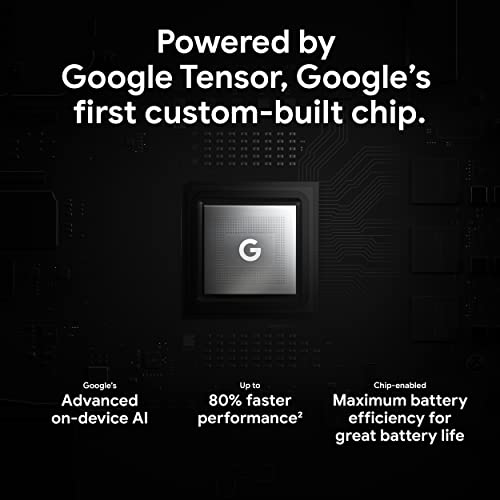
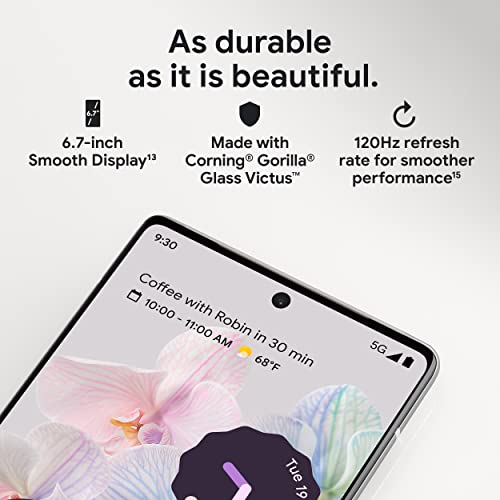
The Google Pixel 6 Pro is identified by PopSci as a true flagship device, powered by the custom Tensor chip, which prioritizes AI-driven efficiency over raw speed for features like on-device Live Translate and 4K 60fps video. Key advantages include its advanced camera system, boasting a 48MP periscope telephoto lens, along with AI tools like Magic Eraser and enhanced low-light performance. Conversely, drawbacks include aggressive image sharpening and a slower f/3.5 aperture on the telephoto lens, coupled with a sometimes distracting, overly bright in-display fingerprint sensor. Despite minor display-related gripes, the 6.7-inch, 120Hz OLED, $899-starting device is praised for delivering premium performance that challenges higher-priced competitors.
PetaPixel’s review positions the Google Pixel 6 Pro as a strong return to the flagship market, driven by its 50MP main sensor and the debut of the custom Tensor chip. Featuring a 6.7-inch 120Hz AMOLED display and 12GB of RAM, the device is lauded for its premium design, superior dynamic range, and accurate skin tones. Key advantages include a top-tier 4x optical zoom, innovative AI features like Magic Eraser, and excellent haptic feedback. Conversely, the device faces drawbacks, including a slow, unreliable optical in-display fingerprint sensor and the absence of face unlock. The curved screen is noted as a potential source of accidental touches, and the overall charging speeds are considered relatively slow. Additionally, while improved, video performance and the narrower field of view on the ultrawide camera are considered minor shortcomings compared to industry leaders.
Mashable’s review rates the Google Pixel 6 Pro 4.75/5, hailing it as a premium, AI-driven flagship with a standout 5,003mAh battery and a gorgeous design. The device features a highly capable camera system with a 4x optical zoom and impressive low-light performance, along with useful AI-powered tools like Magic Eraser and Live Translation. While the phone delivers exceptional value, it is not without flaws; the in-display fingerprint sensor is noted to be finicky, and the Magic Eraser tool can occasionally leave behind artifacts.
The Droid Life review positions the Google Pixel 6 Pro as a "no-compromise" flagship, offering premium features like a 120Hz QHD+ display and the Google Tensor chip for a competitive $899, making it a top contender against Samsung and Apple. The camera system, featuring a 50MP main sensor and 4x optical zoom, is considered "best in the business," complemented by fast performance, Magic Eraser tools, and excellent haptics. Conversely, the review cites the slow, unreliable in-display fingerprint reader as a major "nuisance," alongside inconsistent battery life, disappointing 22W charging speeds, and unnecessary curved display edges.
The Google Pixel 6 Pro is described as a significant flagship device with a competitive price, featuring a powerful Google Tensor chipset for AI features like Magic Eraser and real-time translation, a 120Hz LTPO OLED display, and high-quality haptic motors. Its camera system, including a new 50MP main sensor and a 48MP telephoto lens with 4x optical zoom, represents a major upgrade, placing it alongside top competitors, complemented by a distinctive design and the refined Android 12 with Material You customization. Critiques include a slow and inaccurate in-display fingerprint scanner, mediocre battery life, relatively slow 23W wired charging, and the device's tendency to overheat during intensive use.
IGN awarded the Google Pixel 6 Pro a 10/10 rating, praising its bold design, 6.7-inch LTPO OLED display, and first-in-house Tensor chip which powers strong machine learning capabilities and gaming performance. Pros include a 50MP main camera capturing significantly more light and excellent battery life, while cons mention that high-end features like the 120Hz display and certain camera modes need refinement, the absence of a charging brick, and the phone's large size.
The Google Pixel 6 Pro is presented as the flagship device Google required, featuring a new design with a distinct camera bar and a large 6.7-inch QHD+ OLED 120Hz display. Key strengths include Google's custom Tensor chip enabling advanced AI features like accurate voice typing and faster image processing, alongside a powerful camera system with a 50MP main sensor, 48MP telephoto lens, and software tools like Magic Eraser and Real Tone. However, the review notes drawbacks such as a slow optical fingerprint sensor, slower-than-advertised 23W charging speeds for the 5,000mAh battery, the device's substantial size, and initial Android 12 bugs.
The Google Pixel 6 Pro introduces a new design with a "camera bar," a 6.7-inch QHD+ 120Hz display, and the Tensor chipset. Its strengths include an upgraded camera system with AI features like Magic Eraser, while the Tensor chip provides unique software perks despite slightly lower raw benchmarks compared to rivals. However, the under-display fingerprint sensor is criticized for being slow, and battery life and charging speeds lag behind competitors.
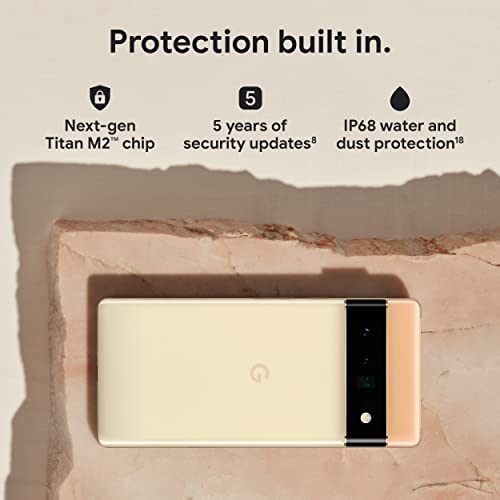
The Google Pixel 6 Pro is described as Google's most ambitious smartphone, earning an Editors' Choice award from PCMag. Pros include incredible battery life, excellent durability with IP68 rating and Gorilla Glass Victus, and solid connectivity, while cons mention finicky camera features like Action Pan and Long Exposure, and unimpressive images at maximum 20x Super Res Zoom.
The Google Pixel 6 Pro is described as a high-value flagship phone with a powerful triple-camera system, innovative AI features powered by the Tensor chip, and a distinctive design with a 6.71-inch 120Hz display. While it excels in photography with features like Magic Eraser and Motion Mode and performs well in specific AI tasks, it has significant drawbacks including disappointing battery life, a slow fingerprint sensor, and slow 23W wired charging speeds compared to competitors.
The CNET review highlights the Pixel 6 Pro as a top-tier Android flagship, offering competitive high-end performance for $899, significantly undercutting rivals like the iPhone 13 Pro. Key strengths include a striking design with a 6.7-inch 120Hz display and a superior triple-camera system, which features a 48-megapixel telephoto lens and AI-driven capabilities such as Magic Eraser and Real Tone. While the 5,003-mAh battery provides reliable, all-day power, it underperforms compared to the iPhone 13 Pro, and the device suffers from inconsistent, slow in-display fingerprint authentication and slower charging speeds. Google Pixel 6 Pro£255.003.9(6.1k)Apple iPhone 13 Pro£399.994.5(15.1k)
According to Dan Seifert's review on The Verge, the Google Pixel 6 Pro is described as a "reset" for Google's smartphone efforts, featuring a distinct design with a "camera bar," a premium 6.7-inch, 120Hz LTPO OLED display, and Google's custom Tensor chip powering exclusive AI features. The camera system, particularly the new 50-megapixel main sensor and 4x telephoto lens, is highlighted as a major positive, producing images with high contrast, detail, and dynamic range. Additional pros include the refined Android 12 software, responsive haptics, and a competitive starting price. However, the review notes cons such as the device's large size, a slow and unreliable under-display fingerprint sensor, the absence of face unlock, and battery life that is not class-leading.
The Google Pixel 6 Pro, featuring a custom Tensor SoC and a distinct "visor" design, stands out for its 6.7-inch 120Hz LTPO OLED display, which offers excellent brightness and color accuracy. While the display is a major pro, the phone's large, curved design makes it difficult to handle without a case. The camera system, featuring a 50MP main sensor and 4x optical telephoto lens, is praised for its performance, complemented by AI-driven software features like Magic Eraser and Real Tone. Though the in-display fingerprint sensor was initially criticized for being slow, it was improved via updates. Battery life is considered only "mediocre," offering roughly 10 hours of endurance, paired with a relatively slow 30W maximum charging speed.
Journal du Geek considers the Pixel 6 and 6 Pro a major turning point for Google, delivering high-end hardware with a unique design and the custom Tensor chip for advanced AI features like Magic Eraser. Key strengths include a class-leading camera system, with the Pro model featuring a 4x optical zoom, alongside exceptional displays (120Hz LTPO on the Pro) and extensive software support. However, the review notes drawbacks, including a slow in-display fingerprint sensor, only average battery life under heavy use, and relatively slow 30W charging, plus no included charger.
The CNET France review identifies the Google Pixel 6 Pro as a top-tier "ultra-flagship" featuring a vibrant 6.7-inch QHD+ 120Hz AMOLED display and the custom Tensor chip, which enables advanced AI functions like real-time translation. Camera performance is a highlight, boasting a 50MP main sensor, 4x optical zoom, and specialized tools such as Magic Eraser and Real Tone for accurate skin-tone representation. Despite these strengths, the device faces criticism for its mediocre battery life under heavy use, a slow under-display fingerprint sensor, and a slippery design with a prominent, protruding camera bar.
The Google Pixel 6 Pro is identified by Bouygues Telecom as a top-tier photography device, featuring a 50MP main sensor and a 48MP telephoto lens that excel in both day and night conditions. The device features a distinct design with a prominent camera bar, built with durable Gorilla Glass Victus. Performance is driven by the custom Tensor chip, enabling AI-driven tools like Magic Eraser, complemented by a smooth 6.7-inch QHD+ 120Hz LTPO display and the user-friendly Android 12 interface. However, the review notes significant drawbacks, particularly regarding mediocre battery life that struggles under heavy 5G or gaming loads, along with slow charging speeds. Additionally, the under-display fingerprint sensor is described as less reliable compared to competitors. Despite these issues, the phone is deemed a "champion of photography".
The Labo Fnac test of the Google Pixel 6 Pro reveals a device with an exceptional 6.71-inch OLED screen, praised for its Quad HD resolution, high contrast, and excellent color fidelity. However, testing also identified a significant drop in light output when viewed at angles. The camera system stands out for its 50MP sensor and 4x optical zoom, yet aggressive processing can lead to overly smoothed textures and lens flare. L'É The primary drawback found by the lab is the disappointing battery life, lasting only 8 hours and 46 minutes in standardized tests, coupled with slow charging speeds of roughly two hours. Other reported cons include a occasionally inconsistent fingerprint sensor. Despite these issues, the device remains a strong competitor in display and photography quality.
The Google Pixel 6 Pro is identified by Tom's Guide as a 2021 flagship featuring a distinctive, "Stormtrooper-like" design with a 6.7-inch, 120Hz LTPO display and the custom Tensor chip, which enables exclusive AI tools like Magic Eraser and live translation. Its primary, and highly praised, feature is the overhauled camera system—including a 50MP main sensor and 48MP telephoto lens—along with Real Tone for natural skin tones, impressive Night Sight, and aggressive pricing starting at $899. However, critical downsides include disappointing battery life (under 8 hours in tests) and a slow, inconsistent under-display fingerprint sensor.
The Phonandroid review positions the Google Pixel 6 as a bold, premium contender featuring a distinctive camera bar design, a perfectly calibrated 6.4-inch OLED display, and a flat screen. Key pros include the unique aesthetic, vibrant display, and competitive performance, while the 90Hz refresh rate is noted as a con compared to 120Hz competitors. Powered by the new Tensor chip, the device excels in AI-driven tasks and runs Android 12 with "Material You," though the in-display fingerprint sensor is criticized for being slow. Camera performance is a major strength with a 50MP main sensor and Magic Eraser, yet the lack of a telephoto lens and slow charging speeds are marked as cons.
Numerama describes the Google Pixel 6 Pro as a serious entry into the premium market, highlighting its 6.7-inch 120Hz LTPO OLED display for its sharp, natural color reproduction. The device features the custom Tensor chip for smooth performance and strong battery life, though it suffers from slow charging speeds compared to rivals. Its camera system is a major strength, featuring a 48MP telephoto lens and excellent low-light performance, but its large, hard-to-hold design is a notable drawback.
01net highlights the Google Pixel 6 Pro as a top-tier flagship featuring an exceptional 120Hz LTPO OLED display, premium build quality, and the custom Tensor chip, which drives unique AI tools like Magic Eraser. The camera system stands out with a 50MP main sensor and 4x optical telephoto lens delivering professional results, while the "Material You" Android 12 interface provides an intuitive user experience. Despite excellent value, the review notes that the battery life is only average, fast charging is relatively slow, and the in-display fingerprint sensor can be finicky.
The Google Pixel 6 Pro, aiming for the "ultra-flagship" market, features a 6.7-inch QHD+ 120Hz AMOLED display with high color accuracy and a distinctive camera bar, although its curved design can be slippery. Powered by the custom Tensor chip, the phone excels in AI tasks,, while the 50MP main and 48MP telephoto (4x optical) lenses deliver exceptional low-light photo quality, with video capabilities that are improved but still lag behind competitors. Despite these strengths, the device is hindered by mediocre battery life, slow 30W charging, a lack of an included charger, and a sometimes unreliable optical fingerprint scanner. Nevertheless, the Pixel 6 Pro is considered a strong value proposition due to its lower launch price compared to rivals.
Frandroid's review positions the Google Pixel 6 Pro as a legitimate "ultra-premium" contender, highlighting its unique camera bar design and stellar 6.7-inch QHD+ 120Hz OLED display. Powered by the custom Tensor chip, the device excels in AI-driven tasks and photography, particularly with its new 4x telephoto lens, Magic Eraser, and Real Tone features. Despite these strengths, the review notes drawbacks including a slow fingerprint sensor, mediocre battery life, and overheating during intensive use.
The Revista GQ analysis defines the Pixel 6 Pro as Google's true "ultra-premium" flagship, featuring a unique horizontal camera bar and the custom Google Tensor chip, which drives advanced AI features like Real-time Translation and Magic Eraser. Key pros include a vibrant 6.7-inch 120Hz AMOLED display, an excellent 50MP main camera with 4x optical zoom, and the intuitive "Material You" interface, marking it a direct competitor to high-end alternatives. However, the review notes significant cons, specifically mediocre battery life under heavy usage, slower 30W charging compared to rivals, and a less-than-ideal under-display fingerprint sensor.
The Google Pixel 6 Pro, a high-end,, 6.71-inch flagship, stands out with its 120Hz LTPO OLED display and unique camera bar, though the curved bezels can cause minor edge shadowing. While powered by the fluid Tensor chip and featuring a clean Android 12 interface, the device is criticized for a slippery, fingerprint-prone back and noticeable heating issues under load. The 50MP main and 48MP telephoto cameras deliver top-tier photography, yet the 5,003 mAh battery struggles with heavy use and charging speeds are slow compared to rivals. For a full analysis, visit Computer Hoy.
The Google Pixel 6 Pro is positioned by Andro4all as a true, high-end flagship that competes directly with top-tier Apple and Samsung devices, featuring a bold design with a prominent camera bar, Gorilla Glass Victus, and a smooth 6.7-inch QHD+ 120Hz LTPO display. A major pro is the powerful Google Tensor chip, which drives AI capabilities like Magic Eraser and seamless Material You integration, paired with a stellar triple camera system that offers exceptional, versatile photography. However, cons include a slippery build, a slow and sometimes unreliable under-display fingerprint sensor, and mediocre battery life that often fails to last a full day of heavy use, compounded by relatively slow 30W charging speeds.
The Tom’s Hardware Italy review highlights the Google Pixel 6 Pro as a high-performance flagship, featuring a smooth 6.71-inch 120Hz LTPO AMOLED display and the custom Google Tensor chip, which enables advanced AI features like Magic Eraser. The device is highly praised for its 50MP main sensor and 48MP telephoto camera, which deliver superior computational photography, along with the personalized Android 12 Material You interface. However, the review notes drawbacks including mediocre battery life, a slow fingerprint sensor, and slow 30W charging, alongside a large, slippery design that compromises ergonomics.
DDay.it reviews the Pixel 6 and 6 Pro as a significant shift for Google into the premium market, praising their unique "camera bar" design and the AI-focused Tensor chip. Key advantages include top-tier camera consistency with a 50MP sensor, excellent LTPO OLED displays (90Hz/120Hz), and exclusive, impressive software features like Magic Eraser. Conversely, cons include a slower, less reliable in-display fingerprint sensor, a very slippery build, and competitive yet not industry-leading battery life and 30W charging speeds.
The Google Pixel 6 Pro is positioned as a competitive, "reborn" flagship, driven by the custom Tensor chip that prioritizes AI-driven experiences and a distinctive design featuring a 120Hz AMOLED display. Key strengths include a high-performing camera system with a 50MP main sensor and 4x optical zoom, complemented by features like Magic Eraser and Real Tone, alongside a clean Android 12 interface. However, the review identifies significant drawbacks, specifically a slow, unreliable under-display fingerprint sensor, middling battery life, and a slippery build that requires a case.
The Google Pixel 6 Pro is identified as a top-tier flagship featuring a 6.7-inch 120Hz display and a versatile triple-camera system, including a 50MP main sensor and 48MP telephoto lens, which are highlighted as major pros. Performance is powered by the custom Tensor chip, supporting advanced AI features like Magic Eraser, while the device is praised for its competitive pricing and clean Android 12 interface. However, cons include a slow in-screen fingerprint sensor, lackluster battery life under heavy use, and relatively slow 30W charging. The large, slippery design often requires a case, and raw performance, while strong, does not quite match top competitors.
TuttoAndroid calls the Google Pixel 6 Pro a return to top-tier flagships, featuring a distinctive design, high-quality build, and a 6.7-inch QHD+ 120Hz LTPO OLED display. The custom Google Tensor chip enables unique AI features like Magic Eraser and Live Translate, while the camera system—anchored by a 50MP main sensor and 4x optical zoom—delivers exceptional results. The "Pixel Experience" is highlighted, with Android 12's Material You interface and strong haptic feedback enhancing usability. However, the phone’s 210-gram weight makes it bulky, hindering one-handed use. The under-display fingerprint sensor is criticized for being slow, and while the 5,003mAh battery is large, its performance is only described as "good" rather than excellent, with 30W charging considered slow by modern standards.
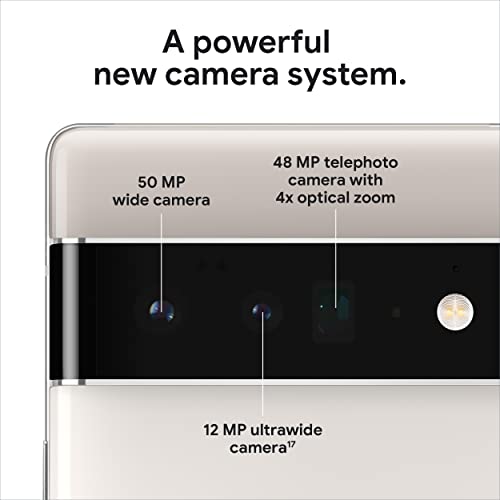
The Google Pixel 6 Pro marks a significant evolution for Google, moving into the premium flagship territory with its first custom-designed Tensor chip and a bold, unique camera bar design. The device features a large, high-quality 6.7-inch QHD+ LTPO OLED display that supports a smooth 120Hz adaptive refresh rate. Performance is a major highlight, with the Tensor chip excelling in AI-driven tasks such as real-time translation, advanced voice typing, and computational photography. The camera system is praised for its versatility, featuring a 50MP main sensor, a 12MP ultrawide, and a 48MP telephoto lens with 4x optical zoom, complemented by innovative software tools like 'Magic Eraser'. However, the device is not without its drawbacks, including an in-display optical fingerprint sensor that is frequently slower and less reliable than the ultrasonic versions found in rivals. Additionally, while the 5,003mAh battery generally lasts a full day, its charging speed is relatively slow at 23W-30W, alongside a large, heavy build that can feel slippery and some occasional, initial software bugs.
The Sky TG24 review positions the Google Pixel 6 and 6 Pro as premium competitors featuring a distinct, stable design and the AI-focused Tensor chip. The Pro model offers a 120Hz display and advanced camera capabilities, while both models feature clean Android 12, excellent photo processing, and unique AI tools like Magic Eraser and Real Tone. However, the devices face limitations, including a slow in-display fingerprint sensor, slow charging speeds, and potential overheating during intensive use.
The Google Pixel 6 Pro is presented as a high-end, cost-competitive alternative to flagship rivals, featuring a vibrant 6.7-inch QHD+ 120Hz display and the AI-driven capabilities of the Google Tensor chip. Key photographic strengths include a versatile 50MP triple-lens system with enhanced Night Sight and an intuitive Android 12 experience. However, the review notes drawbacks, including disappointing battery life, a slippery build, and a less reliable in-display fingerprint sensor.
Andrea Galeazzi defines the Google Pixel 6 Pro as a "smart" phone driven by AI and the proprietary Tensor chip, highlighting exclusive software features like Magic Eraser and real-time translation. While praising the 6.7-inch 120Hz display, he notes the design is very slippery and the screen brightness lacks punch at minimum levels. The camera offers strong low-light performance with a 50MP sensor, though video noise and limited zoom capabilities prevent it from being a top-tier cameraphone. Critical shortcomings in the review include poor battery life, which often fails to last a full day, and a tendency for the device to overheat during moderate use. Despite the innovation, Galeazzi finds the €899 price tag hard to justify given these compromises in fundamental usability, suggesting the standard Pixel 6 may be a better option.
The SmartWorld review identifies the Google Pixel 6 Pro as a significant, stylish flagship featuring a 6.7-inch 120Hz QHD+ AMOLED display and the custom Tensor chip for AI-driven features. Camera performance is highlighted as a major pro, specifically the 50MP main sensor, 4x optical zoom, Real Tone, and Magic Eraser, though the under-display fingerprint sensor is criticized for being slow and unreliable. While offering a clean Android 12 experience, the device faces cons regarding "good but not great" battery life from its 5,003mAh cell and slow charging speeds, despite its overall value.
The Google Pixel 6 Pro is identified as a significant, high-end flagship, featuring a standout 6.7-inch 120Hz QHD+ AMOLED screen and the custom Tensor chip, which drives impressive, unique AI capabilities. The camera system, boasting a 50-megapixel main sensor and 4x optical zoom, provides exceptional image quality with natural colors and strong low-light performance. However, the device has a few drawbacks, including a temperamental in-display fingerprint sensor, slow charging compared to competitors, and a somewhat limited ultra-wide angle.
The Google Pixel 6 and 6 Pro mark a return to the high-end market, driven by the custom Tensor SoC that excels in image processing and machine learning. The phones feature a unique design with a prominent camera bar, robust IP68 construction, and a clean, long-term supported Android 12 experience, though minor finishing issues like sharp edges were noted. While the Pro boasts a 120Hz 1440p LTPO screen, the standard model uses a 90Hz 1080p panel, both delivering top-tier photography, with the Pro offering a superior 4x optical zoom. TweakersPerformance is strong, yet the review highlights significant cons, including slow in-display fingerprint sensors, underwhelming charging speeds, and middling battery life under heavy use. Despite these drawbacks and the lack of a bundled charger, the devices are deemed competitive flagships with strong value.
The Google Pixel 6 Pro marks a significant push into the premium smartphone market, featuring a 6.7-inch QHD+ AMOLED display with a 120Hz refresh rate and the unique "Material You" Android 12 design. A primary strength is the versatile camera system, which utilizes a 50MP main sensor, 12MP ultra-wide, and a 48MP telephoto lens with 4x optical zoom, enhanced by features like Magic Eraser and Real Tone. However, the device is hindered by a frequently slow in-screen fingerprint scanner and a design that is slippery to handle. Battery performance is considered a weakness, often failing to last through a full day of heavy use, while the 30W charging speed lags behind competitors and lacks an included charger. Despite these shortcomings, the phone represents a strong, competitive entry with top-tier, custom-built Google Tensor performance.
The Google Pixel 6 Pro achieved a 135 score in the retested DXOMARK camera review, highlighted by a significant jump in image quality, sharp detail, and accurate color rendering. Key pros include excellent performance with the 50MP primary and 48MP telephoto lenses, effective video stabilization, and wide dynamic range in video, even surpassing competitors in certain scenarios. Conversely, cons include a narrow depth of field causing blurry background subjects, occasional noise in low light, and a lack of live preview for the bokeh effect.
The Google Pixel 6 Pro, featuring the custom Tensor chip, stands out with a 6.7-inch 120Hz OLED display, though the polished Stormy Black finish is a fingerprint magnet. While the device offers robust, AI-driven performance, it faces criticism regarding its large, slippery form factor and a somewhat unreliable under-display fingerprint scanner. The triple-camera system delivers excellent low-light results, but the 5003 mAh battery struggles under heavy use and features slower 30W charging compared to rivals. For detailed information, visit Consumentenbond.
The Google Pixel 6 Pro serves as a competitive, high-end flagship featuring a vibrant 6.7-inch 120Hz OLED display, the AI-focused Tensor chip, and a clean Android 12 interface. The camera system is a significant pro, boasting a 50MP main sensor, accurate Real Tone skin processing, and a 4x telephoto lens, though the ultrawide camera and video capabilities fall slightly short of top competitors. While performance is strong, noted cons include mediocre battery life under heavy 5G usage, relatively slow 30W charging, and a, at times, unreliable optical fingerprint sensor. For a detailed in-depth analysis, visit AndroidWorld.nl.

Compare