Apple iPhone XS Max (64GB) review. Compare 197 technical specifications and user reviews to see how this product ranks in the Smartphones category and whether it is worth buying.
Overall score
What it is: An overall evaluation of the smartphone's quality, based on technical analyses and user reviews.
When it matters: When you need a quick reference to identify the best smartphones on the market.
Score components:
90.0%
Technical Score
10.0%
User score
Technical Score
What it is: An assessment of the smartphone's technical performance, covering eight key areas: performance & hardware, software, camera, connectivity, display, battery, audio, and design.
When it matters: When you want to compare smartphones based on technical performance and available features.
Score components:
25.0%
Performance & Hardware
18.0%
Camera
15.0%
Display
15.0%
Battery
10.0%
Software
10.0%
Connectivity
4.0%
Audio
3.0%
Design
User score
What it is: A rating that combines user reviews and the total number of reviews received by the smartphone
When it matters: When you want to know how a smartphone handles daily tasks and how reliable it remains over time according to user feedback.
Score components:
70.0%
User reviews
30.0%
Popularity

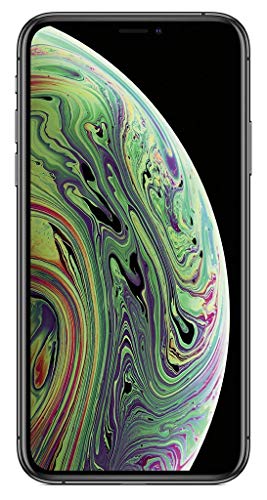
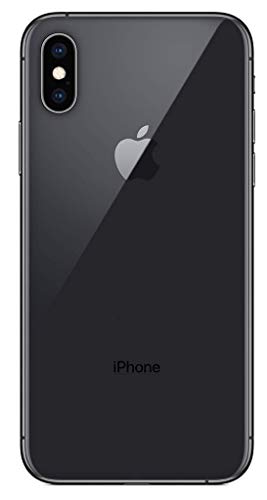
#42 (#27) in Best Apple Smartphones
#285 (#228) in Best Camera Smartphones
#576 (#252) in Best Smartphones Under £250
#626 (#262) in Best Wireless Charging Smartphones
What it is: An assessment of the smartphone's technical performance, covering eight key areas: performance & hardware, software, camera, connectivity, display, battery, audio, and design.
When it matters: When you want to compare smartphones based on technical performance and available features.
Score components:
25.0%
Performance & Hardware
18.0%
Camera
15.0%
Display
15.0%
Battery
10.0%
Software
10.0%
Connectivity
4.0%
Audio
3.0%
Design
What it is: A rating that combines user reviews and the total number of reviews received by the smartphone
When it matters: When you want to know how a smartphone handles daily tasks and how reliable it remains over time according to user feedback.
Score components:
70.0%
User reviews
30.0%
Popularity
What it is: An indicator that combines the smartphone's overall rating with its cost.
When it matters: When you are looking for a smartphone with a good balance between quality and price.
Score components:
60.0%
Overall score
40.0%
Price
Importance: LOW
Importance: HIGH
Importance: HIGH
Good value: >12 GB
Importance: MEDIUM
Good value: >256 GB
Importance: MEDIUM
Good value: >3.2 GHz
Importance: LOW
Importance: MEDIUM
Good value: >1500
Importance: LOW
Good value: >4000
Importance: LOW
Good value: 8+
Importance: LOW
Importance: LOW
Good value: >950 MHz
Importance: LOW
Good value: >700
Importance: LOW
Good value: >1000
Importance: LOW
Good value: >2500
Importance: MEDIUM
Good value: >6000
Importance: LOW
Good value: >8000
Importance: MEDIUM
Good value: >12000
Importance: LOW
Good value: >5000
Importance: LOW
Good value: >1800
Importance: LOW
Good value: >3200 MHz
Importance: LOW
Good value: 5
Importance: LOW
Good value: > 50 GB/s
Importance: LOW
Good value: 4
Importance: LOW
Good value: >16 GB
Importance: MEDIUM
Good value: <6 nm
Importance: MEDIUM
Good value: >9 W
Importance: LOW
Importance: LOW
Good value: >8192 KB
Importance: LOW
Good value: >2048 KB
Importance: LOW
Good value: >512 KB
Importance: LOW
Good value: >100000 million
Importance: LOW
Good value: 3.3
Importance: LOW
Good value: 3.2
Importance: LOW
Good value: 2.0/3.0
Importance: LOW
Importance: LOW
Importance: LOW
Importance: MEDIUM
Importance: LOW
Importance: LOW
Importance: LOW
Importance: LOW
Importance: LOW
Importance: LOW
Importance: LOW
Importance: LOW
Importance: LOW
Importance: LOW
Importance: LOW
Importance: LOW
Importance: LOW
Importance: LOW
Importance: LOW
Importance: LOW
Importance: LOW
Importance: LOW
Importance: LOW
Importance: LOW
Importance: LOW
Importance: LOW
Importance: LOW
Importance: LOW
Importance: LOW
Importance: LOW
Importance: LOW
Importance: LOW
Importance: LOW
Importance: LOW
Importance: LOW
Importance: LOW
Importance: LOW
Importance: MEDIUM
Good value: >50 MP
Importance: MEDIUM
Importance: HIGH
Good value: >60
Importance: LOW
Good value: ≥1.2 µm
Importance: MEDIUM
Good value: >2.5x
Importance: MEDIUM
Importance: LOW
Importance: LOW
Importance: LOW
Importance: LOW
Good value: ≥2
Importance: LOW
Importance: LOW
Importance: LOW
Importance: LOW
Good value: >16 MP
Importance: LOW
Importance: LOW
Importance: LOW
Importance: LOW
Importance: MEDIUM
Importance: LOW
Importance: LOW
Importance: LOW
Importance: LOW
Importance: LOW
Importance: LOW
Importance: LOW
Importance: LOW
Importance: LOW
Importance: LOW
Importance: LOW
Importance: LOW
Importance: LOW
Importance: LOW
Importance: LOW
Importance: LOW
Importance: LOW
Importance: LOW
Importance: LOW
Importance: LOW
Importance: LOW
Good value: >130
Importance: LOW
Good value: >120
Importance: LOW
Good value: ≥2
Importance: LOW
Importance: LOW
Importance: LOW
Importance: LOW
Importance: LOW
Importance: LOW
Good value: >5.2
Importance: LOW
Importance: LOW
Importance: LOW
Importance: LOW
Good value: 3.1/3.2
Importance: LOW
Importance: LOW
Importance: LOW
Good value: ≥2
Importance: LOW
Importance: LOW
Importance: LOW
Importance: LOW
Importance: LOW
Importance: LOW
Importance: LOW
Importance: LOW
Importance: LOW
Importance: LOW
Importance: LOW
Importance: LOW
Importance: LOW
Importance: LOW
Importance: LOW
Importance: LOW
Good value: ≥6.6 inches
Importance: MEDIUM
Importance: LOW
Good value: >400 ppi
Importance: MEDIUM
Importance: MEDIUM
Good value: ≥120 Hz
Importance: LOW
Importance: LOW
Good value: >300 Hz
Importance: LOW
Good value: >800 nits
Importance: LOW
Good value: >1300 nits
Importance: LOW
Good value: >1000 nits
Importance: LOW
Importance: LOW
Importance: LOW
Importance: LOW
Importance: LOW
Importance: LOW
Importance: LOW
Importance: LOW
Importance: HIGH
Good value: >5000 mAh
Importance: MEDIUM
Good value: >60 W
Importance: LOW
Importance: LOW
Good value: <45 min
Importance: LOW
Importance: LOW
Good value: >40 W
Importance: LOW
Importance: LOW
Good value: >10 W
Importance: LOW
Importance: LOW
Importance: MEDIUM
Importance: LOW
Good value: >800
Importance: LOW
Importance: LOW
Importance: LOW
Importance: LOW
Importance: LOW
Good value: ≥3
Importance: LOW
Importance: LOW
Importance: LOW
Importance: LOW
Importance: LOW
Importance: LOW
Importance: LOW
Good value: <162 mm
Importance: LOW
Good value: <75 mm
Importance: LOW
Good value: <8 mm
Importance: LOW
Good value: <190 g
Importance: LOW
Good value: <98cm³
Importance: LOW
Importance: LOW
Importance: LOW
Importance: LOW
Importance: LOW
Importance: LOW
Good value: ≥1.5 m
Importance: LOW
Importance: LOW
Good value: >8
Importance: LOW
Importance: LOW
Importance: MEDIUM
Importance: LOW
Importance: LOW
Importance: MEDIUM
Good value: >2.5x
Importance: LOW
Good value: ≥1.2 µm
Importance: LOW
Importance: LOW
Good value: >2048 KB
Importance: LOW
Good value: >400 ppi
Importance: MEDIUM
Good value: ≥120 Hz
Importance: MEDIUM
Good value: >256 GB
Importance: LOW
Importance: MEDIUM
Good value: >50 MP
Importance: HIGH
Good value: >5000 mAh
Importance: HIGH
Good value: >12 GB
Importance: MEDIUM
Importance: MEDIUM
What it is: An overall evaluation of the smartphone's quality, based on technical analyses and user reviews.
When it matters: When you need a quick reference to identify the best smartphones on the market.
no rating assigned
?The iPhone XS Max represents a significant shift for Apple, centering on a 6.5-inch Super Retina OLED display with excellent HDR10 and Dolby Vision support. Powered by the fast A12 Bionic chip, the device boasts improved IP68 water resistance and enhanced battery longevity, representing a substantial performance boost. The camera system is a major highlight, featuring a 30% larger...Read more
no rating assigned
?The MobileSyrup review characterizes the iPhone XS Max as an "expected iteration," focusing on the 6.5-inch OLED Super Retina display, which offers an immersive experience in a footprint similar to the iPhone 8 Plus. It highlights performance improvements via the A12 Bionic chip, the dual 12MP camera with enhanced Smart HDR, and improved battery life. Key drawbacks mentioned include...Read more
no rating assigned
?In a 2018 review, the iPhone XS and XS Max were presented as products reflecting Apple's focus on iterative, long-term development rather than major yearly redesigns. While outwardly similar to the previous model, they featured significant internal enhancements, including the A12 Bionic chip for faster performance and the introduction of the larger iPhone XS Max with a 6.5-inch OLED...Read more
no rating assigned
?The iPhone XS Max is presented as a significant evolution, featuring a larger 6.5-inch display and an enhanced design with a more resilient finish. Powered by the A12 Bionic chip, it excels at demanding tasks and features a camera system with Smart HDR and improved low-light performance. While praised for its display, photography capabilities, and premium build, the device's large...Read more
no rating assigned
?According to TechRadar, the iPhone XS Max is notable for its large 6.5-inch OLED display, powerful A12 Bionic chip, and improved battery life, offering a significant upgrade in screen size compared to previous models while maintaining a relatively compact form factor. Key cons identified include its high price point at launch, difficulty in handling due to its size, and the absence...Read more
no rating assigned
?In a 2018 review, The New York Times concluded that the larger iPhone XS Max offered significant screen size benefits without substantial additional bulk compared to older models like the iPhone 8 Plus. Pros included superb OLED screens and upgraded cameras with features like Smart HDR, enhancing photos in various lighting conditions. Cons identified were the high entry costs for...Read more
no rating assigned
?PCMag describes the Apple iPhone XS Max as a significant large-screen iPhone update, highlighted by its 6.5-inch OLED display which fits into a body similar in size to the older iPhone 8 Plus. Praised for its sharp screen, powerful A12 Bionic chip, Smart HDR camera, and nearly 10 hours of battery life in streaming tests, its major drawbacks include being primarily a two-handed...Read more
no rating assigned
?According to a 2018 review, the iPhone XS Max is characterized by its large 6.5-inch OLED display and powerful A12 Bionic chip, though it was noted as difficult to handle and expensive. Pros included a brilliant screen and top-tier camera, while cons highlighted the high price, weight, disappointing battery life compared to rivals, and lack of software features to utilize the large...Read more
no rating assigned
?According to a CNET review, the iPhone XS Max is a luxury device highlighted by its large 6.5-inch Super Retina OLED display and a fast A12 Bionic chip. Pros include an improved dual camera with features like Smart HDR and depth control, as well as significantly better battery life than its predecessor. However, the review notes prominent cons such as its high price tag (up to...Read more
no rating assigned
?The 20 Minutes review describes the iPhone XS Max as a, "super-sized" powerhouse featuring a massive 6.5-inch OLED display that provides an immersive, albeit two-handed, experience. Powered by the A12 Bionic chip, the device delivers exceptional fluidity and speed, making it the most powerful iPhone of its time. Key pros include a camera system with superior Smart HDR and post-shot...Read more
no rating assigned
?The ZDNet.fr review concludes that the iPhone XS Max's massive size and high price do not necessarily make it a superior choice, leading the reviewer to return the device after two weeks. While offering premium internals and a superior 6.5-inch OLED display, the device lacks unique, large-screen software optimizations to justify its bulk. Key advantages include a powerful A12 Bionic...Read more
no rating assigned
?The iPhone XS Max review from 20 minutes highlights the 6.5-inch OLED display as a primary pro, offering an immersive, high-contrast experience with excellent color accuracy. The device is powered by the A12 Bionic chip, providing rapid, fluid performance, while the improved battery life lasts up to 1.5 hours longer than its The camera system is a significant highlight, with Smart...Read more
no rating assigned
?The Europe 1 review positions the iPhone XS Max as a "super-sized" evolution of the iPhone X, driven by a 6.5-inch OLED display that offers an immersive experience, although its size and weight require two-handed operation. Performance is handled by the A12 Bionic chip, which remains faster than many rivals, while the camera system shines with improved Smart HDR and adjustable depth...Read more
no rating assigned
?TF1 Info's review highlights the iPhone XS and XS Max as refined evolutions of the iPhone X, emphasizing the 6.5-inch Max model's immersive Super Retina OLED display and the high-performance A12 Bionic chip. Key advantages include top-tier build quality, enhanced IP68 water resistance, and a significantly improved camera system featuring Smart HDR and adjustable Depth Control....Read more
no rating assigned
?The iPhone XS Max features a 6.5-inch Super Retina OLED display and the A12 Bionic chip, offering a premium, high-performance experience with improved Face ID. While the dual 12MP camera with Smart HDR delivers excellent photo and 4K video quality, some users may find the selfie camera's beautification effects too aggressive. Key drawbacks include the high price, large 208g weight,...Read more
no rating assigned
?The iPhone XS Max features a massive 6.5-inch Super Retina OLED display (2688 x 1242, 456 ppi) that offers exceptional, high-resolution quality. The device is characterized by a premium stainless steel and glass design, housing the powerful A12 Bionic chip and delivering top-tier 4G network reception. Pros include the superior display, excellent performance, and high-quality camera...Read more
no rating assigned
?iGeneration evaluates the iPhone XS Max as a refined, iterative update, featuring a 6.5-inch Super Retina display that offers a massive, immersive screen in a body similar to the 8 Plus, yet criticized for lacking iOS optimizations to fully leverage this space. While the A12 Bionic chip and Smart HDR camera provide superior performance and dynamic range, the review highlights the 5W...Read more
no rating assigned
?The Numerama review highlights the iPhone XS Max as a refined, "monstrously" large version of the iPhone X, centered around its 6.5-inch OLED display which offers exceptional color accuracy and brightness. Key strengths include a premium build, superior performance from the A12 Bionic chip, and improved camera capabilities featuring Smart HDR for better dynamic range. NumeramaThe...Read more
no rating assigned
?Phonandroid’s review of the iPhone XS Max describes it as a refined, albeit iterative, evolution of the iPhone X, centered on its massive 6.5-inch OLED Super Retina display, which is praised for its exceptional brightness, color accuracy, and immersive quality. Performance-wise, the device is lauded for its A12 Bionic chip, which set a new industry standard for speed, along with a...Read more
no rating assigned
?The iPhone XS Max features a 6.5-inch OLED display with exceptional calibration, housed in a body comparable to the iPhone 8 Plus, powered by the A12 Bionic chip for superior performance. While praised for its immersive, 85% screen-to-body ratio and advanced Smart HDR photography, the device is considered very large, requiring two-handed use. Key criticisms include the inclusion of...Read more
no rating assigned
?The iPhone XS Max features a 6.5-inch OLED screen, offering vibrant, high-contrast visuals ideal for media and gaming. While praised for its performance, this large, premium design requires two-handed operation. The device is powered by the fast A12 Bionic chip and introduces "Smart HDR" for superior photo quality, alongside improved battery life lasting over a full day. However,...Read more
no rating assigned
?The iPhone XS Max is -inch Super ppi, encased in a durable stainless steel frame, and powered Bionic chip for high-end performance. The water resistance, MP camera system with Smart HDR and improved Portrait Mode, and enhanced stereo speakers. However, noted drawbacks include the high cost, GB base storage, the prominent display notch, and the lack of a fast charger, according to...Read more
no rating assigned
?The Watson.ch review of the iPhone 16 Pro highlights refined hardware, including a 6.3-inch screen, improved thermal management for better battery life, and a 1-nit minimum brightness for nighttime use. Key upgrades include the new Camera Control button, a 48-megapixel ultrawide sensor, 5x optical zoom, and the high-performance A18 Pro chip. Despite these improvements, the review...Read more
no rating assigned
?The iPhone XS Max, featuring a 6.5-inch Super Retina OLED display and A12 Bionic chip, is positioned as a pro-level device for photography and media consumption, boasting improved Smart HDR and vibrant visuals. However, this premium experience is hampered by significant drawbacks, including reported weak Wi-Fi and cellular connectivity, alongside charging failures that hinder the...Read more
no rating assigned
?According to a 30-day review by Xataka, the iPhone XS Max features impeccable build quality, a stunning 6.5-inch OLED display, and immense power from the A12 Bionic chip, though it is heavy and difficult to handle. While the Smart HDR camera and customizable bokeh are standout pros, the device is held back by a high price tag and the inclusion of a slow 5W charger. Furthermore, the...Read more
no rating assigned
?The iPhone XS Max is described as a refined, ultimate "multimedia machine" featuring a massive 6.5-inch OLED screen, which provides an excellent experience for media consumption but renders the device heavy and difficult to use one-handed. While the A12 Bionic chip and Smart HDR camera capabilities are praised for delivering top-tier performance, the review criticizes the inclusion...Read more
no rating assigned
?The iPhone XS Max, as analyzed by Hablando de Manzanas, is presented as a high-end refinement prioritizing a 6.5-inch OLED display, which offers exceptional visual quality. While the large screen is a primary pro, its significant physical footprint makes one-handed operation difficult, marking it as a notable con. Performance is driven by the A12 Bionic chip, ensuring a fluid user...Read more
no rating assigned
?The iPhone XS Max is characterized as a device that moves "at its own pace," focusing on refinement rather than radical reinvention, featuring a massive 6.5-inch Super Retina OLED display and the powerful A12 Bionic chip. Notable pros include its exceptional build quality with a stainless-steel frame, improved battery life (up to 1.5 hours more than the X), and excellent camera,...Read more
no rating assigned
?The iPhone XS, as reviewed by Presse-citron, is a high-end iteration of the iPhone X, featuring a 5.8-inch Super Retina OLED display and the powerful A12 Bionic chip, which drives improved performance and efficiency. Key advantages include its IP68 water resistance, a new gold color option, and enhanced photographic capabilities with Smart HDR. However, the device is noted for...Read more
no rating assigned
?The iPhone XS Max represents a significant shift for Apple, centering on a 6.5-inch Super Retina OLED display with excellent HDR10 and Dolby Vision support. Powered by the fast A12 Bionic chip, the device boasts improved IP68 water resistance and enhanced battery longevity, representing a substantial performance boost. The camera system is a major highlight, featuring a 30% larger...Read more
no rating assigned
?The MobileSyrup review characterizes the iPhone XS Max as an "expected iteration," focusing on the 6.5-inch OLED Super Retina display, which offers an immersive experience in a footprint similar to the iPhone 8 Plus. It highlights performance improvements via the A12 Bionic chip, the dual 12MP camera with enhanced Smart HDR, and improved battery life. Key drawbacks mentioned include...Read more
no rating assigned
?In a 2018 review, the iPhone XS and XS Max were presented as products reflecting Apple's focus on iterative, long-term development rather than major yearly redesigns. While outwardly similar to the previous model, they featured significant internal enhancements, including the A12 Bionic chip for faster performance and the introduction of the larger iPhone XS Max with a 6.5-inch OLED...Read more
no rating assigned
?The iPhone XS Max is presented as a significant evolution, featuring a larger 6.5-inch display and an enhanced design with a more resilient finish. Powered by the A12 Bionic chip, it excels at demanding tasks and features a camera system with Smart HDR and improved low-light performance. While praised for its display, photography capabilities, and premium build, the device's large...Read more
no rating assigned
?According to TechRadar, the iPhone XS Max is notable for its large 6.5-inch OLED display, powerful A12 Bionic chip, and improved battery life, offering a significant upgrade in screen size compared to previous models while maintaining a relatively compact form factor. Key cons identified include its high price point at launch, difficulty in handling due to its size, and the absence...Read more
no rating assigned
?In a 2018 review, The New York Times concluded that the larger iPhone XS Max offered significant screen size benefits without substantial additional bulk compared to older models like the iPhone 8 Plus. Pros included superb OLED screens and upgraded cameras with features like Smart HDR, enhancing photos in various lighting conditions. Cons identified were the high entry costs for...Read more
no rating assigned
?PCMag describes the Apple iPhone XS Max as a significant large-screen iPhone update, highlighted by its 6.5-inch OLED display which fits into a body similar in size to the older iPhone 8 Plus. Praised for its sharp screen, powerful A12 Bionic chip, Smart HDR camera, and nearly 10 hours of battery life in streaming tests, its major drawbacks include being primarily a two-handed...Read more
no rating assigned
?According to a 2018 review, the iPhone XS Max is characterized by its large 6.5-inch OLED display and powerful A12 Bionic chip, though it was noted as difficult to handle and expensive. Pros included a brilliant screen and top-tier camera, while cons highlighted the high price, weight, disappointing battery life compared to rivals, and lack of software features to utilize the large...Read more
no rating assigned
?According to a CNET review, the iPhone XS Max is a luxury device highlighted by its large 6.5-inch Super Retina OLED display and a fast A12 Bionic chip. Pros include an improved dual camera with features like Smart HDR and depth control, as well as significantly better battery life than its predecessor. However, the review notes prominent cons such as its high price tag (up to...Read more
no rating assigned
?The 20 Minutes review describes the iPhone XS Max as a, "super-sized" powerhouse featuring a massive 6.5-inch OLED display that provides an immersive, albeit two-handed, experience. Powered by the A12 Bionic chip, the device delivers exceptional fluidity and speed, making it the most powerful iPhone of its time. Key pros include a camera system with superior Smart HDR and post-shot...Read more
no rating assigned
?The ZDNet.fr review concludes that the iPhone XS Max's massive size and high price do not necessarily make it a superior choice, leading the reviewer to return the device after two weeks. While offering premium internals and a superior 6.5-inch OLED display, the device lacks unique, large-screen software optimizations to justify its bulk. Key advantages include a powerful A12 Bionic...Read more
no rating assigned
?The iPhone XS Max review from 20 minutes highlights the 6.5-inch OLED display as a primary pro, offering an immersive, high-contrast experience with excellent color accuracy. The device is powered by the A12 Bionic chip, providing rapid, fluid performance, while the improved battery life lasts up to 1.5 hours longer than its The camera system is a significant highlight, with Smart...Read more
no rating assigned
?The Europe 1 review positions the iPhone XS Max as a "super-sized" evolution of the iPhone X, driven by a 6.5-inch OLED display that offers an immersive experience, although its size and weight require two-handed operation. Performance is handled by the A12 Bionic chip, which remains faster than many rivals, while the camera system shines with improved Smart HDR and adjustable depth...Read more
no rating assigned
?TF1 Info's review highlights the iPhone XS and XS Max as refined evolutions of the iPhone X, emphasizing the 6.5-inch Max model's immersive Super Retina OLED display and the high-performance A12 Bionic chip. Key advantages include top-tier build quality, enhanced IP68 water resistance, and a significantly improved camera system featuring Smart HDR and adjustable Depth Control....Read more
no rating assigned
?The iPhone XS Max features a 6.5-inch Super Retina OLED display and the A12 Bionic chip, offering a premium, high-performance experience with improved Face ID. While the dual 12MP camera with Smart HDR delivers excellent photo and 4K video quality, some users may find the selfie camera's beautification effects too aggressive. Key drawbacks include the high price, large 208g weight,...Read more
no rating assigned
?The iPhone XS Max features a massive 6.5-inch Super Retina OLED display (2688 x 1242, 456 ppi) that offers exceptional, high-resolution quality. The device is characterized by a premium stainless steel and glass design, housing the powerful A12 Bionic chip and delivering top-tier 4G network reception. Pros include the superior display, excellent performance, and high-quality camera...Read more
no rating assigned
?iGeneration evaluates the iPhone XS Max as a refined, iterative update, featuring a 6.5-inch Super Retina display that offers a massive, immersive screen in a body similar to the 8 Plus, yet criticized for lacking iOS optimizations to fully leverage this space. While the A12 Bionic chip and Smart HDR camera provide superior performance and dynamic range, the review highlights the 5W...Read more
no rating assigned
?The Numerama review highlights the iPhone XS Max as a refined, "monstrously" large version of the iPhone X, centered around its 6.5-inch OLED display which offers exceptional color accuracy and brightness. Key strengths include a premium build, superior performance from the A12 Bionic chip, and improved camera capabilities featuring Smart HDR for better dynamic range. NumeramaThe...Read more
no rating assigned
?Phonandroid’s review of the iPhone XS Max describes it as a refined, albeit iterative, evolution of the iPhone X, centered on its massive 6.5-inch OLED Super Retina display, which is praised for its exceptional brightness, color accuracy, and immersive quality. Performance-wise, the device is lauded for its A12 Bionic chip, which set a new industry standard for speed, along with a...Read more
no rating assigned
?The iPhone XS Max features a 6.5-inch OLED display with exceptional calibration, housed in a body comparable to the iPhone 8 Plus, powered by the A12 Bionic chip for superior performance. While praised for its immersive, 85% screen-to-body ratio and advanced Smart HDR photography, the device is considered very large, requiring two-handed use. Key criticisms include the inclusion of...Read more
no rating assigned
?The iPhone XS Max features a 6.5-inch OLED screen, offering vibrant, high-contrast visuals ideal for media and gaming. While praised for its performance, this large, premium design requires two-handed operation. The device is powered by the fast A12 Bionic chip and introduces "Smart HDR" for superior photo quality, alongside improved battery life lasting over a full day. However,...Read more
no rating assigned
?The iPhone XS Max is -inch Super ppi, encased in a durable stainless steel frame, and powered Bionic chip for high-end performance. The water resistance, MP camera system with Smart HDR and improved Portrait Mode, and enhanced stereo speakers. However, noted drawbacks include the high cost, GB base storage, the prominent display notch, and the lack of a fast charger, according to...Read more
no rating assigned
?The Watson.ch review of the iPhone 16 Pro highlights refined hardware, including a 6.3-inch screen, improved thermal management for better battery life, and a 1-nit minimum brightness for nighttime use. Key upgrades include the new Camera Control button, a 48-megapixel ultrawide sensor, 5x optical zoom, and the high-performance A18 Pro chip. Despite these improvements, the review...Read more
no rating assigned
?The iPhone XS Max, featuring a 6.5-inch Super Retina OLED display and A12 Bionic chip, is positioned as a pro-level device for photography and media consumption, boasting improved Smart HDR and vibrant visuals. However, this premium experience is hampered by significant drawbacks, including reported weak Wi-Fi and cellular connectivity, alongside charging failures that hinder the...Read more
no rating assigned
?According to a 30-day review by Xataka, the iPhone XS Max features impeccable build quality, a stunning 6.5-inch OLED display, and immense power from the A12 Bionic chip, though it is heavy and difficult to handle. While the Smart HDR camera and customizable bokeh are standout pros, the device is held back by a high price tag and the inclusion of a slow 5W charger. Furthermore, the...Read more
no rating assigned
?The iPhone XS Max is described as a refined, ultimate "multimedia machine" featuring a massive 6.5-inch OLED screen, which provides an excellent experience for media consumption but renders the device heavy and difficult to use one-handed. While the A12 Bionic chip and Smart HDR camera capabilities are praised for delivering top-tier performance, the review criticizes the inclusion...Read more
no rating assigned
?The iPhone XS Max, as analyzed by Hablando de Manzanas, is presented as a high-end refinement prioritizing a 6.5-inch OLED display, which offers exceptional visual quality. While the large screen is a primary pro, its significant physical footprint makes one-handed operation difficult, marking it as a notable con. Performance is driven by the A12 Bionic chip, ensuring a fluid user...Read more
no rating assigned
?The iPhone XS Max is characterized as a device that moves "at its own pace," focusing on refinement rather than radical reinvention, featuring a massive 6.5-inch Super Retina OLED display and the powerful A12 Bionic chip. Notable pros include its exceptional build quality with a stainless-steel frame, improved battery life (up to 1.5 hours more than the X), and excellent camera,...Read more
no rating assigned
?The iPhone XS, as reviewed by Presse-citron, is a high-end iteration of the iPhone X, featuring a 5.8-inch Super Retina OLED display and the powerful A12 Bionic chip, which drives improved performance and efficiency. Key advantages include its IP68 water resistance, a new gold color option, and enhanced photographic capabilities with Smart HDR. However, the device is noted for...Read more

Compare