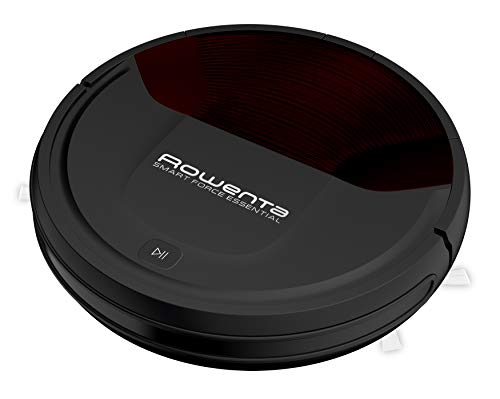
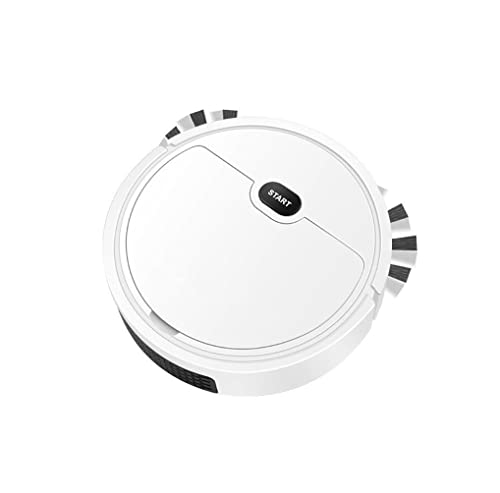
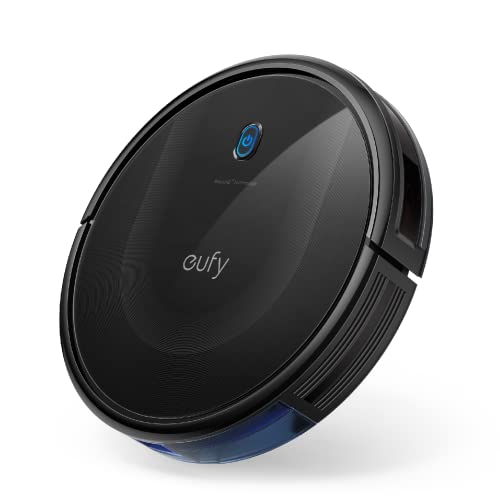
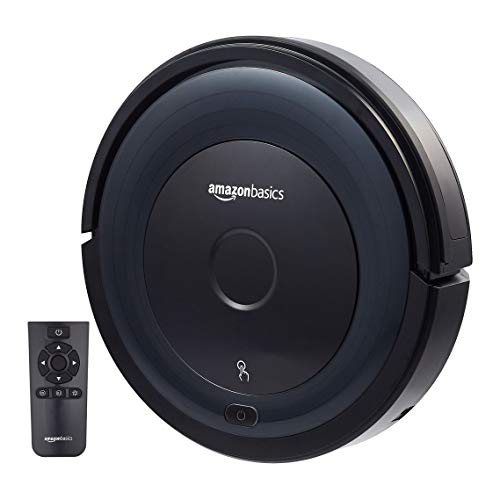
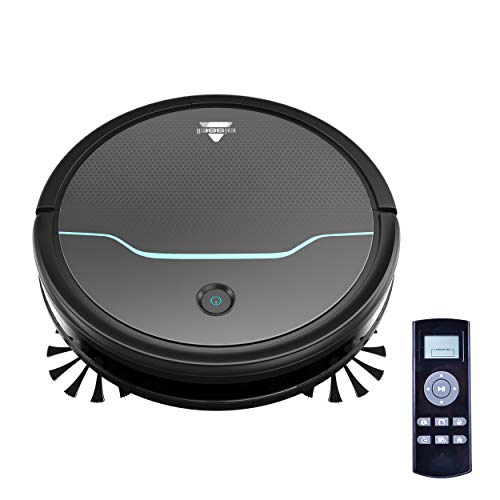
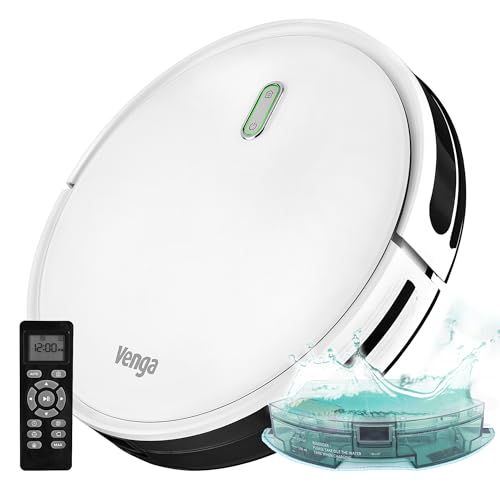
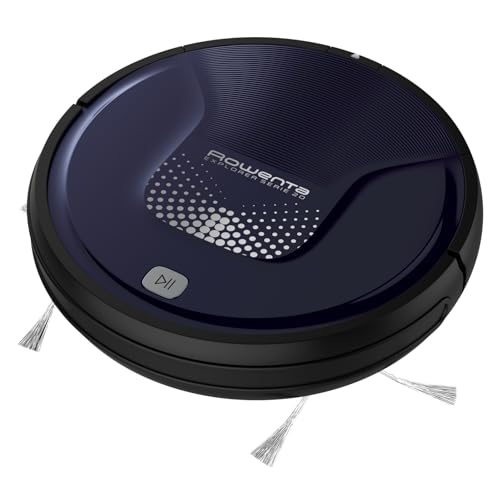
Without an app, you give up room maps, room selection and no-go zones. The robot has no saved map, so it cannot clean only the kitchen or avoid one corner on command. It cleans the whole floor in a set pattern each time, which takes longer in larger homes.
You also lose remote control. You cannot start a run from the office, check where the robot is stuck or see how long it cleaned. When the robot gets caught on a cable, it simply stops and beeps, and you find out only when you come home.
Smart features disappear as well, such as voice assistants, cleaning history, consumable reminders and firmware updates. Suction and mopping levels are fixed or set by a button, so you cannot change them for each room. Many of these settings matter mainly in larger homes.
For daily dust, hair and crumbs, the difference is small. The cleaning itself depends on suction, brushes and sensors, not on the app. A robot without Wi-Fi therefore often cleans about as well as a connected model of the same class, only with fewer controls.
Are robot vacuums without Wi-Fi better for privacy?
Yes, a robot vacuum without Wi-Fi is better for privacy, because it has no connection that could send data out. It creates no account, sends no floor plan to a cloud server and has no camera feed that someone could access. Nothing about your home leaves the device.
The trade-off is that the robot also receives no firmware updates, so a bug or weakness is never fixed. Some connected robots let you limit cloud features, but only a robot without Wi-Fi removes the connection entirely. If privacy matters more to you than maps and remote control, the simple robot is the safer choice.