Reviews worth watching before you buy. A video loads only when you press play.
Tests of each product by expert websites, with what they liked and missed.
The radar shows each spec group. Next to it: only the specs that differ, the better value ticked. Open a row for the explanation.
Ranks in independent best-of lists from test sites, magazines and YouTube. Click a list to open it.
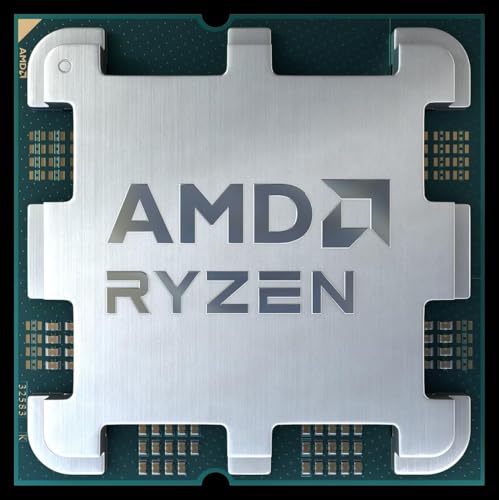
Not in any best-of list we track yet.
Topics that expert and video reviewers praise or criticise. Open a topic to read what they wrote.
Reviewers like the low price and upgrade path, but gaming opinions are split and the missing integrated graphics and platform cost disappoint.
Reviewers are split on gaming performance, and several complain about the platform and motherboard options.
Green = reviewers praise it, red = they criticise it. Counts are reviews that mention the topic.
From owners' comments under review videos. Open a topic to read what owners report.
Owners mostly praise its value and gaming speed, while high temperatures and uneven tuning results are the main frustrations.
| Winner | ||
|---|---|---|
Price | ||
Overall score | 8.2 | 6.6 |
Technical score | 7.9 AMD Ryzen 5 7500F has the highest technical score. | 5.3 |
Popularity | 7.7 AMD Ryzen 5 7500F is the most popular. | 3.9 |
Reviews score | 8.1 AMD Ryzen 5 7500F: Reviews score | 7.5 |
Value for money | 8.7 AMD Ryzen 5 7500F has the best value for money. | 7.6 |
Gaming | 7.1 | 3.4 |
Video editing | 7.1 | 4.6 |
Platform | 8.9 | 7.4 |
Processor type | desktop What it is The kind of system the processor is built for, such as desktop PCs, laptops, workstations, or servers. When it matters When you want a processor meant for the kind of machine you are actually building or buying, rather than a chip aimed at a different class of system. AMD Ryzen 5 7500F belongs to the desktop processor class, which is more advanced than that of 54.7% of processors and equal to that of 39.5% of processors. Priority: LOW | desktop What it is The kind of system the processor is built for, such as desktop PCs, laptops, workstations, or servers. When it matters When you want a processor meant for the kind of machine you are actually building or buying, rather than a chip aimed at a different class of system. Intel Core i7-5930K belongs to the desktop processor class, which is more advanced than that of 54.7% of processors and equal to that of 39.5% of processors. Priority: LOW |
CPU socket | AM5 What it is The physical socket the processor fits into on the motherboard. When it matters When you need to make sure the CPU can actually be installed on a specific motherboard. AMD Ryzen 5 7500F uses the AM5 CPU socket, which is newer than that of 95% of processors and equal to that of 3.1% of processors. Priority: LOW AMD Ryzen 5 7500F uses the most modern CPU socket. | LGA2011 What it is The physical socket the processor fits into on the motherboard. When it matters When you need to make sure the CPU can actually be installed on a specific motherboard. Intel Core i7-5930K uses the LGA2011 CPU socket, which is newer than that of 52.9% of processors and equal to that of 0.2% of processors. Priority: LOW |
Chipset | X870E, X870, B850, B840, X670E, X670, B650E, B650, A620 What it is The motherboard chipset families officially meant to work with the processor. When it matters When you are checking whether a CPU will work with the motherboard features and platform you plan to use. AMD Ryzen 5 7500F supports X870E, X870, B850, B840, X670E, X670, B650E, B650, A620 chipsets, which is broader compatibility than 92% of processors and equal to that of 3.3% of processors. Priority: LOW | ? |
CPU architecture | x86-64 What it is The processor family or design generation behind the chip, such as Zen 4 or Raptor Lake. When it matters When you are comparing CPUs across generations and want a clearer sense of their design age, feature level, and expected performance class. AMD Ryzen 5 7500F uses the x86-64 architecture, which is more advanced than that of 1.8% of processors and equal to that of 98.2% of processors. Priority: LOW | x86-64 What it is The processor family or design generation behind the chip, such as Zen 4 or Raptor Lake. When it matters When you are comparing CPUs across generations and want a clearer sense of their design age, feature level, and expected performance class. Intel Core i7-5930K uses the x86-64 architecture, which is more advanced than that of 1.8% of processors and equal to that of 98.2% of processors. Priority: LOW |
Instruction sets | MMX, SSE, SSE2, SSE3, SSSE3, SSE4A, SSE4.1, SSE4.2, AVX, AVX2, AVX-512, F16C, FMA3, AES, SHA, AMD-V What it is The supported CPU instruction sets and extensions. When it matters When you run software that depends on specific CPU instructions. AMD Ryzen 5 7500F supports MMX, SSE, SSE2, SSE3, SSSE3, SSE4A, SSE4.1, SSE4.2, AVX, AVX2, AVX-512, F16C, FMA3, AES, SHA, AMD-V instruction sets, which is broader support than 78.4% of processors and equal to that of 2.4% of processors. Priority: LOW AMD Ryzen 5 7500F offers the richest instruction set support. | MMX, SSE, SSE2, SSE3, SSSE3, SSE4.1, SSE4.2, AVX, AVX2, F16C, FMA3, AES What it is The supported CPU instruction sets and extensions. When it matters When you run software that depends on specific CPU instructions. Intel Core i7-5930K supports MMX, SSE, SSE2, SSE3, SSSE3, SSE4.1, SSE4.2, AVX, AVX2, F16C, FMA3, AES instruction sets, which is narrower support than 54.4% of processors and equal to that of 3.4% of processors. Priority: LOW |
EMMC version | N/A | N/A |
Supports 64-bit | yes What it is Whether the processor can run 64-bit instructions, which lets software address far more than 4 GB of memory. When it matters When installing a 64-bit operating system or running programs that need more than 4 GB of RAM. AMD Ryzen 5 7500F supports 64-bit instructions. 0% of processors offer this. Priority: LOW | yes What it is Whether the processor can run 64-bit instructions, which lets software address far more than 4 GB of memory. When it matters When installing a 64-bit operating system or running programs that need more than 4 GB of RAM. Intel Core i7-5930K supports 64-bit instructions. 0% of processors offer this. Priority: LOW |
Virtualization support | yes What it is Hardware extensions that let the processor run virtual machines with near-native speed. When it matters When you run a Linux or Windows virtual machine for development, or a Windows feature that needs a hypervisor. AMD Ryzen 5 7500F supports hardware virtualisation. 0% of processors offer this. Priority: LOW | yes What it is Hardware extensions that let the processor run virtual machines with near-native speed. When it matters When you run a Linux or Windows virtual machine for development, or a Windows feature that needs a hypervisor. Intel Core i7-5930K supports hardware virtualisation. 0% of processors offer this. Priority: LOW |
Security extensions | AES-NI, SHA, NX bit, SMAP, SMEP, SME, TSME What it is The supported hardware security extensions provided by the processor. When it matters When you care about security, encryption, or enterprise features. AMD Ryzen 5 7500F supports AES-NI, SHA, NX bit, SMAP, SMEP, SME, TSME security extensions, which is less advanced protection than 50.5% of processors and equal to that of 0.3% of processors. Priority: LOW AMD Ryzen 5 7500F offers the most advanced security extensions. | AES-NI, NX bit, TXT What it is The supported hardware security extensions provided by the processor. When it matters When you care about security, encryption, or enterprise features. Intel Core i7-5930K supports AES-NI, NX bit, TXT security extensions, which is less advanced protection than 94.3% of processors and equal to that of 0.5% of processors. Priority: LOW |
Cryptographic acceleration | AES, SHA What it is The cryptographic algorithms the processor speeds up in dedicated hardware, such as AES encryption and SHA hashing. When it matters When encrypting a drive, running a VPN or serving many HTTPS connections, since hardware crypto cuts the processor load. AMD Ryzen 5 7500F offers AES, SHA hardware crypto, which is more extensive than in 38.2% of processors and the same as in 36.2% of processors. Priority: LOW AMD Ryzen 5 7500F offers the most extensive hardware crypto. | AES What it is The cryptographic algorithms the processor speeds up in dedicated hardware, such as AES encryption and SHA hashing. When it matters When encrypting a drive, running a VPN or serving many HTTPS connections, since hardware crypto cuts the processor load. Intel Core i7-5930K offers AES hardware crypto, which is less extensive than in 62% of processors and the same as in 37.6% of processors. Priority: LOW |
TPM type | fTPM 2.0 What it is The kind of TPM security support associated with the processor or its platform. When it matters When operating-system requirements, device encryption, enterprise security, or platform trust features matter. AMD Ryzen 5 7500F supports TPM fTPM 2.0, which is less advanced than that of 60.3% of processors and equal to that of 34.5% of processors. Priority: LOW | ? |
NX bit | yes What it is A memory-protection feature that marks data areas as non-executable, which helps block some malware. When it matters When you browse the web, open downloads or install software from less familiar sources. AMD Ryzen 5 7500F supports the NX bit for memory protection. 0% of processors offer this. Priority: LOW | yes What it is A memory-protection feature that marks data areas as non-executable, which helps block some malware. When it matters When you browse the web, open downloads or install software from less familiar sources. Intel Core i7-5930K supports the NX bit for memory protection. 0% of processors offer this. Priority: LOW |
Uses HMP | no What it is The scheduling method that lets the operating system place work across cores of different designs. When it matters When a phone or tablet runs many apps at once and the system must decide which core each one should use. AMD Ryzen 5 7500F does not use heterogeneous multi-processing. 24.7% of processors use it. Priority: LOW | no What it is The scheduling method that lets the operating system place work across cores of different designs. When it matters When a phone or tablet runs many apps at once and the system must decide which core each one should use. Intel Core i7-5930K does not use heterogeneous multi-processing. 24.7% of processors use it. Priority: LOW |
Release date | 2023 What it is The launch date of the processor. When it matters When you want a newer platform or longer expected support life. AMD Ryzen 5 7500F was released in 2023, which is more recent than 69.6% of processors and equal to 12.7% of processors. Good value: 🎯 >=2022 Priority: LOW July 2023 AMD Ryzen 5 7500F has the most recent release date. | 2014 What it is The launch date of the processor. When it matters When you want a newer platform or longer expected support life. Intel Core i7-5930K was released in 2014, which is older than 87.6% of processors and equal to 1.9% of processors. Good value: 🎯 >=2022 Priority: LOW August 2014 |
Brand name | AMD | Intel |
Performance | 8.0 | 5.2 |
N. of physical cores | 6 What it is The number of physical CPU cores on the processor. When it matters When you run workloads that benefit from more real cores. AMD Ryzen 5 7500F has 6 CPU cores, which is more than 47.7% of processors and equal to 13.4% of processors. Good value: 🎯 8+ Priority: HIGH | 6 What it is The number of physical CPU cores on the processor. When it matters When you run workloads that benefit from more real cores. Intel Core i7-5930K has 6 CPU cores, which is more than 47.7% of processors and equal to 13.4% of processors. Good value: 🎯 8+ Priority: HIGH |
CPU threads | 12 What it is The total number of processing threads the CPU can handle at once. When it matters When you run heavily threaded workloads or multitask a lot. AMD Ryzen 5 7500F offers 12 CPU threads, which is more than 53% of processors and equal to 14.2% of processors. Good value: 🎯 16+ Priority: HIGH | 12 What it is The total number of processing threads the CPU can handle at once. When it matters When you run heavily threaded workloads or multitask a lot. Intel Core i7-5930K offers 12 CPU threads, which is more than 53% of processors and equal to 14.2% of processors. Good value: 🎯 16+ Priority: HIGH |
CPU boost clock speed | 5.0 GHz What it is The highest clock speed the processor can reach under boost conditions. When it matters When you care about peak speed in short bursts. AMD Ryzen 5 7500F reaches a boost clock of 5 GHz which is higher than that of 78.5% of processors and equal to that of 5.9% of processors. Good value: 🎯 >4.7 GHz Priority: HIGH AMD Ryzen 5 7500F has the highest boost clock. | 3.7 GHz What it is The highest clock speed the processor can reach under boost conditions. When it matters When you care about peak speed in short bursts. Intel Core i7-5930K reaches a boost clock of 3.7 GHz which is lower than that of 74.2% of processors and equal to that of 3.6% of processors. Good value: 🎯 >4.7 GHz Priority: HIGH |
CPU base clock speed | 6x 3.7 GHz What it is The processor's normal all-core starting frequency before boost behavior raises clocks temporarily. When it matters When you care about steadier performance in longer workloads rather than short burst speed alone. AMD Ryzen 5 7500F has a base clock of 6x3.7 GHz which is higher than that of 70.3% of processors and equal to that of 0.8% of processors. Priority: MEDIUM AMD Ryzen 5 7500F has the highest base clock. | 6x 3.5 GHz What it is The processor's normal all-core starting frequency before boost behavior raises clocks temporarily. When it matters When you care about steadier performance in longer workloads rather than short burst speed alone. Intel Core i7-5930K has a base clock of 6x3.5 GHz which is higher than that of 66.5% of processors and equal to that of 1% of processors. Priority: MEDIUM |
PassMark multi-core score | 26,593 What it is A benchmark score that gives a broad idea of overall processor performance. When it matters When you want a quick overall performance comparison. AMD Ryzen 5 7500F scores 26,593 in PassMark, which is higher than 81.9% of processors. Good value: 🎯 >19000 Priority: HIGH AMD Ryzen 5 7500F has the highest PassMark score. | 10,352 What it is A benchmark score that gives a broad idea of overall processor performance. When it matters When you want a quick overall performance comparison. Intel Core i7-5930K scores 10,352 in PassMark, which is lower than 52.4% of processors. Good value: 🎯 >19000 Priority: HIGH |
PassMark single-core score | 3,828 What it is A benchmark score that reflects single-core CPU performance. When it matters When you care about responsiveness in lighter or older software. AMD Ryzen 5 7500F scores 3,828 in single-core PassMark, which is higher than 84.6% of processors. Good value: 🎯 >3200 Priority: HIGH AMD Ryzen 5 7500F has the highest single-core performance. | 2057 What it is A benchmark score that reflects single-core CPU performance. When it matters When you care about responsiveness in lighter or older software. Intel Core i7-5930K scores 2057 in single-core PassMark, which is lower than 68.7% of processors. Good value: 🎯 >3200 Priority: HIGH |
Geekbench 6 multi-core score | 12,471 What it is A Geekbench 6 score that reflects multi-core CPU performance in mixed modern workloads. When it matters When you want a quick picture of multi-core speed in everyday mixed workloads, multitasking, and broadly optimized software. AMD Ryzen 5 7500F scores 12,471 in Geekbench 6 multi-core, which is higher than 83.5% of processors. Good value: 🎯 >8500 Priority: HIGH AMD Ryzen 5 7500F has the highest multi-core score. | 5,677 What it is A Geekbench 6 score that reflects multi-core CPU performance in mixed modern workloads. When it matters When you want a quick picture of multi-core speed in everyday mixed workloads, multitasking, and broadly optimized software. Intel Core i7-5930K scores 5,677 in Geekbench 6 multi-core, which is higher than 52.6% of processors. Good value: 🎯 >8500 Priority: HIGH |
Geekbench 6 single-core score | 2,746 What it is A Geekbench 6 score that reflects single-core CPU performance in mixed modern workloads. When it matters When you care about snappy everyday performance in lighter apps, browsing, office work, or tasks that do not scale well across many cores. AMD Ryzen 5 7500F scores 2,746 in Geekbench 6 single-core, which is higher than 89.8% of processors. Good value: 🎯 >2000 Priority: HIGH AMD Ryzen 5 7500F has the highest single-core score. | 1,222 What it is A Geekbench 6 score that reflects single-core CPU performance in mixed modern workloads. When it matters When you care about snappy everyday performance in lighter apps, browsing, office work, or tasks that do not scale well across many cores. Intel Core i7-5930K scores 1,222 in Geekbench 6 single-core, which is lower than 64.6% of processors and equal to 0.1% of processors. Good value: 🎯 >2000 Priority: HIGH |
Cinebench R20 multi-core score | 5,540 What it is A Cinebench R20 score that reflects how well the processor handles long, heavy rendering workloads across many cores. When it matters When you care about sustained multi-core performance in rendering, compiling, heavy creation work, or productivity workloads that use many threads. AMD Ryzen 5 7500F scores 5,540 in Cinebench R20 multi-core, which is higher than 77.1% of processors. Good value: 🎯 >4700 Priority: HIGH | ? |
Cinebench R20 single-core score | ? | ? |
Blender bmw27 score | ? | ? |
Blender classroom score | 2,134.46 What it is A Blender render result based on the Classroom scene, used to show how quickly the processor can complete a demanding rendering workload. When it matters When rendering speed matters for 3D work, content creation, or other workloads that behave like long multi-core renders. AMD Ryzen 5 7500F completes the Blender Classroom test in 2,134.46 which is faster than 91.7% of processors. Good value: 🎯 >1500 Priority: MEDIUM | ? |
Multithreading | yes What it is Whether each core can run two threads at once using simultaneous multithreading, which speeds up parallel workloads. When it matters When you compile code, encode video or stream while gaming, since many threads run side by side. AMD Ryzen 5 7500F supports simultaneous multithreading. 26.3% of processors offer this. Priority: LOW | yes What it is Whether each core can run two threads at once using simultaneous multithreading, which speeds up parallel workloads. When it matters When you compile code, encode video or stream while gaming, since many threads run side by side. Intel Core i7-5930K supports simultaneous multithreading. 26.3% of processors offer this. Priority: LOW |
Unlocked multiplier | yes What it is Whether the clock multiplier can be changed freely, so you can overclock the chip above its rated speed. When it matters When you want more speed from a gaming or desktop build and have a compatible motherboard and good cooling. AMD Ryzen 5 7500F has an unlocked multiplier for overclocking. 77.4% of processors offer this. Priority: LOW | ? |
Clock multiplier | 37 What it is The ratio used to derive CPU frequency from the base clock. When it matters When you tune or compare overclocking behavior. AMD Ryzen 5 7500F has a clock multiplier of 37 which is higher than that of 85.8% of processors and equal to that of 3.1% of processors. Good value: 🎯 >33 Priority: LOW AMD Ryzen 5 7500F has the highest clock multiplier. | 35 What it is The ratio used to derive CPU frequency from the base clock. When it matters When you tune or compare overclocking behavior. Intel Core i7-5930K has a clock multiplier of 35 which is higher than that of 75.6% of processors and equal to that of 4.9% of processors. Good value: 🎯 >33 Priority: LOW |
Turbo Boost version | yes What it is Whether the processor can briefly exceed its base clock speed when power and temperature allow. When it matters When you open heavy apps or play games, where short bursts of extra speed make a noticeable difference. AMD Ryzen 5 7500F supports automatic speed boosting. 12.3% of processors offer this. Priority: LOW | yes What it is Whether the processor can briefly exceed its base clock speed when power and temperature allow. When it matters When you open heavy apps or play games, where short bursts of extra speed make a noticeable difference. Intel Core i7-5930K supports automatic speed boosting. 12.3% of processors offer this. Priority: LOW |
Turbo Core version | 2 What it is The generation of the boost technology that lets lightly loaded cores run faster than their base clock. When it matters When one or two demanding apps run alongside background tasks and you want the busiest cores to get extra speed. AMD Ryzen 5 7500F uses Turbo Core 2, which is more advanced than in 18.9% of processors and the same as in 66.8% of processors. Priority: LOW Precision Boost 2 | 2 What it is The generation of the boost technology that lets lightly loaded cores run faster than their base clock. When it matters When one or two demanding apps run alongside background tasks and you want the busiest cores to get extra speed. Intel Core i7-5930K uses Turbo Core 2, which is more advanced than in 18.9% of processors and the same as in 66.8% of processors. Priority: LOW Intel Turbo Boost 2 |
Bus transfer rate | ? | ? |
Front-end width | 6 What it is How many instructions the CPU front end can decode or dispatch per cycle at the architectural level. When it matters When you are comparing deeper architectural throughput rather than user-visible speed in normal buying decisions. AMD Ryzen 5 7500F has a front-end width of 6 which is wider than that of 66.6% of processors and equal to that of 27.7% of processors. Good value: 🎯 4 Priority: LOW P-core 6, E-core 3 | ? |
Performance cores | 6 What it is The number of full-speed cores that handle the heaviest work, such as gaming, rendering and compiling. When it matters When you edit video, render 3D scenes or compile large projects on a desktop, where more cores finish jobs sooner. AMD Ryzen 5 7500F has 6 performance cores, which is more than 59.3% of processors and equal to 15.6% of processors. Good value: 🎯 8+ Priority: HIGH | 6 What it is The number of full-speed cores that handle the heaviest work, such as gaming, rendering and compiling. When it matters When you edit video, render 3D scenes or compile large projects on a desktop, where more cores finish jobs sooner. Intel Core i7-5930K has 6 performance cores, which is more than 59.3% of processors and equal to 15.6% of processors. Good value: 🎯 8+ Priority: HIGH |
Architecture | 7.2 | 4.4 |
Semiconductor size | 5 nm What it is The manufacturing process node used to produce the processor, usually expressed in nanometers. When it matters When efficiency, heat, and the relative modernity of the chip-making process matter to your comparison. AMD Ryzen 5 7500F uses a 5 nm process node, which is more advanced than that of 83.5% of processors and equal to that of 3.2% of processors. Good value: 🎯 <10 nm Priority: MEDIUM AMD Ryzen 5 7500F uses the most advanced process node. | 22 nm What it is The manufacturing process node used to produce the processor, usually expressed in nanometers. When it matters When efficiency, heat, and the relative modernity of the chip-making process matter to your comparison. Intel Core i7-5930K uses a 22 nm process node, which is older than that of 85% of processors and equal to that of 9.6% of processors. Good value: 🎯 <10 nm Priority: MEDIUM |
Foundry | TSMC 5 nm What it is The semiconductor manufacturer that physically fabricates the processor chip. When it matters When process source, manufacturing generation, or foundry differences matter to your comparison more than day-to-day performance alone. AMD Ryzen 5 7500F is built on the TSMC 5 nm foundry process, which is more advanced than that of 83.1% of processors and equal to that of 3.2% of processors. Priority: LOW AMD Ryzen 5 7500F uses the most advanced foundry process. | Intel 22 nm What it is The semiconductor manufacturer that physically fabricates the processor chip. When it matters When process source, manufacturing generation, or foundry differences matter to your comparison more than day-to-day performance alone. Intel Core i7-5930K is built on the Intel 22 nm foundry process, which is less advanced than that of 84.9% of processors and equal to that of 9.8% of processors. Priority: LOW |
L3 cache | 32 MB What it is The total amount of L3 cache available on the processor. When it matters When you want better performance in cache-sensitive workloads and games. AMD Ryzen 5 7500F has an L3 cache of 32 MB which is larger than that of 89% of processors and equal to that of 2.7% of processors. Good value: 🎯 >=16 MB Priority: MEDIUM AMD Ryzen 5 7500F has the largest L3 cache. | 15 MB What it is The total amount of L3 cache available on the processor. When it matters When you want better performance in cache-sensitive workloads and games. Intel Core i7-5930K has an L3 cache of 15 MB which is larger than that of 61.5% of processors and equal to that of 0.5% of processors. Good value: 🎯 >=16 MB Priority: MEDIUM |
L2 cache | 6.0 MB What it is The total amount of L2 cache available across the processor. When it matters When you want to compare CPU design efficiency and how much fast intermediate cache the cores have available. AMD Ryzen 5 7500F has an L2 cache of 6 MB which is larger than that of 65.6% of processors and equal to that of 3.9% of processors. Good value: 🎯 >=6 MB Priority: MEDIUM AMD Ryzen 5 7500F has the largest L2 cache. | 1.5 MB What it is The total amount of L2 cache available across the processor. When it matters When you want to compare CPU design efficiency and how much fast intermediate cache the cores have available. Intel Core i7-5930K has an L2 cache of 1.5 MB which is smaller than that of 63.7% of processors and equal to that of 4.5% of processors. Good value: 🎯 >=6 MB Priority: MEDIUM |
L1 cache | 384 KB What it is The total amount of L1 cache built into the processor, which sits closest to the cores. When it matters When you are comparing low-level CPU design details rather than the broader performance picture buyers usually notice first. AMD Ryzen 5 7500F has an L1 cache of 384 KB which is larger than that of 44% of processors and equal to that of 15.7% of processors. Good value: 🎯 >=512 KB Priority: LOW | 384 KB What it is The total amount of L1 cache built into the processor, which sits closest to the cores. When it matters When you are comparing low-level CPU design details rather than the broader performance picture buyers usually notice first. Intel Core i7-5930K has an L1 cache of 384 KB which is larger than that of 44% of processors and equal to that of 15.7% of processors. Good value: 🎯 >=512 KB Priority: LOW |
L3 per core | 5.33 MB/core What it is The amount of L3 cache effectively available per CPU core. When it matters When you are comparing how much shared cache each core can draw on in deeper technical analysis. AMD Ryzen 5 7500F provides 5.33 MB/core of L3 cache per core, which is more than 96.2% of processors and equal to 2.7% of processors. Good value: 🎯 >=2 MB/core Priority: LOW AMD Ryzen 5 7500F has the largest L3 per core. | 2.5 MB/core What it is The amount of L3 cache effectively available per CPU core. When it matters When you are comparing how much shared cache each core can draw on in deeper technical analysis. Intel Core i7-5930K provides 2.5 MB/core of L3 cache per core, which is more than 83.2% of processors and equal to 0.6% of processors. Good value: 🎯 >=2 MB/core Priority: LOW |
L2 per core | 1.0 MB/core What it is The amount of L2 cache available to each CPU core. When it matters When you are comparing per-core cache resources in deeper architectural analysis. AMD Ryzen 5 7500F provides 1 MB/core of L2 cache per core, which is more than 62% of processors and equal to 15.3% of processors. Good value: 🎯 >=1 MB/core Priority: LOW AMD Ryzen 5 7500F has the largest L2 per core. | 0.25 MB/core What it is The amount of L2 cache available to each CPU core. When it matters When you are comparing per-core cache resources in deeper architectural analysis. Intel Core i7-5930K provides 0.25 MB/core of L2 cache per core, which is less than 64.1% of processors and equal to 35.9% of processors. Good value: 🎯 >=1 MB/core Priority: LOW |
big.LITTLE architecture | no What it is A design that combines high-performance cores with smaller, energy-efficient cores on one chip. When it matters When a laptop or tablet needs to last all day on battery while still handling occasional heavy tasks. AMD Ryzen 5 7500F does not use a big.LITTLE design. 22.6% of processors use one. Priority: LOW | no What it is A design that combines high-performance cores with smaller, energy-efficient cores on one chip. When it matters When a laptop or tablet needs to last all day on battery while still handling occasional heavy tasks. Intel Core i7-5930K does not use a big.LITTLE design. 22.6% of processors use one. Priority: LOW |
N. of transistors | 6.57 billion What it is The total number of transistors built into the processor chip. When it matters When you are comparing overall chip scale and design complexity rather than direct real-world speed. AMD Ryzen 5 7500F has 6.57 billion transistors, which is more than 52.1% of processors and equal to 1.1% of processors. Good value: 🎯 >10 billion Priority: LOW AMD Ryzen 5 7500F has the highest transistor count. | 2.6 billion What it is The total number of transistors built into the processor chip. When it matters When you are comparing overall chip scale and design complexity rather than direct real-world speed. Intel Core i7-5930K has 2.6 billion transistors, which is fewer than 67.7% of processors and equal to 0.3% of processors. Good value: 🎯 >10 billion Priority: LOW |
Die size | 71 mm² What it is The physical area of the processor die, usually measured in square millimeters. When it matters When you are comparing chip scale, packaging density, or broader design differences rather than direct user-visible performance. AMD Ryzen 5 7500F has a die size of 71 mm² which is more compact than 97.6% of processors and equal to 1.3% of processors. Good value: 🎯 <150 mm² Priority: LOW AMD Ryzen 5 7500F has the most compact die size. | 356 mm² What it is The physical area of the processor die, usually measured in square millimeters. When it matters When you are comparing chip scale, packaging density, or broader design differences rather than direct user-visible performance. Intel Core i7-5930K has a die size of 356 mm² which is larger than 95.9% of processors and equal to 0.2% of processors. Good value: 🎯 <150 mm² Priority: LOW |
Microarchitecture codename | Raphael What it is The internal core-design codename used for this processor generation. When it matters When you are comparing CPUs at a deeper design level and want to identify the exact architecture behind marketing names. AMD Ryzen 5 7500F uses the Raphael microarchitecture, which is more advanced than that of 81.8% of processors and equal to that of 1.3% of processors. Priority: HIGH AMD Ryzen 5 7500F uses the most modern microarchitecture. | Haswell What it is The internal core-design codename used for this processor generation. When it matters When you are comparing CPUs at a deeper design level and want to identify the exact architecture behind marketing names. Intel Core i7-5930K uses the Haswell microarchitecture, which is less advanced than that of 69.9% of processors and equal to that of 5.3% of processors. Priority: HIGH |
3D V-Cache | no What it is Extra cache memory stacked on a separate layer above the cores, which keeps more game data close to the processor. When it matters When you play CPU-heavy games or run simulations that repeatedly reuse the same data. AMD Ryzen 5 7500F does not have stacked 3D cache. 1.1% of processors offer this. Priority: LOW | no What it is Extra cache memory stacked on a separate layer above the cores, which keeps more game data close to the processor. When it matters When you play CPU-heavy games or run simulations that repeatedly reuse the same data. Intel Core i7-5930K does not have stacked 3D cache. 1.1% of processors offer this. Priority: LOW |
Memory & PCIe | 8.7 | 6.5 |
DDR memory version | DDR5 What it is The RAM generation the processor is designed to support, such as DDR4 or DDR5. When it matters When you need the CPU to match the kind of memory platform you want to buy or reuse. AMD Ryzen 5 7500F supports DDR DDR5, which is newer than that of 64.2% of processors and equal to that of 12.8% of processors. Good value: 🎯 DDR5 Priority: LOW AMD Ryzen 5 7500F offers modern DDR support. | DDR4 What it is The RAM generation the processor is designed to support, such as DDR4 or DDR5. When it matters When you need the CPU to match the kind of memory platform you want to buy or reuse. Intel Core i7-5930K supports DDR DDR4, which is newer than that of 25.2% of processors and equal to that of 31.1% of processors. Good value: 🎯 DDR5 Priority: LOW |
Maximum memory speed | 5,200 MHz What it is The highest official memory speed supported by the processor. When it matters When you choose RAM and want to know the supported speed ceiling. AMD Ryzen 5 7500F supports memory speeds up to 5,200 MHz, which is higher than that of 70.6% of processors and equal to 6.6% of processors. Good value: 🎯 >=4800 MHz Priority: LOW AMD Ryzen 5 7500F has the highest memory speed. | 2,133 MHz What it is The highest official memory speed supported by the processor. When it matters When you choose RAM and want to know the supported speed ceiling. Intel Core i7-5930K supports memory speeds up to 2,133 MHz, which is lower than that of 76.4% of processors and equal to 8.4% of processors. Good value: 🎯 >=4800 MHz Priority: LOW |
Max memory speed (JEDEC) | DDR5-5200 MHz What it is The highest official RAM speed the processor supports under standard JEDEC settings, before any memory overclocking profiles are applied. When it matters When officially supported stock RAM speed matters more than XMP, EXPO, or manual memory tuning. AMD Ryzen 5 7500F supports JEDEC memory speeds up to DDR5-5200 MHz, which is higher than that of 71% of processors and equal to 5.6% of processors. Good value: 🎯 >=5600 MHz Priority: LOW AMD Ryzen 5 7500F has the highest JEDEC memory speed. | DDR4-2133 MHz What it is The highest official RAM speed the processor supports under standard JEDEC settings, before any memory overclocking profiles are applied. When it matters When officially supported stock RAM speed matters more than XMP, EXPO, or manual memory tuning. Intel Core i7-5930K supports JEDEC memory speeds up to DDR4-2133 MHz, which is lower than that of 78.8% of processors and equal to 5.5% of processors. Good value: 🎯 >=5600 MHz Priority: LOW |
Max memory speed (XMP / EXPO) | 6,000 MHz What it is The highest memory speed supported through XMP or EXPO profiles. When it matters When you want faster RAM through memory profiles. AMD Ryzen 5 7500F supports XMP/EXPO memory speeds up to 6,000 MHz, which is higher than that of 97.2% of processors and equal to 0.2% of processors. Good value: 🎯 >=5200 MHz Priority: LOW | ? |
Maximum memory capacity | 128 GB What it is The largest total amount of memory officially supported by the processor. When it matters When you plan a system with very large RAM capacity. AMD Ryzen 5 7500F supports up to 128 GB of memory, which is more than 59.3% of processors and equal to 22.8% of processors. Good value: 🎯 >=128 GB Priority: LOW AMD Ryzen 5 7500F has the highest memory capacity. | 64 GB What it is The largest total amount of memory officially supported by the processor. When it matters When you plan a system with very large RAM capacity. Intel Core i7-5930K supports up to 64 GB of memory, which is more than 27.2% of processors and equal to 26.1% of processors. Good value: 🎯 >=128 GB Priority: LOW |
Memory channels | 2 What it is The number of memory channels the processor can use. When it matters When you care about memory bandwidth and platform capability. AMD Ryzen 5 7500F supports 2 memory channels, which is more than 1.5% of processors and equal to 91.8% of processors. Good value: 🎯 2 Priority: LOW | 4 What it is The number of memory channels the processor can use. When it matters When you care about memory bandwidth and platform capability. Intel Core i7-5930K supports 4 memory channels, which is more than 93.4% of processors and equal to 3.8% of processors. Good value: 🎯 2 Priority: LOW Intel Core i7-5930K has the most memory channels. |
Maximum memory bandwidth | 83.2 GB/s What it is The maximum theoretical memory bandwidth the processor can support. When it matters When memory-heavy workloads matter to you. AMD Ryzen 5 7500F offers memory bandwidth of 83.2 GB/s which is higher than that of 73.5% of processors and equal to that of 3.8% of processors. Good value: 🎯 >75 GB/s Priority: LOW AMD Ryzen 5 7500F has the highest memory bandwidth. | 68.0 GB/s What it is The maximum theoretical memory bandwidth the processor can support. When it matters When memory-heavy workloads matter to you. Intel Core i7-5930K offers memory bandwidth of 68 GB/s which is higher than that of 63% of processors and equal to that of 0.2% of processors. Good value: 🎯 >75 GB/s Priority: LOW |
ECC memory support | yes What it is Whether the processor can use error-correcting memory, which detects and fixes single-bit memory errors. When it matters When running a home server, storing important data on a workstation, or doing long calculations where a single bit flip would corrupt results. AMD Ryzen 5 7500F supports error-correcting memory. 68.1% of processors offer this. Priority: LOW AMD Ryzen 5 7500F supports ECC memory. | no What it is Whether the processor can use error-correcting memory, which detects and fixes single-bit memory errors. When it matters When running a home server, storing important data on a workstation, or doing long calculations where a single bit flip would corrupt results. Intel Core i7-5930K does not support error-correcting memory. 32% of processors offer this. Priority: LOW |
Memory overclocking | yes What it is Allows RAM to run faster than its standard rated speed, for more memory bandwidth. When it matters When you pair the chip with a fast DDR5 kit and want extra frame rates or render speed from the memory. AMD Ryzen 5 7500F supports memory overclocking. 56.1% of processors offer this. Priority: LOW | yes What it is Allows RAM to run faster than its standard rated speed, for more memory bandwidth. When it matters When you pair the chip with a fast DDR5 kit and want extra frame rates or render speed from the memory. Intel Core i7-5930K supports memory overclocking. 56.1% of processors offer this. Priority: LOW |
PCIe version | 5 What it is The newest PCIe generation the processor can use directly for graphics cards, SSDs, and other high-speed expansion devices. When it matters When you want support for newer GPUs or SSDs, or more bandwidth for high-speed expansion hardware. AMD Ryzen 5 7500F supports PCIe 5, which is newer than that of 81.4% of processors and equal to that of 9.4% of processors. Good value: 🎯 4.0 Priority: MEDIUM AMD Ryzen 5 7500F supports the latest PCIe standard. | 3 What it is The newest PCIe generation the processor can use directly for graphics cards, SSDs, and other high-speed expansion devices. When it matters When you want support for newer GPUs or SSDs, or more bandwidth for high-speed expansion hardware. Intel Core i7-5930K supports PCIe 3, which is newer than that of 7.8% of processors and equal to that of 51.7% of processors. Good value: 🎯 4.0 Priority: MEDIUM |
PCIe lane count | 28 What it is The number of PCIe lanes provided directly by the processor. When it matters When you connect fast GPUs, SSDs, or expansion cards. AMD Ryzen 5 7500F offers 28 PCIe lanes, which is more than 90.1% of processors and equal to 5.7% of processors. Good value: 🎯 >=20 Priority: LOW 24 usable lanes | 40 What it is The number of PCIe lanes provided directly by the processor. When it matters When you connect fast GPUs, SSDs, or expansion cards. Intel Core i7-5930K offers 40 PCIe lanes, which is more than 95.9% of processors and equal to 0.5% of processors. Good value: 🎯 >=20 Priority: LOW Intel Core i7-5930K has the most PCIe lanes. |
PCIe bifurcation modes | x16, x8/x8, x8/x4/x4 What it is The supported ways PCIe lanes can be split across multiple slots or devices. When it matters When you plan multiple expansion cards or NVMe adapters. AMD Ryzen 5 7500F supports x16, x8/x8, x8/x4/x4 PCIe bifurcation modes, which is more flexible than 49.1% of processors and equal to 48.5% of processors. Priority: LOW AMD Ryzen 5 7500F offers the most flexible PCIe bifurcation. | x8/x8 What it is The supported ways PCIe lanes can be split across multiple slots or devices. When it matters When you plan multiple expansion cards or NVMe adapters. Intel Core i7-5930K supports x8/x8 PCIe bifurcation modes, which is less flexible than 77% of processors and equal to 1% of processors. Priority: LOW |
Integrated graphics | 4.0 | 4.0 |
Integrated graphics | no What it is A graphics unit built into the same chip, able to drive a screen without a separate graphics card. When it matters When building a budget or home-office PC with no discrete graphics card, or when a graphics card has failed. AMD Ryzen 5 7500F does not include integrated graphics. 85.4% of processors offer this. Priority: LOW | no What it is A graphics unit built into the same chip, able to drive a screen without a separate graphics card. When it matters When building a budget or home-office PC with no discrete graphics card, or when a graphics card has failed. Intel Core i7-5930K does not include integrated graphics. 85.4% of processors offer this. Priority: LOW |
Integrated GPU model | N/A | N/A |
Integrated GPU execution units | N/A | N/A |
Integrated GPU base frequency | N/A | N/A |
Integrated media encoders/decoders | N/A | N/A |
Maximum supported displays | N/A | N/A |
Maximum display resolution | N/A | N/A |
Power & Thermal | 8.0 | 4.9 |
TDP (Thermal design power) | 65 W What it is The rated thermal design power, which gives a general idea of cooling and power needs. When it matters When you choose a cooler or build in a tighter case. AMD Ryzen 5 7500F has a TDP of 65 W which is higher than that of 68% of processors and equal to that of 17% of processors. Good value: 🎯 <30 W Priority: LOW AMD Ryzen 5 7500F has the lowest TDP. | 140 W What it is The rated thermal design power, which gives a general idea of cooling and power needs. When it matters When you choose a cooler or build in a tighter case. Intel Core i7-5930K has a TDP of 140 W which is higher than that of 94.9% of processors and equal to that of 0.8% of processors. Good value: 🎯 <30 W Priority: LOW |
Base power (PL1) | 65 W What it is The sustained power target used for longer CPU loads. When it matters When you choose cooling and power delivery for sustained workloads. AMD Ryzen 5 7500F has a base power of 65 W which is higher than that of 68.1% of processors and equal to that of 17.4% of processors. Good value: 🎯 <30 W Priority: LOW AMD Ryzen 5 7500F has the lowest base power. | 140 W What it is The sustained power target used for longer CPU loads. When it matters When you choose cooling and power delivery for sustained workloads. Intel Core i7-5930K has a base power of 140 W which is higher than that of 95% of processors and equal to that of 0.7% of processors. Good value: 🎯 <30 W Priority: LOW |
Boost power (PL2) | ? | ? |
Tau (power duration limit) | N/A | 8 seconds What it is The time limit the CPU can stay at higher boost power before dropping toward sustained power. When it matters When you want to understand turbo behavior under longer loads. Intel Core i7-5930K has a turbo duration of 8 seconds which is longer than that of 90.1% of processors and equal to that of 6.9% of processors. Good value: 🎯 <=28 s Priority: LOW |
Configurable TDP | yes What it is Lets the maker or user change the chip's power limit, trading peak performance against heat and noise. When it matters When you want to cap power draw in a small or quiet build, or raise it when you have a larger cooler. AMD Ryzen 5 7500F supports configurable TDP. 46.4% of processors offer this. Priority: LOW AMD Ryzen 5 7500F supports configurable TDP. | no What it is Lets the maker or user change the chip's power limit, trading peak performance against heat and noise. When it matters When you want to cap power draw in a small or quiet build, or raise it when you have a larger cooler. Intel Core i7-5930K does not support configurable TDP. 53.7% of processors offer this. Priority: LOW |
Maximum operating temperature (TJ Max) | 95 °C What it is The highest junction temperature the chip is rated to reach before it throttles its clocks to protect itself. When it matters When the PC sits in a hot room or a small case with weak airflow, where a higher limit leaves more headroom under load. AMD Ryzen 5 7500F can run up to 95 °C, which is lower than 74.3% of processors and equal to 17.3% of processors. Good value: 🎯 >=100 °C Priority: LOW | 105 °C What it is The highest junction temperature the chip is rated to reach before it throttles its clocks to protect itself. When it matters When the PC sits in a hot room or a small case with weak airflow, where a higher limit leaves more headroom under load. Intel Core i7-5930K can run up to 105 °C, which is higher than 84.5% of processors and equal to 13.7% of processors. Good value: 🎯 >=100 °C Priority: LOW Intel Core i7-5930K has the highest temperature limit. |
CPU temperature | 95 °C What it is The reported operating temperature of the processor. When it matters When you monitor thermals, cooling, or system stability. AMD Ryzen 5 7500F operates at 95 °C, which is cooler than 72.7% of processors and equal to 17.9% of processors. Good value: 🎯 <100 °C Priority: LOW | ? |
Cooler included | yes What it is A CPU cooler packed in the box with the processor, so you need not buy a separate cooler. When it matters When you are building a first PC on a budget and do not want to choose a cooler separately. AMD Ryzen 5 7500F includes a cooler in the box. 73.1% of processors offer this. Priority: LOW AMD Ryzen 5 7500F includes a cooler in the box. | no What it is A CPU cooler packed in the box with the processor, so you need not buy a separate cooler. When it matters When you are building a first PC on a budget and do not want to choose a cooler separately. Intel Core i7-5930K does not include a cooler. 27% of processors offer this. Priority: LOW |
Other models worth a look, with one reason each against the AMD Ryzen 5 7500F and Intel Core i7-5930K.
The AMD Ryzen 5 7500F scores 8.2 overall against 6.6 for the Intel Core i7-5930K.
The AMD Ryzen 5 7500F: £110 against £120 for the Intel Core i7-5930K.
The AMD Ryzen 5 7500F: 7.1 against 3.4 out of 10 on our gaming score.