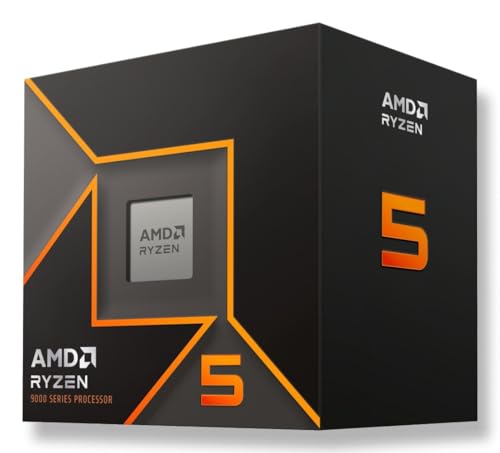
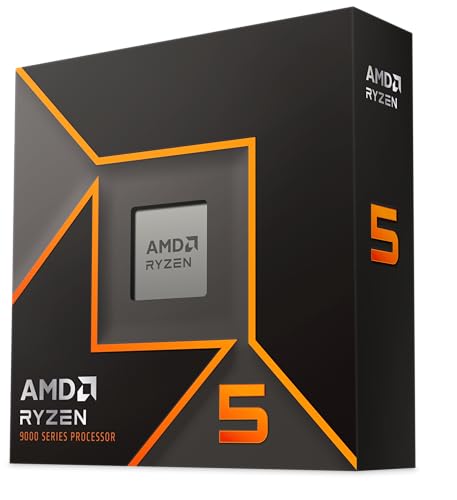
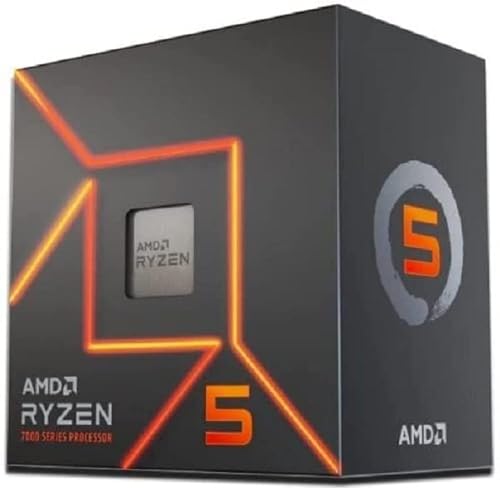
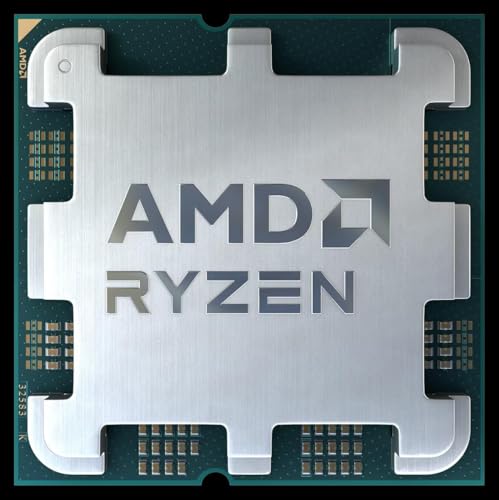
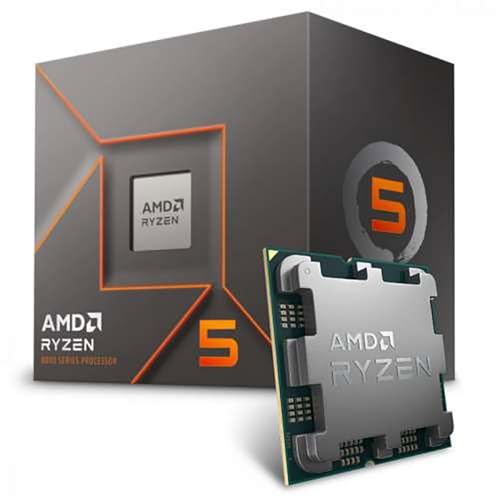
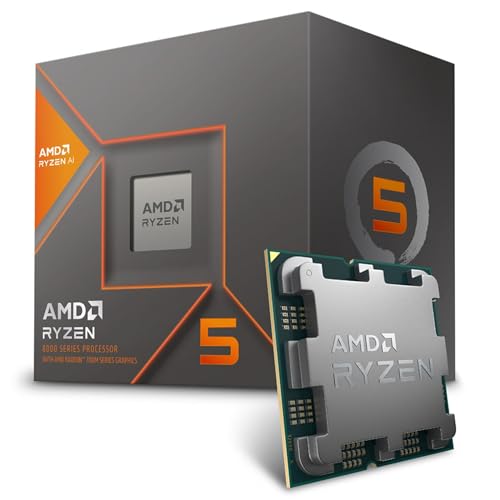
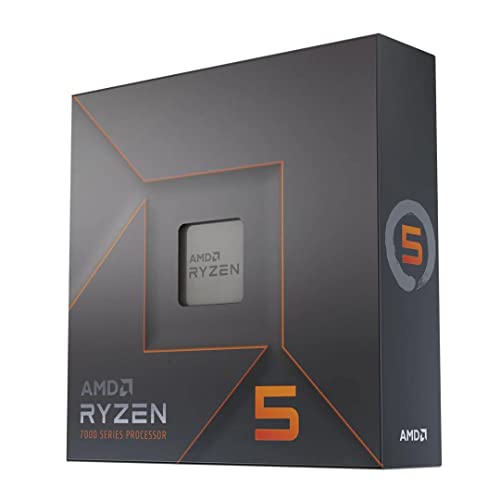
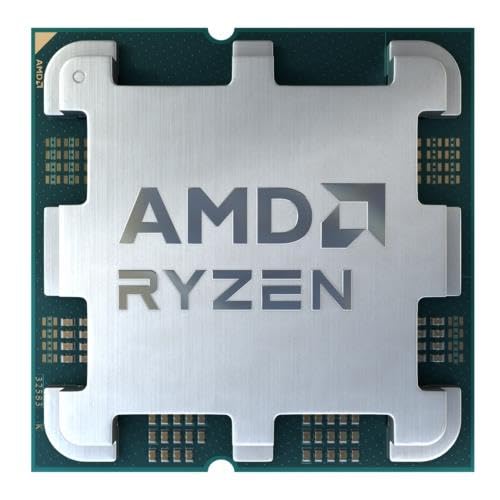
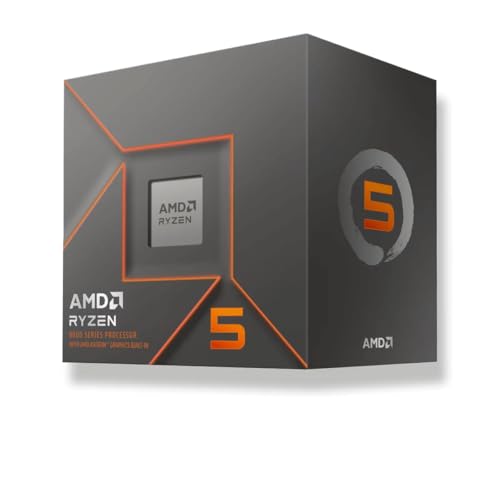
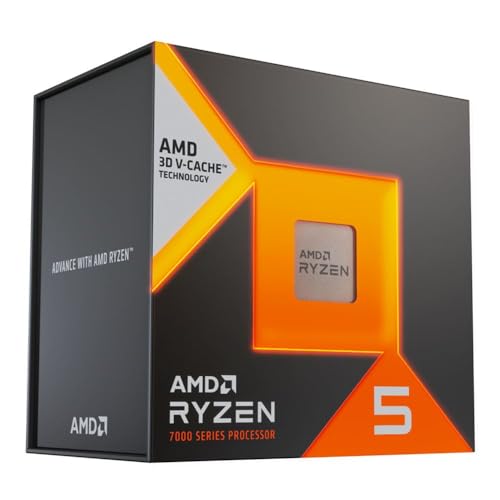
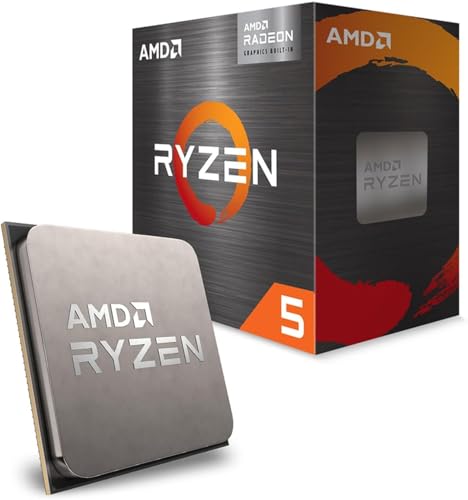
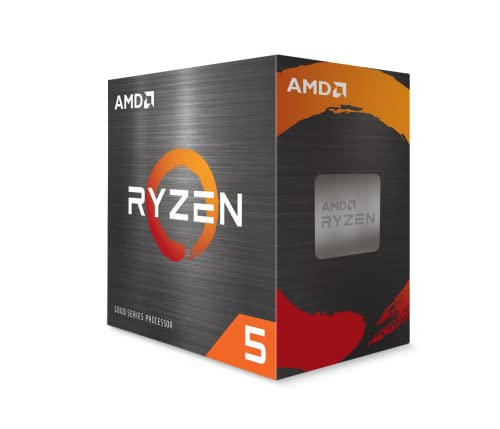
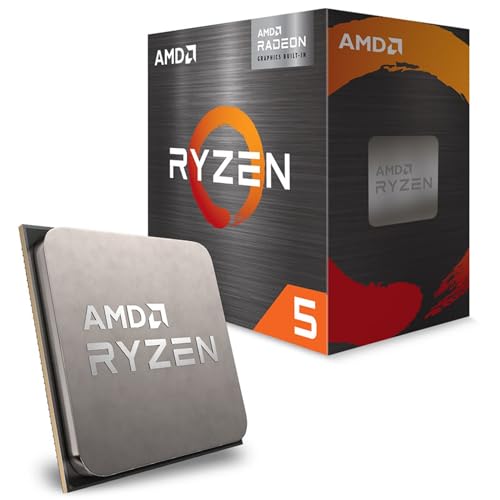
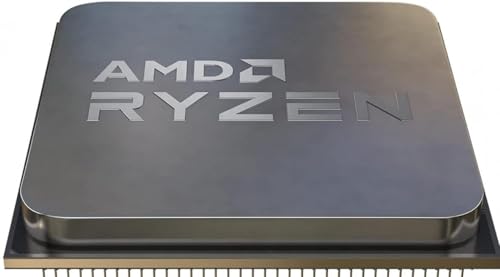
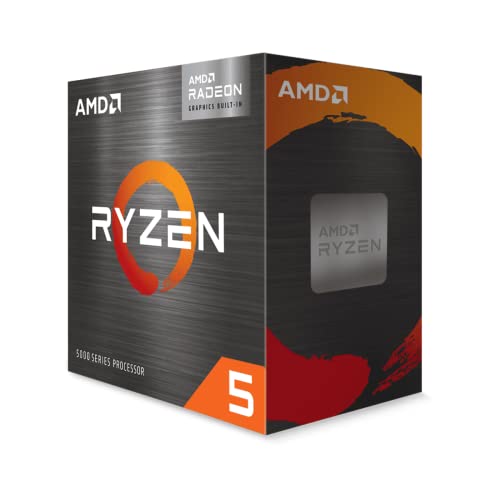
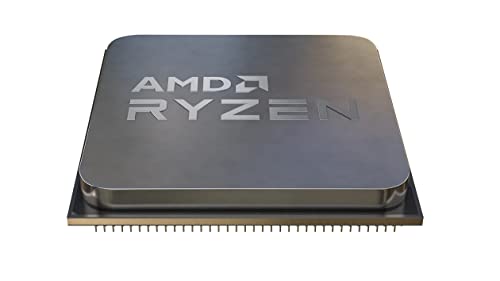
What is an AMD Ryzen 5 processor?
An AMD Ryzen 5 processor is a mid-range CPU in the Ryzen family that balances performance and price for a wide range of users. It typically comes with 4 to 6 cores in earlier generations and up to 8 cores in newer models, with simultaneous multithreading that doubles the number of threads. This setup gives it strong performance in multitasking and everyday workloads, while also keeping gaming performance at a solid level.
Ryzen 5 processors usually run at clock speeds between 3.0 and 4.5 GHz, depending on the model and generation, and they use the AM4 socket that supports a wide variety of motherboards.
They include cache memory that improves speed in repeated tasks and support modern DDR4 RAM with high bandwidth. Their architecture is based on AMD’s Zen design, which improved efficiency and performance compared to earlier CPU lines.
Is an AMD Ryzen 5 processor good for gaming?
An AMD Ryzen 5 processor is good for gaming because it combines strong multi-core performance with efficient architecture that handles modern titles well.
Most Ryzen 5 CPUs come with 6 cores and 12 threads, which gives enough processing power for smooth gameplay and also supports background tasks such as streaming or running chat applications during gaming sessions. Clock speeds typically range from mid to high levels, so frame rates stay stable in both casual and competitive games.
Ryzen 5 processors work best when paired with a dedicated graphics card, as integrated graphics are not designed for demanding games. With the right GPU, they can run most games at high settings and deliver solid performance in 1080p and even 1440p resolutions. They also use the AM4 or AM5 platform depending on the generation, which means broad compatibility with a range of motherboards and features such as PCIe 4.0 or DDR5 in newer models.
How do AMD Ryzen 5 CPUs compare to Ryzen 3 and Ryzen 7?
AMD Ryzen 5 CPUs compare to Ryzen 3 and Ryzen 7 as follows:
Ryzen 3: These entry-level processors feature 4 cores and 8 threads in most models. They target budget-conscious users who need basic computing performance for everyday tasks like web browsing, office work, and light gaming. The lower core count limits multitasking capabilities but keeps power consumption and heat generation minimal.
Ryzen 5: The mid-range processors typically include 6 cores and 12 threads, though some models offer 8 cores. They balance performance with affordability and handle demanding applications like content creation, streaming, and modern gaming effectively. These CPUs often include features like higher boost clocks and better cache configurations compared to Ryzen 3.
Ryzen 7: High-performance processors that feature 8 cores and 16 threads as standard. They target enthusiasts, content creators, and professionals who require maximum multithreading performance for tasks like video editing, 3D rendering, and heavy multitasking. The additional cores translate to superior performance in productivity workloads but come with higher power requirements and prices.
The following chart compares the number of physical cores in AMD Ryzen 5 CPUs.
[vertical-chart-17265634574887837785053285705786648748542516105163]
How much do AMD Ryzen 5 processors cost?
AMD Ryzen 5 processors cost between £110 and £240 depending on the generation and specifications.
Entry-level models such as older Ryzen 5 3600 units stay closer to £110 while newer models like the Ryzen 5 5600X and 7600 usually range from £160 to £220. The most advanced Ryzen 5 processors from the latest AM5 platform can reach about £240 because they support DDR5 memory and PCIe 5.0.
Prices vary based on socket type (AM4 or AM5), core and thread count, and base or boost clock speeds. AM4 models are generally cheaper and still popular for budget and mid-range builds, while AM5 versions are more expensive since they require newer motherboards.
What should you consider while choosing the best AMD Ryzen 5 CPU?
When choosing the best AMD Ryzen 5 CPU, consider the following key factors:
- Generation and architecture: The newer Zen 5 architecture delivers better performance per watt and improved efficiency compared to older generations. The Ryzen 5 7600X with Zen 4 architecture can boost up to 5.1 GHz while maintaining a 65W TDP. Newer generations typically offer better single-core performance which benefits gaming and daily tasks.
- Core count and thread support: Most Ryzen 5 CPUs feature 6 cores and 12 threads, which handle multitasking and light content creation well. This configuration balances performance with thermal efficiency compared to higher-tier Ryzen 7 models that have 8 cores and 16 threads. The 6-core design excels in gaming while still managing productivity tasks effectively.
- Cache size: L3 cache size significantly affects performance in data-intensive applications and gaming. The Ryzen 5 5600 has 32MB of L3 cache compared to the 5500's 16MB, which improves data access speed and reduces latency. Larger cache sizes help CPUs deliver data faster to the processor cores, particularly beneficial for gaming performance.
- Socket compatibility and platform features: Different Ryzen 5 generations use different sockets - AM4 for older generations and AM5 for newer models. The AM5 platform supports PCIe 5.0 and DDR5 memory while older AM4 processors are limited to PCIe 3.0 or 4.0 and DDR4. Platform features determine future upgrade potential and memory support capabilities.
- Thermal Design Power (TDP): TDP ratings affect cooling requirements and power consumption. Most Ryzen 5 CPUs operate at 65W TDP, which keeps power consumption low and heat generation manageable. Lower TDP ratings reduce cooling costs and enable smaller form factor builds while maintaining solid performance levels.